Top 19 Natural Monuments around Gröditz
Best natural monuments around Gröditz offer a diverse landscape of forests, fields, and waterways, including the Große Röder river and the Elsterwerda-Grödel-Floßkanal. The region combines natural beauty with historical landscape architecture, exemplified by sites like the Zabeltitz Baroque Garden. These areas provide opportunities for exploring local flora and fauna, historical structures, and planned green spaces. Visitors can find a variety of natural features and recreational activities near Gröditz.
Best natural monuments around Gröditz
- The most popular natural monuments is Heideberg…
Last updated: June 24, 2026
Zabeltitz Baroque Garden
Highlight • Natural Monument
Translated by Google •
Tip by

Heideberg Tower on Heidehöhe
Highlight • Viewpoint
Translated by Google •
Tip by

Sign up now to discover places like this
Get recommendations on the best single tracks, peaks, & plenty of other exciting outdoor places.
Sign up for free
Burgwall Kosilenzien
Highlight • Historical Site
Translated by Google •
Tip by

Confluence of the Pulsnitz and Schwarze Elster
Highlight • River
Translated by Google •
Tip by

Forsthaus Prösa Nature Reserve
Highlight • Natural
Translated by Google •
Tip by

Sign up for free to discover even more natural monuments around Gröditz.
Sign up for free
Already have an account?
Start today with a free account
Your next adventure awaits.
Login or Signup

Tips from the Community

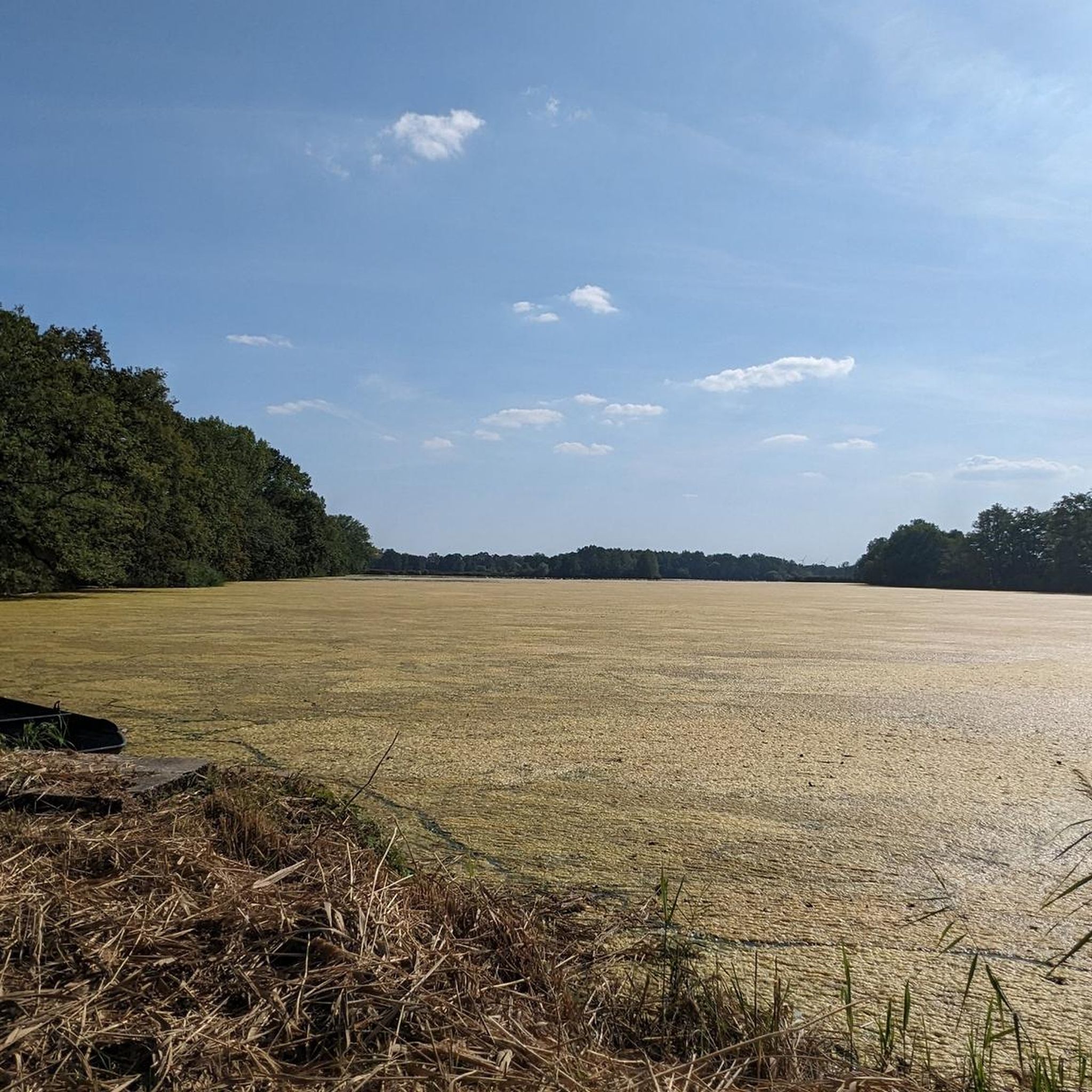
The Pulsnitz is a tributary of the Black Elster River. It rises near Ohorn, not far from the small town of Pulsnitz in Saxony, and flows through the towns of Pulsnitz, Königsbrück, and Ortrand. The Pulsnitz flows through the Königsbrück and Krakau Heath, where the Königsbrück military training area was located between 1906 and 1992, and where the market town of Krakau existed until 1938. After approximately 60 kilometers, it now flows into the Black Elster near Elsterwerda. However, its original mouth, and thus the border between Saxony and Brandenburg, was located after the village of Tettau. This formed the historical tripoint of the Margraviate of Meissen with Upper and Lower Lusatia. https://www.pulsnitztal.de/pulsnitztal.html
0
1
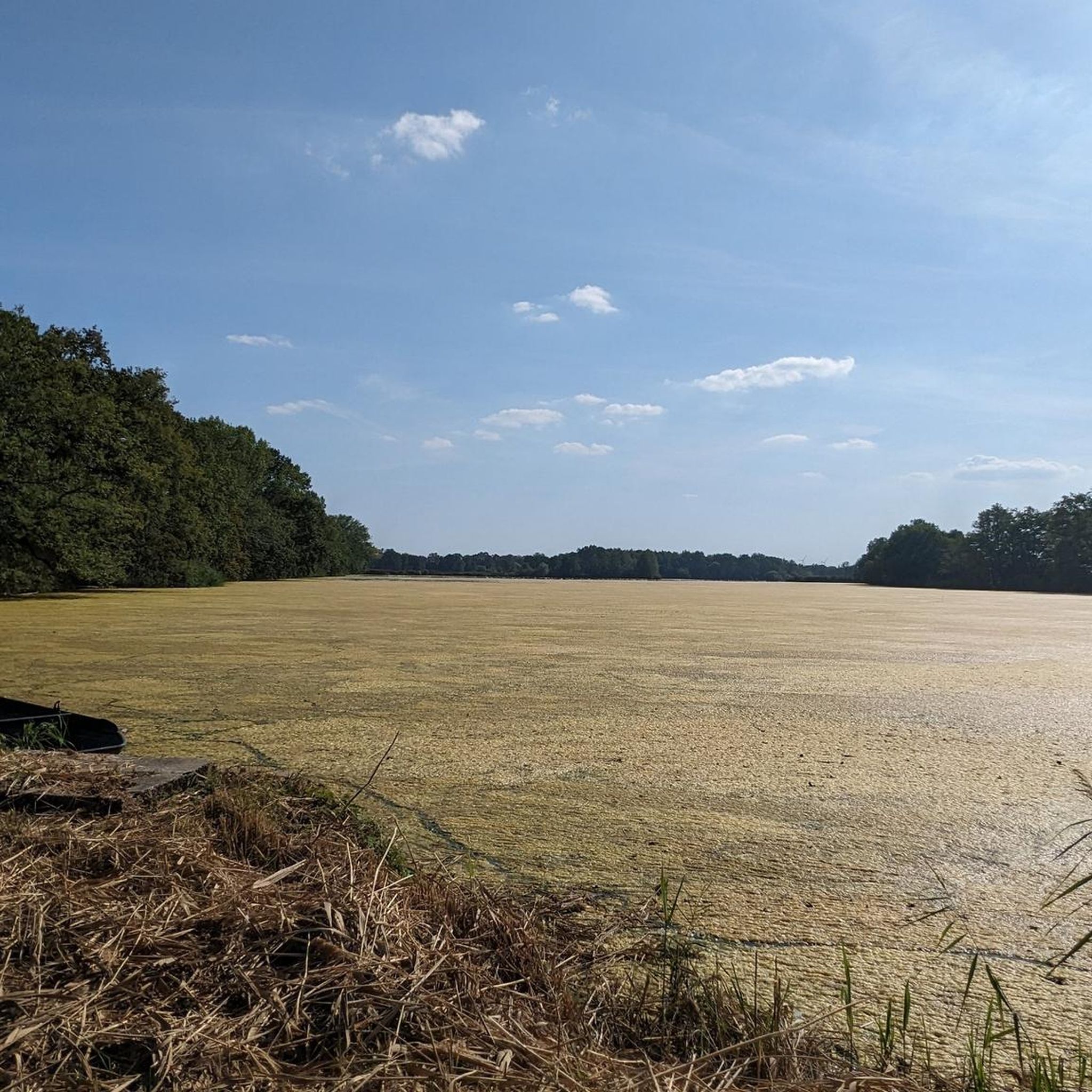
"Prösa" is the name given to a small village in the northeast of the old Liebenwerda Heath. The name is derived from the Slavic word "breza," also "briza" (brschiza), meaning "birch." The "Forsthaus Prösa" nature reserve covers a total of 3,325 hectares. The full story: http://www.hohenleipisch.de/verzeichnis/visitenkarte.php?mandat=76158
3
0

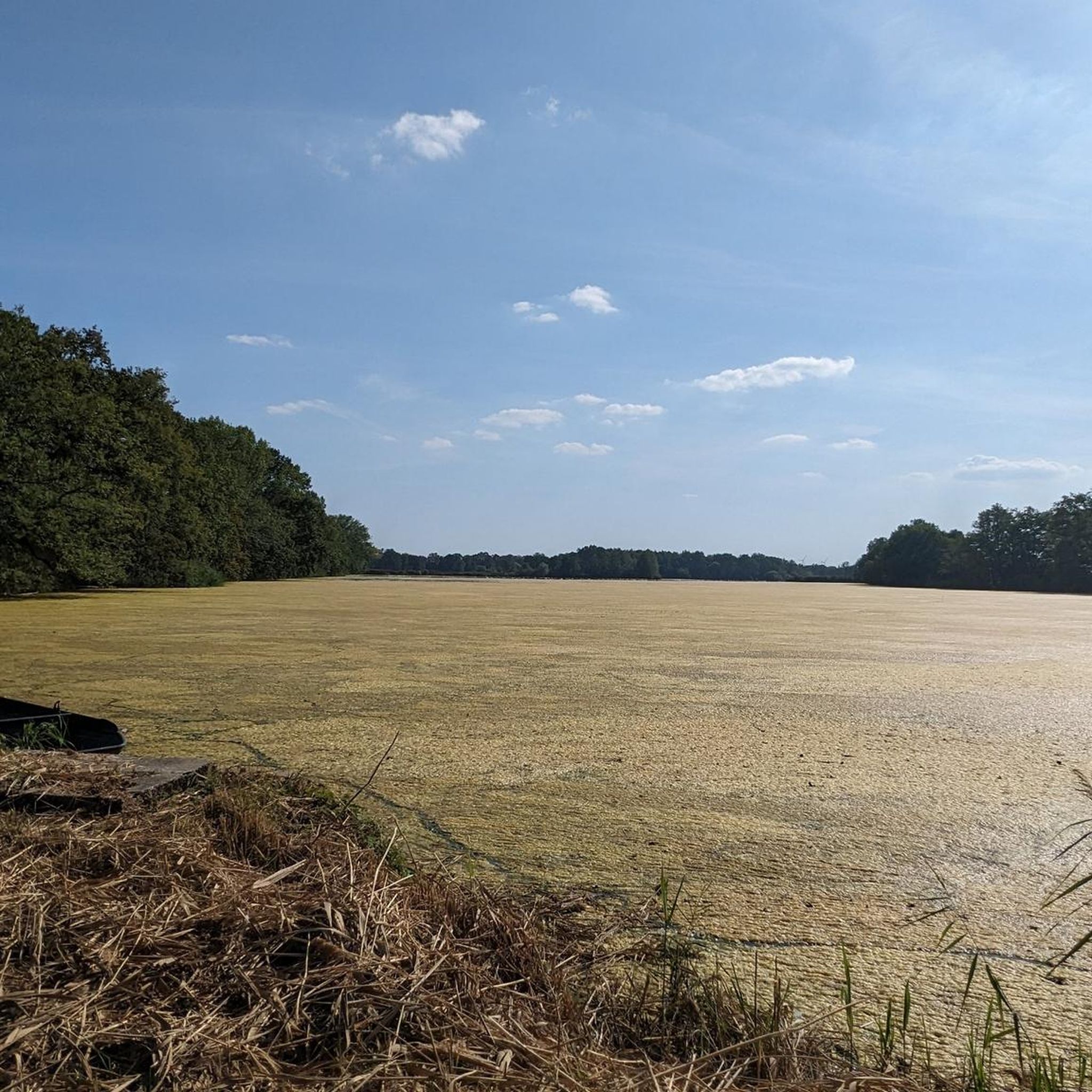
A very special place with a remarkably long history. "During the period between the late Bronze Age and the early Iron Age, a hillfort was built near the site as a refuge or defensive fort. This earthwork was approximately 400 meters in diameter. Later, the hillfort was used by Germanic and Slavic tribes." The site is perfect for a long break or a hearty picnic.
0
0

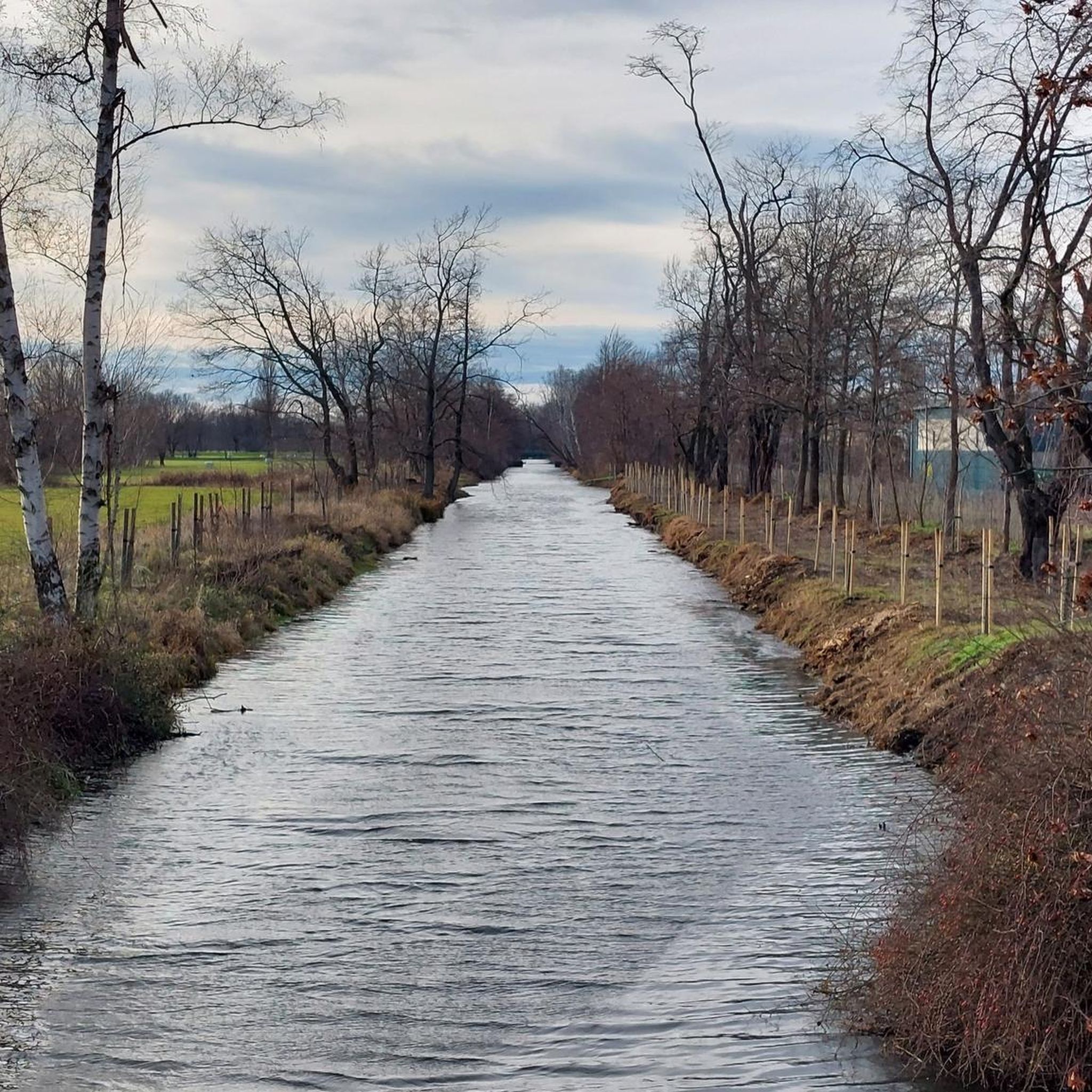
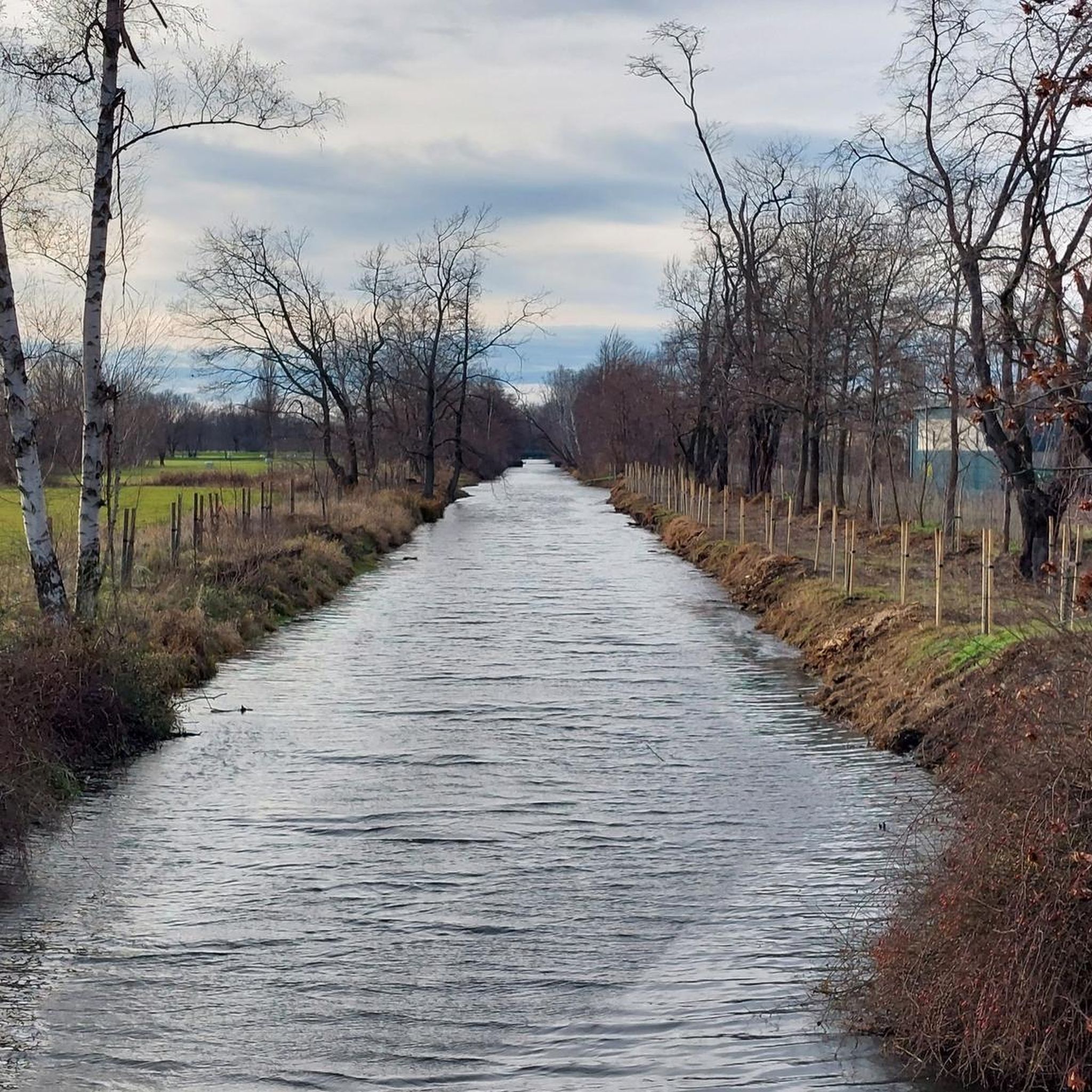
Where water meets water, not only streams but also stories mingle. The Pulsnitz, small and subdued, carries its brownish waters with a certain humility—almost as if to apologize for the disturbance. The Black Elster receives them without many words. It's a crooked kiss in the gentle rain, a confluence without pomp. Wet grass lies on the bank, punctured by molehills. The sky hangs low, as if it wanted to listen. Not a soul in sight. Only the sound of two rivers, which from now on share a common direction. And you yourself, standing there and watching, fall silent—not because it's spectacular here, but because it's enough.
2
1

In the Lower Lusatian Heath Landscape Nature Park, you can experience a diverse landscape. Highlights include the expansive heathlands in the "Forsthaus Prösa" nature reserve, which bloom in vibrant shades of pink and purple in late summer. You can also explore Brandenburg's largest orchard, featuring heritage fruit varieties in the Pomological Display and Educational Garden in Döllingen. Disused lignite mines and residual lakes have been transformed into impressive natural refuges, while the "Der Loben" moorland is an intact wetland. Large, unbroken forest areas also provide ideal conditions for rare animal species. Tip: At the "ErlebnisREICH Nature Park" visitor information center, you can learn fascinating facts about the history of the landscape and explore the treasures of the nature park in the interactive and multimedia exhibition. More information at: https://www.niederlausitzer-heidelandschaft-naturpark.de/themen/ausflugsziele-erlebnisse/besucherinformationszentrum-erlebnisreich-naturpark/
3
0

Beautifully and lovingly designed, the castle wall is worth a visit.
0
0

Today there is a rest area with a lot of information boards worth knowing and small game instructions for kids.
2
0

Confluence of the Pulsnitz and the Black Elster.
2
1
Frequently Asked Questions
What are some of the most popular natural monuments to visit around Gröditz?
Visitors frequently enjoy the Heideberg Tower on Heidehöhe, which offers expansive views of the surrounding landscape, including parts of the Elbsandsteingebirge on clear days. Another highly regarded spot is the historical Zabeltitz Baroque Garden, known for its meticulously planned landscaping and tranquil atmosphere.
Are there any natural monuments suitable for families with children?
Yes, several natural monuments are family-friendly. The Zabeltitz Baroque Garden is a great option for leisurely strolls. Additionally, Burgwall Kosilenzien, an ancient earth castle, provides a rest area with information boards and small game instructions for kids, making it an engaging historical and natural site for families.
What kind of natural features can I expect to see around Gröditz?
The region around Gröditz offers a diverse range of natural features. You can explore historical gardens like the Zabeltitz Baroque Garden, enjoy panoramic views from the Heideberg Tower on Heidehöhe, and witness the unique Confluence of the Pulsnitz and Schwarze Elster rivers. The area also features extensive forests and nature reserves, such as the Forsthaus Prösa Nature Reserve, known for its heathlands and sessile oak forests.
What historical sites are considered natural monuments in the area?
The Zabeltitz Baroque Garden is a prime example, blending natural beauty with historical landscape architecture from 1728. Another significant historical natural monument is Burgwall Kosilenzien, an ancient earth castle that served as a refuge in the Late Bronze Age and Early Iron Age, later used by Germanic and Slavic tribes.
Are there opportunities for hiking or walking near the natural monuments?
Yes, the region provides various walking and hiking opportunities. You can explore trails around the Forsthaus Prösa Nature Reserve, which features expansive heathlands and forests. For more structured routes, you can find numerous running and walking trails around Gröditz, many of which pass through scenic natural areas.
What kind of wildlife can be observed in the natural areas around Gröditz?
The natural areas, particularly along the Elsterwerda-Grödel-Floßkanal, are rich in wildlife. You might spot beavers, herons, and various water birds. The Forsthaus Prösa Nature Reserve and the developing Klimapark Gröditz are also designed to support diverse flora and fauna, offering chances to observe local species in their natural habitats.
Can I go cycling near the natural monuments in Gröditz?
Absolutely. The region is well-suited for cycling. The Floßkanalroute along the Elsterwerda-Grödel-Floßkanal is excellent for observing nature and historical structures. For more specific routes, you can explore various road cycling and gravel biking routes around Gröditz that often pass by or near natural monuments and scenic spots.
What is the best time of year to visit the natural monuments around Gröditz?
The natural monuments around Gröditz can be enjoyed throughout the year. Late summer is particularly beautiful when the heathlands in areas like the Forsthaus Prösa Nature Reserve bloom in vibrant shades of pink and purple. Spring and early summer offer lush greenery, while autumn provides colorful foliage. Winter walks can also be serene, especially in forested areas.
How long should I plan for a visit to the natural monuments?
The duration of your visit depends on which natural monument you choose and your activity. A leisurely stroll through the Zabeltitz Baroque Garden might take an hour or two. For sites like the Heideberg Tower on Heidehöhe, allow time for the ascent and enjoying the views. If you plan to hike or cycle, a half-day or full-day excursion might be more appropriate, especially when combining multiple sites or longer routes.
Are there any unique natural attractions beyond the formally recognized monuments?
Yes, beyond the formal natural monuments, the region boasts the Elsterwerda-Grödel-Floßkanal, offering a blend of industrial history and nature, perfect for observing local flora and fauna. The developing Klimapark Gröditz is also a unique urban green space focused on biodiversity and environmental education, featuring an orchard, flower meadow, and a 'Bienenburg' (bee castle).
What do visitors particularly enjoy about the natural monuments in Gröditz?
Visitors appreciate the blend of natural beauty and historical significance. The tranquil atmosphere of the Zabeltitz Baroque Garden, with its beautiful details and dedication benches, is often highlighted. The panoramic views from the Heideberg Tower on Heidehöhe are also a big draw, offering a rewarding experience after a walk through the forest.
Most popular routes around Gröditz
Most popular attractions around Gröditz

Get inspired with the komoot mobile app


Explore more
Extend your search for the best caves by checking out these guides of the top ones around Gröditz:
