Top 16 Natural Monuments around Strehla
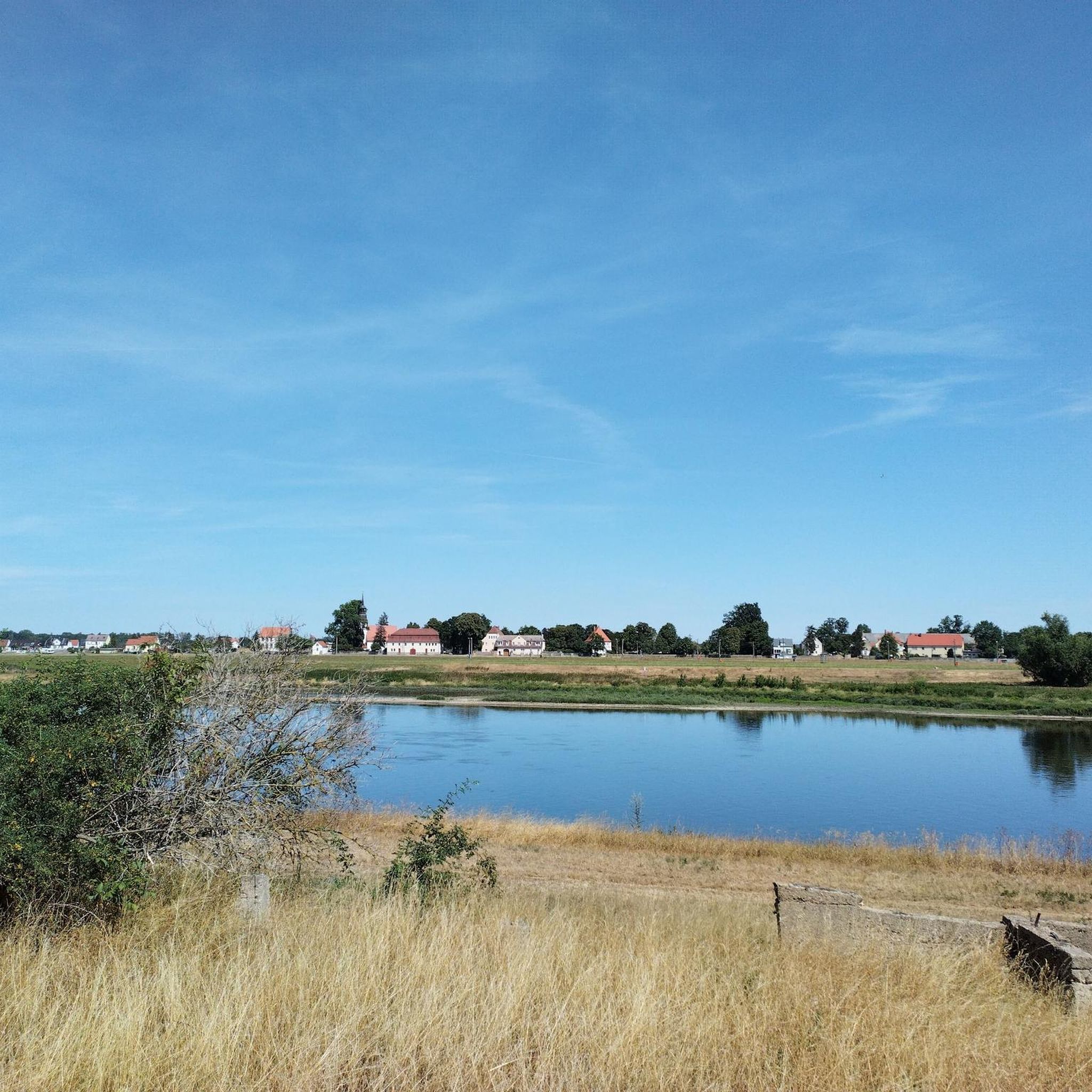
Best natural monuments around Strehla are found within the idyllic Elbe floodplains, a region characterized by its meandering river, pristine wetlands, and wooded hills. This landscape provides a mosaic of diverse habitats, supporting a rich variety of plants and animals. Strehla itself is situated within these natural settings, offering compelling reasons for exploration. The area combines natural beauty with opportunities for outdoor activities like cycling and hiking.
Best natural monuments around Strehla
- The most popular natural monuments is Gohrischheide Observation…
Last updated: October 11, 2026
Gohrischheide Observation Tower
Highlight • Viewpoint
Translated by Google •
Tip by

Ginkgo National Heritage Tree at Jahnishausen Castle Park
Highlight • Natural Monument
Translated by Google •
Tip by

Sign up now to discover places like this
Get recommendations on the best single tracks, peaks, & plenty of other exciting outdoor places.
Jahna Floodplain Forests Nature Reserve
Highlight • Forest
Translated by Google •
Tip by

Rittergut Oelzschau and Ancient Plane Tree
Highlight • Historical Site
Construction time 16th century, 18th century, 19th century
Architectural style: Renaissance, Baroque, Classicism
Client: Heinrich Gottfried von Wesenig (1725)
Condition: The manor house of the manor …
Translated by Google •
Tip by

Fish Ladder on the Jahna
Highlight • Structure
Translated by Google •
Tip by

Sign up for free to discover even more natural monuments around Strehla.
Already have an account?
Start today with a free account
Your next adventure awaits.

Tips from the Community

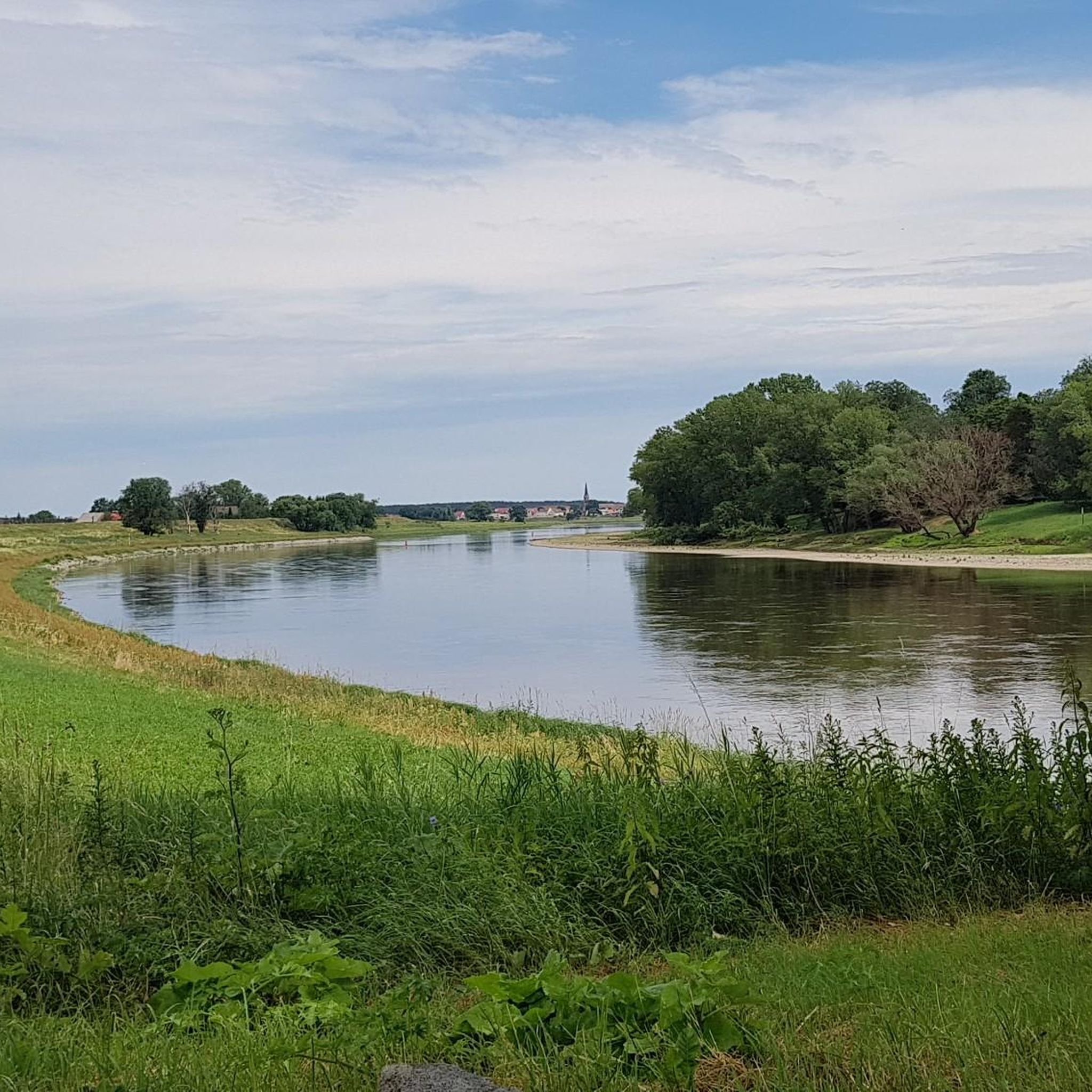
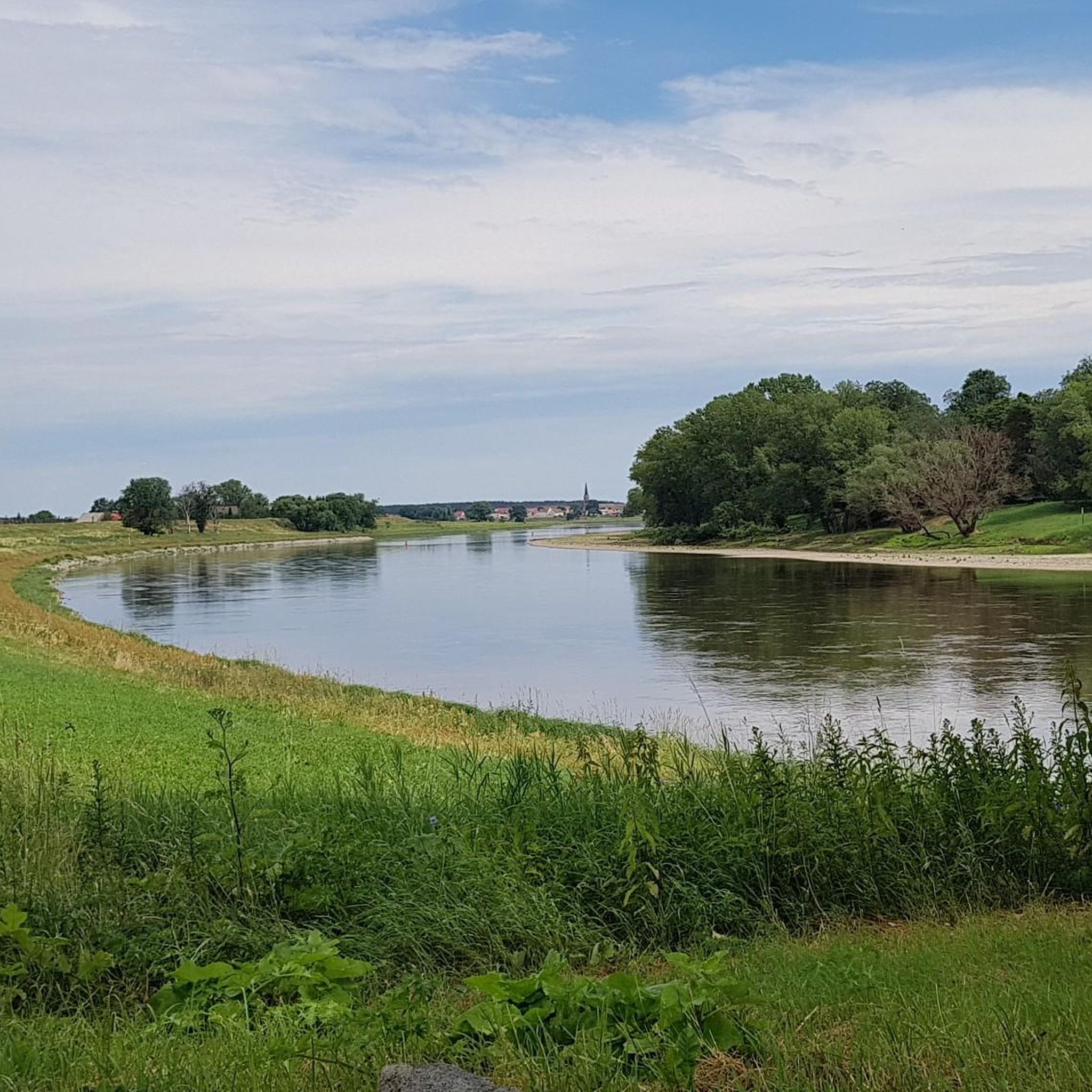
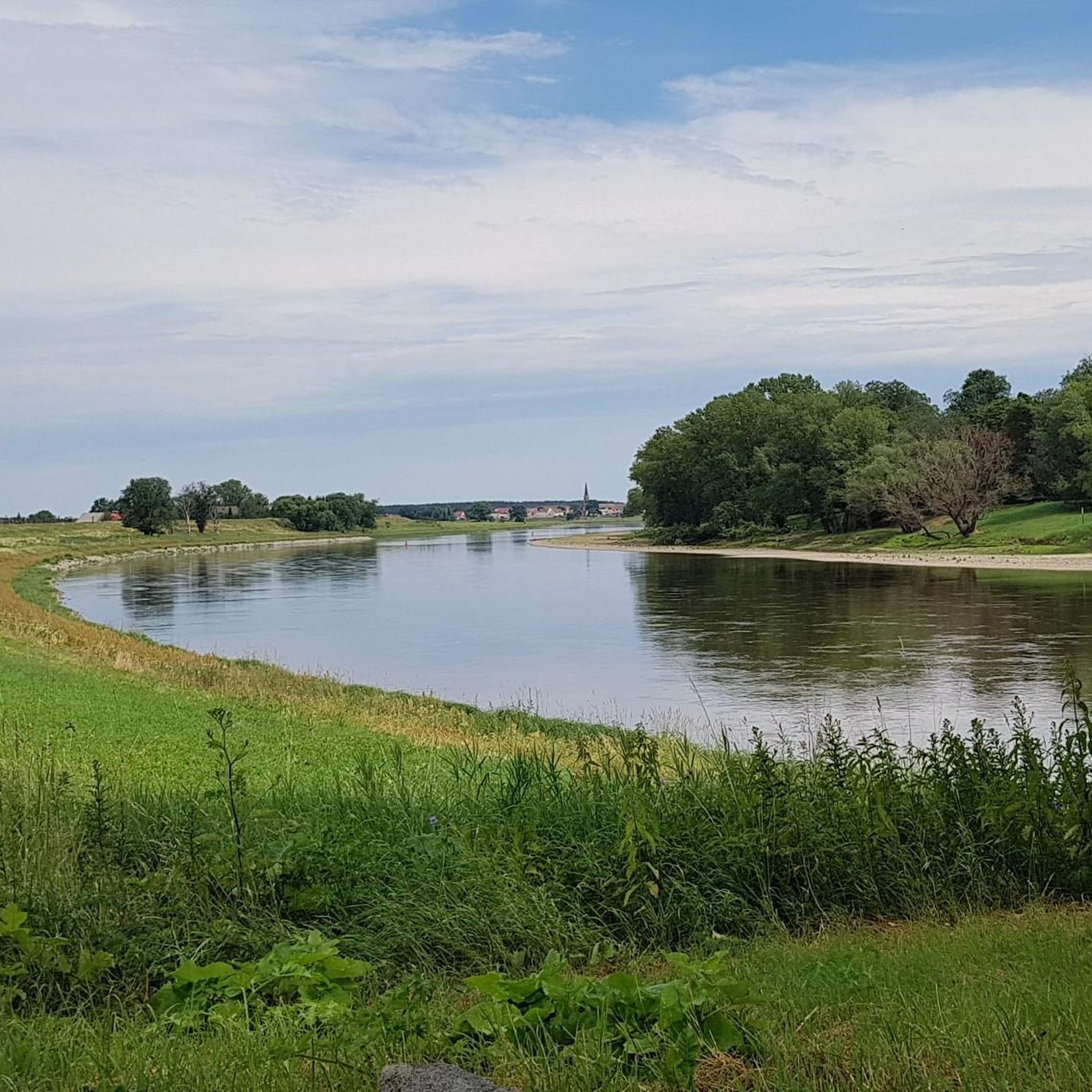
Former Jahna weir – now fish ladder.
0
0


Beautiful spot here on the Jahna. You can balance on the large stones or put your feet in the water to cool off.
1
0


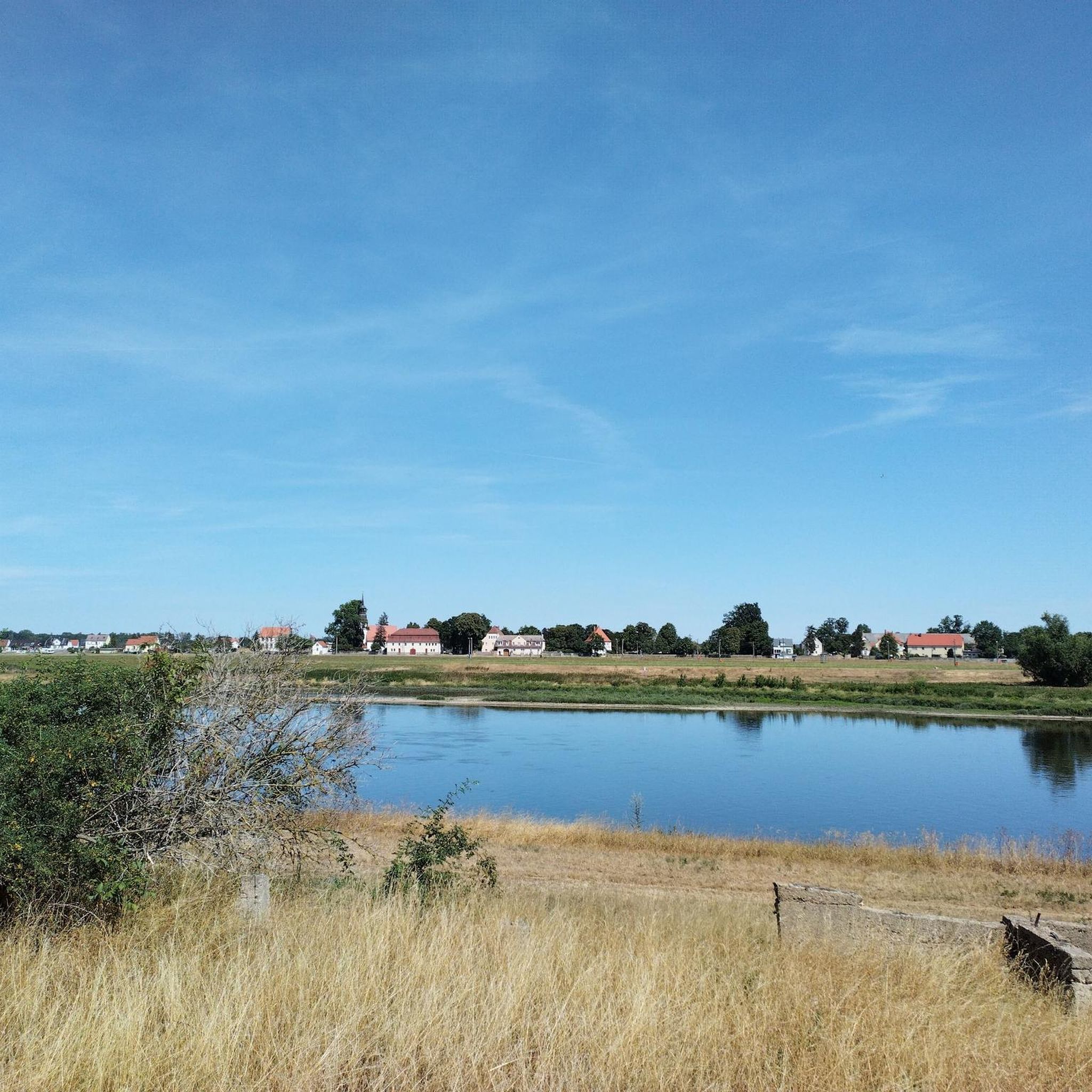
Worth a short stop with a view over the flat landscape.
1
0

You should come here just because of this mighty plane tree, which is more than 300 years old.
0
0

Established in 1958, the nature reserve covers 20 hectares. The Jahna River and the Keppritzbach stream give the forest and its floodplains an African-like appearance. There is a great deal of natural windthrow along the Jahna. However, dead wood is a natural component of floodplain forests, and the entire area is part of the EU's Natura 2000 ecological network. Besides many animal species, the endangered spring snowflake (Leucojum vernum) thrives here.
2
0
It is rare that a tree is declared a national heritage of Germany. The 200-year-old ginkgo in the Jahnishausen Castle Park was honored with it in October 2019. After all, it can live to be over 1000 years old, so it has just outgrown the "teenage age" (:-) and is one of the 100 most important trees in Germany.
2
0
Frequently Asked Questions
What unique natural features can I explore around Strehla?
Strehla is situated within the idyllic Elbe floodplains, offering a diverse landscape. You can discover unique rock formations like the legendary Nixstein in the Elbe riverbed, expansive floodplain forests such as the Jahna Floodplain Forests Nature Reserve, and ancient trees like the Ginkgo National Heritage Tree at Jahnishausen Castle Park.
Are there family-friendly natural monuments in the Strehla area?
Yes, several natural monuments around Strehla are suitable for families. The Gohrischheide Observation Tower offers an easy walk to a viewpoint with extensive views. The Ginkgo National Heritage Tree at Jahnishausen Castle Park provides a fascinating natural history lesson, and the Jahna Floodplain Forests Nature Reserve is a great place for nature observation.
What kind of wildlife can be observed in the natural areas near Strehla?
The Elbe floodplains and associated natural monuments are rich in biodiversity. The diverse habitats, including wetlands and forests, support a variety of plants and animals. You can observe various bird species, beavers, and unique flora like the endangered spring snowflake in the Jahna Floodplain Forests Nature Reserve.
What is the significance of the Nixstein in Strehla?
The Nixstein is a unique rock formation in the Elbe riverbed, nearly 10 meters in diameter, visible only at low tide. Historically, it posed a significant danger to shipping. It is also steeped in local legends involving water spirits or 'nixen,' adding a mystical allure. You can reach it via the 'Great Mermaid Trail'.
Where can I find panoramic views of the landscape around Strehla?
For excellent panoramic views, visit the Gohrischheide Observation Tower. This 6-meter-high wooden structure provides a vantage point over the heathland, which is a 454.4-hectare special protection zone.
Are there any ancient or historically significant trees to see?
Yes, Strehla is home to some remarkable ancient trees. The Ginkgo National Heritage Tree at Jahnishausen Castle Park is approximately 220 years old and one of Germany's largest ginkgos. Additionally, the Rittergut Oelzschau and Ancient Plane Tree features a mighty plane tree that is over 300 years old.
What outdoor activities can I do near the natural monuments around Strehla?
The region around Strehla offers extensive opportunities for outdoor activities. You can enjoy cycling along the Elbe Cycle Route, hiking, or running. For specific routes, explore the MTB Trails around Strehla, Running Trails around Strehla, or Road Cycling Routes around Strehla.
What is the Jahna Floodplain Forests Nature Reserve known for?
The Jahna Floodplain Forests Nature Reserve, established in 1958, covers 20 hectares and is characterized by the Jahna River and Keppritzbach stream. It features natural windthrow and dead wood, which are vital components of floodplain ecosystems. It's part of the EU's Natura 2000 network and is known for its diverse animal species and the endangered spring snowflake.
Can I visit the Rittergut Oelzschau when exploring the ancient plane tree?
While the park of the Rittergut Oelzschau and Ancient Plane Tree is well-maintained and partially accessible, the manor house itself is in a damaged condition and cannot be visited. The main attraction here is the impressive 300-year-old plane tree.
What makes the Elbe River and its floodplains around Strehla special?
The Elbe River meanders through picturesque natural and cultural landscapes, featuring pristine wetlands, white sandy beaches, and wooded hills. The river's dynamics create a mosaic of diverse habitats, supporting a rich variety of plants and animals. The floodplains are characterized by fertile marshlands and are regularly shaped by water levels, contributing to flood protection and acting as a carbon sink.
What do visitors particularly enjoy about the natural monuments near Strehla?
Visitors appreciate the diverse natural beauty, from the unique rock formations like the Nixstein with its local legends, to the extensive views from the Gohrischheide Observation Tower. The opportunity to observe wildlife in areas like the Jahna Floodplain Forests Nature Reserve and the historical significance of ancient trees also draw many visitors.
Are there any natural retreats within Strehla itself?
Yes, the Stadtpark Strehla offers a tranquil natural retreat within the town. Created from the former castle park, it features wooded slopes, terraces overlooking the Elbe, and orchards. It's a peaceful environment for strolling and unwinding, blending landscaped and wilder elements.
Most popular routes around Strehla
Most popular attractions around Strehla

Get inspired with the komoot mobile app


Explore more
Extend your search for the best caves by checking out these guides of the top ones around Strehla:
