Top 20 Natural Monuments around Brinjahe
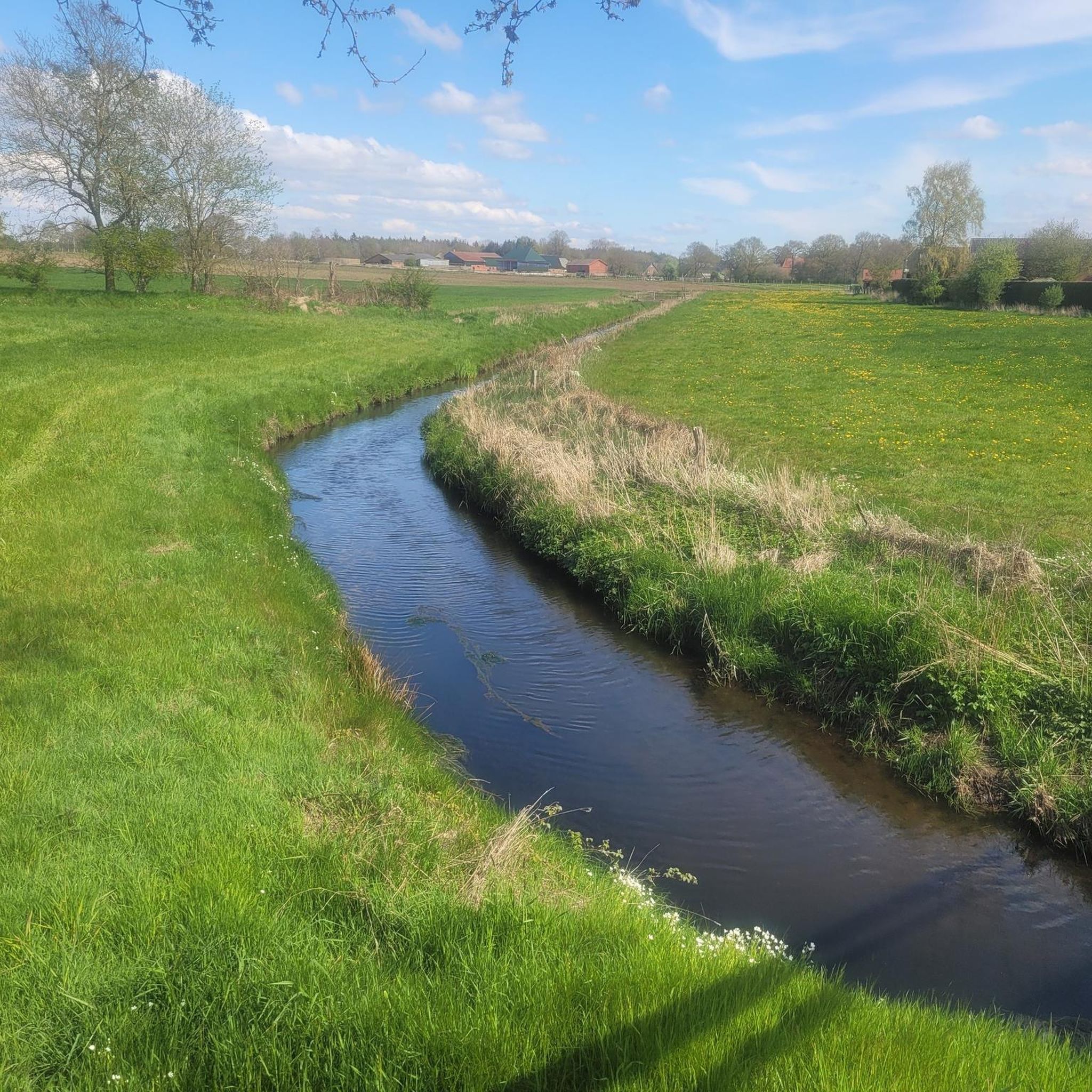
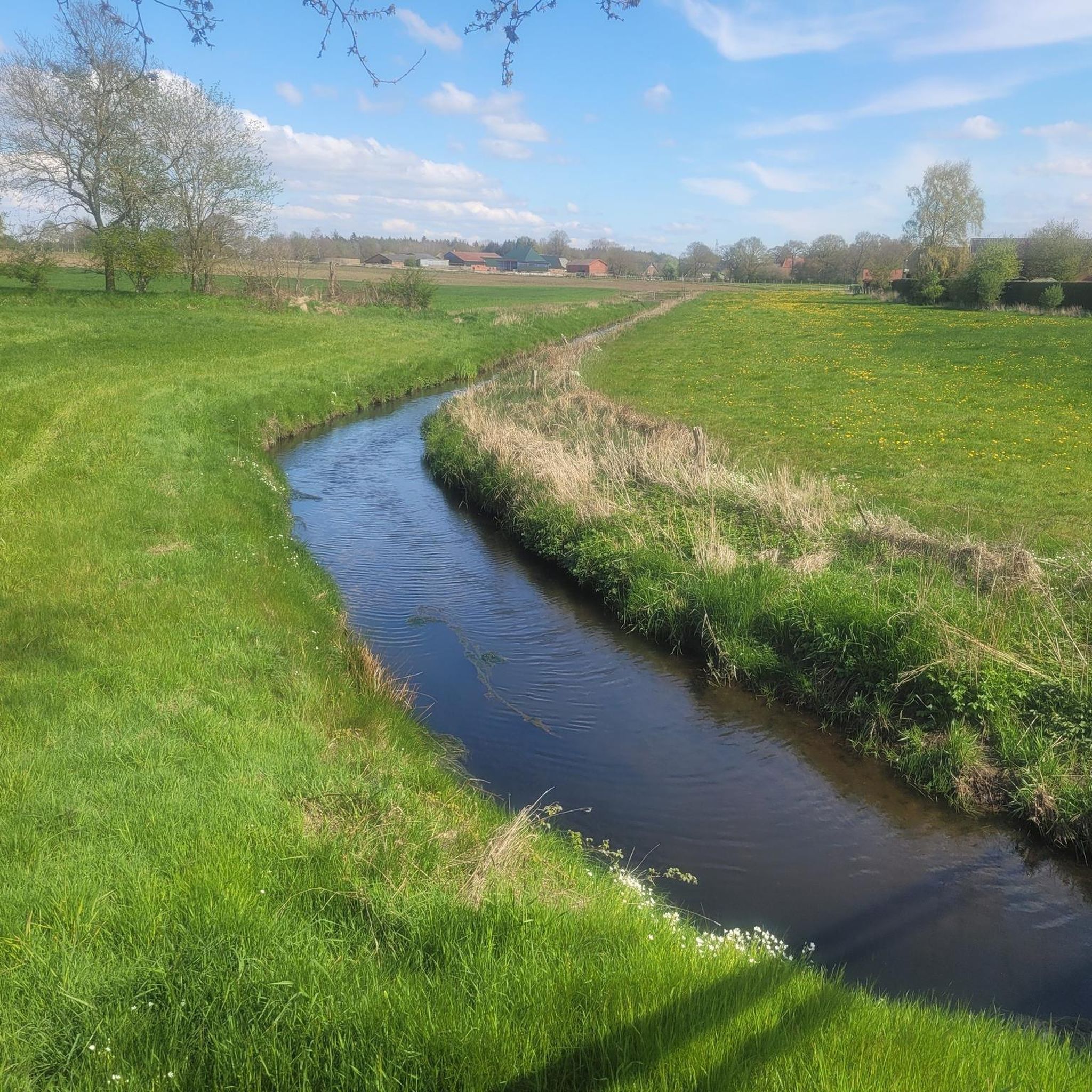
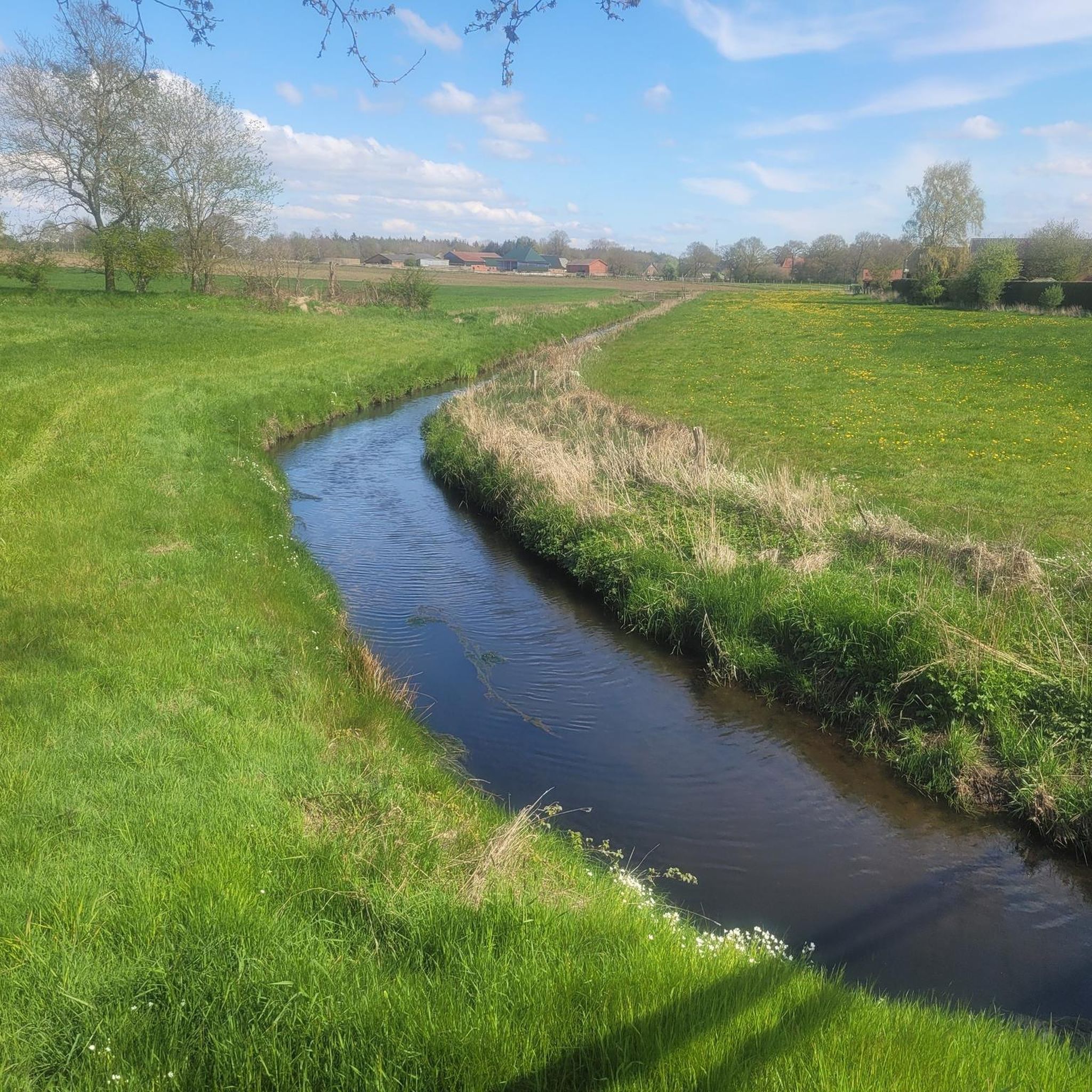
Natural monuments around Brinjahe are primarily found within the tranquil, agriculturally-characterized landscape of Schleswig-Holstein, Germany. Brinjahe is situated within the Naturpark Aukrug, offering a rural setting integrated into a larger natural park environment. The area's natural appeal includes forests, the Wisbek stream, and a peaceful environment suitable for outdoor activities. Visitors can explore a variety of natural features characteristic of the region.
Best natural monuments around Brinjahe
- The most popular natural monuments is Westerholz Enclosure Nature Trail, Aukrug Nature Park…
Last updated: June 24, 2026
Kimber Spring
Highlight • Natural Monument
Translated by Google •
Tip by

Rüsterbergen Inland Dune
Highlight • Natural Monument
Although Rüsterbergen was a few kilometers away from us …
Translated by Google •
Tip by
Sign up now to discover places like this
Get recommendations on the best single tracks, peaks, & plenty of other exciting outdoor places.
Sign up for free
Shell House and Shell Stone
Highlight • Monument
In front of the building there is a cup stone from the younger or older Bronze Age.
Translated by Google •
Tip by

Westerholz Enclosure Nature Trail, Aukrug Nature Park
Highlight • Forest
Translated by Google •
Tip by

Polders of the Haaler Au
Highlight (Segment) • Lake
Translated by Google •
Tip by

Sign up for free to discover even more natural monuments around Brinjahe.
Sign up for free
Already have an account?
Start today with a free account
Your next adventure awaits.
Login or Signup
Tips from the Community

Here, you have to bypass a pasture. The grass is extremely high, and the path itself is barely visible. This requires a good feel for the road, leg strength, and a good dose of intuition.
0
0

This is the former home of the shell souvenir manufacturer D. Hauschild. In 1901, he had his house modernized and in the process decorated the windows, doors and corners of the house with shells that he bought in the Hamburg harbor and made into souvenirs. In front of his house there is a shell stone that he bought. He had it transported to his house from a bent wall near the Vaasbüttel brickworks. https://www.hohenwestedt.de/die-gemeinde/sehenswertes
1
0

In 1901, the shell souvenir maker Detlev Hauschildt had the house modernized in the style of the time and the windows, doors and corners decorated with shells that he bought in the port of Hamburg and processed into souvenirs. This is why the house is popularly known as the "shell house". Hans-Günter Kiene later moved in here with his tax office. As early as January 1892, Detlev Hauschildt had the so-called shell stone, which originally stood on a small elevation in a bent wall near the Vaasbüttel brickworks, set up in front of his "shell house". He bought it for six marks and had it brought to its current location on a sleigh pulled by eight horses; the transport was much more expensive than the purchase, namely 330.00 marks. The shell stone is a granite block that is two meters high and has a circumference of 5.20m. It tapers towards the top and has many small, bowl-shaped depressions on its surface. It is also a prehistoric sacrificial stone with man-made depressions to collect the blood of the sacrificial animals. https://www.hohenwestedt.de/die-gemeinde/sehenswertes
3
0

Nice and quiet place, good place to take a break
2
0

The nature trail north of Mörel has two circular routes with many information boards providing information about the local flora and fauna.
1
0

The nature park hiking trail leads, among other things, through the Aukrug nature park. At this point, a sign provides information about the Westerholz enclosure, a protected natural forest that belongs to the NSG "Natural forests in the Barlohe state forests". Trees grow in natural forests, storms, insect infestations and deer browsing have an effect without human intervention. Mainly beech forests thrive on the flat tops of the Hohe Geest. A special feature of the Westerholz enclosure is the rare Coral Beard (Hericium coralloides) in a part of the forest that has not been used for more than 30 years.
2
0

Very nice place for a little break.
1
0
The pristine depths of the earth still preserve much that is undiscovered. We owe our good spring water to Mother Nature. In Nindorf the Kimberquelle brings gut2 to light. You can discover how and where for yourself on site. This very special source was discovered quite by accident when drilling for oil in Nindorf in 1884. When the builders penetrated the marl layer, they encountered an artesian water vein. Since then it has been bubbling up all by itself. An artesian well was then built, which supplied the neighboring community of Remmels with water between 1913 and 1972. Of course, the local women also used this unfiltered, iron-rich water for washing. However, due to the high iron content in the water, their laundry never really turned white - which is why they were called the "grey mice of Remmels". For this reason, in the 1970s, the women in the area pushed through to have their drinking water supply connected to the public drinking water network. Apparently they didn't realize at the time how good their water actually was. The water tower in Remmels, which is under monument protection, still bears witness to these times. http://www.gutzwei.de/de/quelle/
4
0
Frequently Asked Questions
What kind of natural monuments can I expect to find around Brinjahe?
Around Brinjahe, you'll discover a variety of natural features characteristic of the Naturpark Aukrug, including protected forests, unique springs, inland dunes, and polder landscapes. The area offers a tranquil, rural setting with diverse natural attractions.
Are there any specific natural monuments that are particularly popular?
Yes, visitors often enjoy the Westerholz Enclosure Nature Trail, Aukrug Nature Park, which leads through a protected natural forest. Another popular spot is Kimber Spring, an artesian well with a fascinating history. The Polders of the Haaler Au are also well-regarded for wildlife observation.
What is special about the Westerholz Enclosure Nature Trail?
The Westerholz Enclosure Nature Trail, Aukrug Nature Park is a protected natural forest where trees grow without human intervention. It features information boards about local flora and fauna, including the rare Coral Beard fungus, and offers two circular routes for exploration.
Can I visit the Kimber Spring, and what makes it unique?
Yes, you can visit Kimber Spring. This artesian well was discovered in 1884 and has been bubbling up naturally ever since. It's known for its pristine spring water, which is bottled on site, and visitors can learn about its history and the local 'gut2' water.
What kind of wildlife can be observed at the Polders of the Haaler Au?
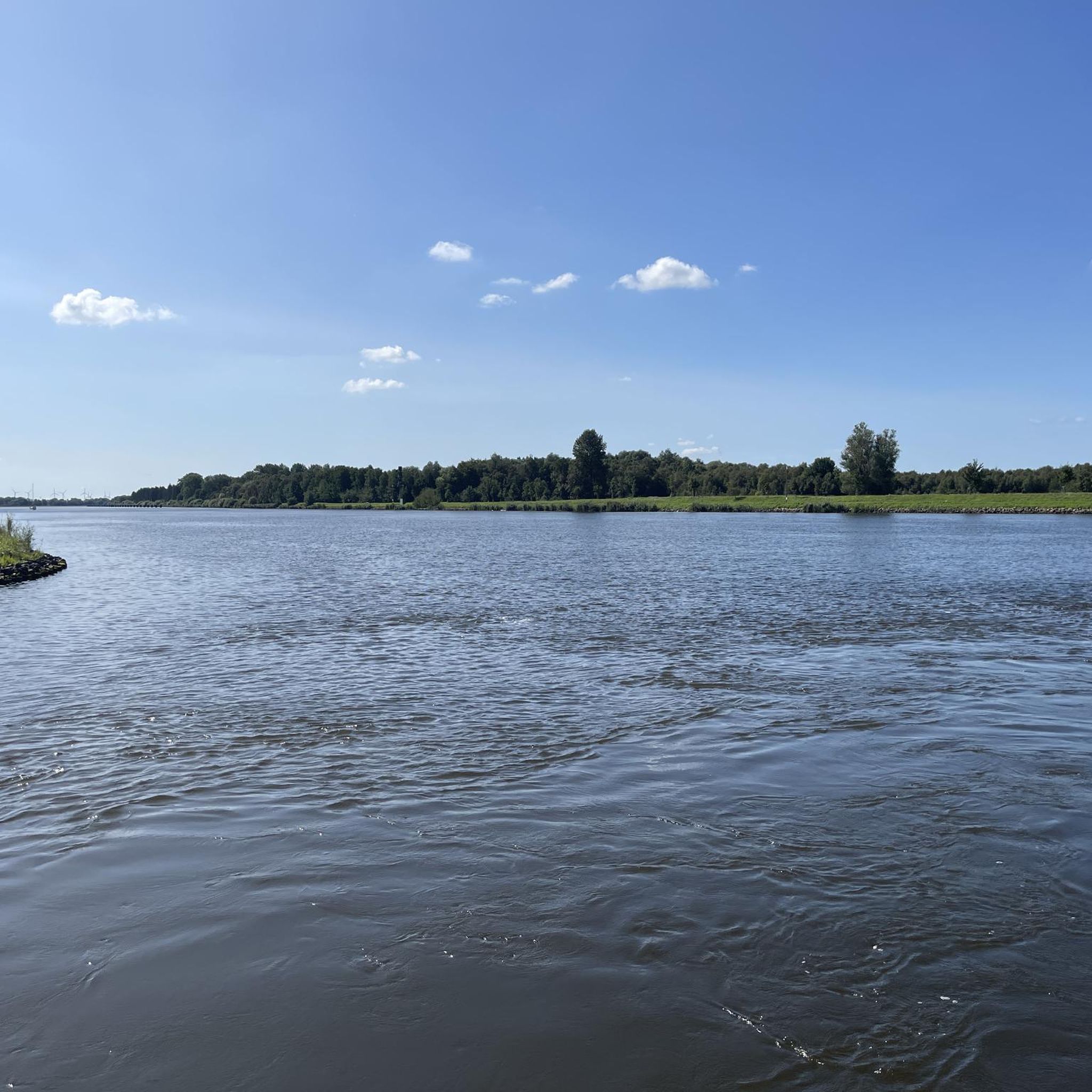
The Polders of the Haaler Au are lake-like areas that provide a habitat for many animals. During migration, especially in February and March, pygmy swans use these areas as a resting place, making it an excellent spot for birdwatching in winter.
Are there any inland dunes to explore near Brinjahe?
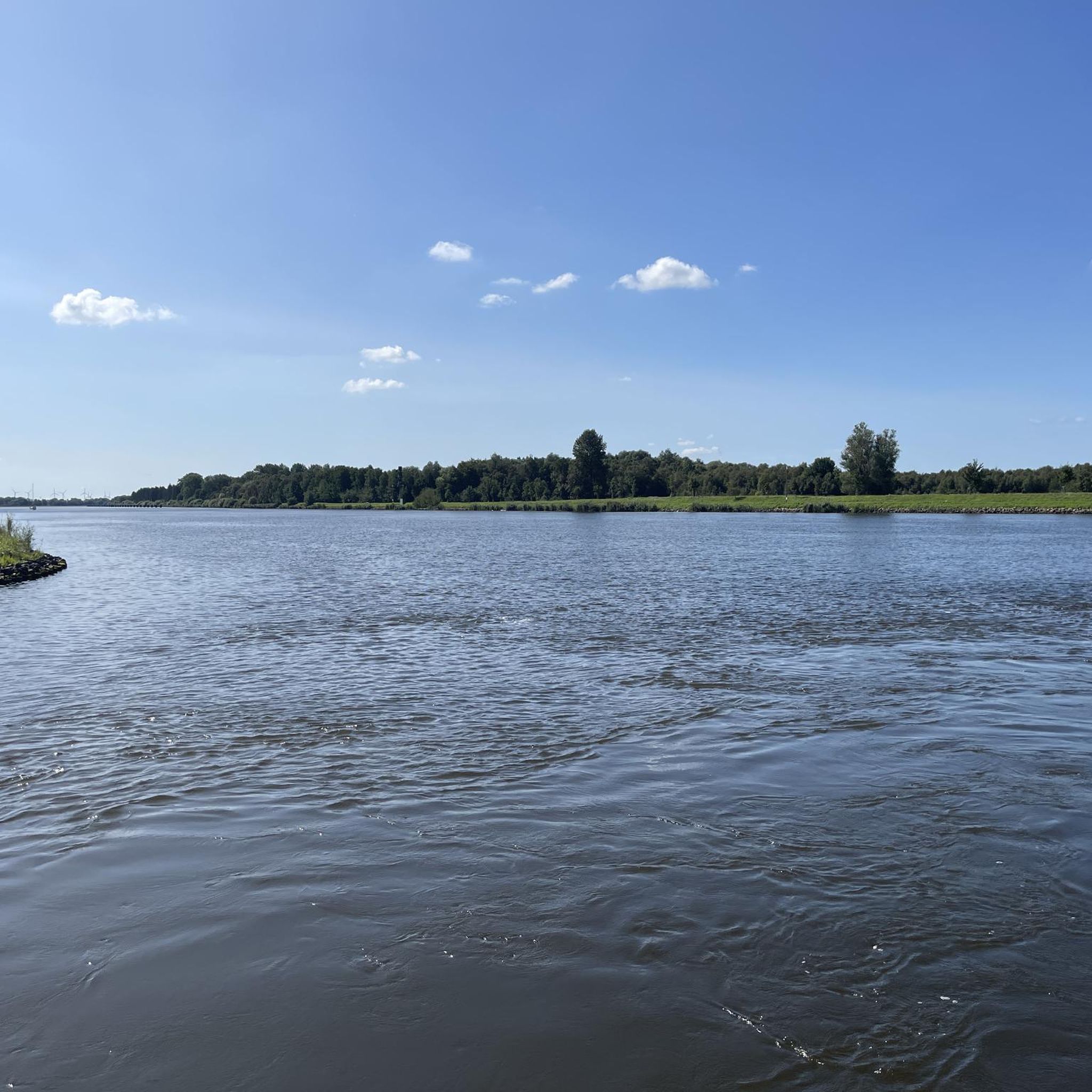
Yes, the Rüsterbergen Inland Dune is a notable natural monument. This moving inland dune is located within a nature reserve on the Kiel Canal, offering a unique landscape and a nice spot for a break.
What outdoor activities can I do near these natural monuments?
The area around Brinjahe, particularly within Naturpark Aukrug, is excellent for outdoor activities. You can find numerous trails for hiking, gravel biking, and running. Popular hiking routes include loops around Hermann-Länge Pond and the Barlohe Forest.
Are the natural monuments and trails around Brinjahe suitable for families?
Many natural monuments and trails in the area are family-friendly. For example, the Westerholz Enclosure Nature Trail and Kimber Spring are suitable for families. There are also several easy hiking routes, such as the Hermann-Länge Pond loop from Brinjahe, which is just under 5 km.
What is the best time of year to visit the natural monuments around Brinjahe?
The natural monuments around Brinjahe can be enjoyed year-round. Winter is particularly good for observing pygmy swans at the Polders of the Haaler Au. Spring and autumn offer pleasant temperatures for hiking and cycling through the forests and rural landscapes, while summer is ideal for general outdoor exploration.
Are there any specific hiking trails recommended for exploring the natural areas?
Yes, for hiking, you can explore trails like the Hermann-Länge Pond – Barloher Forst Parking Area loop (easy, 4.8 km) or the War Memorial Barlohe Forest – Hermann-Länge Pond loop (easy, 5.9 km). For a longer, moderate challenge, consider the Ford in Naturpark Aukrug – Hermann-Länge Pond loop (14.2 km). You can find more options in the hiking guide for Brinjahe.
What do visitors generally appreciate most about the natural monuments in this region?
Visitors highly appreciate the tranquility and natural beauty of the area. The protected forests, unique geological features like the artesian spring and inland dunes, and opportunities for wildlife observation are frequently highlighted. The well-maintained trails and informative signage also contribute to a positive experience.
Is public transport available to reach the natural monuments near Brinjahe?
Brinjahe is a small, rural village. While local bus services might connect to nearby towns, direct public transport to specific natural monuments within the Naturpark Aukrug may be limited. It is advisable to check local transport schedules or consider traveling by car or bicycle for greater flexibility.
Are there any permits required for hiking or visiting the natural monuments?
Generally, no specific permits are required for hiking or visiting the natural monuments in the Naturpark Aukrug around Brinjahe. However, visitors are expected to respect nature reserve rules, stay on marked paths, and avoid disturbing wildlife or plants.
Most popular attractions around Brinjahe

Get inspired with the komoot mobile app


Explore more
Extend your search for the best caves by checking out these guides of the top ones around Brinjahe:
