Top 20 Natural Monuments around Münk
Best natural monuments around Münk are found within the Eifel region, characterized by its volcanic origins and diverse landscapes. This area features a variety of geological formations, including maars, lava bombs, and elevated viewpoints. The natural environment offers opportunities to explore unique geological history and scenic trails. Münk serves as a starting point for discovering these natural features.
Best natural monuments around Münk
- The most popular natural monuments is Wacholderweg Path in the Heidbüchel Nature Reserve, a trail that…
Last updated: June 24, 2026
Kaiser Wilhelm Tower on the Hohe Acht
Highlight • Monument
Translated by Google •
Tip by

Boos Eifel Observation Tower
Highlight • Viewpoint
Translated by Google •
Tip by

Sign up now to discover places like this
Get recommendations on the best single tracks, peaks, & plenty of other exciting outdoor places.
Sign up for free
Boos Lava Bomb
Highlight • Natural Monument
Translated by Google •
Tip by

Ulmener Maar
Highlight • Lake
Translated by Google •
Tip by

Wacholderweg Path in the Heidbüchel Nature Reserve
Highlight (Segment) • Trail
Translated by Google •
Tip by

Sign up for free to discover even more natural monuments around Münk.
Sign up for free
Already have an account?
Start today with a free account
Your next adventure awaits.
Login or Signup
Tips from the Community

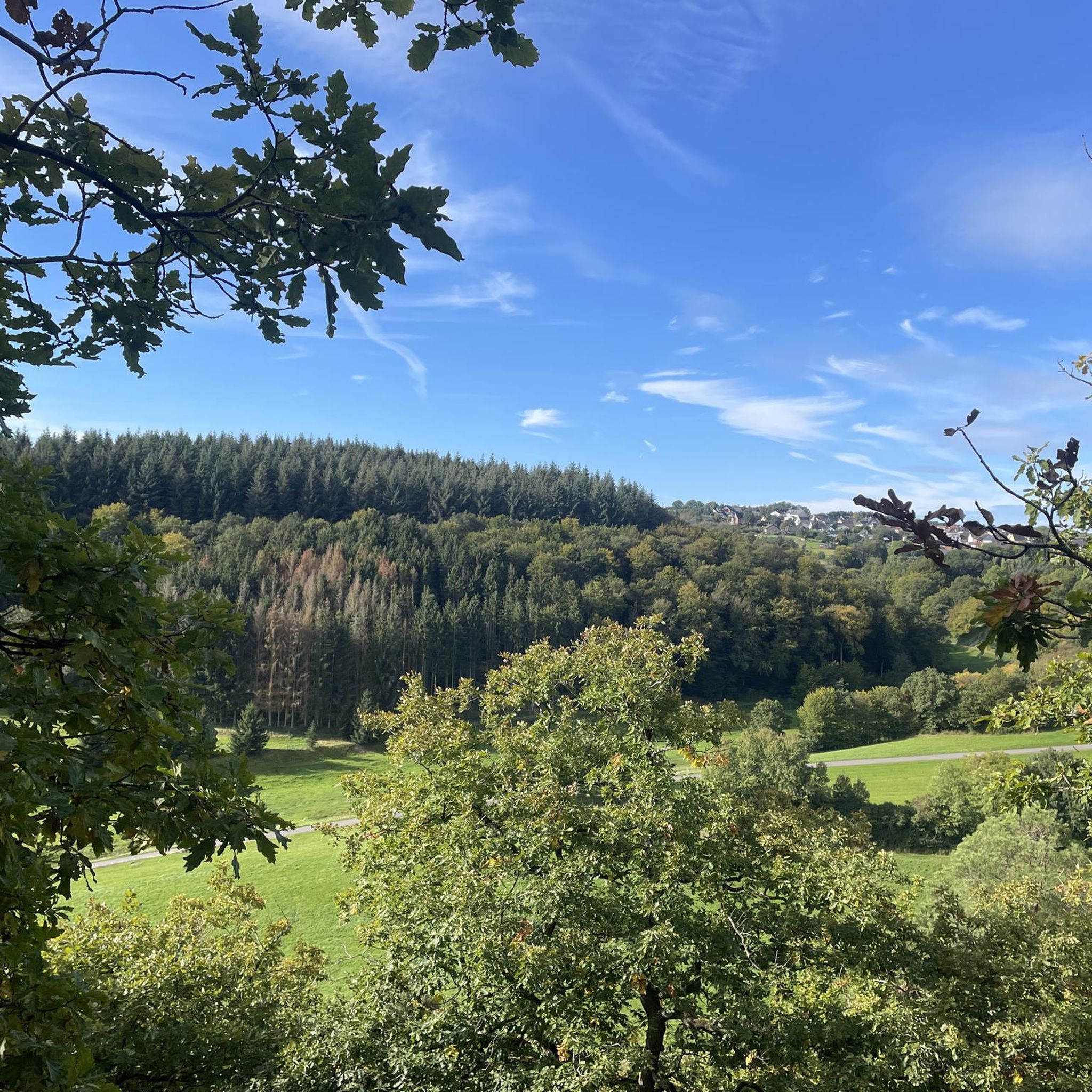
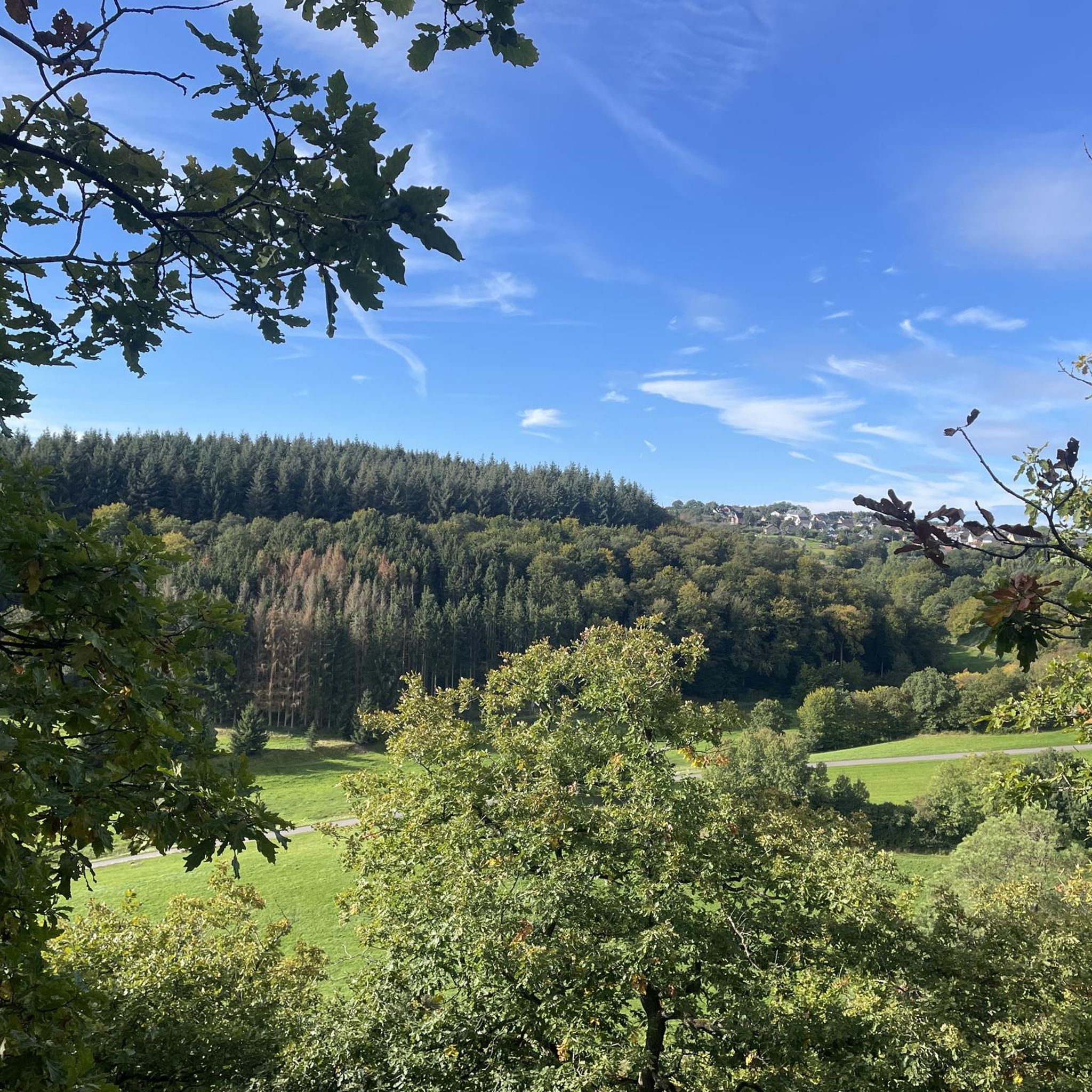
The Ulmen Maar lies 420 meters above sea level today, covers an area of 5.5 hectares, and is 36 meters deep. The bubbles at the maar's edge demonstrate that volcanism is still active. They bear witness to a turbulent past—but rest assured, there's no eruption in sight! A wall of various rocks and ash, up to 20 meters thick, surrounds the cone. For those interested, these testimonies to this explosive past are beautifully displayed in St. Matthias Church. This unique wall, with its different colored layers and rounded inclusions, is worth seeing for more than just geologists. The slopes of the maar basin are covered with a beautiful forest, which can be explored on a circular walk. A detour to the medieval castle ruins, from which the Crusaders once launched their campaigns, is recommended. The view from the crater rim over the maar and the Eifel beyond will take your breath away. Whether after a sweaty hike or a long drive, the blue of the Ulmer Eifel lake is all too tempting in summer. However, bathing in the maar is prohibited because it is designated as a nature and water protection area.
6
0

The Ulmener Maar is small but beautiful. Located in the middle of the Eifel and in the middle of the city, it is a wonderful destination. You can easily combine a walk around the maar with a walk around the neighboring Jungferweiher. Both have recently been connected by the Ulmener Maar tunnel, which runs under the A 48 motorway.
5
0

The egg-shaped ejected particles are 6 cm or larger and deform the layers of earth when impacted. They are clearly visible here on the rock walls.
2
0
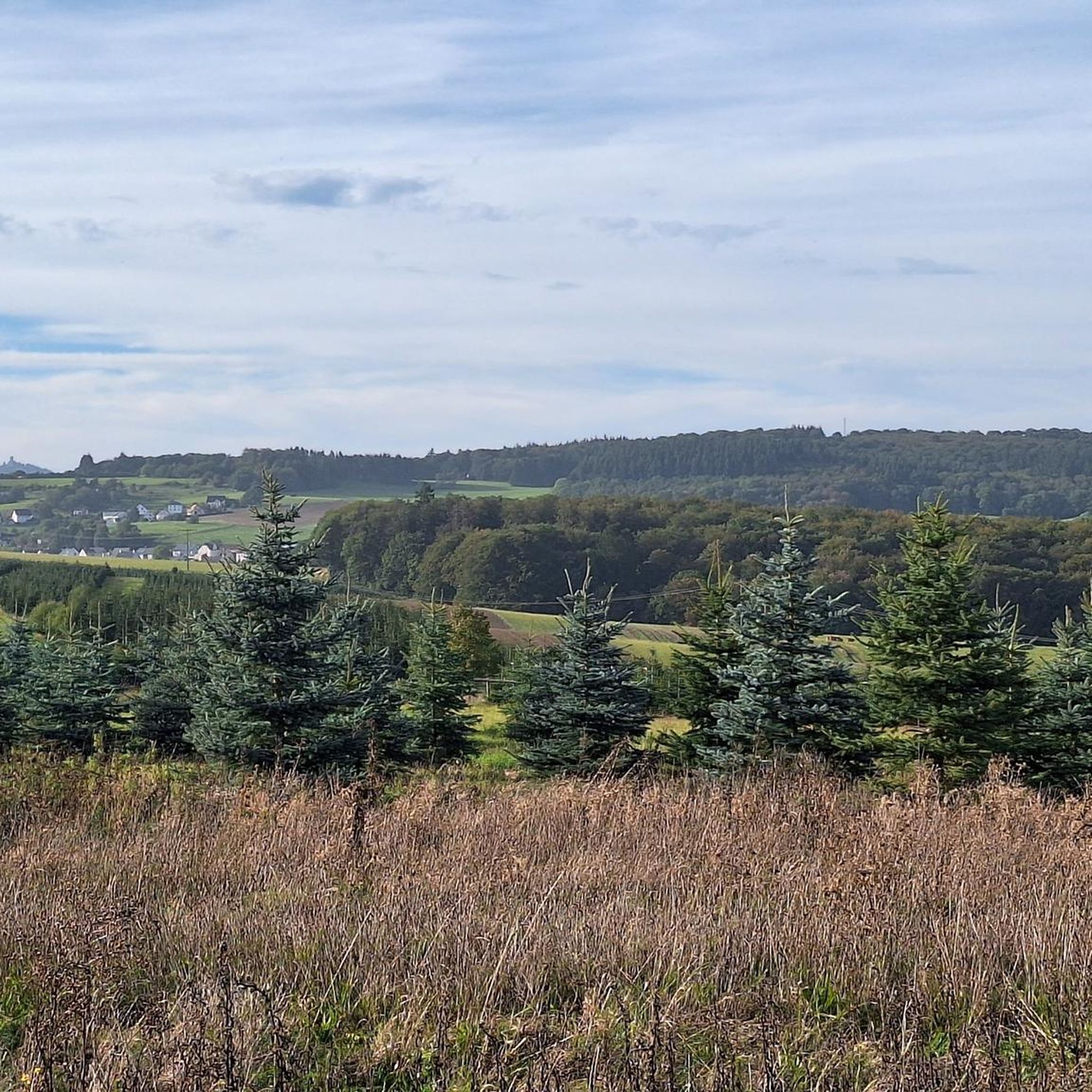
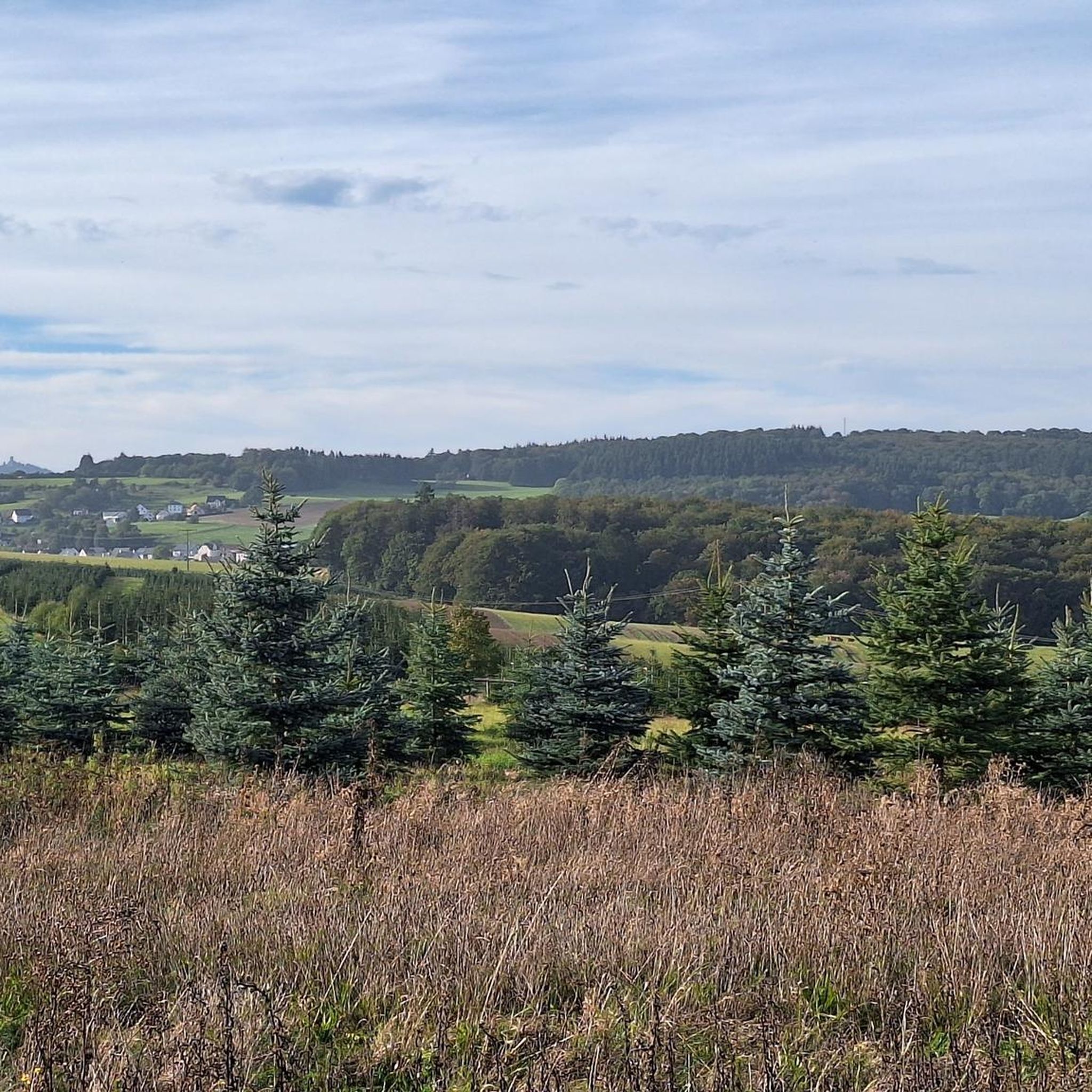
The Wacholderweg goes through the Heidbüchel nature reserve and leads over the Wabelsberg and Büschberg to the Raßberg car park. On the Wabelsberg and Büschberg, the heather between the juniper bushes is bright purple and very lush. Heather and juniper are also interspersed in other vegetation along the trail. The path leads out of the forest to the refuge.
2
0

A visit is worthwhile both in summer and in winter. However, the Ulmener Maar is a nature reserve, which is why bathing is strictly forbidden here!
1
0

A beautiful tower with a great view. When it's not foggy😉
13
0
Demanding ascent. Unfortunately in complete fog and without a view 🤷♂️
15
0
A beautiful and well maintained tower
12
0
Frequently Asked Questions
What are the most popular natural monuments around Münk?
The Münk region, nestled in the Eifel, is known for its unique volcanic landscape. Among the most popular natural monuments are the Wacholderweg Path in the Heidbüchel Nature Reserve, offering fantastic views over the Eifel, the impressive Boos Lava Bomb with its geological insights, and the tranquil Ulmener Maar, a volcanic crater lake.
What kind of natural features can I expect to see in the Münk region?
The Münk region is characterized by its volcanic origins, offering a diverse range of natural features. You can explore ancient lava flows, unique geological formations like maars (volcanic crater lakes), and lava bombs. The landscape also includes elevated viewpoints, juniper bushes, and heathland, providing varied scenery for exploration.
Are there family-friendly natural monuments to visit near Münk?
Yes, several natural monuments around Münk are suitable for families. The Boos Lava Bomb is great for all ages, with explanatory panels that make learning about geology engaging. The Ulmener Maar, a beautiful crater lake, also offers a pleasant environment for family outings.
Can I find historical sites among the natural monuments around Münk?
Yes, the region combines natural beauty with historical significance. The Kaiser Wilhelm Tower on the Hohe Acht, located on the highest elevation in the Eifel, is a historical observation tower offering panoramic views. Additionally, the Ulmener Maar has historical context, with ruins of a knight's castle from the 11th century on its southern edge.
Where can I find the best viewpoints to appreciate the Eifel landscape near Münk?
For breathtaking views of the Eifel landscape, consider visiting the Wacholderweg Path in the Heidbüchel Nature Reserve. The Kaiser Wilhelm Tower on the Hohe Acht provides an expansive panorama from the highest point in the Eifel. Another excellent spot is the Boos Eifel Observation Tower, which offers fantastic views of the Eifel, including the Nürburgring on clear days.
What outdoor activities can I do near these natural monuments?
The Münk region offers a variety of outdoor activities, particularly hiking and cycling, that allow you to explore the natural monuments. You can find numerous routes for different skill levels. For detailed hiking routes, visit the Hiking around Münk guide. For road cycling, check out the Road Cycling Routes around Münk guide, and for general cycling, refer to the Cycling around Münk guide.
Are there hiking trails near the natural monuments around Münk?
Yes, the Eifel region around Münk is rich in hiking trails that lead to and past many natural monuments. For example, the Wacholderweg Path is a popular root path through juniper bushes. You can find various hiking routes, including easy loops around the Booser Double Maar Wetlands, in the Hiking around Münk guide.
What do visitors enjoy most about the natural monuments around Münk?
Visitors frequently praise the stunning views over the Eifel landscape, especially from spots like the Wacholderweg Path and the observation towers. The geological insights provided by sites like the Boos Lava Bomb are also highly appreciated, offering a fascinating glimpse into the Earth's history. The tranquil atmosphere of places like the Ulmener Maar is also a highlight.
What is the difficulty level of hiking trails near the natural monuments?
Hiking trails near the natural monuments around Münk vary in difficulty. You can find easy routes, such as short loops around the Booser Double Maar Wetlands, which are suitable for beginners or casual walkers. There are also moderate and difficult trails, like some of the longer routes that combine paths like the Wacholderweg with other dream paths, offering more challenging options for experienced hikers. Details on specific routes can be found in the Hiking around Münk guide.
Are there any unique geological formations to see in the Münk area?
Absolutely. The Münk area is part of the Volcanic Eifel, making it a prime location for unique geological formations. You can witness maars, which are volcanic crater lakes like the Ulmener Maar, considered one of the youngest Eifel maars. The Boos Lava Bomb is another striking example, showcasing the powerful geological events that shaped the region.
Can I visit the natural monuments around Münk with a dog?
While specific dog-friendly designations for each monument are not always available, many natural areas and hiking trails in the Eifel region are generally welcoming to dogs, provided they are kept on a leash. It's always best to check local regulations for specific nature reserves or protected areas before your visit. The open trails and natural settings are often ideal for walks with your canine companion.
What is the best time to visit the natural monuments around Münk?
The Eifel region offers beauty throughout the year, but the best time to visit the natural monuments around Münk largely depends on your preferred activities. Spring and autumn provide pleasant temperatures for hiking and cycling, with vibrant foliage or blooming landscapes. Summer is ideal for enjoying the lakes and longer daylight hours, while winter can offer a serene, snow-covered landscape, though some paths might be less accessible.
Most popular attractions around Münk

Get inspired with the komoot mobile app


Explore more
Extend your search for the best caves by checking out these guides of the top ones around Münk:
