Top 20 Natural Monuments around Gering
Natural monuments around Gering offer diverse geological formations and historical sites. The landscape features waterfalls, basalt cliffs, and rock formations, providing varied outdoor experiences. This area is characterized by its unique natural features, shaped by geological processes over time. Visitors can explore a range of natural attractions, from cascading water to ancient rock quarries.
Best natural monuments around Gering
- The most popular natural monuments is Elzbach Waterfall at the Pyrmonter Mill, a waterfall that rushes under a bridge with…
Last updated: August 4, 2026
Elzbach Waterfall at the Pyrmonter Mill
Highlight • Waterfall
Translated by Google •
Tip by

Nette Waterfall
Highlight • Waterfall
Translated by Google •
Tip by

Sign up now to discover places like this
Get recommendations on the best single tracks, peaks, & plenty of other exciting outdoor places.
Sign up for free
Nettetal
Highlight (Segment) • Waterfall
Translated by Google •
Tip by
Kottenheimer Winfeld Basalt Cliffs
Highlight • Natural Monument
Translated by Google •
Tip by

Junker Schilling Rock Relief in the Kottenheim Forest
Highlight • Monument
Translated by Google •
Tip by

Sign up for free to discover even more natural monuments around Gering.
Sign up for free
Already have an account?
Start today with a free account
Your next adventure awaits.
Login or Signup
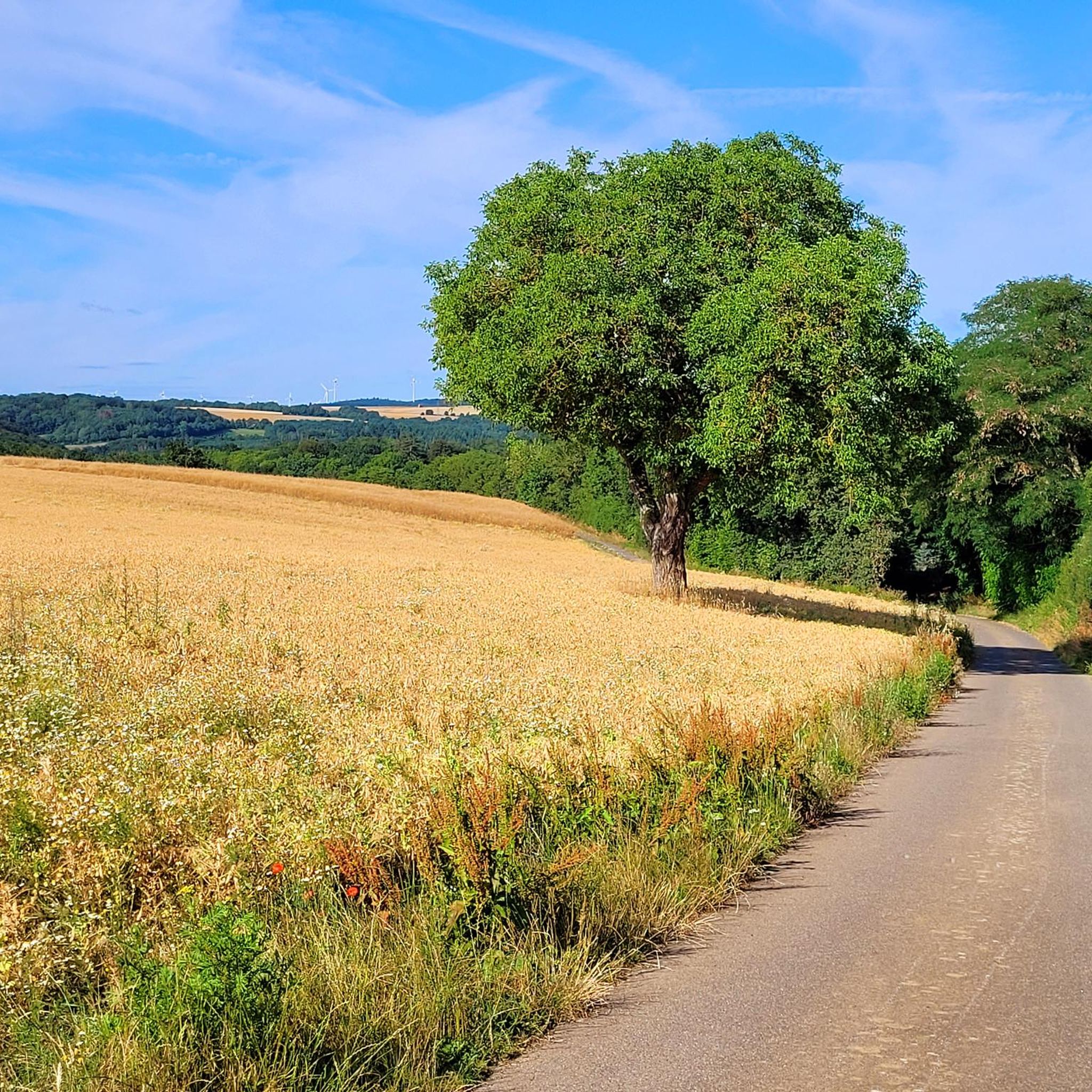
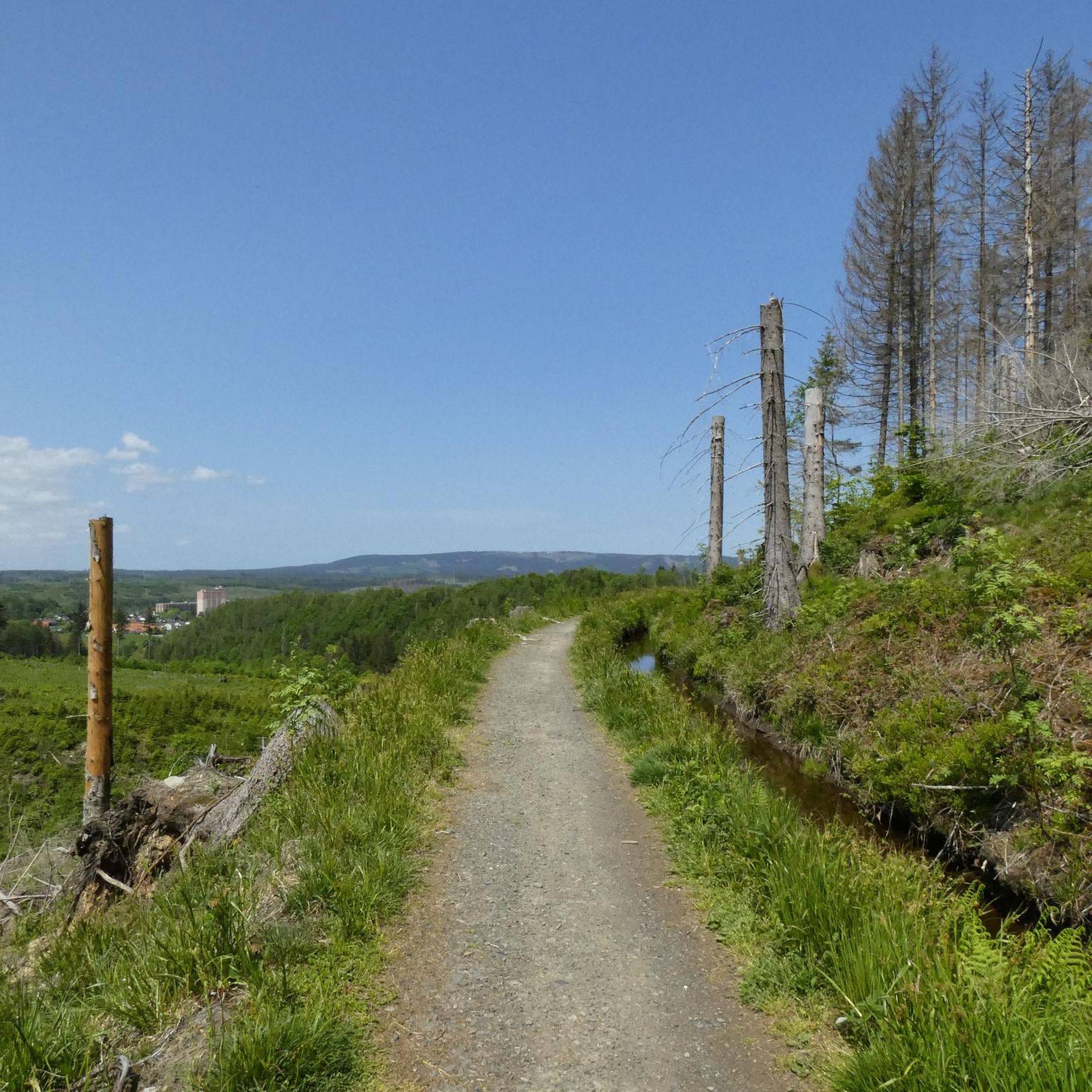
Tips from the Community

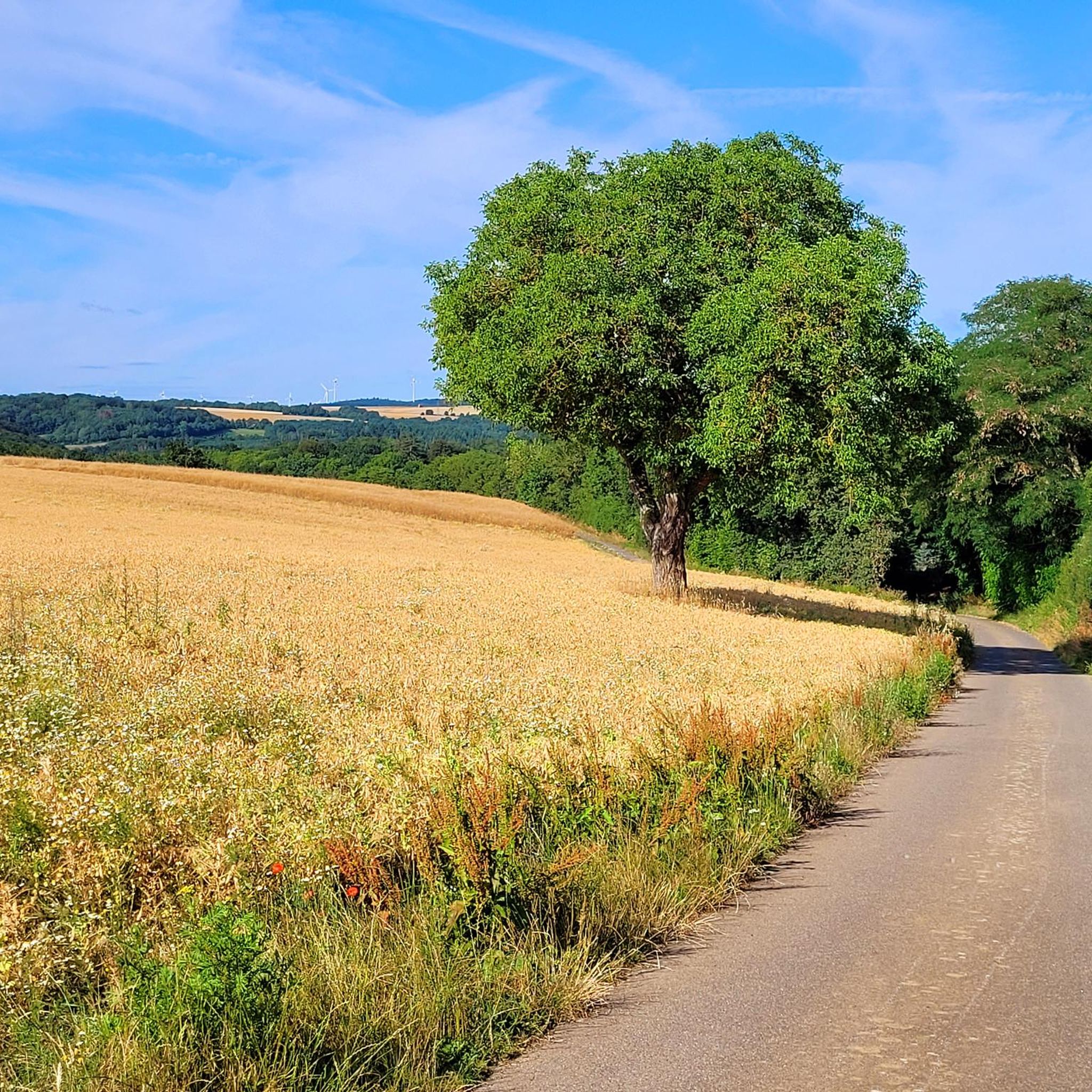
A wonderful place to explore... especially in autumn... a black wall behind colorful leaves
9
0

A great and impressive backdrop, as the two waterfalls rush under the bridge, with the mill and the castle in the background.
6
0

🫨Impressive, spectacular basalt rock formation.🌋 📷Great photo location.📷 Climbers sometimes here 🧗♂️🧗. Volcanic remnants from a time more than 200,000 years ago & its lava flows.🌋
7
0
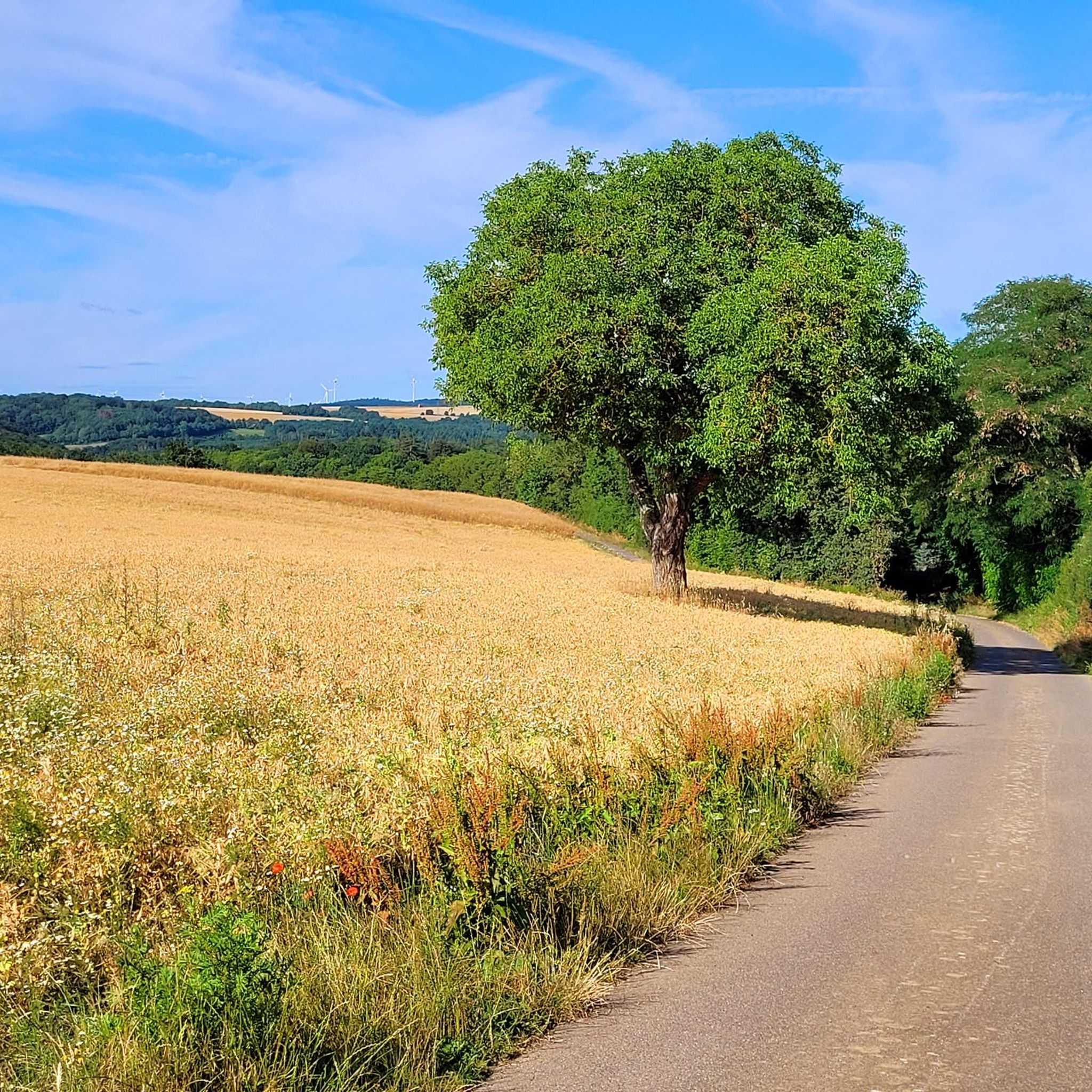
🎨Enjoy stunning panoramic views in blissful tranquility on the Volcano Trail.🌋 A changing panorama with every season 🍃 🍂 🌿 A fantastic photo location 🎨📷 Learn fascinating facts about the volcanic activity and lava flows from information panels about the volcanoes over 200,000 years ago.🌋
7
0

The noble Junker Konrad Schilling von Lahnstein handed over the forest to the citizens of Ettringen in 1535.
8
0

Interesting rock formation with a relief to commemorate the handing over of the forest in 1535
7
0


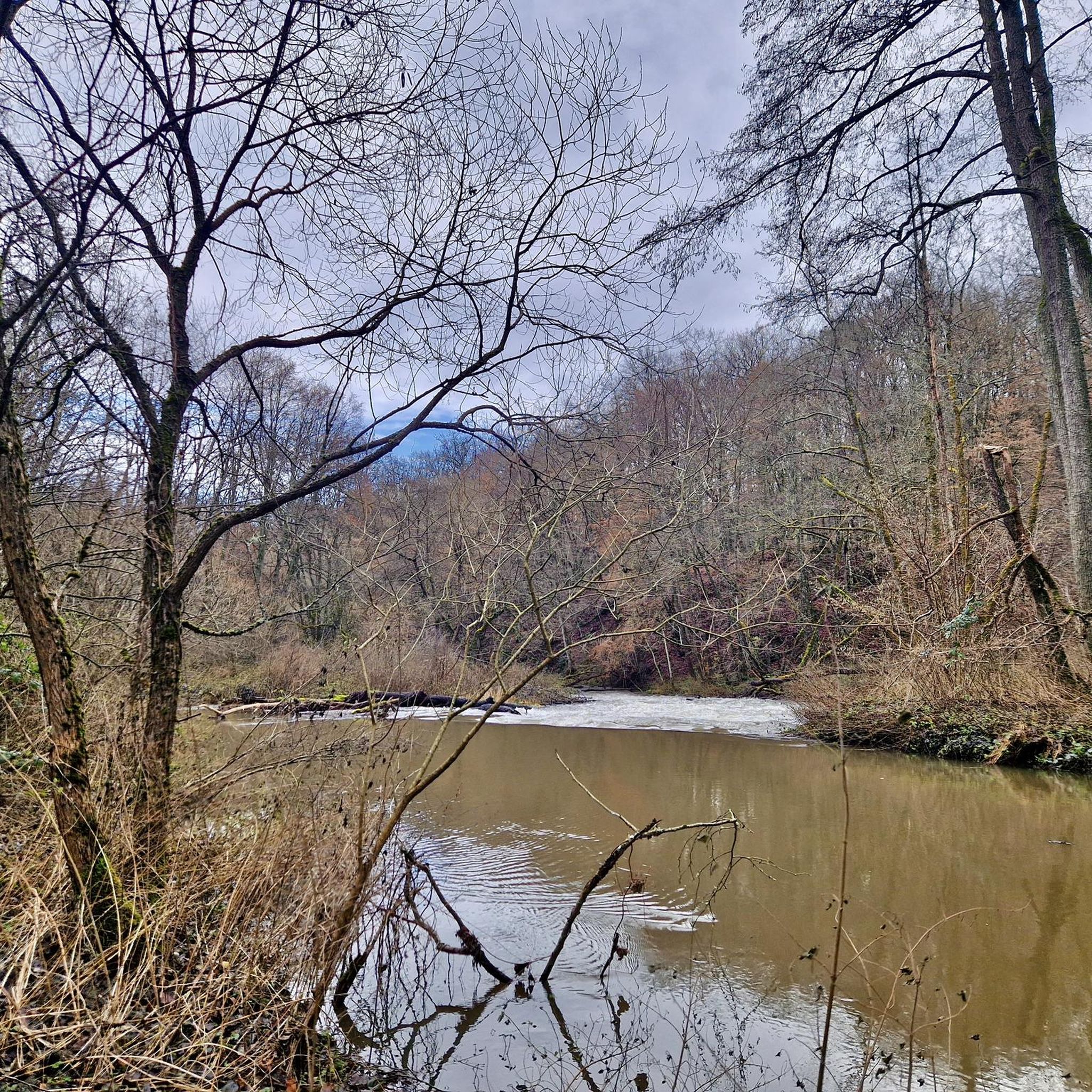
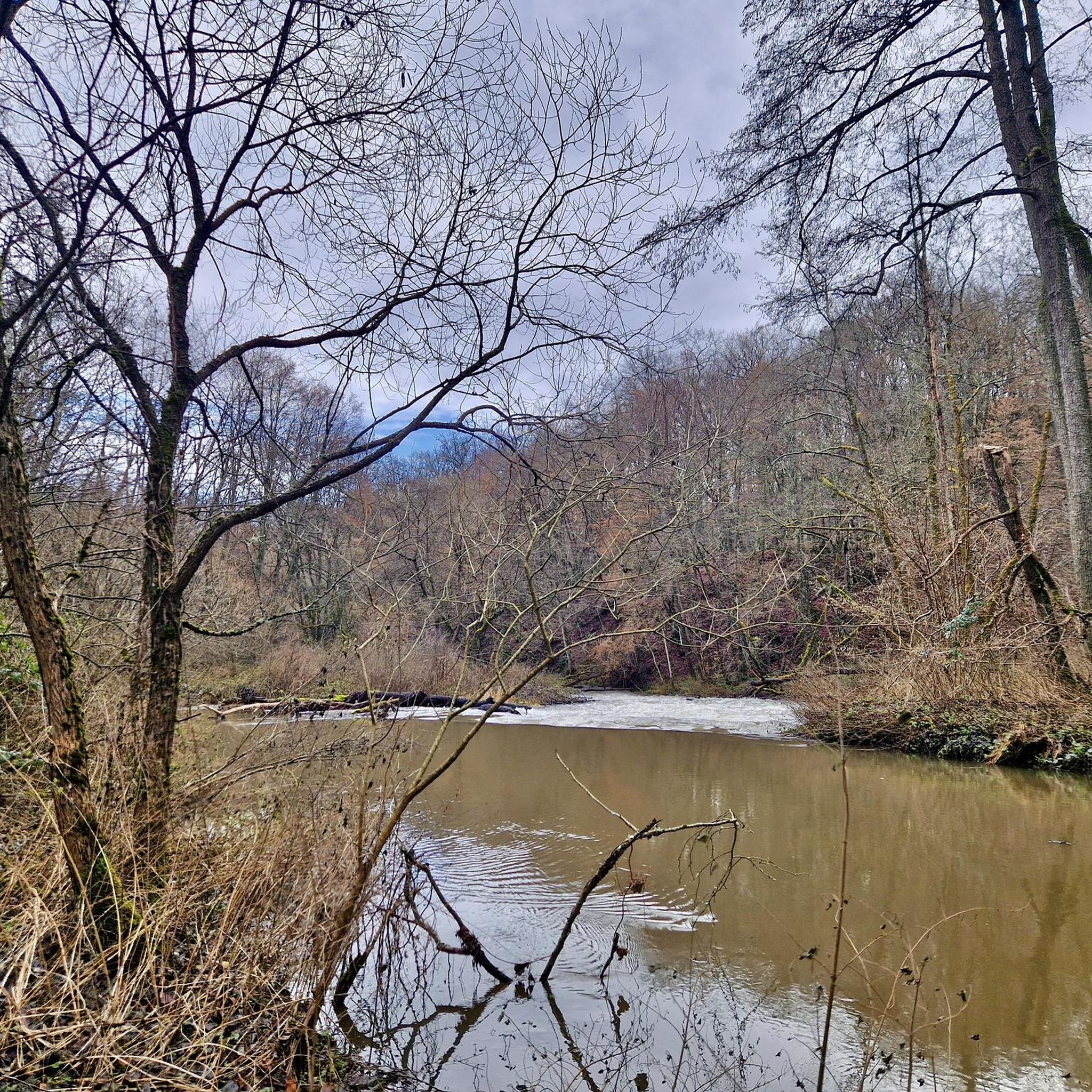
Nice to cool off in summer - spectacular when the snow melts / floods
4
0
Frequently Asked Questions
What are the most prominent natural monuments to visit near Gering, Nebraska?
The most prominent natural monument directly associated with Gering is Scotts Bluff National Monument. Additionally, Chimney Rock National Historic Site and Wildcat Hills State Recreation Area are significant natural attractions in the surrounding area.
What makes Scotts Bluff National Monument historically significant?
Scotts Bluff National Monument was a crucial landmark for Native Americans and over 250,000 westward emigrants on the Oregon, California, Mormon, and Pony Express Trails between 1843 and 1869. It was the second-most referenced landmark in pioneer journals, symbolizing a key point in the westward expansion.
Are there hiking opportunities at Scotts Bluff National Monument?
Yes, Scotts Bluff National Monument offers nearly 4 miles of hiking trails. Notable options include the Saddle Rock Trail, which is 1.6 miles one-way with a 435-foot elevation gain, and shorter overlook trails at the summit. A self-guided geology hiking tour is also available.
What kind of views can I expect from Scotts Bluff National Monument?
From the highest point of Scotts Bluff, at 4,659 feet above sea level, visitors can enjoy breathtaking panoramic views of the North Platte River Valley. On a clear day, you can see Chimney Rock to the east and Laramie Peak to the west.
What is Chimney Rock National Historic Site known for?
Chimney Rock is an iconic spire-like geological formation that was perhaps the most famous and frequently mentioned landmark in emigrant diaries along the Oregon, California, and Mormon Trails. It served as a critical milepost for westward travelers, symbolizing the end of the Great Plains and the beginning of the Rocky Mountains.
What can I do at Wildcat Hills State Recreation Area?
Wildcat Hills State Recreation Area offers a rugged natural escape with 3 miles of trails for hiking and abundant wildlife. It features challenging terrain, evergreen-studded canyons, and provides extraordinary panoramic views of the North Platte River Valley. There's also a newly renovated nature center with educational exhibits.
What kind of wildlife can be seen at Scotts Bluff National Monument?
The monument protects hundreds of species of plants and animals within its mixed-grass prairie. Common wildlife sightings include mule deer, rabbits, prairie dogs, foxes, coyotes, and various birds and reptiles.
Is there a visitor center at Scotts Bluff National Monument?
Yes, Scotts Bluff National Monument has a visitor center that features a museum. The museum includes exhibits on pioneer travelers, the art of William Henry Jackson, and the geological and paleontological history of the monument.
What is the geology of Scotts Bluff National Monument like?
Scotts Bluff is composed of layers of sandstone, volcanic ash, and siltstone, rising over 800 feet above the North Platte River. Its geology includes Tertiary-aged rocks from the Arikaree Group and the White River Group, with the Gering Formation preserving fossils from the Paleogene period. A 'badlands' formation is also present.
How can I reach the summit of Scotts Bluff?
Visitors can reach the highest point of Scotts Bluff via the 1.6-mile Summit Road, which is Nebraska's oldest concrete road. Alternatively, you can hike up the Saddle Rock Trail to the summit.
Are there any specific historical trails to explore at Scotts Bluff National Monument?
Yes, visitors can walk along remnants of the historic Oregon Trail within Scotts Bluff National Monument, immersing themselves in the path taken by westward emigrants.
What are the main geological features of Chimney Rock?
Chimney Rock is a prominent spire-like formation primarily composed of Brule clay interlayered with volcanic ash and Arikaree sandstone. Harder sandstone layers protect its distinctive pillar, allowing it to rise over 300 feet above the North Platte River valley.
Most popular attractions around Gering

Get inspired with the komoot mobile app


Explore more
Extend your search for the best caves by checking out these guides of the top ones around Gering:
