Top 20 Natural Monuments around Oberwallmenach
Best natural monuments around Oberwallmenach are characterized by rolling hills, green forests, and proximity to the Rhine Gorge. The region offers diverse hiking routes near Oberwallmenach, showcasing its natural beauty. Visitors can explore scenic trails and significant natural features. This area provides a tranquil setting for those seeking to immerse themselves in nature.
Best natural monuments around Oberwallmenach
- The most popular natural monuments is View of the Loreley Rock, a viewpoint that offers views of the 132 meter high…
Last updated: June 24, 2026
View of the Loreley Rock
Highlight • Viewpoint
Translated by Google •
Tip by

Loreley Statue on the Rhine
Highlight • Monument
Translated by Google •
Tip by

Sign up now to discover places like this
Get recommendations on the best single tracks, peaks, & plenty of other exciting outdoor places.
Sign up for free
View of the Loreley from Maria Ruh
Highlight • Viewpoint
Translated by Google •
Tip by

Spitzenstein Observation Tower
Highlight • Viewpoint
History / wing telegraph
Optical telegraphy for the transmission of messages according to the Chappe system. The French technician Claude Chappe developed at the time of the …
Translated by Google •
Tip by

Werkerbrunnen
Highlight • Natural Monument
Small signs everywhere warn of CO2 emissions in the well system. …
Translated by Google •
Tip by

Sign up for free to discover even more natural monuments around Oberwallmenach.
Sign up for free
Already have an account?
Start today with a free account
Your next adventure awaits.
Login or Signup
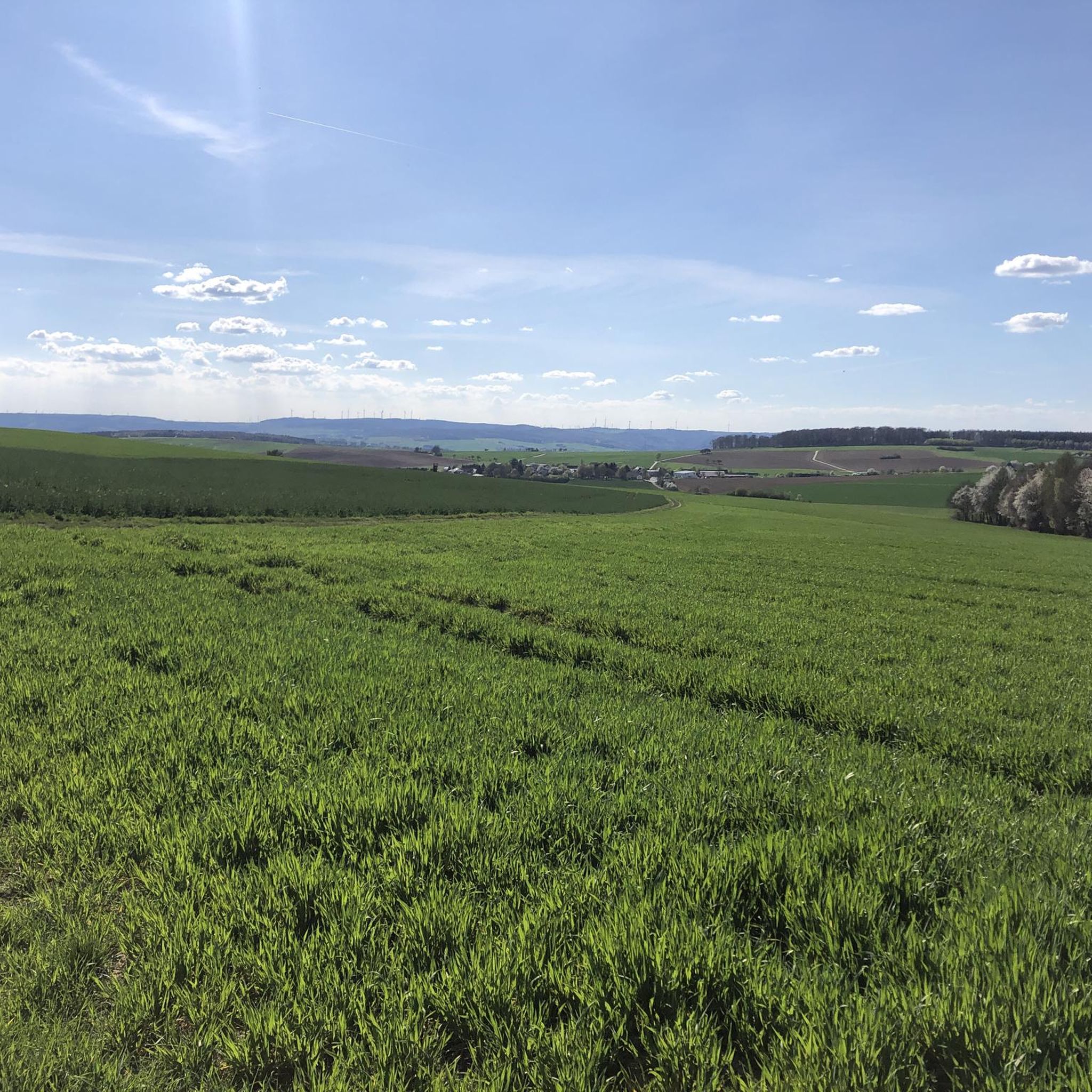
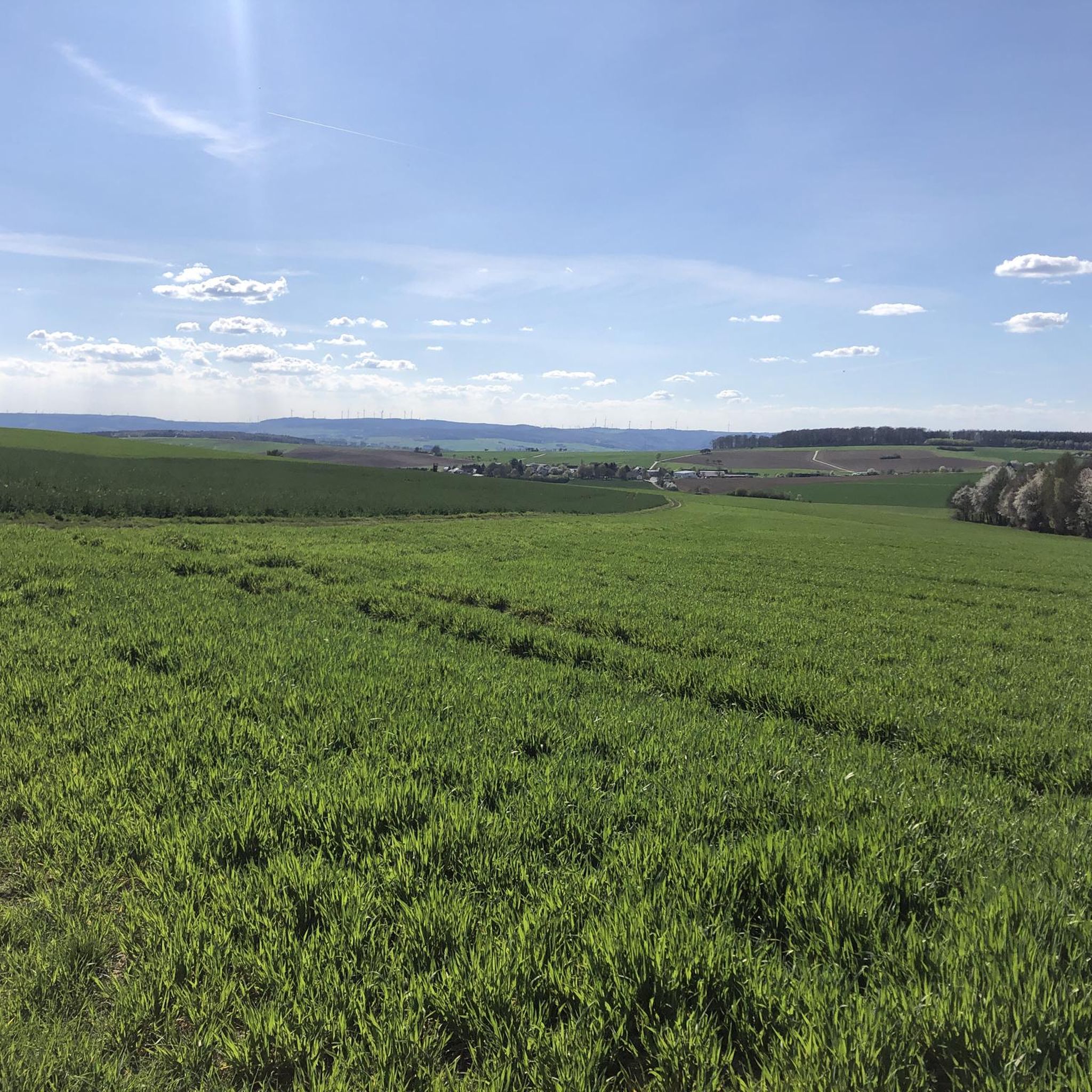
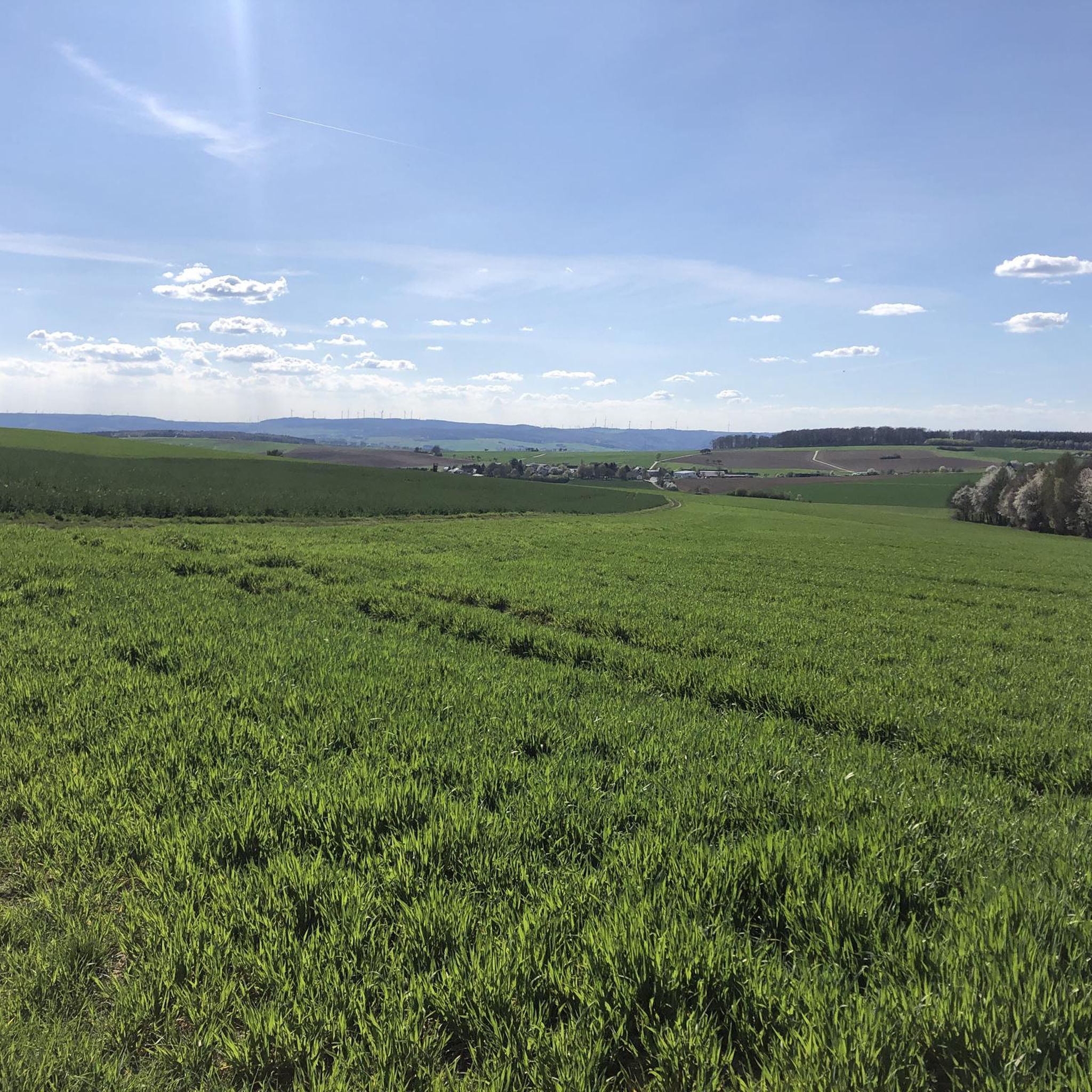
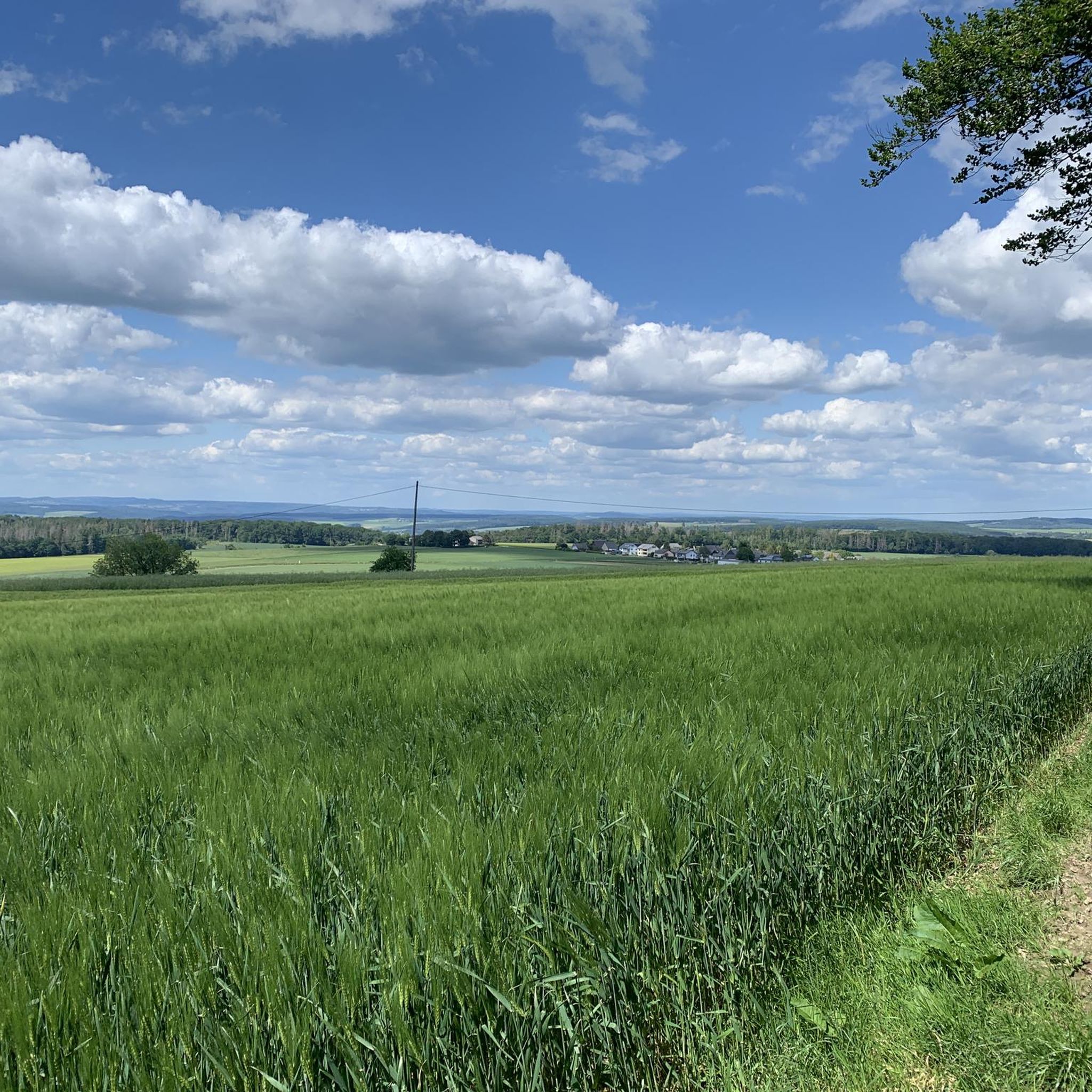
Tips from the Community

The wing telegraph has been broken for some time and can no longer be adjusted.
6
1

Willi and Ernst also visited the tower: https://youtu.be/rucqpJBsFV8?si=FuZ2WGdvcd_k7GS3.
2
1

Nice rest area in the cool shade before a steep climb. Gather strength.
3
1

Again a beautiful point, with many opportunities for a beautiful photo.
8
0

There is really a great view at every point here, with the most beautiful photo motifs.
9
0

Spitzer Stein viewpoint History / wing telegraph Optical telegraphy for the transmission of messages according to the Chappe system. The French technician Claude Chappe developed at the time of the French. Revolution a technically feasible optical telegraph device based on the transmission of characters with the aid of pivoting signal arms. A swiveling crossbeam was attached to a high mast with two further swiveling bars at each end, so that different letters could be signaled with a code depending on the position. The telegraph stations were located between nine and twelve kilometers apart, depending on the nature of the terrain, so that the signs could be clearly seen with a telescope. Napoleon Bonaparte used this flexible and fast system to communicate with the various troops and probably also to organize the entire Rhine province. In 1794 a telegraph line was set up between Paris and Lille, which spanned 270 km with 22 stations. The transmission time of a letter or a coded message took about 2 minutes! Source: Text information board - Hubertus Jäckel dipl.-ing. architect bda bwd Spitzer Stein viewpoint Wing telegraph Optical telegraph for the transmission of messages. System / Sign System Chappe - Each of the two signal arms could assume seven different positions, the crossbars two more each. The system thus enabled 196 different characters. Source: Text information board - Hubertus Jäckel dipl.-ing. architect bda bwd
13
0
The Loreley open-air stage The Turner Labor Service began work on the Loreley open-air stage in 1932. The stage was originally intended for the RheinMain-Spielring, but this construction project was appropriated by the National Socialists the following year and rededicated as a "NS celebration site" and a "Thing site". The construction work lasted until 1939 and was carried out by members of the Labor Service. The spectators of the open-air stage received 4,300 seats and 10,000 to 14,000 standing places. The inauguration was on June 21, 1939. Only three days later, the first performance of Wilhelm Tell took place. The stage was not only intended for theatrical events, but was also intended to serve as a backdrop for large party events. Rock and pop concerts have also been held on the Loreley open-air stage since 1976. Genesis gave their first rock concert on July 3, 1976. On 6/17/78, Grace Slick refused to perform with Jefferson Starship, leading to riots and vandalism. "This also helped many amateur bands suddenly to have professional equipment in their rehearsal cellars" can still be read in the social networks today. From 1981, the Rockpalast also took place several times on the open-air stage. Many well-known artists performed, including BAP, Barclay James Harvest, Bob Dylan, Joe Cocker, Die Toten Hosen, Böhse Onkelz, Herbert Grönemeyer, Peter Maffay, Marillion, Gary Moore, Metallica, Chris Rea, Frankie Miller, Eric Burdon, Lynyrd Skynyrd, Udo Jürgens, Red Hot Chili Peppers, Carlos Santana, Paul Simon, Simple Minds, Sting, The Police, The Sisters of Mercy, Dus40, R.E.M. The Kelly Family, U2, Journey, Toto and Whitesnake. Source: Text information board / text excerpts from Wikipedia
14
1
In an exposed place The almost flat plateau of the Loreley high above the Rhine has been an ideal place for people to stay and settle since time immemorial. On the edge of the plateau, Paleolithic tools of Homo erectus made of rubble and flakes were found - at that time, about 800,000 years ago, the waves of the Rhine sloshed onto the bank at this point. When the hunters and gatherers settled down around 8000 AD, they also cleared forests on the Loreley plateau for agriculture. The so-called Bandkeramik people who lived at that time settled in large families in long wooden houses, which were divided into residential and commercial areas. Two long houses in the Loreley area from this period have been identified, in which decorated ceramic vessels were found. In the subsequent Bronze Age, the plateau was still inhabited, as can be proven by flat graves with urn burials from the epoch of the urn field culture (9th century BC). At the turn of the Celtic period (around 800 BC), when times became more troubled due to the invasion of Eastern European steppe peoples, the inhabitants fortified their settlement with a palisade wall. In the centuries that followed, this rampart was reinforced by a second ring and a ditch dug into the rock. Iron weapons and tools, bronze jewellery, ceramic vessels, numerous graves with extensive grave goods indicate the importance of the settlement and a certain wealth of the population in Celtic times. The plateau was also used in Roman times. The population, who mixed Roman influence with their Celtic roots, made a good living by supplying the Roman military on the Rhine and the nearby Limes with food and goods. Near the Loreley are the remains of a villa rustica (Roman estate) and an ancient water pipe from the 2nd to 4th centuries AD. The settlement was probably abandoned in the middle of the 5th century. Only as part of the Frankish conquest did the fertile plateau around the Loreley rocks be settled again from the 7th century. Source: text information board
17
2
Frequently Asked Questions
What are some of the most popular natural monuments to visit around Oberwallmenach?
Visitors frequently enjoy the View of the Loreley Rock, which offers stunning vistas of the iconic 132-meter high Loreley rock and the Rhine. Another favorite is the Spitzenstein Observation Tower, providing wide panoramic views and a replica of a Napoleonic wink telegraph. The Felsenkanzel Viewpoint Overlooking the Rhine and the Loreley is also highly rated for its magnificent views of the Middle Rhine Valley.
Are there any family-friendly natural attractions near Oberwallmenach?
Yes, several natural monuments are suitable for families. The View of the Loreley Rock and the Spitzenstein Observation Tower are both categorized as family-friendly. Additionally, a leisurely walk along the Wallmerbach Stream, which starts in the village, is an easy route through meadows and forests, ideal for families with children.
What kind of natural features can I expect to see around Oberwallmenach?
The area around Oberwallmenach is characterized by rolling hills, lush green forests, and the picturesque Wallmerbach stream. You'll find numerous viewpoints offering panoramic vistas, such as the "Hohler Stein" viewpoint with views over the Rhine valley and Loreley. The region's proximity to the UNESCO World Heritage Rhine Gorge means dramatic cliffs and river landscapes are also easily accessible.
What historical sites are integrated with the natural monuments in this region?
Many natural monuments around Oberwallmenach have historical significance. The Loreley Statue on the Rhine is located at a historically significant part of the Rhine, known for its challenging navigation. The Spitzenstein Observation Tower features a replica of a Napoleonic wink telegraph, highlighting its historical role. Even the Werkerbrunnen has a history as a source of medicinal iron-containing water since the 18th century.
What is the best time of year to visit the natural monuments around Oberwallmenach?
The best seasons for exploring the natural monuments are spring and autumn. In spring, the landscape is in full bloom, offering vibrant greenery. Autumn provides spectacular fall colors and a mild climate, making it ideal for hiking and enjoying the scenic views. The tranquil setting is enjoyable in both seasons.
Are there hiking trails near these natural monuments?
Yes, Oberwallmenach is surrounded by excellent hiking opportunities. You can find a variety of trails, from easy walks along the Wallmerbach stream to more challenging routes leading to viewpoints like the "Hohler Stein." For more detailed options, explore the Hiking around Oberwallmenach guide, which includes routes like the easy "Blue Bench in the Taunus" loop.
What other outdoor activities can I do near the natural monuments?
Beyond hiking, the region offers diverse outdoor activities. You can find numerous cycling routes, including challenging tours like "View from Marienfels – Hauserbachsee loop." Mountain biking enthusiasts can explore trails such as "View of Bogel – View Over the Countryside loop." For more options, check out the Cycling around Oberwallmenach and MTB Trails around Oberwallmenach guides.
What do visitors enjoy most about the natural monuments around Oberwallmenach?
Visitors particularly appreciate the breathtaking panoramic views from various viewpoints, especially those overlooking the Rhine and the Loreley. The tranquility of the rolling hills and green forests, combined with the diverse hiking opportunities, also makes the area a favorite for those seeking to immerse themselves in nature. The historical context of sites like the Loreley adds another layer of enjoyment.
Is the "Hohler Stein" Viewpoint easily accessible?
The "Hohler Stein" viewpoint offers breathtaking panoramic views over the Rhine valley and as far as the Loreley. While it rewards hikers with spectacular vistas, the route to it requires more stamina compared to easier village walks. It's a rewarding hike for those looking for a more active experience.
Are there any natural monuments with unique geological features?
The Loreley rock itself is a significant geological feature, an approximately 132-meter high slate rock that dramatically narrows the Rhine riverbed. This unique formation creates one of the deepest and narrowest sections of the Rhine, historically making navigation challenging. The Werkerbrunnen is also notable for its iron-containing water, a natural spring with historical medicinal use.
Can I bring my dog to the natural monuments and trails?
While specific dog rules for each natural monument are not detailed, the general natural setting of Oberwallmenach with its numerous hiking trails through forests and along streams is generally welcoming for dog walkers. It's always advisable to keep dogs on a leash and clean up after them to preserve the natural environment for everyone.
How long should I plan for a visit to the natural monuments in the area?
The duration of your visit can vary depending on your interests. A short visit to a specific viewpoint like the View of the Loreley Rock might take an hour or two. However, to fully experience the diverse hiking trails, explore multiple viewpoints, and enjoy the tranquil natural surroundings, planning a half-day or even a full day would allow for a more immersive experience.
Most popular routes around Oberwallmenach
Most popular attractions around Oberwallmenach

Get inspired with the komoot mobile app


Explore more
Extend your search for the best caves by checking out these guides of the top ones around Oberwallmenach:
