Top 20 Natural Monuments around Lierschied
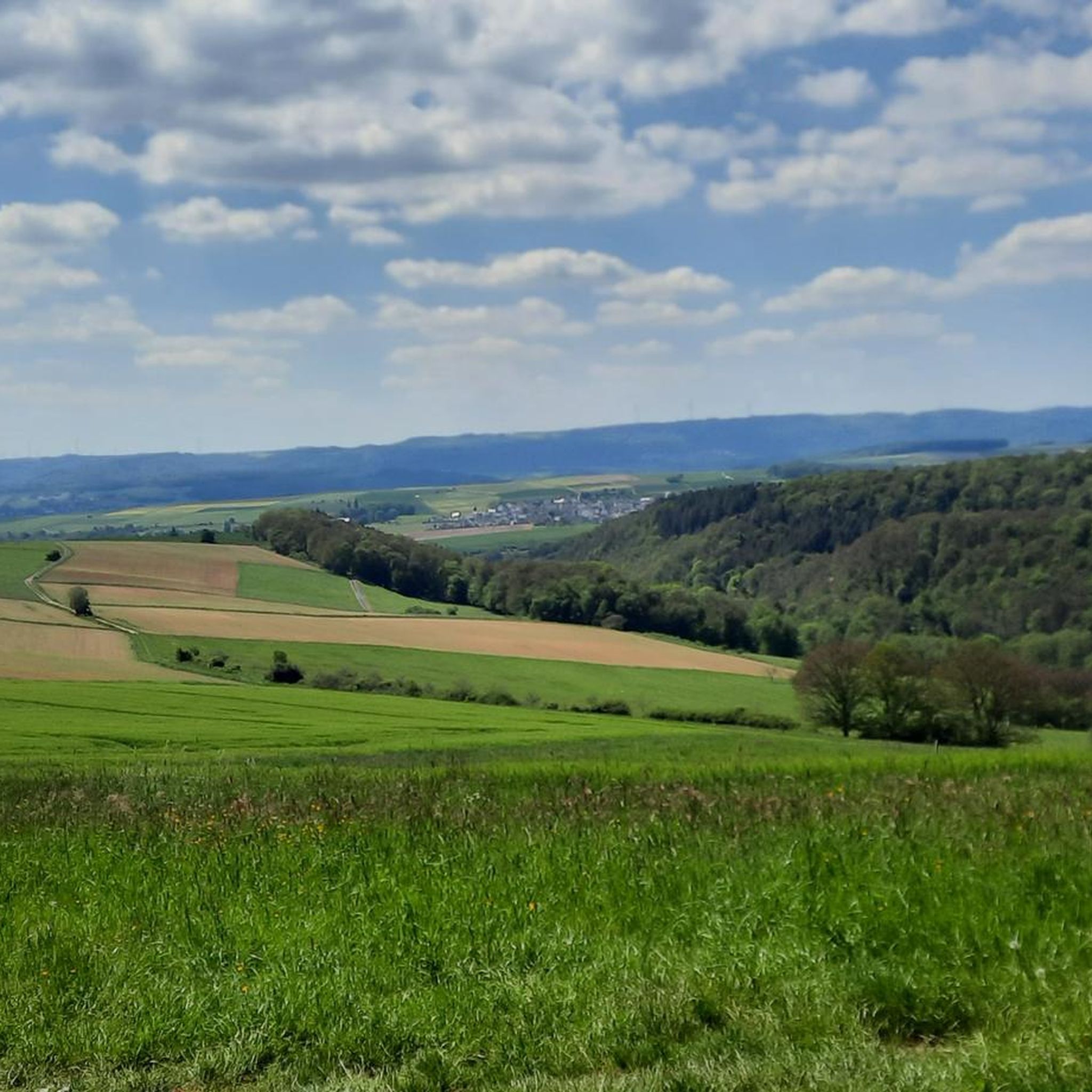
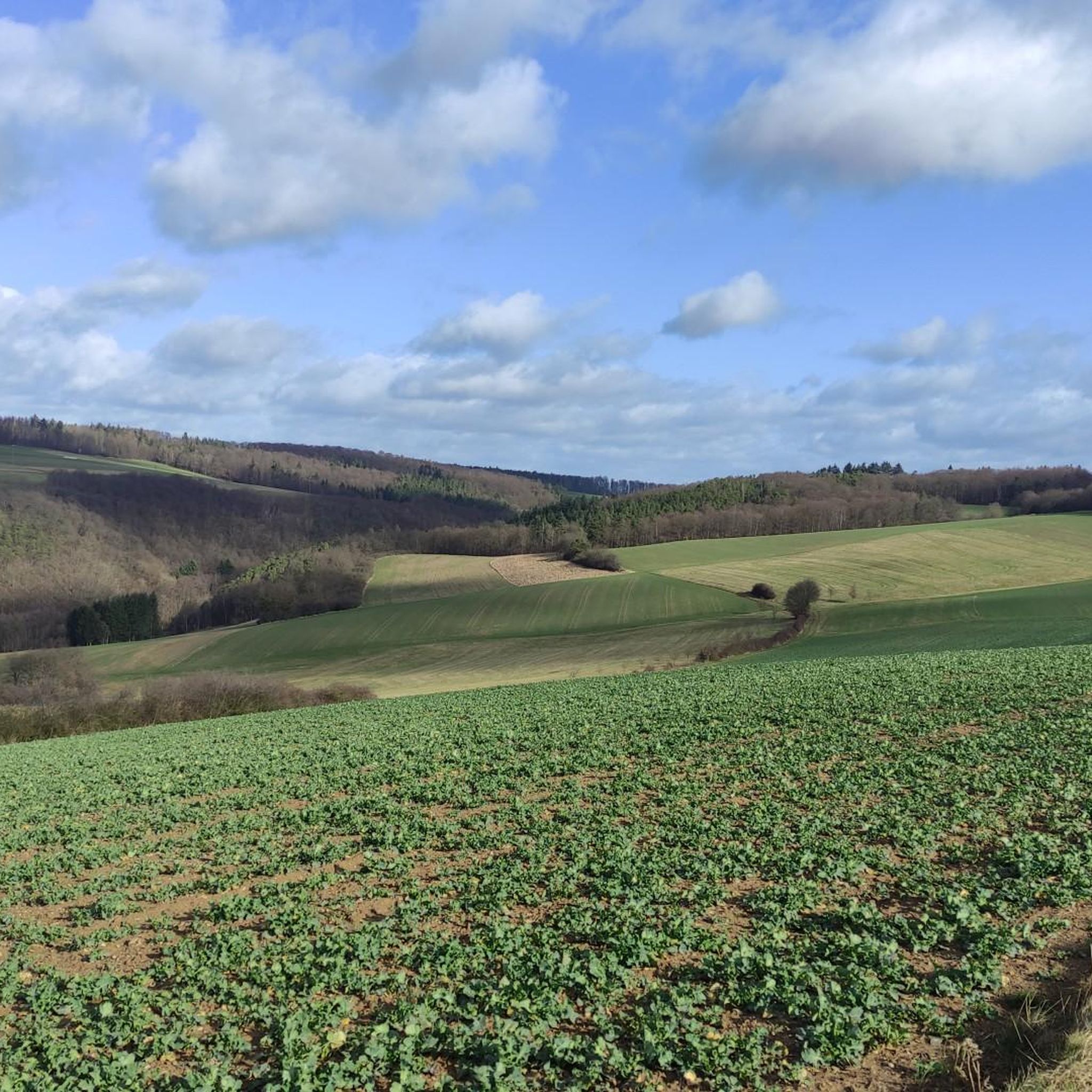
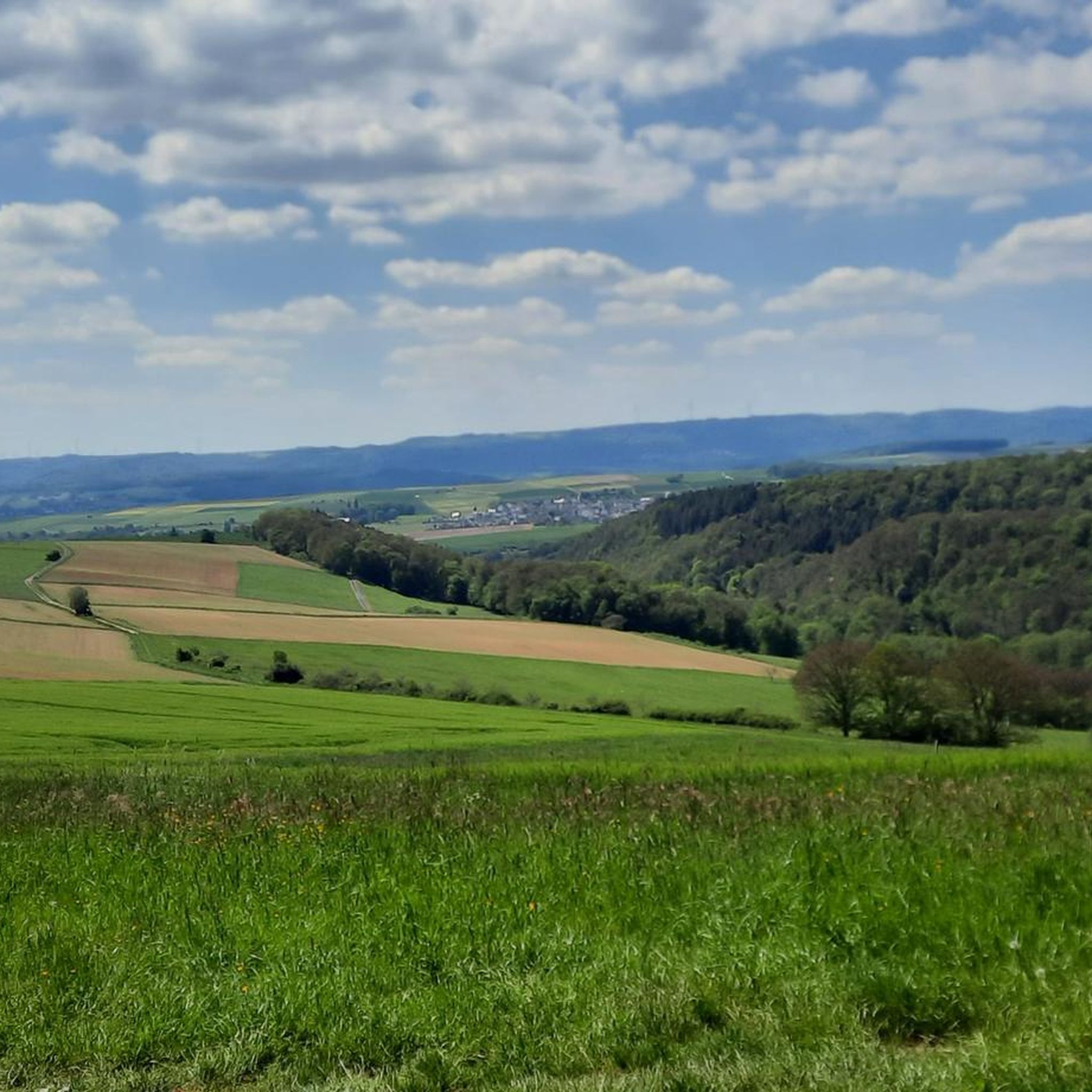
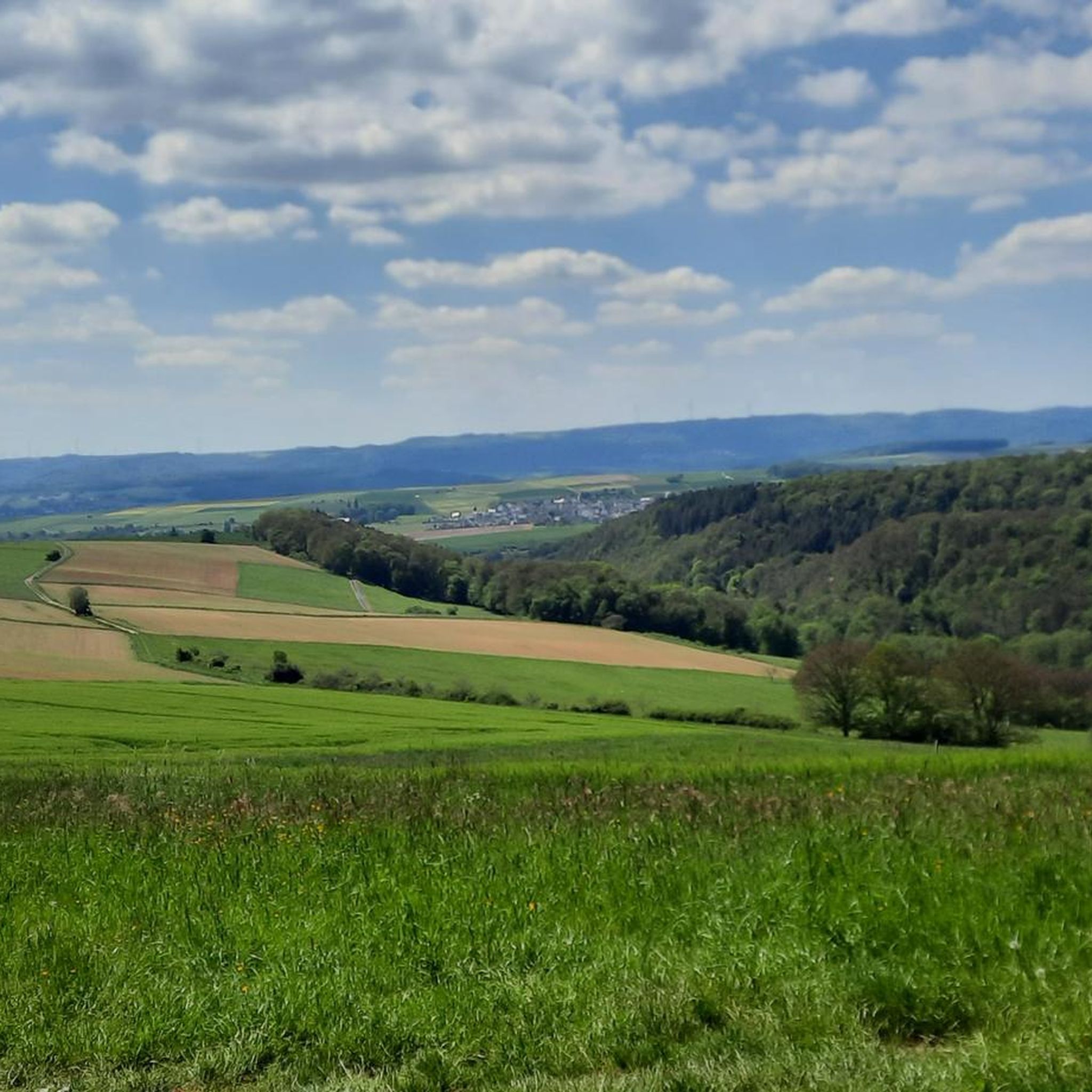
Best natural monuments around Lierschied are situated in a municipality characterized by scenic surroundings of hills, meadows, and forests. The area is part of the broader Loreley Valley, a region known for its Rhine romanticism and diverse landscapes. Lierschied offers various hiking opportunities through its natural features. The region provides numerous viewpoints and natural attractions for exploration.
Best natural monuments around Lierschied
- The most popular natural monuments is View of the Loreley Rock, a viewpoint offering expansive vistas of…
Last updated: June 24, 2026
View of the Loreley Rock
Highlight • Viewpoint
Translated by Google •
Tip by

Loreley Statue on the Rhine
Highlight • Monument
Translated by Google •
Tip by

Sign up now to discover places like this
Get recommendations on the best single tracks, peaks, & plenty of other exciting outdoor places.
Sign up for free
View of the Loreley from Maria Ruh
Highlight • Viewpoint
Translated by Google •
Tip by

Spitzenstein Observation Tower
Highlight • Viewpoint
History / wing telegraph
Optical telegraphy for the transmission of messages according to the Chappe system. The French technician Claude Chappe developed at the time of the …
Translated by Google •
Tip by

View of Burg Katz, Burg Maus, and Burg Rheinfels (Dreiburgenblick)
Highlight • Viewpoint
Translated by Google •
Tip by

Sign up for free to discover even more natural monuments around Lierschied.
Sign up for free
Already have an account?
Start today with a free account
Your next adventure awaits.
Login or Signup
Tips from the Community

The wing telegraph has been broken for some time and can no longer be adjusted.
6
1

Willi and Ernst also visited the tower: https://youtu.be/rucqpJBsFV8?si=FuZ2WGdvcd_k7GS3.
2
1

You can reach the vantage point either via a steep climb from St. Goarshausen or via an easy footpath from Patersberg. There you can park your car at the bus stop turning point and enjoy the view after a few hundred meters without much effort.
5
0

From the pavilion you have a wonderful view of Katz Castle to the left, Rheinfels Castle diagonally opposite on the left bank of the Rhine and Maus Castle with its transmission mast to the right.
5
0

From here you can see three castles.
4
0

The climb is worth it. The view is wonderful. There are few shady sections on the way there, so the cottage is a nice rest stop for a break.
5
0

Again a beautiful point, with many opportunities for a beautiful photo.
8
0

There is really a great view at every point here, with the most beautiful photo motifs.
9
0
Frequently Asked Questions
What are some of the most scenic viewpoints around Lierschied?
Lierschied and its surrounding Loreley Valley are renowned for breathtaking vistas. Popular spots include the View of the Loreley Rock, offering expansive panoramas of the Rhine region and the iconic 132-meter high Loreley rock. Another excellent choice is the Felsenkanzel Viewpoint Overlooking the Rhine and the Loreley, which provides stunning views along the Rhine towards Oberwesel. The Spitzenstein Observation Tower also offers a wide perspective of the landscape.
Are there family-friendly natural monuments to visit near Lierschied?
Yes, several natural monuments around Lierschied are suitable for families. The View of the Loreley Rock and the Spitzenstein Observation Tower are both categorized as family-friendly. The Loreley Statue on the Rhine is also a great spot for families, combining natural beauty with a touch of history.
What kind of natural features can I expect to see in the Lierschied area?
The Lierschied area is characterized by a diverse natural landscape. You'll find gentle hills, lush meadows, tranquil forests, and steep Rhine slopes. The region is part of the broader Loreley Valley, famous for its Rhine romanticism. Beyond the prominent viewpoints, you can also discover natural streams like the Lierschieder Fußgraben, which offers a refreshing natural environment.
What is the best time of year to visit the natural monuments around Lierschied?
The best seasons for exploring the natural monuments and enjoying outdoor activities around Lierschied are spring and autumn. During these times, the natural scenery is particularly vibrant, with blooming flowers in spring and colorful foliage in autumn, and the climate is mild and pleasant for hiking and sightseeing.
Are there historical sites among the natural monuments in this region?
Yes, the region beautifully blends natural beauty with historical significance. The Loreley Statue on the Rhine and the Lorelei Rock itself are deeply rooted in local legends and history, making them significant historical sites. The Spitzenstein Observation Tower also has historical context related to optical telegraphy.
What outdoor activities can I do near the natural monuments around Lierschied?
The Lierschied area offers a variety of outdoor activities, primarily focused on exploring its scenic landscapes. You can find numerous hiking opportunities through meadows, fields, and wooded slopes. For detailed routes, check out the Hiking around Lierschied guide. There are also options for Road Cycling Routes around Lierschied and Running Trails around Lierschied.
What do visitors enjoy most about the natural monuments in Lierschied?
Visitors particularly appreciate the expansive views and the serene natural beauty of the area. Many enjoy the opportunity to immerse themselves in the unique topography of the Loreley Valley. The combination of stunning panoramas, like those from the View of the Loreley Rock, and the rich historical context of sites like the Lorelei Rock, makes for a memorable experience. The community has shared over 900 photos and given more than 4000 upvotes to these highlights.
Are there any specific hiking trails recommended for exploring these natural monuments?
Yes, the region offers various hiking opportunities. For instance, you can find routes that incorporate the Loreley Statue on the Rhine or the Spitzenstein Observation Tower. Many trails lead to scenic spots like the Fünftälerblick and Aussichtspunkt Kadrich, providing breathtaking panoramas. You can explore various routes in the Hiking around Lierschied guide.
What are the typical terrain and difficulty levels for hiking around Lierschied's natural monuments?
The hiking trails around Lierschied feature diverse terrain, including forest paths, meadow trails, and paths along steep Rhine slopes. Many of the highlighted natural monuments, such as the viewpoints and the Loreley Rock, are generally considered to have an intermediate difficulty level, meaning they might involve some ascents or uneven paths. However, the region also offers easier strolls through its varied landscapes.
Is Lierschied part of a larger, well-known natural area?
Yes, Lierschied is nestled within the broader Loreley Valley, which is celebrated as one of Germany's most popular excursion destinations. This region is famous for its picturesque Rhine romanticism and is recognized for its unique topography and stunning natural beauty, particularly along the Rhine River.
Are there any natural streams or water features to visit?
Yes, the Lierschieder Fußgraben is a notable natural stream in the area. It serves as a popular gathering point and offers a refreshing spot for cooling off, especially during warmer months. Its tranquil environment provides a relaxing escape and a chance to enjoy the local natural landscape.
Most popular routes around Lierschied
Most popular attractions around Lierschied

Get inspired with the komoot mobile app


Explore more
Extend your search for the best caves by checking out these guides of the top ones around Lierschied:
