Top 20 Natural Monuments around Crottendorf
Natural monuments around Crottendorf, nestled in Germany's Erzgebirge, showcase diverse landscapes and geological formations. The region features unique ecosystems, including raised bogs and basalt columns, alongside scenic river valleys and prominent summits. These natural features contribute to the area's biodiversity and offer opportunities for outdoor exploration.
Best natural monuments around Crottendorf
- The most popular natural monuments is Božídarské Rašeliniště Boardwalk, a trail that leads through a peat bog nature reserve. It features twelve stations with information panels about the…
Last updated: June 24, 2026
Fichtelberghaus Restaurant & Hotel
Highlight • Restaurant
Translated by Google •
Tip by

Fichtelberg Peace Bell
Highlight • Monument
Translated by Google •
Tip by

Sign up now to discover places like this
Get recommendations on the best single tracks, peaks, & plenty of other exciting outdoor places.
Sign up for free
Fichtelberg
Highlight • Summit
Translated by Google •
Tip by

Cranzahl Dam
Highlight (Segment) • Lake
Translated by Google •
Tip by

Božídarské Rašeliniště Boardwalk
Highlight (Segment) • Trail
Translated by Google •
Tip by

Sign up for free to discover even more natural monuments around Crottendorf.
Sign up for free
Already have an account?
Start today with a free account
Your next adventure awaits.
Login or Signup



Tips from the Community

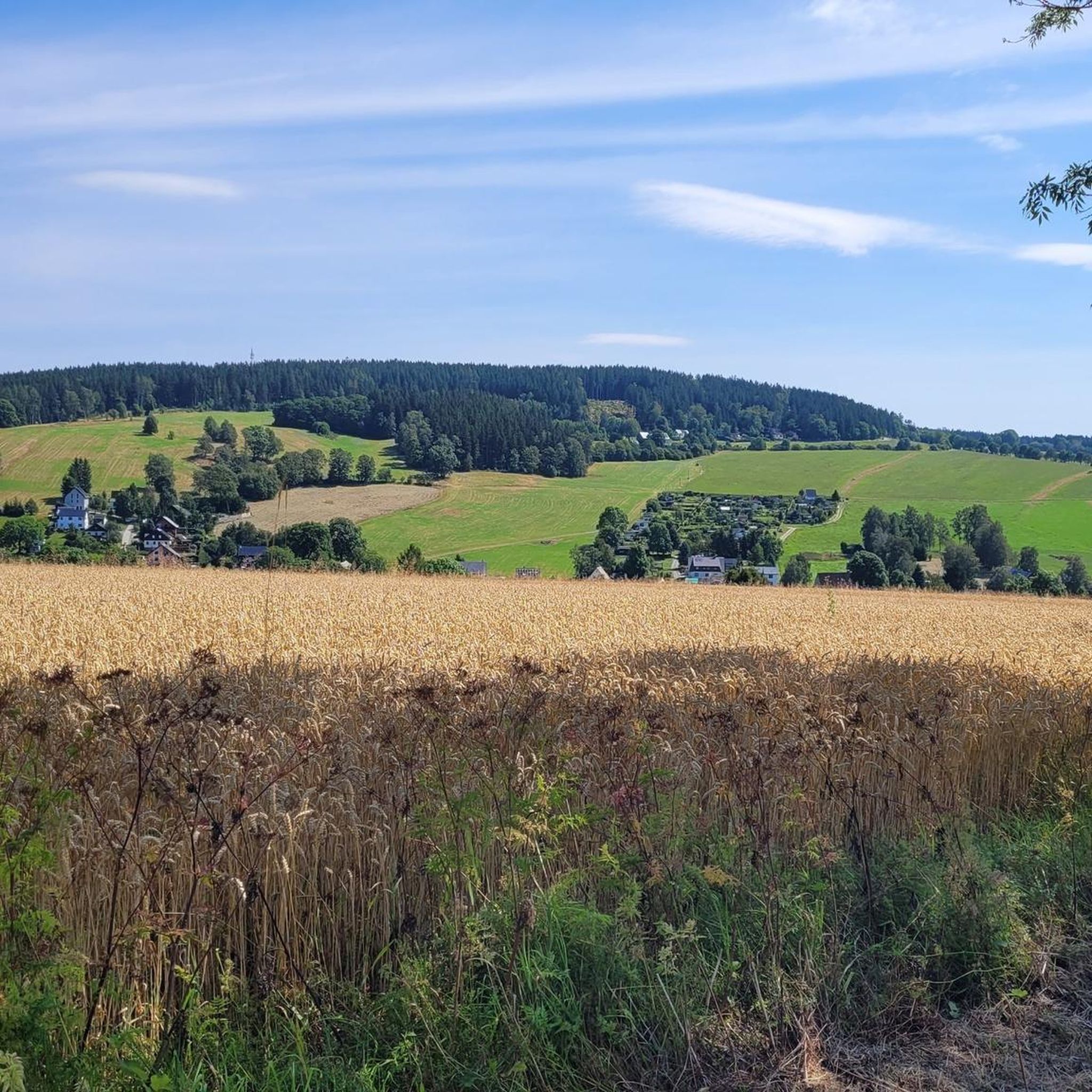
The Fichtelberg near Oberwiesenthal in the Erzgebirge district is, at 1214.79 m above sea level, the highest mountain in Saxony. It was also the highest mountain in East Germany (GDR). Together with the nearby Klínovec (Keilberg; 1243.7 m above sea level) on the Czech side, it forms the most important winter sports center in the Erzgebirge. Source and further information: https://de.m.wikipedia.org/wiki/Fichtelberg_(Erzgebirge)
3
0

The large peace bell on the Fichtelberg had to remain silent for six months in 2024. Stone throwing in May 2022 had so badly damaged the bell that its sound suffered. It was decided to stop ringing it and replace it with a new one. The old bell rang for the last time on Easter Monday 2024. Just in time for the mountain service on German Unity Day on October 3, the new bell was officially rung for the first time in the fall of 2024. The idea of using a peace bell to commemorate the peaceful revolution of 1989 in the GDR and German reunification in 1990 came from watchman Gerd Schlesinger and night watchman Jörg Eller from the Ore Mountains town of Schwarzenberg. The bell was also intended to be heard in neighboring Czechia and thus ring for a united Europe. The cast steel bell, already ninety years old at the time, was rung for the first time in 2010. The new bell was cast in Innsbruck by the Grassmayr company. At 2,700 kilograms, it is about 1,100 kilograms heavier than the old bell.
17
1
Since 1977, a 3.2-kilometer-long nature trail on wooden planks has led through the Božídarské rašeliniště peat bog nature reserve. It features twelve stations with information panels. The 11.61-square-kilometer area has been protected since 1965. It encompasses a series of raised bogs with spruce, pine, Scots pine, dwarf birch, heaths, and meadows. A carnivorous plant characteristic of peat bogs, the round-leaved sundew, also grows here. The largest peat bog in the Ore Mountains lies at an elevation of 940 to 1116 meters; its specific mountain climate creates challenging conditions for animals and plants.
13
2


The Fichtelberg near Oberwiesenthal in the Erzgebirge district is, at 1214.79 m above sea level, the highest mountain in Saxony. It was also the highest mountain in East Germany (GDR). Together with the nearby Klínovec (Keilberg; 1243.7 m above sea level) on the Czech side, it forms the most important winter sports center in the Erzgebirge. Source and further information: https://de.m.wikipedia.org/wiki/Fichtelberg_(Erzgebirge)
3
2

There is usually a lot going on here. It is worth visiting not only in winter.
3
1

Frequently Asked Questions
What unique geological features can I explore around Crottendorf?
The Crottendorf area, nestled in the Erzgebirge, offers several distinct geological formations. A must-see is the Orgelpfeifen Basalt Columns, Scheibenberg, an impressive site where basalt columns are arranged like organ pipes. You can also find the designated natural monuments of Großer and Kleiner Zachenstein, which are notable rock formations. Additionally, the region features the rare and ecologically significant Hochmoor Siebensäure, a raised bog ecosystem.
Are there any significant historical or cultural sites among the natural monuments?
Yes, beyond purely natural beauty, the region combines nature with history. The Fichtelberg Peace Bell, located on the Fichtelberg plateau, is a monument to German unity and peace, with its peal heard across the border into Czechia. Another example is the Rotbuche am Elisabethstein, a protected red beech tree near a historical memorial stone where Elisabeth, wife of a King, reportedly rested.
Where can I find panoramic views of the Erzgebirge mountains near Crottendorf?
For expansive views, the Fichtelberg, Saxony's highest mountain at 1215 meters, offers breathtaking panoramas. You can also get excellent views from the clearing by the ski jump near the Orgelpfeifen Basalt Columns, Scheibenberg. Other notable elevations like Liebenstein (756 m), Schießberg (795 m), and Pollmerfelsen (819 m) also provide great vantage points.
Are there family-friendly natural monuments or trails suitable for children?
Absolutely! The Božídarské Rašeliniště Boardwalk is a 3.2-kilometer nature trail on wooden planks through a peat bog nature reserve, featuring information panels that are engaging for all ages. The circular route around Cranzahl Dam is also a popular and easy walk for families. The Orgelpfeifen Basalt Columns, Scheibenberg are also considered family-friendly, offering an impressive natural spectacle.
What kind of natural landscapes can I expect to see in the Crottendorf area?
The Crottendorf area boasts diverse natural landscapes. You'll find scenic river valleys like the Tal der kleinen Mittweida, picturesque Katzensteiner Wiesen (meadows) known for their unique flora, and dense forests. The region is also characterized by prominent summits and unique ecosystems such as raised bogs and basalt formations, contributing to its rich biodiversity.
What outdoor activities can I do near these natural monuments?
The area around Crottendorf is excellent for various outdoor activities. You can enjoy extensive hiking, cycling, and mountain biking. For specific routes, check out the nearby guides for MTB Trails around Crottendorf, Gravel biking around Crottendorf, and Cycling around Crottendorf. These guides offer routes ranging from easy to difficult, catering to different skill levels.
Are there specific natural monuments that are particularly good for nature observation or photography?
The Božídarské Rašeliniště Boardwalk is ideal for nature observation, especially for its unique peat bog flora like the carnivorous round-leaved sundew. The Cranzahl Dam offers beautiful scenic views, making it a great spot for photography, particularly from its designated rest areas. The Orgelpfeifen Basalt Columns, Scheibenberg also provide a dramatic and photogenic geological subject.
What is the best time of year to visit the natural monuments around Crottendorf?
The natural monuments around Crottendorf are beautiful year-round, but the best time depends on your preferred activities. Spring and summer (May to September) are ideal for hiking, cycling, and enjoying the lush greenery and blooming meadows. Autumn (October) offers stunning fall foliage. Winter (December to March) transforms the landscape into a snowy wonderland, perfect for winter sports, especially around the Fichtelberg, though some trails might be less accessible.
Are there any specific natural monuments that are less known but worth discovering?
While the larger sites are popular, exploring some of the lesser-known designated natural monuments can be rewarding. The Cottabuche, a specific protected beech tree near Katzensteiner Straße, is an impressive specimen. The Großer and Kleiner Zachenstein rock formations, though less detailed in general information, are officially recognized natural monuments that offer unique geological interest and opportunities for quiet exploration.
What do visitors enjoy most about the natural monuments in the Crottendorf area?
Visitors frequently praise the serene beauty and diverse landscapes of the Erzgebirge. They particularly enjoy the well-maintained trails, the impressive geological formations like the basalt columns, and the unique ecosystems of the raised bogs. The panoramic views from summits like Fichtelberg are also a major highlight, offering a sense of tranquility and connection with nature.
Are there any nature reserves or protected areas near Crottendorf?
Yes, Crottendorf is surrounded by several nature reserves (Naturschutzgebiete) that ensure the preservation of broader natural landscapes. These include Waldhauswiesen, Kalkofenwiesen, Wiesen an der Wolfner Mühle, and Scheibenberger Heide. These areas are crucial for biodiversity and offer opportunities for observing local flora and fauna in their natural habitats.
Most popular routes around Crottendorf
Most popular attractions around Crottendorf

Get inspired with the komoot mobile app


Explore more
Extend your search for the best caves by checking out these guides of the top ones around Crottendorf:
