Top 20 Natural Monuments around Gornsdorf
Natural monuments around Gornsdorf are found in the scenic Ore Mountains of Germany, a region characterized by meadows, forests, and significant geological features. The area offers diverse natural beauty, from impressive rock formations to tranquil lakes and historical caves. These natural sites provide opportunities for exploration and appreciation of the region's unique landscape.
Best natural monuments around Gornsdorf
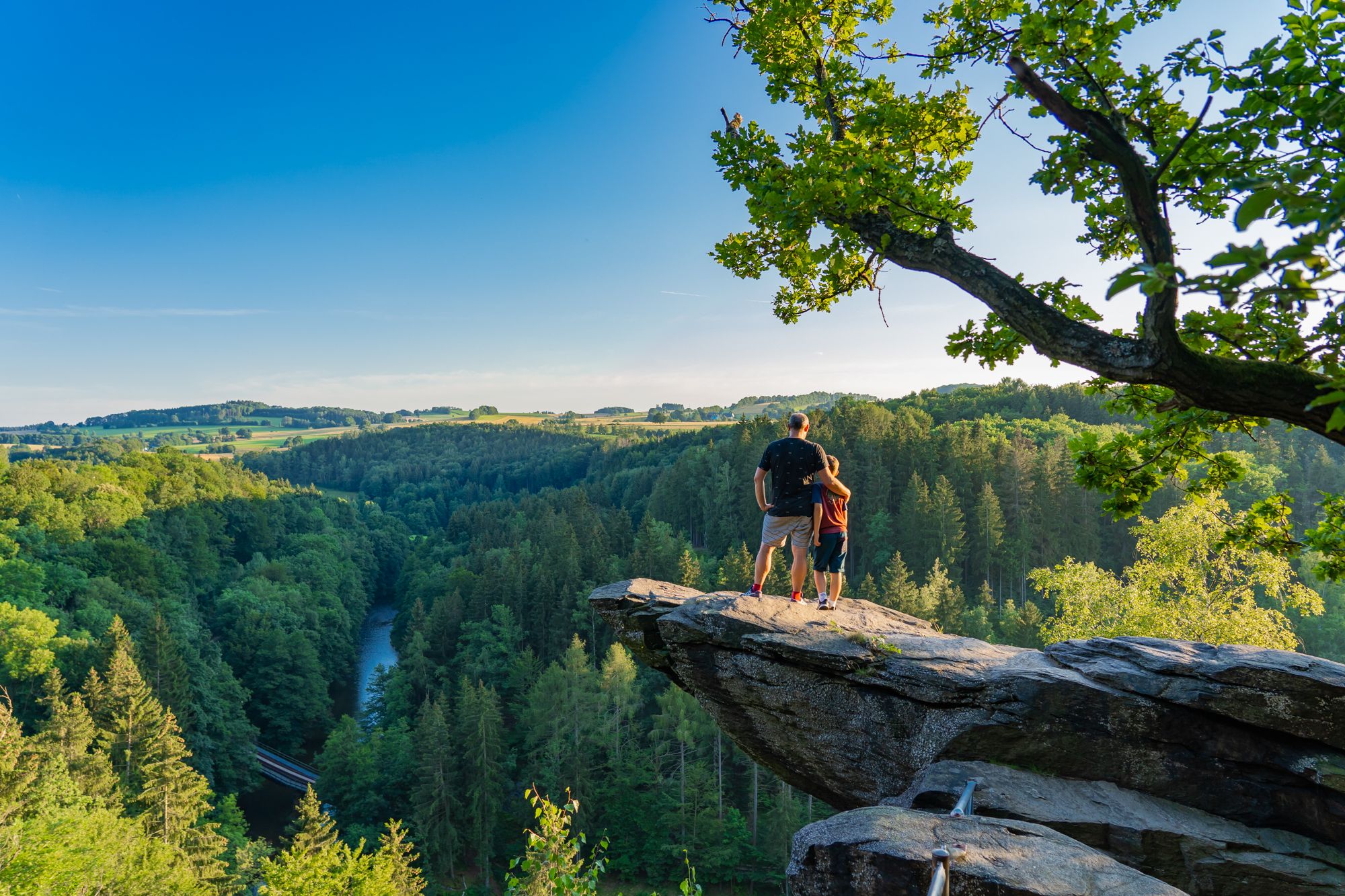
- The most popular natural monuments is Greifensteine Rock Formations, a natural monument known for its granite rock towers. This famous rock…
Last updated: June 24, 2026
Greifensteine Observation Rock
Highlight • Natural Monument
Translated by Google •
Tip by

Stollberg Reservoir (Querenbach Reservoir)
Highlight • Lake
Translated by Google •
Tip by

Sign up now to discover places like this
Get recommendations on the best single tracks, peaks, & plenty of other exciting outdoor places.
Sign up for free
Stülpner Cave
Highlight • Cave
Translated by Google •
Tip by
Querenbach Dam
Highlight • Lake
Translated by Google •
Tip by

According to Wikipedia, the Zwönitz rises …
Translated by Google •
Tip by

Sign up for free to discover even more natural monuments around Gornsdorf.
Sign up for free
Already have an account?
Start today with a free account
Your next adventure awaits.
Login or Signup
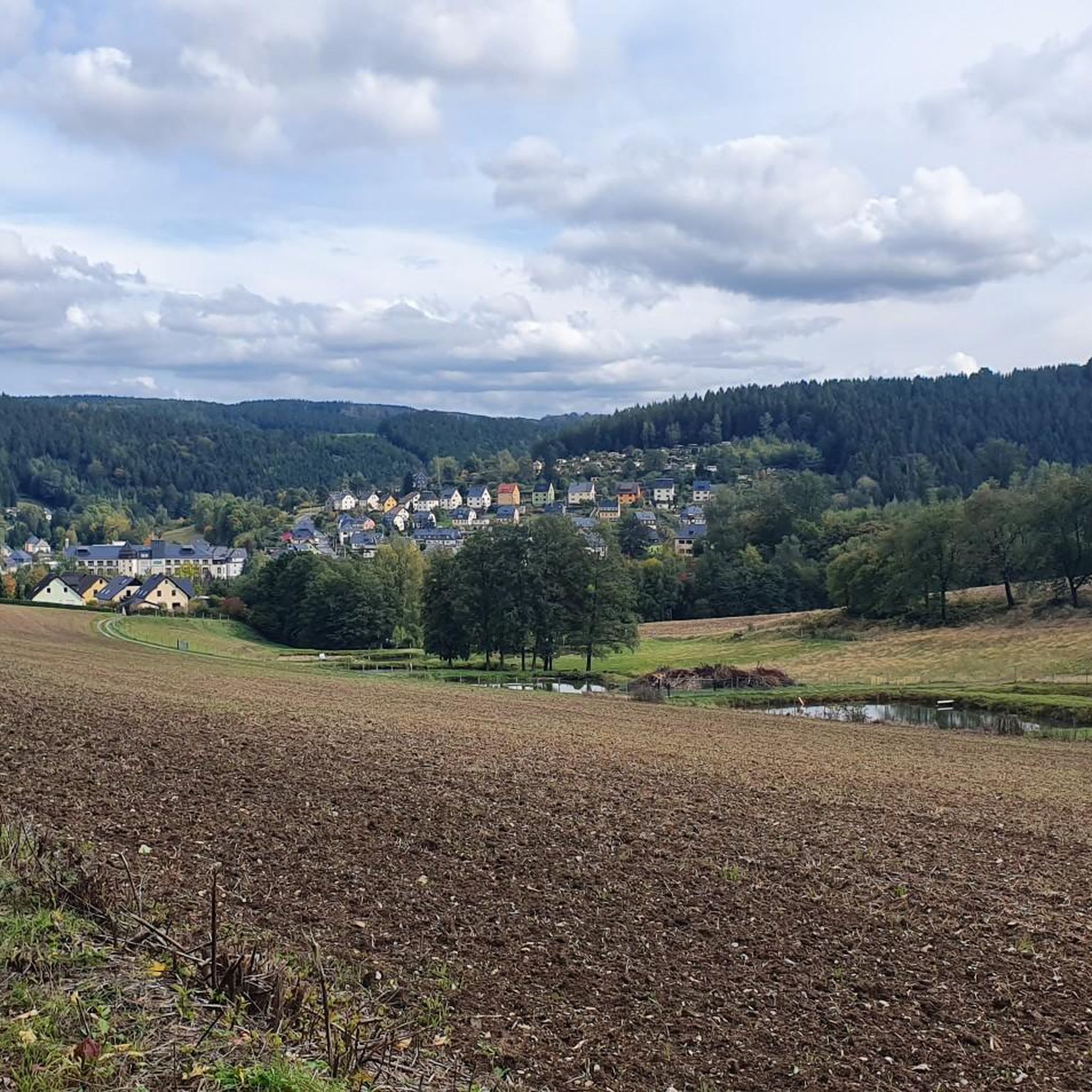
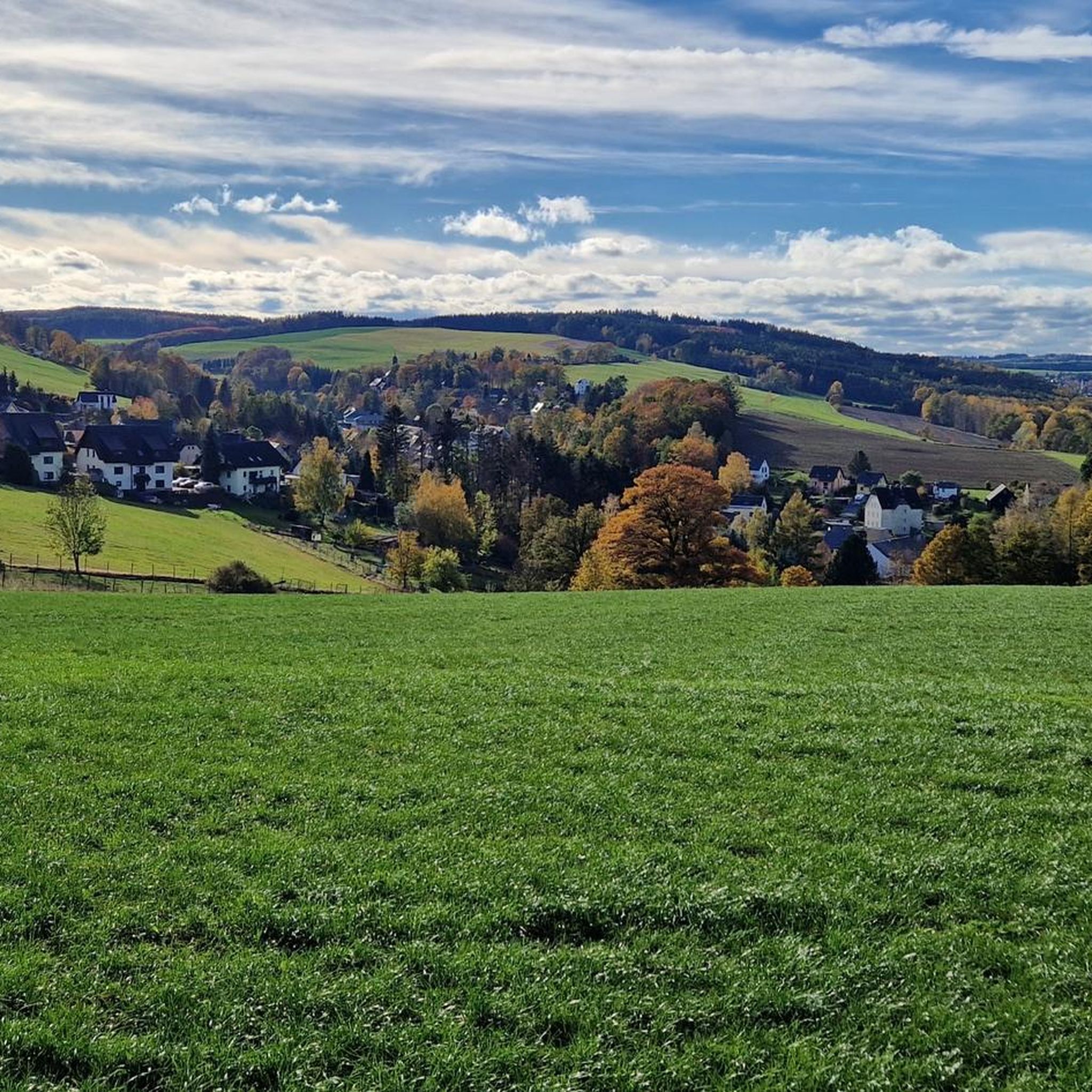

Other adventures around Gornsdorf

Tips from the Community

The Stollberg Dam (also called the Querenbach Dam or Querenbach Dam) was built between 1949 and 1954 in the Ore Mountains near Stollberg. The Querenbach Dam supplies Stollberg in Saxony and its surroundings with drinking water and provides flood protection. The water is extracted via a so-called extraction tower in the reservoir.
1
1
The Stollberg Dam (also called the Querenbach Dam or Querenbach Dam) was built between 1949 and 1954 in the Ore Mountains near Stollberg. The Querenbach Dam supplies Stollberg in Saxony and its surroundings with drinking water and provides flood protection. The water is extracted via a so-called extraction tower in the reservoir.
2
1

The Stollberg dam dams the water of the Querenbach and is therefore often referred to as the "Querenbach dam". The reservoir, built between 1949 and 1954, went into operation in 1954 and will therefore celebrate its 70th birthday in 2024. The catchment area of the dam, which contains extraordinarily clear water with visibility often reaching the bottom at a depth of 15 meters, is located in a sparsely populated forest area. The total catchment area covers 5.29 square kilometers and the average annual inflow is 2.18 million cubic meters. The reservoir has a total storage capacity of 1.129 million cubic meters and the capacity for raw water discharge is 0.97 million cubic meters per year. The water is used to supply drinking water to Stollberg and the neighboring communities. ... (https://www.google.com/amp/s/www.blick.de/erzgebirge/querenbachtalsperre-im-erzgebirge-ist-seit-70-jahren-in-betrieb-amp13566094)
1
1


You have to go all around, the play of colors is unique
0
1
A drinking water dam with a lot of access to the water!
0
0
Really rare: a drinking water dam with a lot of access to the water.
4
0
Frequently Asked Questions
What types of natural monuments can I explore near Gornsdorf?
Near Gornsdorf, you can explore a diverse range of natural monuments, including impressive granite rock formations like the Greifensteine Rock Formations, tranquil reservoirs such as the Stollberg Reservoir (Querenbach Reservoir), and historical caves like the Stülpner Cave. The region's landscape is characterized by meadows, forests, and significant geological features.
What makes the Greifensteine Rock Formations a significant natural monument?
The Greifensteine Rock Formations are an impressive granite formation reaching 731 meters, offering extensive panoramic views across the Ore Mountains. Geologically, they represent the top of a pluton, a granite formation from the Variscan orogeny. The area is also rich in minerals, with around 50 different varieties discovered.
Are there good viewpoints among the natural monuments near Gornsdorf?
Yes, the Greifensteine Rock Formations offer excellent panoramic views. From its lookout rock, you can see peaks like Pöhlberg, Bärenstein, Keilberg (in the Czech Republic), and Fichtelberg, as well as views towards Augustusburg and Chemnitz.
What is the geological significance of the natural monuments in the Ore Mountains?
The Ore Mountains, particularly around the Greifensteine Rock Formations, are geologically significant. The Greifensteine themselves are granite tors, remnants of a pluton that rose during the Variscan orogeny, with softer surrounding material having eroded over time. This geological history also contributes to the region's rich mineral deposits.
Are there family-friendly natural monuments around Gornsdorf?
Yes, the Stollberg Reservoir (Querenbach Reservoir) is particularly suitable for families. There's a circular trail around the lake that invites visitors to linger, fish, or go boating. The trail meanders through dense forests and picturesque lakeside landscapes, making it a pleasant outing for all ages.
What historical aspects are associated with the natural monuments in this region?
The Stülpner Cave has significant historical ties, associated with the Erzgebirge folk hero Karl Stülpner, who reportedly used it as a hiding place. The cave itself originally arose from tin ore mining, highlighting the region's mining heritage. The Greifensteine Rock Formations also have historical significance, including a small museum and an outdoor theater that uses the rocks as a backdrop.
What outdoor activities can I do near these natural monuments?
The region around Gornsdorf offers various outdoor activities. You can enjoy gravel biking with routes like the 'Stollberg Reservoir – Old Brickyard Recreation Area loop' or explore MTB trails such as the 'Röhrgraben Divider – Erik Frenzel Jumps loop'. For running, there are trails like the 'View of Thalheim – Wiesenmühle Thalheim Café loop'. You can find more details on these activities in the Gravel biking around Gornsdorf, MTB Trails around Gornsdorf, and Running Trails around Gornsdorf guides.
Are there hiking trails near the natural monuments?
Yes, there are numerous hiking opportunities. A circular trail around the Stollberg Reservoir (Querenbach Reservoir) is popular. The Greifensteine Rock Formations area also features hiking trails. For more extensive options, you can explore running trails like the 'Lohwaldhütte – View of Thalheim loop' which are suitable for walking, detailed in the Running Trails around Gornsdorf guide.
What do visitors enjoy most about the natural monuments around Gornsdorf?
Visitors frequently praise the breathtaking views from places like the Greifensteine Rock Formations, noting the excellent panoramic sights over the Ore Mountains. The clear water and scenic surroundings of the Stollberg Reservoir are also highly appreciated, with some describing the 'magic of colors' and a 'Caribbean' feeling. The historical context of sites like the Stülpner Cave also adds to the visitor experience.
Is the Stollberg Reservoir suitable for swimming or boating?
The Stollberg Reservoir (Querenbach Reservoir) functions as a drinking water dam. While it's known for its clear water and scenic surroundings, and visitors are invited to linger or go boating, direct swimming access might be restricted due to its function as a drinking water source. It's always best to check local regulations on site.
Are there any cafes or restaurants near the natural monuments?
Yes, the area around the Greifensteine Rock Formations includes a restaurant for refreshments, making it convenient for visitors to enjoy a meal or a drink after exploring the rock formations and trails.
What is the best time to visit the natural monuments around Gornsdorf?
The natural monuments around Gornsdorf offer beauty throughout the year. Spring and summer are ideal for hiking and outdoor activities, with lush greenery and pleasant temperatures. Autumn provides stunning foliage, especially around the reservoirs and forests. While winter can bring snow, offering a different scenic experience, some trails might be more challenging. The Greifensteine Rock Formations offer great views in good weather conditions year-round.
Most popular routes around Gornsdorf
Most popular attractions around Gornsdorf

Get inspired with the komoot mobile app


Explore more
Extend your search for the best caves by checking out these guides of the top ones around Gornsdorf:
