Top 20 Natural Monuments around Sinntal
Best natural monuments around Sinntal are found in the Bergwinkel region, where the Rhön, Spessart, and Vogelsberg low mountain ranges converge. This area is characterized by a diverse natural landscape of mixed forests, green meadows, and river valleys. Sinntal offers numerous opportunities for outdoor activities amidst its natural beauty. The region's natural environment provides a blend of ecological health and historical interest.
Best natural monuments around Sinntal
- The most popular natural monuments is Bad Brückenau Spa Park, a natural_monument…
Last updated: September 27, 2026
Bad Brückenau Spa Park
Highlight • Natural Monument
Translated by Google •
Tip by

Linden arbor below the Fürstenhof
Highlight • Structure
Translated by Google •
Tip by

Sign up now to discover places like this
Get recommendations on the best single tracks, peaks, & plenty of other exciting outdoor places.
Dreistelzturm Observation Tower
Highlight • Viewpoint
Translated by Google •
Tip by

Juniper heath in Naturpark Hessischer Spessart
Highlight • Natural
Translated by Google •
Tip by

Erbsgrund Pond in Ratzerod
Highlight • Lake
Translated by Google •
Tip by

Sign up for free to discover even more natural monuments around Sinntal.
Already have an account?
Start today with a free account
Your next adventure awaits.
Popular around Sinntal
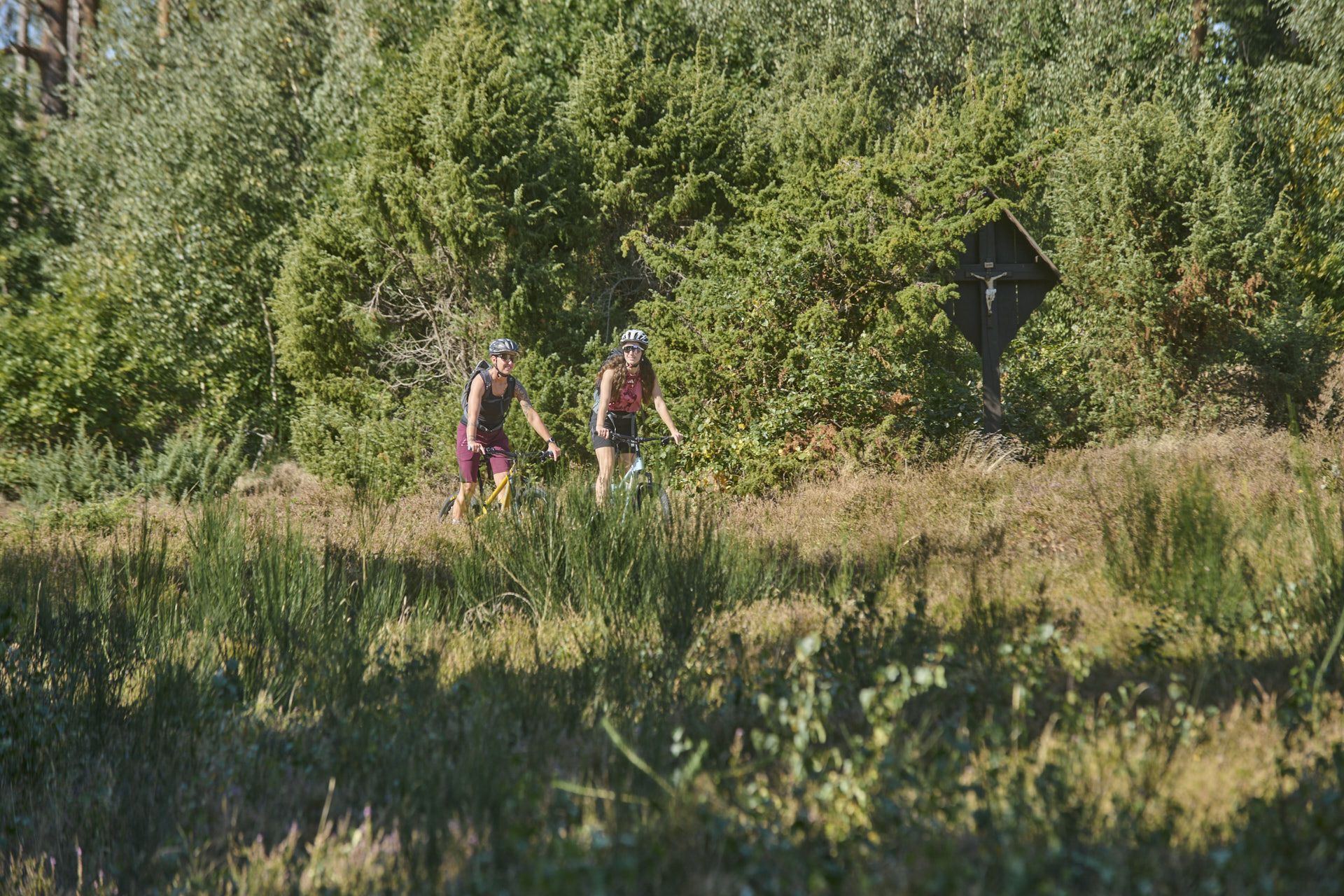
Nature, trails and local cuisine – MTB in the Spessart
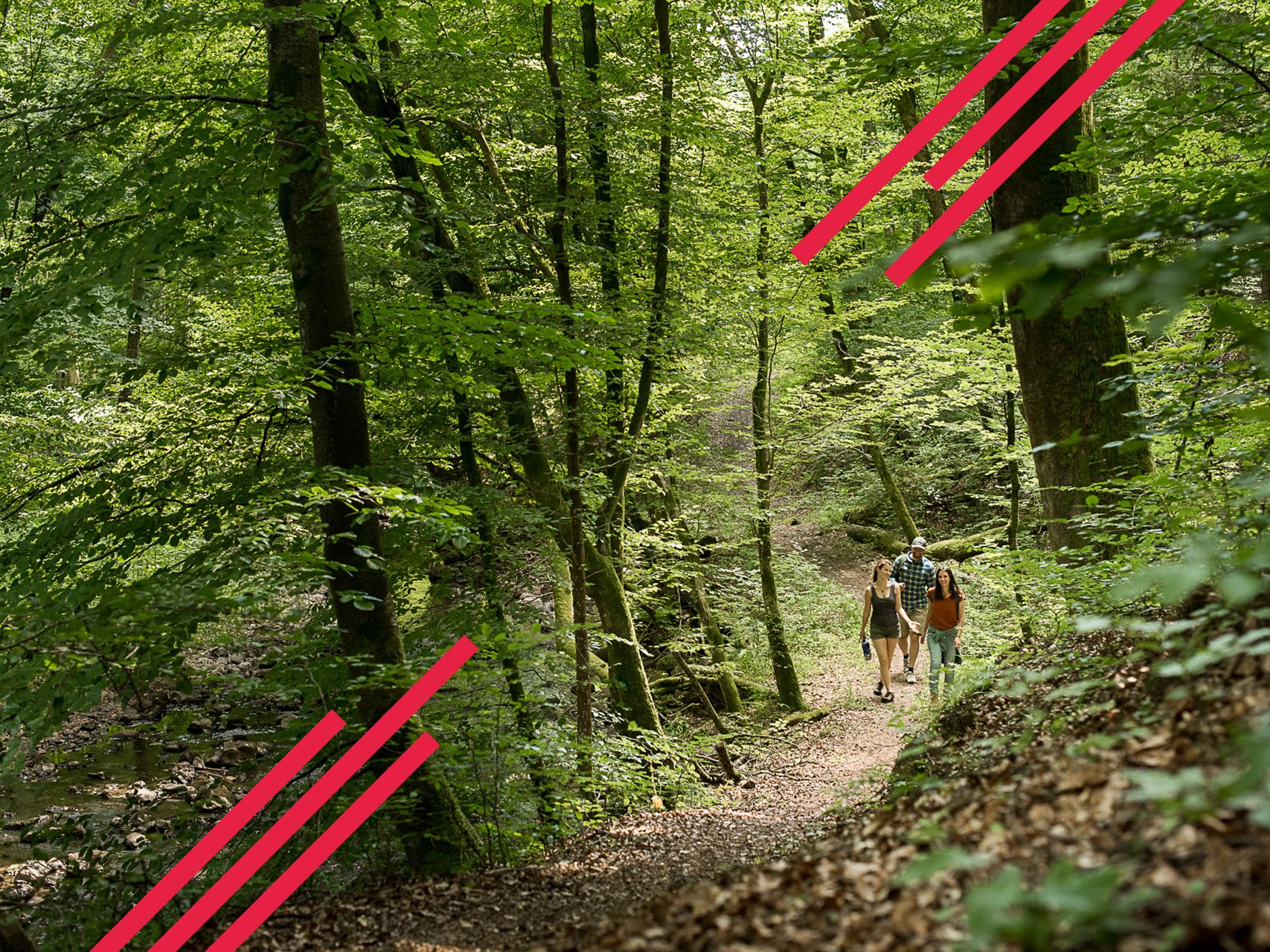
Relaxed hiking in the Spessart – short trails of discovery
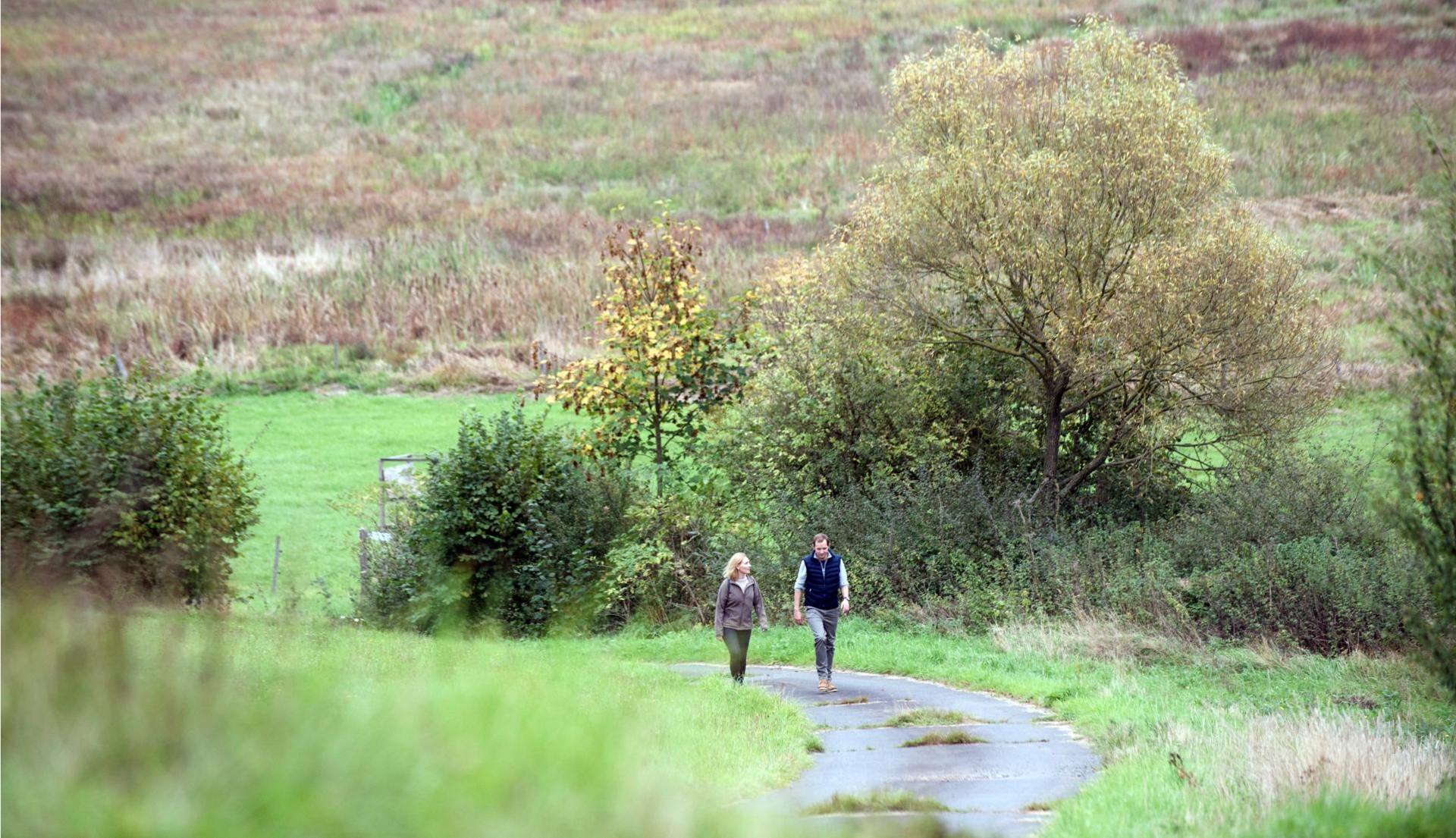
Pleasure hiking in the Spessart: trails that taste as good as they look
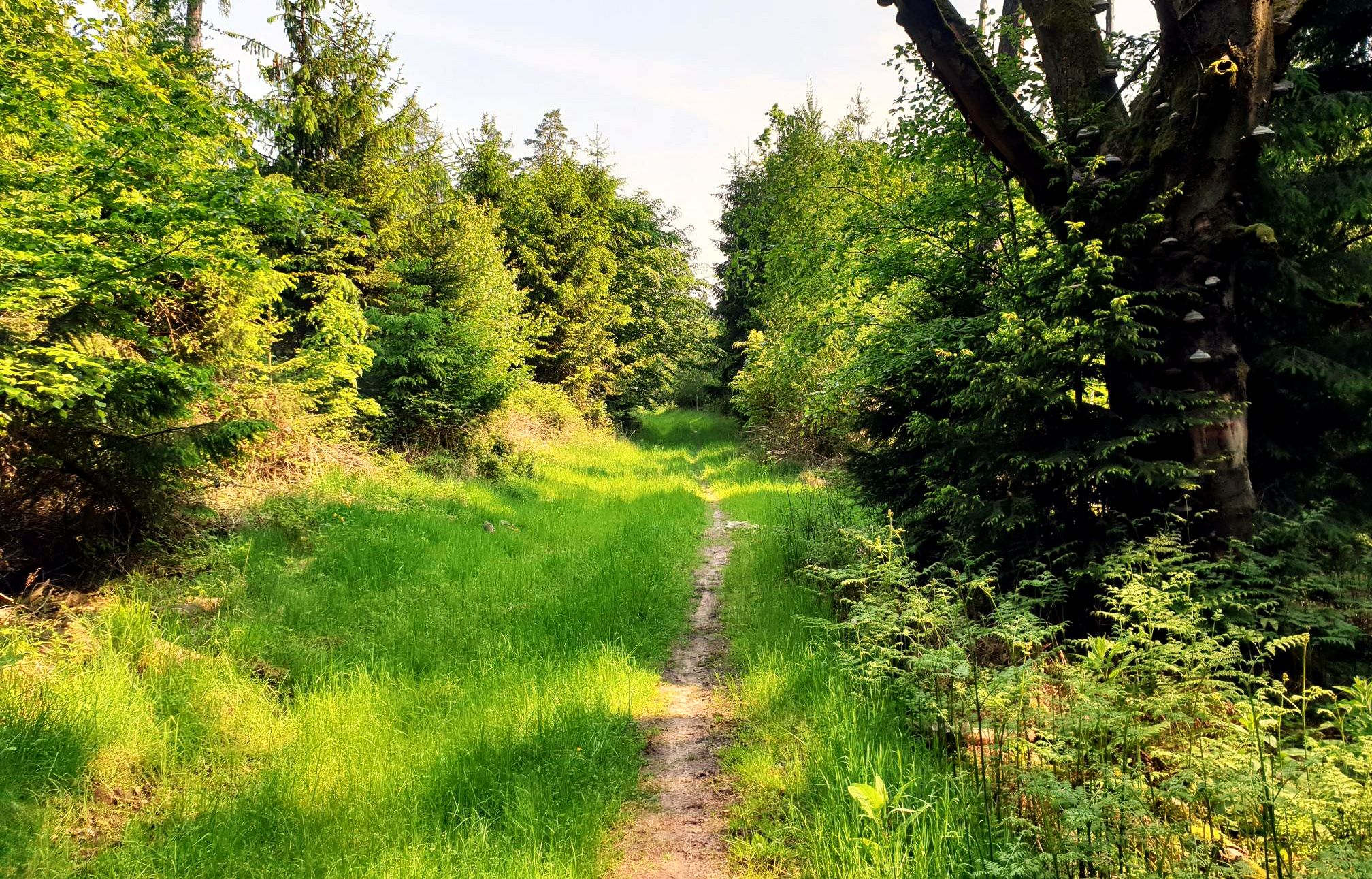
Mountain biking in the Spessart – Awesome trails in Germany
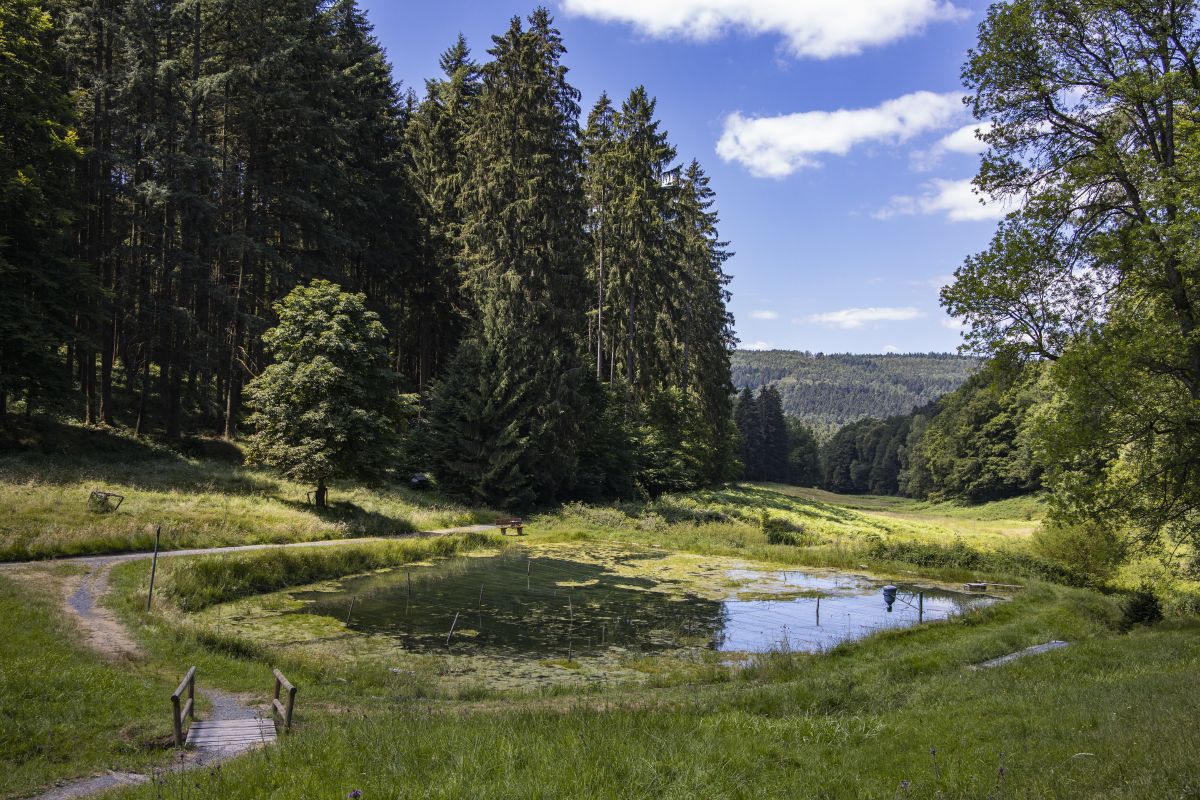
Europäische Kulturwege im Nordspessart
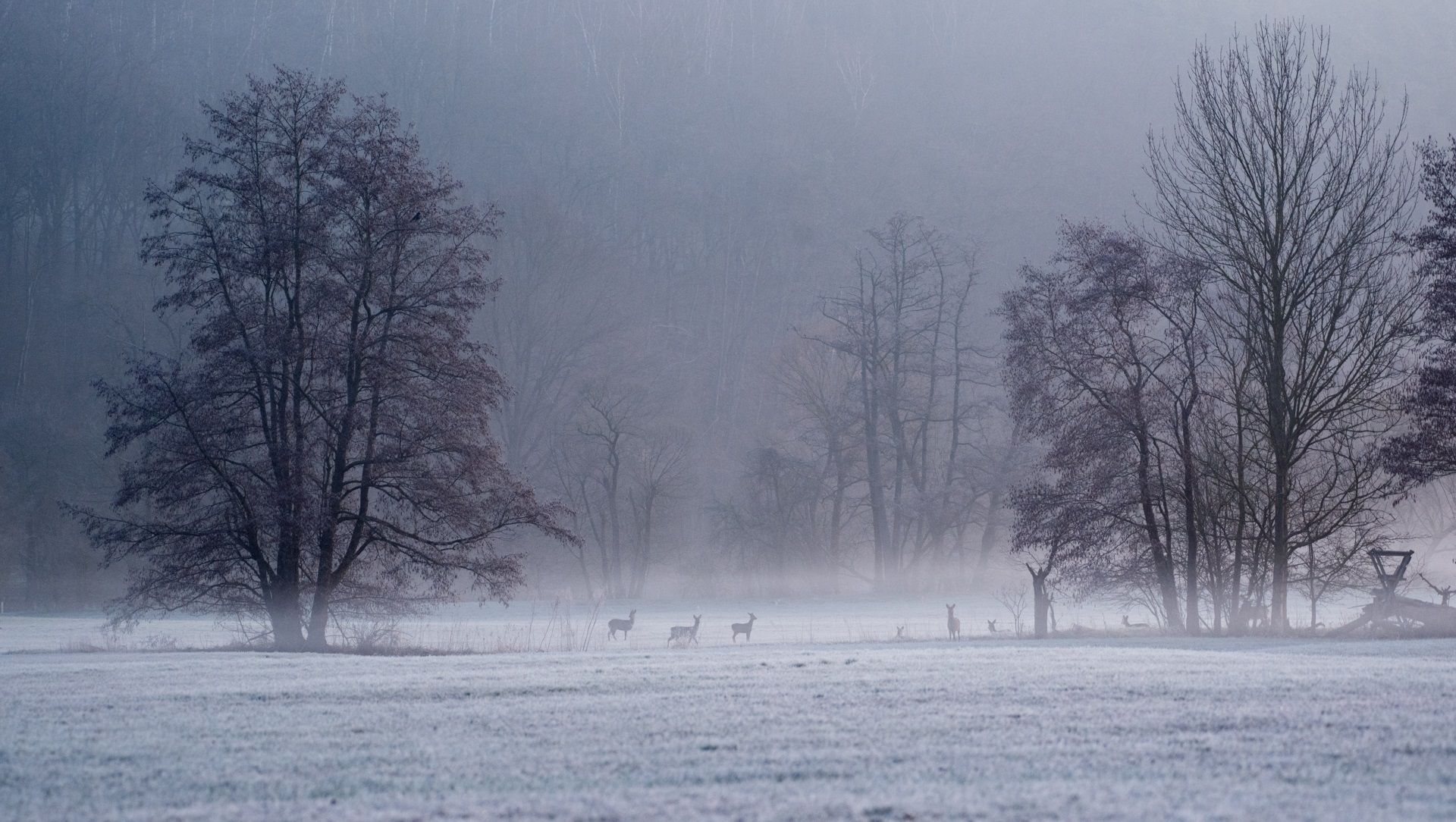
Die schönsten Winterwanderungen im Spessart
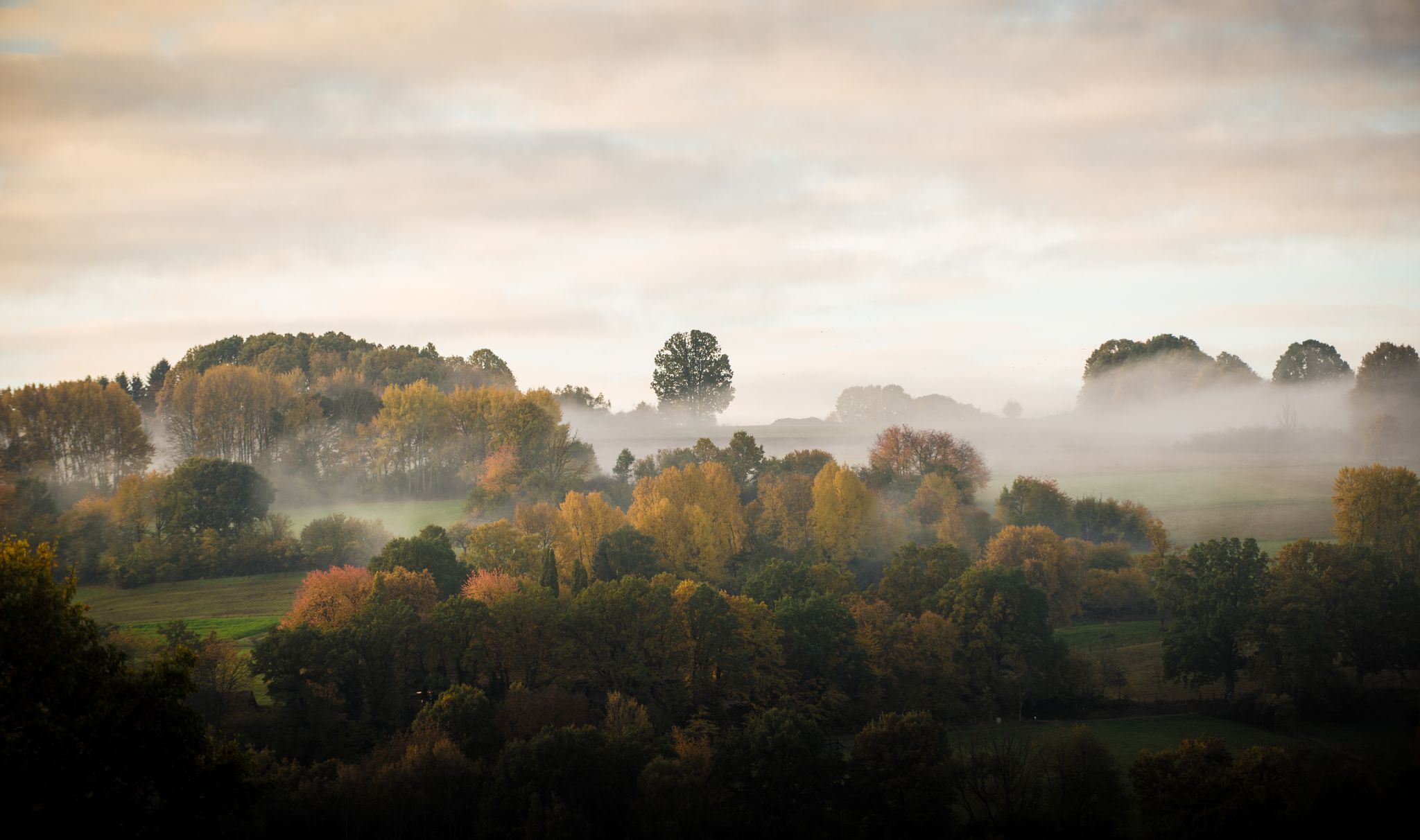
Die schönsten Herbstwanderungen im Spessart
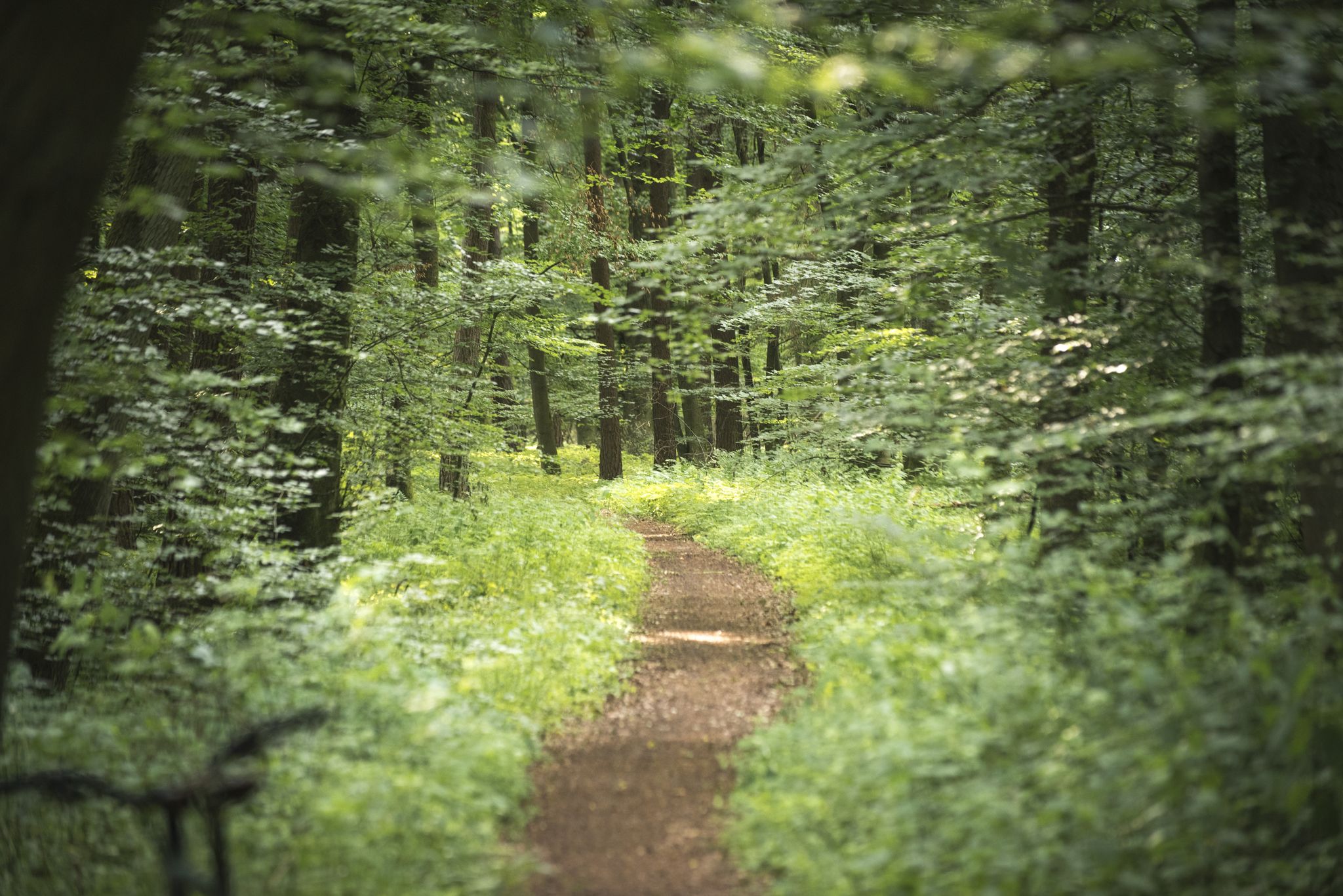
Die schönsten Premium-Spazierwanderwege im Hessischen Spessart
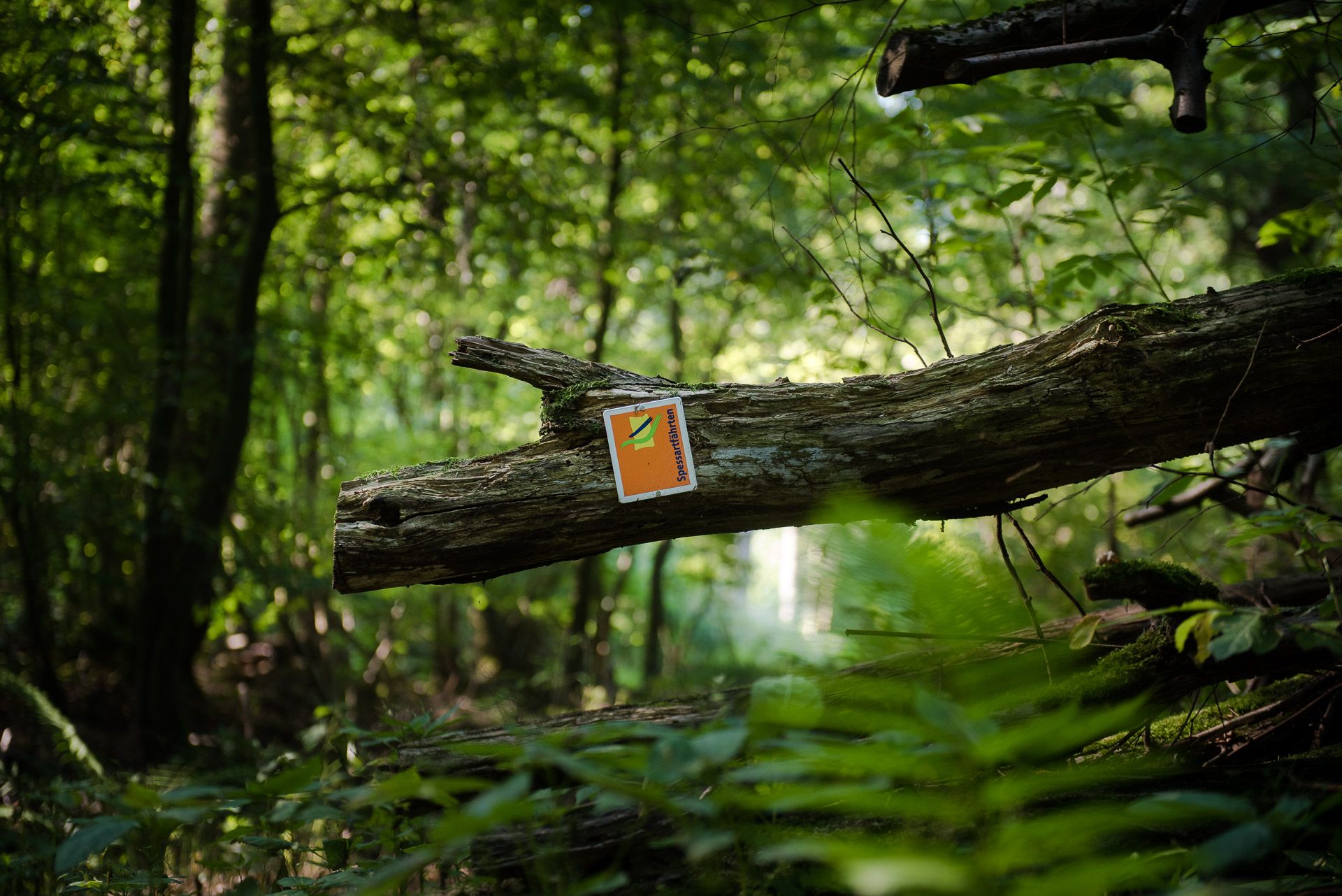
Die Spessartfährten: Sanfte Tageswanderungen durch den hessischen Spessart
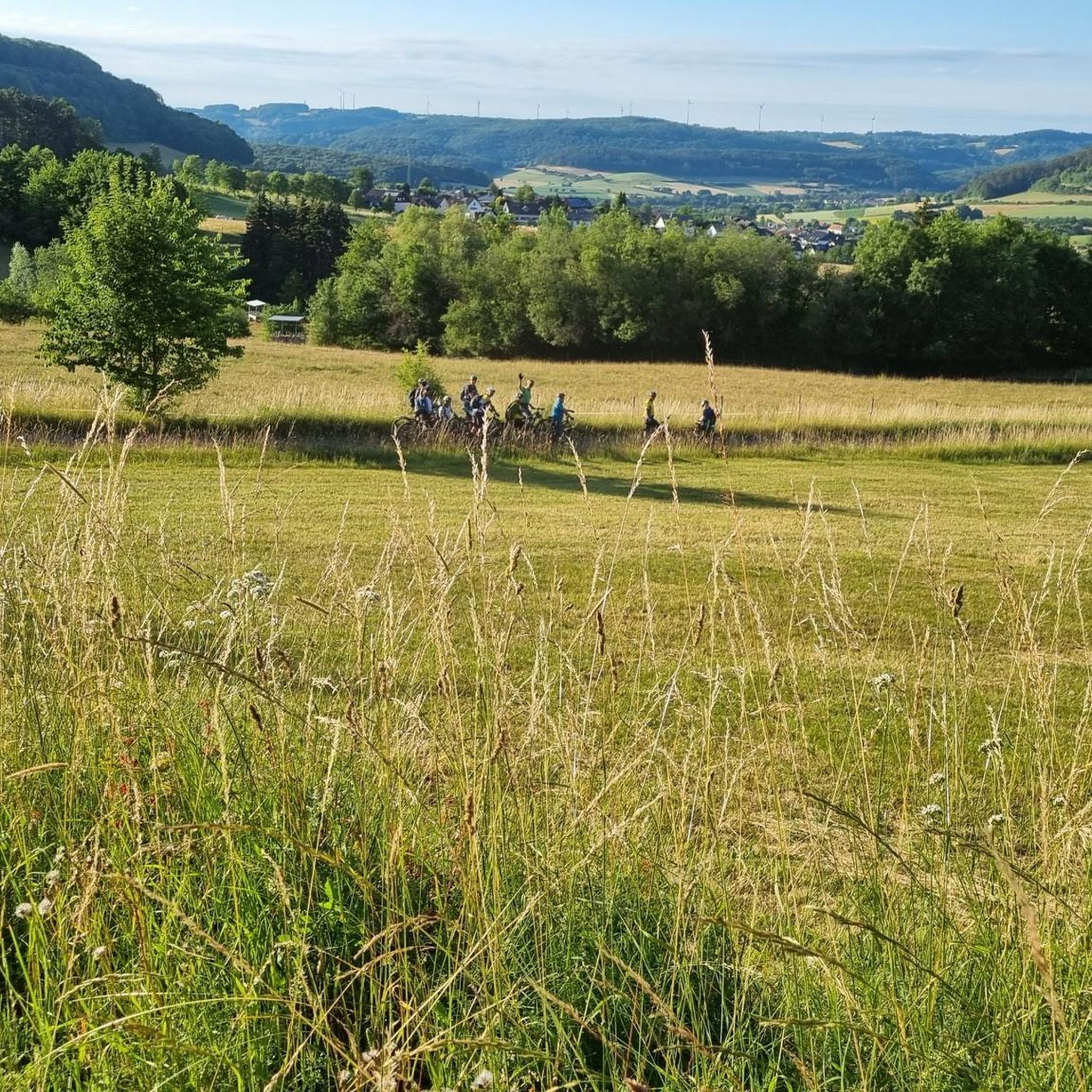
Hiking around Sinntal
Other adventures around Sinntal

Tips from the Community

Unfortunately, the Wacholderheide is becoming increasingly overgrown here.
0
0

This pergola has grown beautifully.
6
0

This park is a jewel of beauty and is definitely recommended. And also steeped in history. It was built by the grandfather of King Louis II, also King Louis I. In association with Lola Montez
0
0

idyllic resting place.... ideal for a great picnic with an amazing view of the pond..🤗
3
0


Long arcade that is rarely found today.
2
1

Very well maintained and sophisticated looking facility, worthwhile.
7
0

2. Today's plantings are based on the structure of the historical model in terms of new planting and care. The chestnut trees on the avenue are cut strictly in a box shape, and the lime tree arcade below the Fürstenhof also corresponds to the historical specifications. Old and rare trees can be admired in the park, including a "thousand-year-old oak" near the herb garden with a circumference of seven meters[1], as well as the ginkgo tree, the cucumber magnolia and the "oak-leaved hornbeam" (a mutation). Around 60 tree species are listed in the tree register created in 1992. Source:https://de.m.wikipedia.org/wiki/Staatsbad_Br%C3%BCckenau
11
0
Frequently Asked Questions
What are some of the most popular natural monuments to visit in Sinntal?
Visitors to Sinntal frequently enjoy the Bad Brückenau Spa Park, known for its stately grounds, historical buildings, and ancient trees, including a "thousand-year-old oak." The Kinzig Reservoir is also very popular, offering a scenic 6.5 km loop path and opportunities for water activities. Another appreciated spot is the Juniper heath in Naturpark Hessischer Spessart, a unique natural reserve with distinctive vegetation.
Are there any natural monuments in Sinntal with historical significance?
Yes, the region offers a blend of natural heritage and cultural history. The Bad Brückenau Spa Park is a prime example, where King Ludwig I once resided, and its historical buildings and ancient trees tell stories of the past. Additionally, the Landwehreiche mit Schwedenschanze (Landwehr Oak with Swedish Redoubt) in Sterbfritz combines an ancient oak tree with a historical earthwork, hinting at past events and defensive structures.
What kind of unique flora and fauna can I expect to see around Sinntal's natural monuments?
Sinntal is rich in biodiversity. You can find rare flora such as the checkerboard flower (Schachblume), which blooms in wet meadows from mid-April to mid-May, creating a violet spectacle. The river valleys are home to beavers, which actively shape the landscape and create new wetlands, providing habitats for various species. The Juniper heath in Naturpark Hessischer Spessart also features unique, thorny plants like juniper, silver thistle, and pasqueflower.
Are there family-friendly natural monuments or activities in Sinntal?
Absolutely. Many natural monuments in Sinntal are suitable for families. The Bad Brückenau Spa Park is family-friendly with its spacious grounds. The Kinzig Reservoir offers a 6.5 km circular path perfect for walking or cycling with children, and you can also enjoy pedal boating or stand-up paddling. Educational trails, such as a beaver trail near Willingsgrundweiher and a nature trail in Sinntal-Sannerz, provide engaging experiences for all ages.
What are the best outdoor activities to do near the natural monuments in Sinntal?
The region around Sinntal is ideal for various outdoor activities. You can enjoy extensive hiking on trails like the Sinner Rundweg or sections of the Spessartsteig and "Der Hochrhöner." Cycling is also very popular, especially around the Kinzig Reservoir. For more detailed routes, you can explore hiking routes around Sinntal, road cycling routes, or running trails.
When is the best time to visit Sinntal to experience its natural beauty?
The best time to visit depends on what you wish to see. For the rare checkerboard flower, mid-April to mid-May is ideal, as this is when they bloom and the annual "Schachblumenfest" is held. Spring and autumn generally offer pleasant temperatures for hiking and cycling, with vibrant foliage in the fall. Summer is great for water activities at the Kinzig Reservoir.
Are there accessible natural monuments for visitors with mobility needs?
Yes, the Bad Brückenau Spa Park is noted as wheelchair accessible, offering well-maintained paths through its stately grounds. The circular path around the Kinzig Reservoir is also generally flat and suitable for easy walks, making it accessible for many visitors.
Where can I find scenic viewpoints to appreciate the landscape around Sinntal?
Sinntal offers several scenic viewpoints. The View of the Kinzig Reservoir provides excellent perspectives of the lake and its surroundings. The extensive network of hiking and cycling trails, including the Spessartsteig and "Der Hochrhöner," also lead through rolling hills and dense forests, offering breathtaking views of the diverse ecosystems.
What do visitors particularly enjoy about the natural monuments in Sinntal?
Visitors frequently highlight the peaceful atmosphere and the diverse natural landscapes. They appreciate the well-maintained paths for walking and cycling, the opportunities for wildlife observation, especially beavers, and the unique flora like the checkerboard flowers. The blend of natural beauty with historical elements, such as in the Bad Brückenau Spa Park, is also a significant draw.
Are there any specific trails or routes recommended for exploring the natural monuments?
Yes, the region is interwoven with well-maintained trails. The 6.5 km circular route around the Kinzig Reservoir is very popular for walking, jogging, and cycling. For a more immersive experience, consider the Sinner Rundweg, the Spessartsteig, or sections of the "Der Hochrhöner" premium hiking trail, which traverse forests, valleys, and hills. There are also educational trails like the beaver trail near Willingsgrundweiher.
Can I find parking facilities near the natural monuments in Sinntal?
Yes, parking is generally available at popular natural monuments. For instance, the Bad Brückenau Spa Park has designated parking areas. For other locations like the Kinzig Reservoir, there are often parking options nearby to facilitate access to the circular paths and recreational areas.
Most popular routes around Sinntal
Most popular attractions around Sinntal

Get inspired with the komoot mobile app


Explore more
Extend your search for the best caves by checking out these guides of the top ones around Sinntal:
