Top 20 Natural Monuments around Torgau
Best natural monuments around Torgau include diverse landscapes such as the Düben Heath, known for its extensive mixed forests, and the Dahlen Heath, characterized by numerous small ponds and dense woodlands. The region also features the Great Pond on the outskirts of Torgau, offering protected natural areas. These locations provide varied terrain for outdoor activities and showcase the area's ecological importance.
Best natural monuments around Torgau
- The most popular natural monuments is Schildberg Tower, a viewpoint that offers views…
Last updated: August 18, 2026
Schildberg Tower
Highlight • Viewpoint
Translated by Google •
Tip by

Benkenteich
Highlight • Lake
Translated by Google •
Tip by

Sign up now to discover places like this
Get recommendations on the best single tracks, peaks, & plenty of other exciting outdoor places.
Sign up for free
Wittes Quarry
Highlight • Natural
Translated by Google •
Tip by

Hunger Stones in the Elbe River
Highlight • Natural Monument
Translated by Google •
Tip by

Bronze Age Burial Mounds in Torgauer Forst Pflückuff
Highlight • Historical Site
Translated by Google •
Tip by

Sign up for free to discover even more natural monuments around Torgau.
Sign up for free
Already have an account?
Start today with a free account
Your next adventure awaits.
Login or Signup
Popular around Torgau
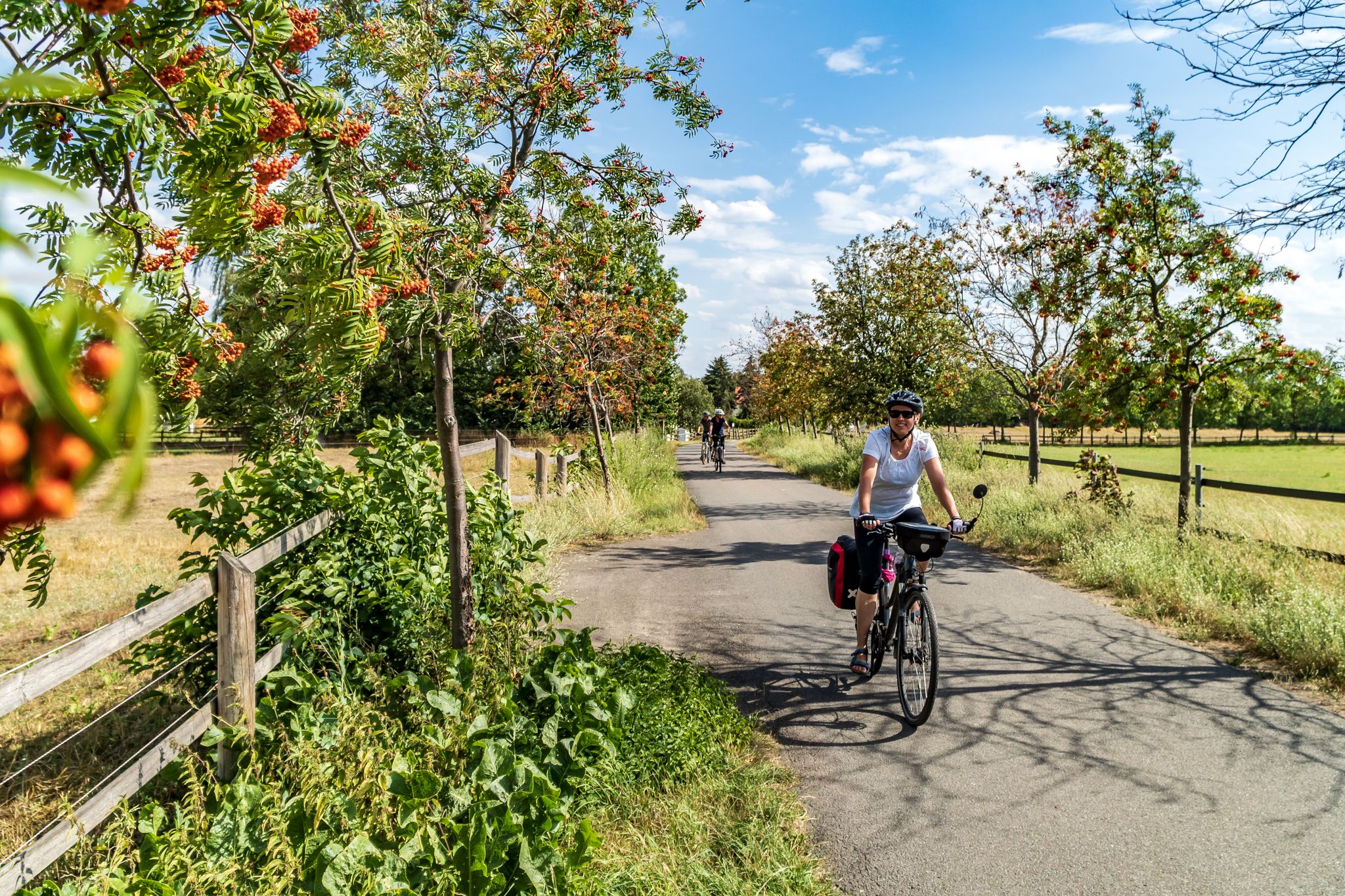
Cycling into the countryside – urban escapism around Leipzig
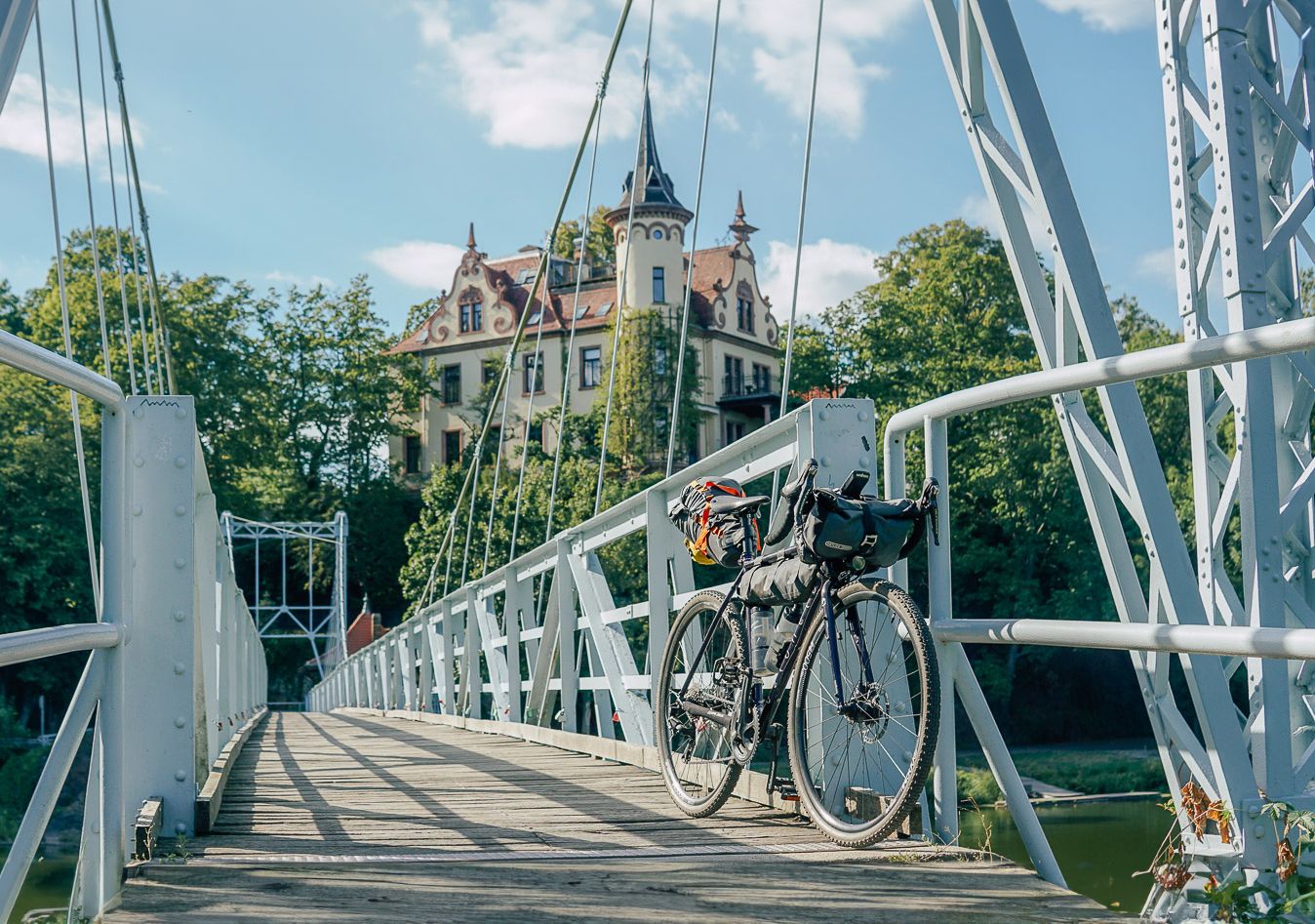
Get on your bike – discover new things in the Leipzig region
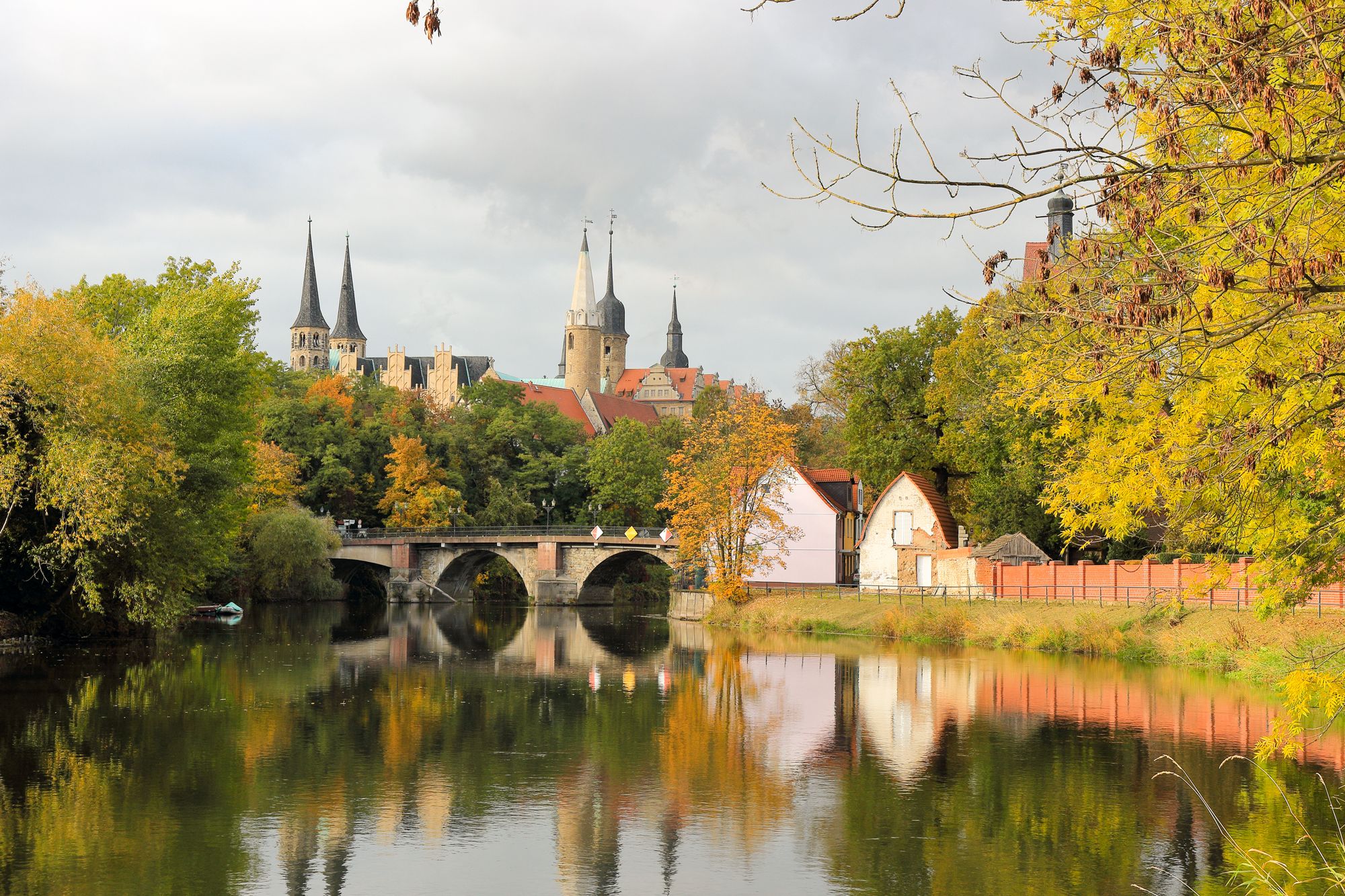
Art, history and museums in Germany — cultural Tours on MDV
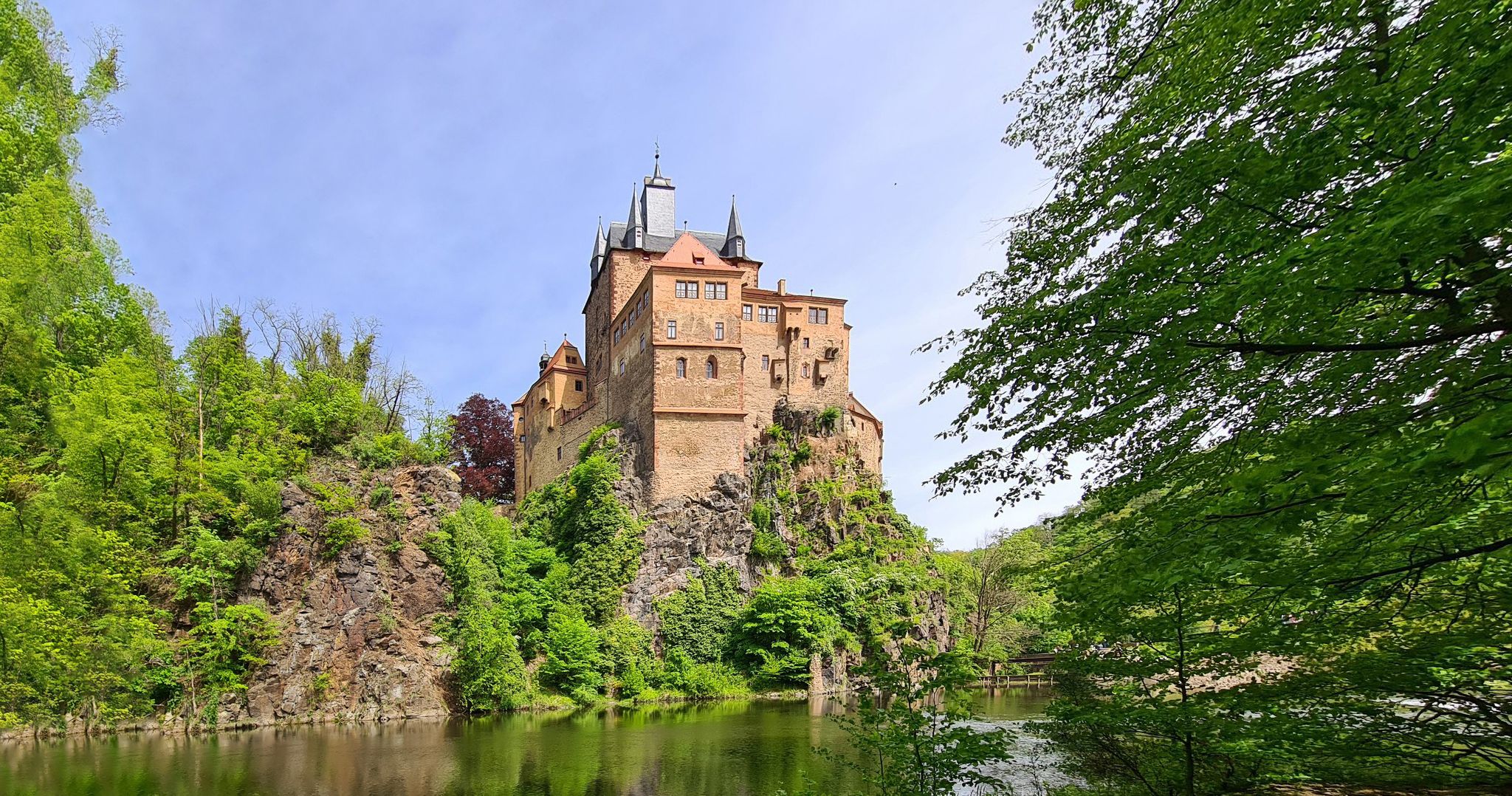
Castle hopping around Leipzig — hiking highlights along the way
Ancient forests & pretty lakes – Cycling adventures around Leipzig
Cycling around Torgau
Hiking around Torgau
Road Cycling Routes around Torgau
Running Trails around Torgau
MTB Trails around Torgau
Other adventures around Torgau


Tips from the Community

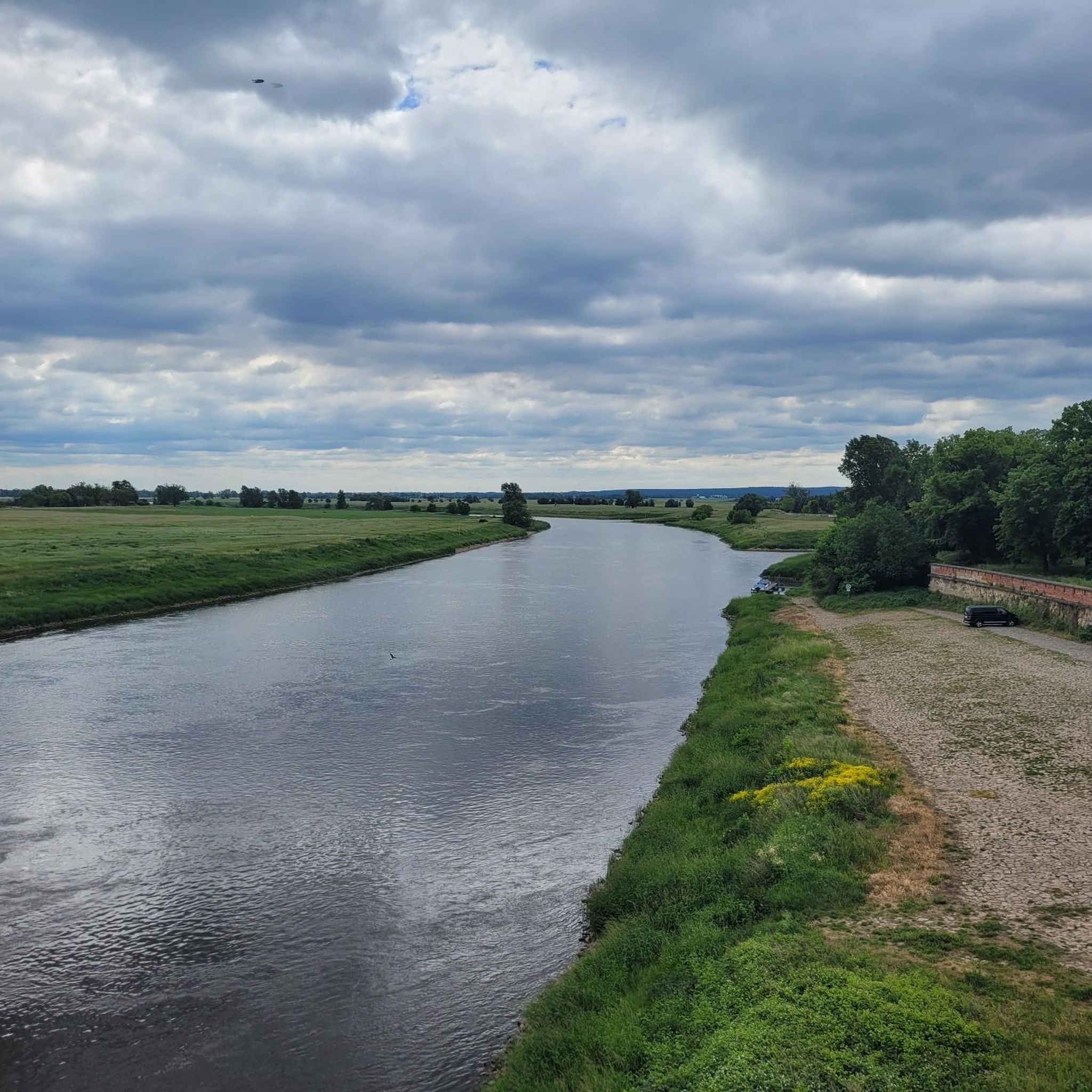
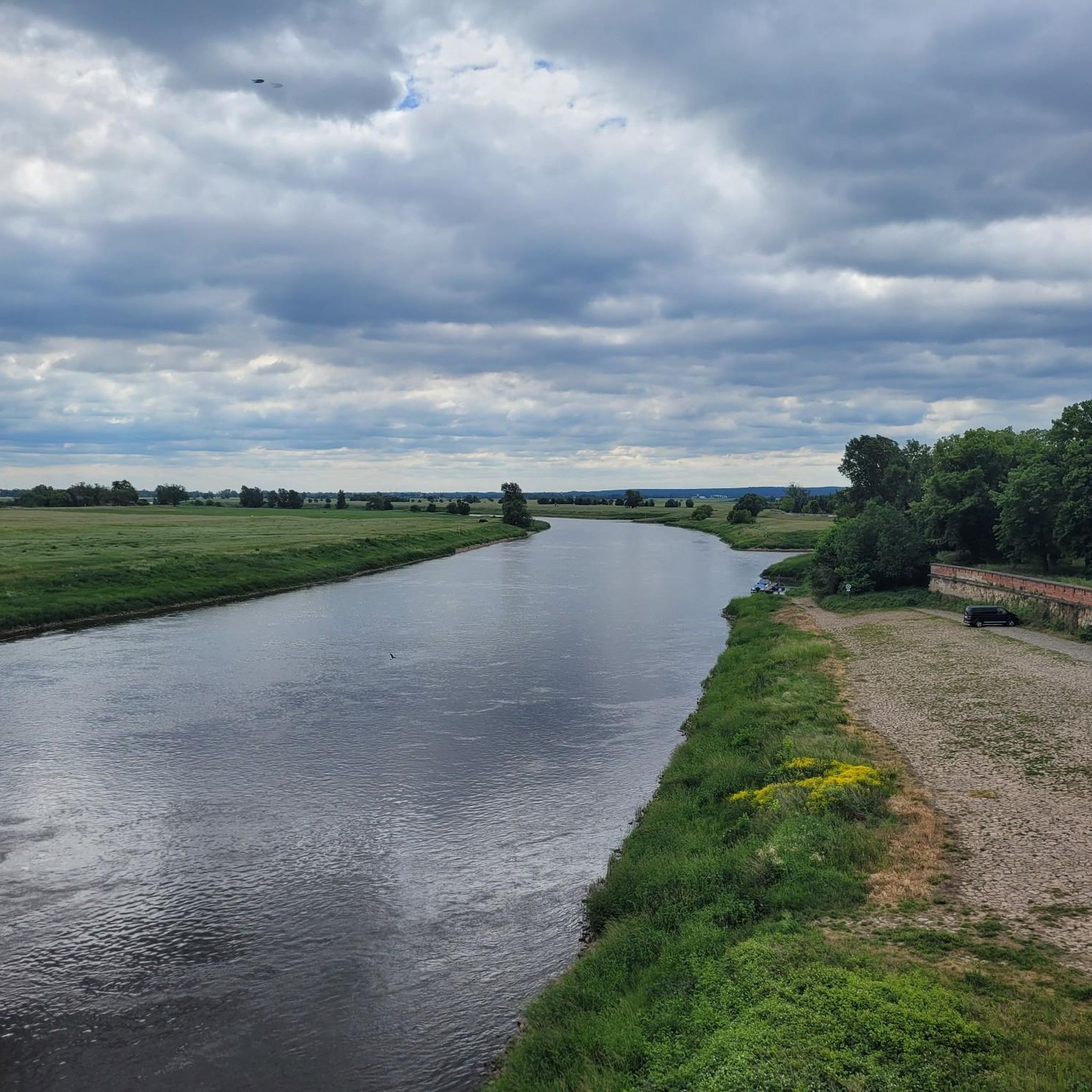
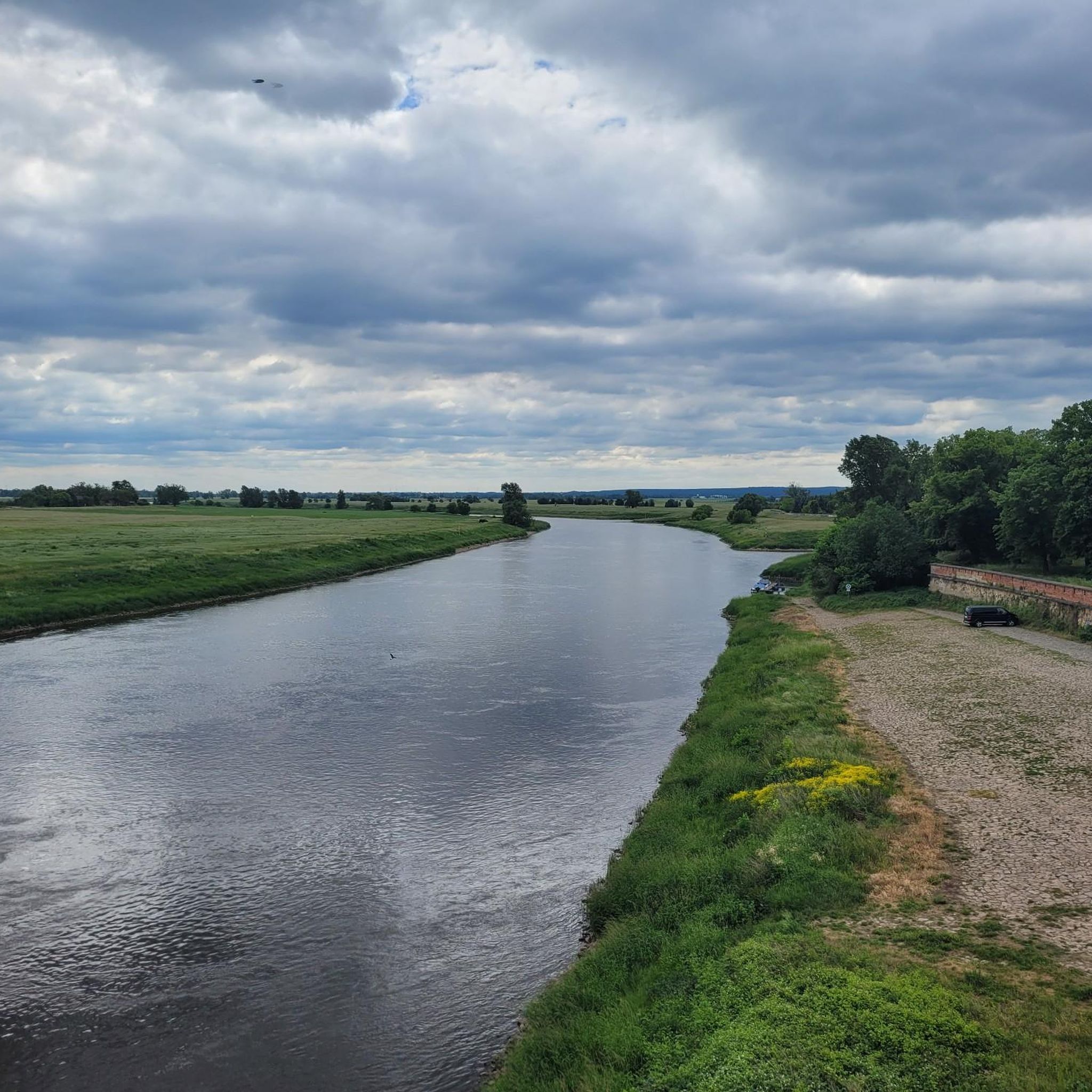
Below the Elbterrassen. At low tide, you can also get there quite well. You can go there.
0
0

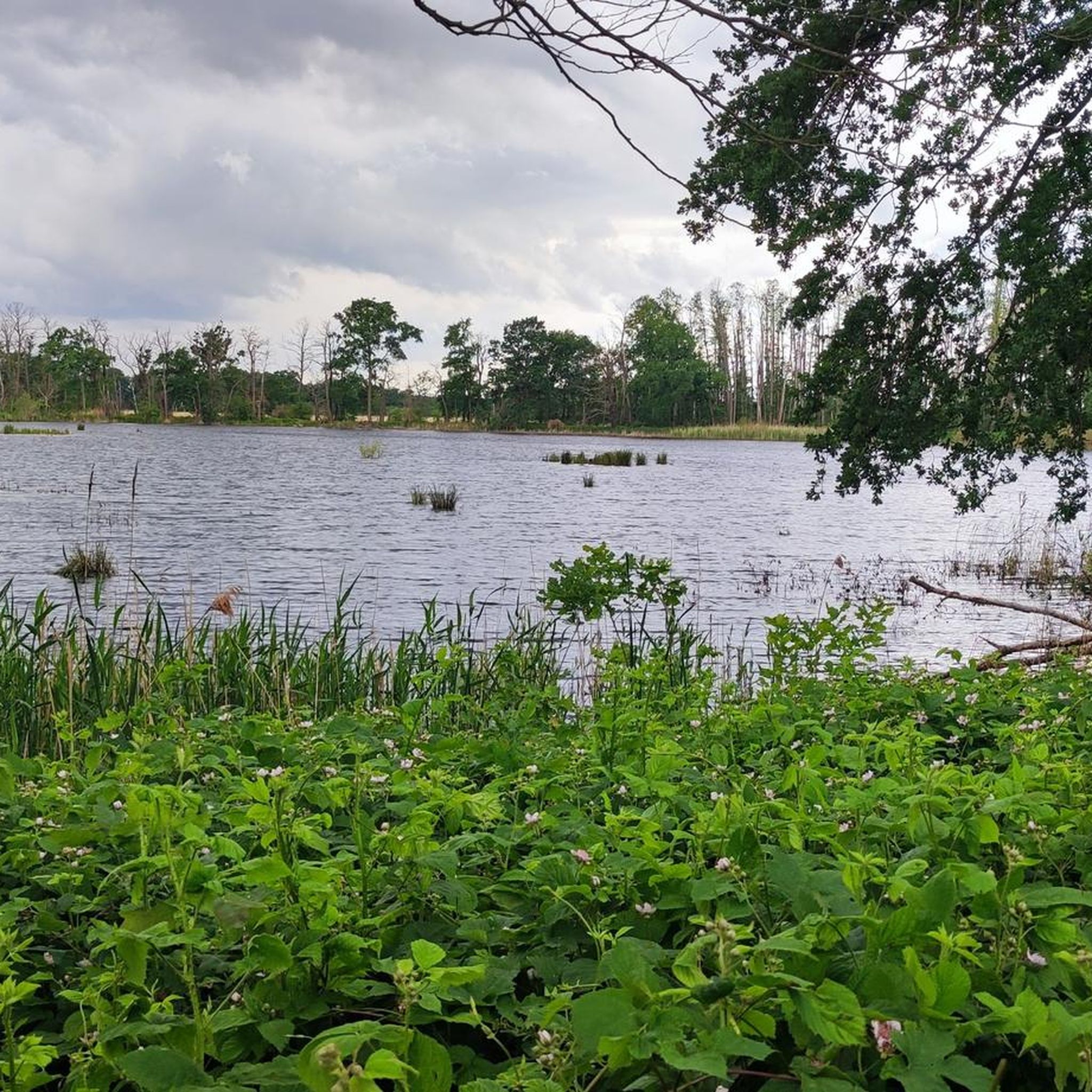
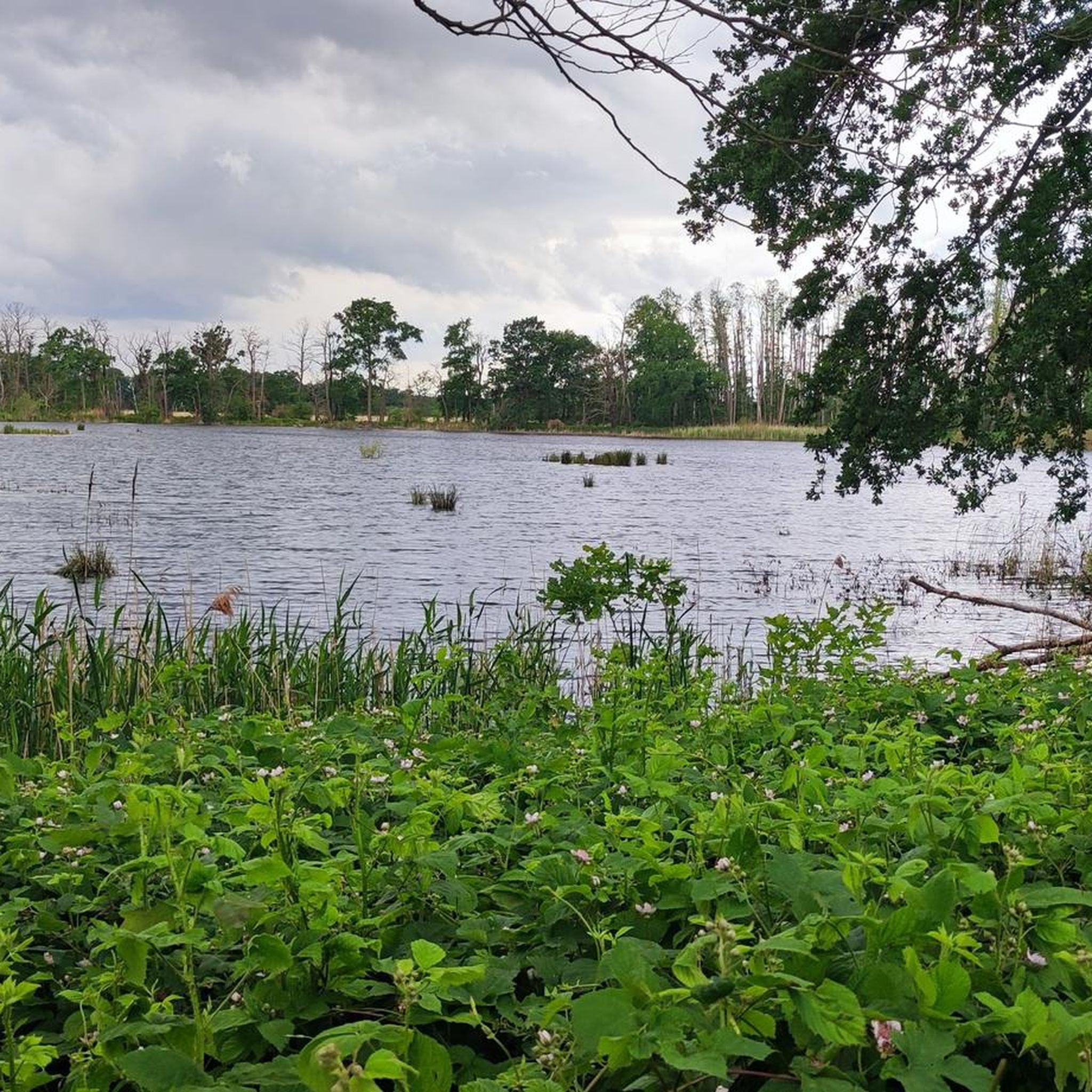
already filled with water, natural monument
2
0

The Elbe (Low German: Elv, Czech: Labe, Latin: Albis) is a Central European river that originates in the Czech Republic, flows through Germany, and empties into the North Sea. It drains, among other things, a large part of eastern Germany and almost all of Bohemia, which is surrounded by low mountain ranges. The most well-known rivers in its catchment area include the Vltava, the Mulde, the Saale, the Havel with the Spree, and the Elde with the Müritz. Characterized by the low mountain ranges in its upper reaches, it further follows two glacial valleys in the North German Plain. Measured by the size of its catchment area of 148,300 km², the Elbe ranks fourth in Central Europe according to the list of rivers in Europe, behind the Danube, the Vistula, and the Rhine, and followed by the Oder and the Memel.[6] Source: https://de.wikipedia.org/wiki/Elbe
3
0

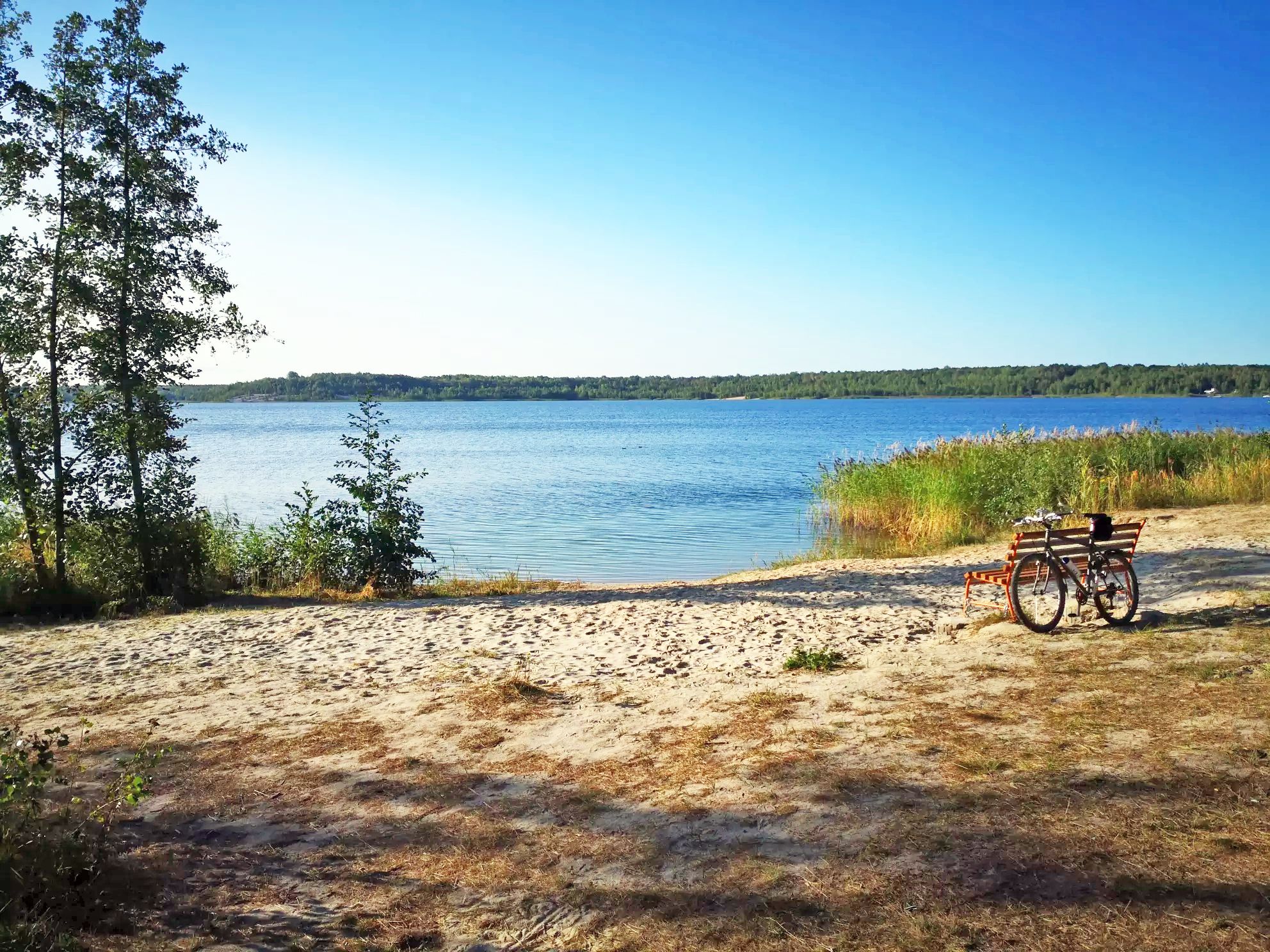
In the past, many people would swim here, but now it is privately owned and all bathing facilities have been blocked off. Locals also call it the water quarry because there is another one nearby. If you like quarries, there are the Hohburg Mountains nearby, where there are even more and larger quarries.
0
0
When the water level is low, the famous hunger stones appear.
1
0

The hunger stones can be seen when the water level in the Elbe is 50 cm.
1
0

beautiful hiking destination, lots of play opportunities for children, deciduous forest
1
0

Schildberg tower not open for ascent. There is a nice, clean rest area and information boards about our nature.
1
0
Frequently Asked Questions
What are some popular natural monuments to visit around Torgau?
Among the most appreciated natural monuments are the Schildberg Tower, which offers expansive views over the Dahlener Heide, and Wittes Quarry, a tranquil natural area with a small lake. Visitors also enjoy Benkenteich, a peaceful lake known for relaxation and birdwatching.
Are there family-friendly natural monuments in the Torgau region?
Yes, several natural monuments are suitable for families. The Schildberg Tower is a great destination for a family outing, offering a rewarding view after a short ascent. The Benkenteich is also considered family-friendly, providing a calm setting for walks and observing waterfowl. Additionally, the circular route around the Great Pond on the outskirts of Torgau is ideal for relaxed family walks, featuring a lido with a playground.
What kind of natural features can I expect to see around Torgau?
The Torgau region is rich in diverse natural features. You can explore extensive mixed forests in the Düben Heath, numerous small ponds and dense woodlands in the Dahlen Heath, and tranquil lakes like the Great Pond. Other notable features include river landscapes, such as the Elbe, where you can even spot unique Hunger Stones during low water levels.
Can I go hiking or cycling near these natural monuments?
Absolutely. The Düben Heath offers over 500 kilometers of well-marked paths perfect for hiking and cycling. The Dahlen Heath is also a paradise for hikers, with its dense forests and picturesque ponds. For specific routes, you can explore various options like cycling tours around Torgau, road cycling routes, or MTB trails that often pass by or through these natural areas.
What is the best time of year to visit the natural monuments around Torgau?
The natural monuments around Torgau can be enjoyed throughout the year, each season offering a unique experience. Spring and autumn are ideal for hiking and cycling due to pleasant temperatures and vibrant foliage. Summer is perfect for enjoying the lakes and ponds, while winter offers a serene landscape for quiet walks. The S Schildberg Tower, for instance, is typically open on fine Saturdays from April to October.
Are there any historical sites among the natural monuments?
Yes, some natural monuments in the region also hold historical significance. For example, the Battle of Torgau Monument on the Süptitzer Heights commemorates a significant historical event within a natural setting. Additionally, the Hunger Stones in the Elbe River are natural features that historically marked periods of drought and hardship.
What are the Düben Heath and Dahlen Heath, and how do they relate to natural monuments?
The Düben Heath and Dahlen Heath are significant natural areas near Torgau, recognized for their unique ecological importance. The Düben Heath is Central Germany's largest mixed forest, offering diverse landscapes of forests, meadows, and waters. The Dahlen Heath is characterized by dense forests and over 50 small ponds. While often referred to as nature parks, they encompass numerous smaller natural monuments and provide the broader natural context for many individual highlights in the region.
Is the Great Pond in Torgau a good place to visit for nature?
Yes, the Great Pond (Großer Teich) on the periphery of Torgau is a protected natural paradise. It features a picturesque eight-kilometer circular route through forests and along the water, making it ideal for relaxed walks, jogging, or Nordic walking. Highlights along the route include the Biberhof (beaver lodge) and a lido, offering a great spot to enjoy nature close to town.
Are there any viewpoints offering panoramic views?
Yes, the Schildberg Tower is a prominent viewpoint that provides excellent panoramic views over the Dahlener Heide. It's a popular spot for visitors to appreciate the vast natural landscape.
Can I bring my dog to the natural monuments around Torgau?
Generally, the natural areas around Torgau, including the Düben Heath, Dahlen Heath, and the Great Pond, are dog-friendly. Many trails are suitable for walks with dogs, provided they are kept on a leash, especially in protected areas or near wildlife. Always check local signage for specific regulations in certain zones.
What kind of wildlife can I observe in these natural areas?
The diverse ecosystems of the Düben and Dahlen Heaths, as well as the Great Pond, support a variety of wildlife. You might spot various bird species, including waterfowl around the lakes and ponds, and with a bit of luck, even a kingfisher at places like Benkenteich. The Biberhof near the Great Pond suggests the presence of beavers. The forests are home to typical Central German woodland animals.
How long should I plan for a visit to these natural monuments?
The duration of your visit can vary greatly depending on the monument and your activity. A short walk around the Great Pond might take an hour or two, while exploring the extensive Düben or Dahlen Heaths could easily fill a full day or even several days for longer hikes or cycling tours. For specific highlights like the Schildberg Tower, a visit might be an hour or two, including the ascent and enjoying the view.
Are there circular routes available for exploring the natural monuments?
Yes, there are several circular routes. The Great Pond on the outskirts of Torgau features a picturesque eight-kilometer circular route. The Düben Heath also boasts over 500 kilometers of paths, many of which can be combined into circular tours. For example, the 'Dahlener Heide – Laurent Stone Waymarker loop from Torgau' is a moderate MTB trail that offers a circular experience through the Dahlen Heath.
Most popular routes around Torgau
Most popular attractions around Torgau

Get inspired with the komoot mobile app


Explore more
Extend your search for the best caves by checking out these guides of the top ones around Torgau:
