Top 20 Natural Monuments around Berne
Best natural monuments around Berne offer diverse landscapes, from dramatic gorges to serene lakes and ancient forests. The region is characterized by its varied topography, including the Bernese Oberland with its mountainous terrain and the gentler Emmental region. These natural features provide opportunities for exploration and connection with the environment.
Best natural monuments around Berne
- The most popular natural monuments is Observation Platform at Holler- und Wittemoor, a viewpoint in a renatured high moor. This area features designated hiking…
Last updated: October 11, 2026
Moorhauser Polder Nature Reserve
Highlight • Natural Monument
Translated by Google •
Tip by

Brookbäke Stream in Hasbruch Forest
Highlight • River
Translated by Google •
Tip by

Sign up now to discover places like this
Get recommendations on the best single tracks, peaks, & plenty of other exciting outdoor places.
Friederiken Oak
Highlight • Natural Monument
Translated by Google •
Tip by

Prehistoric Boardwalk in Witte Moor
Highlight • Historical Site
Translated by Google •
Tip by

Observation Platform at Holler- und Wittemoor
Highlight • Viewpoint
Three designated hiking trails lead you through the …
Translated by Google •
Tip by

Sign up for free to discover even more natural monuments around Berne.
Already have an account?
Start today with a free account
Your next adventure awaits.


Tips from the Community

The Hasbruch differs from many other forests in its surroundings in that it is a historically old forest. This includes areas that have existed continuously as forest since reforestation after the last ice age and have been spared from complete deforestation. Within the northern European lowlands, the Hasbruch is one of the eight largest "historically old forests". With its approximately 630 hectares, it is the largest in the Lower Saxony lowlands. Even if wood extraction or use by grazing livestock took place here, the very old forest soil that still exists and the millennia-long continuity of the forest habitat with old, strong trees is a very outstanding quality feature. Source: Information sign for the Hasbruch
3
0

A special experience can be had here in April/May, when the bog myrtle blooms.
2
0

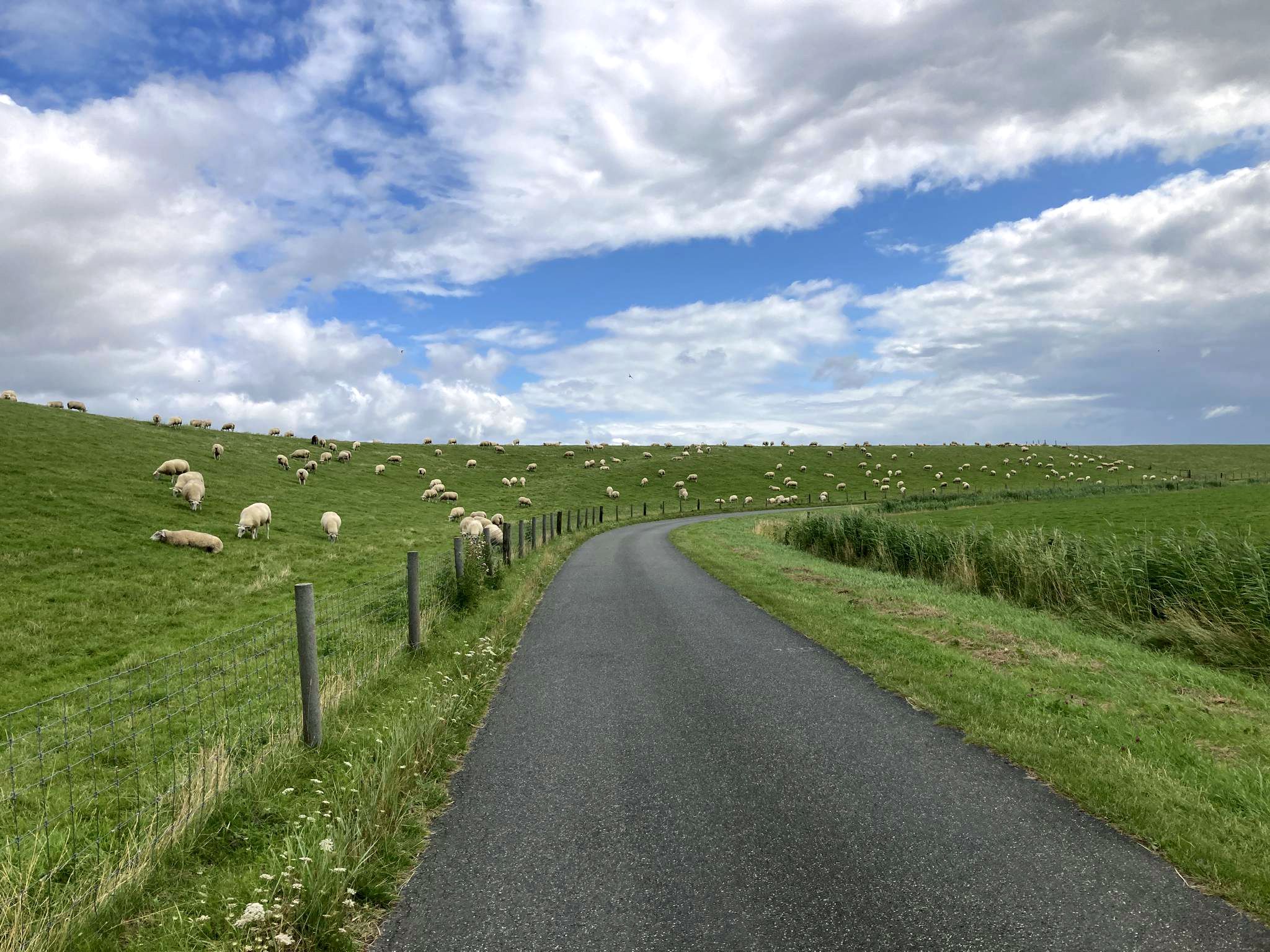
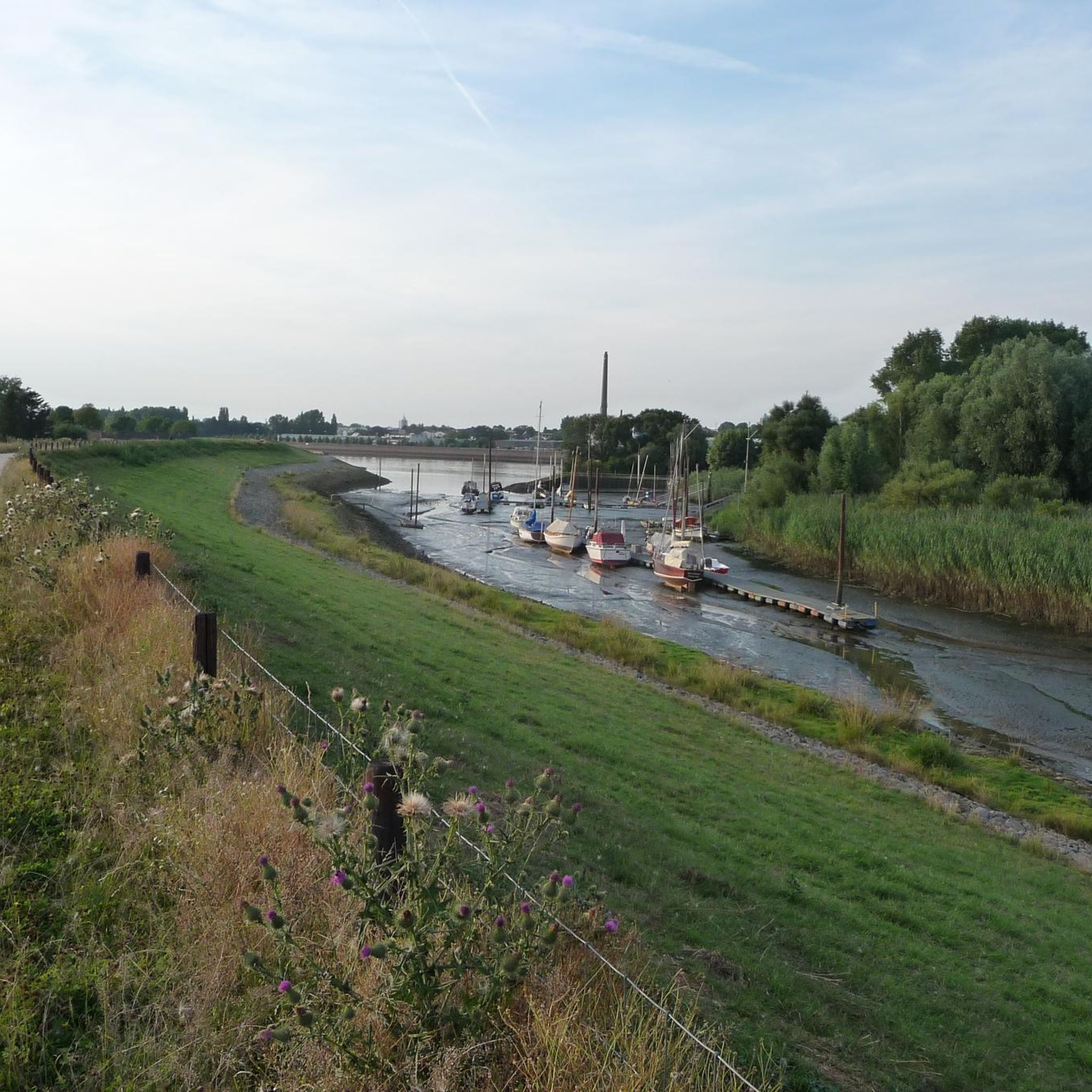
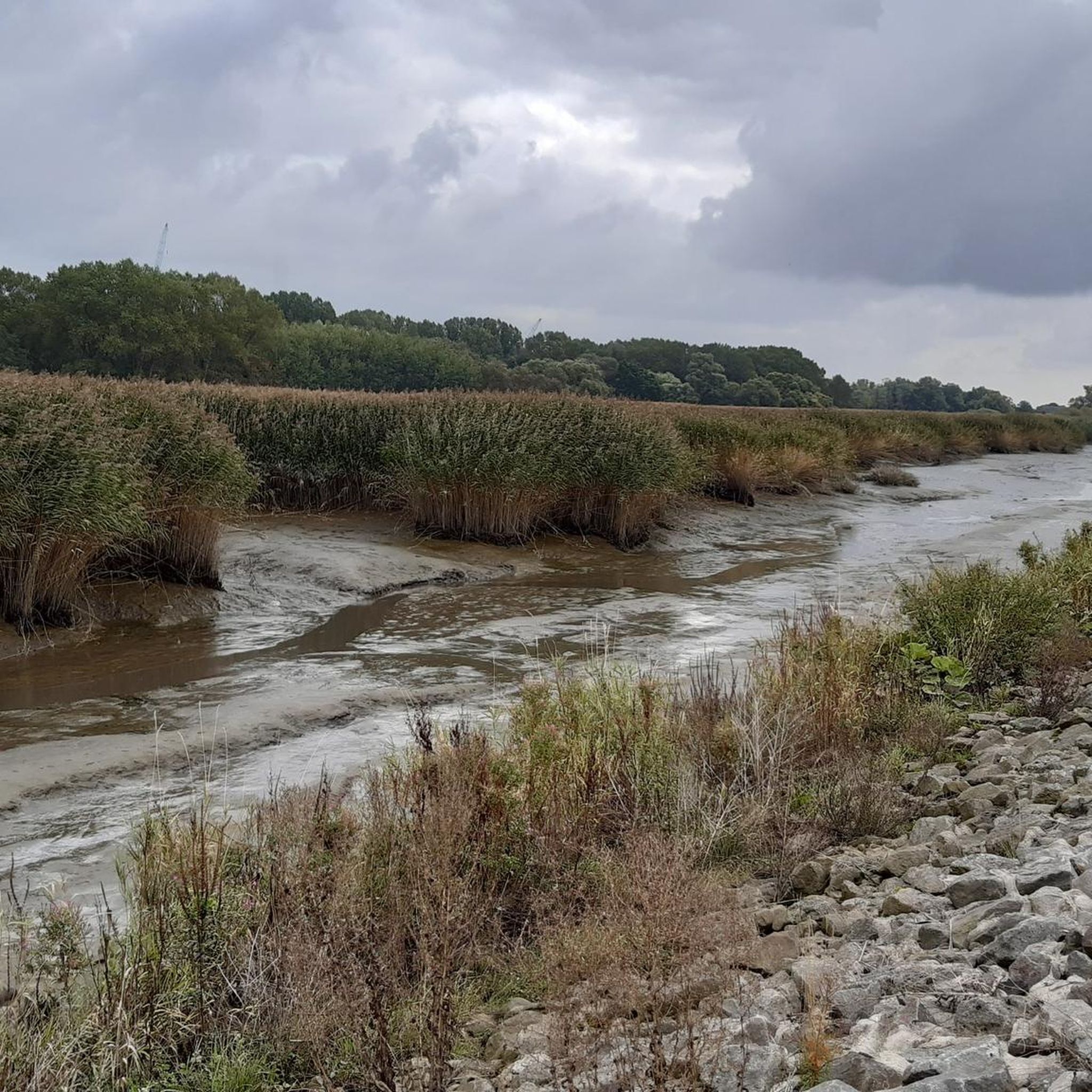
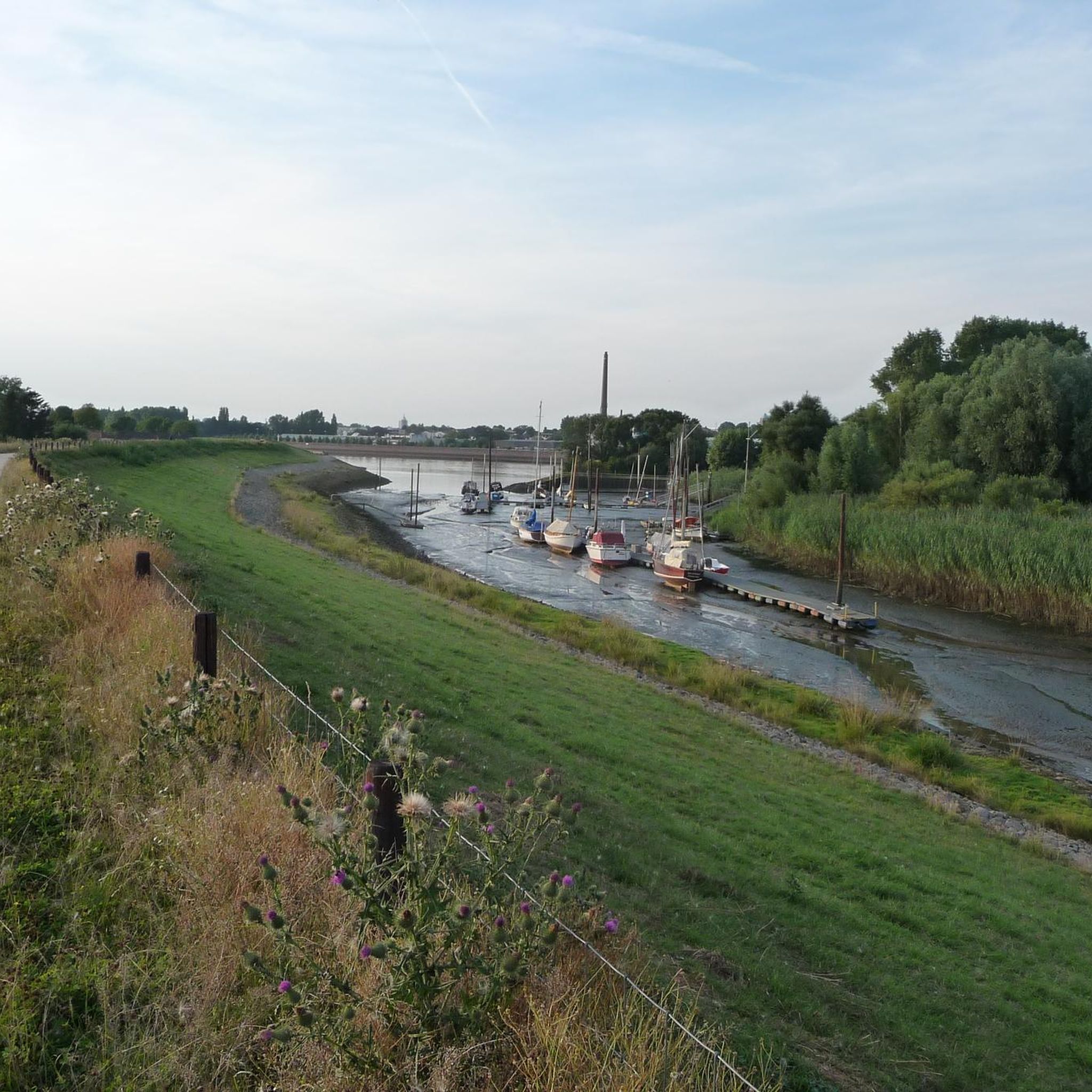
The Moorhauser Polder is a flood polder that stores the flood waters of the Hunte. This year the water is particularly high due to the rainfall of the last few months. You could tell from the drift on the grass that it wasn't a meter higher. The Moorhauser Polder is an El Dorado for water birds. This year 15,000 barnacle geese and 10,000 white-fronted geese rest here. It is a spectacle when they fly in in the evening with loud cries and then fly off again in the morning to look for food.
4
0
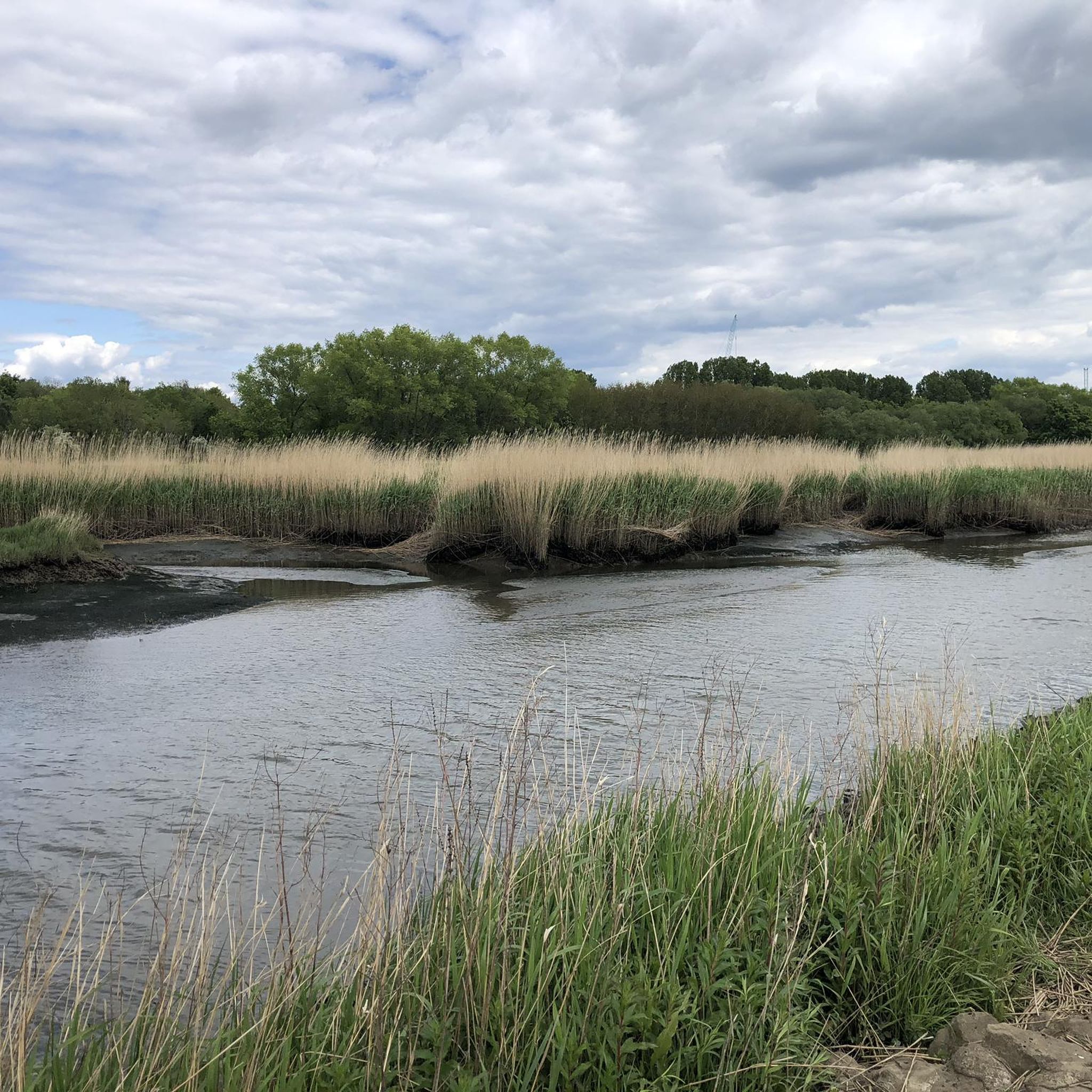
The observation tower only slightly improves the view. It was difficult to get to the tower today. There is still a lot of water in the moor.
5
0
The reconstruction of this prehistoric boardwalk stands on the edge of the Witte Moor. In the past, when the moor was not yet drained, there was no other way to cross it. Today everything is much easier. Some boards provide information about the history and a large seating area invites you to take a break.
6
0
The age of the Friederiken Oak can only be estimated. It's a secret, as is often the case with women. Some say 1200 years, others even 1300. To ensure that the soil around the oak tree is not compacted, which would damage the roots, the Lower Saxony State Forests have erected a new fence.
2
0
The Hasbruch is worth a trip at any time of the year. Unfortunately it is often very overcrowded on the weekends
6
1

It's really idyllic here! Quiet, quaint, good air, not much going on and little rubbish. This is how a forest should be!
6
3
Frequently Asked Questions
What are some of the most popular natural monuments around Berne?
Visitors to the Berne region highly appreciate the Observation Platform at Holler- und Wittemoor, which offers a unique perspective on a renatured high moor. Another favorite is the Brookbäke Stream in Hasbruch Forest, known for its ancient trees and original nature. The Friederiken Oak, an ancient oak estimated to be around 1,200 years old, is also a significant attraction.
Are there family-friendly natural monuments in the Berne area?
Yes, several natural monuments are suitable for families. The Observation Platform at Holler- und Wittemoor features designated hiking trails and a lookout tower, perfect for exploring the moor world with children. The Brookbäke Stream in Hasbruch Forest and the Friederiken Oak are also great for family outings, offering easy walks through ancient forests.
What kind of natural features can I expect to see in the natural monuments around Berne?
The natural monuments around Berne offer diverse landscapes. You can explore renatured high moors with unique flora and fauna at the Holler- und Wittemoor. Ancient forests with impressive old trees, like the Friederiken Oak, are prominent. You'll also find river landscapes such as the Brookbäke Stream in Hasbruch Forest, and nature reserves like the Moorhauser Polder Nature Reserve, known for its wet meadows, bird species, and wide views.
Are there historical sites among the natural monuments?
Yes, the Prehistoric Boardwalk in Witte Moor is a notable historical site. It's a replica and reconstruction of an ancient moorland path, offering insights into how people crossed the moor in prehistoric times. Information boards explain its history and significance.
What outdoor activities can I do near these natural monuments?
The Berne region offers various outdoor activities. You can find numerous hiking trails, such as the 'Picnic Area at Wittemoor – Witte Moor Nature Reserve loop' or 'Picnic Area at Wittemoor – Holler Moor loop'. For running enthusiasts, there are routes like the 'Running loop from Berne'. Mountain biking is also popular, with trails like 'Steep Forest Trail – Trail at the Heidhofer Ponds loop'. You can explore more options on the hiking guide, running guide, and MTB guide for the area.
What do visitors enjoy most about the natural monuments in Berne?
Visitors frequently praise the sense of originality and nature found in places like the Hasbruch Forest. Many appreciate the peaceful and relaxing walks, especially at the Observation Platform at Holler- und Wittemoor. The wide views, frog concerts, and diverse bird species in wet meadows, such as those at Moorhauser Polder Nature Reserve, are also highlighted as enjoyable experiences.
Are there any viewpoints to get a good overview of the natural landscapes?
Yes, the Observation Platform at Holler- und Wittemoor provides an excellent vantage point to explore the moor world. It offers wide views over the renatured high moor. Additionally, many trails within the natural monuments, such as those in the Hasbruch Forest, offer scenic spots and viewpoints.
What is the best time to visit the natural monuments around Berne?
The Hasbruch Forest is considered worth a trip at any time of the year, offering different experiences with each season. The renatured moors, like Holler- und Wittemoor, are particularly beautiful when typical moor plants like cotton grass are in bloom. Generally, spring and autumn offer pleasant temperatures for exploration, while summer allows for longer daylight hours. Winter can provide a unique, quiet atmosphere.
Can I find ancient trees or forests in the Berne region?
Absolutely. The Hasbruch Forest is renowned for its ancient trees and offers an experience of originality and nature. Within this forest, you'll find the magnificent Friederiken Oak, which is estimated to be around 1,200 years old and is one of the oldest surviving oaks in Germany.
Are there any natural monuments that are particularly good for wildlife observation?
The Moorhauser Polder Nature Reserve is an excellent spot for wildlife observation, especially for bird species in its wet meadows. The renatured high moor at Holler- und Wittemoor also attracts typical moor animals like the red-backed shrike, thanks to its rewetting efforts.
Are the natural monuments around Berne accessible by public transport?
While specific public transport details for each monument are not provided, the region around Berne generally has public transport options. For detailed planning, it is advisable to check local transport schedules to the nearest towns or access points for each specific natural monument you wish to visit.
Are there any easy walking trails suitable for all fitness levels?
Many of the natural monuments offer easy walking paths. The Holler- und Wittemoor has designated hiking trails that are generally accessible. The Hasbruch Forest also provides pleasant routes for leisurely strolls. For specific easy hiking routes, you can refer to the hiking guide for Berne, which includes options like the 'Weser Beach – Farge Lighthouse loop' rated as easy.
Most popular attractions around Berne

Get inspired with the komoot mobile app


Explore more
Extend your search for the best caves by checking out these guides of the top ones around Berne:
