Top 20 Natural Monuments around Fuldatal
Best natural monuments around Fuldatal offer a diverse landscape shaped by the Fulda River and its surrounding natural parks. This municipality in the Kassel district of Hesse, Germany, is characterized by picturesque river scenery, dense forests, and rolling hills. Fuldatal serves as a gateway to the Reinhardswald Nature Park and is part of the Habichtswald Nature Park, providing extensive opportunities for outdoor exploration. The area features both officially designated natural monuments and broader natural attractions.
Best natural monuments around Fuldatal
…Last updated: May 11, 2026
Hercules Monument, Wilhelmshöhe Mountain Park
Highlight • Monument
Translated by Google •
Tip by

Neptune Basin and the Cascades, Bergpark Wilhelmshöhe
Highlight • Monument
Translated by Google •
Tip by

Sign up now to discover places like this
Get recommendations on the best single tracks, peaks, & plenty of other exciting outdoor places.
Sign up for free
View of Kassel from the Bergpark Wilhelmshöhe
Highlight • Viewpoint
Translated by Google •
Tip by

Confluence of the Werra and Fulda rivers
Highlight • Monument
Translated by Google •
Tip by

Höllenteich
Highlight • Lake
Translated by Google •
Tip by

Sign up for free to discover even more natural monuments around Fuldatal.
Sign up for free
Already have an account?
Start today with a free account
Your next adventure awaits.
Login or Signup


Tips from the Community

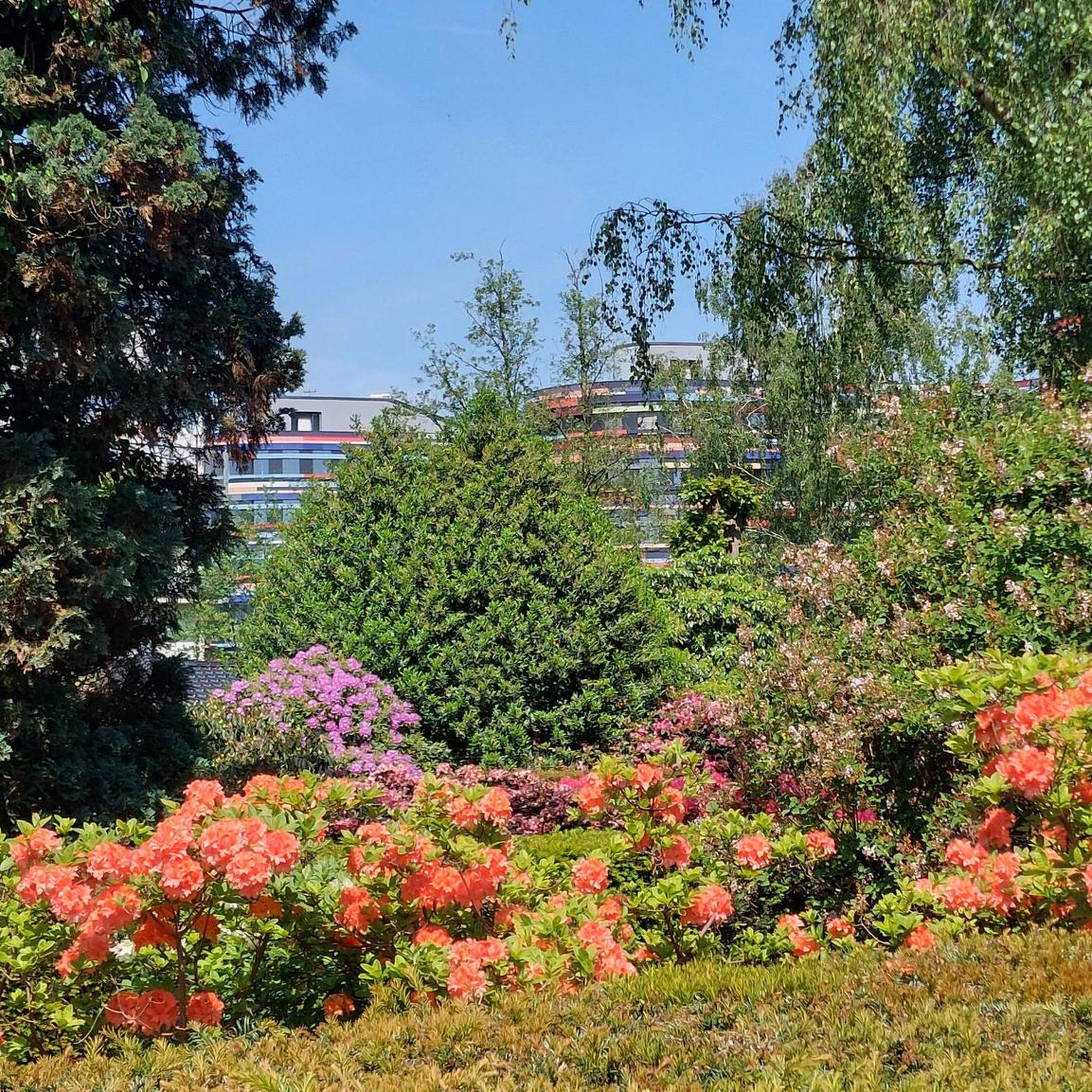
The park around the castle is beautifully laid out with flower borders and the café invites you to linger with tables in the countryside and a good offer.
13
3

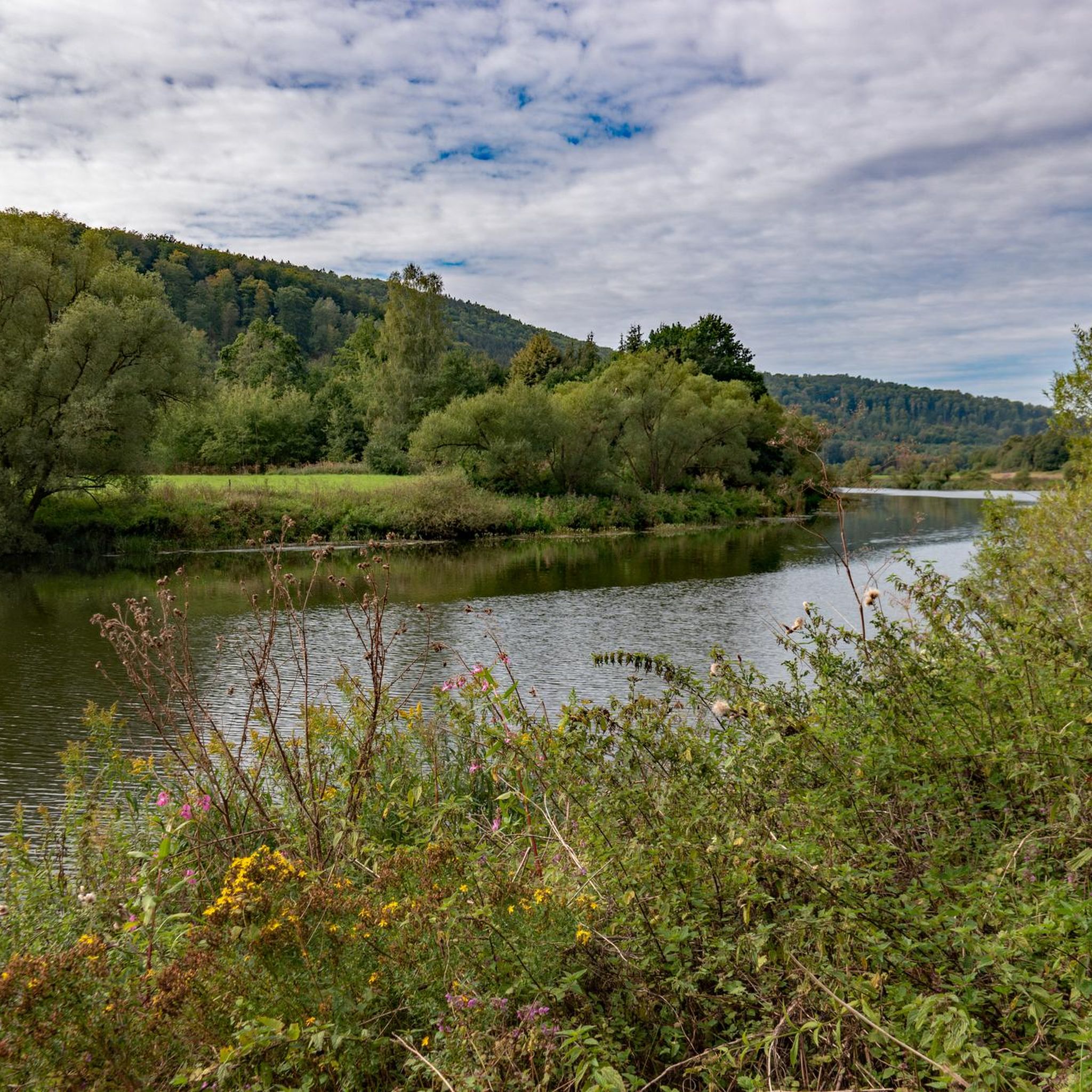
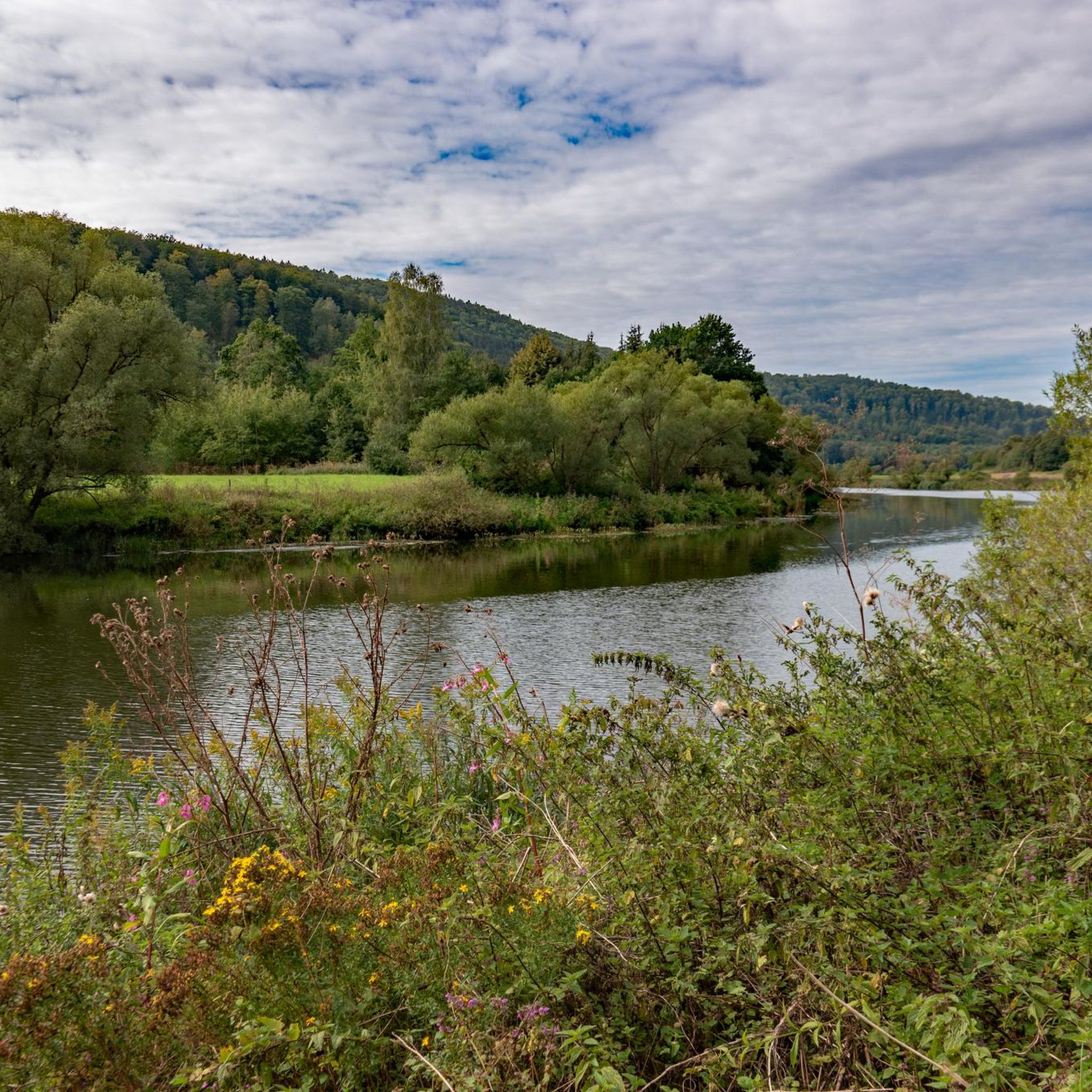
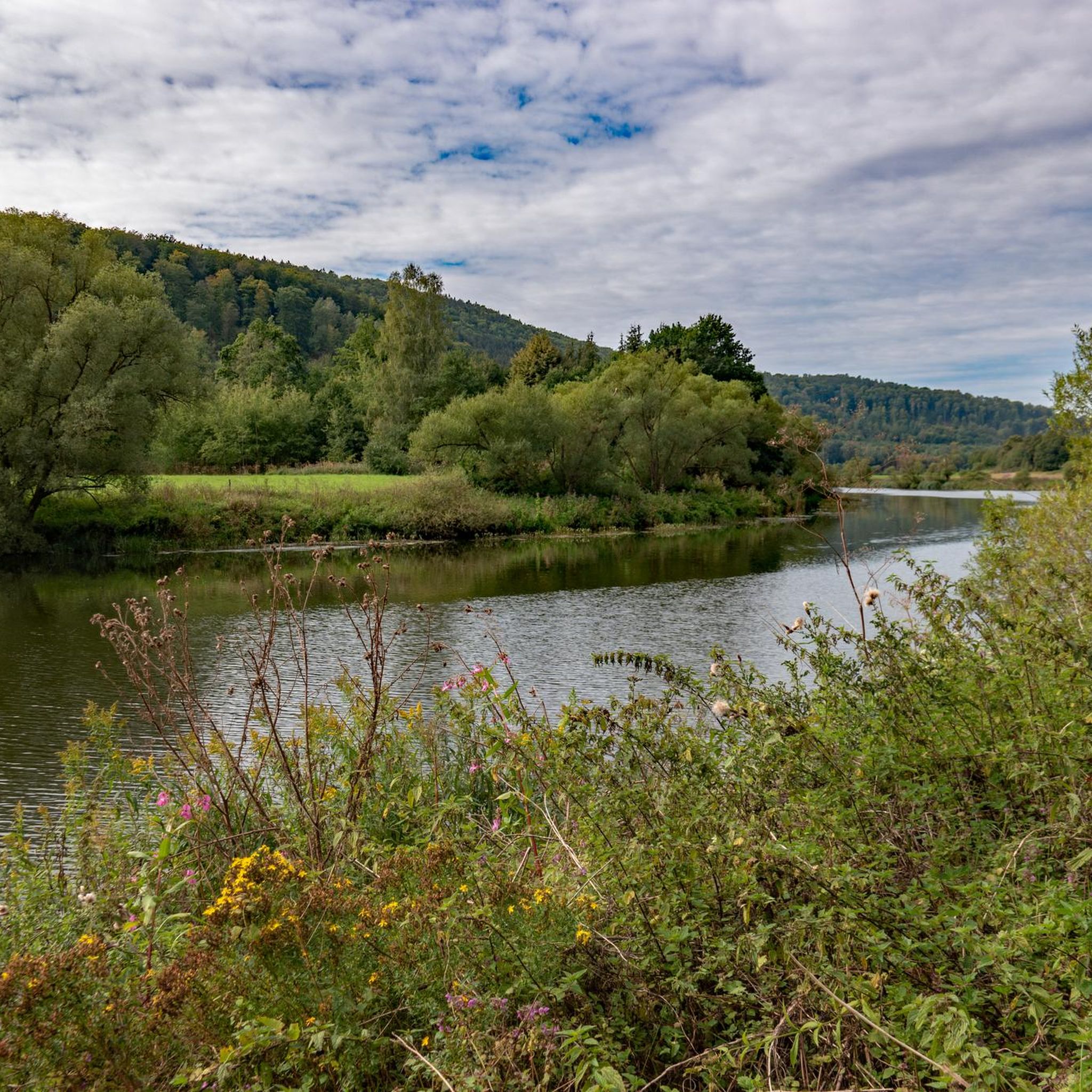
It's really nice to be standing where Fulda and Werra "kiss" and the Weser is formed. You have an even better overview from the car bridge with bicycle and pedestrian path across the street.
10
0

Here the Weser begins at the confluence of the Fulda and Werra - the cycle path to Bremen is mostly well developed and recommendable.
15
1

The water bubbles over the cascades, the Steinhöfer waterfall, the Devil's Bridge and falls over the aqueduct and the Peneus cascades down to the castle pond. Here the water pressure causes the "Great Fountain" to shoot up over 50 meters. This spectacle is the conclusion and highlight of the water games. Always on Wednesdays, Sundays and on public holidays at certain times.
25
1

The statue, which is considered a landmark of the city of Kassel, is located at the top of a pyramid that stands on the octagon, the giant castle. Today, the name "Hercules" not only stands for the statue, but for the entire building, which is also the starting point for the summer water games in the mountain park. The octagon and the Hercules go back to different construction phases. Since June 23, 2013, the Hercules - as part of the Bergpark Wilhelmshöhe - has been on the UNESCO World Heritage List as an example of absolutist architecture.
20
1
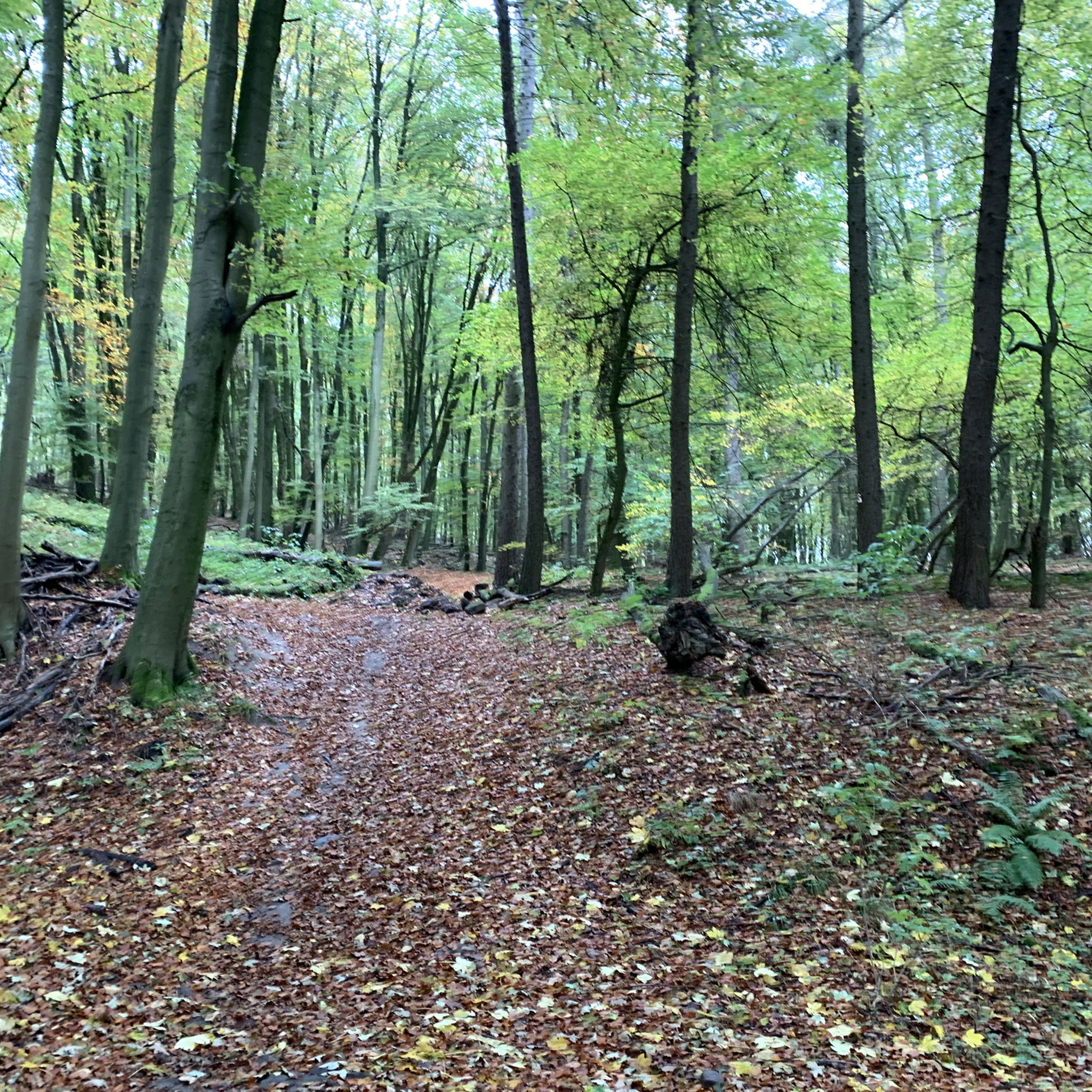
The Höllenteich, as well as the Steinhöfer waterfalls, the Teufelsbrücke and Herkules, are among the most beautiful excursion sites that I have hiked to. Shady in summer, beautiful in autumn, EVERYONE must have been here.
18
3

Behind the Höllenteich, the first view of the buildings that line the path to Hercules opens up.
14
4

In 1696, Landgrave Carl von Hessen-Kassel decided to create a mountain park directly behind his Weißenstein hunting lodge, which was to be on a par with the gardens of Versailles. The Huguenot inventor Denis Papin was to develop a steam-powered fountain for this purpose, as he was one of the developers of the first steam engine. Since there were repeated setbacks, Papin was no longer financed and Gottfried Wilhelm Leibniz declined due to lack of interest. Instead, a 60 m long model for a mountain park was designed with the Italian architect Guerniero, of which only a third was ultimately realized. From 1701, the expansion for the elaborate water features began, which only took place 13 years later for the first time. Instead of using steam power, the fountains now worked exclusively with the water pressure from a higher pond. The water covers a height difference of 320 m over a 2 km flow distance. The finale is a 50 m high fountain, which shoots up solely due to the water pressure. With these impressive water features, Landgrave Carl wanted to express the power of his county on the one hand, and the power of man over nature. Over 130 years, his successors expanded the mountain park. Only when the county was abolished by Prussia did the expansion come to an end, but Prussian rulers such as Kaiser Wilhelm II also liked to stay in Kassel, where they used the Bergpark. The site was preserved and still functions as it did more than 300 years ago. A visit to the mountain park is a must! If you want to hike the entire park, you should be able to walk well and plan enough time and a few meters of altitude. The always new views and numerous sights are worth all the effort. Even without the water games, which take place every Wednesday and Sunday, the mountain park is a unique attraction. Those who are not good on foot should at least enjoy the incredible view of Kassel in front of the Hercules.
22
2
Frequently Asked Questions
What unique natural features can I explore in Fuldatal?
Fuldatal is characterized by the picturesque Fulda River, which forms two distinct lakes thanks to the Wahnhausen and Wilhelmshausen dams. The region is also a gateway to the vast Reinhardswald Nature Park, home to the ancient Sababurg Primeval Forest with oaks up to 1000 years old, and is part of the Habichtswald Nature Park, known for its rolling hills and dense forests.
Are there any historically significant natural monuments in Fuldatal?
Yes, Fuldatal features several historically significant natural monuments. For instance, an impressive Common Oak (Naturdenkmal 6.33.243) located north of Rothwesten was planted around 1825. Additionally, the Sababurg Primeval Forest, part of the Reinhardswald Nature Park, is Hesse's oldest nature reserve, protected since 1907, and contains ancient oaks that have stood for centuries.
What are some family-friendly natural monuments to visit in Fuldatal?
For families, the Höllenteich offers a serene atmosphere and spectacular views from its bridge, making it an enjoyable spot. Another great option is the Confluence of the Werra and Fulda rivers, where the Weser begins, providing a peaceful place to linger under shady chestnut trees.
What outdoor activities can I do near the natural monuments in Fuldatal?
The Fuldatal area offers diverse outdoor activities. You can find numerous hiking trails, including moderate routes like the Termenei Heathland loop. For cyclists, there are road cycling routes and MTB trails, such as the 'Barbecue in the Fuldatal' loop, which is an easy option for mountain biking.
Where can I see ancient trees in Fuldatal?
Fuldatal is home to several remarkable ancient trees. East of Rothwesten, you can find an Oak Alley (Naturdenkmal 6.33.247) and a significant Common Oak (Naturdenkmal 6.33.242) near Gut Eichenberg, planted around 1905. The Sababurg Primeval Forest, a short distance away, is particularly famous for its impressive ancient oaks, some estimated to be up to 1000 years old.
What is the best time to visit the natural monuments in Fuldatal?
The natural monuments in Fuldatal can be enjoyed throughout the year. Spring and summer are ideal for lush greenery and outdoor activities along the Fulda River and in the nature parks. Autumn offers beautiful foliage, especially in the Reinhardswald and Habichtswald Nature Parks. Even in winter, the crisp Hessian air and serene landscapes provide a unique experience for walks.
Are there any notable waterfalls or water features among Fuldatal's natural monuments?
Yes, the Steinhöfer Waterfall is a prominent feature. This artificially created basalt quarry, commissioned in 1785, offers a picturesque view and is an attraction even when the full water features are not active. It's a great spot for rest and enjoying nature.
What makes the Hercules Monument a significant natural monument in the region?
The Hercules Monument, Wilhelmshöhe Mountain Park, while a man-made structure, is considered a natural monument due to its integration into the landscape and its role as the crowning glory of the vast Bergpark. It offers unique views over Kassel and the surrounding low mountain ranges, making the challenging climb to its viewing platform highly rewarding.
Can I find any unique geological features in Fuldatal?
While Fuldatal is primarily known for its river landscapes and ancient forests, the Steinhöfer Waterfall is an example of a site with geological interest, being an artificially created basalt quarry. The surrounding nature parks, Habichtswald and Reinhardswald, also feature diverse geological formations that contribute to their unique ecosystems.
What do visitors enjoy most about the natural monuments around Fuldatal?
Visitors frequently praise the impressive scale and beauty of sites like the Neptune Basin and the Cascades, Bergpark Wilhelmshöhe, noting the 'very impressive' and 'a bit crazy' engineering that created such a spectacle. Many find the views from elevated points, such as the Hercules Monument, to be absolutely recommendable, and the serene atmosphere of places like Höllenteich is also highly appreciated.
Are there any specific natural monuments related to the Fulda River itself?
The Fulda River is central to Fuldatal's natural landscape. While not a single designated monument, the river itself, along with the two lakes formed by the Wahnhausen and Wilhelmshausen dams, creates a significant natural feature. The Confluence of the Werra and Fulda rivers is a specific highlight where the Weser River begins, offering a beautiful riverside experience.
Most popular routes around Fuldatal
Most popular attractions around Fuldatal

Get inspired with the komoot mobile app


Explore more
Extend your search for the best caves by checking out these guides of the top ones around Fuldatal:
