Top 20 Natural Monuments around Werder (Havel)
Natural monuments around Werder (Havel) are defined by a landscape rich in interconnected waterways, including the Havel River and numerous lakes like Schwielowsee and Glindowsee. This region is part of Europe's largest connected water sports area, offering diverse aquatic environments. The area also features a cultural landscape influenced by historical fruit and wine growing, contributing to its natural beauty. These elements combine to create a varied natural experience for visitors.
Best natural monuments around Werder (Havel)
- The most popular natural…
Last updated: October 11, 2026
South End of Sacrower Lake
Highlight • Lake
Translated by Google •
Tip by

Holy Lake
Highlight • Lake
Translated by Google •
Tip by

Sign up now to discover places like this
Get recommendations on the best single tracks, peaks, & plenty of other exciting outdoor places.
Glindower Alps
Highlight • Natural Monument
Translated by Google •
Tip by

Great Lienewitz Lake
Highlight • Lake
Translated by Google •
Tip by

New Garden
Highlight • Natural Monument
Translated by Google •
Tip by

Sign up for free to discover even more natural monuments around Werder (Havel).
Already have an account?
Start today with a free account
Your next adventure awaits.
Popular around Werder (Havel)
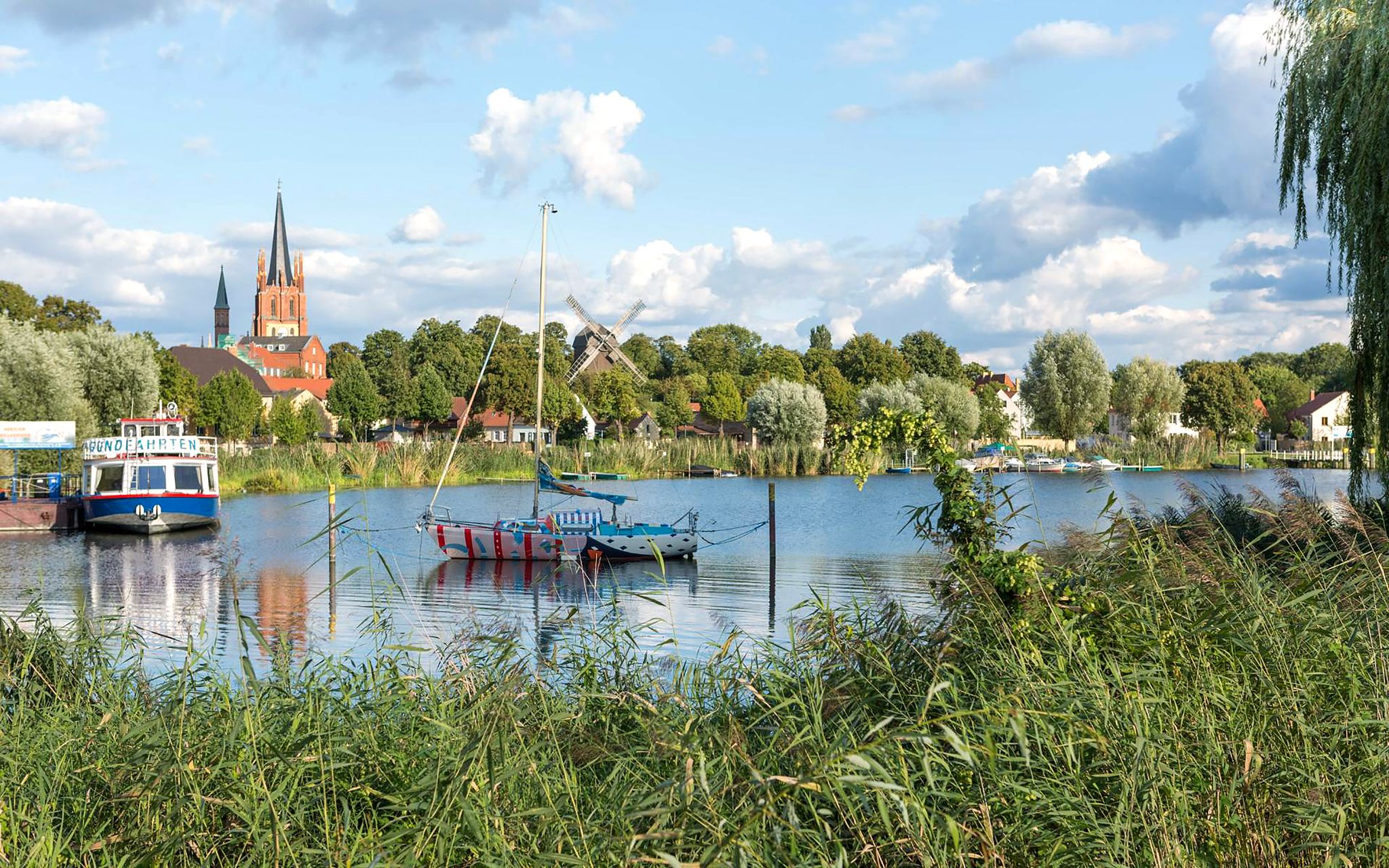
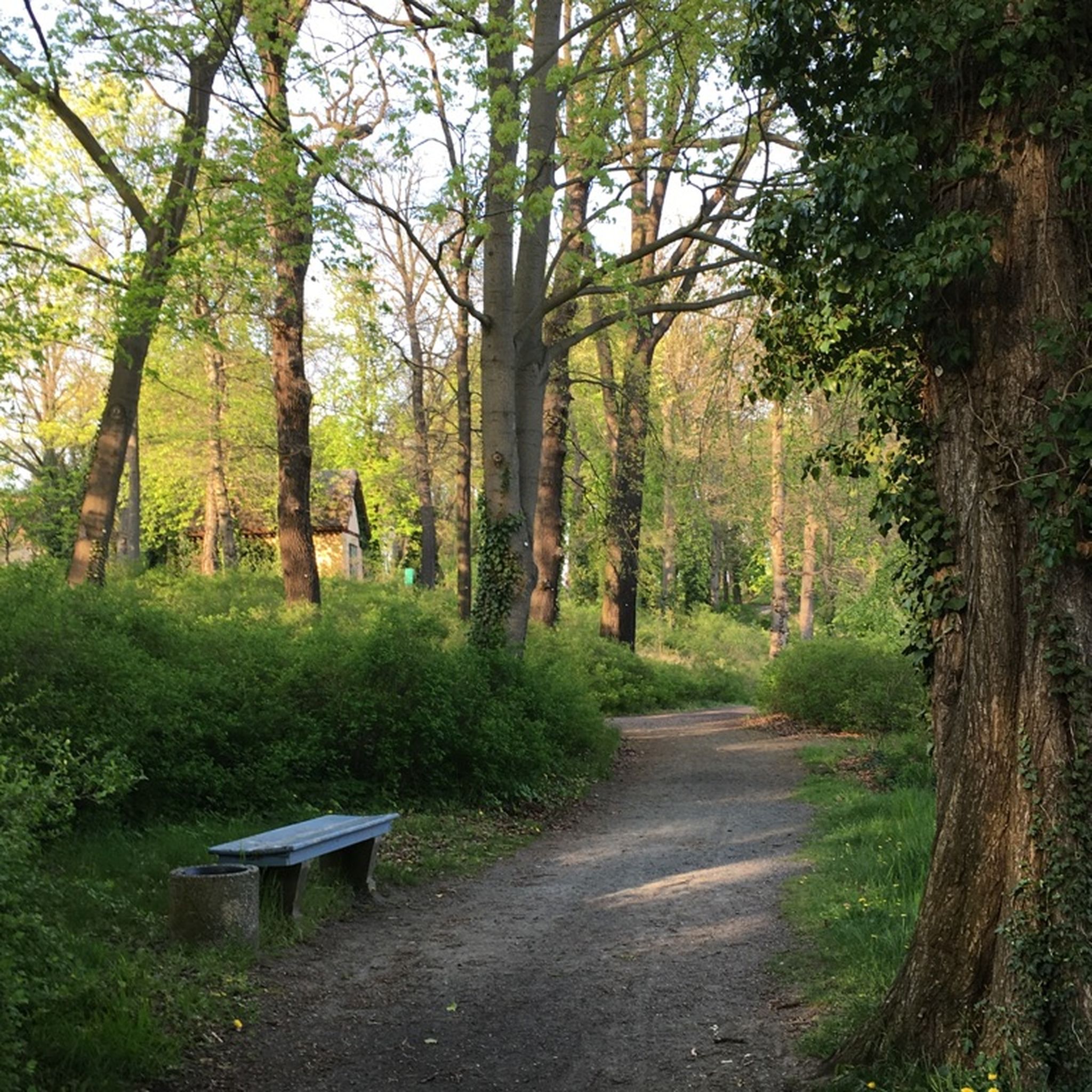
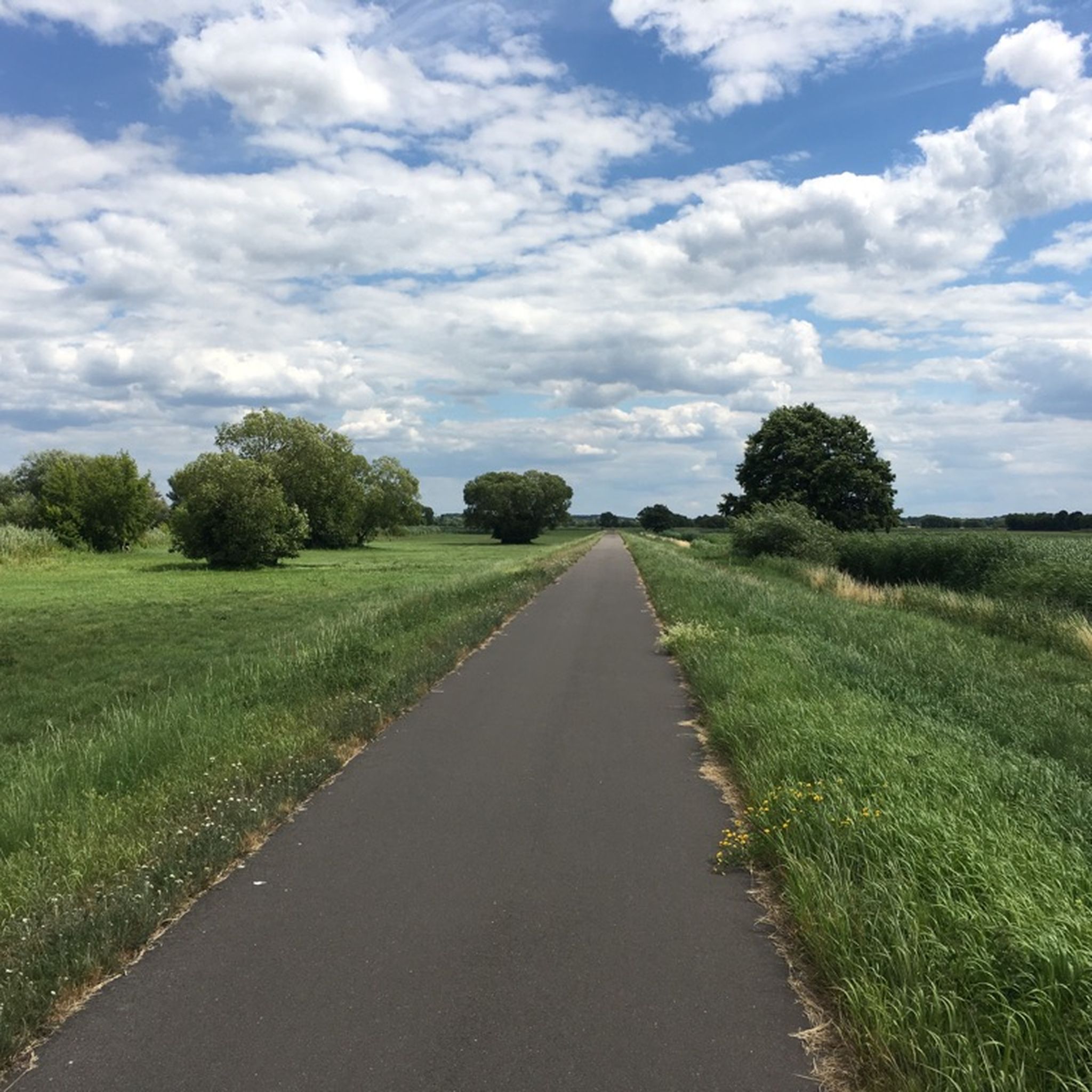
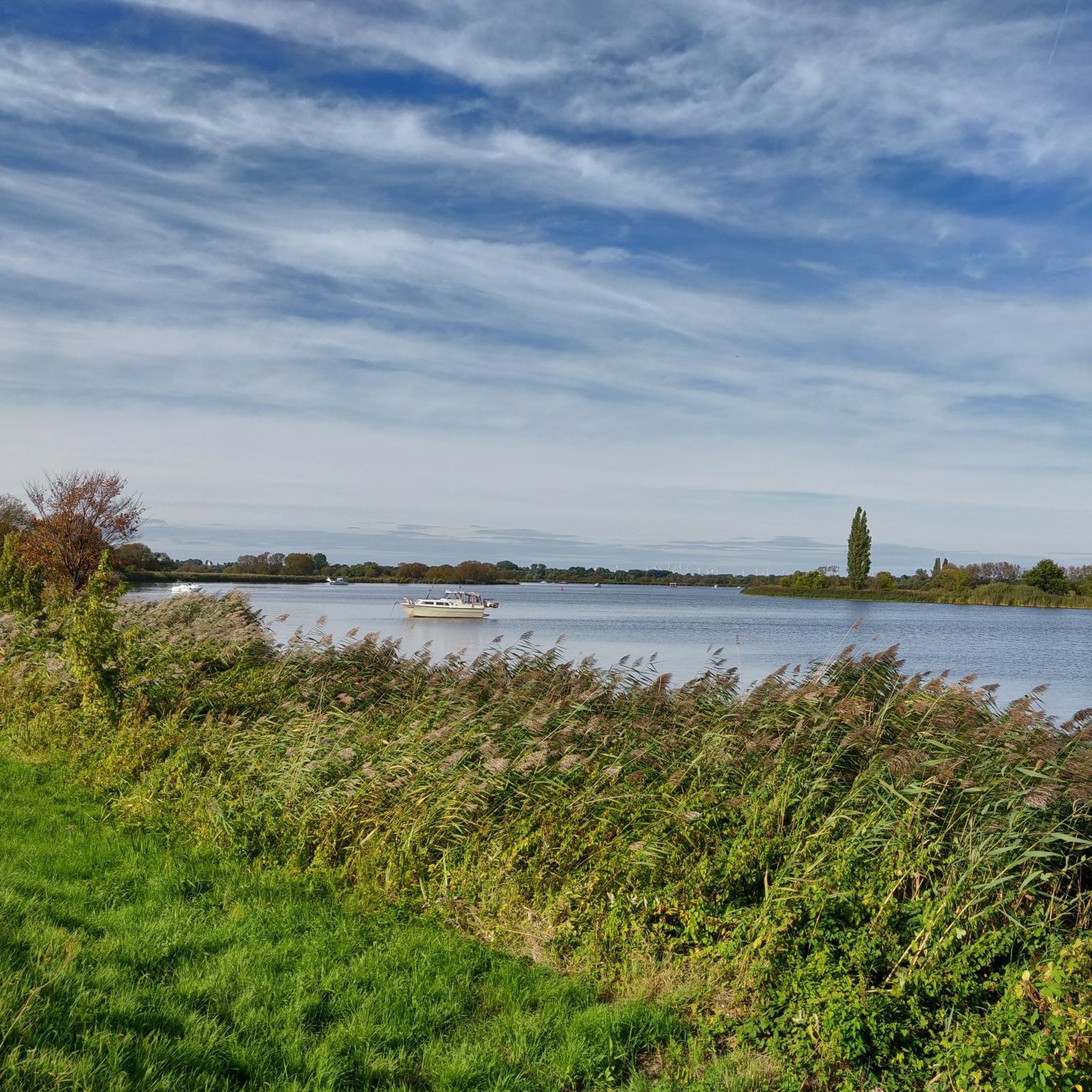
Other adventures around Werder (Havel)

Tips from the Community

A beautiful, deeply relaxing hiking trail around the lake. Nothing special or challenging, but a lovely shoreline path with a few swimming spots along the route.
0
0

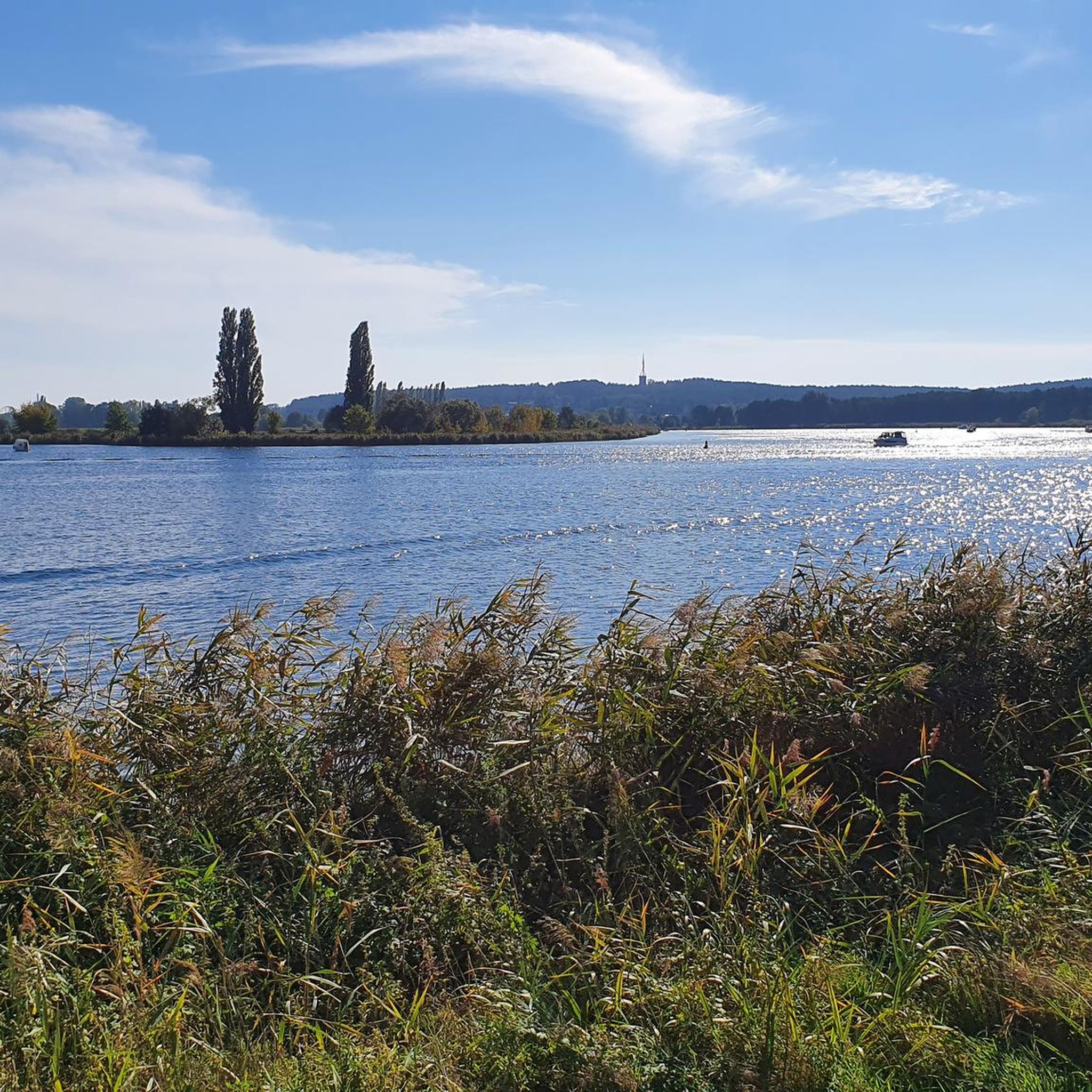
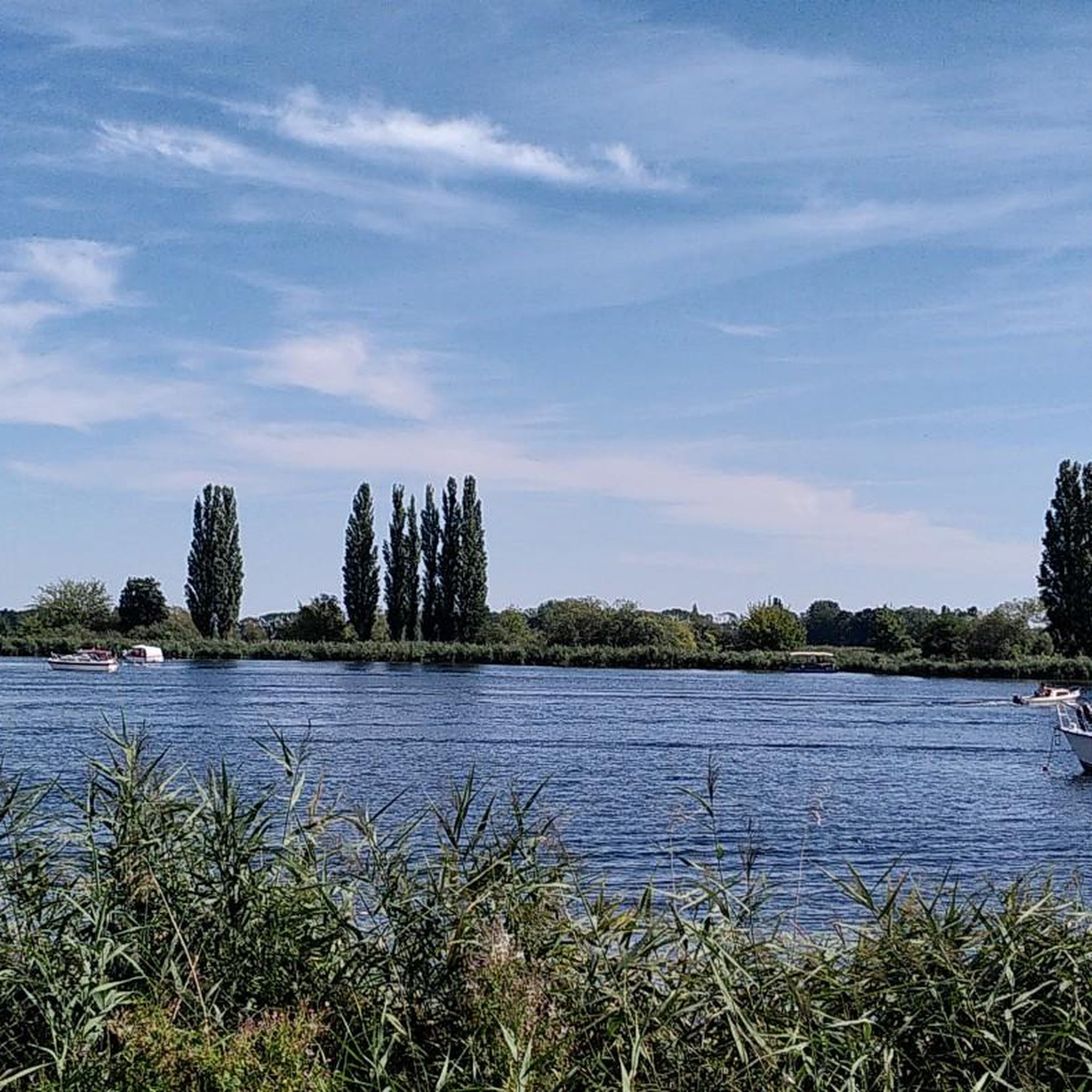
The idyllic lake is filled with life, especially on the meadows on the western shore, as soon as the sun shines its warm rays on us. Nevertheless, it is very idyllic here 💙...
1
0

Just out of the city and after a few meters you can enjoy the peace and quiet on this bench and have a very beautiful view over the Holy Lake.
1
2

Very interesting and good to walk, just a bit too many mosquitoes.
2
1

Anyone setting out from the southern end of Lake Sacrow will quickly realize: this isn't a hike, this is a stroll – with views that repeatedly linger on the water. The approach from Potsdam via Krampnitz and the small parking lot in Sakrow offer no hint of what awaits. But as soon as you step onto the path along the shore, a silent natural cinema unfolds, scene after scene. The trail begins to turn left – through sparse forests, accompanied by the gentle gurgling of the lake and the whispering of the trees. And suddenly: a small restaurant, hidden in the greenery, like a reliable interjection on the way to Sacrow Castle. There – unless it's winter break – a cozy beer garden awaits. The perfect place for a break with a lake view. A few steps further, and you're standing in front of the Church of the Redeemer – photogenic, steeped in history, sublime. Here, the hike becomes a journey through time. And those who linger a little longer will be rewarded: with peace, space, and a sense of what "place of the soul" can mean. The return journey via Kladow, Gatow, and Havelchaussee isn't a journey home, but rather an echo. Drive slowly—you have to anyway. The Grunewald Tower is on the left, a beer garden on the right, and Lindwerder beckons with culinary promises. Those who like hearty food can take a detour to the Spinnerbrücke bridge: currywurst, fries, the sound of engines, and a hint of wanderlust. Lake Sacrow is no insider tip—but it's one of those places that never wears out. The water: clear as glass, with a visibility of over four meters. The entrance: shallow, clean, and inviting. In summer, get there early or simply escape into the water. A second, smaller bathing area is just a few meters away in the forest—shadier, quieter, ideal for those who prefer reading to talking. And amidst all this: traces of history. A memorial stele commemorates a dramatic escape across the lake during the time of German division. Those who hike here also hike through German history—almost unnoticed, but not without impact.
2
0


It is very exciting to have seen this area. Maybe it's worth a little more in winter, because then the view of the valleys isn't too overgrown ;-)
1
0

It is worth planning a lot of time for the visit.
3
3
Frequently Asked Questions
What unique natural features define the Werder (Havel) region?
The Werder (Havel) region is primarily characterized by its extensive network of interconnected waterways, including the Havel River and numerous lakes like Schwielowsee, Glindowsee, and Zernsee. This area is part of Europe's largest connected water sports region. Additionally, the landscape is shaped by a rich tradition of fruit orchards and vineyards, creating a distinctive cultural landscape.
Are there protected natural areas to explore near Werder (Havel)?
Yes, the region includes the designated Flora-Fauna-Habitat (FFH) area No. 611, known as "Streuwiesen bei Werder" (Meadowlands near Werder). This protected space is vital for preserving regionally important species and features unique peaty, lime-rich grasslands and lake shores, offering a valuable opportunity to experience the Havelland's biodiversity.
What kind of water activities can I enjoy around Werder (Havel)'s natural monuments?
With the Havel River and over 40 lakes, canals, and branches, the region is perfect for water sports. You can enjoy tranquil activities like canoeing and kayaking, or more active pursuits such as surfing and water skiing. Numerous charter companies and boat rentals are available, and the excellent maritime infrastructure includes water hiking rest areas and marinas.
Are there family-friendly natural monuments in the area?
Absolutely! Many natural spots are great for families. For instance, Holy Lake features a beautifully landscaped park, and Great Lienewitz Lake offers a serene bathing area with soft sand, ideal for a family day out. The Glindower Alps also offer family-friendly trails, though some parts require surefootedness.
What are some recommended hiking trails near the natural monuments?
You can find various hiking opportunities near the natural monuments. For example, explore the "Glindower Alps – Glindower Alps loop from Glindower Alpen" or the "Great Plessower Lake – Swimming Spot loop from Krielower See." For more options, check out the Hiking around Werder (Havel) guide.
Can I go cycling near the natural monuments around Werder (Havel)?
Yes, the region offers excellent cycling routes. You can ride the "Cycle path along the Havel – Golm – Großer Zernsee Cycle Path loop from Werder (Havel)" or the "Geltow - Wildpark-West – View of Werder (Havel) Island loop from Werder (Havel)." Discover more routes in the Road Cycling Routes around Werder (Havel) guide.
When is the best time of year to visit the natural monuments in Werder (Havel)?
Spring is a particularly enchanting time to visit, especially for the cultural landscape of orchards and vineyards. The famous Tree Blossom Festival (Baumblütenfest) celebrates the vibrant fruit blossom, attracting many visitors. However, the waterways and protected areas offer beauty and activities throughout the warmer months.
What makes the cultural landscape of orchards and vineyards a natural highlight?
The landscape around Werder (Havel) is renowned for its extensive orchards, growing cherries, apples, and various berries, alongside historical viticulture at locations like the Werderaner Wachtelberg. This blend of natural growth and human cultivation creates a picturesque "Blossom City" atmosphere, especially in spring, and can be explored via the scenic "Obstpanoramaweg" (Fruit Panorama Trail).
Are there any natural monuments suitable for dog owners?
Yes, some natural monuments are dog-friendly. Great Lienewitz Lake, for example, is noted as dog-friendly, offering forest paths and a quiet environment for walks with your pet. Always ensure dogs are kept on a leash where required, especially in protected areas.
What do visitors particularly appreciate about the natural monuments here?
Visitors frequently praise the clear waters and numerous small bathing places at lakes like the South End of Sacrower Lake, and the serene, quiet atmosphere of places like Great Lienewitz Lake. The extensive paths through meadows and along streams in areas like Sanssouci Park are also highly valued for their beauty and tranquility.
Beyond the main attractions, are there any other notable natural spots?
Beyond the well-known lakes and parks, the region offers unique spots like the Glindower Alps. This area, a former clay mining site, has been reclaimed by nature, creating an unusual landscape of deep gorges and 'earth mountains' with special flora and fauna, offering a distinct natural experience.
Are there opportunities for wild swimming or bathing near these natural areas?
Yes, the region's numerous lakes provide excellent opportunities for swimming. The South End of Sacrower Lake is known for its clear water and many small bathing spots, while Great Lienewitz Lake offers a serene bathing area with soft sand, away from busier routes.
Most popular routes around Werder (Havel)
Most popular attractions around Werder (Havel)

Get inspired with the komoot mobile app


Explore more
Extend your search for the best caves by checking out these guides of the top ones around Werder (Havel):
