Top 20 Natural Monuments around Griesheim
Best natural monuments around Griesheim include valuable natural areas recognized for their ecological significance. Located in southern Hesse, Germany, the region features diverse landscapes such as nature reserves, dunes, and riverine environments. These areas provide habitats for various plant and animal species, including rare and endangered ones. Griesheim offers opportunities for recreation and nature observation within its protected natural spaces.
Best natural monuments around Griesheim
- The most popular natural monuments is Stockstadt Bridge over the Old Rhine (Altrhein) — Entrance…
Last updated: June 24, 2026
Stockstadt–Erfelden Old Rhine at Kühkopf-Knoblochsaue
Highlight • River
Translated by Google •
Tip by

Rosenhöhe Rose Garden, Darmstadt
Highlight • Natural Monument
Translated by Google •
Tip by

Sign up now to discover places like this
Get recommendations on the best single tracks, peaks, & plenty of other exciting outdoor places.
Sign up for free
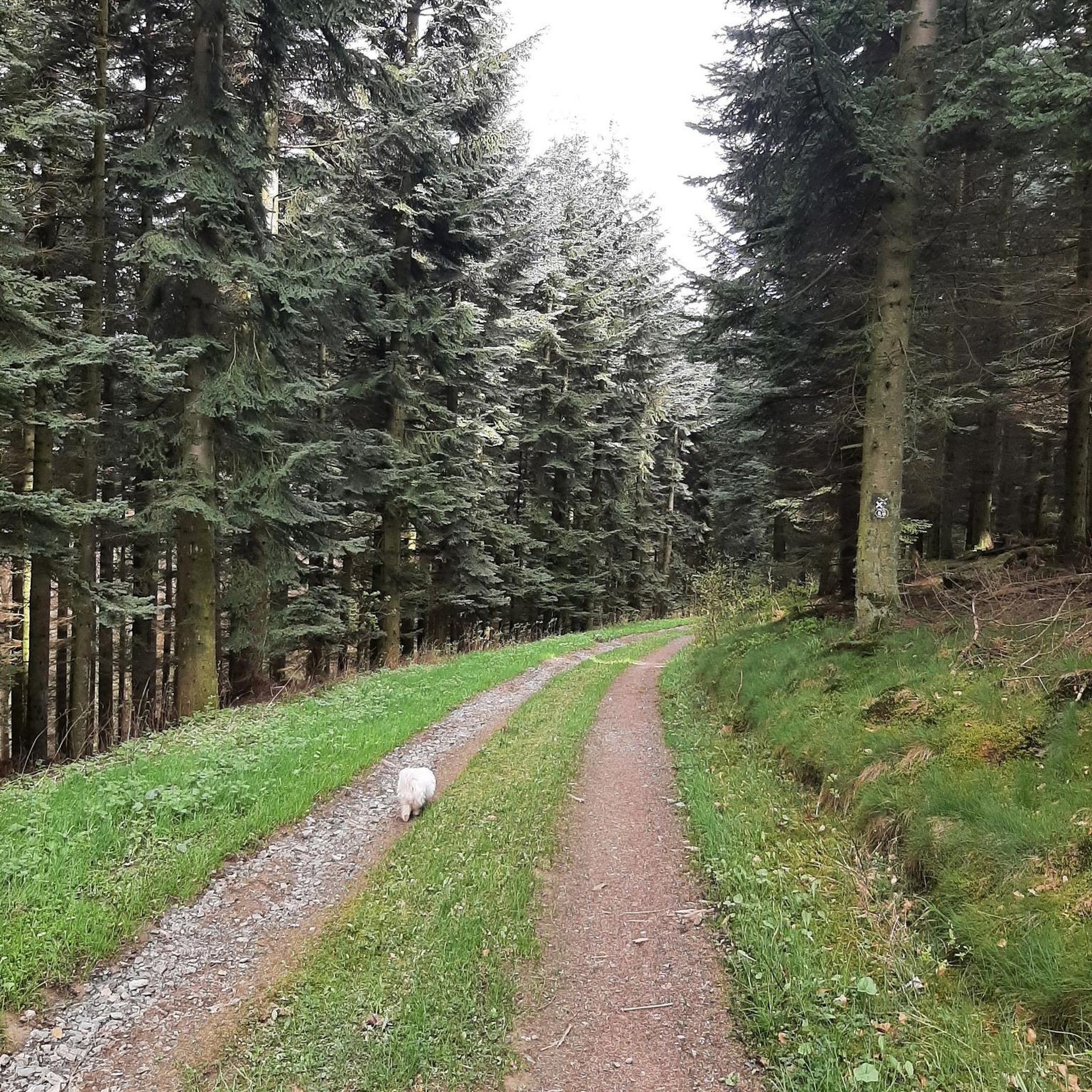
Beautiful trail through the Kühkopf-Knoblochsaue nature reserve
Highlight • Natural Monument
Translated by Google •
Tip by

Goethe Pond
Highlight • Lake
Translated by Google •
Tip by

Melita Spring
Highlight • Natural Monument
Translated by Google •
Tip by

Sign up for free to discover even more natural monuments around Griesheim.
Sign up for free
Already have an account?
Start today with a free account
Your next adventure awaits.
Login or Signup
Tips from the Community

Kühkopf is always worth a tour
2
0

There are benches here and you can chill out with a view of the pond.👍
16
0

Nature reserve, peace, fresh air.
3
1

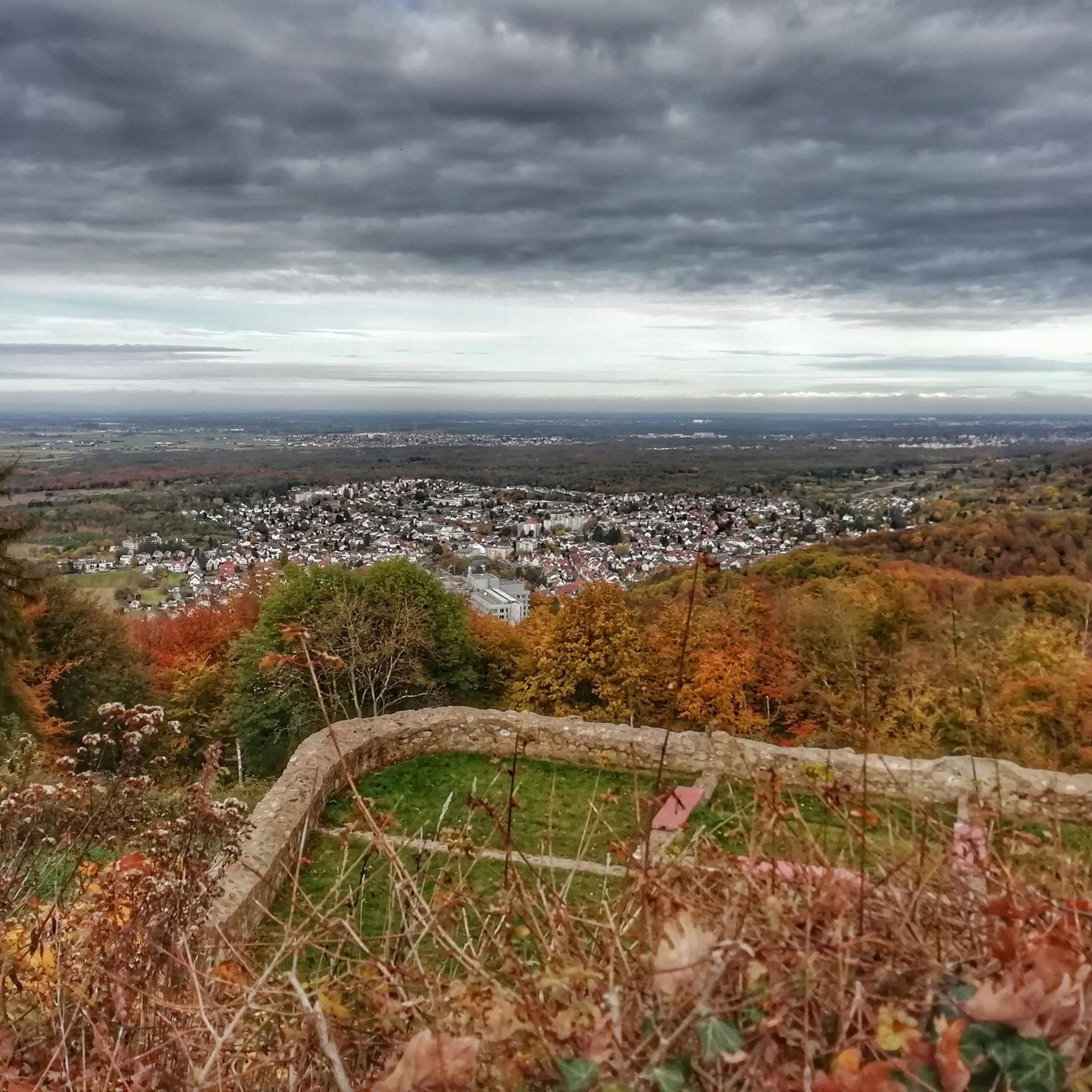
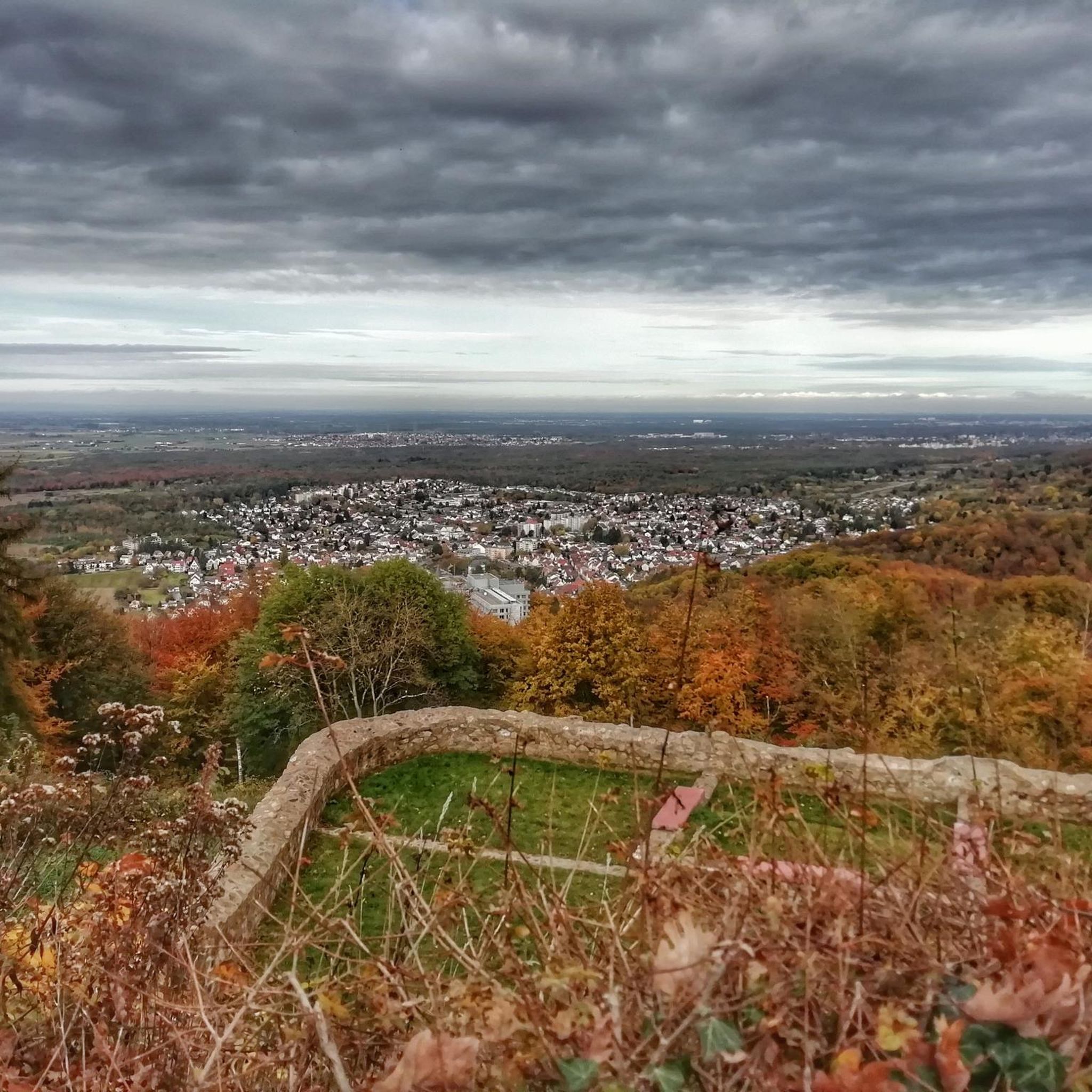
The Kühkopf - the European bird reserve on the Rhine Today's Kühkopf was originally an inland peninsula near Guntersblum, with Rhine islands to the east, north and south. In the course of the straightening of the Rhine (1828/1829), a straightening breakthrough was made to the west of the peninsula and the area was completely separated from the mainland on the left bank of the Rhine, making the peninsula a river island. The Rhine islands that used to be in front of the peninsula now have a connection to the rest of the section due to silting up. The former main course of the Rhine is now an old bend in the Rhine. The almost undeveloped Kühkopf today forms the nature reserve "Kühkopf-Knoblochsaue" together with the Knoblochsaue to the north and some smaller islets in the Old Rhine. The Kühkopf alone accounts for around 1,700 hectares of the 2,440-hectare nature reserve. The island can be reached via two bridges.
7
0
A wonderful place, especially during the rose season
20
1

Rosenhöhe Park is beautiful and a place to linger at any time of the year. It is most interesting in June when the roses bloom.
10
0
Frequently Asked Questions
What unique natural features can be found in Griesheim's natural monuments?
Griesheim is home to diverse and unique natural features. The Griesheimer Bruch Nature Reserve offers a wetland ecosystem with wet meadows and ditches, providing habitats for amphibians and serving as a nesting ground for storks. The Griesheimer Düne is a rare inland dune landscape with calcareous sand and steppe areas, supporting specialized flora and fauna, including endangered insects and steppe grasses. Additionally, the Stockstadt–Erfelden Old Rhine at Kühkopf-Knoblochsaue features a significant European bird reserve along the Rhine.
What kind of wildlife can I observe in Griesheim's natural monuments?
The natural monuments around Griesheim are rich in wildlife. In the Griesheimer Bruch Nature Reserve, you can observe native amphibians like frogs, toads, and newts, as well as storks. The Griesheimer Düne is particularly notable for rare bird species such as the wood lark, wheatear, stonechat, and hoopoe, along with various endangered insects like sand wasps, large meadow ants, and different species of grasshoppers and beetles. The Kühkopf-Knoblochsaue is also a renowned European bird reserve.
Are there family-friendly natural monuments in Griesheim?
Yes, several natural monuments in and around Griesheim are suitable for families. The Rosenhöhe Rose Garden, Darmstadt, while not directly in Griesheim, is a popular family-friendly spot known for its beautiful blooms. The Beautiful trail through the Kühkopf-Knoblochsaue nature reserve offers paved paths and natural trails, making it accessible for families to explore nature. The Griesheimer Bruch and Griesheimer Düne also provide opportunities for nature observation that can be enjoyed by all ages.
What outdoor activities can I do near these natural monuments?
Near Griesheim's natural monuments, you can enjoy a variety of outdoor activities. For cycling, there are routes like the 'Darmstadt–Griesheim Cycle Path' or the 'Kühkopf Forester's House – Martin-Roth Bridge loop'. If you prefer road cycling, options include the 'Kammerhof Pumping Station – Leeheim Space Monitoring Station loop'. For hikers, there are easy trails such as the 'Nifelose House loop' or the 'Weygandsbusch Lake – Beautiful forest trail loop'. You can find more details on these and other routes in the Cycling around Griesheim, Road Cycling Routes around Griesheim, and Easy hikes around Griesheim guides.
Are there hiking trails near Griesheim's natural monuments?
Absolutely. The Griesheimer Bruch Nature Reserve features a network of field and forest paths ideal for walks. The Kühkopf-Knoblochsaue nature reserve offers both paved paths and natural trails for hiking. For specific routes, you can explore options like the 'Nifelose House loop' or the 'Weygandsbusch Lake – Beautiful forest trail loop' which are considered easy hikes. More hiking routes can be found in the Easy hikes around Griesheim guide.
When is the best time to visit Griesheim's natural monuments?
The best time to visit Griesheim's natural monuments largely depends on what you wish to experience. Spring and summer are ideal for observing the diverse flora and fauna, especially amphibians in the Griesheimer Bruch and the unique steppe plants and insects of the Griesheimer Düne. The Rosenhöhe Rose Garden is particularly stunning during the summer when the roses are in full bloom. Autumn offers beautiful foliage, and winter can provide a peaceful, quiet experience, though some wildlife may be less active.
Are Griesheim's natural monuments dog-friendly?
While many natural areas in Griesheim are generally accessible for walks with dogs, it's important to be aware of specific regulations within nature reserves. For example, dogs are generally not allowed in the rose garden area of the Rosenhöhe Rose Garden. In protected areas like the Griesheimer Bruch and Griesheimer Düne, dogs must typically be kept on a leash to protect sensitive wildlife and habitats. Always check local signage for specific rules.
How can I reach Griesheim's natural monuments by public transport or car?
Griesheim is well-connected within southern Hesse. For the Griesheimer Bruch Nature Reserve and the Griesheimer Düne, local public transport options are available from Griesheim's town center. If traveling by car, parking facilities are often available near the entrances to these natural areas. For instance, the Stockstadt Bridge over the Old Rhine, which provides access to Kühkopf-Knoblochsaue, has a car park for visitors.
What do visitors enjoy most about the natural monuments around Griesheim?
Visitors particularly appreciate the diverse outdoor experiences offered by Griesheim's natural monuments. Many enjoy the opportunity to cycle on paved paths and hike through the great nature of areas like the Kühkopf-Knoblochsaue nature reserve, often noting its beautiful riverside picnic areas. The unique ecosystems, such as the rare inland dune landscape of the Griesheimer Düne and the wetlands of the Griesheimer Bruch, are also highly valued for nature observation and their ecological significance.
Are there any lesser-known natural monuments worth exploring near Griesheim?
While the Griesheimer Bruch and Griesheimer Düne are prominent, exploring the wider region reveals other natural gems. The Goethe Pond, located on the eastern edge of Darmstadt, offers a peaceful spot for walking and relaxation. It's a small pond with seating opportunities, perfect for a quiet moment in nature. These smaller, tranquil spots often provide a different perspective on the region's natural beauty.
Are permits required to visit natural monuments in Griesheim?
Generally, no specific permits are required for public access to the natural monuments in Griesheim, such as the Griesheimer Bruch Nature Reserve or the Griesheimer Düne. These areas are open for recreation and nature observation. However, as they are protected areas, visitors are expected to respect conservation rules, such as staying on marked paths, not disturbing wildlife, and keeping dogs on a leash. Always check for any specific local regulations or temporary restrictions.
Most popular routes around Griesheim
Most popular attractions around Griesheim

Get inspired with the komoot mobile app


Explore more
Extend your search for the best caves by checking out these guides of the top ones around Griesheim:
