Top 20 Natural Monuments around Limeshain
Natural monuments around Limeshain are situated in the Wetterau district of Germany, offering a blend of historical and ecological features. The region is characterized by its natural landscapes, including diverse forests, fields, and old orchards. These areas provide opportunities to experience local flora and fauna, integrated with historical sites. The landscape is part of a UNESCO World Heritage Site, featuring extensive networks of trails.
Best natural monuments around Limeshain
- The most popular natural monuments is Wartbaum and Wooden Soldier Sculptures…
Last updated: June 24, 2026
Wartbaum and Wooden Soldier Sculptures on the Hohe Straße
Highlight • Natural Monument
Translated by Google •
Tip by

Celtic World at the Glauberg
Highlight • Historical Site
Translated by Google •
Tip by

Sign up now to discover places like this
Get recommendations on the best single tracks, peaks, & plenty of other exciting outdoor places.
Sign up for free
Staden Carbonated Spring
Highlight • Natural Monument
Translated by Google •
Tip by

Drusus Oak
Highlight • Natural Monument
According to the plaque it is only 400 years old. Looks pretty battered.
Translated by Google •
Tip by

Celtic burial mound and post alignments at Glauberg
Highlight • Historical Site
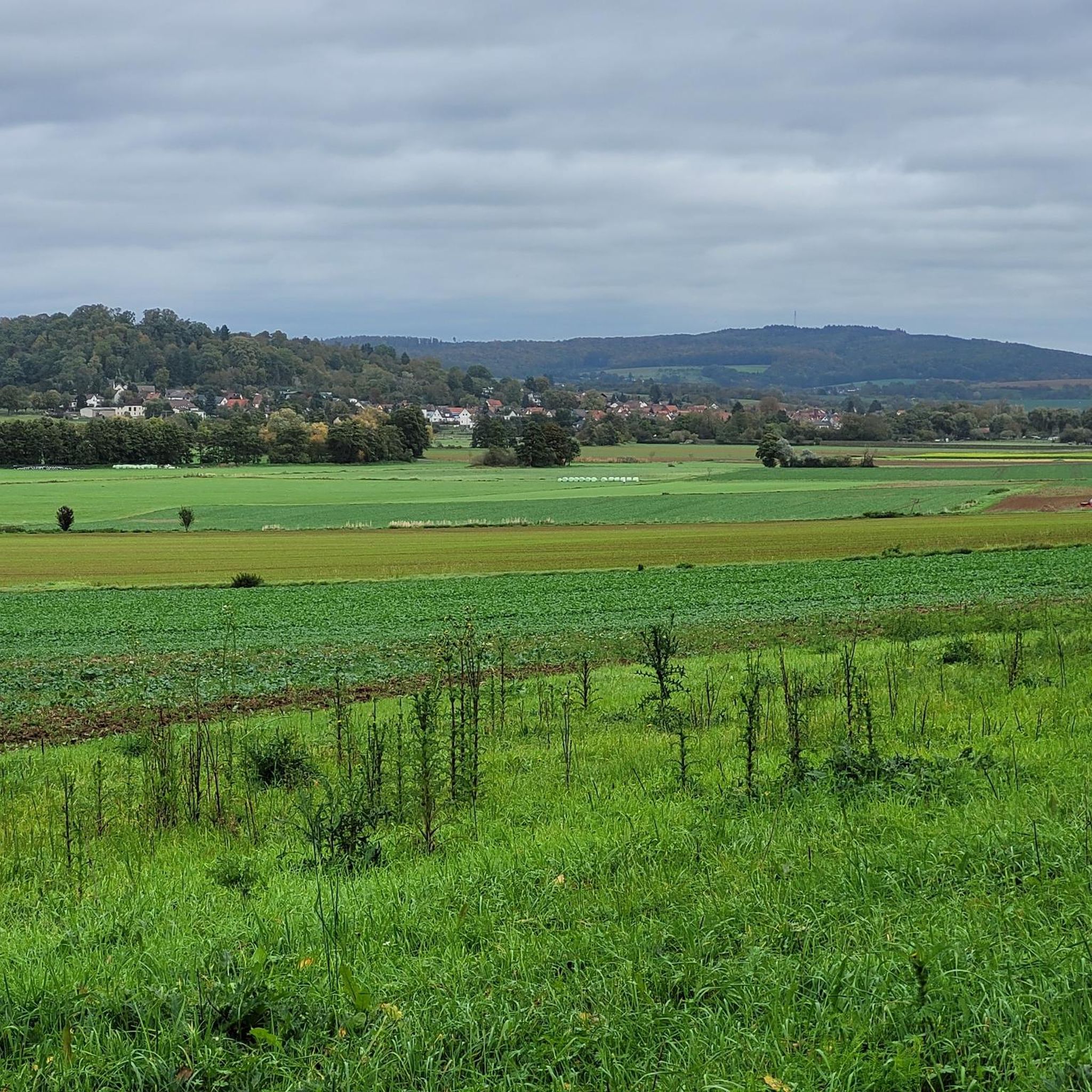
The landscape around the museum is characterized by fields and wooded areas.
A visit to the museum …
Translated by Google •
Tip by

Sign up for free to discover even more natural monuments around Limeshain.
Sign up for free
Already have an account?
Start today with a free account
Your next adventure awaits.
Login or Signup

Other adventures around Limeshain

Tips from the Community

Here the “location” was carried out incorrectly. The “soldiers” are installed on the waiting tree near Windecken.
8
0
In memory of the fact that a long time ago (1897) an “imperial maneuver” took place here, the “guard soldiers” were set up. In the summer, various events are also held at the “Wartbaum”:
9
0
The Wartbaum is one of 18 stations on the Hohe Straße regional park route.
7
0

The fountain is in a beautifully designed, well-kept park with many benches for resting and picnicking
7
0
On the way to the Nidda cycle path we pass this small, fine park every now and then and enjoy the refreshment that the cool water of the fountain offers...
12
0

Nice place to take a break. You can drink the water from the well ⛲️.
8
0

The taste of the water takes some getting used to.
6
0

Celtic burial mound. With museum
2
0
Frequently Asked Questions
What are some of the most popular natural monuments to visit around Limeshain?
Among the most popular natural monuments in the Limeshain area are the Wartbaum and Wooden Soldier Sculptures on the Hohe Straße, an ancient linden tree with historical significance and artistic installations. Another highly regarded site is the Drusus Oak, a mighty tree estimated to be 300 to 400 years old. Visitors also frequently enjoy the Staden Carbonated Spring, a historic spring set within a beautiful landscape park.
Are there family-friendly natural monuments in the Limeshain area?
Yes, several natural monuments around Limeshain are suitable for families. The Wartbaum and Wooden Soldier Sculptures on the Hohe Straße offers an engaging blend of history and art. The Staden Carbonated Spring is located in a landscape park, perfect for a leisurely stroll. Additionally, the Limes Circular Trail, while not a highlight in the guide, is known for its family-friendly presentation of Roman history and natural elements, including wooden forest dwellers and bird observation points.
What kind of historical significance do Limeshain's natural monuments hold?
Limeshain's natural monuments are often deeply intertwined with history. The Wartbaum, for example, is an ancient linden tree documented since the 16th century, serving historically as a place of execution and observation point for imperial maneuvers. The Drusus Oak is named after a Roman general, reflecting the region's Roman past. The entire area is part of the UNESCO World Heritage Site "Upper Germanic-Raetian Limes," with the Limes Circular Trail offering insights into life at the Roman border 2000 years ago.
Can I find hiking or cycling trails near these natural monuments?
Absolutely. The natural monuments around Limeshain are well-integrated into extensive networks of hiking and cycling trails. For instance, the Wartbaum is part of the Rhine-Main regional park route, accessible for hikers and cyclists. The Limes Circular Trail is also a prominent natural attraction for walking. You can explore various routes, including road cycling, mountain biking, and gravel biking, by checking out the dedicated guides like Road Cycling Routes around Limeshain or MTB Trails around Limeshain.
What unique natural features can I expect to see in Limeshain?
Limeshain offers a variety of natural features, from ancient trees to historic springs and diverse forest habitats. You can witness the impressive size of the Drusus Oak and the centuries-old Wartbaum. The Staden Carbonated Spring provides refreshing mineral water amidst mighty trees. The region's trails pass through various forest types, including natural forests and light beech forests, and feature old orchards that serve as important biotopes.
Are there any natural monuments with good viewpoints?
Yes, several spots offer excellent views. The Wartbaum and Wooden Soldier Sculptures on the Hohe Straße is known for its expansive views of the surrounding landscape. Additionally, the Celtic World at the Glauberg, which includes natural monument aspects, features a café with panoramic views. The Celtic burial mound and post alignments at Glauberg also provides impressive distant views from its elevated position.
What do visitors particularly enjoy about the natural monuments in Limeshain?
Visitors appreciate the unique combination of natural beauty and rich history. They often highlight the peaceful atmosphere, the well-maintained trails, and the opportunity to connect with both nature and the past. The artistic integration at sites like the Wartbaum and the refreshing water of the Staden Carbonated Spring are frequently mentioned as enjoyable aspects.
Are there any ancient trees among the natural monuments?
Limeshain is home to several impressive ancient trees designated as natural monuments. The Wartbaum is an ancient linden tree with a history dating back to the 16th century. The Drusus Oak is another magnificent example, estimated to be between 300 and 400 years old, known for its significant size and historical associations.
Where can I experience a natural spring in Limeshain?
You can visit the Staden Carbonated Spring, a historic natural monument located within a beautiful landscape park. Known since at least 1435, this carbonated spring offers refreshing water gushing out between mighty trees. It's a perfect spot to take a break and enjoy the natural surroundings.
What kind of wildlife can be observed near Limeshain's natural monuments?
The diverse natural landscapes around Limeshain, including various forest types and old orchards, provide habitats for a range of wildlife. The Limes Circular Trail, for instance, has a station dedicated to forest birds. The old orchards are particularly important biotopes for bats, songbirds, insects, and cavity-nesting birds, offering opportunities for observation during your visit.
Are there options for mountain biking near Limeshain's natural monuments?
Yes, Limeshain offers several mountain biking opportunities that allow you to explore the natural surroundings. You can find routes like the 'Drusus Oak – Limes Trail Wooden Figures loop from Hammersbach' or the 'EU bird sanctuary – Bird watching hut loop from Limeshain'. For more detailed routes and information, refer to the MTB Trails around Limeshain guide.
What is the Limes Circular Trail and what does it offer?
The Limes Circular Trail is an almost four-kilometer-long archaeological and natural history trail in Limeshain. It combines reconstructed Roman fortifications, like a section of the Limes border wall and a watchtower, with natural history elements. You'll pass through diverse forest habitats, observe wooden forest dwellers, and learn about local birdlife. The trail is designed to be family-friendly, with information panels and interactive QR codes bringing the history of Romans and Germanic tribes to life.
Are there any natural monuments that are also historical sites?
Many natural monuments in Limeshain seamlessly blend natural beauty with historical significance. The Wartbaum is a prime example, an ancient tree with centuries of local history. The Drusus Oak carries historical associations with Roman times. Even the Celtic World at the Glauberg and the Celtic burial mound, while primarily historical, are set within and integrate natural landscapes, often designated with natural monument status.
Most popular routes around Limeshain
Most popular attractions around Limeshain

Get inspired with the komoot mobile app


Explore more
Extend your search for the best caves by checking out these guides of the top ones around Limeshain:
