Top 4 Natural Monuments around Marnitz
Best natural monuments around Marnitz include a variety of geological and ecological features. The area is characterized by its natural landscapes, featuring ancient glacial erratics and protected forest areas. Visitors can explore sites that showcase the region's geological history and diverse ecosystems. These natural landmarks offer insights into the local environment and its historical significance.
Best natural monuments around Marnitz
- The most popular natural monuments is Breiter Stein, a natural monument that is the largest glacial erratic boulder in…
Last updated: October 11, 2026
Breiter Stein
Highlight • Natural Monument
Translated by Google •
Tip by

Protection forest "Naturwald Kreuzbach"
Highlight • Forest
Translated by Google •
Tip by

Sign up now to discover places like this
Get recommendations on the best single tracks, peaks, & plenty of other exciting outdoor places.
Moosterquelle
Highlight • Natural Monument
Translated by Google •
Tip by

Largest Douglas Fir Stand in Central Europe
Highlight • Forest
Translated by Google •
Tip by

Barrow graves in the Verdammniswald
Highlight • Historical Site
Translated by Google •
Tip by
Start today with a free account
Your next adventure awaits.
Tips from the Community

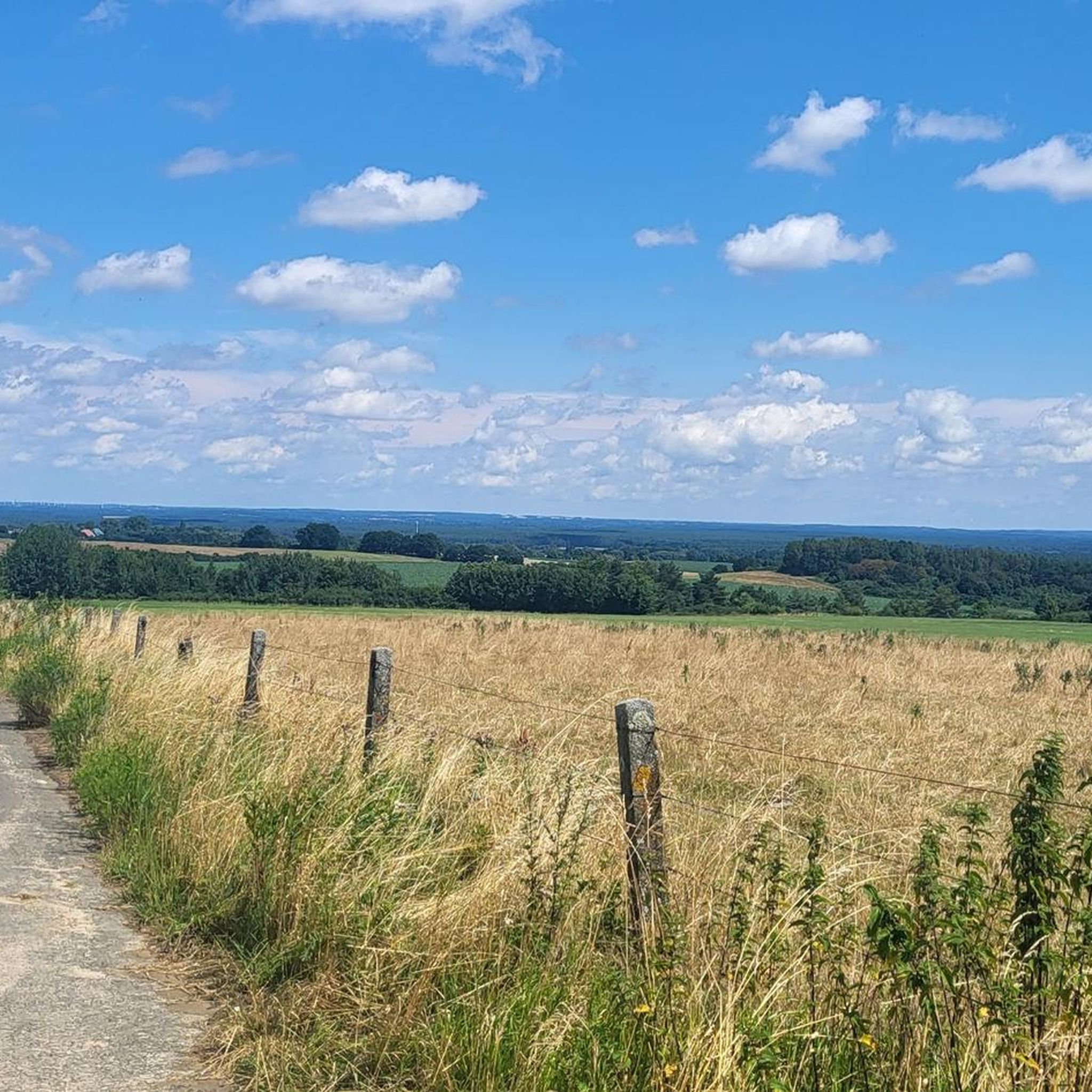
The Breite Stein near Parchim is the largest glacial erratic boulder in the region. It is located southwest of the district town in the Sonnenberg nature reserve. The huge stone was transported by glaciers during the last Ice Age and deposited in the Sonnenbergen. Historically, it is suspected that the striking erratic boulder once served the Slavic indigenous people as a sacrificial site. According to local tradition, a wedding party is said to have been turned into stone by the devil. On site, there is a so-called "talking bench" by the association Sagen- und Märchenstraße Mecklenburg-Vorpommern, which brings the stories surrounding the place closer to visitors.
0
0

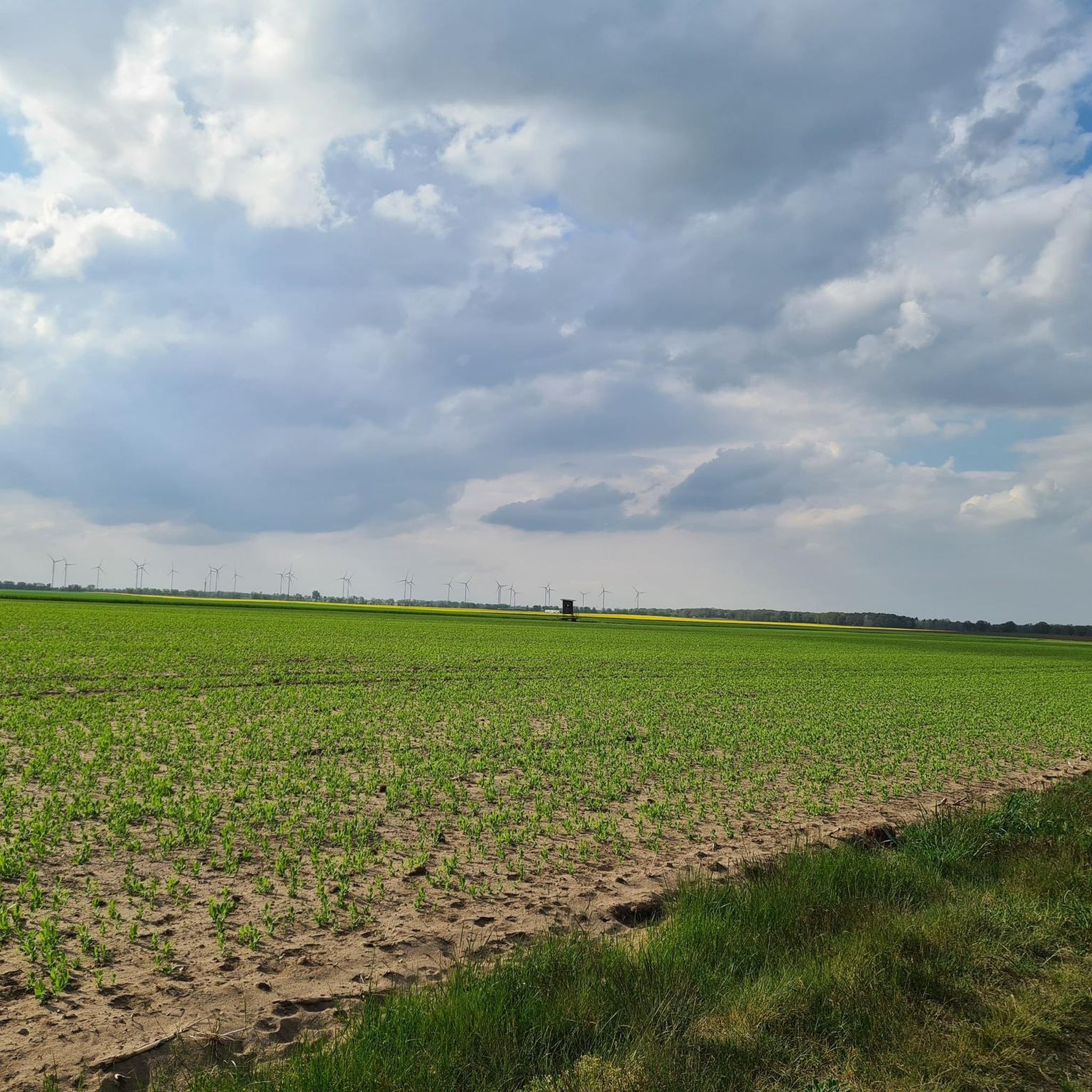
The 23-hectare protected forest serves to preserve and develop a groundwater-influenced pedunculate oak-hornbeam forest with holly, as well as stands of alder and ash, while simultaneously safeguarding the water balance and habitats of endangered plant species. As a particularly valuable remnant of such a mixed deciduous forest in the sparsely wooded Prignitz region, it is being scientifically monitored long-term and without direct human intervention to study forest development, soil, flora, fauna, and natural self-organization processes. At the same time, the area functions as a forestry demonstration plot, conserves forest genetic resources, and contributes to the long-term preservation of biodiversity in self-regulating communities.
2
0

The legend about the "Broad Stone": A wedding party came back from the wedding ceremony in Slate to Kiekindemark (Look in the Mark). Everyone had celebrated hard and lost their way at midnight in the Sonnenberg. Suddenly an old woman stood in front of them and asked for a gift. She was then laughed at by the tipsy wedding guests. This old woman was a witch who was so angry at being laughed at that she turned the carriage containing people and cattle to stone. The starting point of the search is the small village of Kiekindemark with a forest farm, game gate and show garden. https://www.geocaching.com/geocache/GC46PVA_wider-stein?guid=202f03cb-d31b-4afd-8aa3-6a69a99719b6
1
0

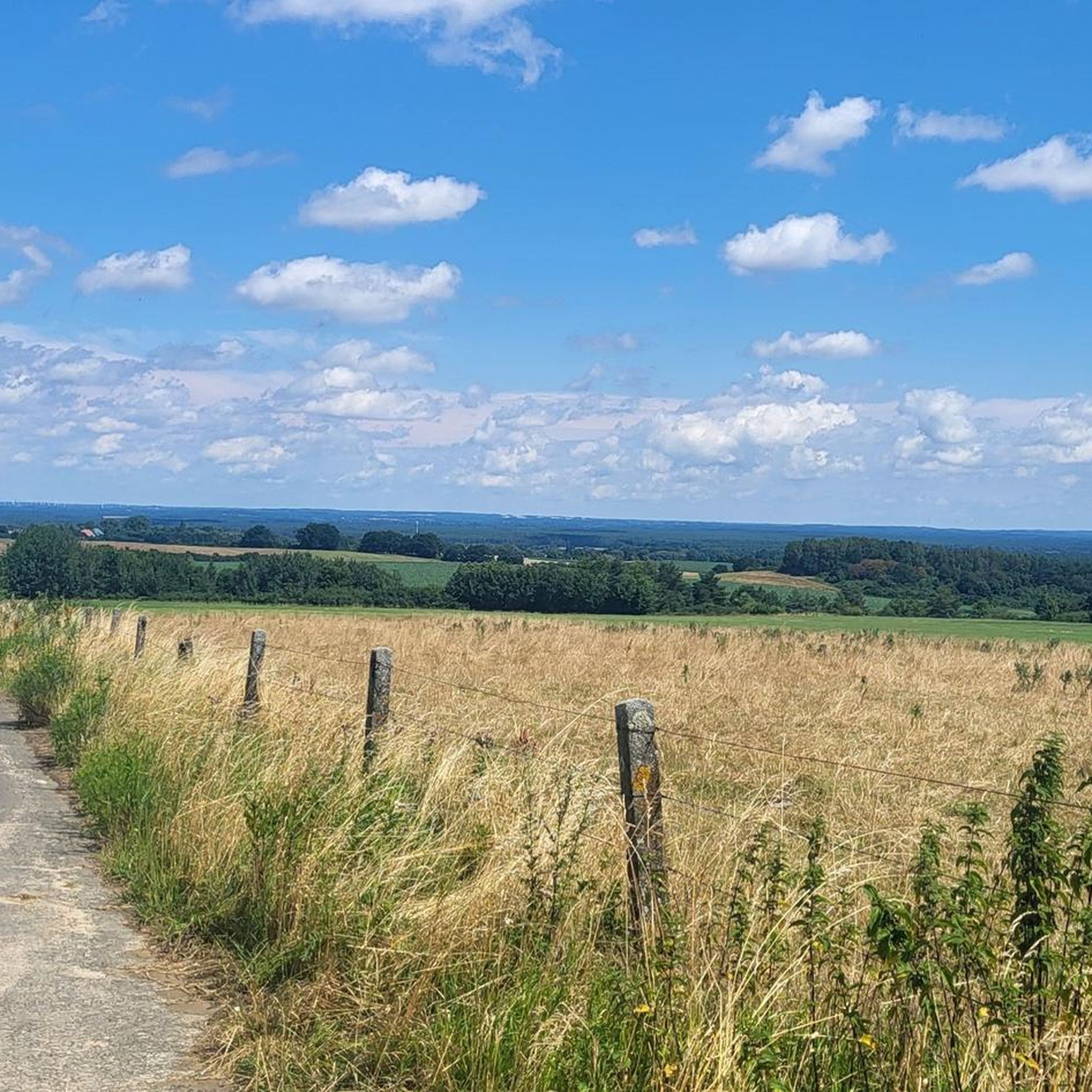
This is where the Moosterbach rises, which then flows through the Moostertal and flows into the Elde between Siggelkow and Groß Pankow. All around there are many types of rock to discover, which the Ice Age left behind here. They are labeled and the surface is sanded in one place.
0
0
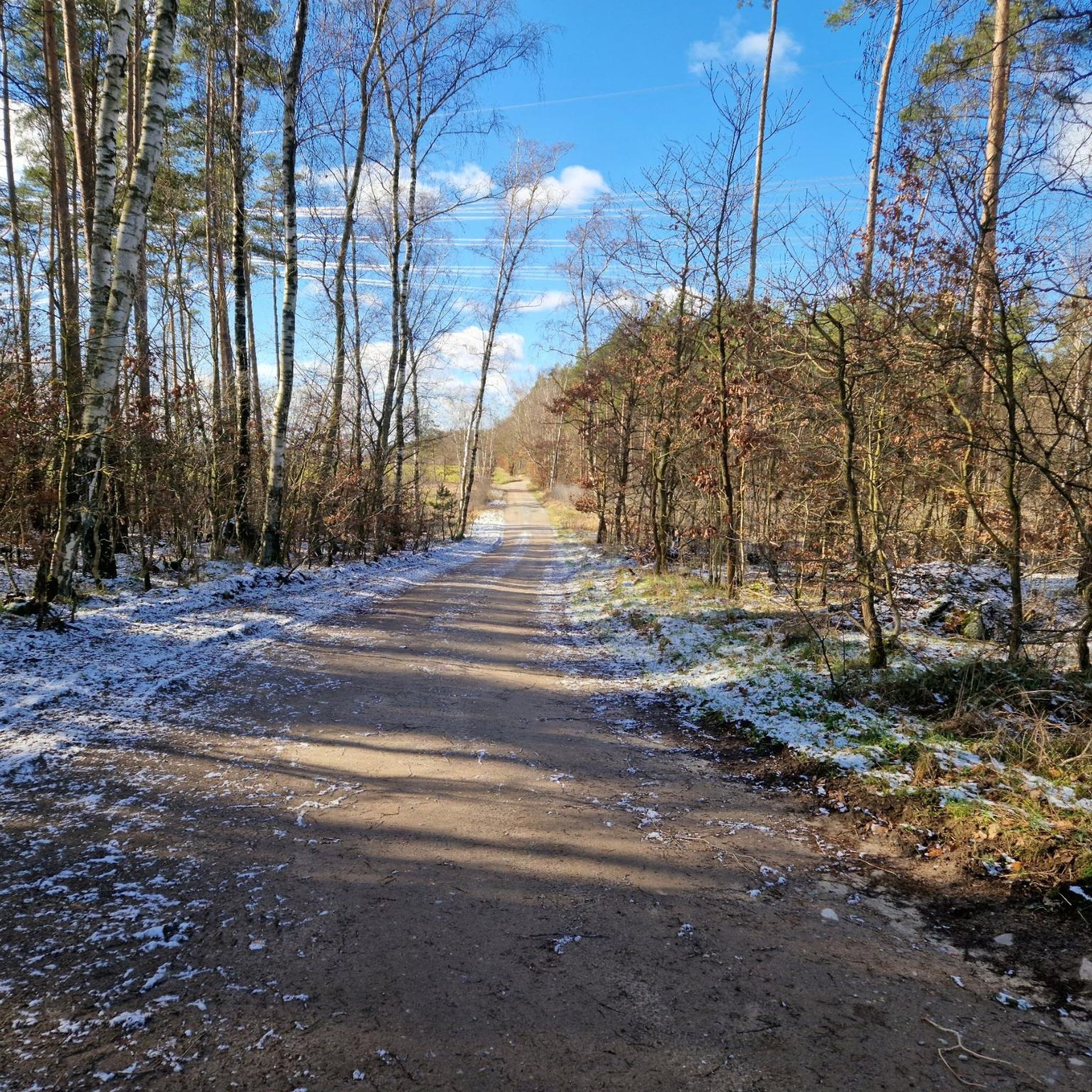
Many cone tombs (mounds) are found in the forest. On the picture is an old map where the points are marked. The drawn river is the Graben.
1
0

South of Parchim is Central Europe's largest stand of Douglas fir. This North American conifer was first planted here 100 years ago. Thanks to the favorable growth conditions, the Douglas fir trees, with a height of 58 meters, even tower above the St. Georgen and St. Marien churches in Parchim.
0
0
Frequently Asked Questions
What are the most notable natural monuments to visit around Marnitz?
The region around Marnitz offers several unique natural monuments. You can explore the Breiter Stein, which is the largest glacial erratic boulder in the area, or discover the Largest Douglas Fir Stand in Central Europe south of Parchim. Another interesting site is the Moosterquelle, the source of the Moosterbach, where you can see various Ice Age rocks.
Are there family-friendly natural monuments in the Marnitz area?
Yes, several natural monuments are suitable for families. The Protection forest "Naturwald Kreuzbach" and the Largest Douglas Fir Stand in Central Europe are both categorized as family-friendly. The Moosterquelle, with its labeled Ice Age rocks, also offers an engaging experience for all ages.
What kind of historical or cultural sites can I find among the natural monuments?
The Breiter Stein is not only a natural wonder but also a historical site, suspected to have served as a Slavic sacrificial site. Local tradition tells a legend of a wedding party turned to stone here. Additionally, the Barrow graves in the Verdammniswald feature ancient cone tombs, offering a glimpse into the region's past.
What outdoor activities can I do near these natural monuments?
The area around Marnitz is excellent for various outdoor activities. You can find numerous hiking trails, such as the 'Ruhner Berge Observation Tower – Path Along the Fields loop from Marnitz' (moderate, 12.3 km). For cycling enthusiasts, there are MTB trails like the 'Forstgarten – Narrow Path Along the River loop from Parchim' (easy, 20 km). You can explore more options on the dedicated komoot guides for Hiking around Marnitz and MTB Trails around Marnitz.
Are there hiking trails near the natural monuments, and what are their difficulty levels?
Yes, there are several hiking trails. For example, near the natural monuments, you can find routes ranging from easy to moderate. The Breiter Stein and the Barrow graves in the Verdammniswald are both accessible via intermediate trails. Many other routes around Marnitz are generally easy, such as the 'Ruhner Berge Observation Tower loop from Marnitz' (2.7 km). For a comprehensive list, check the Hiking around Marnitz guide.
What unique natural features can I expect to see in the Marnitz region?
Beyond the specific monuments, the region boasts diverse natural features. You'll encounter extensive forests, such as the Protection forest "Naturwald Kreuzbach", which preserves a unique oak-hornbeam forest. The landscape is also shaped by Ice Age remnants, visible at sites like the Moosterquelle, where various labeled rocks can be found. The presence of the Elde river and its tributaries adds to the natural beauty.
What makes the Protection forest "Naturwald Kreuzbach" special?
The Protection forest "Naturwald Kreuzbach" is a 23-hectare protected area dedicated to preserving a groundwater-influenced pedunculate oak-hornbeam forest, along with holly, alder, and ash stands. It's a valuable remnant of such a mixed deciduous forest in the sparsely wooded Prignitz region, serving as a site for long-term scientific monitoring of forest development and biodiversity without direct human intervention.
Can I go running near the natural monuments in Marnitz?
Yes, the area offers several running trails. You can find routes like the 'Running loop from Camping am Blanksee' (moderate, 6.5 km) or the more challenging 'View of Wockersee – Lake Wocker loop from Slate' (difficult, 16.5 km). These trails provide a great way to experience the natural surroundings while exercising. More options are available in the Running Trails around Marnitz guide.
What is the significance of the Largest Douglas Fir Stand in Central Europe?
Located south of Parchim, the Largest Douglas Fir Stand in Central Europe is a remarkable sight. These North American conifers were first planted here over 100 years ago. Thanks to favorable growth conditions, some of these Douglas fir trees reach impressive heights of 58 meters, towering over local landmarks.
What do visitors enjoy most about the natural monuments around Marnitz?
Visitors often appreciate the tranquility and the unique blend of natural beauty and historical intrigue. The legends surrounding the Breiter Stein, for instance, add a captivating layer to the natural landscape. The opportunity to witness ancient trees, explore protected forests, and discover Ice Age remnants makes for a memorable experience.
Most popular attractions around Marnitz

Get inspired with the komoot mobile app


Explore more
Extend your search for the best caves by checking out these guides of the top ones around Marnitz:
