Top 20 Natural Monuments around Bokhorst
Best natural monuments around Bokhorst are situated within the Steinburg district of Schleswig-Holstein, a region known for its varied natural landscapes. This area encompasses rewilded former industrial sites, ancient historical locations, and protected nature reserves. These sites provide insights into local ecology and the historical use of the land. The landscape around Bokhorst offers opportunities to explore diverse natural features.
Best natural monuments around Bokhorst
- The most popular natural monument is Herrenmoor Nature Reserve near Kleve, a natural_monument that…
Last updated: June 24, 2026
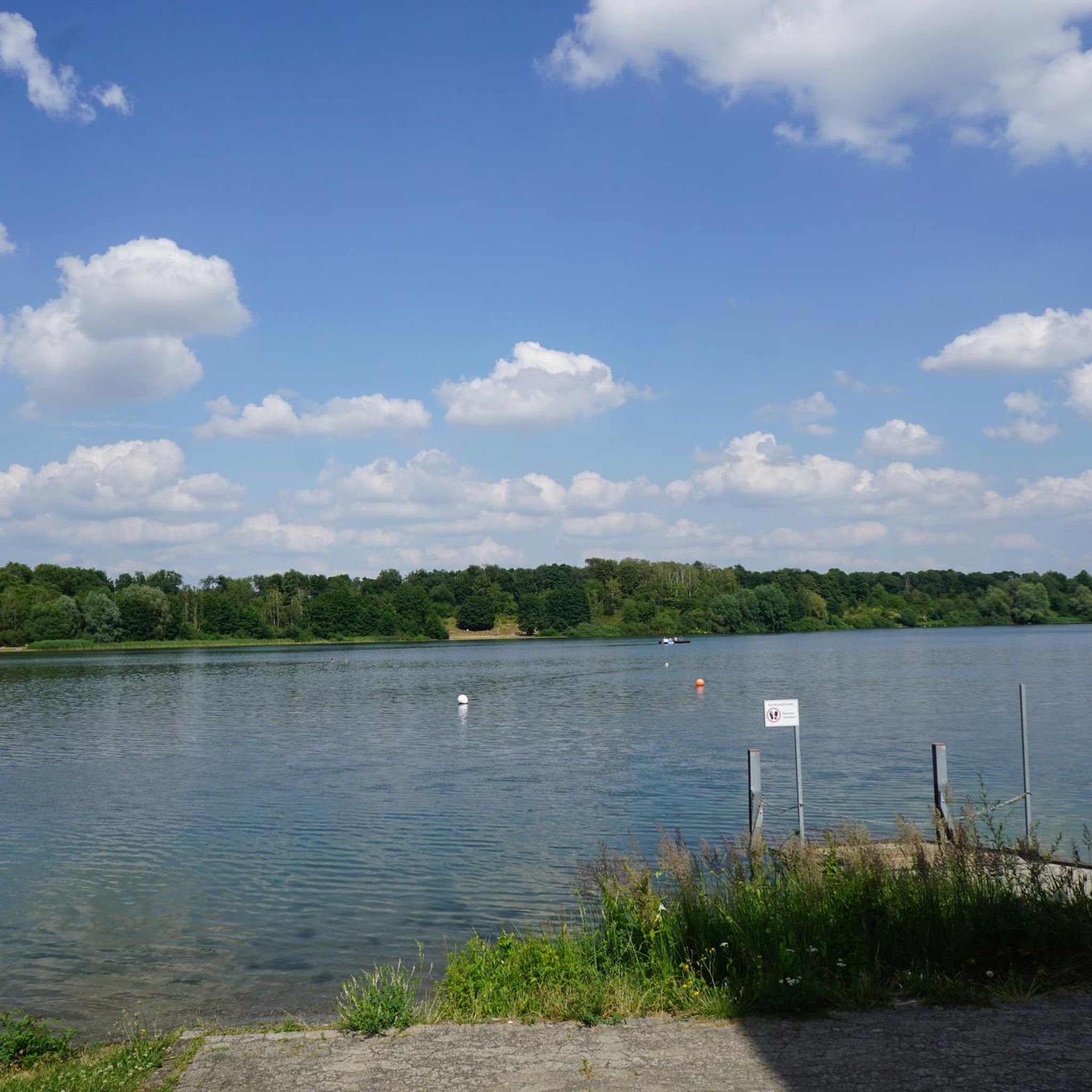
Muldsberg Clay Pit Lake
Highlight • Lake
The mining in the …
Translated by Google •
Tip by

Herrenmoor Nature Reserve near Kleve
Highlight • Natural Monument
Translated by Google •
Tip by

Sign up now to discover places like this
Get recommendations on the best single tracks, peaks, & plenty of other exciting outdoor places.
Sign up for free
Old Oak of Schafstedt
Highlight • Natural Monument
Translated by Google •
Tip by

Kaaksburg Ringfort
Highlight • Historical Site
Translated by Google •
Tip by

Eggstedter Moor
Highlight • Natural
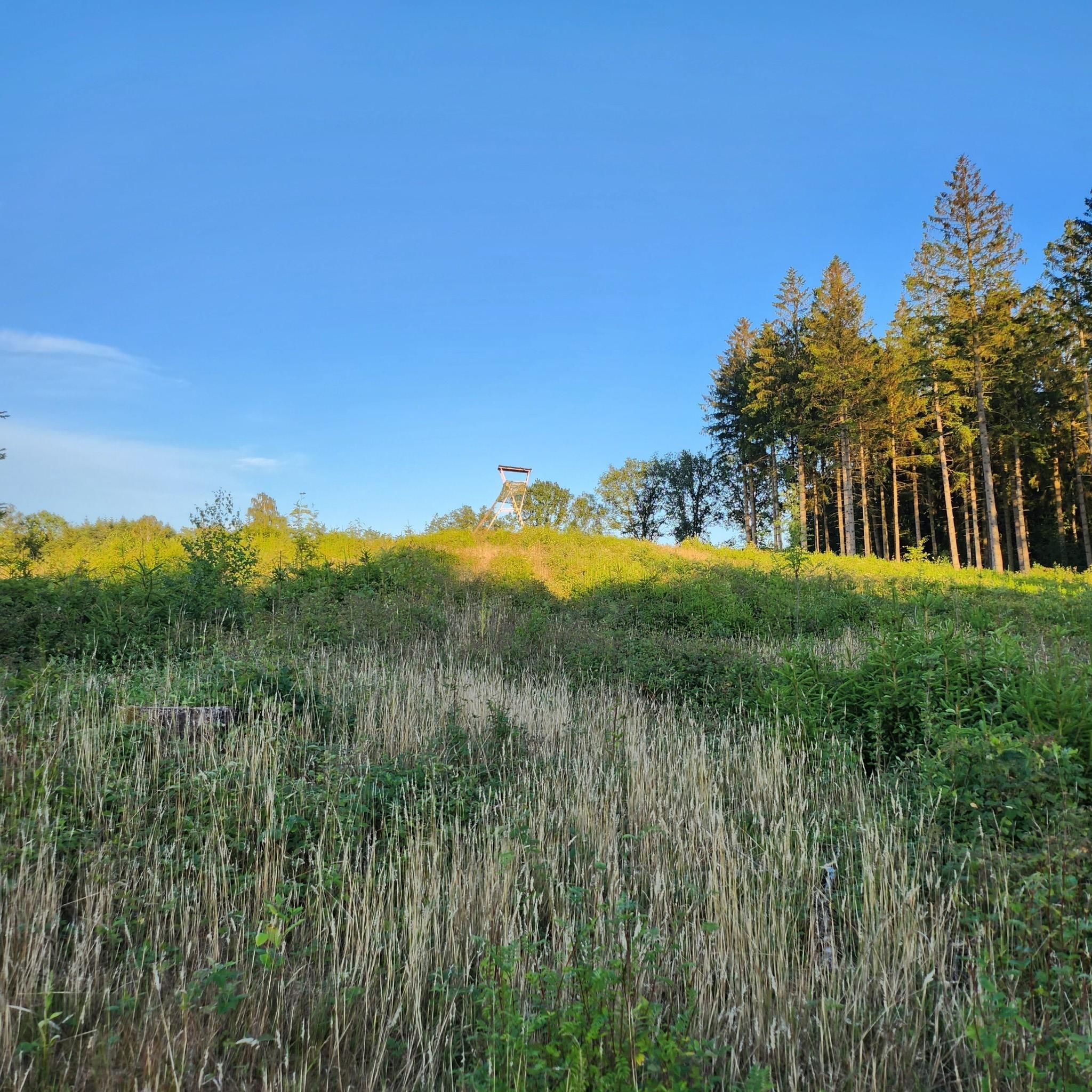
The Eggstedter Moor is a 260-hectare lowland area of the Holstenau that is rapidly being drained. In the past, peat was also …
Translated by Google •
Tip by

Sign up for free to discover even more natural monuments around Bokhorst.
Sign up for free
Already have an account?
Start today with a free account
Your next adventure awaits.
Login or Signup
Tips from the Community

The ring wall castle 'Kaaksburg' dates back to the 8th or 9th century. Its oldest known documentary mention dates from 1560-1576. The oval ring wall with a diameter of 80 or 100 m and a height of around 5 m was raised from dark earth, while the ground in the surrounding area is sandy, which is why it was assumed that the material came from the Bekau, which flows past in the southeast. At that time, the Bekau was navigable at least as far as the castle and was influenced by the tides until it was embanked; the area around the castle was still swampy and marshy at that time and was occasionally flooded. It was therefore assumed that the castle was built in this strategically favorable position to control the waterway. According to a folk legend, it once served as a base for pirates - sometimes Klaus Störtebeker is mentioned. While the country road between Itzehoe and Schenefeld used to bypass the ring wall to the east, today's L 127 runs right through the ring. https://de.wikipedia.org/wiki/Kaaksburg
1
0

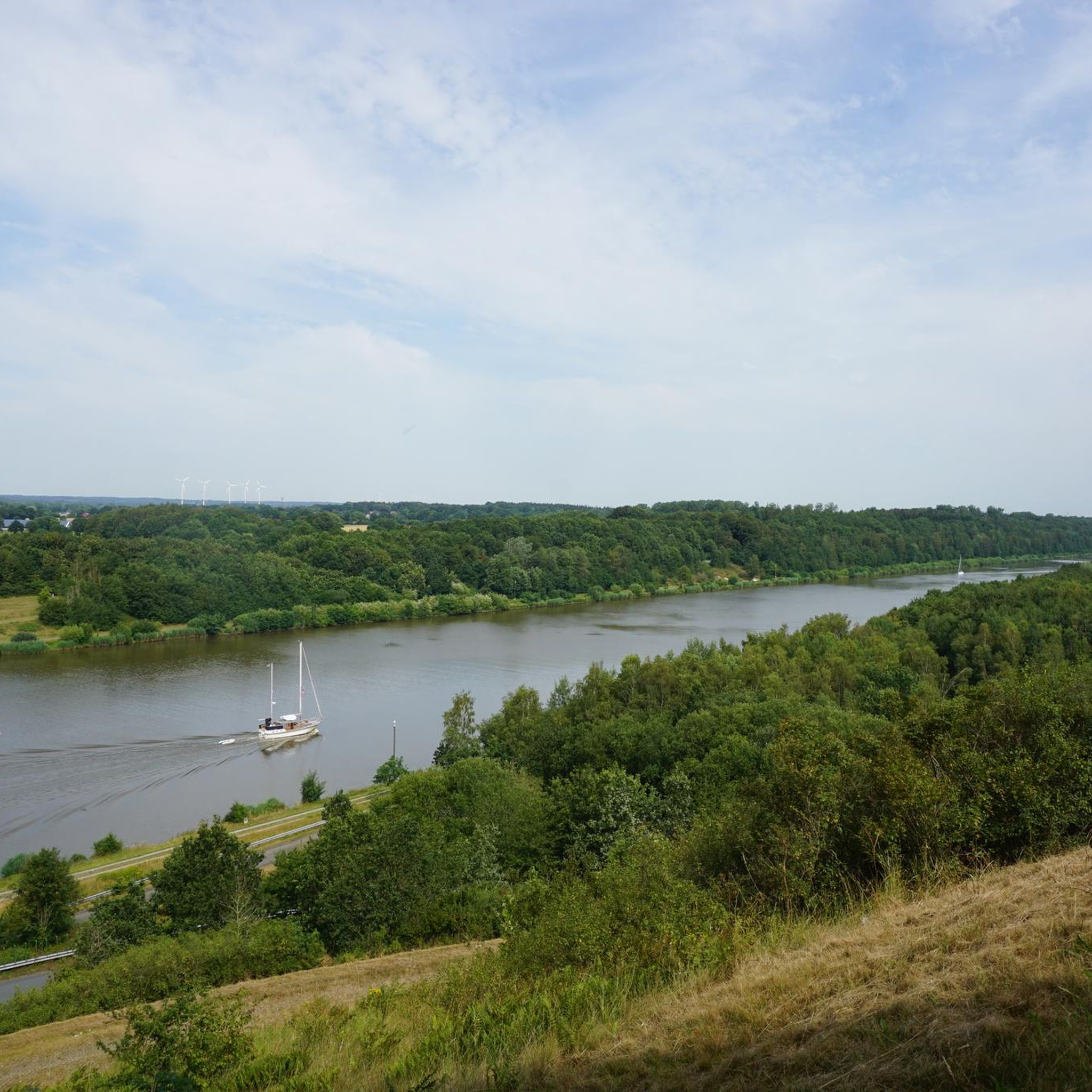
Very nice view, with a bad route
0
0

HISTOUR point BG31 | Former peat quarrying area The Eggstedter Moor is a 260-hectare lowland area of the Holstenau that is rapidly being drained. In the past, peat was also extracted here for heating and soil improvement. The local peat baking association commemorates this tradition with annual demonstrations. The still preserved peat cuttings and the drainage ditches running through the agriculturally used grassland offer numerous plants and animals that are almost extinct today a last habitat. Eleven species of freshwater snails, five species of freshwater mussels and 14 different species of dragonflies live in the Eggstedter Moor, including the rare green damselfish. Breeding bird species that have become rare today include lapwing and skylark. Raised bogs in western Schleswig-Holstein were mostly formed from low bogs, which in turn had formed in damp depressions. The peat mosses that form the peat only need air, sun, lots of rainwater and dust that has been blown in to grow. Raised bogs are therefore not dependent on nutrient-rich water from the subsoil for their growth, the plant and animal world is poor in species, but specialized in this habitat.
0
0

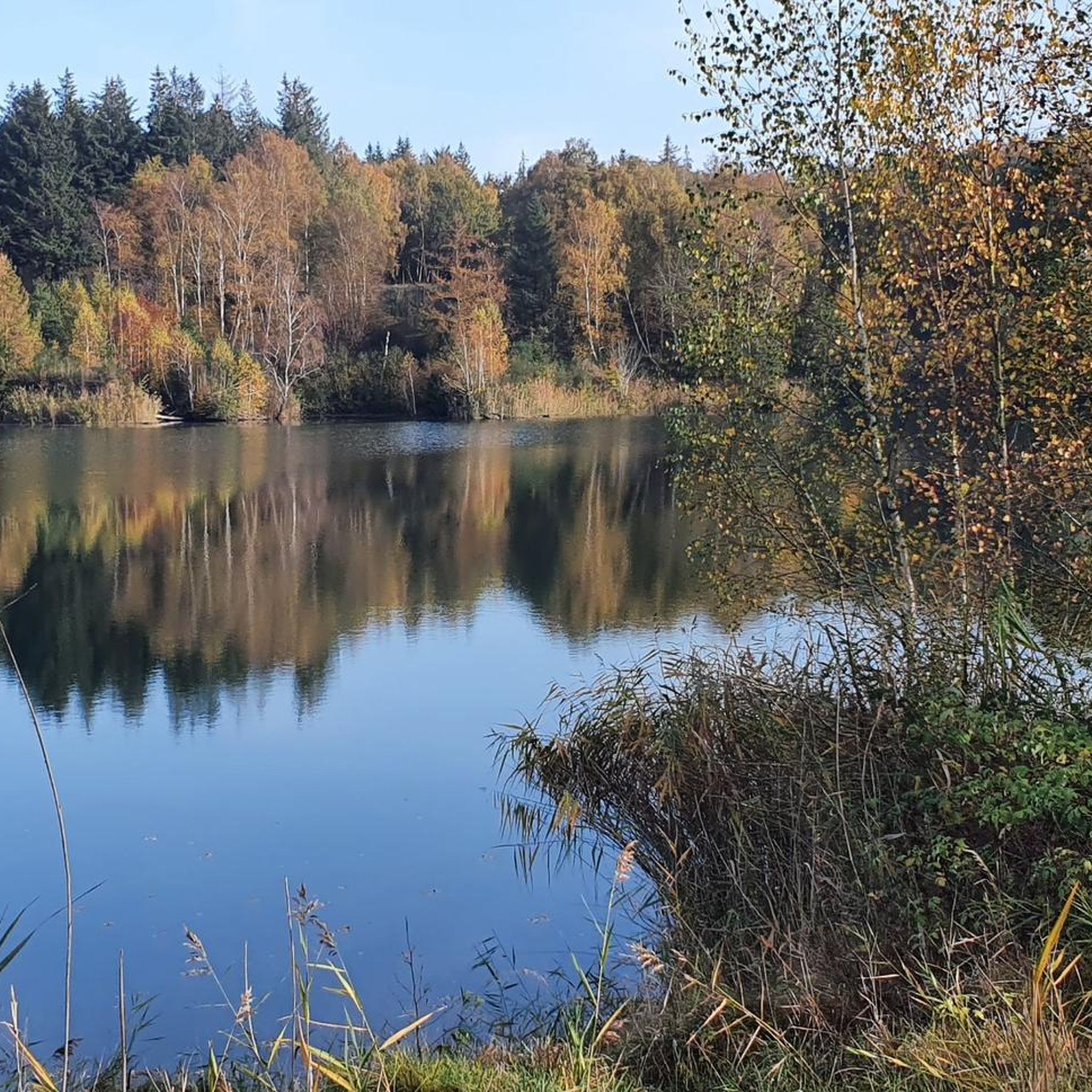
The “Herrenmoor near Kleve” can be circumnavigated on foot from Nuttelner Vierth on municipal paths. Some of the paths are also accessible by bike. Unfortunately, the railway bridge from Kleve "Achtern Barg" to Nuttelner Vierth/Nuttelner Heide Hügel was dismantled and no replacement was made for cost reasons. This slowly beginning moor development can now be experienced by the visitor on the Nutteln moor side, where a small oak plank path leads into the moor grassland areas. https://www.steinburg.de/kreisverwaltung/information-der-fachaemter/amt-fuer-umweltschutz/naturschutz/schutzgebiete-u-schuetzte-objects/nreservate/herrenmoor-bei-kleve.html
5
1

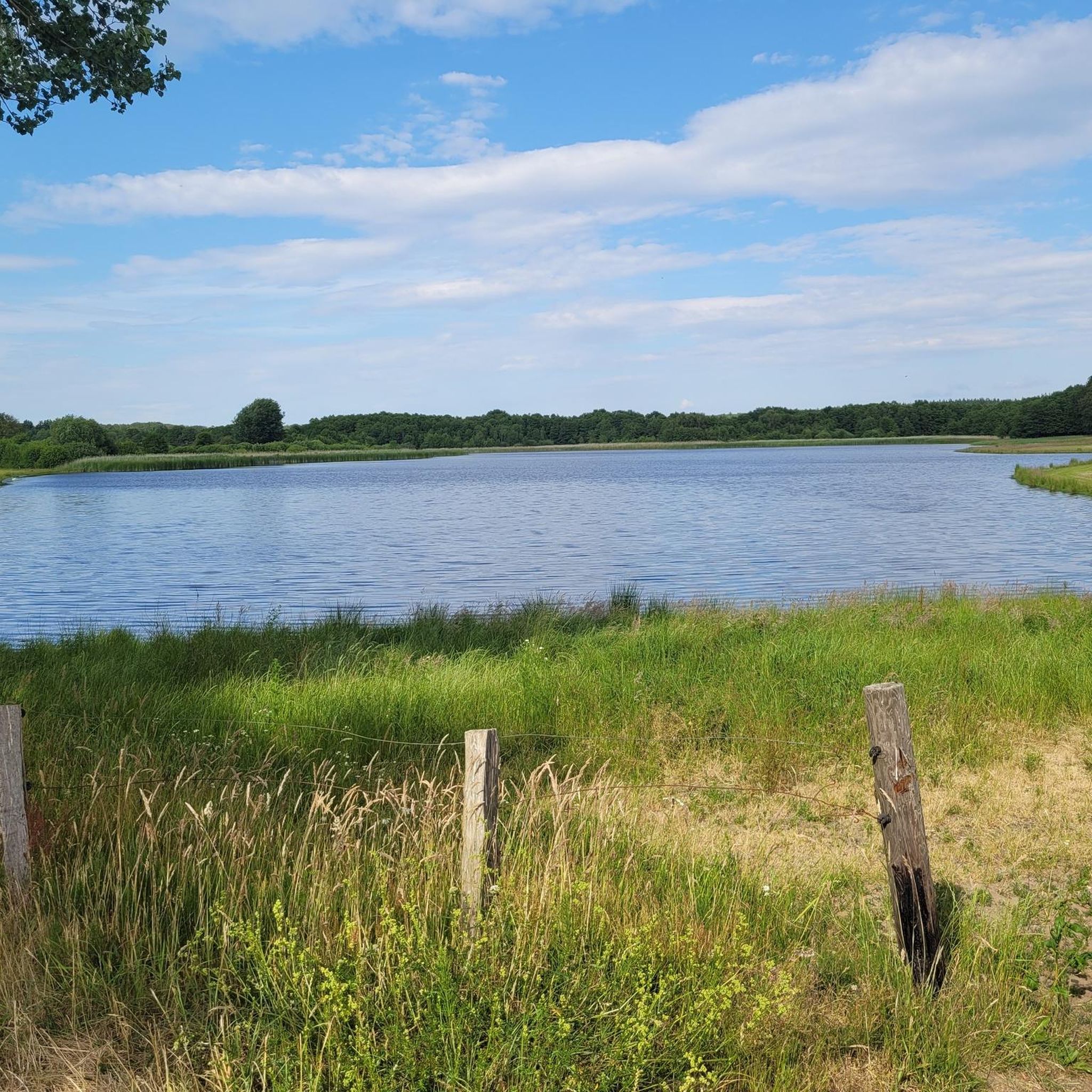
short break and the view over the Herrenmoor, which is being renatured.
3
0

The Kaaksburg was a Saxon ring wall that was built around the year 800. It had a diameter of 80 m and 4 m high earth walls. The castle complex was intended to secure a trade route across the Bekau. Today, a wide street runs through the middle of the castle complex and cuts the ring wall in two. Right next to the castle is a rest area with a snack bar.
0
0

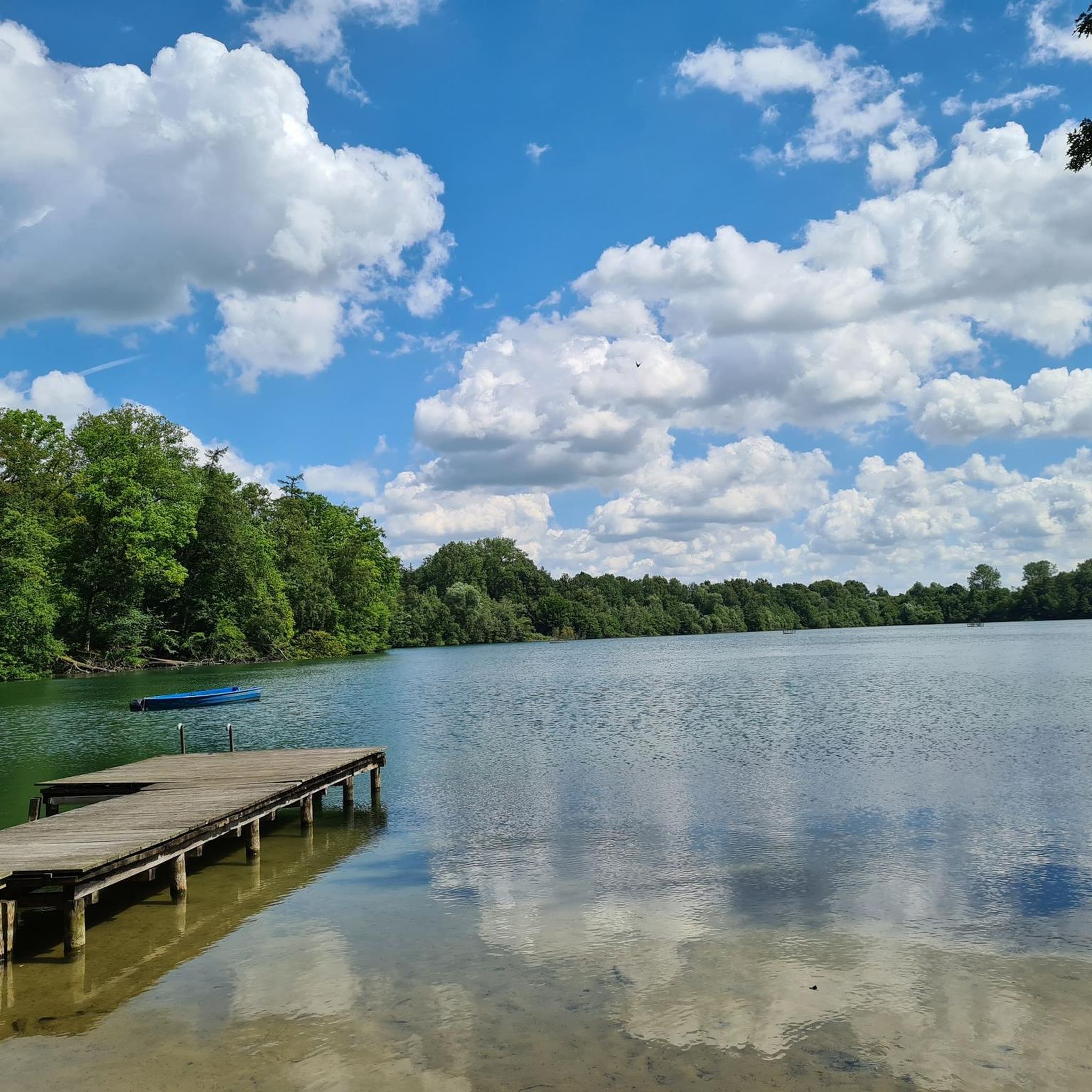
This huge nature reserve is a great habitat for many species that can no longer be found in other places. This has become possible since the 1990s, when the drainage that was initiated for peat removal was reversed and the existing canals were used to back up water.
5
0

The approximately 77 hectare area was bought in 2005 with the financial participation of the municipality of Mehlbek, the Nature Conservation Foundation and the nature conservation authority of the Steinburg district for the benefit of nature conservation. Since then the water level has risen continuously and has now reached its final height. The natural oasis became a large lake and is constantly changing. There is always something new to discover for nature lovers: especially beautiful, the small cormorant population. Source: https://www.bund-steinburg.de/radtour-2016.html
2
1
Frequently Asked Questions
What types of natural monuments can I explore around Bokhorst?
Around Bokhorst, you can explore a diverse range of natural monuments, including rewilded former industrial sites like Muldsberg Clay Pit Lake, protected nature reserves such as Herrenmoor Nature Reserve near Kleve, and ancient historical locations like the Krinkberg Bronze Age Burial Mounds. The area showcases a blend of ecological habitats and historical landmarks within the varied landscapes of the Steinburg district.
Are there any rewilded areas or nature reserves to visit near Bokhorst?
Yes, the region features significant rewilded areas and nature reserves. The Herrenmoor Nature Reserve near Kleve is a prime example, where reversed drainage efforts have created a vital habitat for many species. Another notable site is Muldsberg Clay Pit Lake, a former mining pit that has been rewilded since 2004, developing into a rich biotope with a 5-kilometer circular route.
Can I find historical natural monuments in the Bokhorst area?
Absolutely. The area around Bokhorst offers several historical natural monuments. You can visit the Krinkberg Bronze Age Burial Mounds, an archaeological site featuring two ancient burial mounds. Additionally, the Kaaksburg Ringfort, an 8th or 9th-century Saxon ring wall, provides a glimpse into early medieval history within a natural setting.
Are the natural monuments around Bokhorst suitable for families?
Many natural monuments around Bokhorst are family-friendly. For instance, the Muldsberg Clay Pit Lake offers a 5-kilometer circular route that is enjoyable for all ages. The Krinkberg Bronze Age Burial Mounds and the Kaaksburg Ringfort also provide interesting historical contexts that can engage younger visitors.
What kind of wildlife can I expect to see in the natural monuments around Bokhorst?
The natural monuments around Bokhorst, particularly the rewilded areas and nature reserves, support diverse wildlife. In places like the Herrenmoor Nature Reserve, you might observe various bird species and insects. The Muldsberg Clay Pit Lake, for example, is known for its developing biotope and a small cormorant population.
Are there hiking or cycling opportunities near these natural monuments?
Yes, the area around Bokhorst offers various outdoor activities. You can find numerous routes for road cycling, running, and gravel biking. For example, there are road cycling routes like the 'Stör Barrage – Kasenort Inland Lock loop' and running trails such as the 'Wacken Store loop'. You can explore these and more on the Road Cycling Routes around Bokhorst guide, the Running Trails around Bokhorst guide, and the Gravel biking around Bokhorst guide.
What is the best time of year to visit the natural monuments around Bokhorst?
The natural monuments around Bokhorst can be visited year-round, with each season offering a unique experience. Spring and summer are ideal for observing lush plant life and active wildlife, while autumn provides beautiful foliage. Even in winter, the landscapes offer a serene atmosphere for walks, though some paths might be less accessible depending on weather conditions.
How long should I plan for a visit to the natural monuments around Bokhorst?
The duration of your visit depends on which natural monuments you choose to explore. For a single site like the Muldsberg Clay Pit Lake with its 5-kilometer circular route, you might spend 1-2 hours. To visit multiple sites or combine them with a longer hike or bike ride, a half-day or full-day trip would be more appropriate.
Are there options for food or refreshments near the natural monuments?
While specific cafes might not be directly adjacent to every natural monument, the nearby town of Itzehoe and surrounding villages offer various options for food and refreshments. It's advisable to check local listings for cafes, pubs, and restaurants in the Itzehoe region before your visit.
Can I bring my dog to the natural monuments around Bokhorst?
Generally, dogs are permitted on leashes in many natural areas around Bokhorst, especially on designated paths. However, specific nature reserves like the Herrenmoor Nature Reserve may have stricter rules to protect sensitive ecosystems and wildlife. Always look for local signage or check specific regulations for each site you plan to visit.
What makes the Old Oak of Schafstedt a significant natural monument?
The Old Oak of Schafstedt is a remarkable natural monument, recognized as the oldest tree in the Dithmarschen district. With an estimated age of nearly 400 years and a trunk circumference of 5.90 meters, this impressive oak has been a protected natural monument since 1938 and holds significant historical and ecological value.
What is the history behind the Muldsberg Clay Pit Lake?
The Muldsberg Clay Pit Lake originated as a clay mining pit, active from 1936 to 1996 for cement production. After mining ceased and artificial dewatering was discontinued in 2004, the pit began filling with groundwater. It has since transformed into a valuable biotope and a local recreation area, demonstrating nature's ability to reclaim and rewild former industrial sites.
Where can I find ancient historical sites among the natural monuments?
For ancient historical sites, you should visit the Krinkberg Bronze Age Burial Mounds, which are archaeological monuments offering insights into prehistoric times. Another significant site is the Kaaksburg Ringfort, an 8th or 9th-century Saxon ring wall, which served to secure a trade route across the Bekau river.
Most popular routes around Bokhorst
Most popular attractions around Bokhorst

Get inspired with the komoot mobile app


Explore more
Extend your search for the best caves by checking out these guides of the top ones around Bokhorst:
