Top 18 Natural Monuments around Strübbel
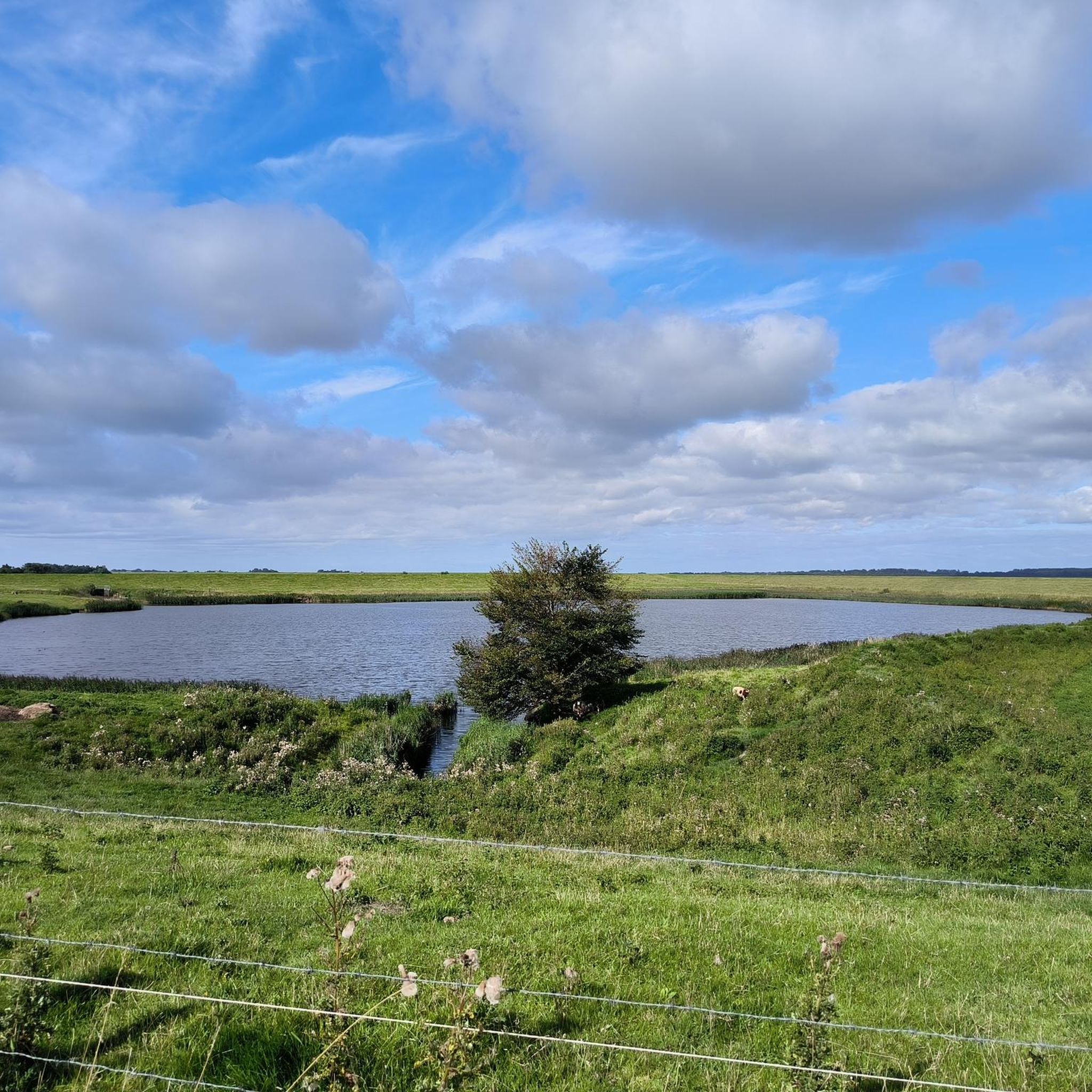
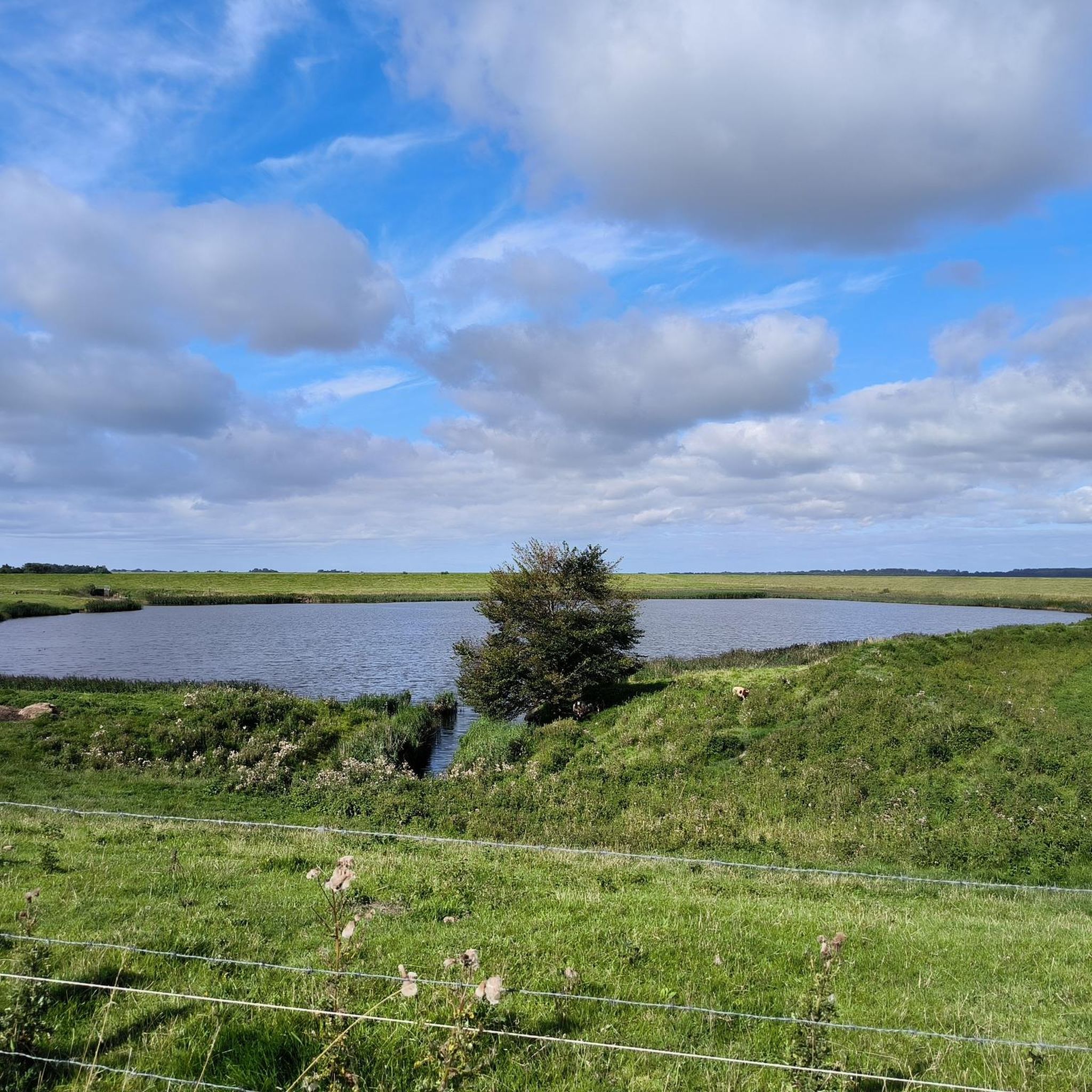
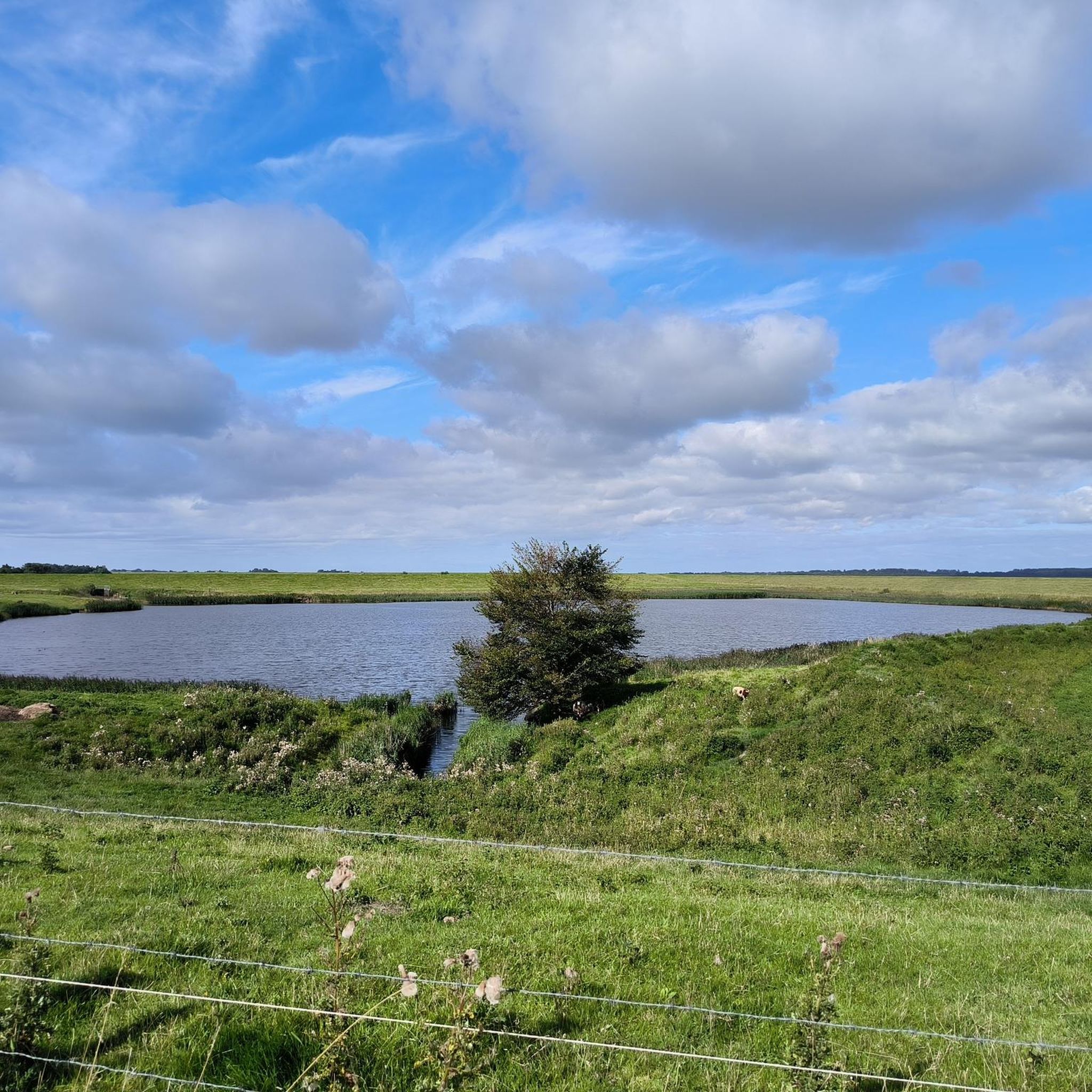
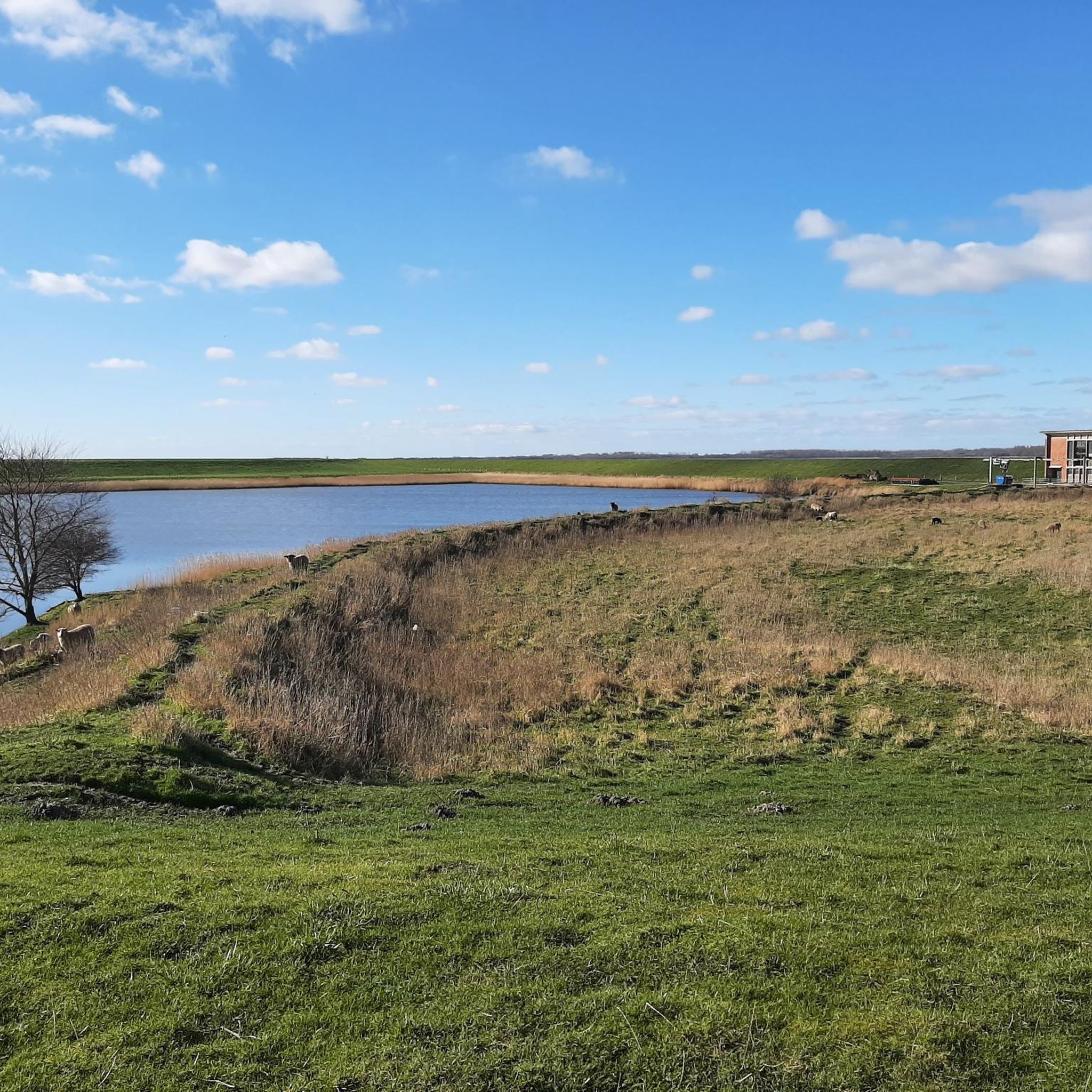
Best natural monuments around Strübbel are primarily found in the surrounding region, notably the Katinger Watt Nature Reserve. This area, transformed by the Eider Barrage, is a managed wetland spanning approximately 2300 hectares. It serves as a protected bird sanctuary and a vital habitat for diverse wildlife. The landscape offers a mix of ponds, ditches, green and arable land, and a 350-hectare forest.
Best natural monuments around Strübbel
- The most popular natural monuments is Kiek-Ut view in the Katinger Watt…
Last updated: June 24, 2026
Katinger Watt Nature Reserve
Highlight • Natural Monument
Translated by Google •
Tip by

Kiek-Ut view in the Katinger Watt
Highlight • Viewpoint
Translated by Google •
Tip by

Sign up now to discover places like this
Get recommendations on the best single tracks, peaks, & plenty of other exciting outdoor places.
Sign up for free
Kattinger Watt Observation Tower
Highlight • Viewpoint
Regrettable...
Translated by Google •
Tip by

Observation Tower Lundener Niederung
Highlight • Viewpoint
Translated by Google •
Tip by

Old Harbor Schülperneuensiel
Highlight • Historical Site
Translated by Google •
Tip by

Sign up for free to discover even more natural monuments around Strübbel.
Sign up for free
Already have an account?
Start today with a free account
Your next adventure awaits.
Login or Signup
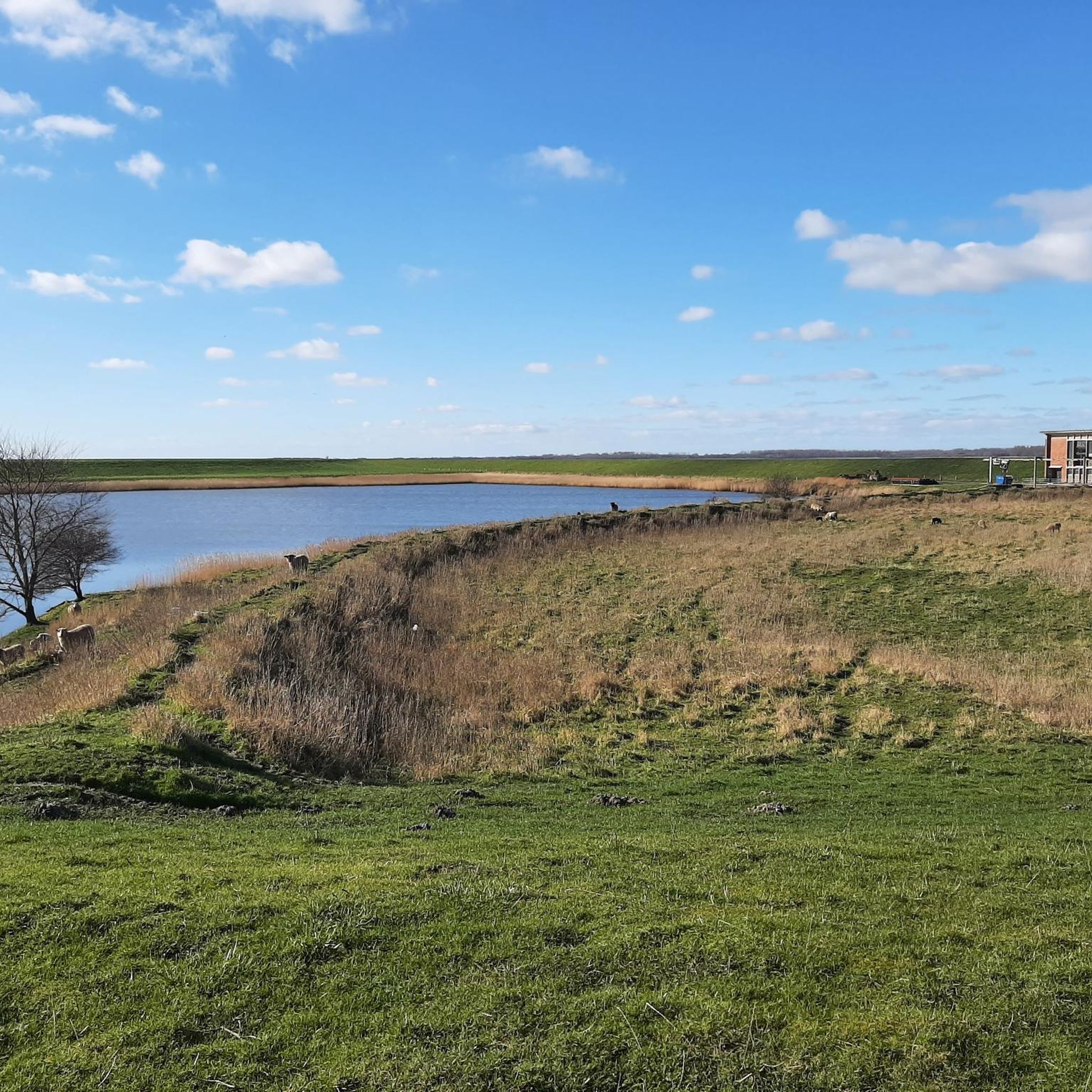
Tips from the Community

The port of Schülpersiel (often also called port Schülperneuensiel) is a small, idyllic sports boat harbor on the southern bank of the Eider in the Dithmarschen district, Schleswig-Holstein. It is located near Karolinenkoog and is mainly used by the sailing club Eiderdamm e.V. (SVED).
3
0

Here you have a good overview of the Lundener Moor
0
0

Very beautiful especially at sunset
0
1

From the observation tower in Katinger Watt you have a wonderful view of nature and can observe swallows, seabirds and the migration of cattle.
0
0

Good thing, good view, well done. Before everything is cordoned off, it would be better to use an observation tower to guide interested visitors through the area. So everyone benefits. Nature, man and animals.
3
0
Good thing and perfect for a good view of the beautiful natural landscape!
3
0

A beautiful spot, pure nature
3
0

From here we saw a deer with a fawn.
0
0
Frequently Asked Questions
What natural features can I explore around Strübbel?
The primary natural features around Strübbel are centered on the **Katinger Watt Nature Reserve** and the **Eider Barrage**. The Katinger Watt is a vast managed wetland with a mix of ponds, ditches, green and arable land, and a 350-hectare forest. It's a significant bird sanctuary. The Eider Barrage, while man-made, is intrinsically linked to the landscape, offering panoramic views of the North Sea coast and the Eider estuary. You can also find other viewpoints like the Observation Tower Lundener Niederung, providing views over another nature reserve.
What makes the Katinger Watt Nature Reserve a significant natural monument?
The Katinger Watt Nature Reserve is recognized for its ecological importance and rich biodiversity. It's a crucial bird sanctuary, especially for ground-nesting birds, overwintering geese, and as a stopover for migratory species. Rare species like white-tailed eagles, orchids, and solitary bees also thrive here. Its transformation from tidal mudflats into a vibrant wetland after the construction of the Eider Barrage makes it a unique example of human-influenced natural development.
What is the Eider Barrage and how is it connected to the natural monuments?
The Eider Barrage is Germany's largest coastal protection structure, built to shield the hinterland from North Sea storm surges. It's directly responsible for the creation and ecological development of the Katinger Watt Nature Reserve, as its construction converted the tide-dependent river landscape into inland territory. Visitors can walk or cycle across the barrage, enjoying expansive views of the North Sea and the Eider estuary, and observe a large breeding colony of Arctic terns.
Are there good viewpoints to observe the natural landscape?
Yes, there are several excellent viewpoints. The Kiek-Ut view in the Katinger Watt offers a panoramic view over the nature adventure trail and the Eiderwiesen from an artificially created hill. The Kattinger Watt Observation Tower provides another perfect spot to observe nature and its rich birdlife. Further afield, the Observation Tower Lundener Niederung offers a fantastic view over the Lundener Niederung nature reserve, where you might spot sea eagles.
What kind of wildlife can I expect to see in the Katinger Watt?
The Katinger Watt is a haven for wildlife, especially birds. You can expect to see a wide variety of species, including lapwings, skylarks, black-tailed godwits, and numerous overwintering geese. It's a crucial stopover for waders, waterfowl, and songbirds during migration. With luck, you might even spot majestic white-tailed eagles, kingfishers, and avocets. The reserve also supports amphibians, insects, and various plant species like orchids.
When is the best time to visit the natural monuments around Strübbel?
The best time to visit largely depends on your interests. For birdwatching, spring (May for breeding avocets) and autumn/winter (for overwintering geese and migratory birds) are excellent. Tern colonies are visible near the Eider Barrage from May to July. The 350-hectare forest in Katinger Watt is pleasant for walks throughout the warmer months. Generally, late spring to early autumn offers comfortable weather for exploring the trails.
Are the natural monuments around Strübbel family-friendly?
Yes, many areas are family-friendly. The Katinger Watt Nature Reserve offers marked hiking and cycling trails suitable for families. The NABU visitor center provides educational exhibits and a wildlife garden. Viewpoints like Kiek-Ut view and the Kattinger Watt Observation Tower are accessible and engaging for children. Walking or cycling across the Eider Barrage is also a popular family activity.
Can I bring my dog to the natural monuments?
While specific rules can vary, generally, dogs are permitted on leash on designated trails and paths within the Katinger Watt Nature Reserve and around the Eider Barrage. As these are sensitive natural habitats, especially for ground-nesting birds, it's crucial to keep dogs under control and on a leash to protect the wildlife. Always look for local signage regarding dog regulations.
How can I get to the Katinger Watt Nature Reserve or Eider Barrage by public transport?
Public transport options to the Katinger Watt Nature Reserve and Eider Barrage are limited. While there might be regional bus services connecting larger towns like Tönning or Wesselburen, direct routes to the heart of the reserve or the barrage might require some walking or cycling from the nearest stop. It's advisable to check local bus schedules in advance or consider driving for more flexibility.
Where can I park when visiting these natural monuments?
Parking is generally available at key access points for the Katinger Watt Nature Reserve and the Eider Barrage. For the Katinger Watt, there are parking areas near the NABU visitor center and at various trailheads. For the Eider Barrage, parking facilities are available on both sides of the structure, allowing access to the pedestrian and cycle paths. Specific viewpoints like the Kattinger Watt Observation Tower also have nearby parking.
What outdoor activities can I do near the natural monuments around Strübbel?
The region offers a variety of outdoor activities. You can enjoy extensive cycling tours, such as the 'Eider Flood Barrier – Eider Barrage (Eider-Sperrwerk) loop from Schülp' or 'Eiderdamm Sailing Club – Eider Bridge at Tönning loop from Schülp'. Hiking and running are also popular, with routes like 'Tönning – Tönning Canal Packhouse loop from Groß-Olversum'. For more options, explore the Cycling around Strübbel, Running Trails around Strübbel, and MTB Trails around Strübbel guides.
Are there specific hiking trails recommended in the Katinger Watt?
Yes, the Katinger Watt offers marked hiking trails. A recommended route is a 13-kilometer circular path that leads through the nature reserve, sometimes atop the dyke with views of the sea, or along tidal creeks through meadows and forests. This path is relatively easy to walk and provides excellent opportunities for birdwatching. The NABU visitor center can provide more detailed information on specific routes and conditions.
Are there cycling opportunities around the Eider Barrage?
Absolutely. A dedicated cycle path runs along the top of the Eider Barrage, offering unique views of the North Sea coast and the Eider estuary. This path is part of longer cycling routes in the region, connecting to towns like Tönning and providing opportunities for scenic tours. You can find several cycling routes in the Cycling around Strübbel guide, including those that incorporate the Eider Barrage.
What do visitors particularly enjoy about the natural monuments in this region?
Visitors frequently praise the rich natural beauty and the exceptional birdwatching opportunities, especially in the Katinger Watt. The informative NABU visitor center and the chance to borrow binoculars are often highlighted. The ease of walking and cycling on the well-maintained paths, combined with the impressive views from observation towers like Kiek-Ut, also contribute to a highly enjoyable experience. The blend of natural habitat and the engineering marvel of the Eider Barrage is also a unique draw.
Are there any historical sites related to the natural landscape?
Yes, the Old Harbor Schülperneuensiel is a notable historical site intrinsically linked to the region's water management and natural landscape. Once a bustling port for grain, it now features a drainage sluice and pumping station. The surrounding Eider foreland and tidal flats are part of a nature reserve, highlighting the historical interaction between human activity and the natural environment, particularly in the context of coastal protection and land reclamation.
Most popular attractions around Strübbel

Get inspired with the komoot mobile app


Explore more
Extend your search for the best caves by checking out these guides of the top ones around Strübbel:
