Top 20 Natural Monuments around Bad Düben
Best natural monuments around Bad Düben are found within a landscape characterized by its diverse natural features. Situated at the edge of the Dübener Heide Nature Park, the region offers extensive moorlands, numerous bodies of water, and Germany's largest mixed forest. These areas provide ecological significance and recreational opportunities for visitors. The town itself features historical natural springs and well-maintained parks.
Best natural monuments around Bad Düben
- The most popular natural monuments is Wooden Sculpture Meadow Tornau, an other…
Last updated: October 11, 2026
Lake Neuhauser
Highlight • Lake
Translated by Google •
Tip by

Beaver Observation Tower, Dübener Heide
Highlight • Viewpoint
Translated by Google •
Tip by
Sign up now to discover places like this
Get recommendations on the best single tracks, peaks, & plenty of other exciting outdoor places.
Moritz Hauswald Spring
Highlight • Natural Monument
Translated by Google •
Tip by

Wooden Sculpture Meadow Tornau
Highlight • Structure
Translated by Google •
Tip by
Gesundbrunnen (Iron Spring)
Highlight • Natural Monument
Translated by Google •
Tip by

Sign up for free to discover even more natural monuments around Bad Düben.
Already have an account?
Start today with a free account
Your next adventure awaits.
Popular around Bad Düben
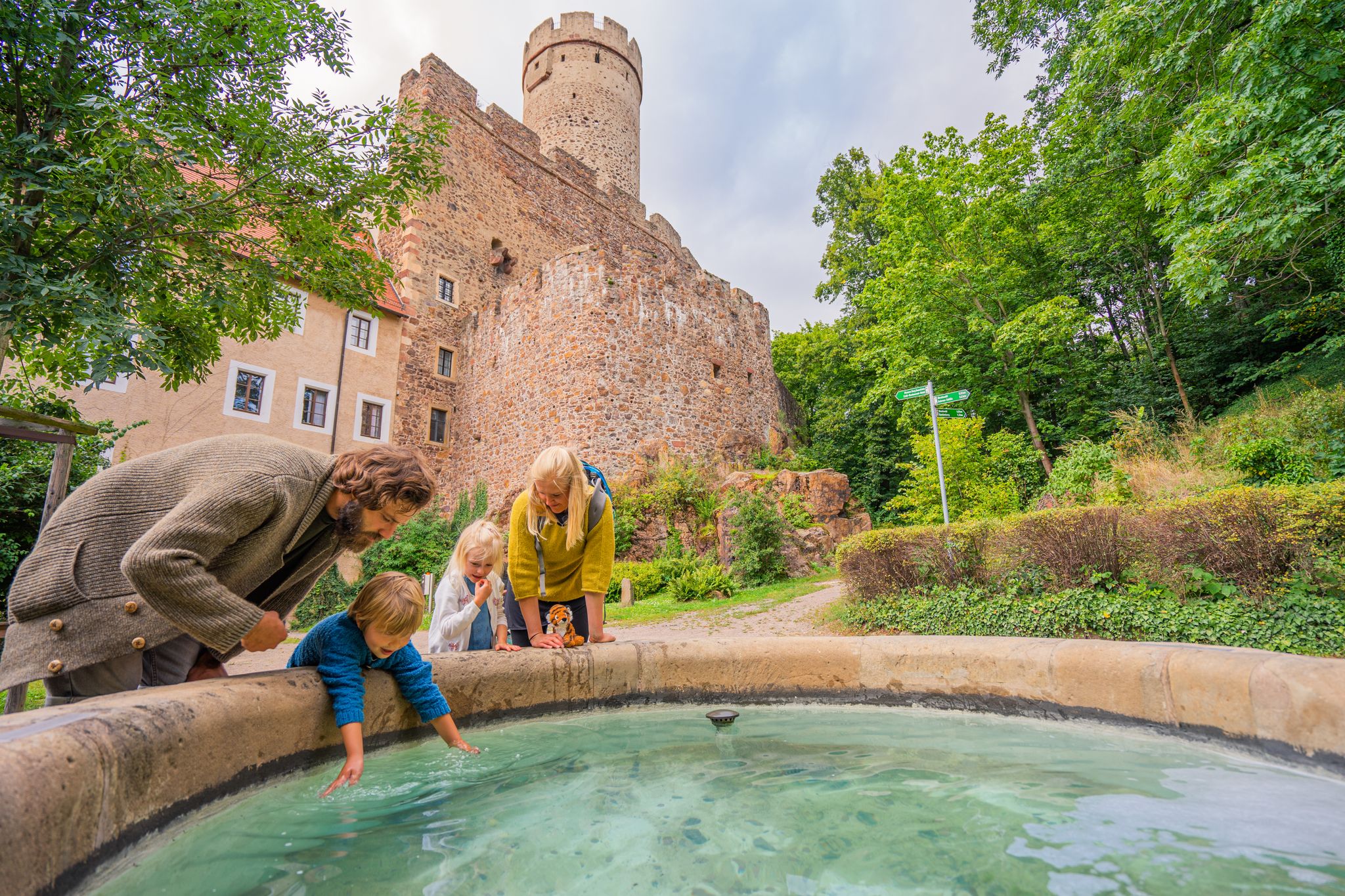
Time for little adventures – family hikes in the Leipzig region
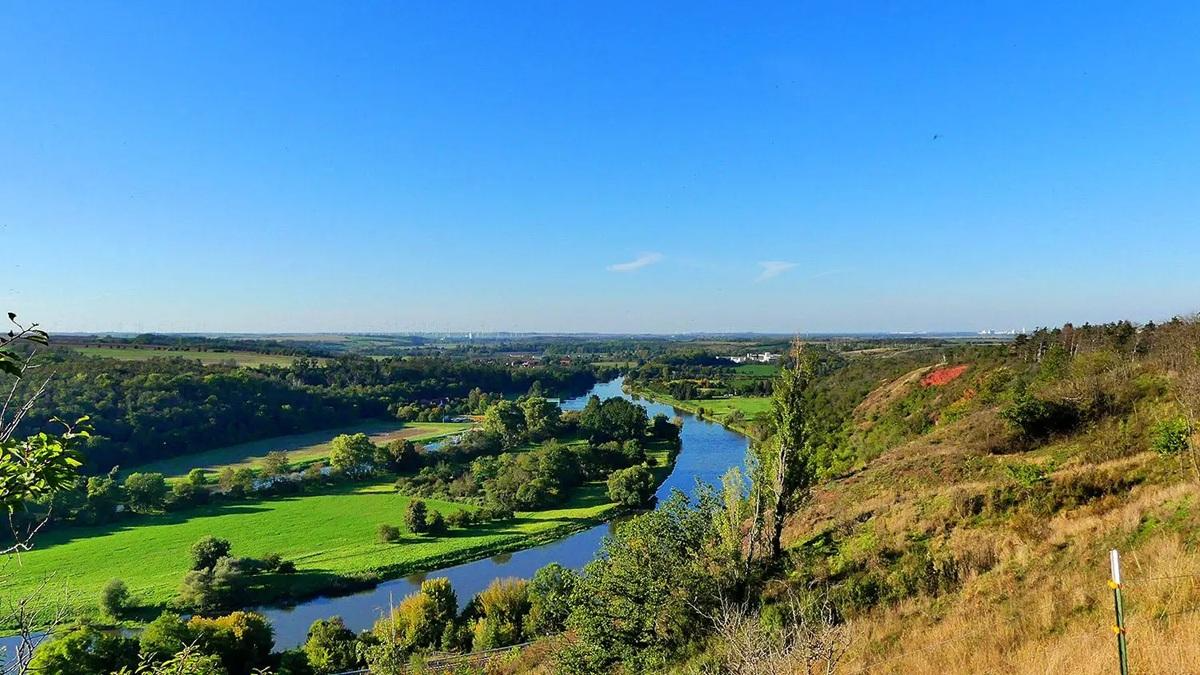
The National Natural Landscapes in Saxony-Anhalt
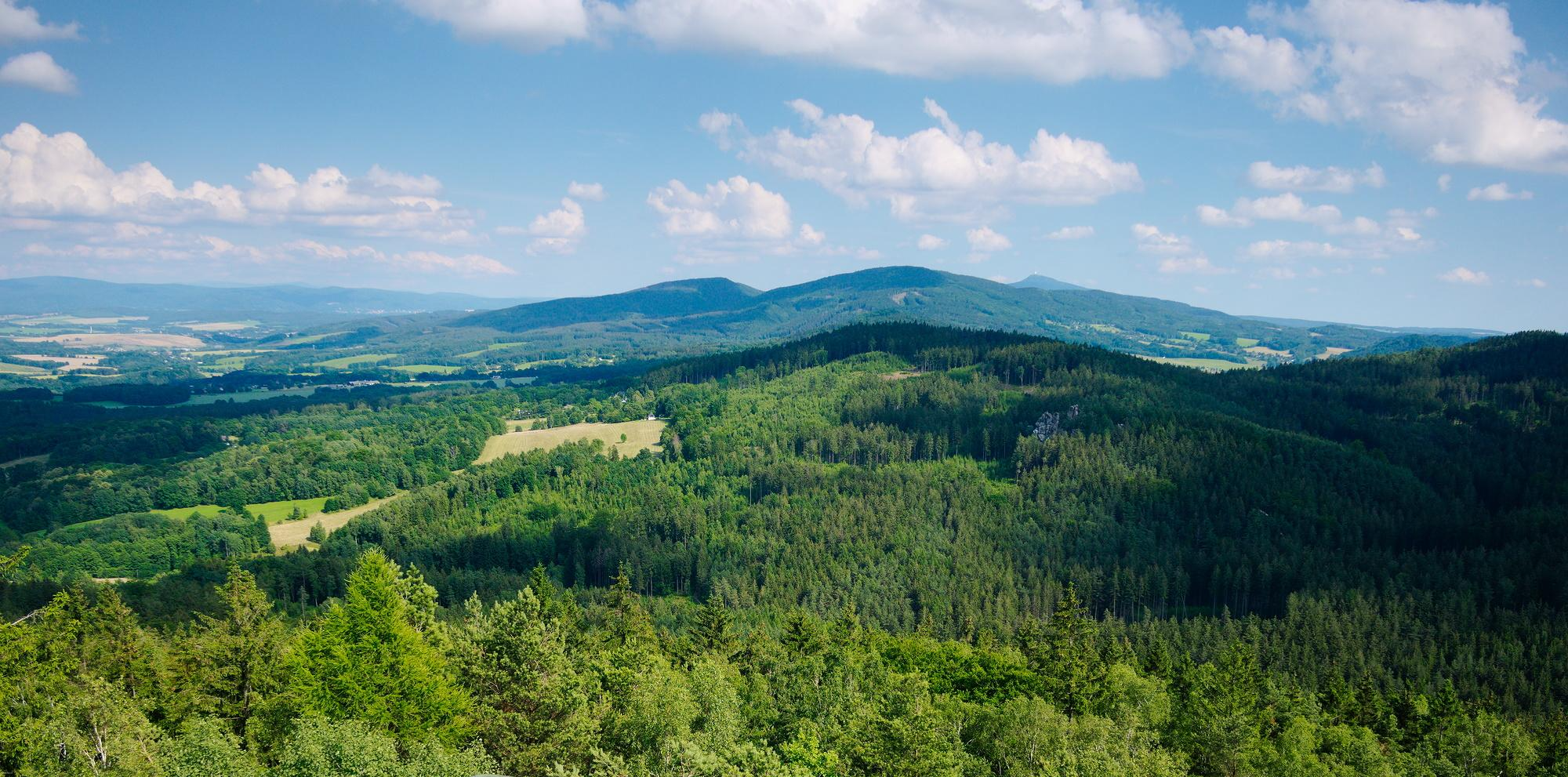
The National Natural Landscapes in Saxony
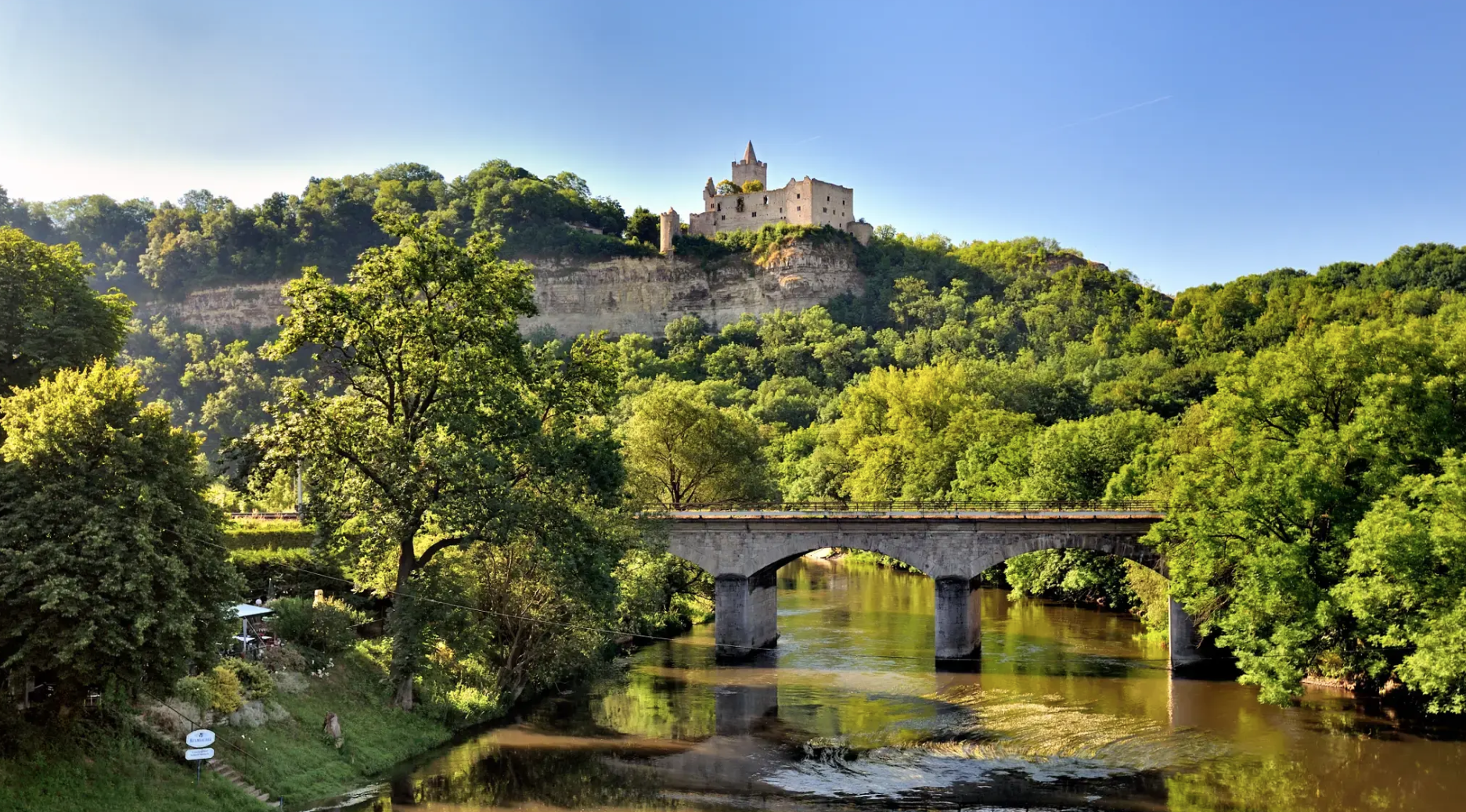
Walking and Wellness – spa towns in the Leipzig area

Pure road and gravel riding joy through Saxony
Natural wonders of Saxony – hiking with the wow factor
With the PlusBus to wonderful hikes near Leipzig
Cycling into the countryside – urban escapism around Leipzig
Hiking between big city and nature – urban escapism Leipzig
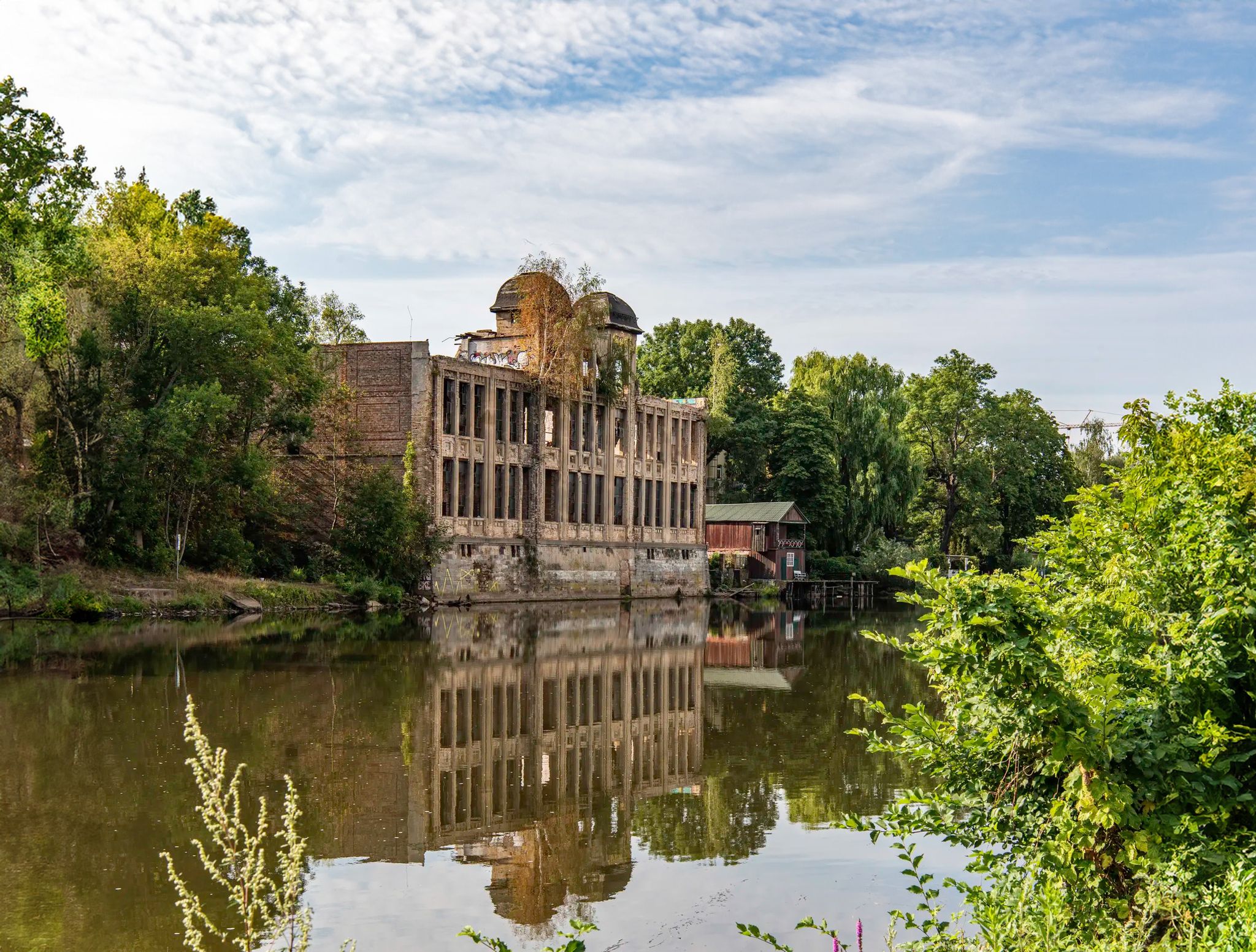
Abandoned and forgotten — mysterious lost places around Leipzig
Other adventures around Bad Düben


Tips from the Community

Today, an developed network of cycle paths and hiking trails with viewing platforms and information boards on the formation of the landscape extends along the Neuhäuser See. The 120 km long Kohle-Dampf-Licht cycle path from Lutherstadt Wittenberg to Markkleeberg passes by the lake. Source https://de.wikipedia.org/wiki/Neuh%C3%A4user_See
1
0
In the mid-19th century, the first mining activities began in the southwest of Goitzsche, near the villages of Petersroda and Holzweißig.[3] Following the lignite seam, mining progressed from west to east. Favored by the opening of the current Magdeburg–Leipzig and Trebnitz–Leipzig railway lines, the sales market for lignite expanded to Halle and Leipzig, among other places. The increased demand for electrical energy and fossil fuels in the 19th and 20th centuries led in 1908 to the opening of the Leopold open-cast mine (from 1945 to 1962 Holzweißig–Ost) and in 1958 to the creation of the Holzweißig-West open-cast mine.[3] The Neuhäuser See originated from the former Holzweißig-West lignite open-cast mine. It is named after the Neuhaus estate, which was demolished in 1976 along with the village of Paupitzsch. The Holzweißig-West open-cast mine was operated from 1958 to 1980. Other sources report usage until 1991. The lake was flooded from 1993 to 2005.[1] Overflowing water is channeled via the Goitzsche into the Mulde. Since 1997, the area has been renatured and stable embankments have been created. Source https://de.wikipedia.org/wiki/Neuh%C3%A4user_See
1
0
The Neuhäuser See is located on the northwestern border of the Free State of Saxony with Saxony-Anhalt, at an altitude of about 78 m above sea level. NN. South of the lake is Benndorf, a district of the North Saxon district town of Delitzsch, and to the north is the unified municipality of Bitterfeld-Wolfen in Saxony-Anhalt. It is located in the Central German Lake District, south of the Großer Goitzschesee and the waters Ludwigsee and Paupitzscher See. Quelle https://de.wikipedia.org/wiki/Neuh%C3%A4user_See
1
0
The Neuhäuser See (also Neuhauser See) is an opencast mine residual lake of approximately 155 hectares, which was created by flooding the former Holzweißig-West opencast mine. The lake is located in the Central German Lake District, south of the Goitzsche nature reserve and north of the town of Delitzsch. Source https://de.wikipedia.org/wiki/Neuh%C3%A4user_See
1
0
One of the Gesundbrunnen in Bad Schmiedeberg
1
0
There is much to discover
5
0

Unfortunately, the beaver observation tower is no longer there, but perhaps it will be rebuilt.
2
0
Frequently Asked Questions
What unique natural features can I explore around Bad Düben?
The region around Bad Düben is a gateway to the Dübener Heide Nature Park, offering a diverse landscape of extensive moorlands, numerous bodies of water, and Germany's largest mixed forest. You can experience these unique ecosystems firsthand, particularly in areas like the Presseler Heidewald- und Moorgebiet Nature Reserve, known for its significant moor complexes and rich biodiversity.
Are there family-friendly natural monuments to visit in Bad Düben?
Yes, several natural monuments around Bad Düben are suitable for families. For instance, the Wooden Sculpture Meadow Tornau features various wooden sculptures created with chainsaws, offering an engaging experience for all ages. The Gesundbrunnen (Iron Spring) is also family-friendly, providing a pleasant spot with a shelter.
What kind of wildlife can I observe in the natural monuments area?
The Dübener Heide Nature Park and especially the Presseler Heidewald- und Moorgebiet Nature Reserve are rich in wildlife. You might spot beavers, cranes, and deer. The reserve is a vital breeding, gathering, and resting place for cranes and hosts 168 bird species and 350 species of large butterflies. For a specific observation point, visit the Beaver Observation Tower, Dübener Heide, where you might see beavers with a bit of luck.
What are the best hiking opportunities near Bad Düben's natural monuments?
The region offers over 500 kilometers of well-signposted hiking trails. You can explore routes like the 'Gesundbrunnen (Iron Spring) – Wooden Sculpture Meadow Tornau loop' or the 'Red Cliff – Bad Düben Post Mill loop'. For more options, check out the dedicated guide for Hiking around Bad Düben.
Are there any natural springs with historical or therapeutic significance?
Bad Düben is known for its natural springs. The Gesundbrunnen (Iron Spring) is a notable natural monument with iron-rich water, historically contributing to Bad Düben's status as a spa town. Another significant spring is the Moritz Hauswald Spring, which brings highly mineralized healing water to the surface, used for drinking cures.
What is the best time of year to visit the natural monuments around Bad Düben?
The Dübener Heide Nature Park offers beauty throughout the year. Spring and summer are ideal for enjoying the vibrant rhododendron blooms in the Kurpark and observing active wildlife. Autumn provides stunning foliage in the mixed forests, while winter offers tranquil, crisp landscapes. The extensive network of trails is accessible in most seasons.
Are there accessible paths for visitors with limited mobility or wheelchairs?
Yes, some natural monuments and paths are designed to be accessible. The Moritz Hauswald Spring is wheelchair accessible. Additionally, the Moorerlebnispfad (Moor Experience Path) provides an accessible way to experience the unique moor landscapes, allowing visitors to learn about their ecology up close.
Where can I find information about the Dübener Heide Nature Park?
The Dübener Heide Nature Park is a central feature of the region. You can find comprehensive information at the Nature Park House in Bad Düben, which features a multimedia exhibition on wildlife, civic engagement, and climate change. It serves as an excellent starting point for exploring the park's 770 square kilometers.
Are there any historical sites among the natural monuments?
Yes, the Luther Stone (Dübener Heath) is a significant historical site. It's a long, flat boulder where Martin Luther is said to have rested while traveling the old trade route from Wittenberg to Leipzig. It's nestled in the beautiful surroundings of the Düben Heath and is part of the Luther Trail.
What other outdoor activities can I do near the natural monuments?
Beyond hiking, the area around Bad Düben offers various outdoor activities. You can find numerous routes for gravel biking, such as the 'Gravel tour through the Düben Heath', or explore running trails like the 'Bad Düben Post Mill – Weir on the Schleifbach loop'. For more details, refer to the guides for Gravel biking around Bad Düben and Running Trails around Bad Düben.
Can I visit the Presseler Heidewald- und Moorgebiet Nature Reserve?
Yes, the Presseler Heidewald- und Moorgebiet Nature Reserve is a particularly valuable natural monument located in the southern part of the Dübener Heide. It is recognized for its rich biodiversity and significant moor complexes. While exploring, please respect the conservation guidelines to protect its rare animal and plant species. More information about this protected area can be found on Wikipedia.
Most popular routes around Bad Düben
Most popular attractions around Bad Düben

Get inspired with the komoot mobile app


Explore more
Extend your search for the best caves by checking out these guides of the top ones around Bad Düben:
