Top 20 Natural Monuments around Biberbach
Best natural monuments around Biberbach are found within a landscape characterized by the Naturpark Augsburg - Westliche Wälder and significant river environments. This region in Bavaria, Germany, offers diverse natural features including extensive forests, gentle hills, and various water bodies. The area provides opportunities for outdoor recreation and exploration of its varied topography.
Best natural monuments around Biberbach
- The most popular natural monuments is Ice Pond, a lake known for its historical use in providing ice to local beer…
Last updated: June 24, 2026
Eglesee
Highlight • Lake
Translated by Google •
Tip by

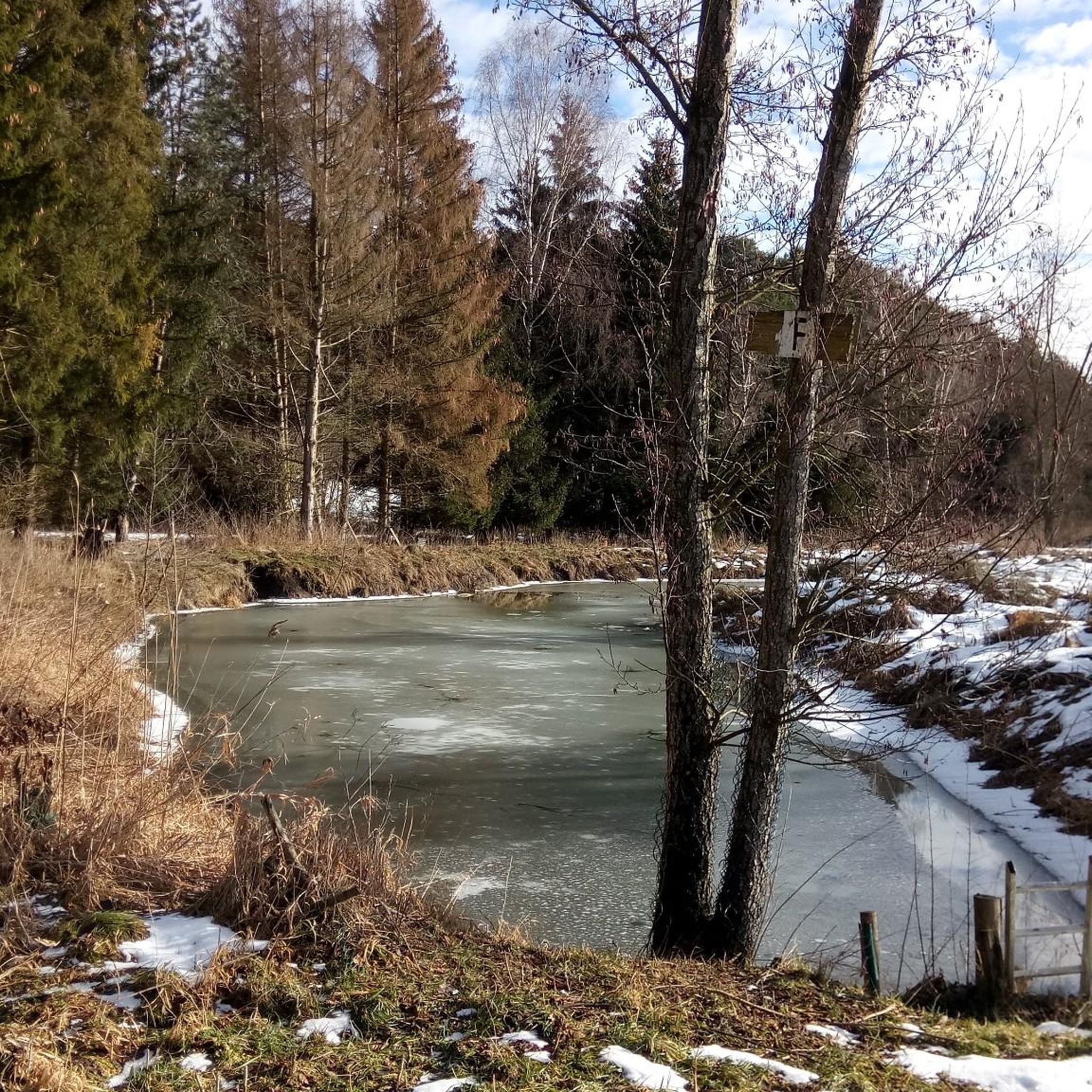
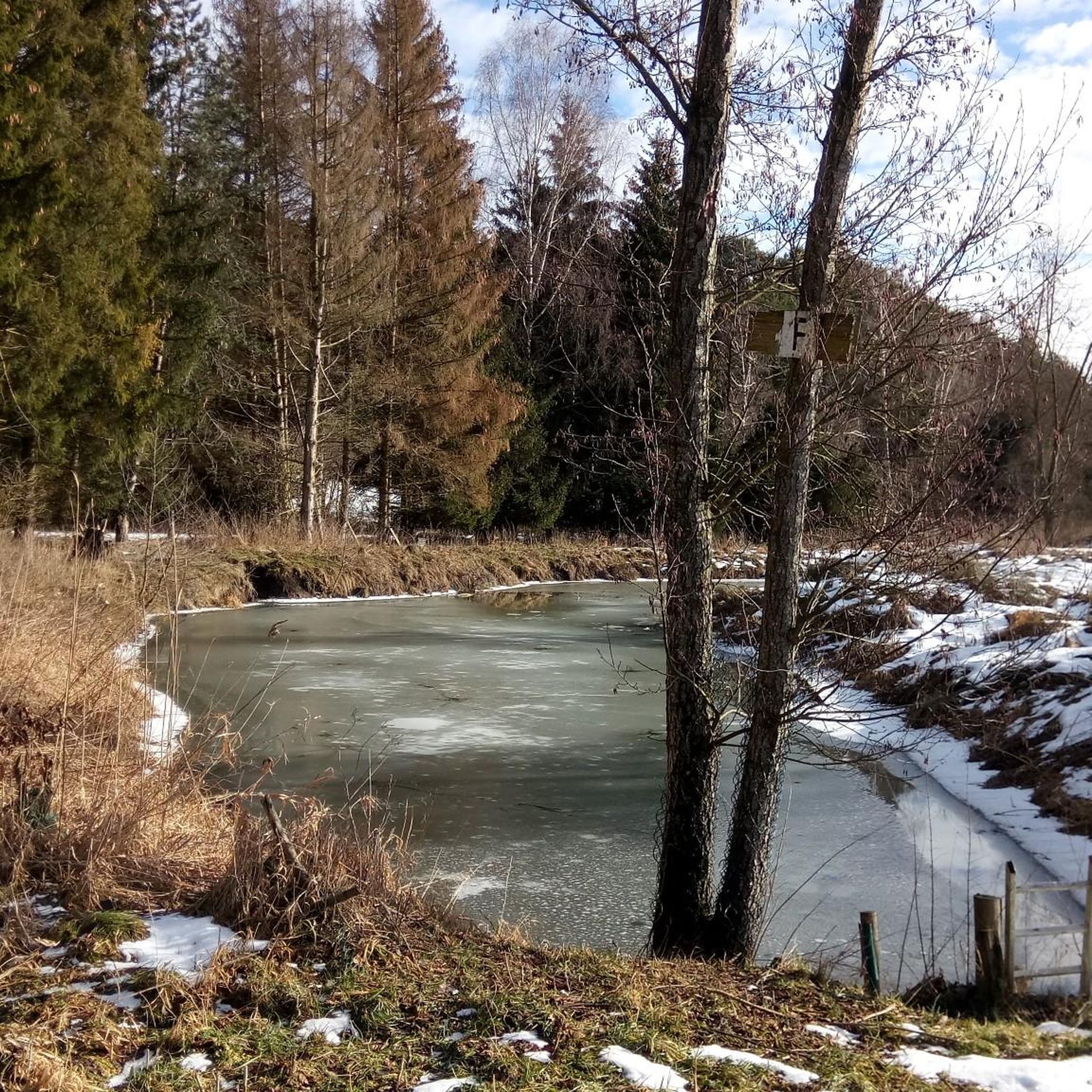
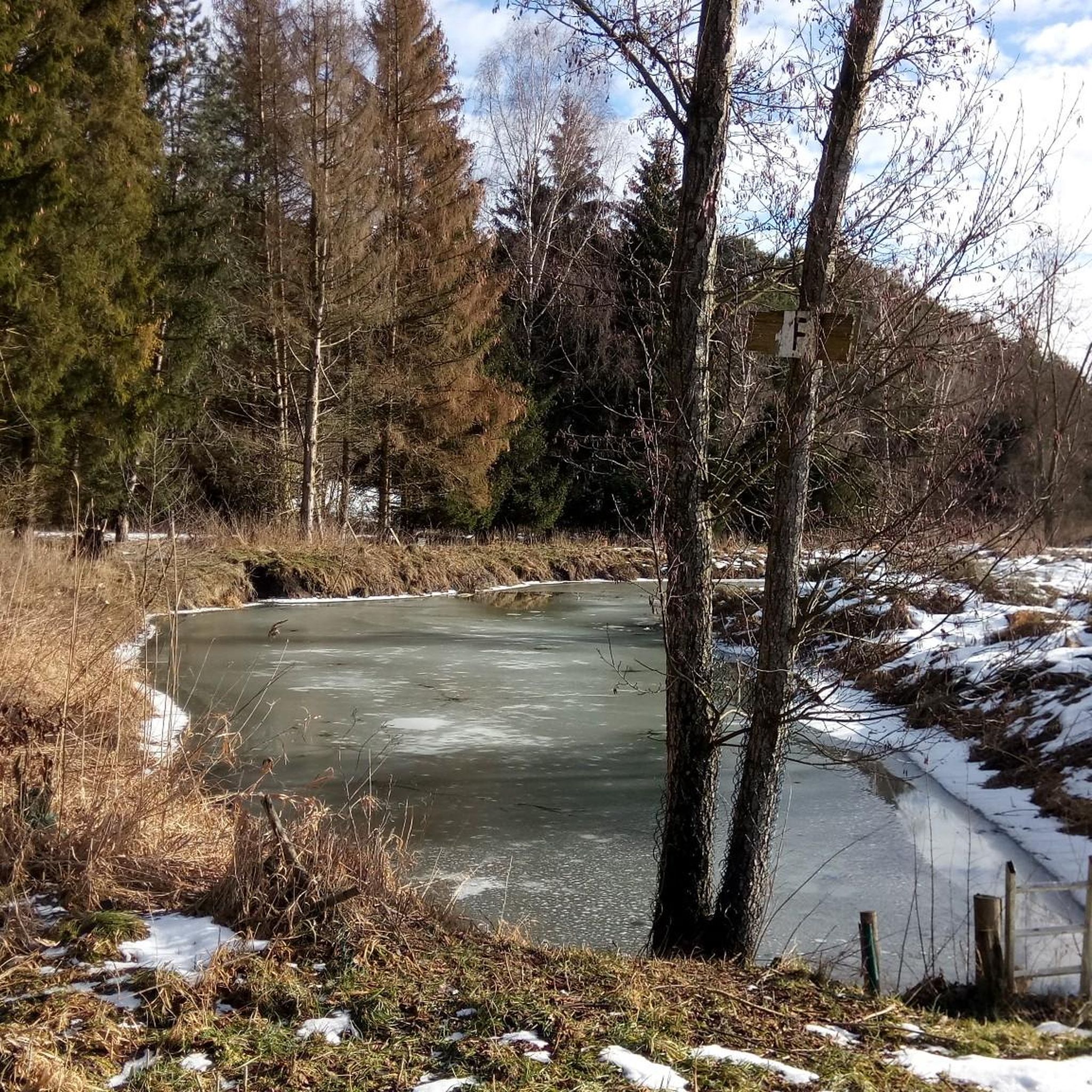
Ice Pond
Highlight • Lake
The ice pond got its name because …
Translated by Google •
Tip by

Sign up now to discover places like this
Get recommendations on the best single tracks, peaks, & plenty of other exciting outdoor places.
Sign up for free
LandArt Trail Bonstetten
Highlight (Segment) • Trail
Translated by Google •
Tip by

Chardonnaybach
Highlight • River
Translated by Google •
Tip by

Snow castle rampart
Highlight (Segment) • Historical Site
Translated by Google •
Tip by

Sign up for free to discover even more natural monuments around Biberbach.
Sign up for free
Already have an account?
Start today with a free account
Your next adventure awaits.
Login or Signup

Other adventures around Biberbach

Tips from the Community

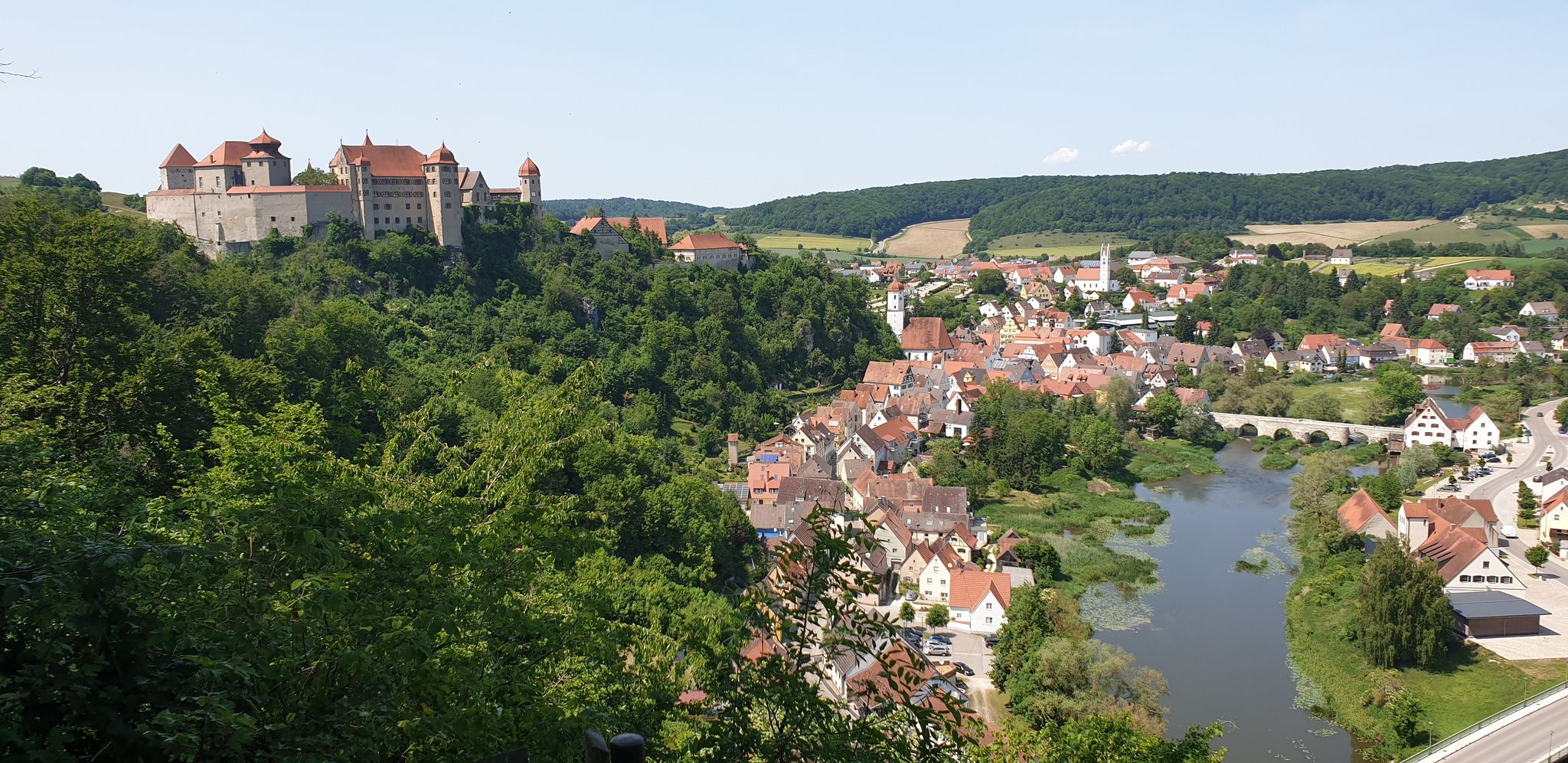
The Schneeburg near Welden (District of Augsburg, Bavaria) is an early medieval ring rampart that served as a refuge castle in the 9th to 10th centuries to defend against Hungarian invasions. The site is located about 1.5 km south of Welden on a spur above the Laugnatal valley. It was an important defensive structure that functioned as a protective castle for the population and a troop assembly point. The fortification consisted of wood-earth constructions and ramparts, with the eastern side showing typical steps for defense against Magyar horsemen. Today, the earthworks and ditches are preserved as an archaeological monument, with the Ludwig-Ganghofer-Rundwanderweg circular hiking trail leading through the area.
0
0

The ringfort of Schneeburg is not the remains of a castle, but rather an archaeological monument that only reveals itself upon closer inspection. There were never any towers or stone walls here – the fortification consisted of earthworks, wooden palisades, and timber structures. Today, primarily ditches, ramparts, and the shape of the site are visible in the landscape. Historians assume that the oldest traces of Schneeburg date back to the Bronze Age. In the Middle Ages, it offered the local population protection from Hungarian invasions.
1
0

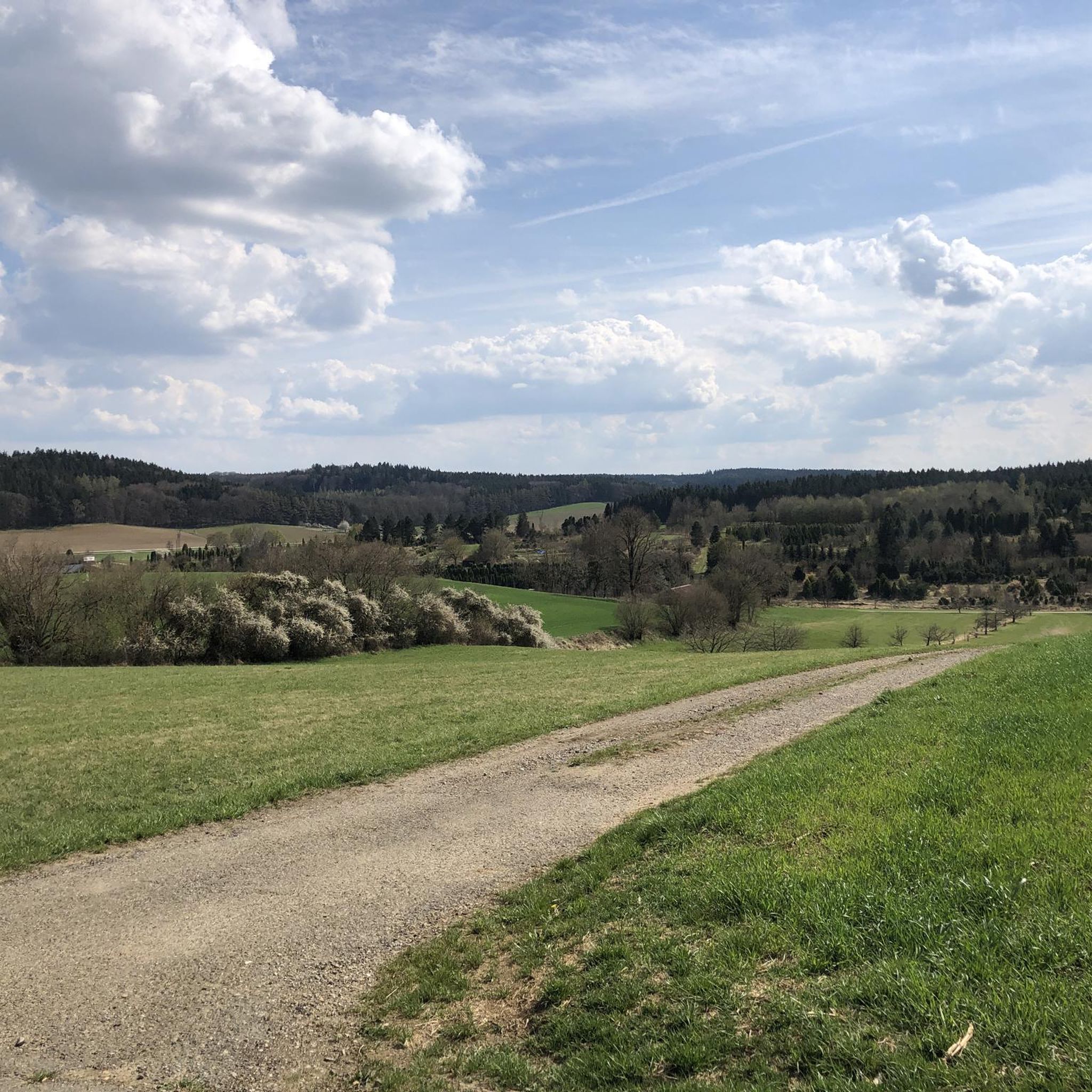
LandArt: Nature as an art space LandArt uses natural materials from the environment that are left to the forces of nature and transience. In this way, works of art merge with their surroundings, become part of nature and ultimately return to it. The internationally active artist Hama Lohrmann created nine works of art in the Augsburg - Western Forests Nature Park, near 86456 Bonstetten. These works are connected via the LandArt Bonstetten Art Trail, a 6 km long circular tour through hilly terrain. The trail begins and ends in the town of Bonstetten. LandArt Bonstetten Art Trail https://www.augsburg-tourismus.de/de/landart/landart-kunstpfad-bonstetten There is an audio tour of the LandArt Bonstetten Art Trail in a free app called "Bayerisch-Schwaben-Lauschtour". The route and objects are discussed there. Information about the app and various listening tours; Link: https://www.bayerisch-schwaben.de/region-highlights/lauschtouren Sustainable excursion: On the LandArt art trail in Bonstetten https://lifeguide-augsburg.de/de/magazin/nachhaltiger-ausflug-dem-landart-kunstpfad-bonstetten
0
0

The Chardonnaybach is an artificially created stream in the "Lechauen Nord" landscape conservation area near Gersthofen, north of Augsburg. It was created in 1996 to re-irrigate the Lech floodplains east of the Lech and thus revitalize valuable wetland habitats. Origin and course: As there was no natural water available on the east side of the Lech, a pipeline (culvert) was laid under the Lech to take water from the Lech side canal to the west. The water pressure now allows one cubic meter of water per second to reach the east bank. There it emerges in an artificial spring and initially feeds the newly created Chardonnaybach, which flows into the Branntweinbach after 850 meters. Ecological significance: The re-irrigation allowed wetland habitats to develop again in the previously dried-up Lech floodplains. The presence of the beaver in particular has contributed to the return of amphibians, dragonflies, reptiles and typical marsh plants. However, the activities of the beaver also mean that pedestrian paths are permanently flooded and the water no longer follows the planned course. Nature conservation is currently trying to specifically direct the activities of the beaver so that the water flows through again. Leisure and recreation: The Chardonnaybach and its surroundings are popular destinations for hikers and nature lovers. A nature trail, known as the “Jungle Trail in the Lechauen Nord”, leads through parts of the biotope and offers informative panels on the flora and fauna of the region. Guided tours are offered by the Augsburg Environmental Station. Getting there: The source of the Chardonnaybach is located east of the Lech near the Gersthofen tennis club. The stream runs directly under the high-voltage power line in the “Lechauen Nord” landscape conservation area. The Chardonnaybach is a successful example of renaturation measures that bring both ecological benefits and create recreational opportunities for the population.
1
0


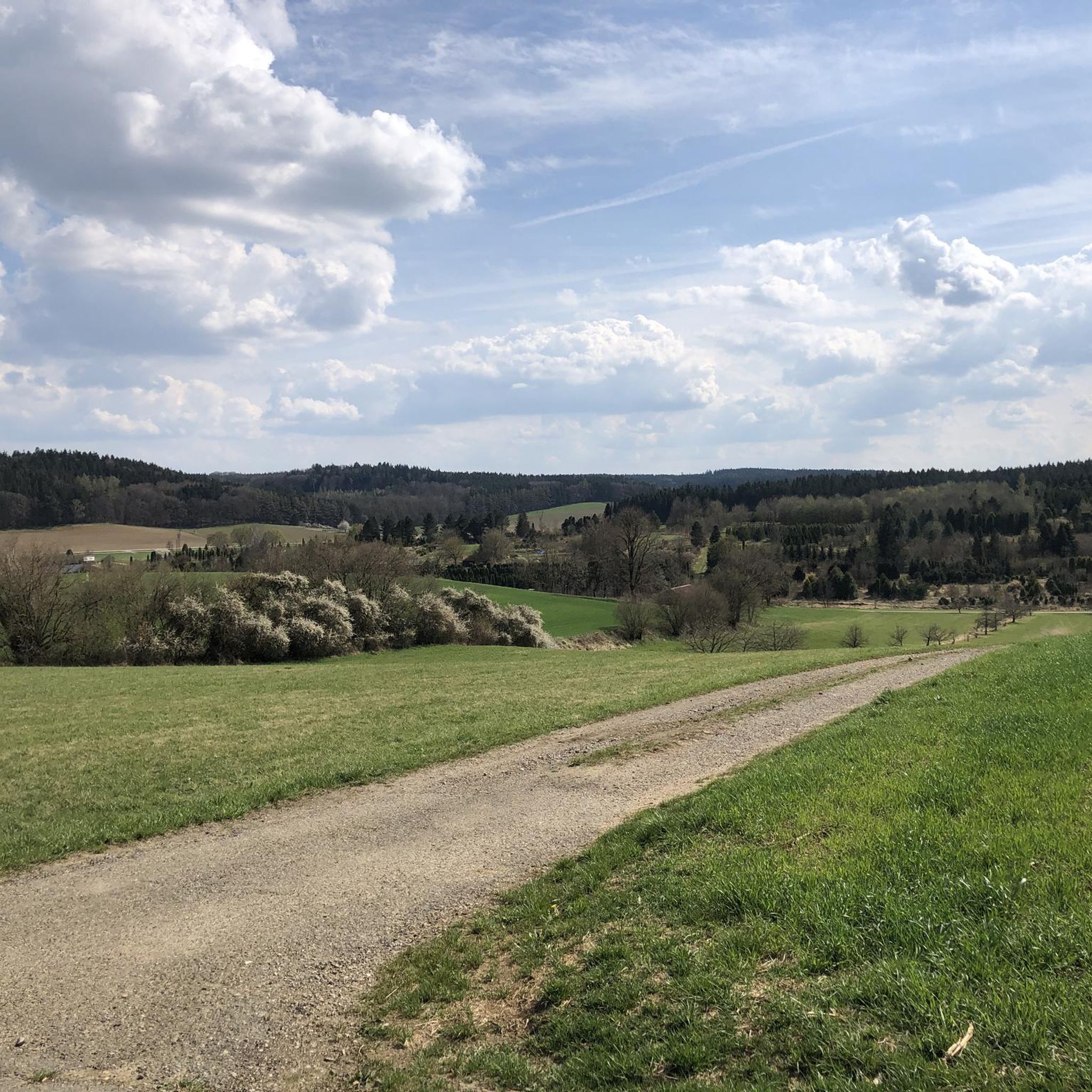
A beautiful landscape and now and then a nature-related art object.
0
0

Frequently Asked Questions
What are some unique natural features to explore around Biberbach?
The Biberbach area is rich in diverse natural features. You can explore tranquil water bodies like the Ice Pond, known for its historical role in providing ice to local beer cellars, or the peaceful Eglesee, nestled within a forest. Additionally, the LandArt Trail Bonstetten offers a unique experience with nature-related art installations along a scenic path.
Are there any notable viewpoints to experience the natural beauty of the Biberbach area?
Yes, for panoramic views, the Augsburg Müllberg Recreation Area offers a wonderful perspective of Augsburg and its surroundings, including the Lech plain and distant mountains on clear days. Many of the lakes and trails also provide scenic spots to pause and enjoy the landscape.
What kind of natural landscapes can I expect to see in the Naturpark Augsburg - Westliche Wälder?
The Naturpark Augsburg - Westliche Wälder, which encompasses the Biberbach area, is characterized by extensive forests, gentle hills, and valleys carved by streams. It's a vast protected landscape with a low population density, offering tranquil escapes amidst diverse ecosystems, small lakes, and numerous rivers like the Schmutter and Lech.
What role do the Schmutter and Lech rivers play in the natural landscape of Biberbach?
The Schmutter and Lech rivers significantly shape the natural charm of the Biberbach region. The Schmutter offers picturesque scenery, particularly along the Weldenbahn Cycle Path, with easy walking trails. The Lech is known for its dynamic riverbed and turquoise-shimmering water, providing a unique and ever-changing natural feature, often accompanied by pleasant cycle paths.
Are there family-friendly natural monuments or trails suitable for children around Biberbach?
Absolutely. Many natural monuments in the area are suitable for families. The Ice Pond and Eglesee are peaceful spots for breaks. The LandArt Trail Bonstetten is also family-friendly, offering an engaging experience with nature-related art. The Augsburg Müllberg Recreation Area is another great option for families to enjoy views.
Can I bring my dog to the natural monuments and trails in the Biberbach area?
Yes, many natural areas around Biberbach are dog-friendly. For example, the Eglesee is noted as perfect for traveling with a dog, offering a peaceful setting where dogs can even bathe. Always ensure dogs are kept on a leash where required and respect local regulations.
What is the best time of year to visit the natural monuments around Biberbach?
The natural monuments around Biberbach are enjoyable throughout the year. Spring and summer offer lush greenery and pleasant temperatures for hiking and cycling. Autumn brings beautiful fall foliage, while winter can transform the landscape into a serene, quiet wonderland, though some areas like the Augsburg Müllberg Recreation Area may have restricted access due to ice risk.
Are there any natural monuments with historical significance in the Biberbach region?
While not ancient ruins, some natural features have historical connections. The Ice Pond, for instance, gained its name from its historical use in supplying ice to local beer cellars. The region's varied topography itself is a result of geological processes spanning millions of years, offering a natural history to observe.
What kind of geological features can be observed in the natural monuments around Biberbach?
The Biberbach region, part of the Naturpark Augsburg - Westliche Wälder, showcases diverse geological features shaped by glacial and interglacial periods over the past two million years. This has resulted in varied topography including wooded hills, valleys carved by streams, and the dynamic riverbeds of the Lech, which constantly change due to natural processes and mineral content.
What outdoor activities are available near the natural monuments around Biberbach?
The area around Biberbach offers a wide range of outdoor activities. You can find numerous options for hiking, including easy loops along the Schmutter River. There are also extensive road cycling routes like the Weldenbahn Cycle Path, and mountain biking trails that pass by highlights such as the Eglesee.
Are there specific hiking trails recommended near these natural monuments?
Yes, for hiking, you can explore trails like the 'Schmutter River – Schmutter River Near Achsheim loop from Biberbach' which is an easy 7.4 km route. The 'Benlisberg loop from Biberbach' offers a moderate 7.6 km hike. For more options, refer to the hiking guide for Biberbach.
Are there cycling routes that pass by or through the natural monuments in Biberbach?
Definitely. The region is well-suited for cycling. The Weldenbahn Cycle Path is a popular choice, and a shady, pleasant cycle path runs along the Lech River. You can find various road cycling routes and MTB trails that allow you to experience the natural monuments and river landscapes.
What do visitors particularly enjoy about the natural monuments around Biberbach?
Visitors appreciate the tranquility and natural beauty of the area. Many enjoy the peaceful setting of lakes like Eglesee and the Ice Pond, perfect for breaks during tours. The panoramic views from spots like the Augsburg Müllberg Recreation Area are also highly rated, as are the unique art installations along the LandArt Trail Bonstetten.
Are there any hidden natural gems or lesser-known spots worth discovering near Biberbach?
Beyond the well-known highlights, the broader Naturpark Augsburg - Westliche Wälder offers many quiet and expansive areas, especially in its western parts, perfect for discovering your own hidden gems. The Schmutter River environment, with its easy walking trails, also holds many picturesque, less-traveled spots.
How accessible are the natural monuments around Biberbach by public transport or car?
The Biberbach area is generally accessible, though specific natural monuments may vary. Many trails and natural areas have parking available. For public transport, it's advisable to check local bus schedules to specific trailheads or villages within the Naturpark Augsburg - Westliche Wälder. The region is well-connected by roads for car access.
Most popular routes around Biberbach
Most popular attractions around Biberbach

Get inspired with the komoot mobile app


Explore more
Extend your search for the best caves by checking out these guides of the top ones around Biberbach:
