Top 20 Natural Monuments around Meitingen
Best natural monuments around Meitingen encompass a variety of natural landscapes and protected areas. The region offers access to extensive nature parks, such as Naturpark Westliche Wälder, and the ecologically significant Augsburg City Forest, which is part of the European Natura 2000 network. These areas feature diverse ecosystems, including forests, heathlands, and creeks, providing opportunities for nature observation and recreation. Meitingen itself provides local green spaces and serves as a gateway to these broader natural attractions.
Best natural monuments around…
Last updated: October 11, 2026
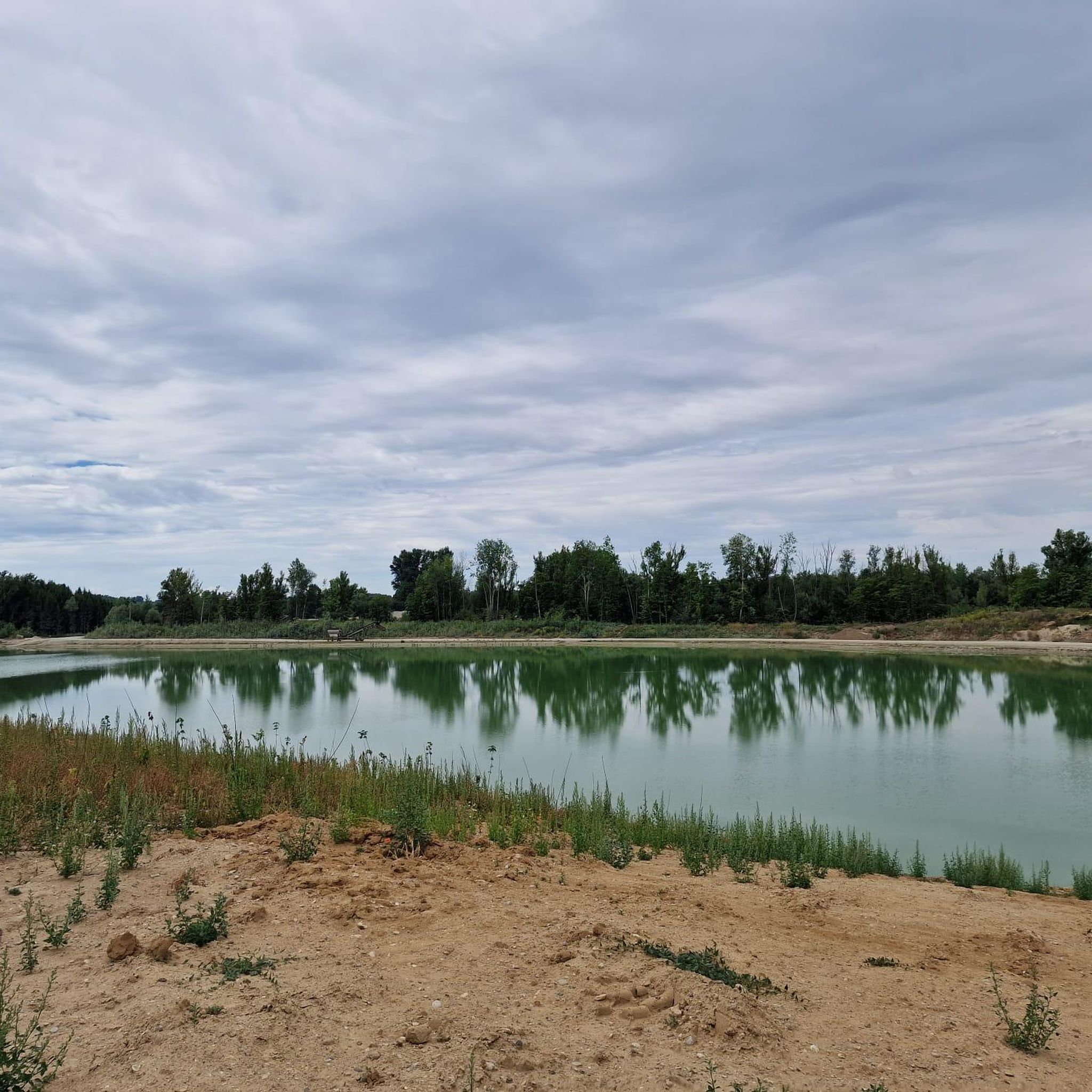
Eglesee
Highlight • Lake
Translated by Google •
Tip by

Augsburg Müllberg Recreation Area
Highlight • Viewpoint
Translated by Google •
Tip by

Sign up now to discover places like this
Get recommendations on the best single tracks, peaks, & plenty of other exciting outdoor places.
Ice Pond
Highlight • Lake
The ice pond got its name because …
Translated by Google •
Tip by

Monte Scherbelino (Augsburg Rubbish Hill)
Highlight • Viewpoint
November to March 8 a.m. to 4 p.m.
April to October 8 a.m. to 6 p.m.
Translated by Google •
Tip by
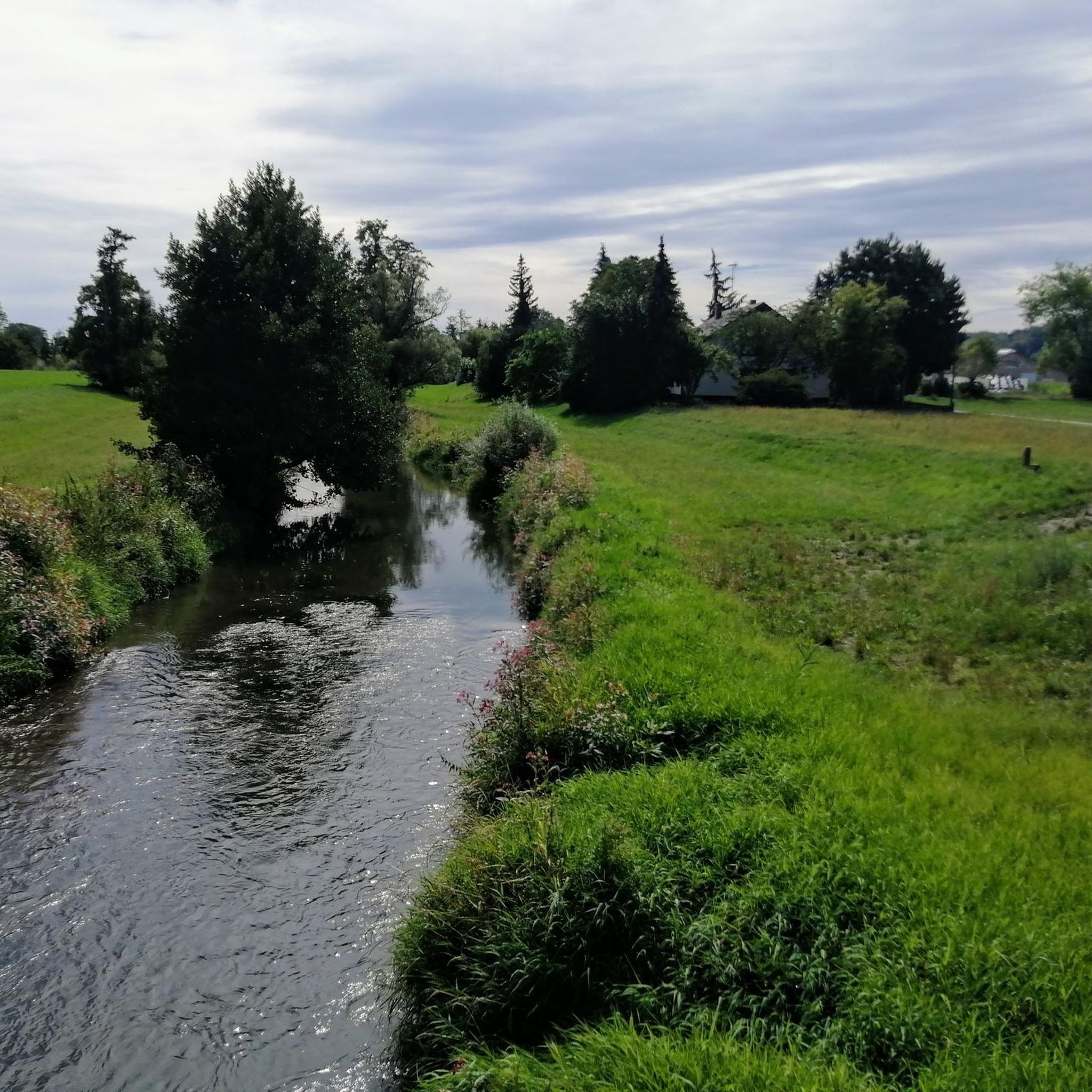
Chardonnaybach
Highlight • River
Translated by Google •
Tip by
Sign up for free to discover even more natural monuments around Meitingen.
Already have an account?
Start today with a free account
Your next adventure awaits.

Tips from the Community

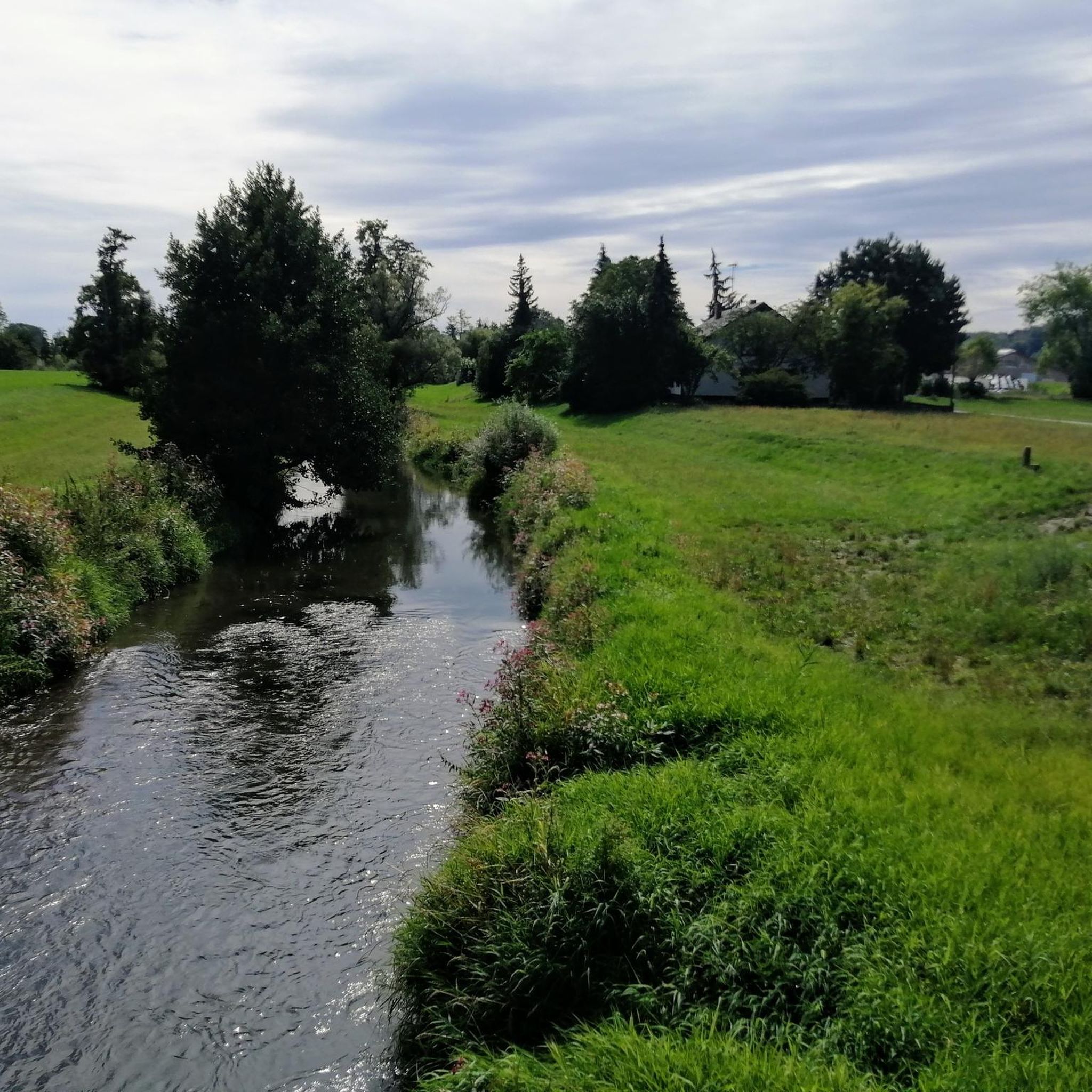
The Chardonnaybach is an artificially created stream in the "Lechauen Nord" landscape conservation area near Gersthofen, north of Augsburg. It was created in 1996 to re-irrigate the Lech floodplains east of the Lech and thus revitalize valuable wetland habitats. Origin and course: As there was no natural water available on the east side of the Lech, a pipeline (culvert) was laid under the Lech to take water from the Lech side canal to the west. The water pressure now allows one cubic meter of water per second to reach the east bank. There it emerges in an artificial spring and initially feeds the newly created Chardonnaybach, which flows into the Branntweinbach after 850 meters. Ecological significance: The re-irrigation allowed wetland habitats to develop again in the previously dried-up Lech floodplains. The presence of the beaver in particular has contributed to the return of amphibians, dragonflies, reptiles and typical marsh plants. However, the activities of the beaver also mean that pedestrian paths are permanently flooded and the water no longer follows the planned course. Nature conservation is currently trying to specifically direct the activities of the beaver so that the water flows through again. Leisure and recreation: The Chardonnaybach and its surroundings are popular destinations for hikers and nature lovers. A nature trail, known as the “Jungle Trail in the Lechauen Nord”, leads through parts of the biotope and offers informative panels on the flora and fauna of the region. Guided tours are offered by the Augsburg Environmental Station. Getting there: The source of the Chardonnaybach is located east of the Lech near the Gersthofen tennis club. The stream runs directly under the high-voltage power line in the “Lechauen Nord” landscape conservation area. The Chardonnaybach is a successful example of renaturation measures that bring both ecological benefits and create recreational opportunities for the population.
1
0


There it lies... still as a grave, gigantic as a mountain and deep as the ocean... the Eglesee🤭😂
1
1


Frequently Asked Questions
What kind of natural features can I expect to find around Meitingen?
The region around Meitingen offers a variety of natural features, including tranquil lakes like Ice Pond and Eglesee, as well as the unique created river Chardonnaybach. You'll also find extensive forests, such as those within the Naturpark Westliche Wälder and the ecologically significant Augsburg City Forest, which features diverse ecosystems, heathlands, and creeks.
Are there any significant protected natural areas near Meitingen?
Yes, the area is home to important protected natural areas. The Naturpark Westliche Wälder, located near Kühlenthal, offers extensive natural landscapes dedicated to preserving local flora and fauna. Additionally, the vast Augsburg City Forest, stretching along the Lech river, is part of the European Natura 2000 network, safeguarding numerous rare species and habitats.
Are there family-friendly natural monuments around Meitingen?
Many natural spots around Meitingen are suitable for families. The Ice Pond and Eglesee are peaceful lakes perfect for a quiet outing. The Chardonnaybach, a created river in a nature reserve, offers an interesting walk. For panoramic views and recreational space, the Augsburg Müllberg Recreation Area (also known as Monte Scherbelino) is a great option for all ages.
What outdoor activities can I do near these natural monuments?
The region offers diverse outdoor activities. You can explore numerous hiking trails, with options ranging from easy to moderate, such as those found in the Hiking around Meitingen guide. For cyclists, there are gravel biking routes like those in the Gravel biking around Meitingen guide, and dedicated MTB trails around Meitingen, often passing through forests and along rivers.
Are there hiking trails near these natural monuments?
Yes, there are several hiking trails available. You can find a variety of routes, including easy loops like 'Lech River – Bicycle Repair Station loop from Meitingen' (6.9 km) and moderate options such as 'Between the Lech and the Lech Canal loop from Meitingen' (11.9 km). For more details and additional routes, refer to the Hiking around Meitingen guide.
What do visitors enjoy most about the natural monuments around Meitingen?
Visitors particularly appreciate the tranquility and natural beauty. For instance, Eglesee is praised for its peaceful forest setting, ideal for those seeking quiet. The Ice Pond offers a quiet spot for rest and reflection, with a deep-seated bench. The Augsburg Müllberg Recreation Area is loved for its wonderful panoramic views of Augsburg and the surrounding landscape.
Are there any viewpoints to enjoy scenic vistas?
Yes, the Augsburg Müllberg Recreation Area, also known as Monte Scherbelino, offers a fantastic panoramic view. Rising 55 meters from the Lech plain, it provides extensive vistas of Augsburg, its airport, the course of the Lech river, and even the distant mountains on clear days.
Are dogs allowed at the natural monuments?
Yes, some natural monuments are dog-friendly. For example, Eglesee is noted as perfect for traveling with a dog, where they can bathe and enjoy the peace. However, it's always advisable to check specific local regulations, as some areas, like the Ice Pond, have had reports of restrictions for dogs by local fishermen.
What is the best time to visit the viewpoints like Augsburg Müllberg Recreation Area?
The Augsburg Müllberg Recreation Area has specific opening hours. From November to March, it's open from 8:00 a.m. to 4:00 p.m., and from April to October, it's open from 8:00 a.m. to 6:00 p.m. It's important to note that the area is closed over winter due to the risk of ice, so the warmer months generally offer the best and safest visiting conditions.
Are there any natural monuments with historical significance?
Yes, the Ice Pond holds historical significance. It earned its name because it traditionally supplied ice to local beer cellars until late in the spring. This small pond offers a quiet spot for rest and reflection, connecting visitors to a piece of local history.
Can I find picnic areas near the natural monuments?
While specific designated picnic areas are not explicitly mentioned for every natural monument, many of the green spaces and natural parks around Meitingen, such as the local parks within Meitingen itself or the broader Naturpark Westliche Wälder, offer suitable spots for a picnic. The Ice Pond, for example, has a resting bench that invites visitors to linger and reflect, which could be a good spot for a small break.
What is the Chardonnaybach and why is it significant?
The Chardonnaybach is a unique created river, approximately 8 km long, that flows through the 'Lechauen Nord' nature reserve. It was established in 1996 to enhance the local ecosystem. Water is sourced from the Lech canal and fed into this stream, contributing to the biodiversity of the area and offering a distinct natural feature to explore within the reserve.
Most popular routes around Meitingen
Most popular attractions around Meitingen

Get inspired with the komoot mobile app


Explore more
Extend your search for the best caves by checking out these guides of the top ones around Meitingen:
