Top 20 Natural Monuments around Wiedemar
Best natural monuments around Wiedemar are found in the Nordsachsen district of Germany, characterized by landscapes transformed from former mining areas. These sites now offer significant ecological value and recreational opportunities. Key features include large lakes and reclaimed natural habitats, providing diverse environments for outdoor activities. The region showcases successful landscape reclamation, blending industrial history with natural beauty.
Best natural monuments around Wiedemar
- The most popular natural monuments is Rassnitzer Lake, a lake that originated from a residual open-pit…
Last updated: June 24, 2026
Lake Auensee
Highlight • Lake
Translated by Google •
Tip by

Werbeliner See cycle path
Highlight • Cycleway
Translated by Google •
Tip by

Sign up now to discover places like this
Get recommendations on the best single tracks, peaks, & plenty of other exciting outdoor places.
Sign up for free
Rassnitzer Lake
Highlight • Lake
Translated by Google •
Tip by

Lützschena Palace Park
Highlight • Natural Monument
Translated by Google •
Tip by

Lake Neuhauser
Highlight • Lake
Translated by Google •
Tip by

Sign up for free to discover even more natural monuments around Wiedemar.
Sign up for free
Already have an account?
Start today with a free account
Your next adventure awaits.
Login or Signup
Popular around Wiedemar

Tips from the Community

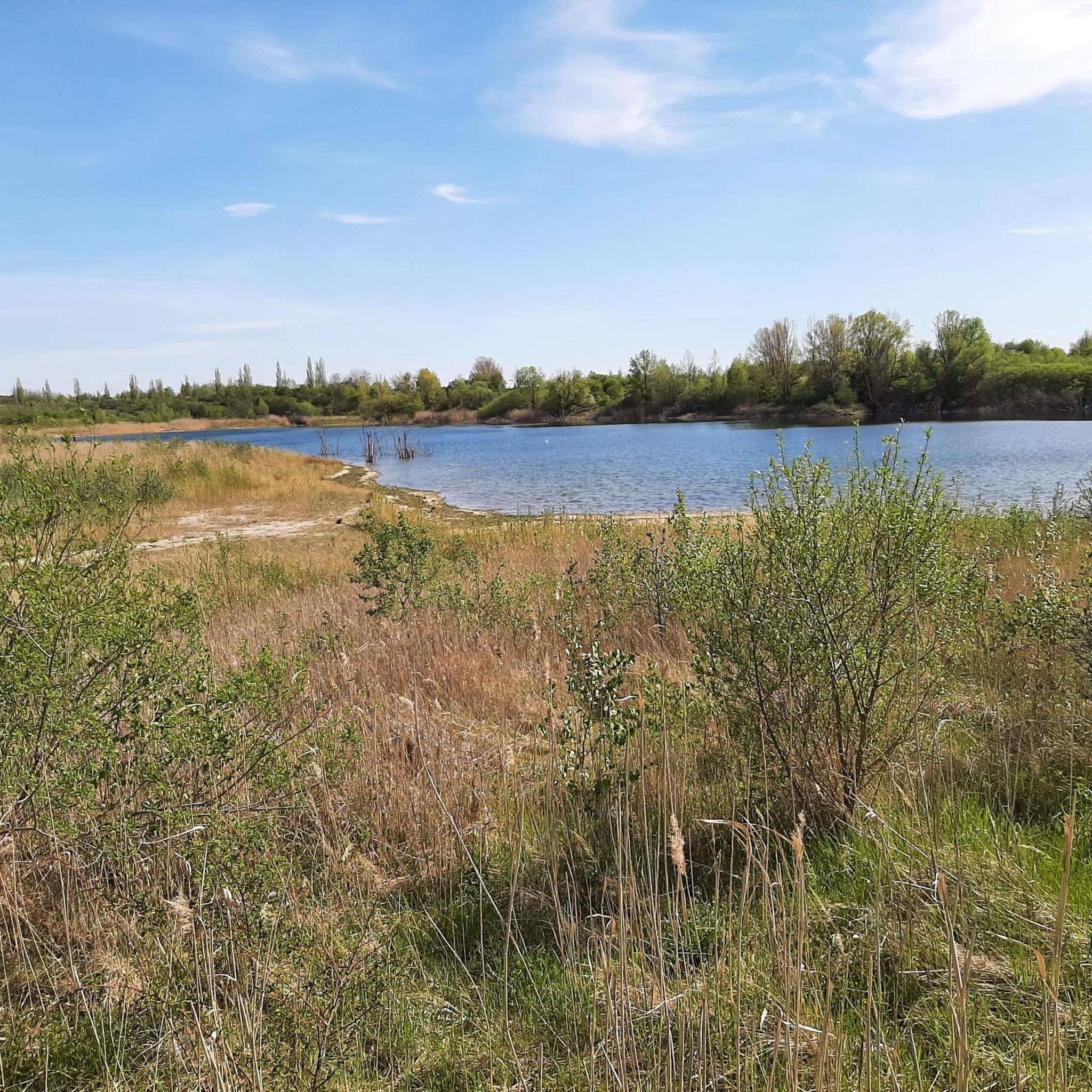
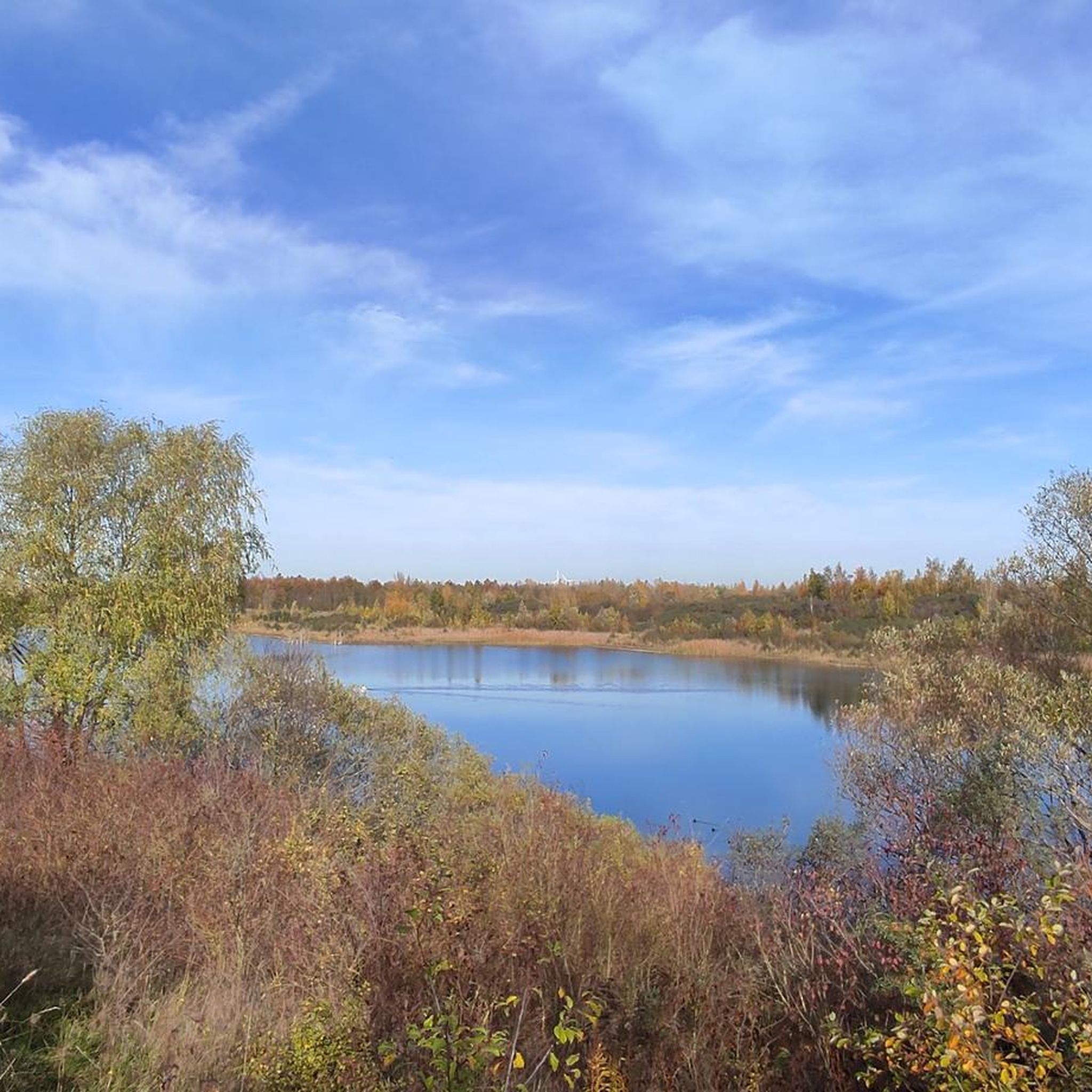
Today, an developed network of cycle paths and hiking trails with viewing platforms and information boards on the formation of the landscape extends along the Neuhäuser See. The 120 km long Kohle-Dampf-Licht cycle path from Lutherstadt Wittenberg to Markkleeberg passes by the lake. Source https://de.wikipedia.org/wiki/Neuh%C3%A4user_See
1
0
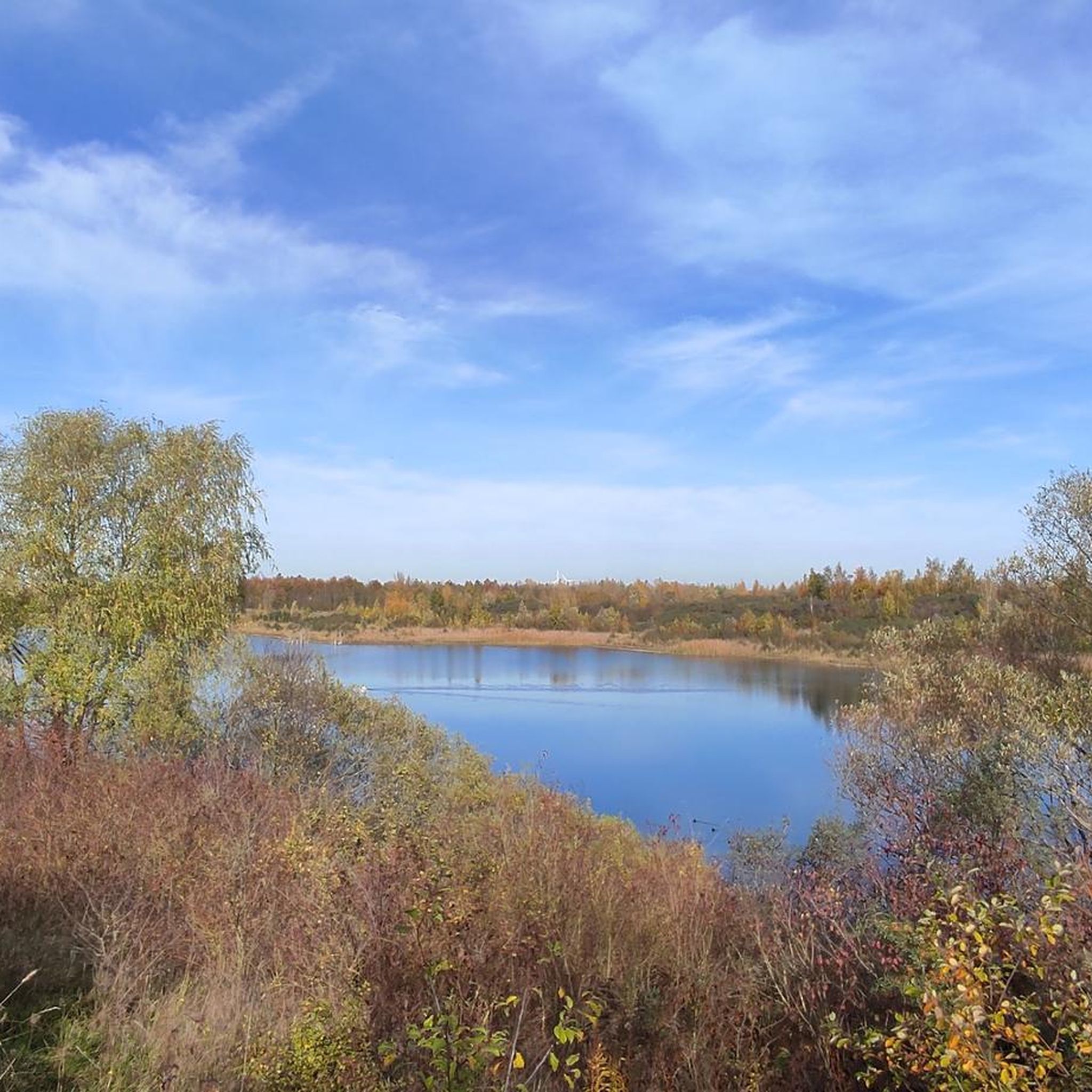
In the mid-19th century, the first mining activities began in the southwest of Goitzsche, near the villages of Petersroda and Holzweißig.[3] Following the lignite seam, mining progressed from west to east. Favored by the opening of the current Magdeburg–Leipzig and Trebnitz–Leipzig railway lines, the sales market for lignite expanded to Halle and Leipzig, among other places. The increased demand for electrical energy and fossil fuels in the 19th and 20th centuries led in 1908 to the opening of the Leopold open-cast mine (from 1945 to 1962 Holzweißig–Ost) and in 1958 to the creation of the Holzweißig-West open-cast mine.[3] The Neuhäuser See originated from the former Holzweißig-West lignite open-cast mine. It is named after the Neuhaus estate, which was demolished in 1976 along with the village of Paupitzsch. The Holzweißig-West open-cast mine was operated from 1958 to 1980. Other sources report usage until 1991. The lake was flooded from 1993 to 2005.[1] Overflowing water is channeled via the Goitzsche into the Mulde. Since 1997, the area has been renatured and stable embankments have been created. Source https://de.wikipedia.org/wiki/Neuh%C3%A4user_See
1
0
The Neuhäuser See is located on the northwestern border of the Free State of Saxony with Saxony-Anhalt, at an altitude of about 78 m above sea level. NN. South of the lake is Benndorf, a district of the North Saxon district town of Delitzsch, and to the north is the unified municipality of Bitterfeld-Wolfen in Saxony-Anhalt. It is located in the Central German Lake District, south of the Großer Goitzschesee and the waters Ludwigsee and Paupitzscher See. Quelle https://de.wikipedia.org/wiki/Neuh%C3%A4user_See
1
0
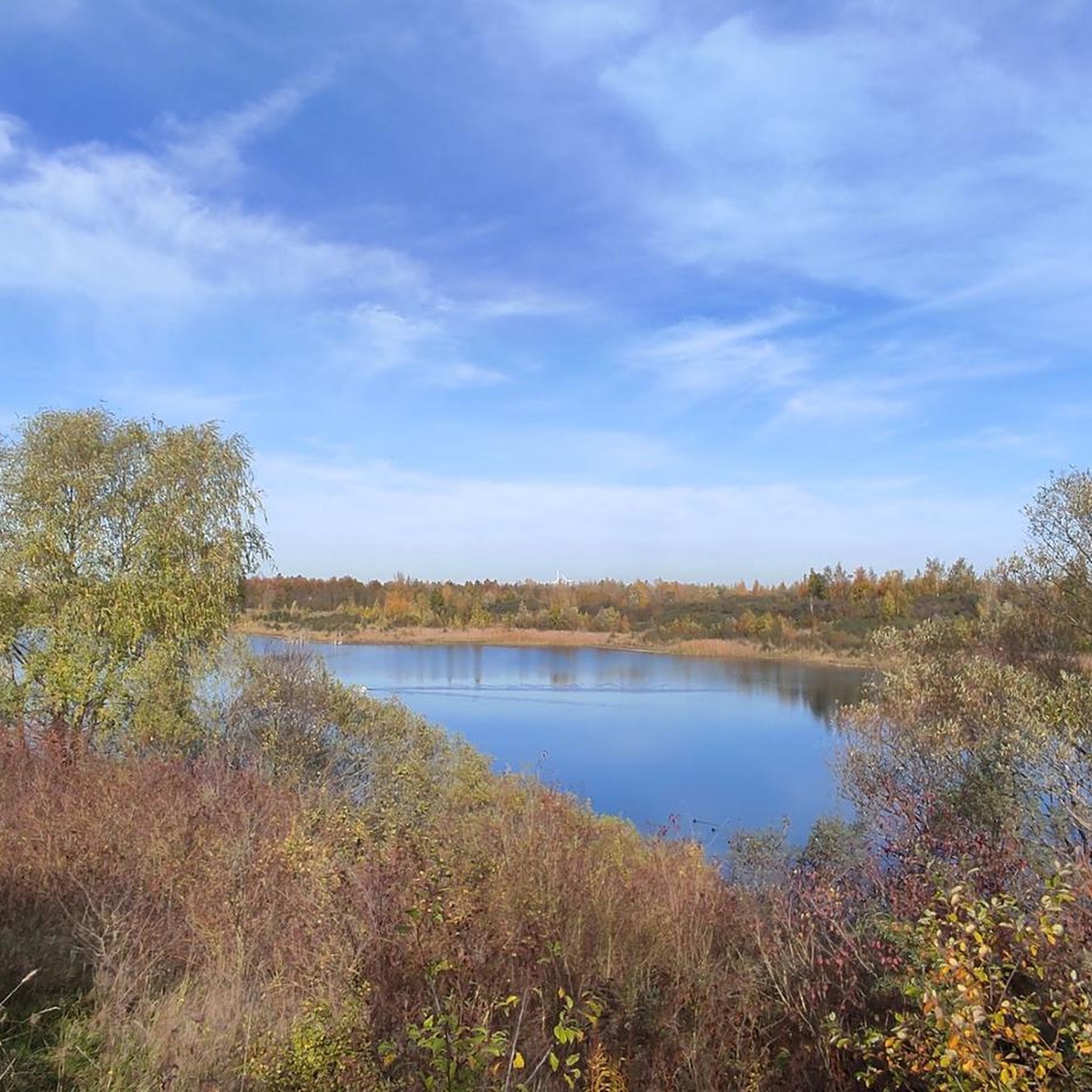
The Neuhäuser See (also Neuhauser See) is an opencast mine residual lake of approximately 155 hectares, which was created by flooding the former Holzweißig-West opencast mine. The lake is located in the Central German Lake District, south of the Goitzsche nature reserve and north of the town of Delitzsch. Source https://de.wikipedia.org/wiki/Neuh%C3%A4user_See
1
0
Asphalted circular path unfortunately with many root damages
4
0
Can be driven on all round - best with an MTB or gravel bike
8
0
Frequently Asked Questions
What are some family-friendly natural monuments to visit around Wiedemar?
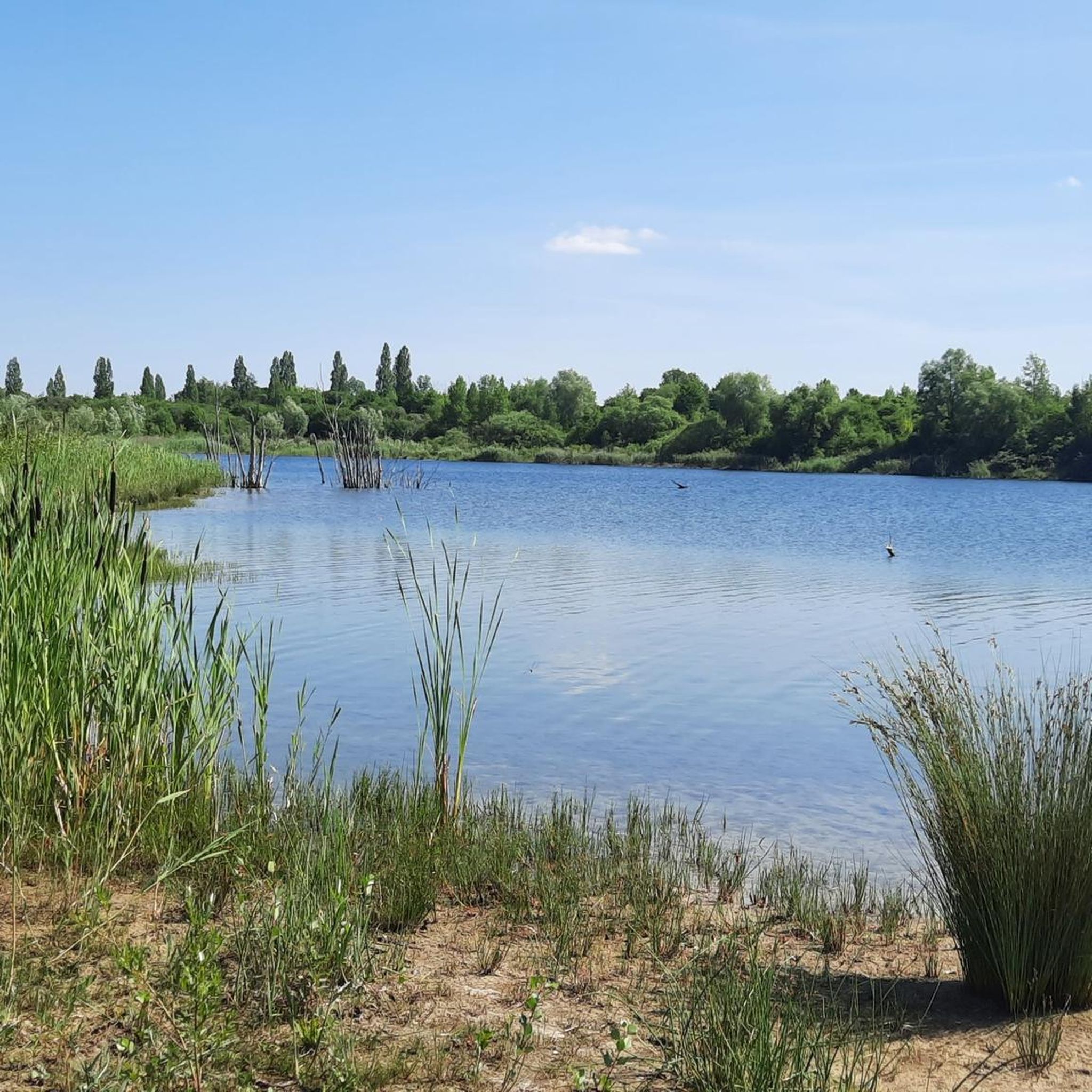
For families, Rassnitzer Lake is a great option, offering designated swimming areas and natural beaches. Another excellent choice is Lützschena Castle Park (Schlosspark Lützschena) and Auwald Visitor Centre, which features an English landscape park and an alluvial forest with hiking trails and a visitor center providing insights into the local ecosystem.
Where can I go for birdwatching near Wiedemar?
Both Grabschützer See and Werbeliner See are part of a European bird sanctuary and are highly recommended for birdwatching. Werbeliner See, in particular, is reserved for birdlife and offers excellent opportunities to observe various species.
Are there any natural monuments around Wiedemar that originated from former mining areas?
Yes, many of the natural monuments around Wiedemar are reclaimed post-mining landscapes. Notable examples include Rassnitzer Lake, which originated from a residual open-pit mine, and both Grabschützer See and Werbeliner See, which were transformed from former mining areas into vibrant natural habitats.
What kind of cycling opportunities are available around the natural monuments?
The region offers excellent cycling opportunities. The Werbeliner See cycle path provides scenic views around the lake. You can also find numerous road cycling and gravel biking routes in the area. For more detailed routes, explore the Road Cycling Routes around Wiedemar or Gravel biking around Wiedemar guides.
Can I swim in any of the lakes near Wiedemar?
Yes, swimming is permitted in designated areas at Rassnitzer Lake, which features a natural beach. While Brodauer Zinken at Lake Werbeliner has hidden corners for swimming, Werbeliner See itself is not designated as a bathing lake.
Are there any historical sites combined with natural beauty?
Absolutely. Lützschena Castle Park (Schlosspark Lützschena) and Auwald Visitor Centre is a historical site featuring an English landscape park framed by alluvial forest. It offers a blend of cultural heritage and natural landscapes.
What educational opportunities do the natural monuments offer?
Grabschützer See features a nature trail with 18 panels that provide insights into the area's landscape history, ecology, flora, and fauna. The Auwald Visitor Centre at Lützschena also offers educational insights into the local ecosystem.
What unique wildlife can be observed in the region?
The reclaimed mining landscapes, particularly Grabschützer See, are home to Scottish Highland cattle that graze in the area. Both Grabschützer See and Werbeliner See are significant bird sanctuaries, offering opportunities to observe diverse birdlife.
Are there good places to eat or rest near the natural monuments?
Near Rassnitzer Lake, specifically in the village of Wallendorf, you can find a wine cellar or cyclist meeting point for food and drinks. Brodauer Zinken at Lake Werbeliner also offers a small rest area.
What kind of hiking trails are available around Wiedemar's natural monuments?
You can find various hiking trails, including those within Lützschena Castle Park and around Grabschützer See with its nature trail. For more extensive options, check out the Running Trails around Wiedemar guide, which includes routes suitable for walking.
What is the best time to visit the natural monuments around Wiedemar?
The summer months are ideal for swimming at Rassnitzer Lake. For birdwatching, spring and autumn can be particularly rewarding due to migration patterns. Generally, the warmer months offer pleasant conditions for cycling, hiking, and enjoying the outdoor landscapes.
What is the significance of the Paddle Wheel near Zwochauer See?
The Paddle Wheel near Zwochauer See is a significant relic of the region's former mining activities. This 17-meter high structure offers a glimpse into Wiedemar's industrial past, serving as a reminder of the area's transformation from a mining landscape to a natural beauty spot.
Most popular routes around Wiedemar
Most popular attractions around Wiedemar

Get inspired with the komoot mobile app


Explore more
Extend your search for the best caves by checking out these guides of the top ones around Wiedemar:
