Top 20 Natural Monuments around Groß Niendorf
Best natural monuments around Groß Niendorf are situated in the district of Segeberg, Schleswig-Holstein, characterized by its unique lowland and ground moraine landscape. The region features extensive moorlands, which are wetlands with distinct flora and fauna, and watercourses like the Groß Niendorfer Au. These areas are often designated as Landscape Protection Areas, preserving their ecological importance and natural character. The landscape offers opportunities to observe specialized plant communities and diverse wildlife.
Best natural monuments around Groß Niendorf
- The most popular…
Last updated: July 8, 2026
Brenner Moor Nature Reserve
Highlight • Natural
Translated by Google •
Tip by

Brenner Moor Nature Reserve
Highlight • Natural
Translated by Google •
Tip by

Sign up now to discover places like this
Get recommendations on the best single tracks, peaks, & plenty of other exciting outdoor places.
Sign up for free
Kalkberg, Bad Segeberg
Highlight • Natural Monument
The view in good weather is fantastic.
And it is the only rock mountain in the big circle! The next one should be in the Harz …
Translated by Google •
Tip by

Jersbek Park
Highlight • Natural Monument
Tip by

Nienwohlder Moor Nature Reserve
Highlight • Natural Monument
Translated by Google •
Tip by
Sign up for free to discover even more natural monuments around Groß Niendorf.
Sign up for free
Already have an account?
Start today with a free account
Your next adventure awaits.
Login or Signup
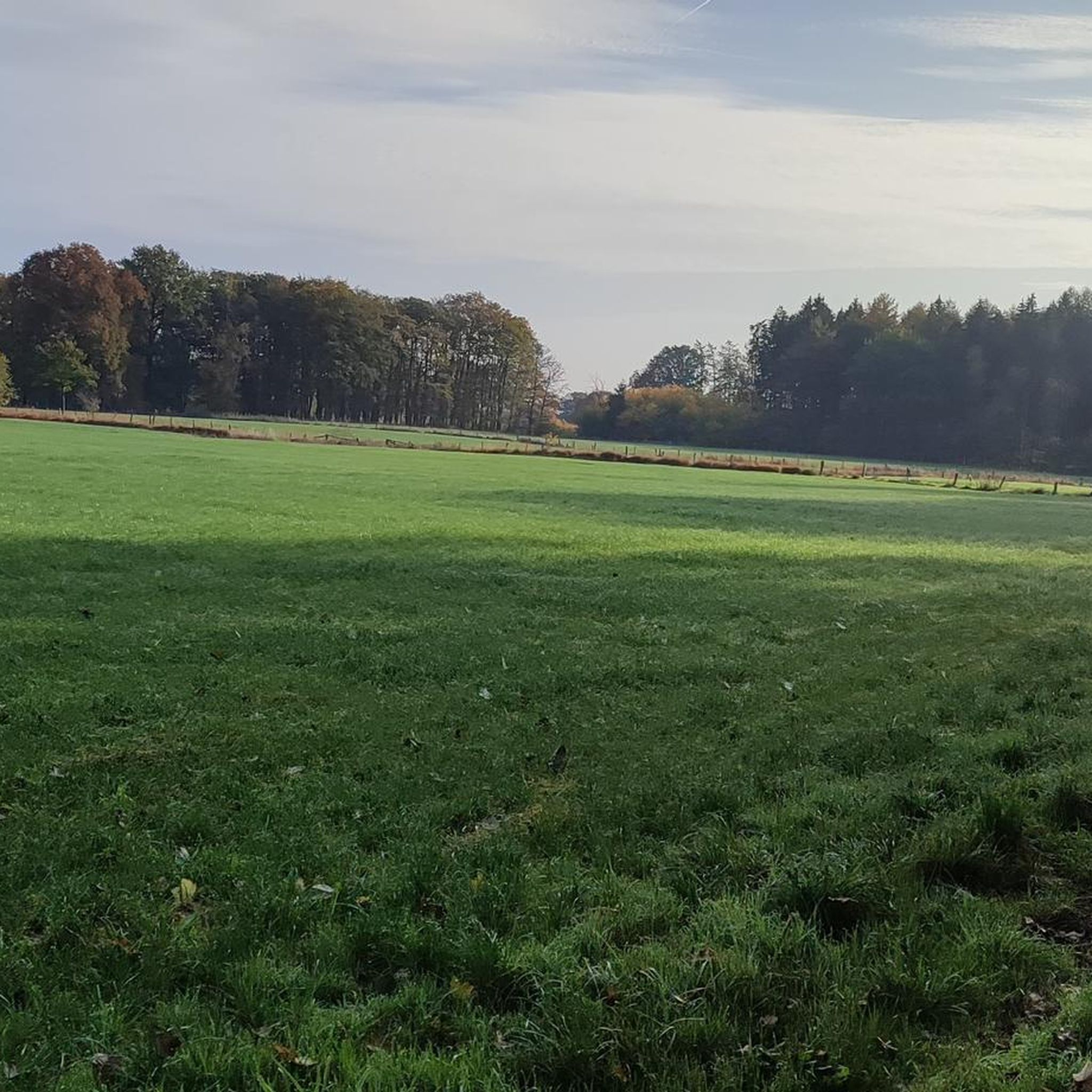
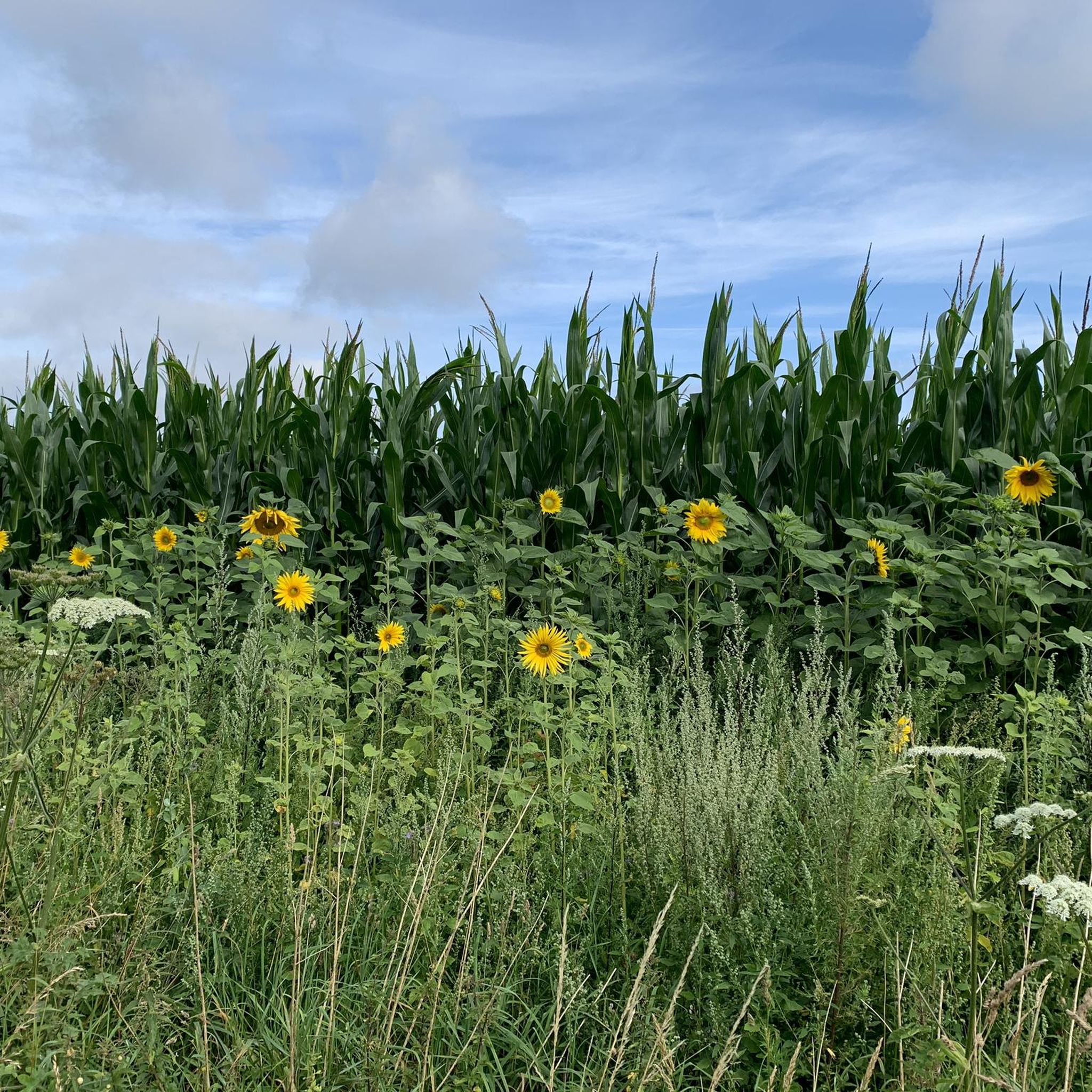
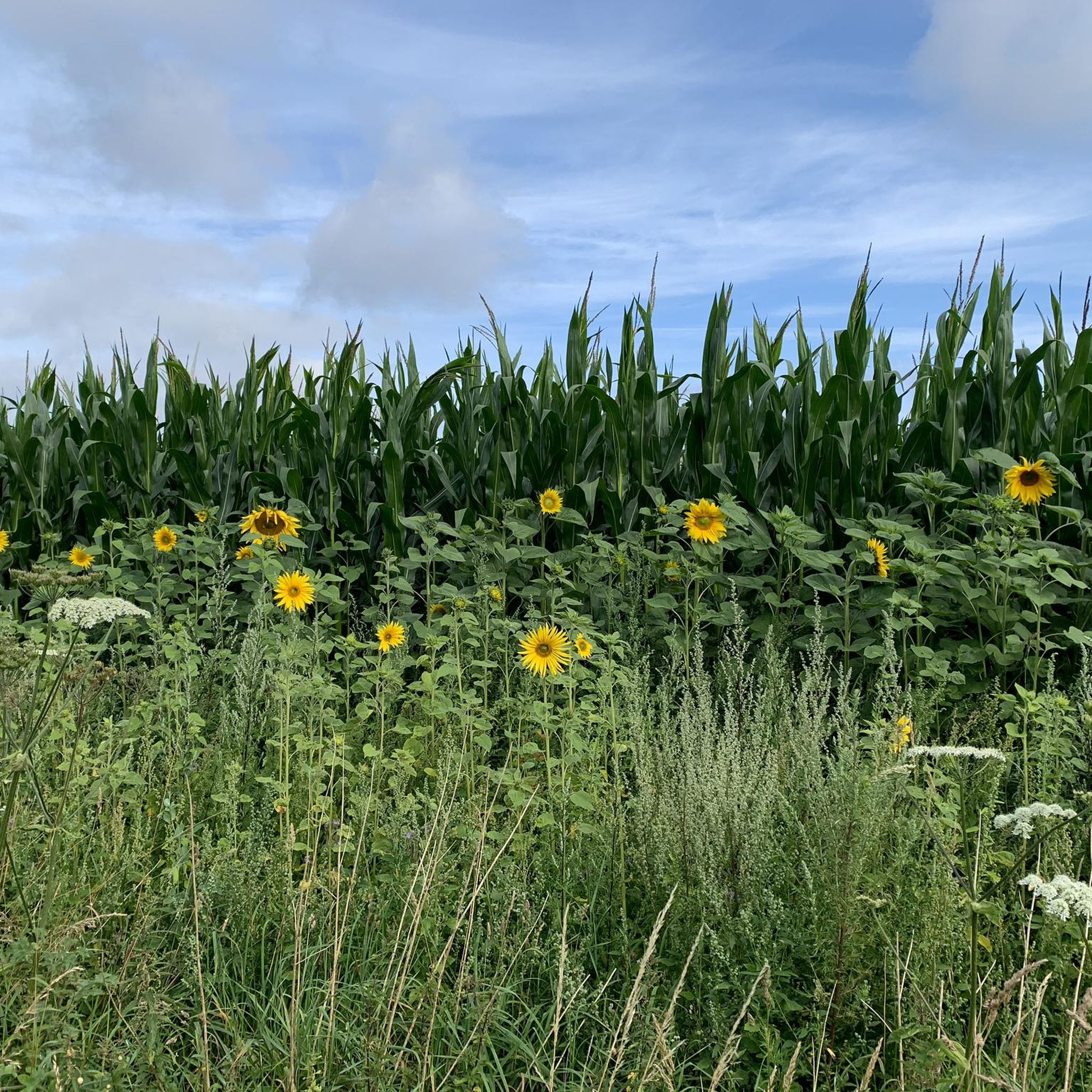
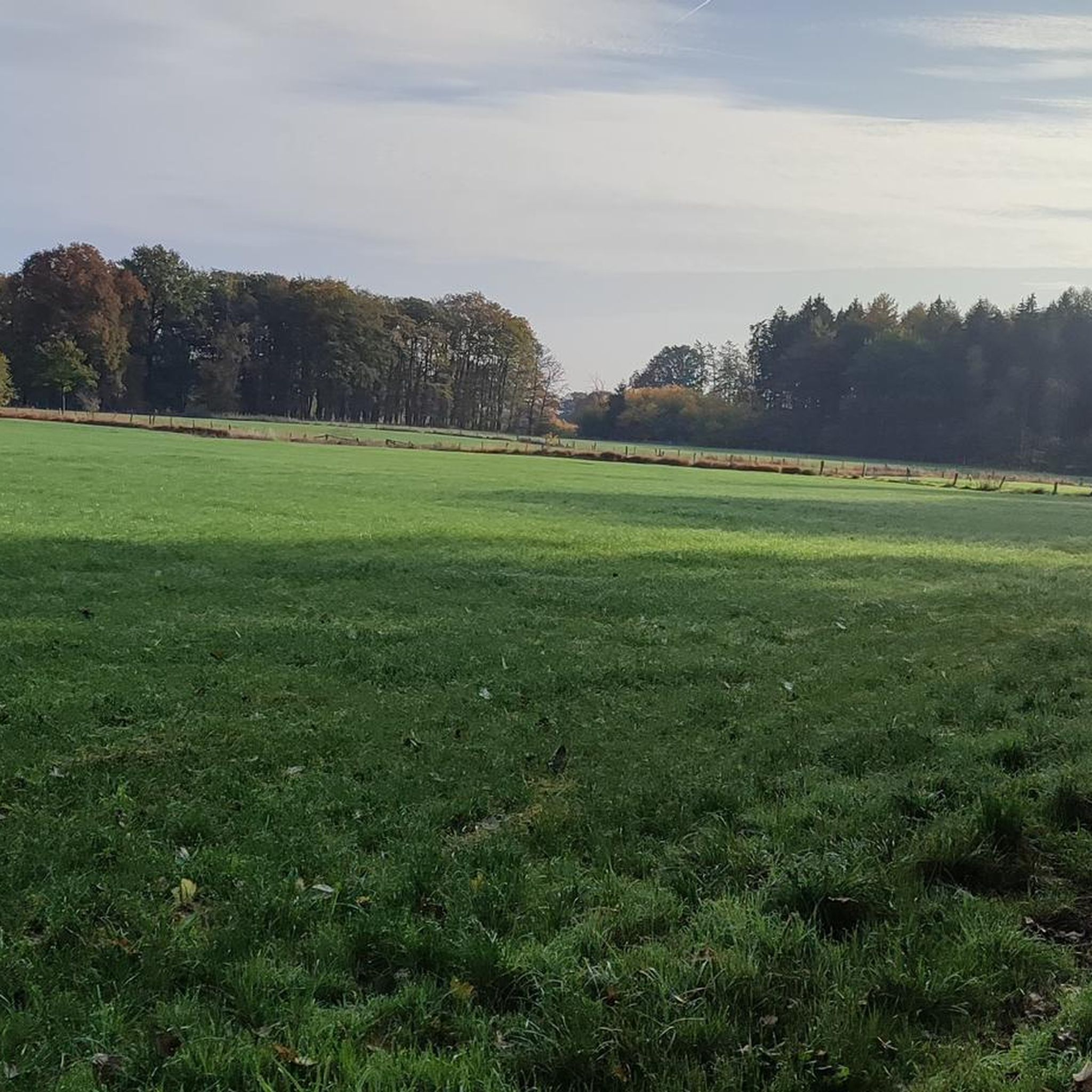

Tips from the Community

The Nienwohlder Moor lies on the watershed between the North Sea and the Baltic Sea.[2] It drains to the west into the Lankau, to the south into the Alte Alster, and to the north into the Norderbeste. The nature reserve, which is managed by the Schleswig-Holstein State Hunting Association with the exception of the areas owned by the State Forestry Administration[5],[6] can be almost completely circumnavigated on hiking trails, along which information boards are posted at several locations. In the west, a hiking trail runs through the protected area in the area of the Lunden, a towering moraine ridge.
0
0
Today, typical raised moor vegetation can once again be found in the nature reserve, including round-leaved sundew, narrow-leaved cottongrass, bladderwort, white beak sedge, sedge cottongrass, cranberry, as well as cross-leaved heather, rosemary, and common heather. The nature reserve also represents an important habitat for birds. Various wading birds such as the curlew and the common snipe, as well as ducks such as the shoveler, teal, tufted duck, and garganey, as well as meadow pipits, whinchats, and stonechats, are native here. Marsh harriers and short-eared owls can also be found here. The undisturbed moorland is a refuge for cranes, which are now breeding here again. Various woodpecker species, red-backed shrikes, and songbirds are native to the wooded moorland areas. The nature reserve also provides a habitat for various amphibians and reptiles, as well as insects such as dragonflies and butterflies.
0
0
The moor was renaturalized in the 1980s through rewetting measures.[2][3] Today, in the area of former industrial use, it is an open raised bog with numerous water-filled peat pits, surrounded by a bog forest. The farmer's hand-cut peat pits at the edge of the moor are often water-filled. Sphagnum moss quaking grassland grows here, and the peat pits are slowly silting up. Further areas are occupied by grassland and forest. Some of the grassland is extensively grazed by robust cattle.[4] Some areas are still intensively used for agriculture, including one arable area.
0
0
Peat extraction, first documented in 1804, was initially carried out by peat-cutting by peat-farmers, and the peat was used as fuel. During the Napoleonic Wars of 1806–1813, peat was also shipped to Hamburg via the Alster. In the 20th century, peat extraction became an industrial operation. From 1951 to 1976, the white peat was extracted from an area of 84 hectares, initially by hand and later by machine.[2] East of Nahe, there was a peat loading point on the Elmshorn-Barmstedt-Oldesloe railway.
0
0
The nature reserve is located northeast of Hamburg between the towns of Nienwohld, Nahe, Itzstedt, and Sülfeld. It protects a drained and largely peat-extracted raised bog area, which is the largest and best-preserved raised bog remnant in Schleswig-Holstein.[2] To the north, it borders the former Elmshorn-Barmstedt-Oldesloe Railway line.
0
0
The approximately 398-hectare nature reserve is registered under number 100 in the register of nature reserves of the Ministry of Agriculture, Environment and Rural Areas. It was designated in 1982 (date of the regulation: March 25, 1982). The nature reserve replaces the nature reserve of the same name designated in 1980.[1] It is part of the FFH area "Alster system to Itzstedter See and Nienwohlder Moor" and the EU bird sanctuary "Alsterniederung". To the south, it borders the "Nienwohld" landscape protection area. The responsible lower nature conservation authorities are the districts of Stormarn and Segeberg.
0
0

The railway cycle path runs directly along the northern edge of this beautiful nature reserve. From the cycle path, there are some good views of the moorland. The nature reserve protects a drained and largely peat-extracted raised bog area, which is the largest and best-preserved remaining raised bog in Schleswig-Holstein. https://de.wikipedia.org/wiki/Nienwohlder_Moor
3
2

The Brenner Moor is the largest salt marsh in inland Schleswig-Holstein. The salinity of the salt springs partially reaches that of the North Sea. A jewel of nature but very busy on weekends. Still a real highlight. The crossing is only possible thanks to the laid planks. However, cycling is prohibited
8
0
Frequently Asked Questions
What kind of natural features can I expect to see around Groß Niendorf?
The region around Groß Niendorf is characterized by its unique lowland and ground moraine landscape. You'll find extensive moorlands, which are wetlands with distinct flora and fauna, and watercourses like the Groß Niendorfer Au. Specific natural monuments include unique geological formations, historical parks, and notable individual trees such as the Copper Beech on Heiderfelder Straße.
Are there any specific natural monuments worth visiting near Groß Niendorf?
Absolutely. You can explore the unique geological formation of Kalkberg, Bad Segeberg, which offers fantastic views and features caves with a bat exhibition. Another significant site is Brenner Moor Nature Reserve, known for its beautiful moor landscape and boardwalks. Don't miss Jersbek Park, a spacious baroque park with historical significance and unique tree formations.
What are the best natural areas for wildlife spotting around Groß Niendorf?
The extensive moorlands, such as those found in Brenner Moor Nature Reserve and Nienwohlder Moor Nature Reserve, are excellent for wildlife spotting. These wetlands are home to distinct flora and fauna, and efforts are underway to reintroduce species like the black grouse. You can observe various birds, specialized plant communities, and insects adapted to these unique conditions.
Are there family-friendly natural monuments or activities in the Groß Niendorf area?
Yes, several natural monuments are suitable for families. Brenner Moor Nature Reserve offers boardwalks that are great for exploring with children, providing opportunities for birdwatching. Kalkberg, Bad Segeberg, with its caves and bat exhibition, can also be an exciting family outing. Jersbek Park provides open spaces and historical elements that can be enjoyed by all ages.
What outdoor activities can I do near the natural monuments in Groß Niendorf?
The area offers various outdoor activities. You can go hiking on trails like the 'Majestic Pine Tree – Adele's Bench loop' or explore longer routes such as the 'Green Bridge (Brenner Moor) – Nütschau Monastery loop'. For cycling enthusiasts, there are gravel biking routes like the 'View of Itzstedter See – Nienwohlder Moor loop'. Running trails are also available, including a 'Running loop from Groß Niendorf'. Find more details on these activities in our guides for Gravel biking around Groß Niendorf, Hiking around Groß Niendorf, and Running Trails around Groß Niendorf.
What is the best time of year to visit the natural monuments around Groß Niendorf?
The best time to visit depends on your interests. Spring and summer offer lush greenery and active wildlife, making them ideal for birdwatching and enjoying the moorlands. Autumn provides beautiful colors in the parks and forests. Even winter can offer tranquil walks, especially in areas like the moorlands, though some paths might be less accessible depending on weather conditions.
Are there historical sites among the natural monuments in this region?
Yes, some natural monuments also hold historical significance. Jersbek Park is a prime example, being a well-preserved baroque park with historical landscape design. Additionally, Kalkberg, Bad Segeberg, while a natural geological formation, also has historical context related to its mining history and the open-air stage at its base.
What do visitors enjoy most about the natural monuments around Groß Niendorf?
Visitors particularly appreciate the tranquil beauty and ecological diversity of the region. The boardwalks through the reeds and waterholes at Brenner Moor Nature Reserve are highly recommended for birdwatching and experiencing the unique moor landscape. The fantastic views from Kalkberg, Bad Segeberg, and the spacious, historically rich atmosphere of Jersbek Park are also frequently praised.
Is public transport available to reach these natural monuments?
While specific public transport routes to every single natural monument might vary, the region is generally accessible. For areas like Nienwohlder Moor Nature Reserve, a railway cycle path runs directly along its northern edge, suggesting some connectivity. It's advisable to check local bus schedules or regional train connections to nearby towns and plan your journey from there.
Are there any permits required to visit the nature reserves or natural monuments?
Generally, no specific permits are required for public access to the designated natural monuments and nature reserves like Brenner Moor Nature Reserve or Nienwohlder Moor Nature Reserve. These areas are often protected for public enjoyment and conservation. However, always respect local regulations, stay on marked paths, and avoid disturbing wildlife or plants.
Can I bring my dog to the natural monuments and nature reserves?
Many natural areas and parks in the region are dog-friendly, but specific rules may apply, especially in nature reserves to protect wildlife. For instance, in moorland areas, dogs are often required to be on a leash. It's best to check specific signage at the entrance of each natural monument or reserve, such as Brenner Moor Nature Reserve or Nienwohlder Moor Nature Reserve, for detailed regulations.
Where can I find accommodation or places to eat near the natural monuments?
Groß Niendorf and its surrounding towns offer various options for accommodation, cafes, and restaurants. While specific establishments directly adjacent to every natural monument might be limited, you'll find choices in nearby communities. For example, towns close to Kalkberg, Bad Segeberg, or the areas surrounding the nature reserves, will provide amenities for visitors.
Most popular routes around Groß Niendorf
Most popular attractions around Groß Niendorf

Get inspired with the komoot mobile app


Explore more
Extend your search for the best caves by checking out these guides of the top ones around Groß Niendorf:
