Top 12 Natural Monuments around Niederer Fläming
Best natural monuments around Niederer Fläming are found within the Hoher Fläming Nature Park in Brandenburg, Germany. This region features a landscape shaped by the Ice Age, characterized by rolling hills, extensive forests, and meadows. Key natural features include unique dry valleys known as "Rummeln" and large glacial erratics. The area provides a diverse natural environment for outdoor activities.
Best natural monuments around Niederer Fläming
- The most popular natural monuments is Luther Oak (1510–2010), a natural monument that is…
Last updated: June 24, 2026
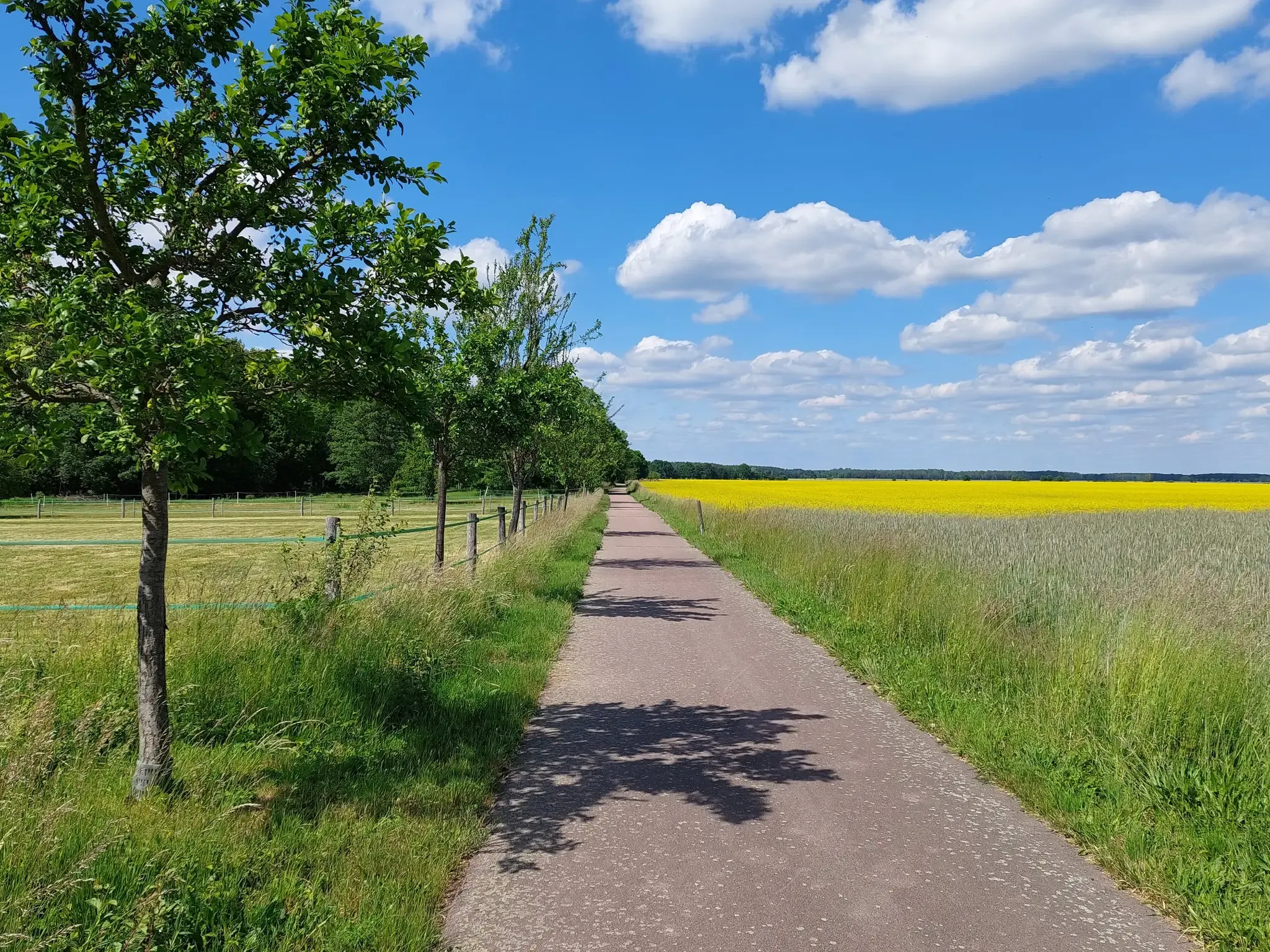
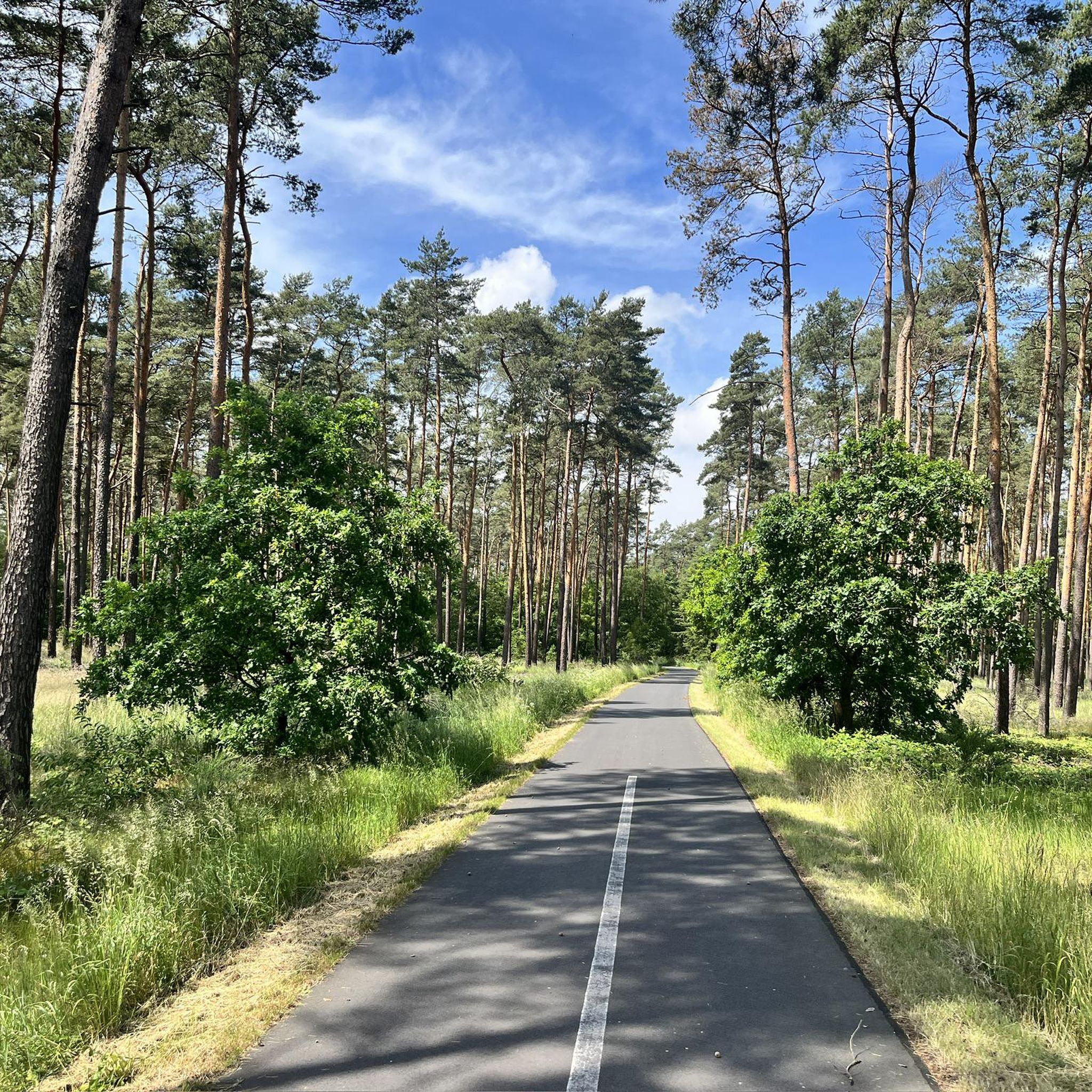
Fläming-Skate Loop 5: Petkus to Stülpe (Heidehof-Golmberg Conservation Area)
Highlight (Segment) • Cycleway
Translated by Google •
Tip by

Nuthe Spring
Highlight • River
Translated by Google •
Tip by

Sign up now to discover places like this
Get recommendations on the best single tracks, peaks, & plenty of other exciting outdoor places.
Sign up for free
Luther Oak on Heilig-Geist-Platz, Jüterbog
Highlight • Monument
Translated by Google •
Tip by

Center of the World (Wahlsdorf)
Highlight • Monument
Translated by Google •
Tip by
Luther Oak (1510–2010)
Highlight • Natural Monument
Translated by Google •
Tip by

Sign up for free to discover even more natural monuments around Niederer Fläming.
Sign up for free
Already have an account?
Start today with a free account
Your next adventure awaits.
Login or Signup
Popular around Niederer Fläming
Other adventures around Niederer Fläming

Tips from the Community


And everyone sings along to Element of Crime: https://www.youtube.com/watch?v=7KyTq6_27yo
0
1
And everyone sings along to the Element of Crime song: https://www.youtube.com/watch?v=7KyTq6_27yo
1
0

Behind the gate on the hill there is a bench to rest a little off the skate with a good view. Ideal for an undisturbed picnic.
0
0
The name "Nuthe" could be of Germanic origin and mean something like "ditch, gully" or "valley". In Middle High German, nuot means "fugue" or "groove". Other interpretations derive the name from the old German Nuth = Noth, since the many huge floods that are hardly understandable today brought great "hardship" with them. An old name for the upper reaches of Jüterbog and Luckenwalde is Aa or Aarbach. As late as 1814, the upper course of the Nuthe was referred to as A, Ahe, Agerbach. Its source is in Fläming in the federal state of Brandenburg in the municipality of Niedergörsdorf, west of the district of Dennewitz. Tributaries are the Nieplitz near Gröben and the Hammerfliess near Woltersdorf. At Nuthetal there is a branch of the Nuthe - the Stöcker. In a northerly direction, the Nuthe flows through the larger towns of Jüterbog, Luckenwalde, Trebbin and the municipality of Nuthetal. After about 66.5 km of flow distance and after the Nuthe has overcome about 51 m difference in altitude, it flows at 29.4 m above sea level. NN in Potsdam in the Havel. It flows through the Glogau-Baruth glacial valley and smaller glacial valleys further north. In its lower reaches, it has been developed like a canal and embanked. Its catchment area is 1,935 km². A large part of its course leads the Nuthe through the Nuthe-Nieplitz Nature Park. The wet green meadows, former floodplains and smaller Elsbruches of the nature park offer the white stork and the gray heron ideal conditions; the gray heron population in particular has been increasing steadily since the 1990s. Source https://www.wikiwand.com/de/Nuthe
1
0

strange, but gives nothing
0
0
amazing village bypass - sign strangely full of self-awareness - but nothing to see
0
0
to the south a little torture (hardly noticeable slope) - to the north great!
0
1
Frequently Asked Questions
What unique natural features can I explore in the Niederer Fläming region?
The Niederer Fläming, part of the Hoher Fläming Nature Park, is known for its distinctive Ice Age-shaped landscape. You can discover unique geological formations like the narrow, branching dry valleys called "Rummeln," such as the Neuendorfer Rummel and Bride's Rummel. The region also features numerous glacial erratics (large boulders) left behind by ancient glaciers, which can be explored on trails like the "Findlingswanderweg." Additionally, the Nuthe Spring offers a glimpse into the source of the Nuthe river, important for local wildlife.
Are there any historical natural monuments in Niederer Fläming?
Yes, the region has natural monuments with historical significance. For example, the Luther Oak (1510–2010), though in disrepair, is part of a tradition of oaks planted in memory of Martin Luther. Another significant historical tree is the Luther Oak on Heilig-Geist-Platz in Jüterbog, planted in 1883 to commemorate Luther's 400th birthday.
What outdoor activities can I do near the natural monuments?
The Hoher Fläming Nature Park, encompassing Niederer Fläming, offers a comprehensive network of well-signposted hiking and cycling trails. You can enjoy various activities, including hiking on trails like the 147-kilometer "Burgenwanderweg" (Castle Hiking Trail) which highlights the unique "Rummeln" dry valleys. For cycling, the Fläming-Skate Loop 5 provides a scenic route through hilly forest areas. You can find more hiking routes in the Hiking around Niederer Fläming guide, or explore Road Cycling Routes and MTB Trails in the area.
Are there family-friendly natural monuments or activities in the region?
Yes, several natural monuments and areas are suitable for families. The Nuthe Spring is considered family-friendly, offering a chance to see the river's source and observe local wildlife like white storks and gray herons. The Center of the World (Wahlsdorf) is also listed as family-friendly, providing a unique cultural landmark. The extensive network of trails throughout the Hoher Fläming Nature Park also offers many easy walks suitable for families.
What is the best time of year to visit the natural monuments in Niederer Fläming?
The Hoher Fläming Nature Park is beautiful year-round. Spring and summer are ideal for enjoying the flowering meadows and lush forests, with opportunities for birdwatching in areas like the Belziger Landschaftswiesen. Autumn offers vibrant fall foliage, while winter can provide a tranquil, snow-covered landscape. The region's well-maintained trails are generally accessible in most seasons, though conditions may vary with weather.
Where can I find panoramic views of the nature park?
For panoramic views of the Hoher Fläming Nature Park, consider visiting the Hagelberg Mountain. At 200 meters, it is one of the highest points in Brandenburg and offers rewarding vistas of the surrounding rolling hills, forests, and meadows, showcasing the Ice Age-shaped landscape.
Are there opportunities for birdwatching in Niederer Fläming?
Yes, the Belziger Landschaftswiesen, located in the Baruth Glacial Valley, is one of Brandenburg's most important meadow breeding areas. It serves as a crucial resting place for wading birds and is a habitat for the great bustard. Thousands of Nordic geese and ducks also spend their winter here, making it a paradise for birdwatchers.
What kind of forests can I expect to see?
The park is home to significant near-natural forests, with some trees in reserves exceeding 200 years in age. The Fläming Beeches are particularly noteworthy, being genetically distinct and adapted to local conditions. These ancient mixed forests provide crucial habitats for various species, including the middle spotted woodpecker, the park's mascot, and offer tranquil settings for walking.
Are there any natural monuments that are wheelchair accessible?
Yes, some natural monuments and related sites offer accessibility. The Fläming-Skate Loop 5 is noted as wheelchair accessible, providing a smooth path through the landscape. Additionally, the Luther Oak on Heilig-Geist-Platz in Jüterbog is also wheelchair accessible.
What do visitors enjoy most about the natural monuments in Niederer Fläming?
Visitors appreciate the diverse natural environment shaped by the Ice Age, from the unique dry valleys to the ancient forests and glacial erratics. The well-developed cycling paths, like the Fläming-Skate, are highly praised for their scenic routes and views of the countryside. The tranquility of the sparsely populated region and the blend of natural beauty with cultural heritage also contribute to a rewarding experience.
Can I bring my dog to the natural monuments and trails?
While specific dog-friendly designations for each natural monument are not always listed, the Hoher Fläming Nature Park generally welcomes dogs on its extensive network of hiking and cycling trails. It is always recommended to keep dogs on a leash, especially in nature reserves and near wildlife habitats, and to respect local regulations.
Most popular routes around Niederer Fläming
Most popular attractions around Niederer Fläming

Get inspired with the komoot mobile app


Explore more
Extend your search for the best caves by checking out these guides of the top ones around Niederer Fläming:
