Top 20 Natural Monuments around Schürdt
Best natural monuments around Schürdt are found within the broader natural landscape of the Westerwald area in Rhineland-Palatinate, Germany. This region is characterized by its forests and hilly terrain, offering opportunities for outdoor activities. While Schürdt itself does not have widely recognized designated natural monuments, the surrounding area provides various natural features to explore. Visitors can appreciate the general natural beauty of the region, which is suitable for hiking and enjoying rural scenery.
Best natural monuments around Schürdt
- The most…
Last updated: June 24, 2026
Wied Valley
Highlight • River
Translated by Google •
Tip by

Hölderstein via ferrata
Highlight (Segment) • Climb
Translated by Google •
Tip by

Sign up now to discover places like this
Get recommendations on the best single tracks, peaks, & plenty of other exciting outdoor places.
Sign up for free
Grenzbachtal Nature Reserve
Highlight • Forest
Translated by Google •
Tip by

Basalt columns at Basaltkrater, Naturpark Bergisches Land
Highlight • Natural Monument
Translated by Google •
Tip by

Friedrich Springs on Melchiorweg
Highlight • Natural Monument
where it corresponds to the art of poetry / if this 'source' is a 'well': …
Translated by Google •
Tip by
Sign up for free to discover even more natural monuments around Schürdt.
Sign up for free
Already have an account?
Start today with a free account
Your next adventure awaits.
Login or Signup
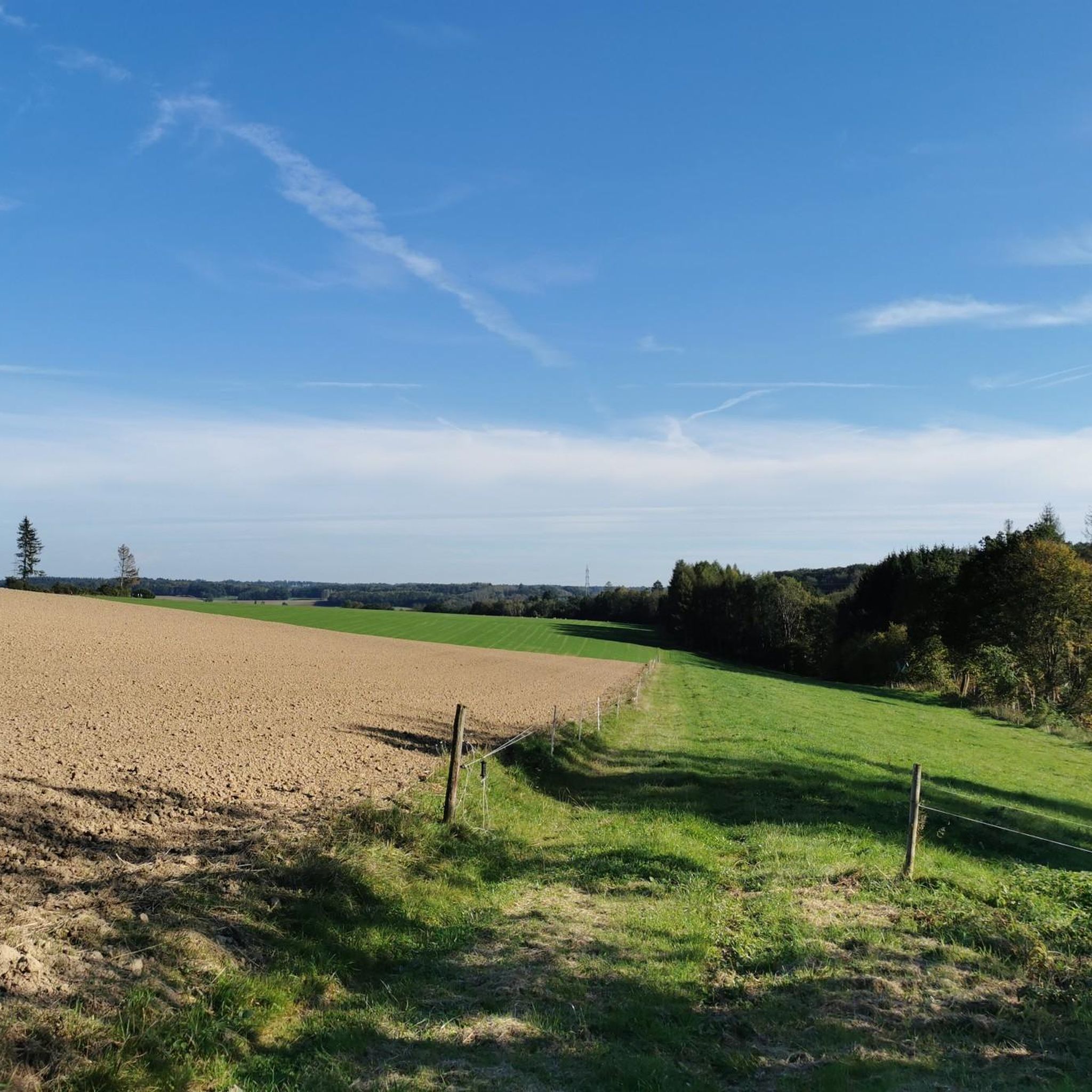
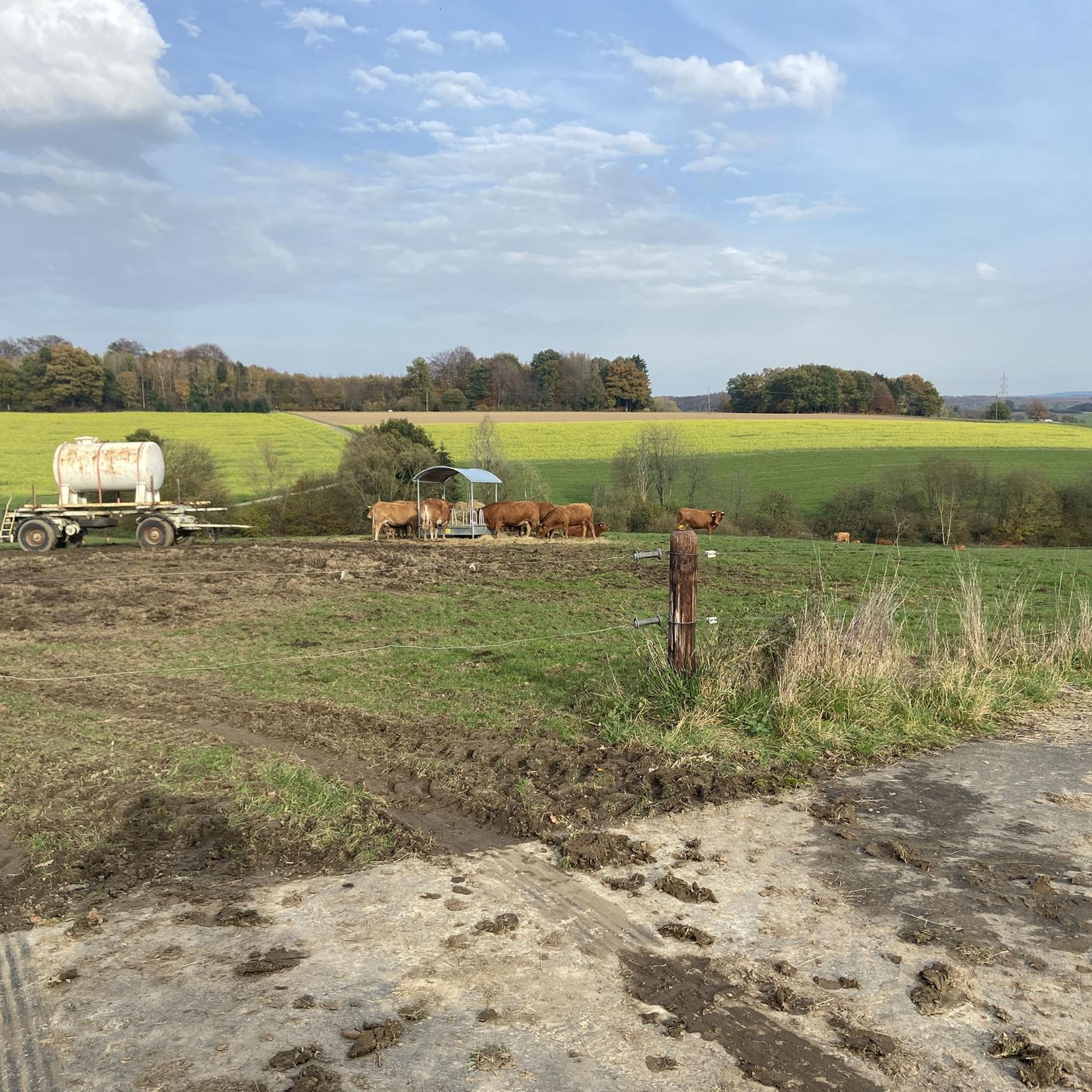
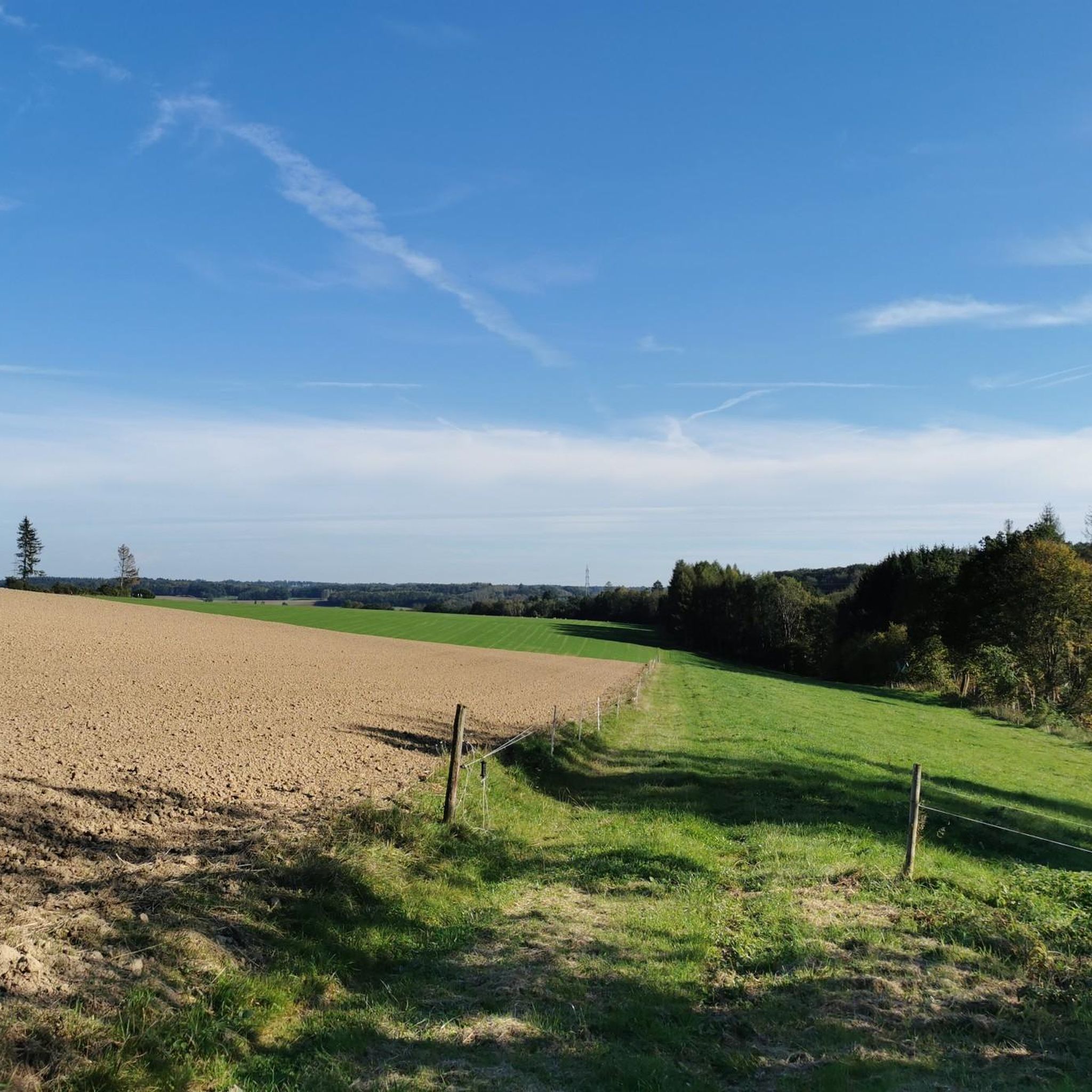
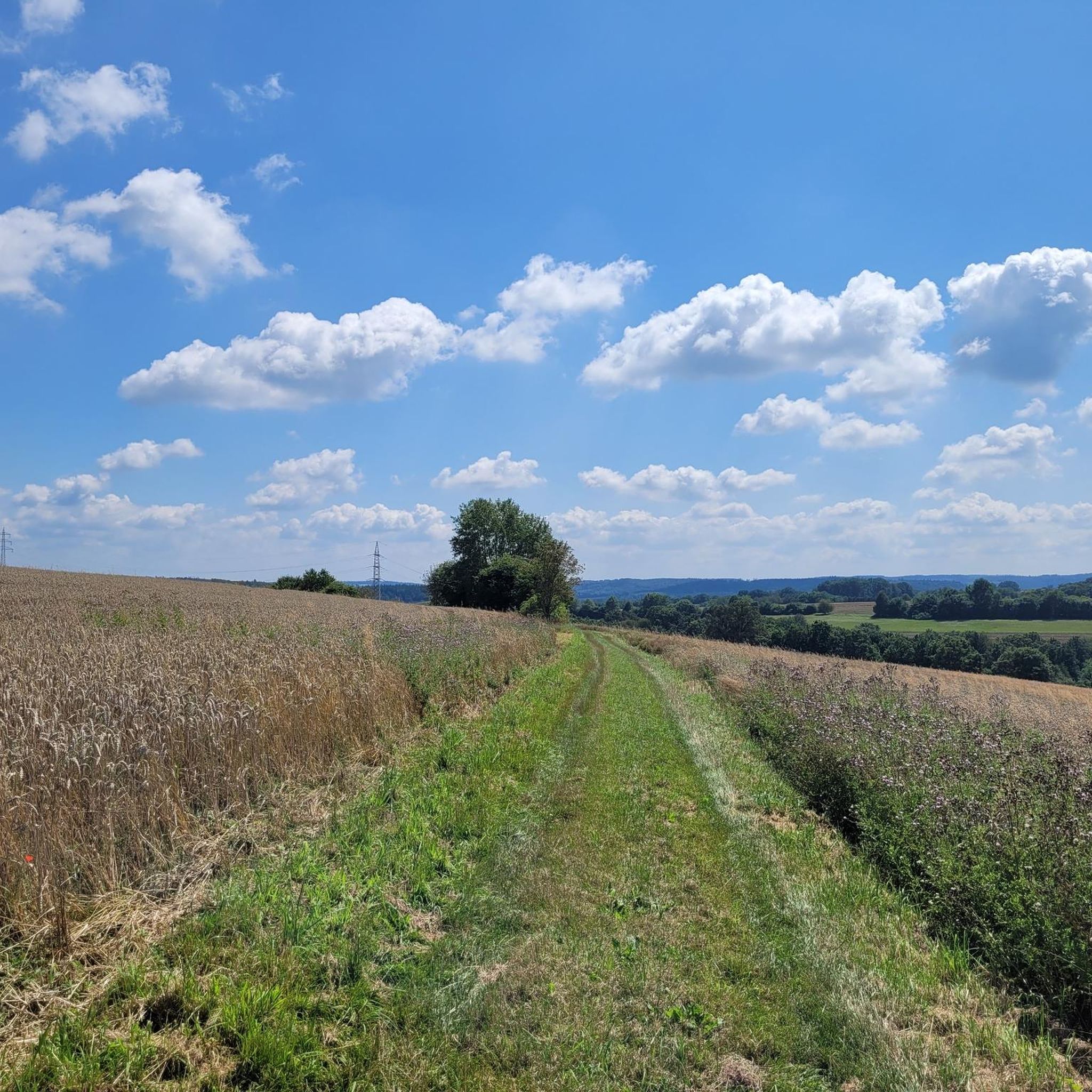
Tips from the Community

A small highlight in Rhineland-Palatinate. The almost continuous cycle path is really great.
0
0


The blue stones, also called "pillars of the earth", are obviously once again a hiking highlight, see also https://www.komoot.com/de-de/highlight/787607
10
0
A geological peculiarity from the old volcanic times can be seen here: the basalt steles that can be seen at this point have been given the name "The Pillars of the Earth". I don't know whether Ken Follet also knows this place :-)
12
0


I came to the springs via the forest and bee trail. I was amazed at how much this little trail has to offer.
0
0

The basalt crater, located just a few meters from the magnificent panoramic view above Windeck-Kuchhausen, is considered a natural monument. The volcanic rock, solidified into angular columns, is particularly impressive here. Basalt is a rock that was formed in the Miocene period between five and 25 million years ago. At that time, large areas of lava emerged from the earth's interior to the earth's surface in the area of today's Westerwald. At today's Kuchhausen, however, the liquid interior of the earth burst through the bedrock in a vent. Much of the lava got stuck in the funnel-shaped vent and solidified into the distinctive square or hexagonal columns.
7
0

Natural monument worth seeing with the opportunity to take a break in the nearby refuge.
5
0
Frequently Asked Questions
What types of natural monuments can I explore around Schürdt?
The region around Schürdt, part of the broader Westerwald area, offers a variety of natural features. You can explore scenic valleys like the Wied Valley, unique geological formations such as the Basalt columns at Basaltkrater, and interesting natural springs like the Friedrich Springs on Melchiorweg. The area is characterized by forests and hilly terrain, providing diverse natural experiences.
Are there any family-friendly natural monuments near Schürdt?
Yes, several natural monuments in the area are suitable for families. The Grenzbachtal Nature Reserve is known for its well-kept paths through the forest, making it pleasant for walks. The Basalt columns at Basaltkrater offer an intriguing geological sight that can captivate children. Additionally, the Friedrich Springs on Melchiorweg provide an interesting, historical natural spot for a family visit.
What are some popular natural features to visit in the Schürdt area?
Among the most appreciated natural features is the Wied Valley, offering quiet routes along the river and opportunities to explore the Westerwaldhöhen with scenic views. The Basalt columns at Basaltkrater are also very popular, showcasing a unique geological peculiarity from ancient volcanic activity. Visitors also enjoy the Friedrich Springs on Melchiorweg, which are increasingly being recaptured by nature.
Can I go hiking near the natural monuments around Schürdt?
Absolutely. The region is ideal for hiking, with numerous trails that allow you to explore the natural beauty. For example, you can find various hiking routes around the Wied Valley and within the Grenzbachtal Nature Reserve. You can discover more hiking options in the area by visiting the Hiking around Schürdt guide.
Are there any challenging natural monuments for experienced hikers or climbers?
Yes, for those seeking a more challenging experience, the Hölderstein via ferrata offers a thrilling climb. It's the only via ferrata on the WesterwaldSteig, featuring cramps, stirrups, pegs, ladders, and a bridge to overcome an 80-meter altitude difference. Proper equipment is recommended for this route.
What kind of geological formations can be seen near Schürdt?
The most notable geological formation is the Basalt columns at Basaltkrater, Naturpark Bergisches Land. These 'Pillars of the Earth' are basalt steles formed from volcanic rock that solidified into angular columns millions of years ago. It's a fascinating insight into the region's volcanic past.
What outdoor activities can I do near these natural monuments?
Beyond hiking, the area around Schürdt offers opportunities for various outdoor activities. You can enjoy gravel biking, with routes like the 'Wied Valley – Grenzbachtal loop from Oberlahr'. Running is also popular, with several loops available, such as 'Running loop from Hemmelzen'. For more details on these activities, explore the Gravel biking around Schürdt guide and the Running Trails around Schürdt guide.
Are there any historical natural monuments in the area?
The Friedrich Springs on Melchiorweg are considered a historical natural monument, having been recorded since 1933. While they are now increasingly being reclaimed by nature, they represent a point of historical interest within the natural landscape.
What do visitors enjoy most about the natural monuments around Schürdt?
Visitors particularly appreciate the tranquility and scenic beauty of the Wied Valley, noting it as a quiet route for various outdoor activities. The unique geological formations of the Basalt columns at Basaltkrater are also highly praised for their impressive appearance. Many also enjoy the well-maintained paths and natural conservation efforts in areas like the Grenzbachtal Nature Reserve.
What is the best time to visit the natural monuments near Schürdt?
The Westerwald region, where Schürdt is located, offers natural beauty throughout the year. Spring and autumn are particularly pleasant for hiking and outdoor activities due to mild temperatures and vibrant foliage. Summer provides warmer weather for longer excursions, while winter can offer a serene, snow-covered landscape, though some trails might be more challenging.
Are there viewpoints to enjoy the natural scenery?
Yes, many natural monuments in the area offer excellent viewpoints. The Wied Valley provides opportunities for scenic views from the Westerwaldhöhen. The Hölderstein via ferrata also leads to rewarding vistas. Additionally, the Basalt columns at Basaltkrater are located near a magnificent panoramic view above Windeck-Kuchhausen.
What should I bring for a walk or hike to these natural monuments?
For walks and hikes in the Schürdt area, it's advisable to wear comfortable, sturdy footwear suitable for varied terrain. Depending on the weather, bring appropriate clothing layers, water, and snacks. If you plan to tackle more challenging routes like the Hölderstein via ferrata, ensure you have the necessary climbing equipment.
Most popular attractions around Schürdt

Get inspired with the komoot mobile app


Explore more
Extend your search for the best caves by checking out these guides of the top ones around Schürdt:
