Top 20 Natural Monuments around Möckmühl
Best natural monuments around Möckmühl are found in the Jagst Valley, a region in northern Baden-Württemberg. The town is situated at the confluence of the Jagst and Seckach rivers, contributing to a diverse natural landscape. This area features 20 designated natural monuments, including both area-based sites and individual natural objects. These sites highlight the region's ecological, geological, and botanical significance.
Best natural monuments around Möckmühl
- The most popular natural monuments is Neusaß Pilgrimage Church and the Heiligenbrünnle (Holy Spring),…
Last updated: June 24, 2026
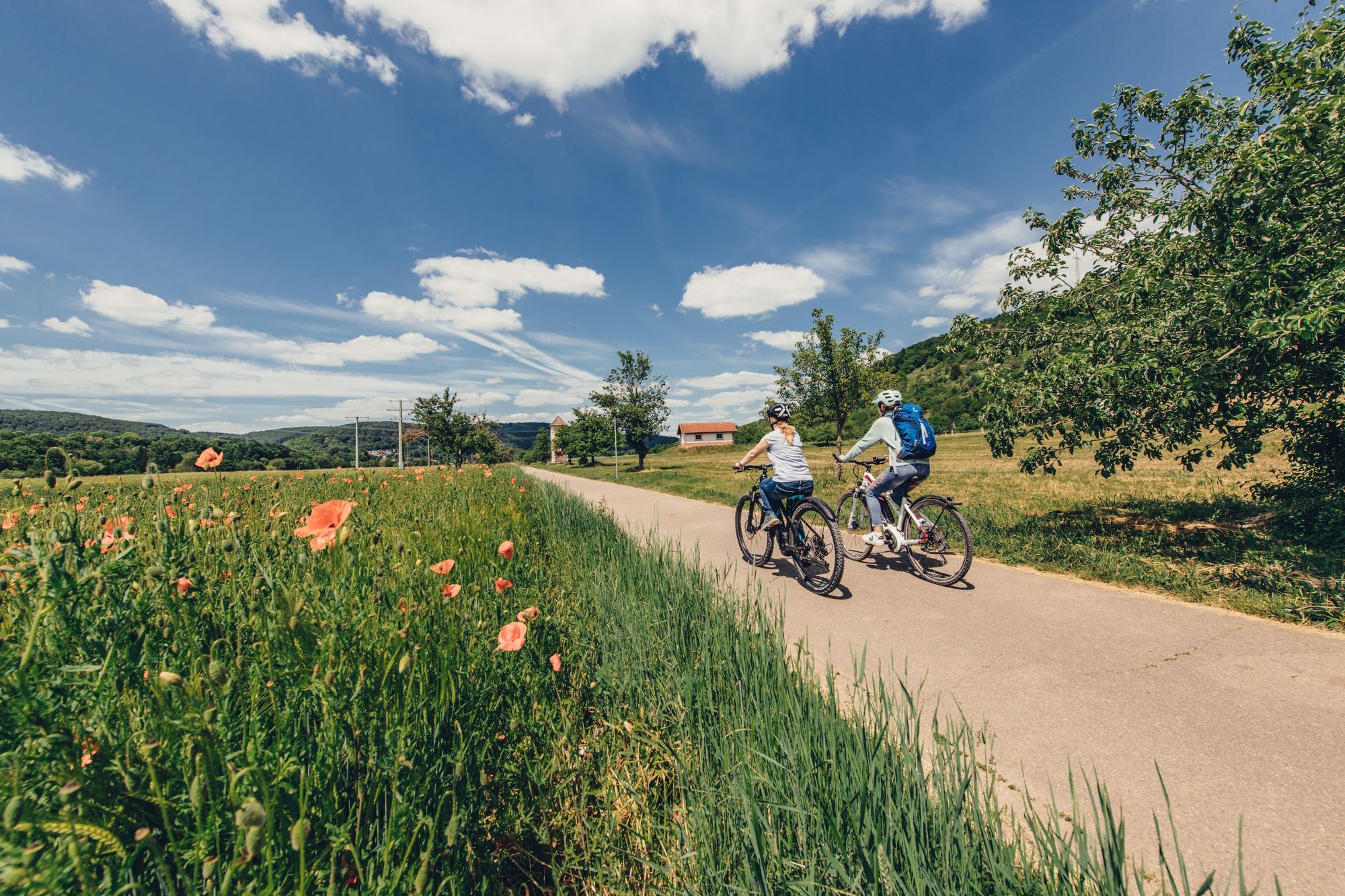
Kocher–Jagst Cycle Path
Highlight • Cycleway
Translated by Google •
Tip by

Neusaß Pilgrimage Church and the Heiligenbrünnle (Holy Spring)
Highlight • Religious Site
Translated by Google •
Tip by

Sign up now to discover places like this
Get recommendations on the best single tracks, peaks, & plenty of other exciting outdoor places.
Sign up for free
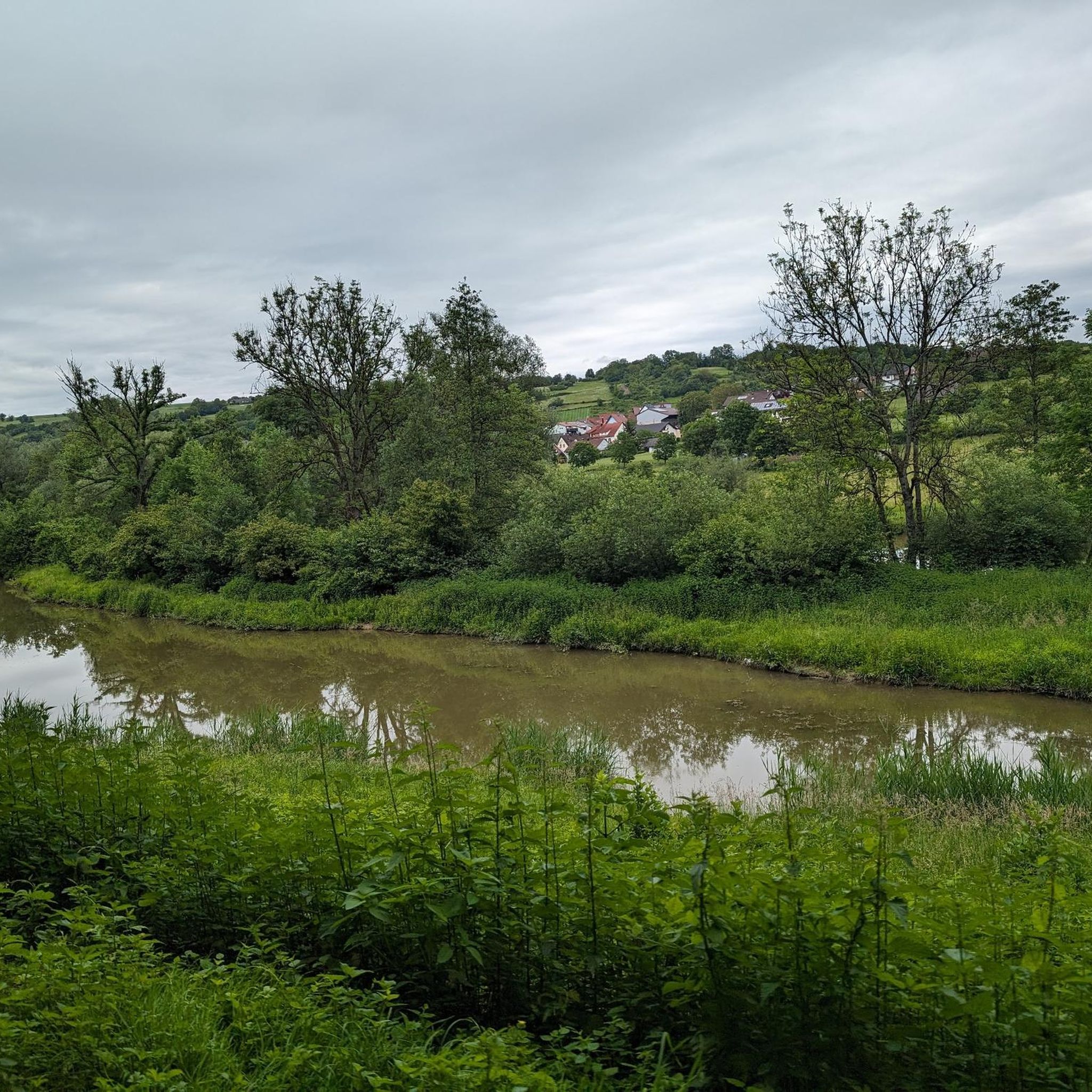
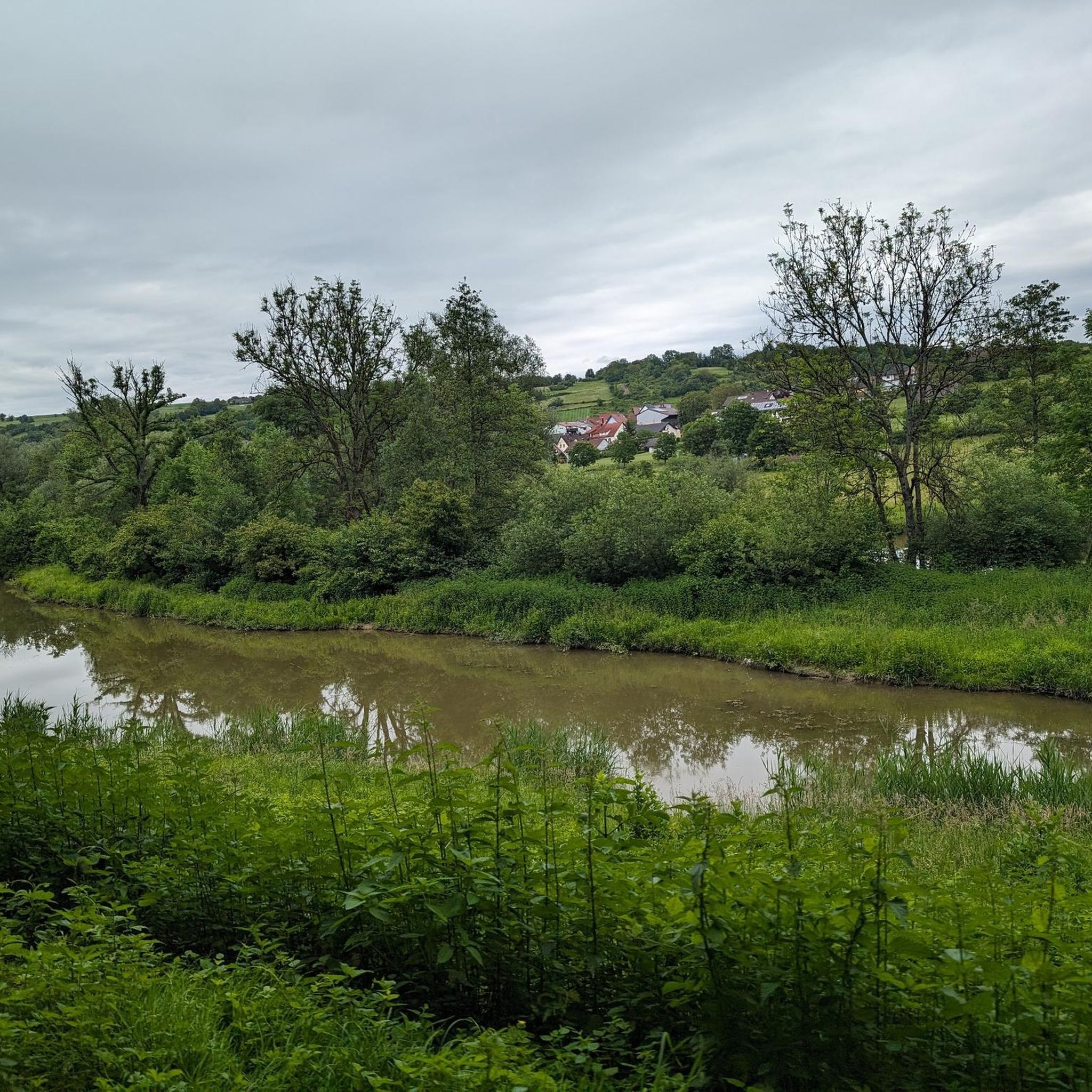
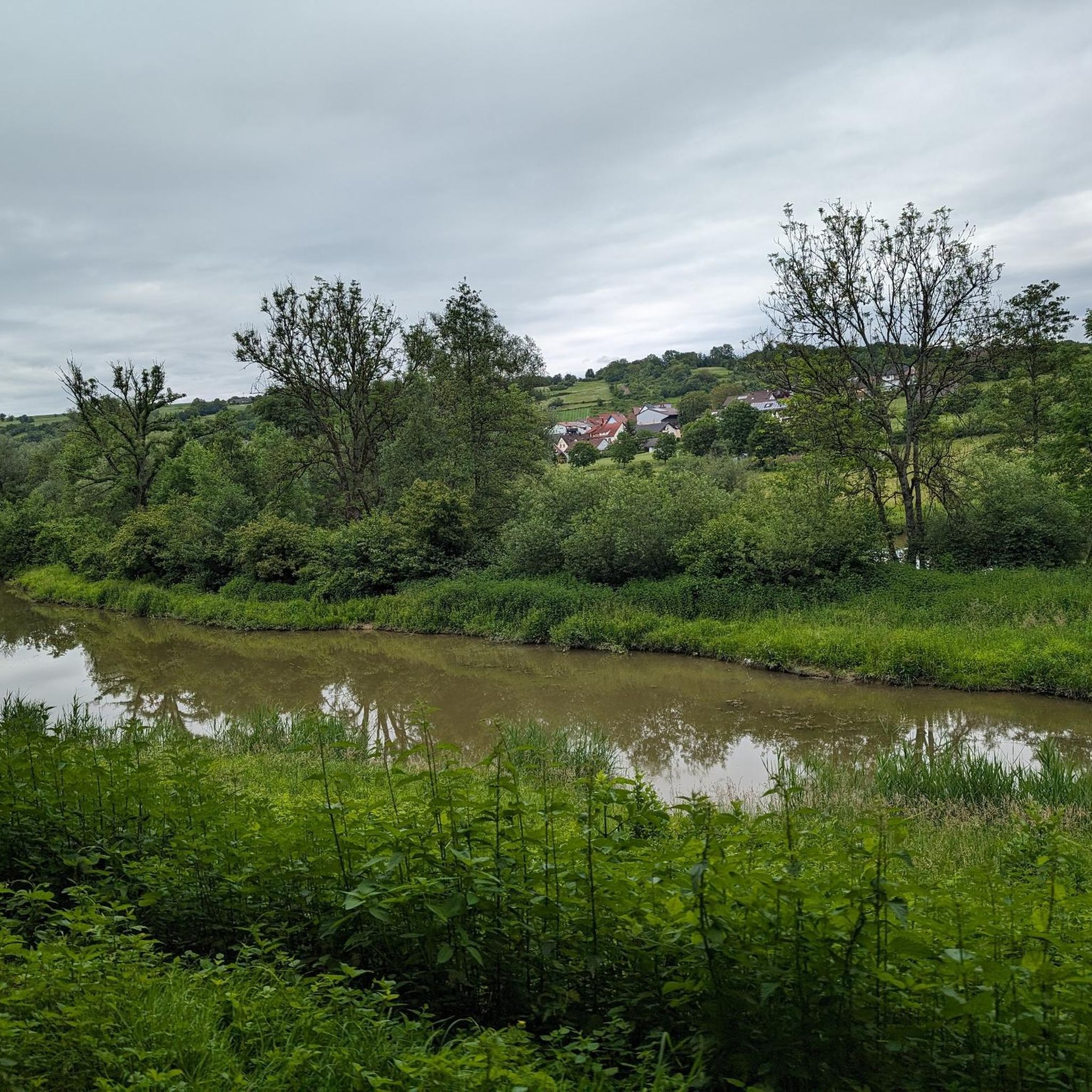
Brettach Forest Lake
Highlight • Lake
Translated by Google •
Tip by
Helenenquelle
Highlight • Natural Monument
Translated by Google •
Tip by

Neusaß Lime Tree
Highlight • Natural Monument
Translated by Google •
Tip by
Sign up for free to discover even more natural monuments around Möckmühl.
Sign up for free
Already have an account?
Start today with a free account
Your next adventure awaits.
Login or Signup
Other adventures around Möckmühl

Tips from the Community

Lime tree with a massive, arched trunk and pronounced root flares. The tree is said to have originated from three closely planted lime trees that grew together over time. At sacred sites, such as near pilgrimage churches, three trees were often planted close together as a symbol of the Christian Trinity. The trunk opening was stabilized with iron bars. Its current age is estimated to be approx. 500 years.
7
0
A linden tree, a forester's lodge, and a chapel form Neusaß above Schöntal Monastery. Historical speculations, stories, and tales give the place its very own significance. It cannot be precisely determined when a chapel has existed in Neusaß. As stated in a booklet on the history of the place, the first reference to a pilgrimage dates back to the year 1395. The chapel itself shows late Gothic features. The pilgrimage tradition has endured to this day.
3
0
The "Vogelhalde Sindringen-Ohrnberg" nature reserve in the lower Kocher valley has been home to one of the largest grey heron colonies in the Stuttgart administrative district for decades. At 216 hectares, the area is unique, being the largest of the 21 nature reserves in the Hohenlohe district.
5
0

The linden tree is considered a symbol of steadfastness, patriotism, and spiritual strength – and is an integral part of the local pilgrimage tradition. It plays a silent but significant role, especially in Marian festivals and processions.
9
0
Originally built in the 15th century, it was later remodeled in the Baroque style. The church is a destination for numerous pilgrims, especially on the Feast of the Nativity of Mary. Its simple interior exudes tranquility, with a miraculous image of the Virgin Mary as its centerpiece.
11
0
The small lake is surrounded by lush greenery and offers lovely seating and peaceful nature experiences. Swimming is not permitted here, as it is a natural body of water with no designated swimming area.
8
0

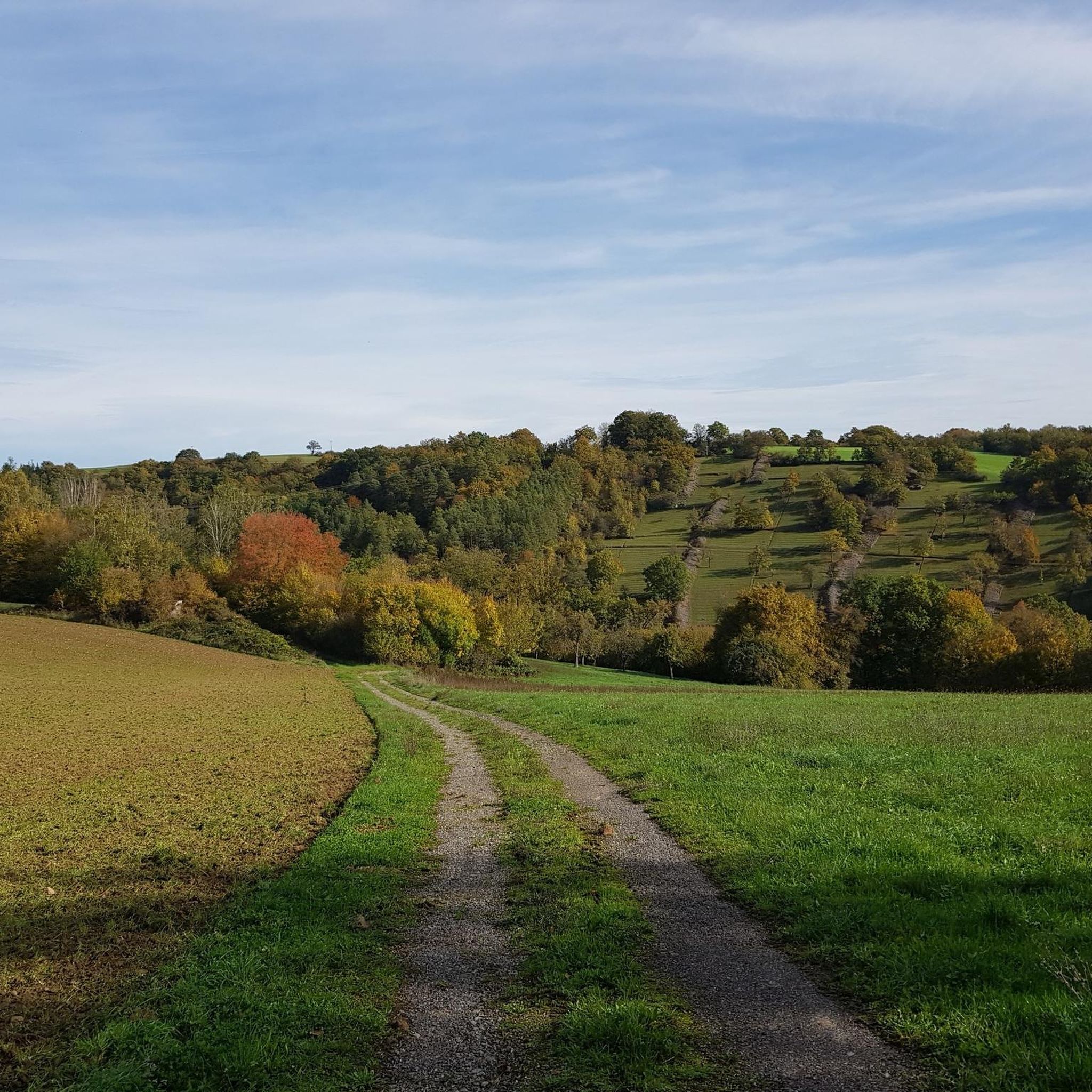
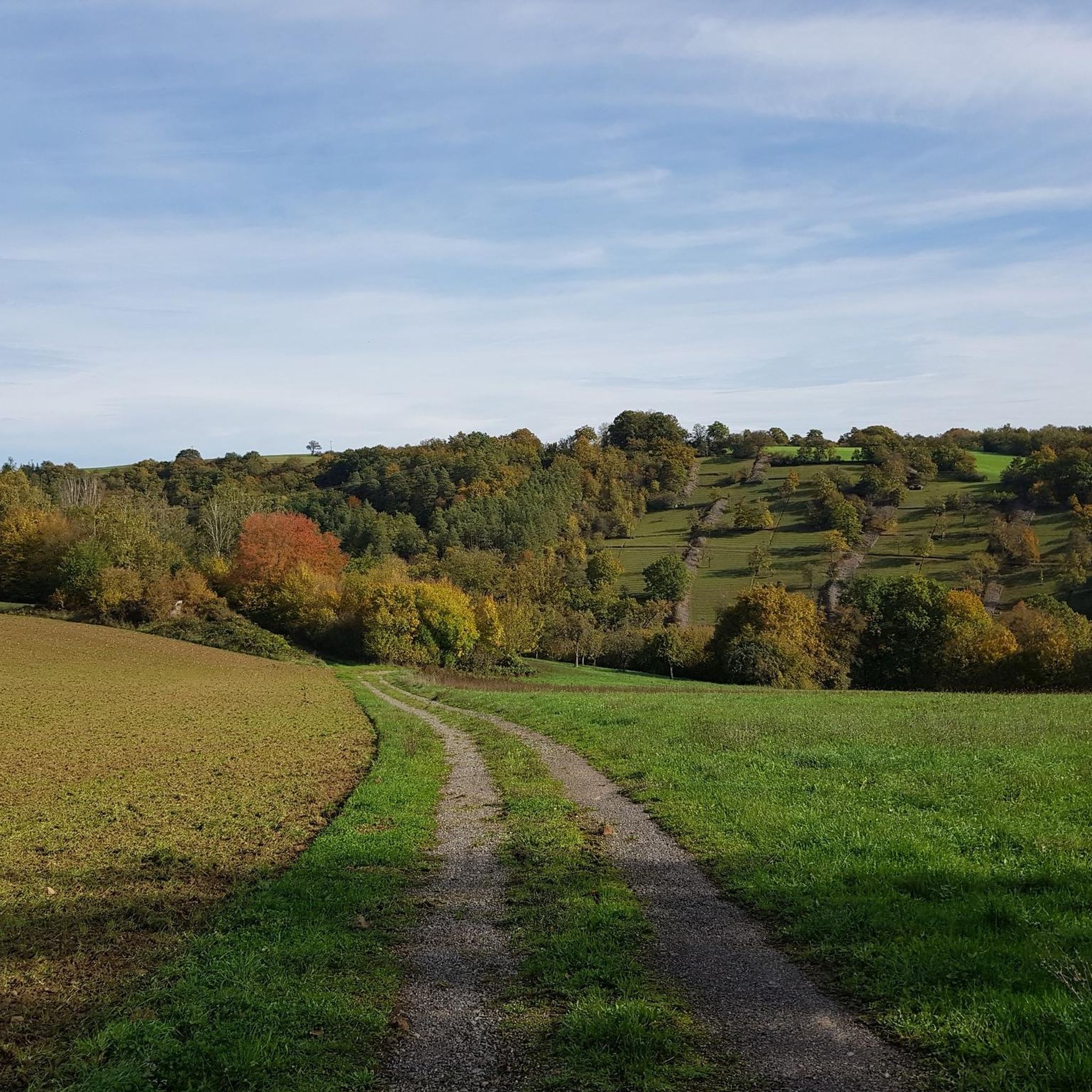
A cycle path to enjoy. Mainly on asphalt with almost no car traffic
1
0
Beautiful forest lake with several seating areas and a good view of the body of water hidden in the forest.
5
0
Frequently Asked Questions
What types of natural monuments can I explore around Möckmühl?
Möckmühl is home to nineteen designated natural monuments, encompassing both area-based sites and individual natural objects. You can discover unique ecological systems like wetlands (e.g., Feuchtgebiet "Beetäcker", Feuchtgebiet "Vogelsang"), geological formations such as gorges (e.g., Domenecker Schlucht, Seehofer Schlucht) and dolines (e.g., Doline "Haselgrübe"), and rare habitats like steppe heathlands ("Bachwingert") and juniper heathlands ("Vordere Weinsbergäcker"). Additionally, there are impressive individual trees, including ancient oaks, lime trees (like the Neusaß Lime Tree), a plane tree, and an elm.
Are there family-friendly natural monuments or activities in the area?
Yes, several natural monuments around Möckmühl are suitable for families. The Brettach Forest Lake offers a peaceful setting with seating areas, perfect for a relaxed outing. The Neusaß Pilgrimage Church and the Heiligenbrünnle (Holy Spring) is another family-friendly spot, combining natural beauty with historical interest. Many of the wetland areas, like Feuchtgebiet "Vogelsang," provide opportunities for birdwatching, which can be engaging for children.
What are some notable geological features to see?
The region features interesting geological formations. The Domenecker Schlucht and Seehofer Schlucht are gorges that likely exhibit unique geological characteristics. You can also visit the Doline "Haselgrübe", a geological depression formed by the dissolution of soluble bedrock, offering a distinct natural sight.
Where can I find ancient or significant trees in Möckmühl?
Möckmühl protects several individual trees for their age, size, or rarity. The Neusaß Lime Tree is a prominent example, known for its age and role in local traditions. You can also find other protected oak, pine, yew, and elm trees throughout the area, such as an oak in the Hergstbach Valley and a plane tree, which can grow to impressive sizes and live for centuries.
Are there hiking trails near the natural monuments?
Yes, the natural monuments are often integrated into the region's hiking network. For easy walks, you can explore trails like the "Insect Hotel Ruchsen loop" or the "Flower Jeans Window Decoration loop" which are part of the Easy hikes around Möckmühl guide. The Jagst Valley, where many monuments are located, offers scenic routes for nature observation.
What are the best times to visit the natural monuments in Möckmühl?
The best time to visit depends on your interests. Spring and summer are ideal for experiencing the lush greenery of the wetlands and forests, and for birdwatching. Autumn offers beautiful foliage, especially in areas like the Kleebwald Jagsttalhang. For geological features like the Domenecker Schlucht or Doline "Haselgrübe," visits are rewarding year-round, though paths might be muddy after rain.
Can I bring my dog to the natural monuments and hiking trails?
Generally, dogs are welcome on hiking trails around Möckmühl. However, it's always recommended to keep your dog on a leash, especially in protected natural monument areas and near wildlife habitats like the Feuchtgebiet "Vogelsang." Specific rules may apply to certain sensitive ecological sites, so look for local signage.
Are there cycling routes that pass by natural monuments?
Yes, the region offers cycling opportunities. The Kochertal Cycle Path: Sindringen to Ohrnberg is a quiet and easy-to-ride route that passes by interesting natural features along the Kocher river. While not exclusively focused on natural monuments, it provides a scenic way to experience the natural beauty of the area.
What kind of wildlife and flora can I expect to see?
The diverse natural monuments support a variety of flora and fauna. Wetland areas like Feuchtgebiet "Vogelsang" are crucial for birdlife. Steppe heathlands and juniper heathlands host drought-resistant plants and specialized insects. The Jagst Valley's varied slopes and the Hergstbach Valley's orchards and stone rows also support rare flora and fauna, making the region a rich spot for nature observation.
Are there any viewpoints offering scenic vistas of the natural landscape?
While specific viewpoints are not always designated as natural monuments themselves, the region's topography, particularly the Jagst Valley with its alternating flat and steep slopes, offers numerous scenic vistas. The Brettach Forest Lake provides a good view of the water body hidden in the forest, and many hiking trails will lead you to elevated spots with panoramic views of the natural surroundings.
What is the significance of the wetlands in Möckmühl?
Möckmühl's wetlands, such as Feuchtgebiet "Beetäcker," Feuchtgebiet "Im untern Tal," Feuchtgebiet "Sülz," and Feuchtgebiet "Vogelsang," are ecologically significant. They play a crucial role in the region's hydrology, acting as natural filters and water regulators. These areas also provide vital habitats for specialized plant and animal species, contributing significantly to the local biodiversity, especially for birdlife.
Where can I find information about parking or public transport to these sites?
Information regarding parking and public transport for specific natural monuments can vary. For general hiking trails around Möckmühl, you can often find parking at trailheads or in nearby villages. For more detailed logistical information on reaching specific sites like Domenecker Schlucht or Kleebwald Jagsttalhang, it's advisable to consult local tourist information resources or detailed hiking maps.
Most popular routes around Möckmühl
Most popular attractions around Möckmühl

Get inspired with the komoot mobile app


Explore more
Extend your search for the best caves by checking out these guides of the top ones around Möckmühl:
