Top 20 Natural Monuments around Gönnebek
Best natural monuments around Gönnebek encompass a range of natural features, from ancient trees to significant moorlands. The region offers diverse natural attractions, including local points of interest within Gönnebek and larger ecosystems nearby. Visitors can explore these sites to experience the area's unique landscape and natural heritage. These natural monuments provide opportunities for walks and observing local flora and fauna.
Best natural monuments around Gönnebek
- The most popular natural monuments is Kattholz Oak, a natural monument known for…
Last updated: August 18, 2026
Kattholz Oak
Highlight • Natural Monument
Showing Translation
Tip by

Tarbeker Moor
Highlight • Natural
Translated by Google •
Tip by

Sign up now to discover places like this
Get recommendations on the best single tracks, peaks, & plenty of other exciting outdoor places.
Sign up for free
Viert Assembly Stone Bornhöved
Highlight • Monument
Translated by Google •
Tip by

Tarbeker Moor
Highlight • Natural
Translated by Google •
Tip by

Kiebitzholmer Moor information sign
Highlight • Rest Area
Translated by Google •
Tip by

Sign up for free to discover even more natural monuments around Gönnebek.
Sign up for free
Already have an account?
Start today with a free account
Your next adventure awaits.
Login or Signup
Tips from the Community

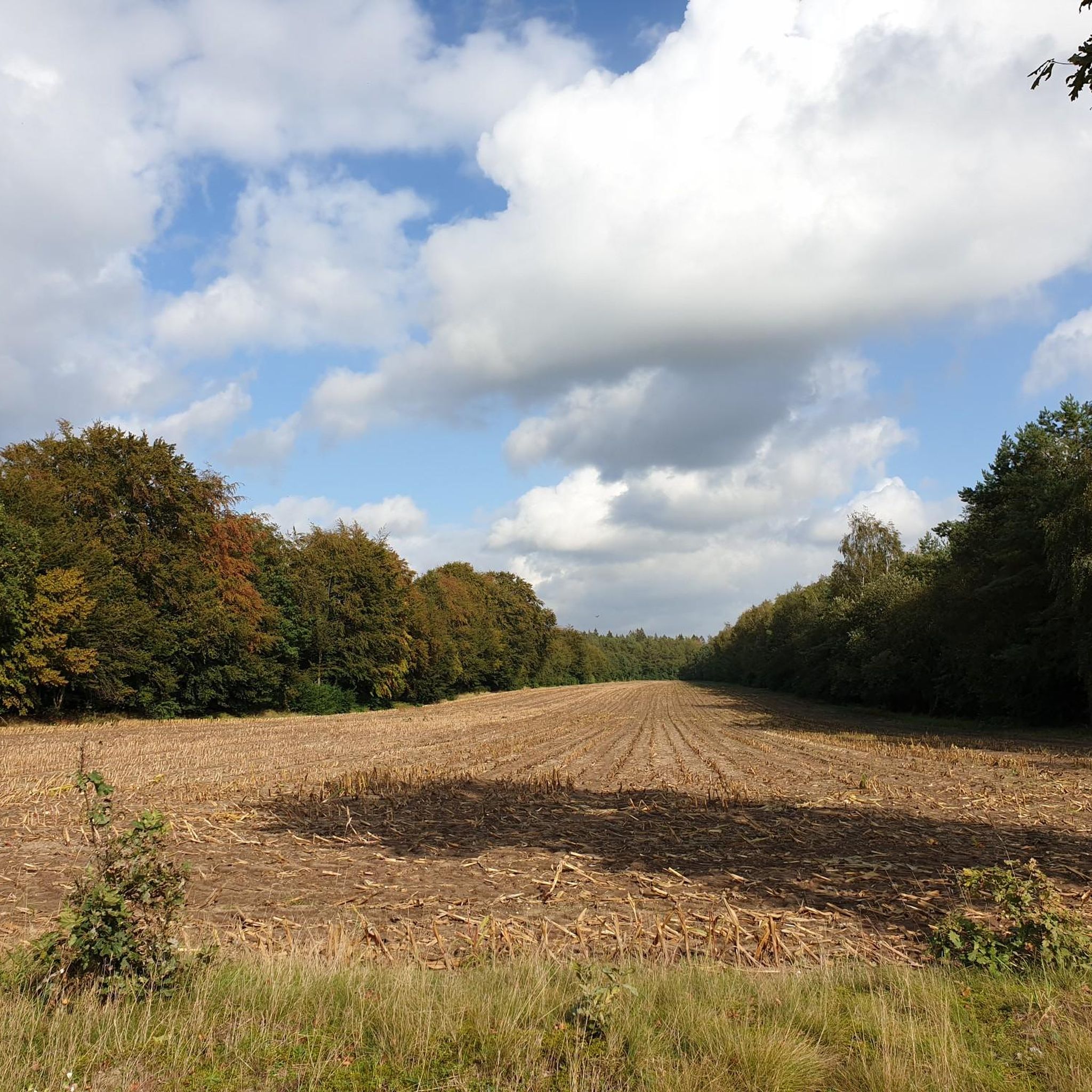
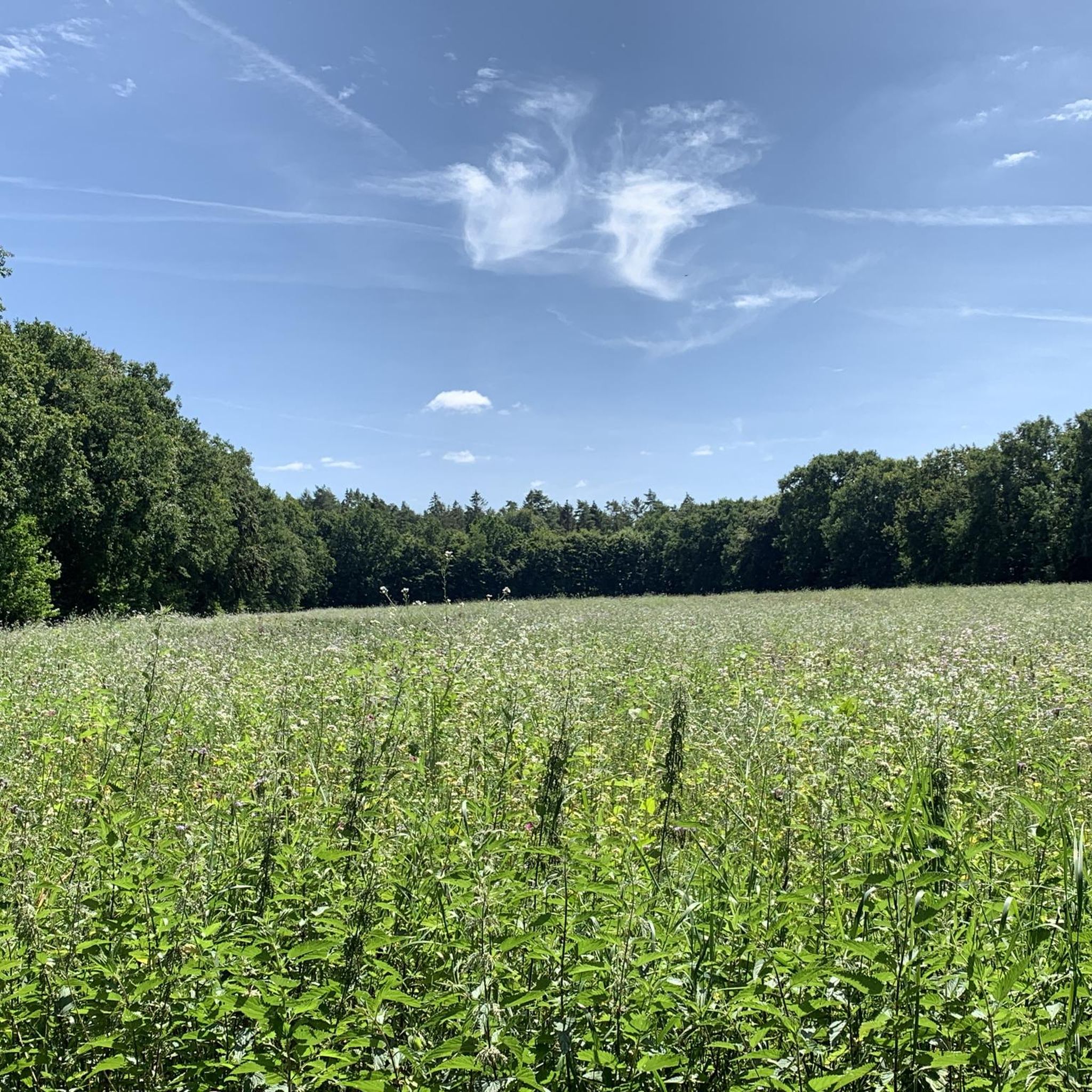
This trail leads through the structurally rich wetland of the Kiebitzholmer Moor, formed by glacial meltwater that once deposited sand and gravel between Rickling and Daldorf. The watershed between the North Sea and the Baltic Sea now runs here: the Brandsau River flows to the Baltic Sea, and the Rothenmühlenau River flows via the Stör River to the North Sea. Those who experience nature with open eyes can discover small wonders: • 🐸 Moor frogs, whose males shimmer bright blue for a few days in spring • 🐭 Harvest mice, which build elaborate nests among reeds and grasses • 🪲 Red-necked silphiums, carrion beetles with reddish-brown pronotums – indicators of near-natural habitats.
2
0

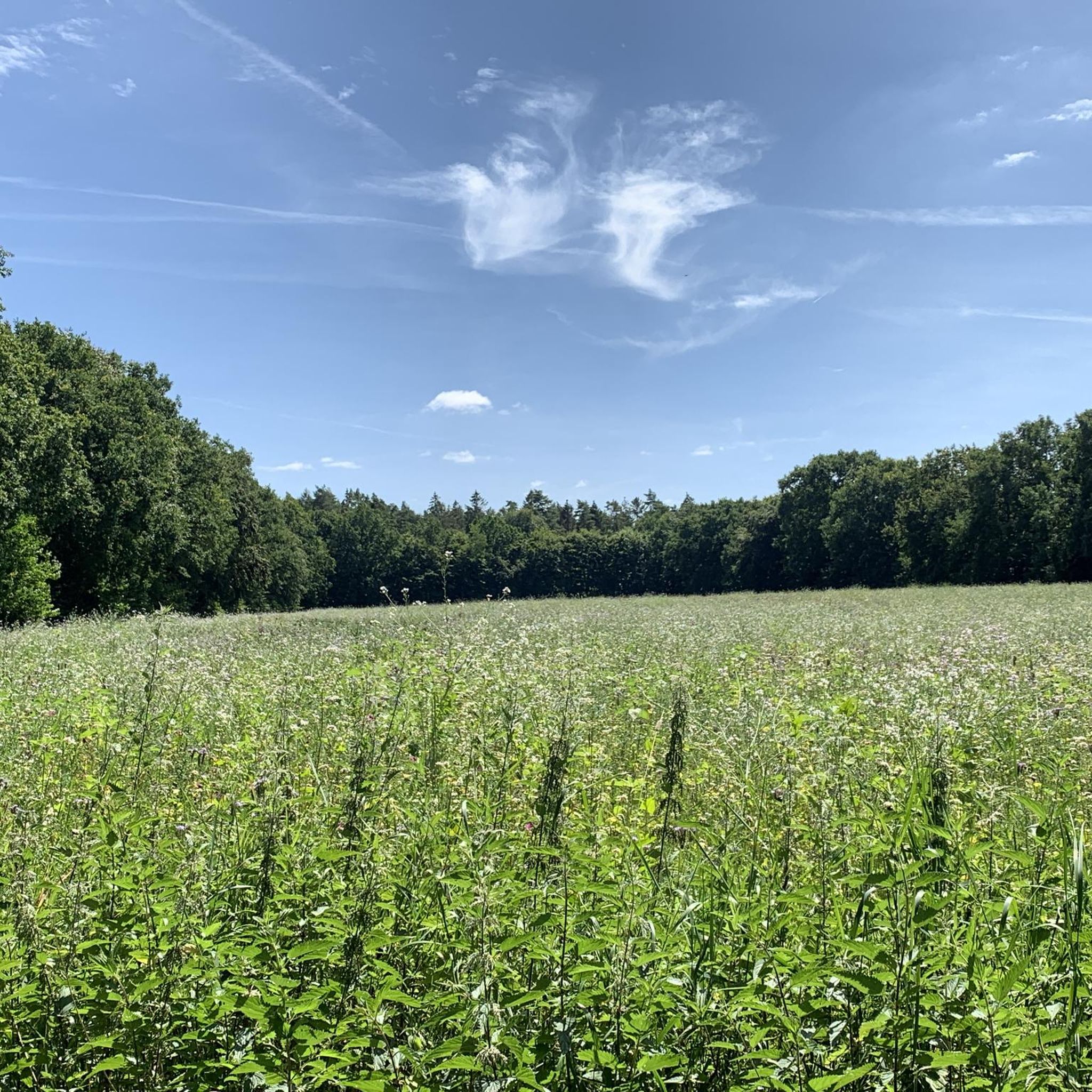
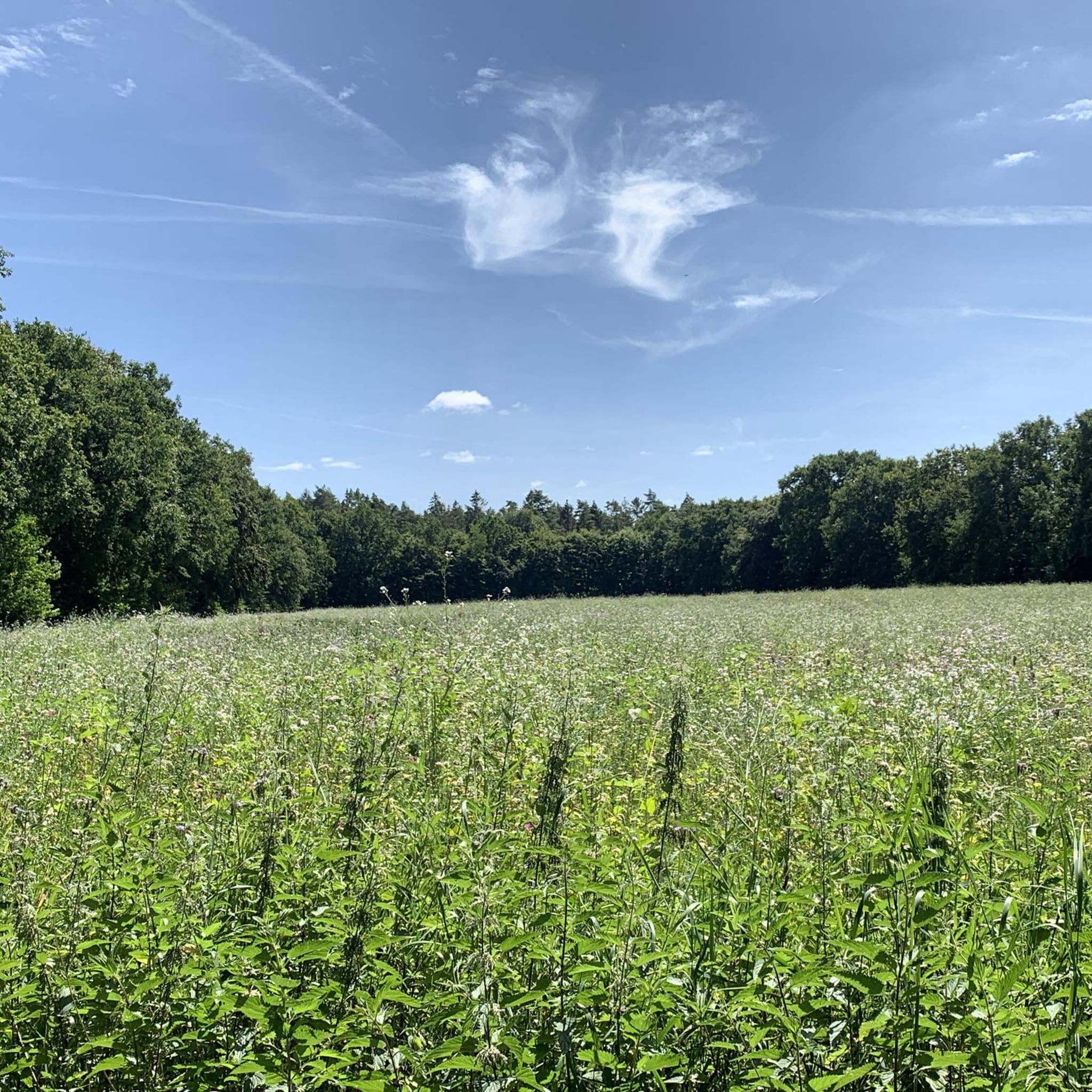
As part of the Holstein Switzerland Nature Park, the Tarbek Moor with its special charm is a popular excursion destination that gives you a variety of impressions. With its diverse composition of ponds and vegetation-free peat banks, it offers undisturbed insights into a mysterious-looking habitat. A moor birch forest borders dark ponds surrounded by snakeroot, dead birch trees in water-filled peat pits rise picturesquely into the sky and fields of waving cotton grass are reminiscent of images from Nordic legends. In the 131-hectare area, which was previously used as a peat extraction area, remnants of this use can still be seen today and carefree cycling and hiking from the Tarbek Moor to the Ihlsee in Bad Segeberg is possible both along former routes that have been preserved to this day and along the railway embankment that connected Bad Segeberg, Bornhöved and Kiel until 1960. https://www.blunkerbach-sh.de/tarbeker-moor
3
0

After it had already been completely drained of peat, the Tarbek Moor was able to develop back into a diverse, species-rich moor complex thanks to the successful renaturation that began in 1991, in which even the otter is said to be native.
2
0
The Tarbek Moor can be walked around in 1 hour. ... if it didn't offer so many beautiful moments to pause and take a break.
4
0

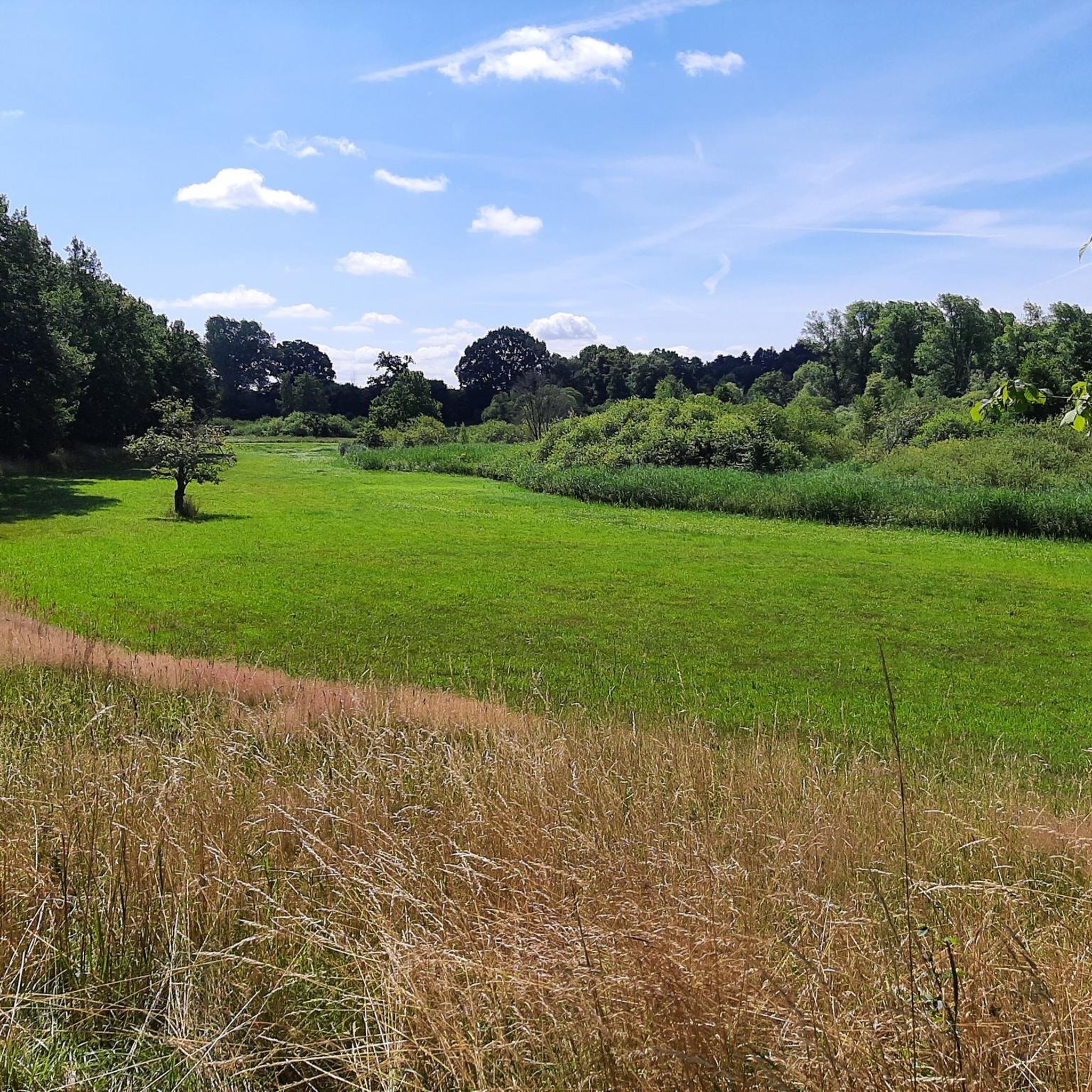
The moor has the name: Kiebitzholmer Moor! (Not "Kiebitzholzer" bog) Nice and quiet there - a herd of Galloways is running around freely - similar to the Stellmoorer Tunneltal near Hamburg. Great atmosphere - worth checking out!
0
0
Here is a memorial stone for the assembly area and a picnic area overlooking the lake.
3
0

On a nice dirt road you suddenly come across this old oak tree and wonder how old it is.
5
0

It is variously described as the thickest oak in Germany and is therefore one of the most well-known oaks of all. It has the enormous trunk circumference due to large trunk outgrowths. The trunk is said to have gotten this thickening from the repeated eating of young twigs by grazing cattle. The main base then reacted with strong scab formation and flooding. It is said to have lost its crown towards the end of the 19th century down to a height of 6 m. To date, the oak has slowly regenerated and formed a new top branch and side branches. In the 1970s, young people set fires in the trunk, which severely damaged the oak. You can still see the blackened interior. It is one of the fastest growing oaks, which is why an age of 300 years or more would theoretically be possible given the rapid annual growth. If this development continues, it could soon be the strongest oak in Germany, since it is only 8 cm apart from the alder oak.
9
2
Frequently Asked Questions
What unique natural monuments can I explore around Gönnebek?
Beyond the well-known spots, you can discover unique natural monuments like the Kattholz Oak, renowned for its massive trunk circumference and historical damage. Another interesting site is the Viert Assembly Stone Bornhöved, which combines historical significance with a natural setting overlooking a lake. For a broader natural experience, the Tarbeker Moor offers a diverse landscape of moor, forest, and lake, where you might spot cranes and otters.
Are there family-friendly natural monuments in the Gönnebek area?
Yes, several natural monuments around Gönnebek are suitable for families. The Kattholz Oak is an impressive ancient tree that can spark children's imagination. The Tarbeker Moor offers easy walks around the moor, and the Viert Assembly Stone Bornhöved provides a small rest area with lake views. Additionally, the Kiebitzholmer Moor information sign marks a trail through a structurally rich wetland, perfect for nature observation.
What kind of natural features can I expect to see when visiting these monuments?
The natural monuments around Gönnebek offer a variety of features. You'll find ancient oak trees, diverse moorlands, and significant memorial stones. Specific highlights include the impressive trunk of the Kattholz Oak, the unique ecosystem of the Tarbeker Moor with its lake and forest, and the source area of the Stör river at Source Area of the Stör. The broader region also features the significant Himmelmoor, known for its re-wetted bog landscapes and diverse wildlife.
What outdoor activities can I do near the natural monuments around Gönnebek?
The area around Gönnebek is excellent for various outdoor activities. You can enjoy cycling on routes like the 'Linden Avenue of Schönböken' or 'Winding Path Through Fields' found in the Cycling around Gönnebek guide. For running, explore trails such as 'Grabhügel Gönnebek loop' from the Running Trails around Gönnebek guide. There are also easy hikes, including the 'Village Square loop' or 'Ricklinger Forst' trails, detailed in the Easy hikes around Gönnebek guide.
Is there a significant moorland natural monument in the broader region near Gönnebek?
Yes, the Himmelmoor, located near Quickborn in the Pinneberg district, is a significant natural monument in the broader region. It was once Schleswig-Holstein's largest raised bog and is now undergoing extensive renaturation. Visitors can explore a nearly four-kilometer-long nature trail with boardwalks, observe rare plant and animal species, and learn about its history through information boards. On some weekends, you can even experience rides on a historical peat railway.
What local natural features can I find directly within Gönnebek?
Within Gönnebek itself, you can find several charming local natural features. The southern part of the municipality is home to the Forstgebiet Gerdt'sche Tannen, a forested area offering woodland walks. The central Dörpplatz (Village Green) features a tree-lined area with a small pond and a notable 'Doppeleiche' (double oak tree) accompanied by a memorial stone. Additionally, two memorial boulders serve as commemorative markers, integrating natural stones into the community's history.
What do visitors enjoy most about the natural monuments around Gönnebek?
Visitors particularly appreciate the unique character and natural beauty of the area. The Kattholz Oak is often described as 'awesome' and 'impressive' due to its age and size. The Tarbeker Moor is loved for its peaceful atmosphere and opportunities to observe wildlife like dragonflies, cranes, and otters. The historical context of sites like the Viert Assembly Stone Bornhöved also adds to the visitor experience.
Are there any historical natural monuments in the area?
Yes, the region offers natural monuments with historical significance. The Viert Assembly Stone Bornhöved is an interesting historical site that also functions as a natural monument, offering a glimpse into the area's past. Within Gönnebek, the 'Doppeleiche' (double oak tree) on the Dörpplatz and the memorial boulders also serve as natural features with local historical importance.
What is the best time to visit the natural monuments around Gönnebek?
The natural monuments around Gönnebek can be enjoyed throughout the year, but each season offers a different experience. Spring brings fresh greenery and blooming flora, while summer is ideal for longer walks and outdoor activities. Autumn showcases vibrant fall colors, especially in forested areas like Forstgebiet Gerdt'sche Tannen. Even in winter, a crisp walk through the moorlands or past ancient trees can be a serene experience, though some trails might be muddy.
Can I bring my dog to the natural monuments around Gönnebek?
Generally, many natural areas around Gönnebek are dog-friendly, especially for walks on designated trails. However, it's always recommended to keep dogs on a leash to protect local wildlife and ensure the safety of other visitors. Specific regulations might apply to sensitive ecosystems like moorlands, so look for local signage at each site. Always remember to clean up after your pet.
Where can I find parking near the natural monuments?
Parking availability varies by location. For more prominent sites like the Himmelmoor, dedicated parking areas are usually provided. For local features within Gönnebek, such as the Dörpplatz or Forstgebiet Gerdt'sche Tannen, you may find roadside parking or small designated spots. It's advisable to check local signage upon arrival or consult maps for specific parking information before your visit.
Are there accessible trails for natural monuments near Gönnebek?
While specific data on fully accessible trails for all natural monuments is not available, many paths, especially around the Tarbeker Moor and the Himmelmoor, include boardwalks or relatively flat terrain that may be suitable for a wider range of visitors. For detailed accessibility information, it's best to check specific site descriptions or local visitor information centers.
Most popular routes around Gönnebek
Most popular attractions around Gönnebek

Get inspired with the komoot mobile app


Explore more
Extend your search for the best caves by checking out these guides of the top ones around Gönnebek:
