Top 7 Natural Monuments around Cammin
Natural monuments around Cammin, also known as Kamień Pomorski, are characterized by diverse landscapes shaped by glacial activity, including coastal cliffs, ancient forests, and unique geological features. The region features significant natural attractions and historical sites that reflect its rich heritage. These areas offer opportunities to explore varied ecosystems and witness natural scenery. The landscape provides a setting for outdoor activities focused on natural exploration.
Best natural monuments around Cammin
- The most popular natural monument is Polchow Church, a…
Last updated: June 24, 2026
Polchow Church
Highlight • Religious Site
Translated by Google •
Tip by

Lieper Castle
Highlight • Historical Site
Translated by Google •
Tip by

Sign up now to discover places like this
Get recommendations on the best single tracks, peaks, & plenty of other exciting outdoor places.
Sign up for free
Great Stone (Groß Freienholz Glacial Erratic)
Highlight • Natural Monument
Translated by Google •
Tip by

Zwillinge Memorial Boulders
Highlight • Natural Monument
Translated by Google •
Tip by
Gramsdorfer Berge Nature Reserve
Highlight • Natural Monument
Translated by Google •
Tip by

Sign up for free to discover even more natural monuments around Cammin.
Sign up for free
Already have an account?
Start today with a free account
Your next adventure awaits.
Login or Signup
Tips from the Community

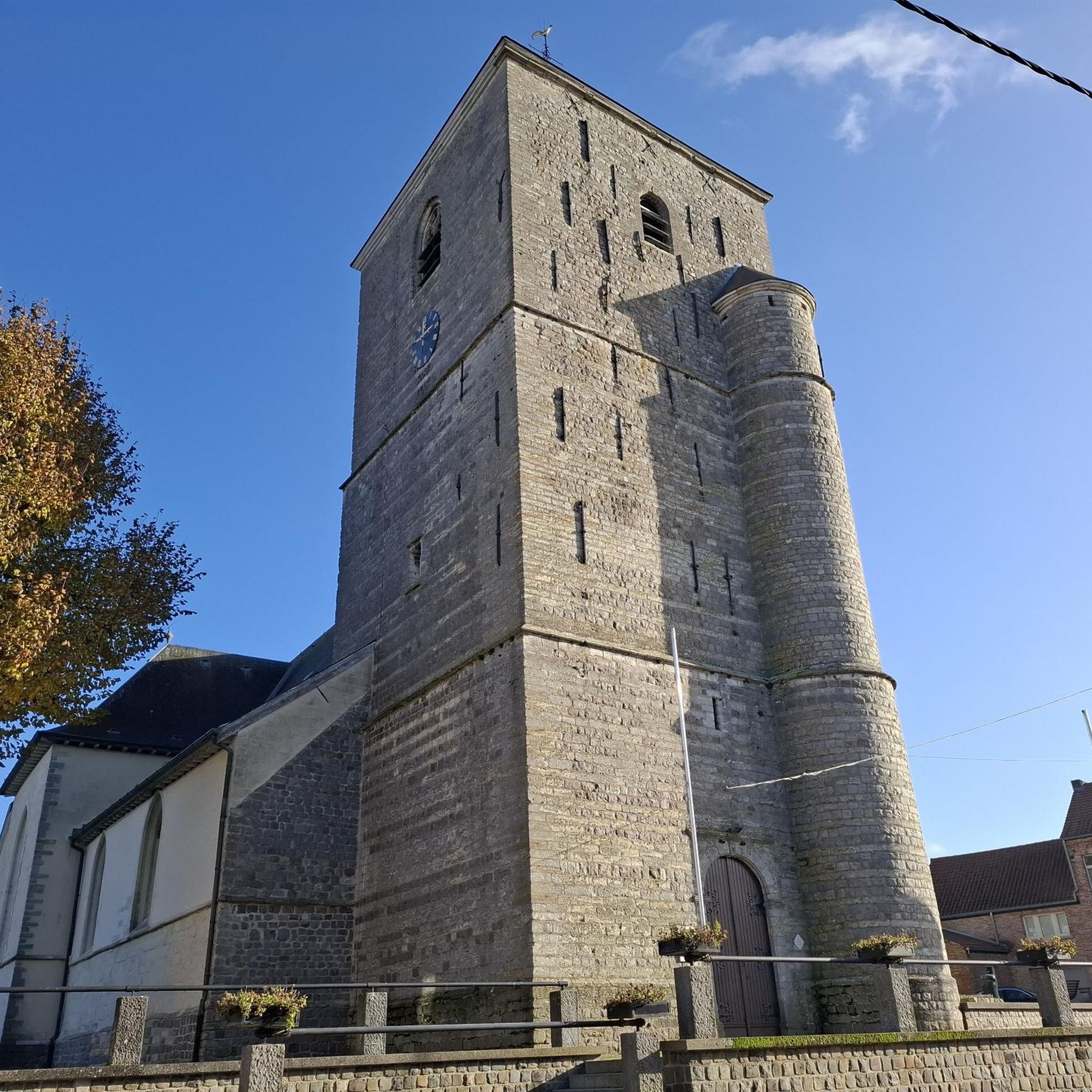
Polchow lay on Mecklenburg's oldest trade route, the Via Regia, which ran through this area 1,000 years ago and was already used by Slavic and Arab traders. The church in Polchow was built between 1888 and 1891 by Gotthilf Ludwig Möckel and is a neo-Gothic brick building with a recessed choir and a west tower, constructed over a three-year period. The choir windows depict the apostles Peter and Paul. The stone epitaph depicts the Crucifixion in its center, flanked by kneeling family members turning toward the scene of the crucifixion. Above it is the Resurrection. The old linden tree in the cemetery was declared a natural monument in 1937 and is considered the oldest linden tree in Mecklenburg. As early as 1886, its circumference was given as 13 meters.
1
0

If you want some "adventure" you can go past the path to the stone and through the forest on the other side.
0
0

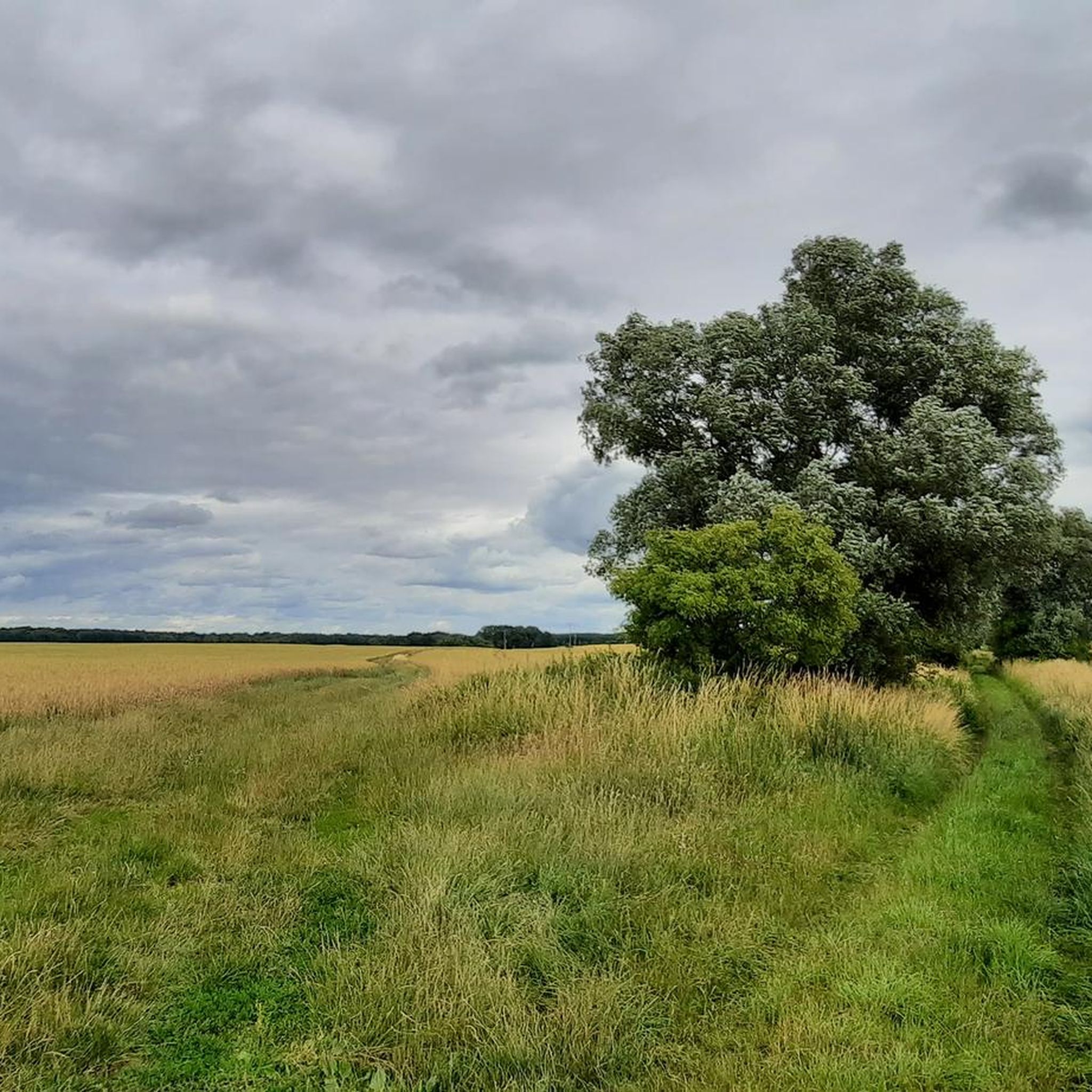
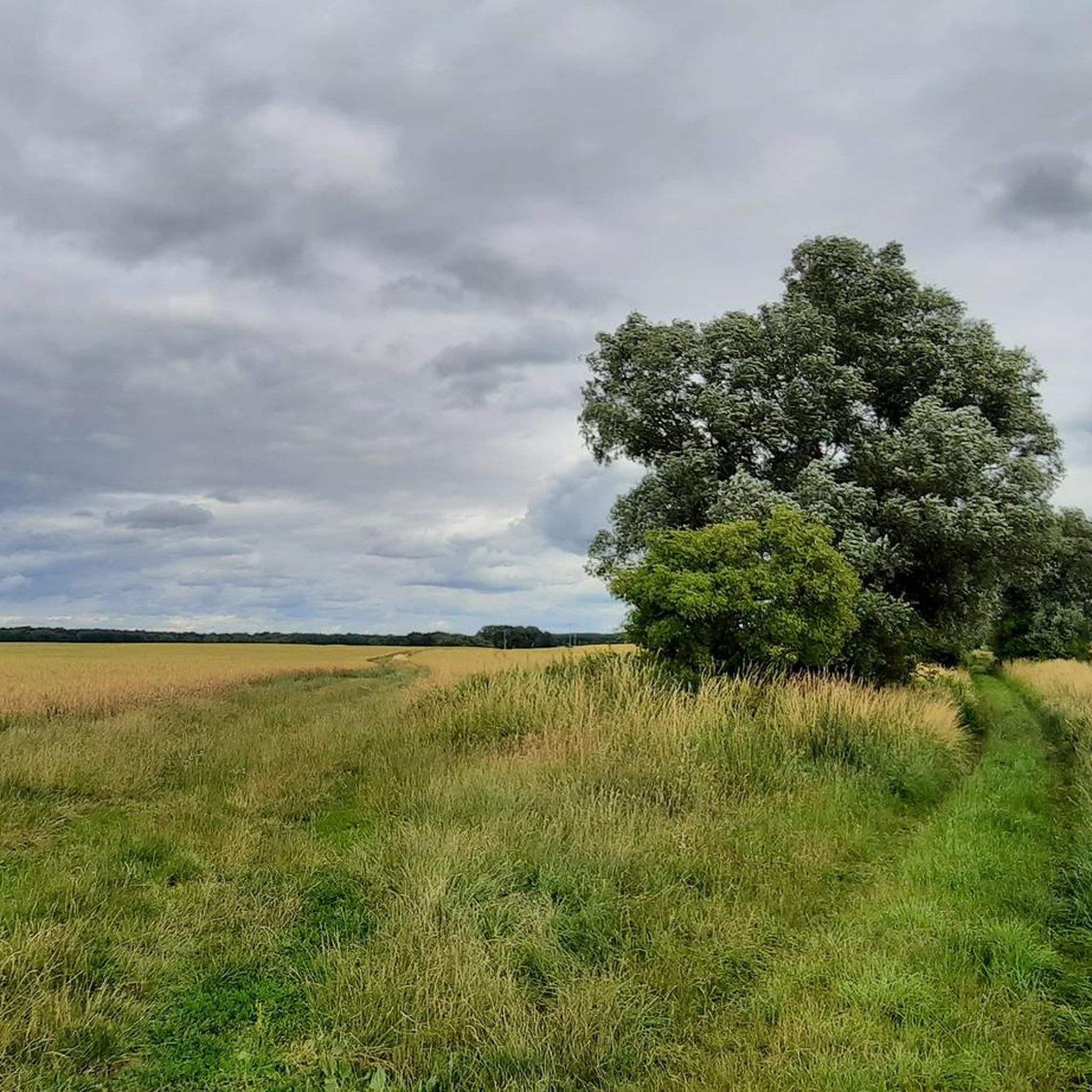
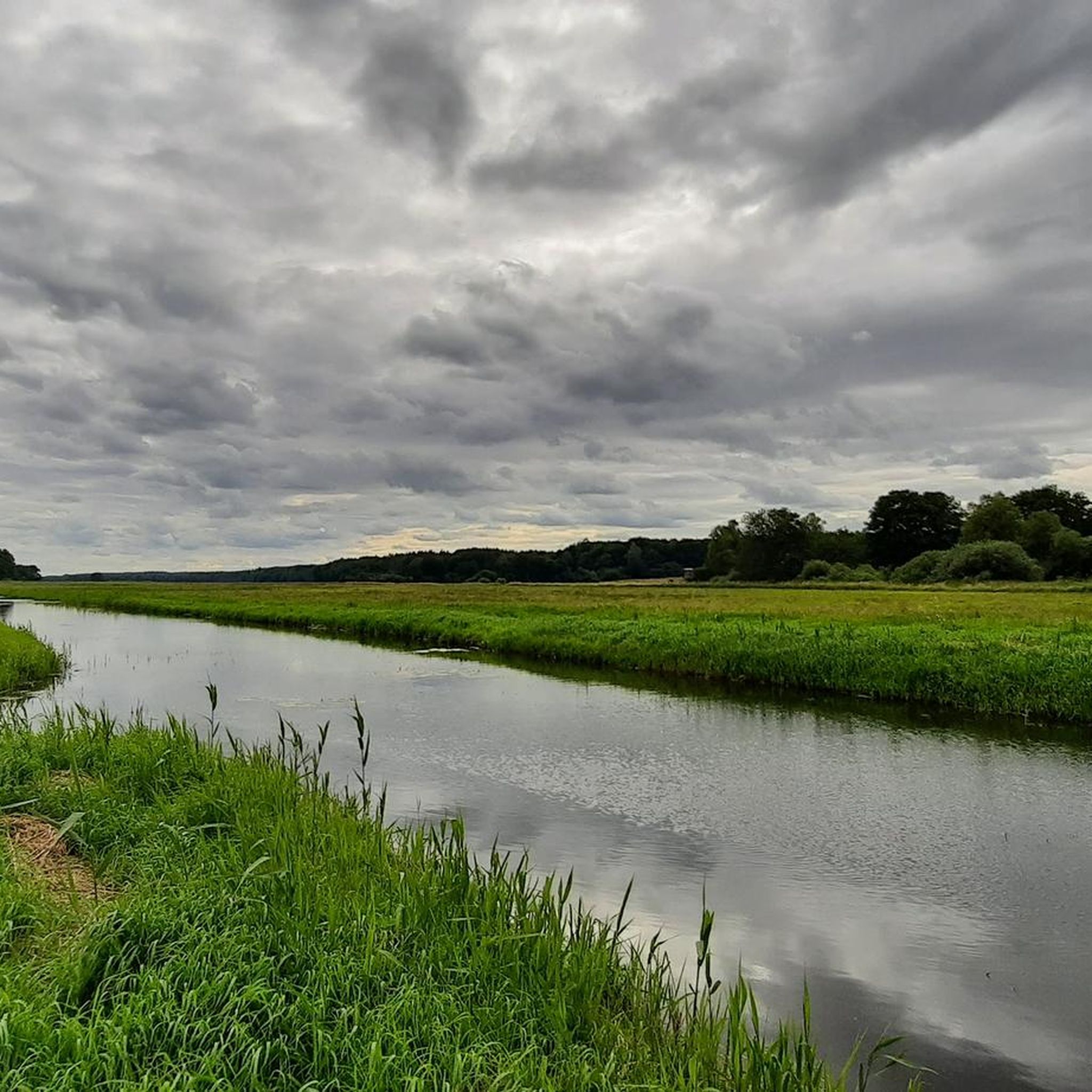
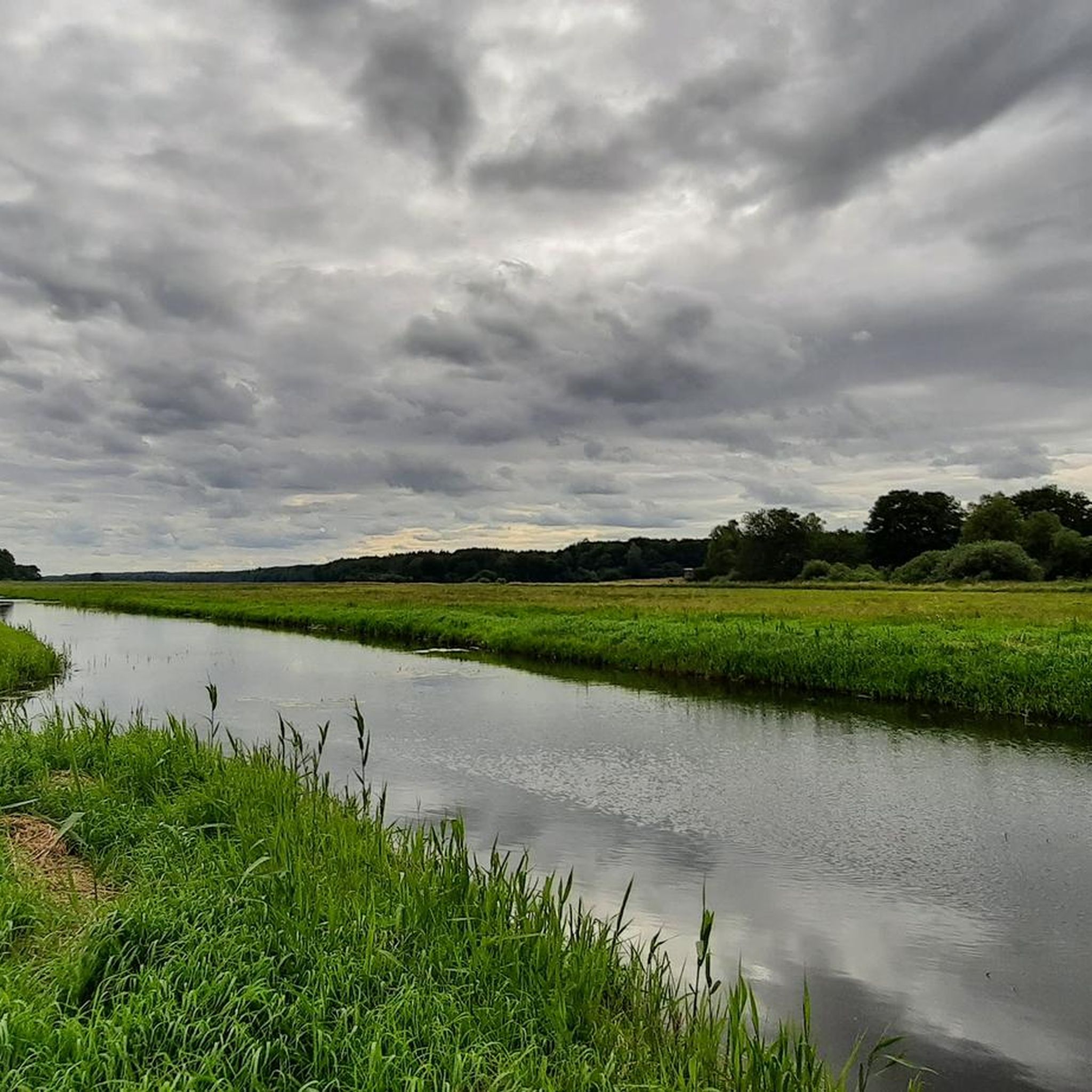
This is a 47 hectare nature reserve in the Recknitz Valley. You shouldn't expect mountains, but it is a pretty hilly landscape with forests and meadows. The former route of the beet railway runs through the middle.
0
0

Definitely go there and let the magic work on you ❤️
1
2

The foundling Groß Freienholz, also known as the "Big Stone", has a length of ~ 5.30m, a width of ~ 4.30m and a volume of ~ 14.30 m3.
1
0

The 1000-year-old linden tree also stands here in the cemetery
1
0

Polchow, the oldest village in the Güstrow district, was first mentioned in documents in 1216. At that time it was owned by the Dargun Monastery, which also received patronage rights over the church. The oldest trade route in Mecklenburg, "via regia", passed the site and offered rest and supply facilities in the "taberna" called 1219. Polchow's church, which dates back to the 13th century, was demolished in 1888 due to dilapidation. It was replaced by the church designed by Gotthilf Ludwig Möckel between 1888 and 1891 and built by the Teterower master builder Pitschner. The neo-Gothic brick building with west tower has been extensively restored inside and out in recent years.
1
0

At this point there are two large erratic blocks - the twins. You can find inscriptions from the 20s on both stones.
4
0
Frequently Asked Questions
What unique geological features can I find among the natural monuments around Cammin?
The region around Cammin is rich in geological features shaped by glacial activity. You can discover impressive glacial erratics like the Great Stone (Groß Freienholz Glacial Erratic), a large boulder nestled in the woods, or the Zwillinge Memorial Boulders, two significant erratic blocks with historical inscriptions. Further afield, the Royal Boulder (Głaz Królewski) in the Dziwna riverbed is a massive glacial erratic steeped in local legend. Wolin National Park also features dramatic coastal cliffs and the distinctive Turquoise Lake, a former chalk mine with a unique green hue.
Are there any natural monuments with historical significance or legends?
Yes, several natural monuments around Cammin are intertwined with history and local legends. The Royal Boulder (Głaz Królewski) is said to be where Duke Bolesław III Wrymouth stood in 1121 to greet sailors, or a petrified toad cursed by a Slavic god. The Polchow Church, while a religious building, is notable for its 1000-year-old linden tree in the cemetery, declared a natural monument in 1937 and considered the oldest linden tree in Mecklenburg. Additionally, the Zwillinge Memorial Boulders bear inscriptions from the 1920s, adding a historical layer to these natural formations.
What kind of natural landscapes can I expect to see in Wolin National Park?
Wolin National Park, located near Cammin, offers a diverse range of natural landscapes. You can explore dramatic coastal cliffs, such as those on Wolin Island, which are among the highest on the Polish coast and offer panoramic views of the Baltic Sea. The park also features serene lakes, ancient forests, and the unique Delta of Świna, an archipelago of marshy islets important for nesting birds. These landscapes were largely shaped by glacial activity, creating a varied and picturesque environment.
Are there family-friendly natural attractions around Cammin?
Many natural monuments in the region are suitable for families. The Great Stone (Groß Freienholz Glacial Erratic) is located in the middle of the woods, offering an easy exploration for children. The Zwillinge Memorial Boulders are also considered family-friendly. Within Wolin National Park, the Turquoise Lake (Jezioro Turkusowe) with its striking color is a captivating sight for all ages, and the accessible viewpoints like Kawcza Góra provide stunning coastal vistas without strenuous effort.
What outdoor activities can I do near these natural monuments?
The area around Cammin offers various outdoor activities. You can enjoy easy hikes, with routes like the Stone grave in the forest loop or the Jewish Cemetery Tessin loop. For cycling enthusiasts, there are options for gravel biking and touring bicycle routes, such as the Thulendorf Village Church – Gelbensande Hunting Lodge loop or the Small Swimming Lake – Göldenitz Cycle Path loop. These activities allow you to explore the natural beauty and monuments at your own pace. Find more details on routes in the Easy hikes around Cammin, Gravel biking around Cammin, and Cycling around Cammin guides.
Where can I find impressive viewpoints of the Baltic Sea?
For breathtaking views of the Baltic Sea, head to Wolin National Park. The Cliffs on Wolin Island offer extraordinary panoramic vistas, reaching up to 93 meters above sea level. Specific lookout points like Kawcza Góra, accessible via a large wooden staircase, and Gosań Hill, also featuring cliffs over 93 meters, provide expansive and memorable views of the coastline and the sea.
Are there any ancient trees or forests to explore?
Yes, the region is home to ancient trees and forested areas. The Polchow Church features a remarkable 1000-year-old linden tree in its cemetery, which is a protected natural monument. Additionally, Wolin National Park encompasses ancient forests, providing opportunities for tranquil walks and experiencing diverse ecosystems.
What is the Delta of Świna and why is it significant?
The Delta of Świna, located within Wolin National Park, is a unique island-like delta characterized by an archipelago of marshy islets. It is a vital ecological area, particularly important as a habitat for nearly 150 species of nesting birds. The dynamic landscape here is influenced by the reverse currents of the Świna Strait, making it a fascinating place for nature observation and birdwatching.
What do visitors enjoy most about the natural monuments around Cammin?
Visitors appreciate the diverse landscapes and the sense of discovery. Many enjoy the tranquility of places like the Great Stone (Groß Freienholz Glacial Erratic), describing it as a magical spot in the woods. The historical elements, such as the ancient linden tree at Polchow Church and the inscriptions on the Zwillinge Memorial Boulders, also add a unique appeal. The komoot community has shown its appreciation with over 35 upvotes and 16 photos shared, highlighting the region's natural beauty and points of interest.
Can I find any historical sites that are also natural monuments?
Yes, the region offers a blend of natural and historical significance. For instance, Lieper Castle is an early Slavic hill castle from the 8th century, situated on a spur-like ledge above the Recknitztal, and is considered a natural monument. Similarly, the Anglybieten Burial Mounds are an archaeological monument located within a forest, blending ancient human history with the natural environment.
What is the best way to access Wolin National Park from Cammin?
Wolin National Park is located to the west of Cammin. While there isn't a direct public transport link specifically for natural monuments, you can typically reach the park by car or by using local bus services to towns within or bordering the park, such as Międzyzdroje or Wapnica (for Turquoise Lake). From these points, many natural attractions are accessible via walking or cycling trails. For detailed public transport information, it's advisable to check local schedules.
Most popular attractions around Cammin

Get inspired with the komoot mobile app


Explore more
Extend your search for the best caves by checking out these guides of the top ones around Cammin:
