Top 20 Natural Monuments around Wildflecken
Best natural monuments around Wildflecken are situated within the UNESCO Biosphere Reserve Rhön, a region characterized by its volcanic origins and distinctive geological formations. This landscape offers a variety of natural landmarks and viewpoints. Visitors can explore summits, lakes, and unique ecosystems that define the area's natural beauty. The region provides diverse experiences for those seeking to engage with nature.
Best natural monuments around Wildflecken
- The most popular natural monuments is Pferdskopf Summit, a summit of volcanic origin. It…
Last updated: October 11, 2026
Wasserkuppe aviation memorial
Highlight • Monument
Translated by Google •
Tip by

Guckaisee
Highlight • Lake
Translated by Google •
Tip by

Sign up now to discover places like this
Get recommendations on the best single tracks, peaks, & plenty of other exciting outdoor places.
Boardwalk Trail Through the Rotes Moor
Highlight (Segment) • Trail
Translated by Google •
Tip by

Golgotha group (Three Crosses) on the Kreuzberg
Highlight • Monument
Translated by Google •
Tip by

Pferdskopf Summit
Highlight • Summit
Translated by Google •
Tip by

Sign up for free to discover even more natural monuments around Wildflecken.
Already have an account?
Start today with a free account
Your next adventure awaits.
Popular around Wildflecken
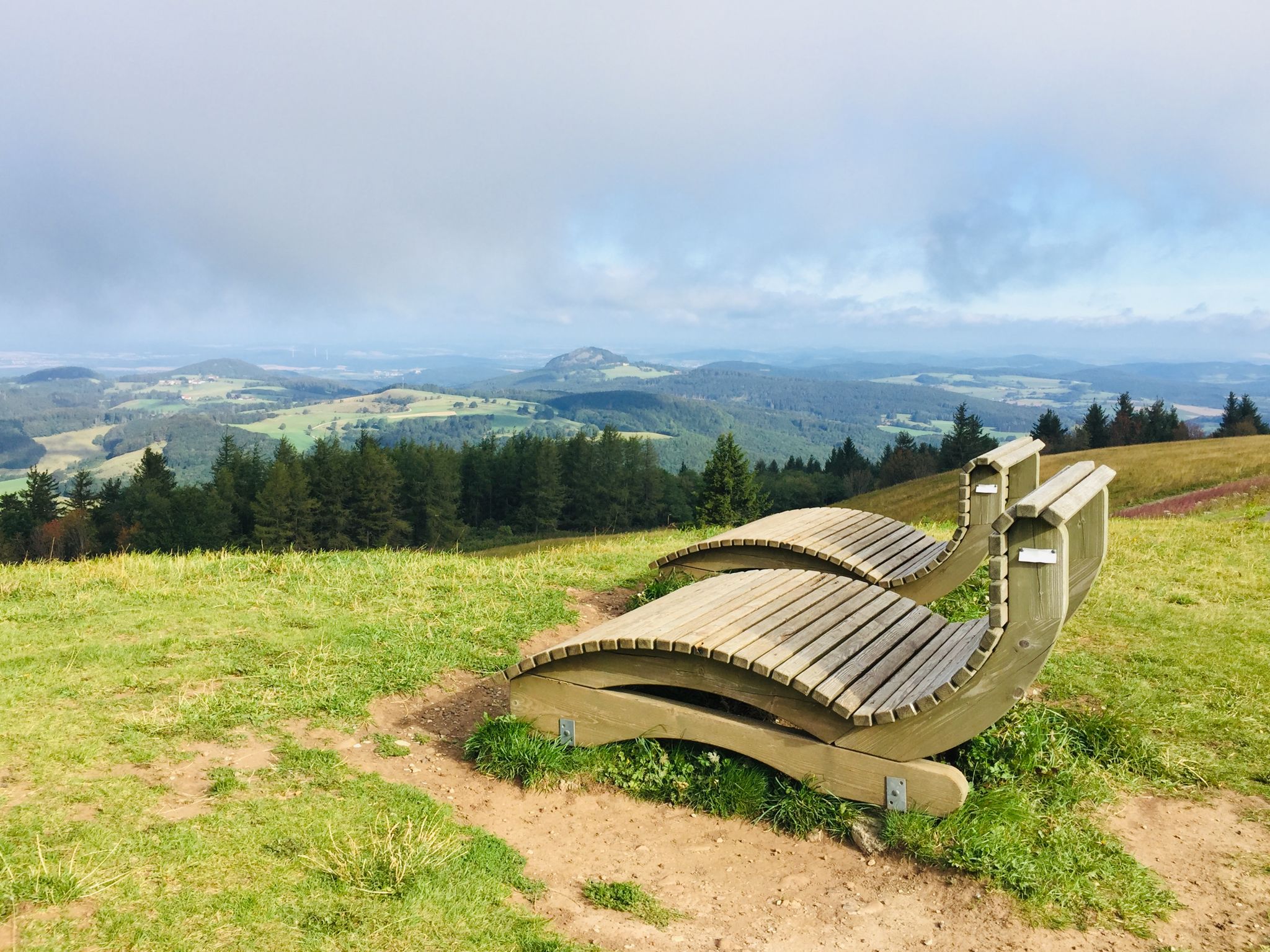
The National Natural Landscapes in Hessen
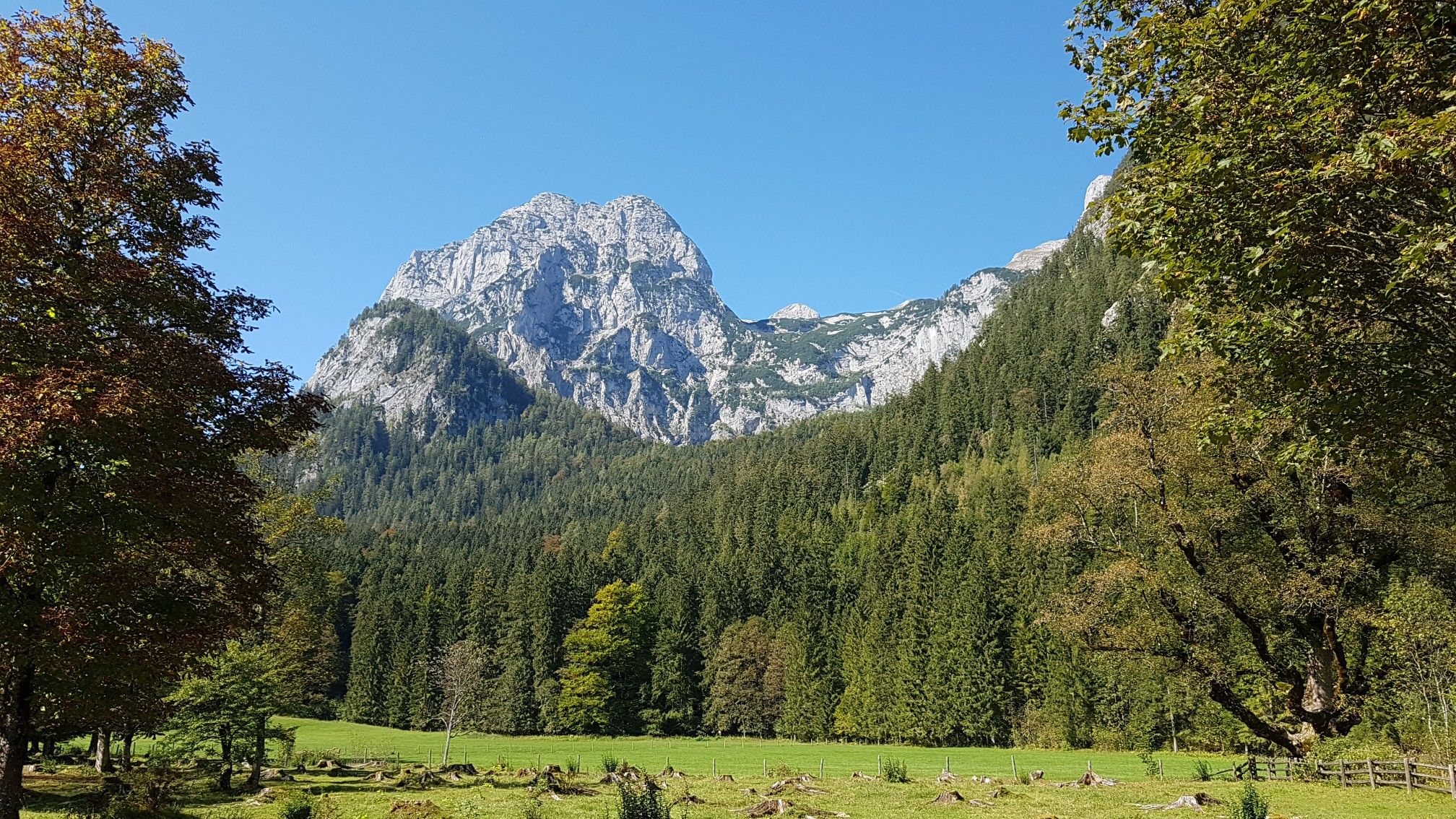
The National Natural Landscapes in Bavaria
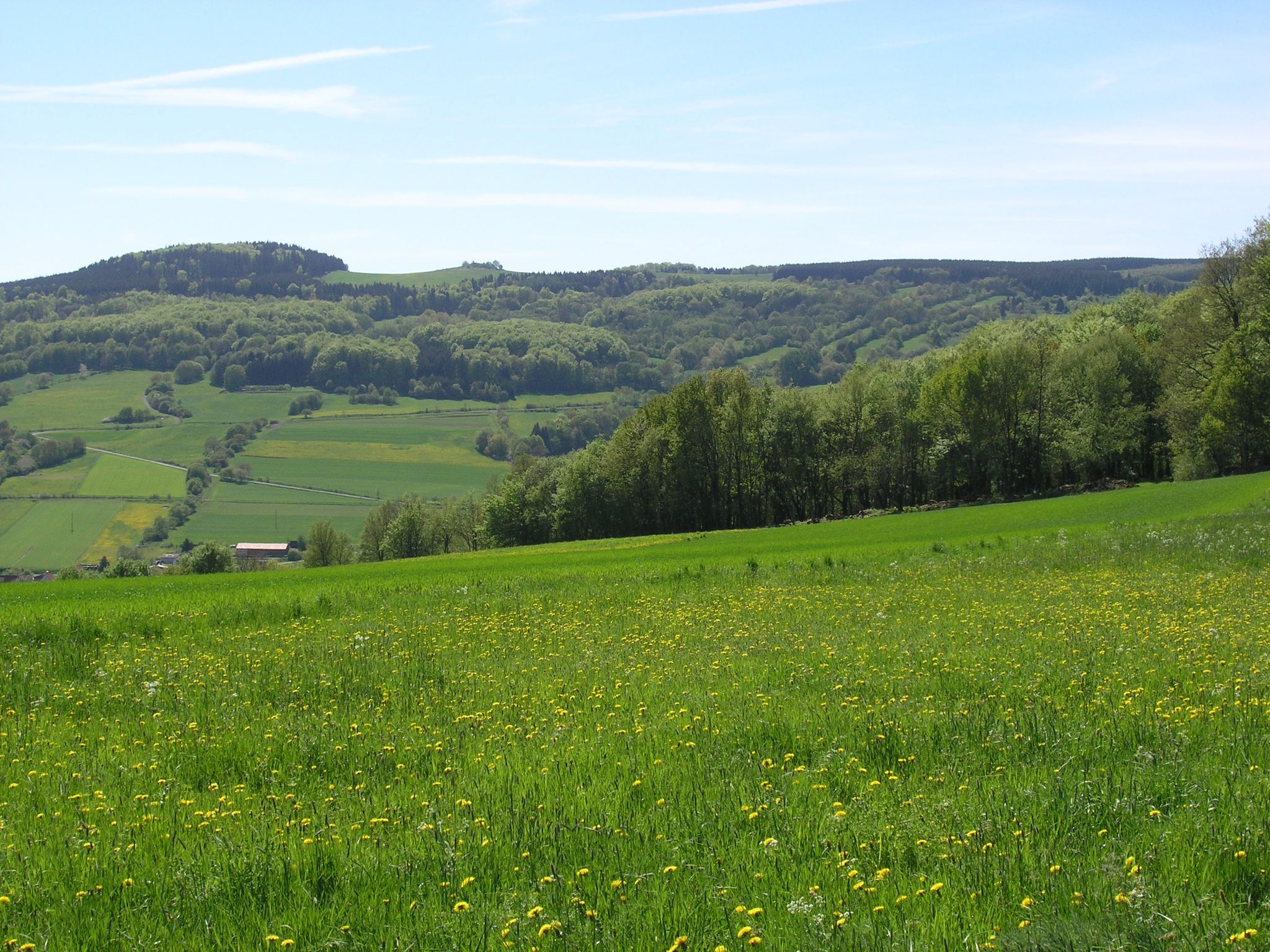
Extra tours South - Excellent premium hiking trails of the Rhön
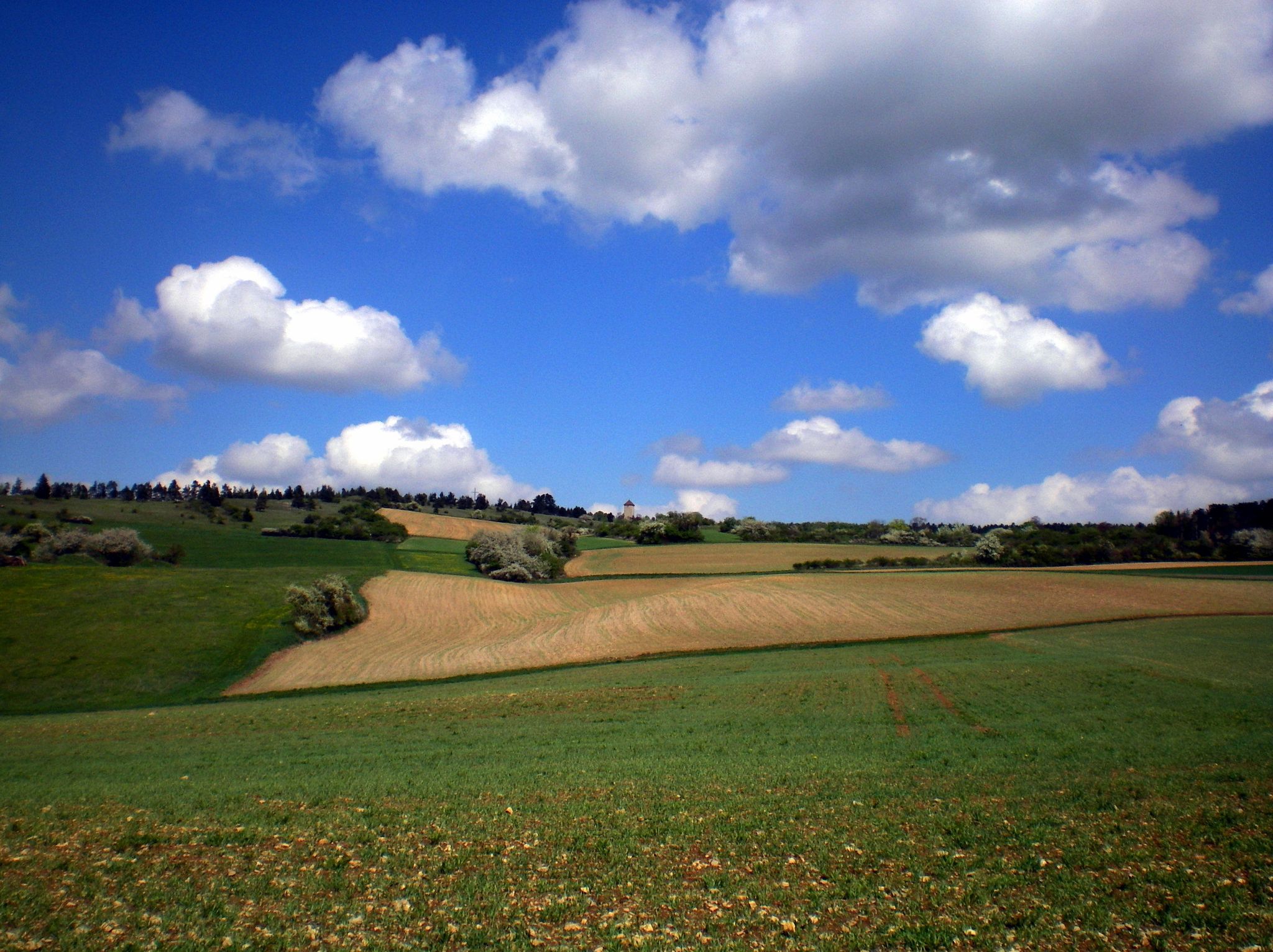
Naturlehrpfade – Natur und Wissen
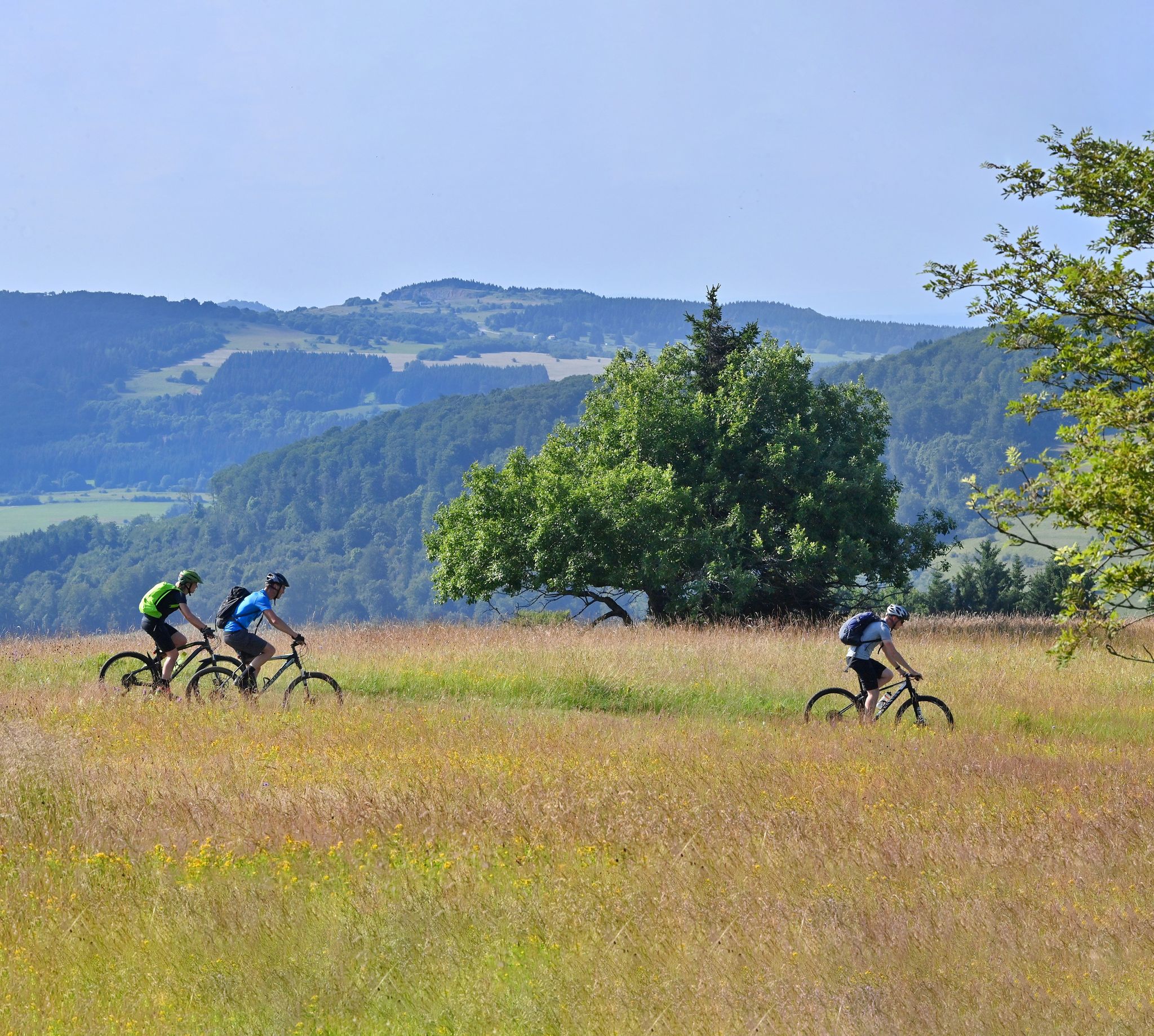
Mountain bike routes in the Rhön
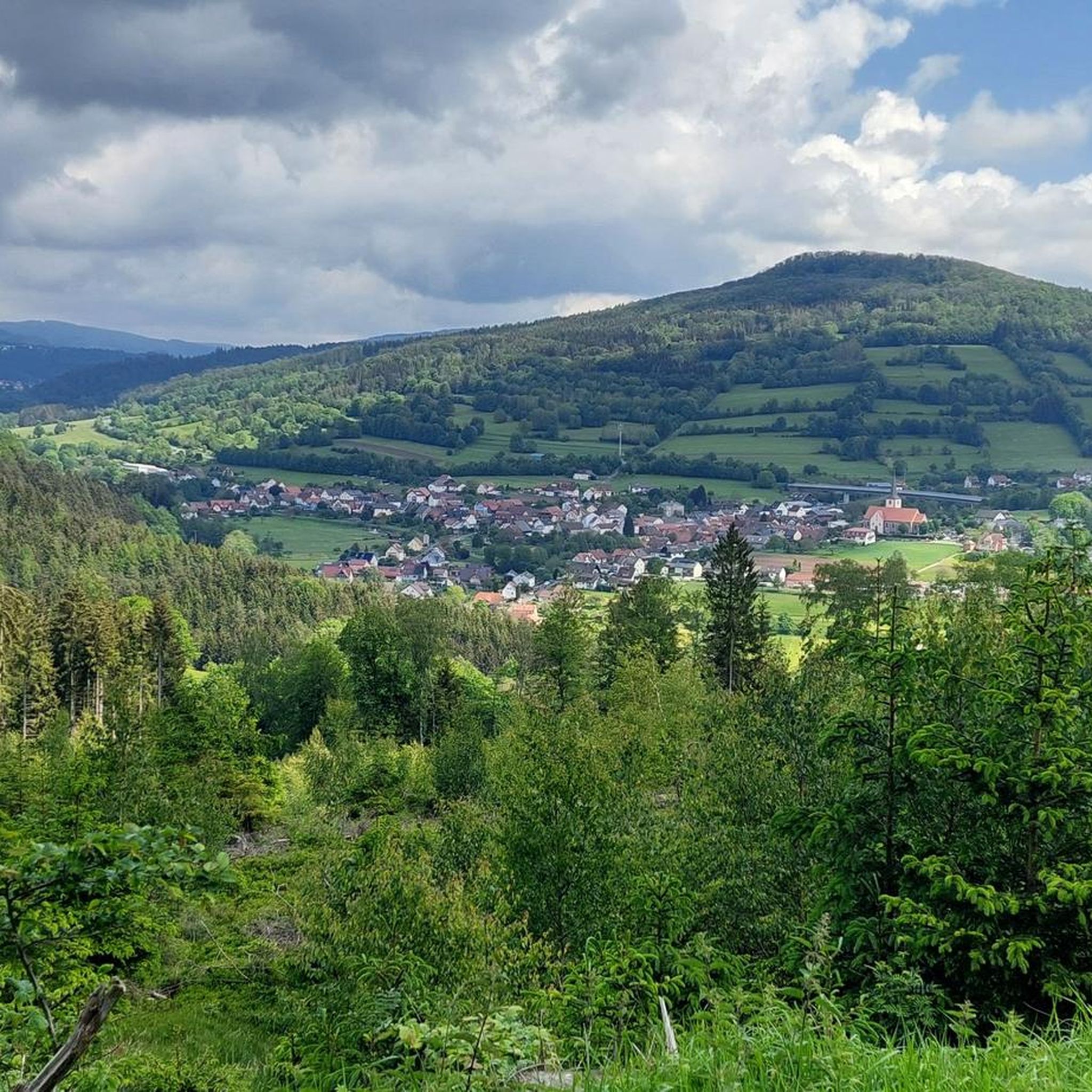
Hiking around Wildflecken
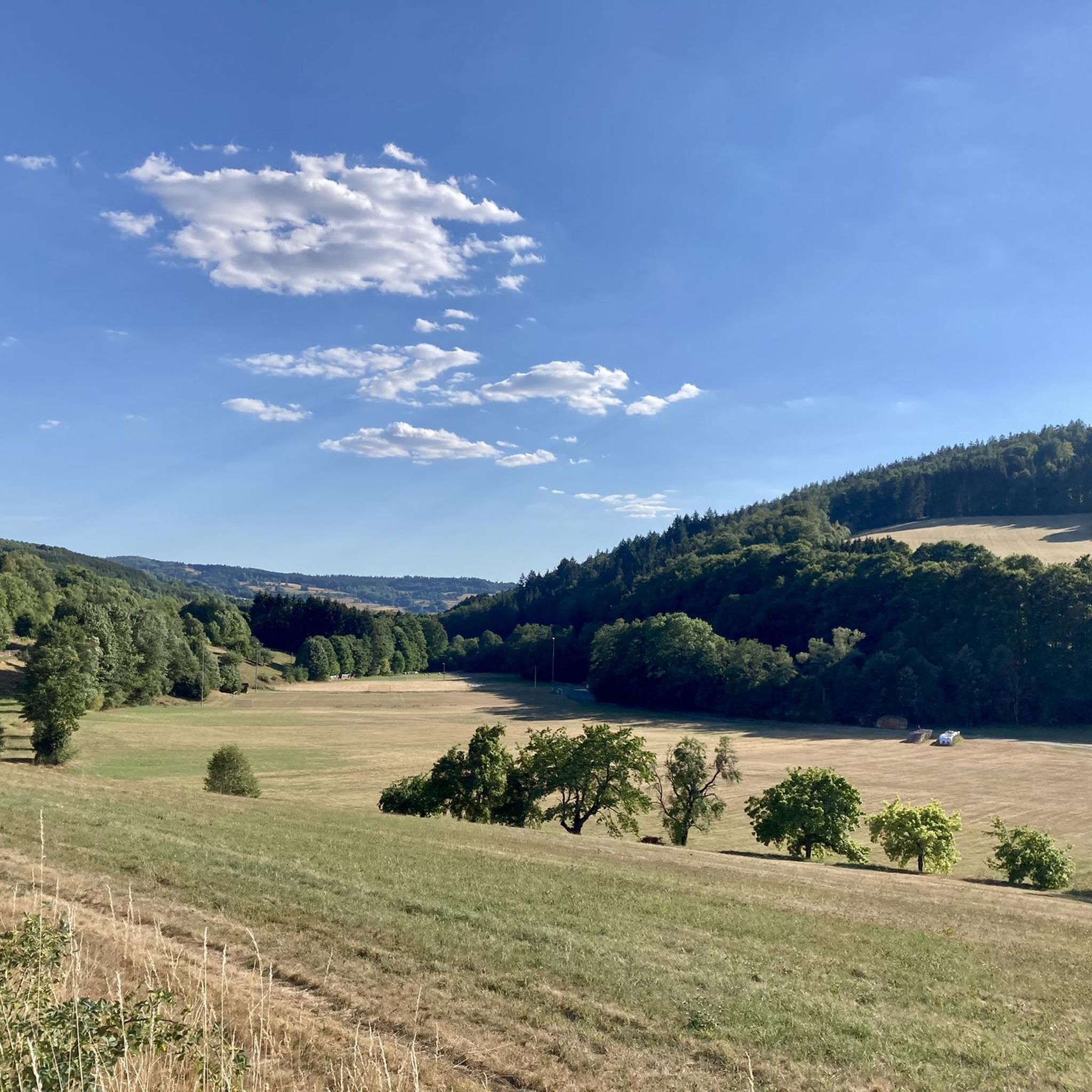
Cycling around Wildflecken
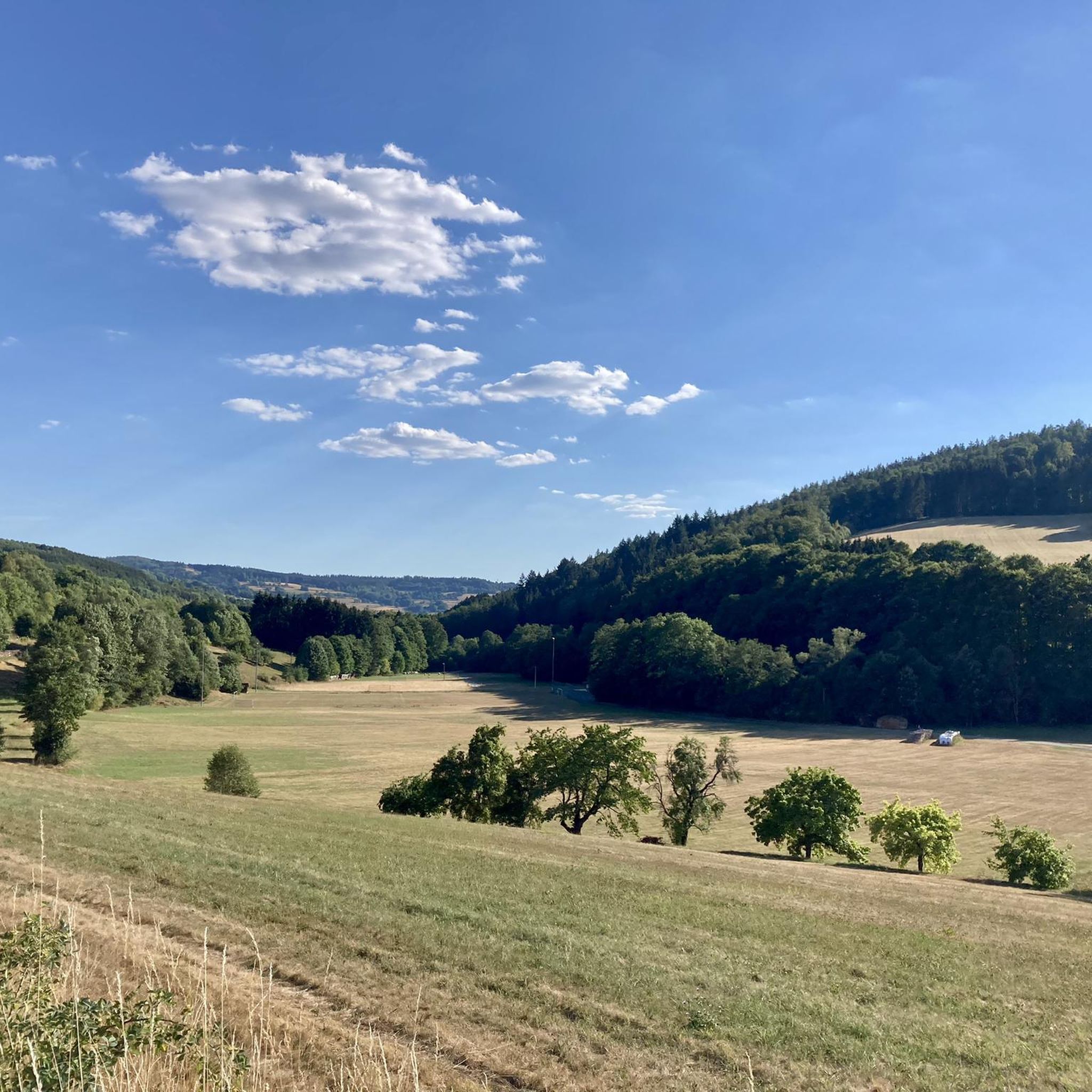
MTB Trails around Wildflecken
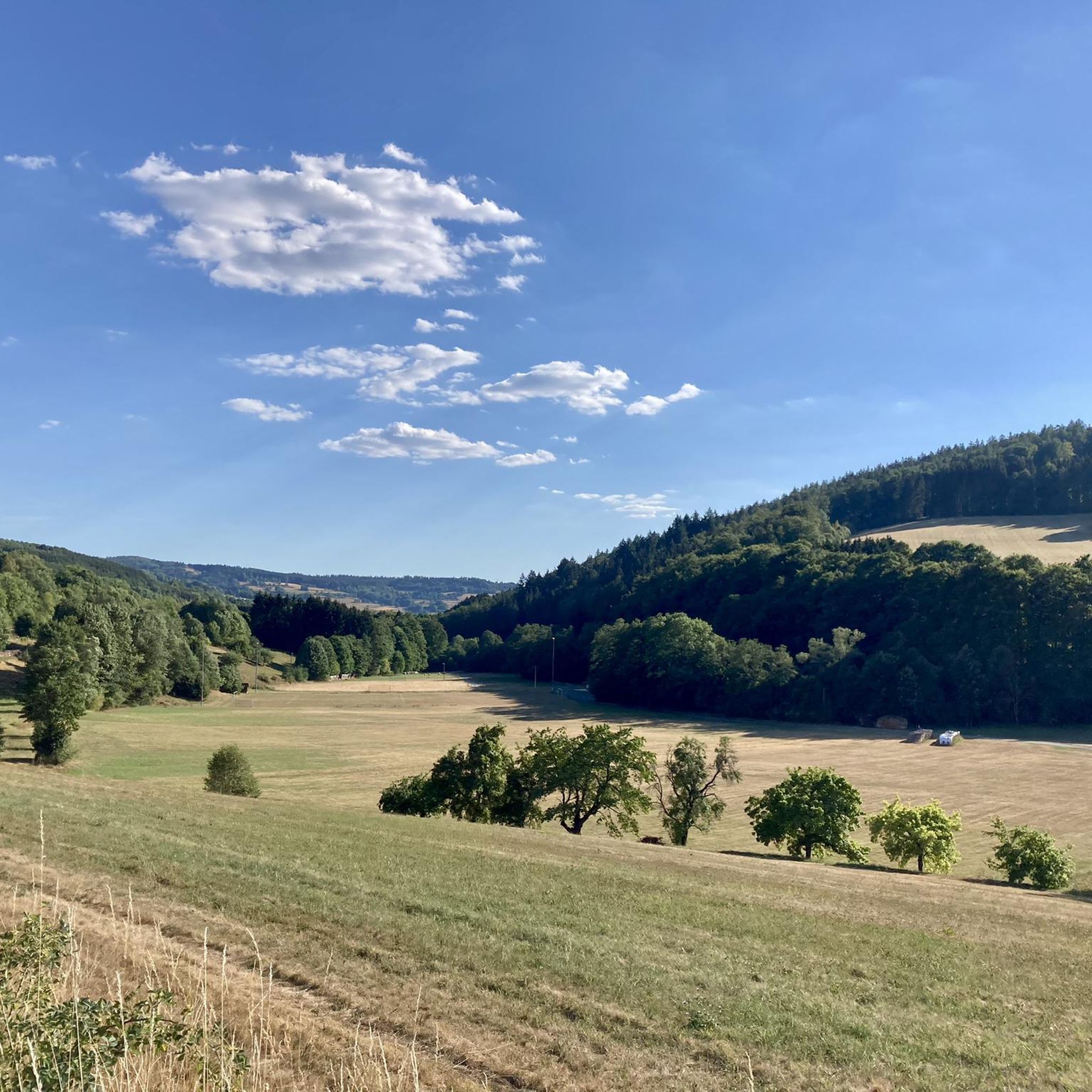
Road Cycling Routes around Wildflecken
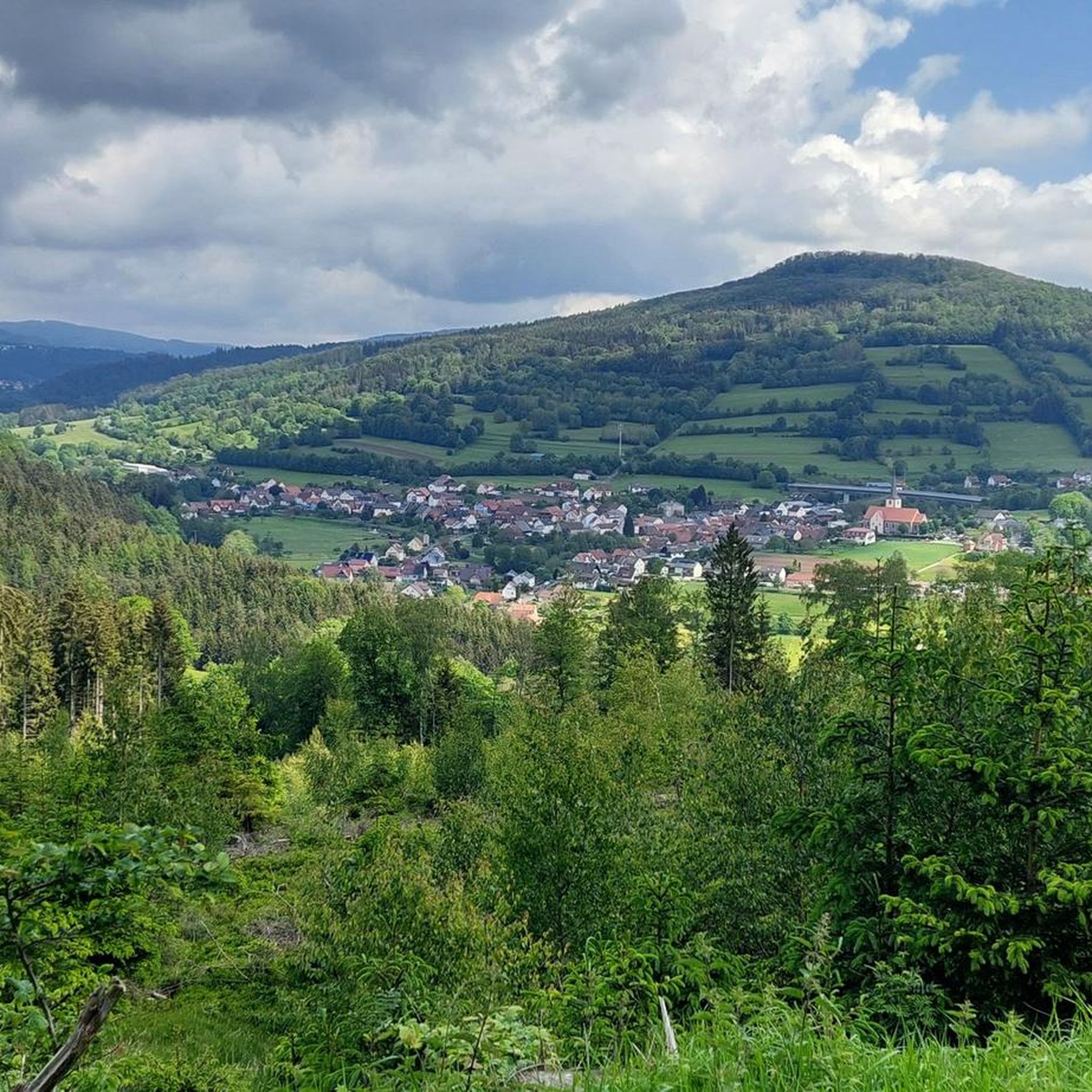
Running Trails around Wildflecken
Other adventures around Wildflecken


Tips from the Community

Too bad you already have zero visibility up here in winter... so you have to concentrate on the small things.
15
1
Beautiful monument on basalt… a great view in fine weather including.
14
0

Monument from another time. But it is impressively done, today it encourages climbing.
30
1

The ascent alone is an adventure. It goes over stairs and rocks through a forest. Then over steps to the summit. From the top you have a breathtaking view of Kreuzberg and Heidelstein. And especially to the Wasserkuppe.
16
3

The memorial was erected on a volcanic chimney, which was formerly called Lerchen Hügel, later called "Loessl Steine". Carl Oskar Ursinus had designated this place for an annual commemoration, since Eugen von Loessl had started his last flight from here on August 9, 1920 during the first Rhön competition. On August 14, 1921, Wilhelm Leusch, the second person to die in gliding, also died at this point due to a surface failure due to a faulty design of his glider.
16
0

“Each of these crosses can tell its own story and what prompted people to erect “their” cross at this point. (...) These wayside crosses were erected as visible signs and attract the attention of many people. The cross is a symbol of life. It stands as a sign of our Christian hope and wants to direct our gaze to Jesus Christ, who has overcome death (...). The cross is part of our life as it was in the life of Jesus. So I wish that many people … visit the crosses, whether as places of stillness and breathing space before God, whether as places for community gatherings, prayer and praise to God.” (Text source: Dean Rainald M. Ollig in: "Crossroads... small sacred monuments as a sign of popular piety")
14
1

Nice path through the red moor. You can see the Heidelstein very nicely from the observation tower at the end
11
0
Frequently Asked Questions
What are some of the most popular natural monuments around Wildflecken?
Visitors frequently enjoy the Pferdskopf Summit, known for its expansive views and volcanic origin. The Guckaisee is also very popular for swimming, sunbathing, and fishing. Another highly appreciated spot is the Boardwalk Trail Through the Rotes Moor, which offers insights into the unique moorland ecosystem.
Which natural monuments offer the best panoramic views?
For breathtaking panoramic views, consider visiting the Pferdskopf Summit, which provides expansive vistas in all directions. The Heidelstein also offers wonderful views over the 'Lange Rhön,' allowing you to see landmarks like the Kreuzberg and even the Thuringian Forest on clear days. The Wasserkuppe, as the highest mountain in the Rhön, also provides excellent panoramic vistas.
Are there family-friendly natural monuments around Wildflecken?
Yes, several natural monuments are suitable for families. The Guckaisee is ideal for families, offering swimming and sunbathing areas. The Boardwalk Trail Through the Rotes Moor is also family-friendly, being suitable for strollers and providing educational information about local plants and animals. The Wasserkuppe aviation memorial and Golgotha group on the Kreuzberg are also listed as family-friendly.
What unique natural features can I discover in the Wildflecken area?
The Wildflecken area, situated within the UNESCO Biosphere Reserve Rhön, is characterized by its volcanic origins. You can discover volcanic summits like the Pferdskopf Summit, tranquil lakes such as the Guckaisee, and unique moorland ecosystems like the Rotes Moor with its informative boardwalk trail. The Himmeldunkberg features the Schwarzbach stream, which babbles over basalt blocks and forms a small waterfall at the Teufelsmühle.
Are there any historical or cultural sites integrated with the natural monuments?
Yes, the region combines natural beauty with historical significance. The Wasserkuppe aviation memorial is a notable historical site on the Wasserkuppe, commemorating fallen pilots. Additionally, the Golgotha group (Three Crosses) on the Kreuzberg is a significant religious and historical monument offering great views.
What outdoor activities can I do near these natural monuments?
The area around Wildflecken offers a variety of outdoor activities. You can enjoy extensive hiking, with options ranging from easy to difficult, such as the 'Extratour Hüttentour' or the 'Lösershag primeval forest nature trail'. Cycling is also popular, with routes like the 'Rhönexpress Rail Cycle Path'. For more details on routes, you can explore the Hiking around Wildflecken guide or the Road Cycling Routes around Wildflecken guide.
Are there easy hikes suitable for beginners near Wildflecken's natural monuments?
Absolutely. For beginners or those seeking a relaxed walk, the 'Lösershag primeval forest nature trail' is an easy option. The Boardwalk Trail Through the Rotes Moor is also very accessible and easy. You can find more easy routes in the Easy hikes around Wildflecken guide, including trails like the 'St. Kilian Fountain loop' and the 'Beaver Dam on the Sinn'.
What is the best time of year to visit the natural monuments around Wildflecken?
The Rhön region is beautiful year-round. Spring and summer offer lush greenery, ideal for hiking and swimming at places like the Guckaisee. Autumn provides stunning foliage, enhancing the panoramic views from summits like Pferdskopf. Even in winter, while visibility might be limited from some summits, the landscape offers a serene beauty, and focusing on smaller natural details can be rewarding.
Are there facilities like cafes or restaurants near the natural monuments?
Yes, some natural monuments have nearby facilities. The Guckaisee has a restaurant and middle-class catering available. Near the Boardwalk Trail Through the Rotes Moor, there's the NABU house at the Moordorf parking lot, which offers baked cakes, coffee, and small meals on weekends. For the Himmeldunkberg, amenities are limited to the Würzburger Bergbund hut, also open only on weekends, so it's advisable to bring your own provisions.
Can I bring my dog to the natural monuments in Wildflecken?
Many natural areas in the Rhön are dog-friendly, especially on trails. However, it's always recommended to keep dogs on a leash, especially within nature reserves like the Heidelstein, to protect local wildlife and ensure a pleasant experience for all visitors. Specific rules might apply to certain areas, so look for signage.
Are there any wheelchair-accessible natural monuments around Wildflecken?
Yes, the Boardwalk Trail Through the Rotes Moor is specifically designed to be wheelchair-accessible, making it an excellent option for visitors with mobility needs. The 800-meter-long jetty allows everyone to experience the unique moorland environment.
What kind of wildlife can I expect to see around Wildflecken's natural monuments?
The Rhön Biosphere Reserve is rich in biodiversity. Around the Rotes Moor, you can learn about the specific plants and animals that thrive in this unique moorland ecosystem. Generally, the region is home to various bird species, insects, and smaller mammals. Keep an eye out for information boards that often highlight local flora and fauna.
Most popular routes around Wildflecken
Most popular attractions around Wildflecken

Get inspired with the komoot mobile app


Explore more
Extend your search for the best caves by checking out these guides of the top ones around Wildflecken:
