Top 20 Natural Monuments around Zweiflingen
Best natural monuments around Zweiflingen offer a serene rural landscape characterized by expansive orchards, fertile fields, and peaceful forests. The region provides a harmonious blend of cultivated land and natural woodlands, ideal for outdoor activities. A notable feature is a well-preserved section of the Roman Limes, part of the Upper Germanic Limes UNESCO World Heritage Site. This area combines pastoral beauty with historical significance, inviting exploration of its natural features and ancient past.
Best natural monuments around Zweiflingen
- The most…
Last updated: June 24, 2026
Kocher–Jagst Cycle Path
Highlight • Cycleway
Translated by Google •
Tip by

Neusaß Pilgrimage Church and the Heiligenbrünnle (Holy Spring)
Highlight • Religious Site
Translated by Google •
Tip by

Sign up now to discover places like this
Get recommendations on the best single tracks, peaks, & plenty of other exciting outdoor places.
Sign up for free
Stone Table
Highlight • Historical Site
Translated by Google •
Tip by
Brettach Forest Lake
Highlight • Lake
Translated by Google •
Tip by
Helenenquelle
Highlight • Natural Monument
Translated by Google •
Tip by

Sign up for free to discover even more natural monuments around Zweiflingen.
Sign up for free
Already have an account?
Start today with a free account
Your next adventure awaits.
Login or Signup
Popular around Zweiflingen
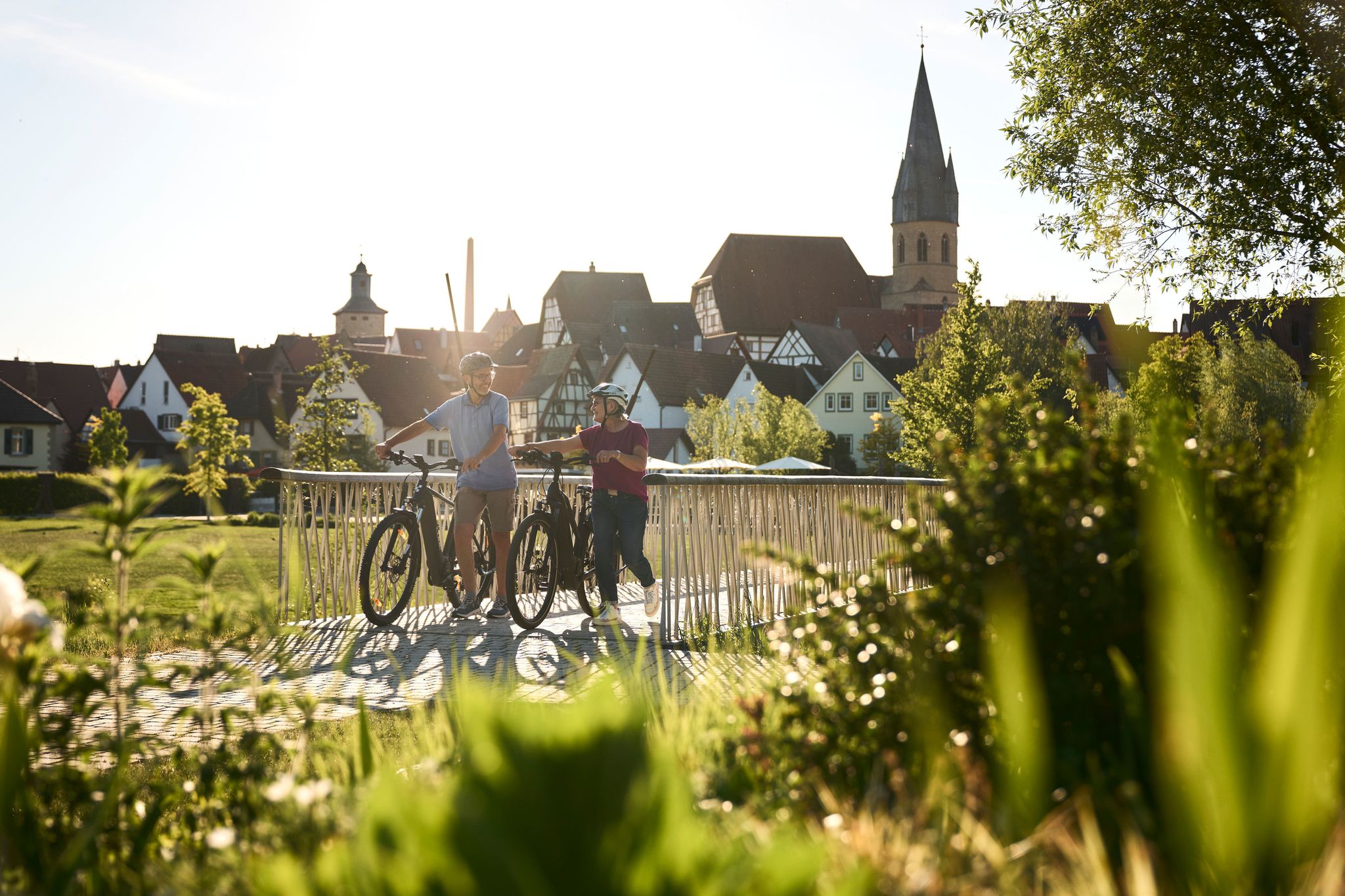
Half-timbered houses and superb cycling tours – the best of the South
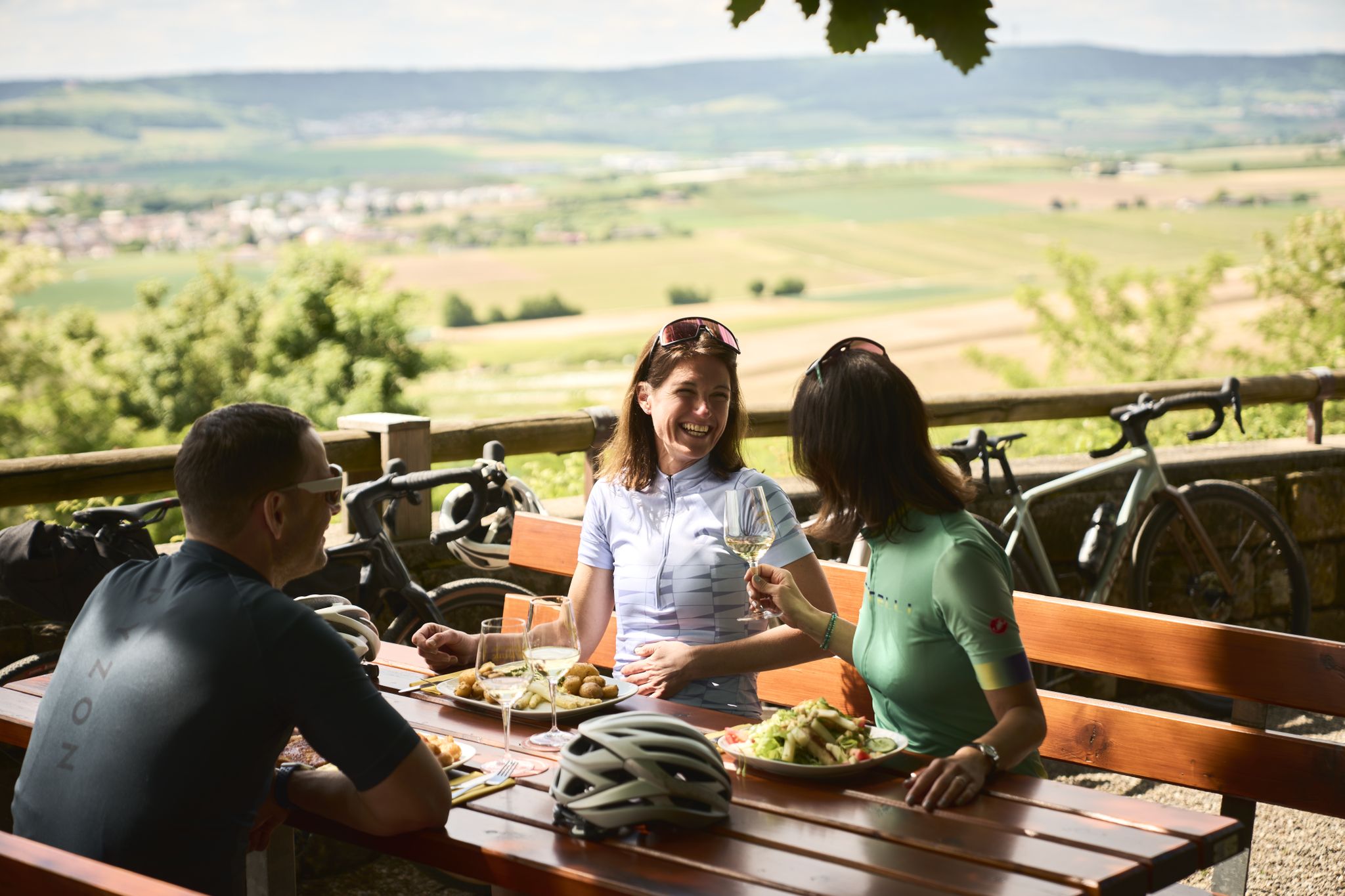
Cycling and local cuisine – pleasure rides in the Süden ganz oben
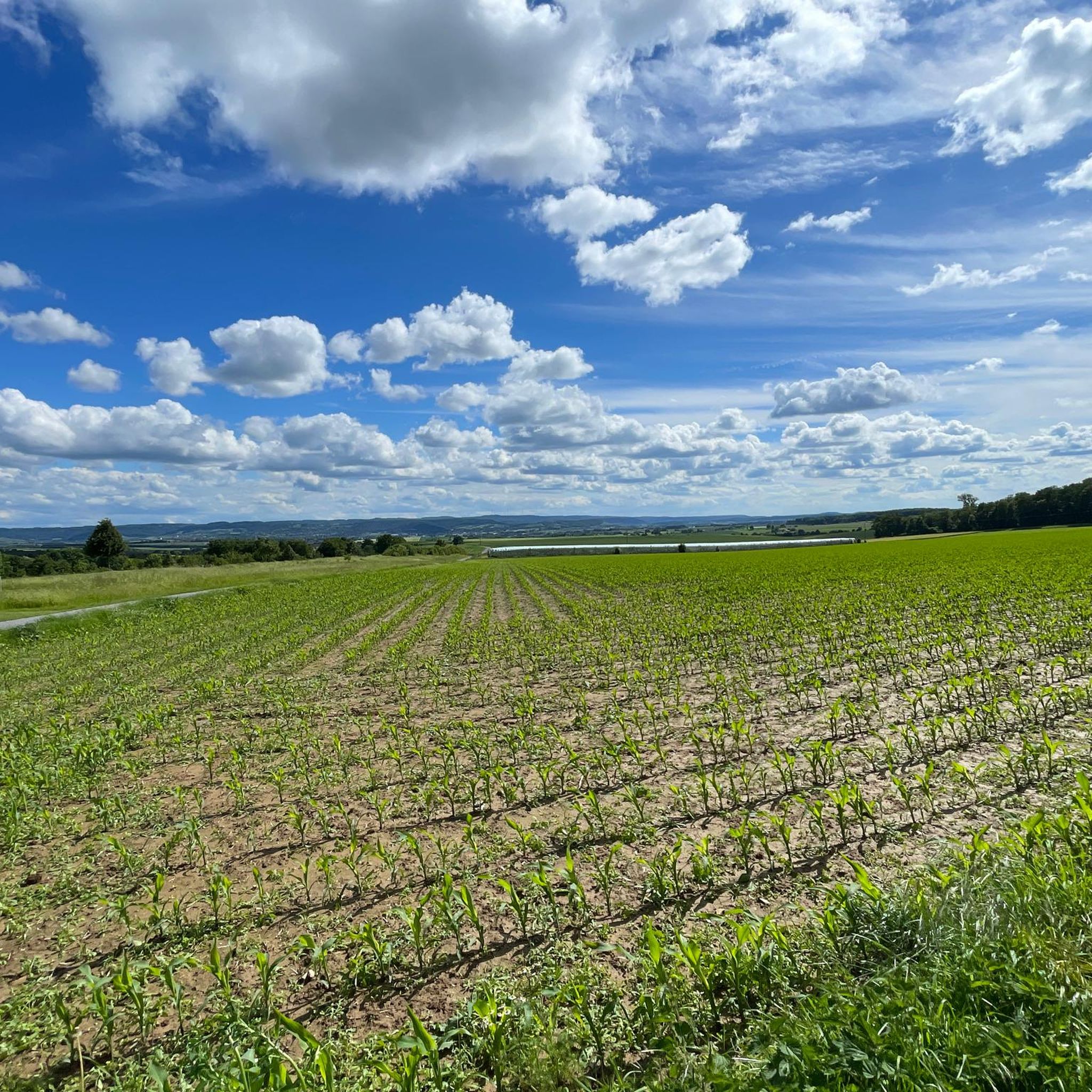
Road Cycling Routes around Zweiflingen
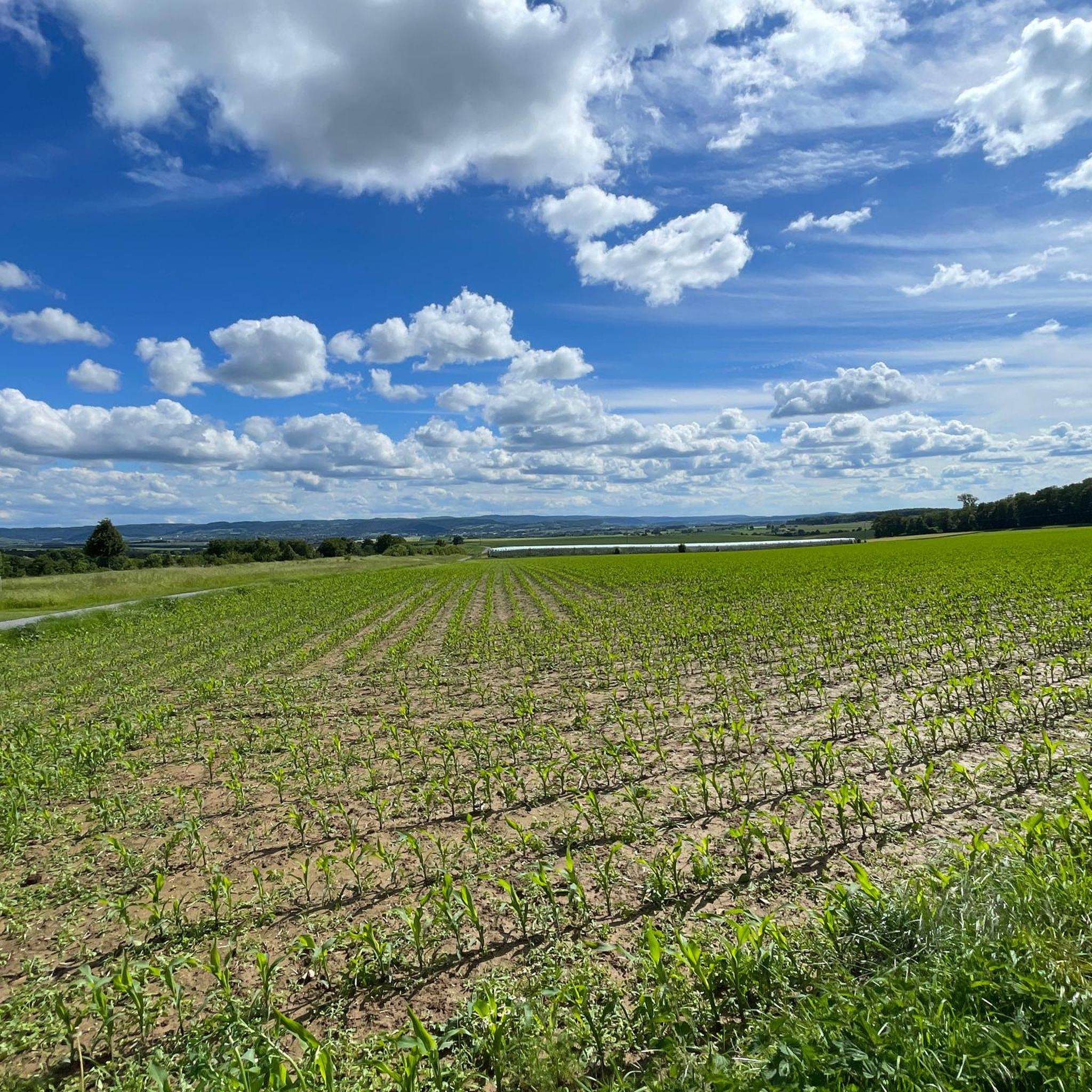
Hiking around Zweiflingen
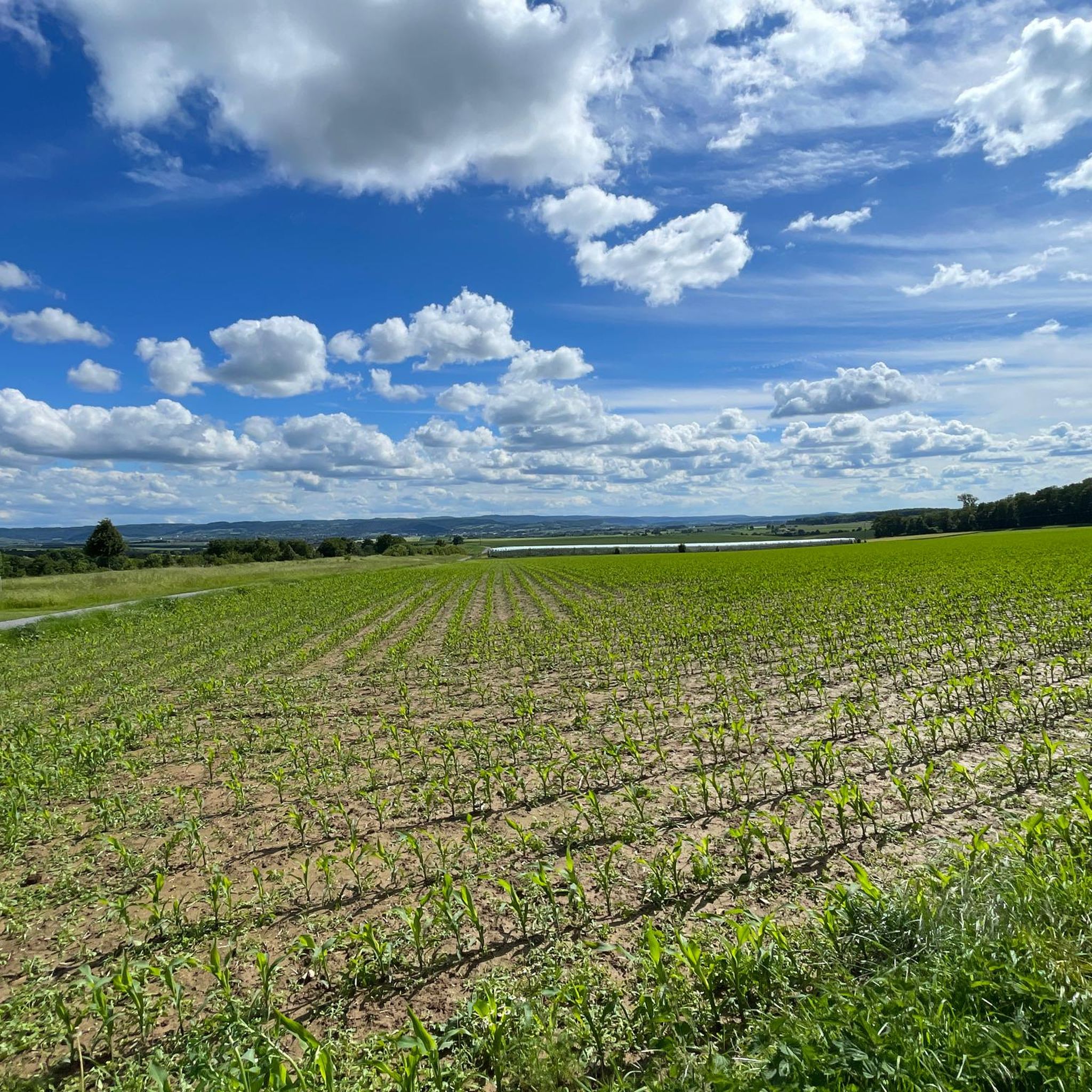
Cycling around Zweiflingen
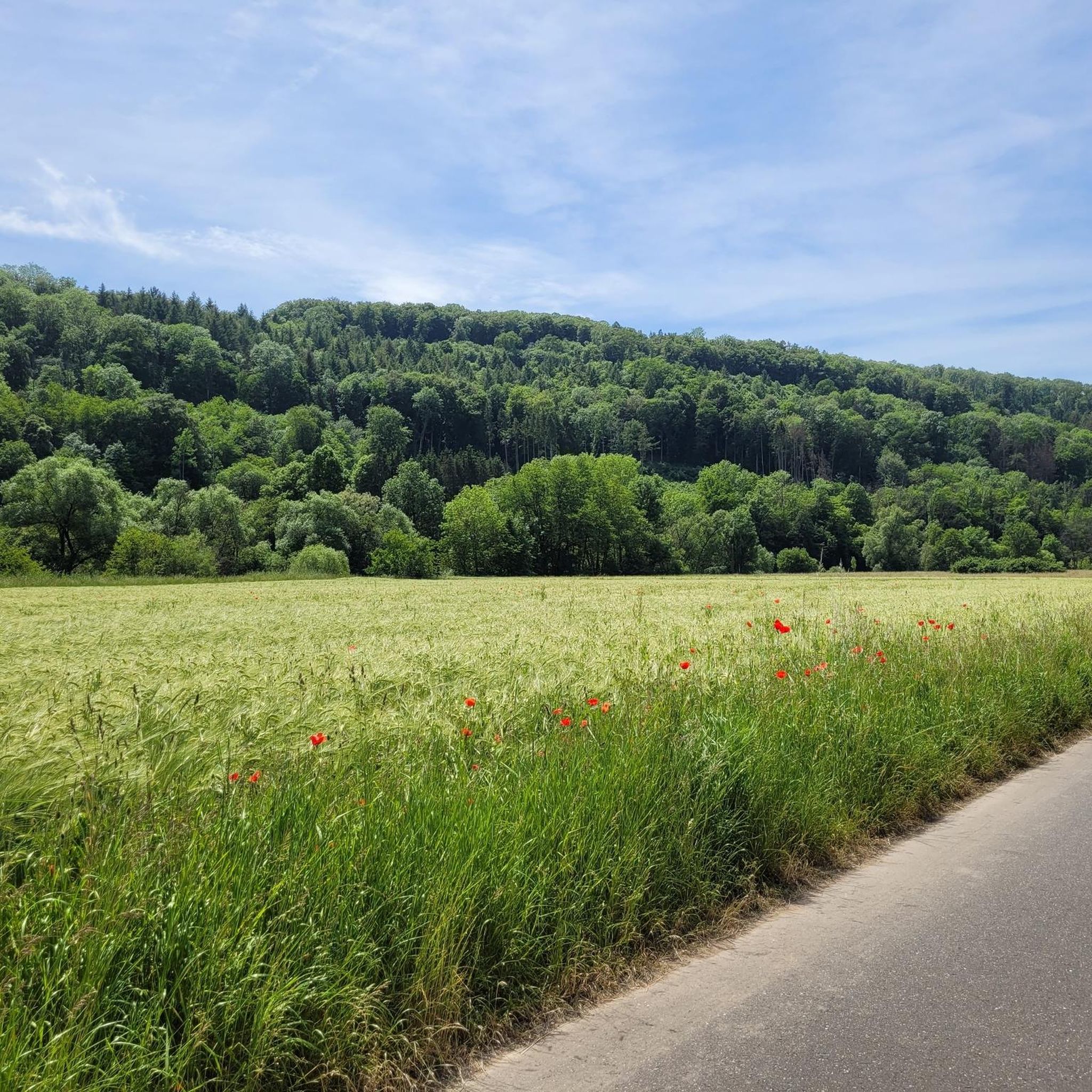
Running Trails around Zweiflingen
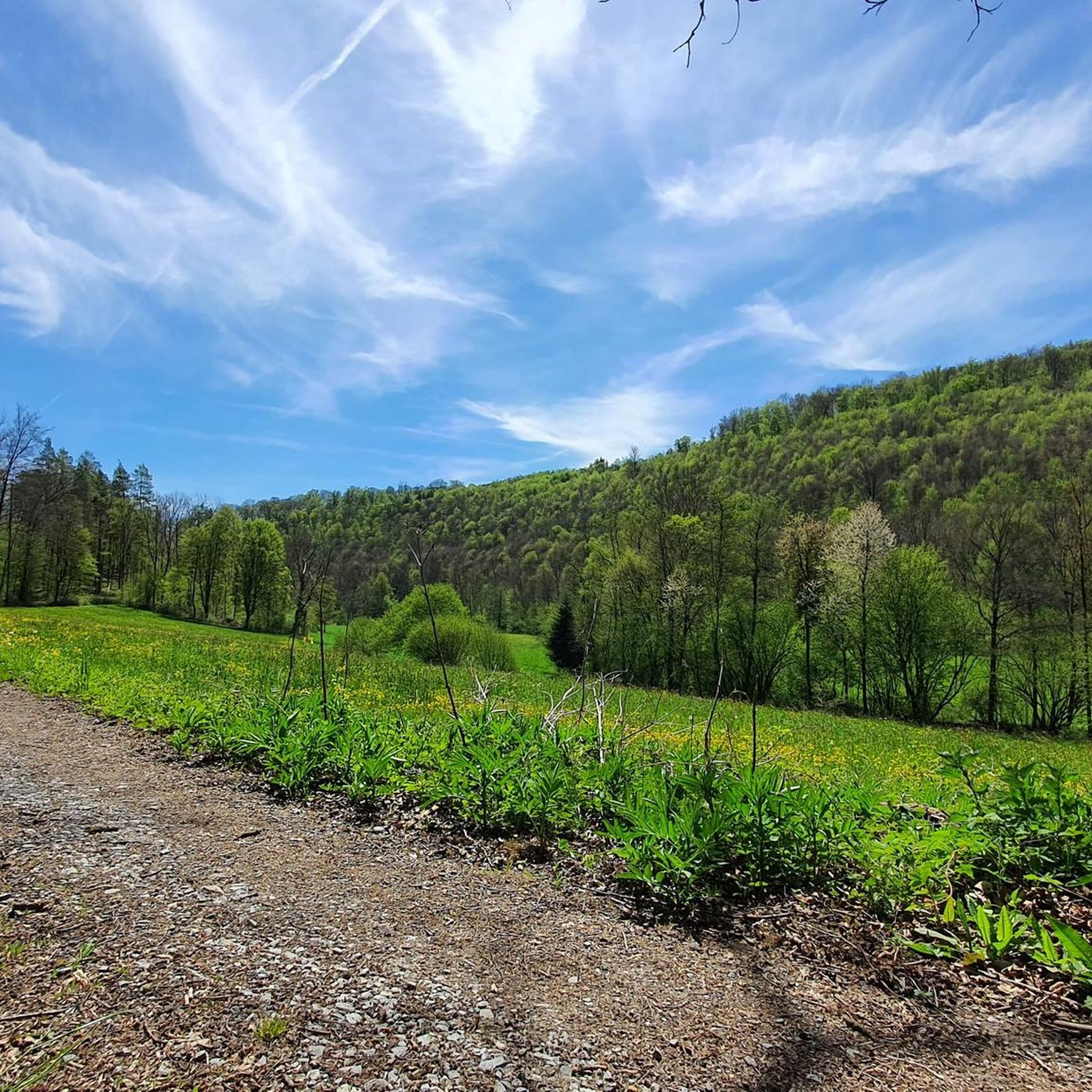
MTB Trails around Zweiflingen
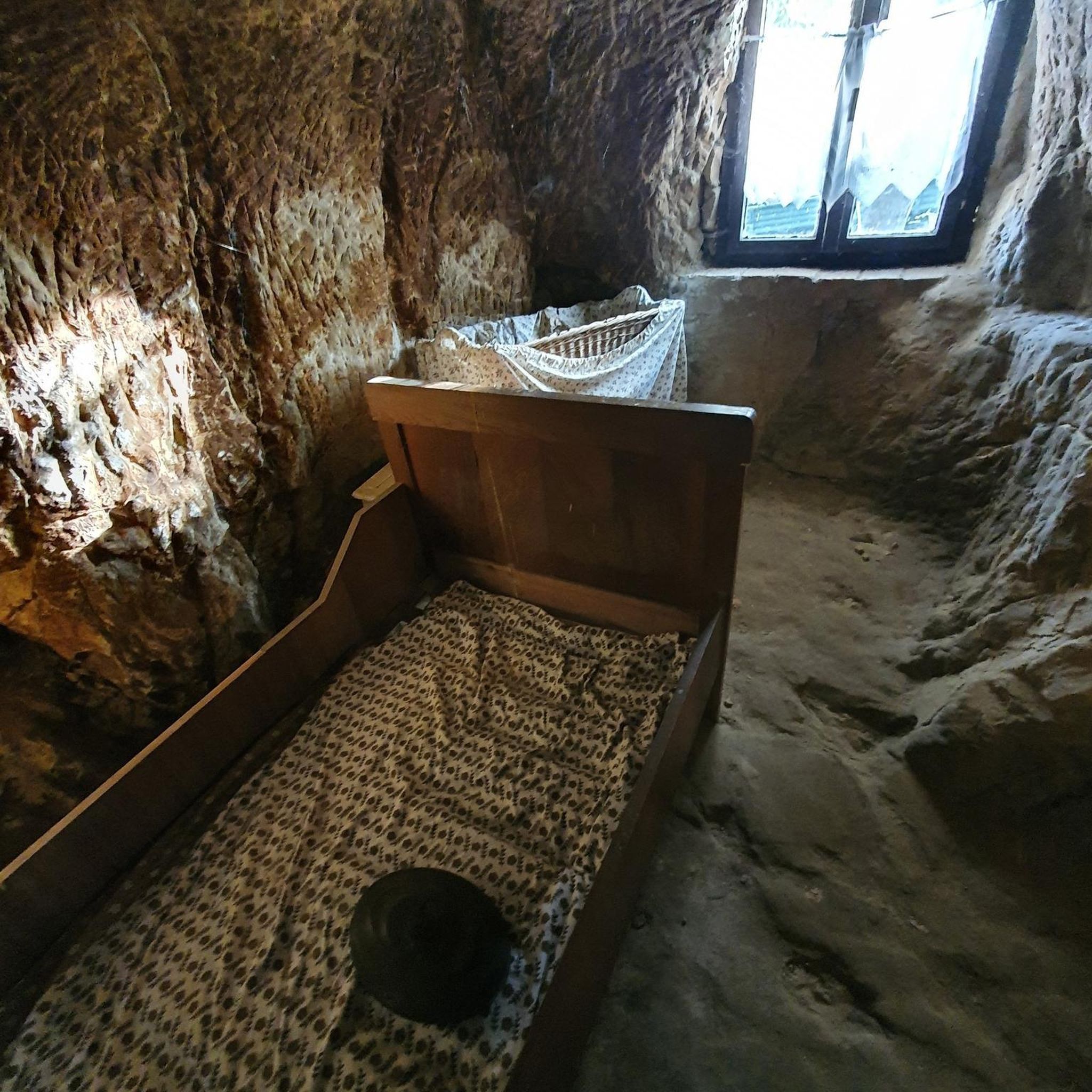
Gravel biking around Zweiflingen

Tips from the Community

A linden tree, a forester's lodge, and a chapel form Neusaß above Schöntal Monastery. Historical speculations, stories, and tales give the place its very own significance. It cannot be precisely determined when a chapel has existed in Neusaß. As stated in a booklet on the history of the place, the first reference to a pilgrimage dates back to the year 1395. The chapel itself shows late Gothic features. The pilgrimage tradition has endured to this day.
3
0
The "Vogelhalde Sindringen-Ohrnberg" nature reserve in the lower Kocher valley has been home to one of the largest grey heron colonies in the Stuttgart administrative district for decades. At 216 hectares, the area is unique, being the largest of the 21 nature reserves in the Hohenlohe district.
5
0

Originally built in the 15th century, it was later remodeled in the Baroque style. The church is a destination for numerous pilgrims, especially on the Feast of the Nativity of Mary. Its simple interior exudes tranquility, with a miraculous image of the Virgin Mary as its centerpiece.
11
0
The small lake is surrounded by lush greenery and offers lovely seating and peaceful nature experiences. Swimming is not permitted here, as it is a natural body of water with no designated swimming area.
8
0
The Stone Table is an atmospheric spot in the forest between Schwabbach and Eberstadt, near the L1036. Presumably once a courthouse, it is now considered a cultural monument. 🌳 Surrounded by forest and vineyards, it is a popular starting point for hikes – quietly located, with a small forest playground nearby.
8
0

A cycle path to enjoy. Mainly on asphalt with almost no car traffic
1
0
Beautiful forest lake with several seating areas and a good view of the body of water hidden in the forest.
5
0
The Stone Table is a cultural monument as it is believed to be an old courthouse. There is no certain information about the age of the table. The year 1709 probably only stands for the year the table was renovated, like 1924. It is assumed that the table is significantly older. The name of the neighboring town Siebeneich could also indicate an important courthouse in very early times, as the number seven often had significance in old legal systems. A courthouse near seven oaks is possible. A final indication of a courthouse is the area of Hölle near the table. This field name often appears near old courthouses.
7
0
Frequently Asked Questions
What kind of natural features can I expect to see around Zweiflingen?
Zweiflingen offers a serene rural landscape characterized by expansive orchards, fertile fields, and peaceful forests. You'll find a harmonious blend of cultivated land and natural woodlands, ideal for outdoor activities. A significant natural and historical feature is a well-preserved section of the Roman Limes near Pfahlbach, part of the Upper Germanic Limes UNESCO World Heritage Site.
Are there historical natural monuments in Zweiflingen?
Yes, Zweiflingen is home to several historical natural monuments. The most prominent is a well-preserved section of the Roman Limes near Pfahlbach, offering a unique 'discovery walk' through an ancient frontier. Additionally, the Stone Table is an atmospheric cultural monument in the forest, believed to have been an old courthouse.
Are there any natural monuments related to water features in the area?
Absolutely. You can visit the Brettach Forest Lake, a peaceful body of water surrounded by lush greenery, perfect for quiet contemplation. Another spot is the Helenenquelle, a natural spring that serves as a nice resting place along the Ohrntal Cycle Path, though its water is not for drinking.
What outdoor activities can I do near these natural monuments?
The region around Zweiflingen is excellent for outdoor activities. You can enjoy hiking through forests and fields, or cycling along scenic routes. For specific hiking trails, explore options like the 'Limes at Pfahldöbel' loop, which takes you along the Roman Limes. For more ideas, check out the Hiking around Zweiflingen guide or the Road Cycling Routes around Zweiflingen guide.
Are there family-friendly natural monuments around Zweiflingen?
Many natural monuments in Zweiflingen are suitable for families. The Brettach Forest Lake offers peaceful nature experiences with seating. The Stone Table is surrounded by forest and has a small forest playground nearby. Even the Kochertal Cycle Path offers easy, flat sections suitable for family bike rides.
What is the terrain like for hiking near Zweiflingen's natural monuments?
The terrain around Zweiflingen is generally gentle, featuring rural landscapes with expansive orchards, fertile fields, and peaceful forests. Many paths are well-maintained, such as the easy loops around the Roman Limes. You can expect a mix of forest paths and open country, making it suitable for various fitness levels.
What do visitors enjoy most about the natural monuments in Zweiflingen?
Visitors particularly appreciate the tranquility and natural beauty of the area. The peaceful settings of places like the Brettach Forest Lake and the historical significance of the Roman Limes are frequently highlighted. The well-maintained cycle paths, like the Kochertal Cycle Path, are also popular for their quiet and easy-to-navigate sections.
Can I find religious or spiritual sites among the natural monuments?
Yes, the Neusaß Pilgrimage Church and the Heiligenbrünnle (Holy Spring) is a significant religious building and a destination for numerous pilgrims. Its simple interior exudes tranquility, and it features a miraculous image of the Virgin Mary. It's a place where history, spirituality, and nature converge.
Are there easy hiking trails to access the natural monuments?
Yes, there are several easy hiking trails that allow access to the natural monuments. For instance, the 'Limes at Pfahldöbel' loop is an easy route that takes you directly to a section of the Roman Limes. Many paths through the forests and fields are also suitable for leisurely strolls. You can find more options in the Easy hikes around Zweiflingen guide.
Is the Roman Limes near Zweiflingen easily accessible?
Yes, a well-preserved section of the Roman Limes near Pfahlbach is quite accessible. It's situated within a wooded area and offers a nearly 300-meter-long segment of the ancient border wall and its accompanying ditch. It's an integral part of the landscape, inviting exploration and reflection, and can be reached via easy hiking paths.
Are there any viewpoints among the natural monuments in Zweiflingen?
While Zweiflingen is more known for its serene landscapes than dramatic vistas, you can find pleasant viewpoints. The Brettach Forest Lake offers good views of the water body hidden in the forest. The Stone Table is also considered a viewpoint, offering an atmospheric spot within the forest.
Most popular routes around Zweiflingen
Most popular attractions around Zweiflingen

Get inspired with the komoot mobile app


Explore more
Extend your search for the best caves by checking out these guides of the top ones around Zweiflingen:
