Top 20 Natural Monuments around Saal
Best natural monuments around Saal are located along the Baltic Sea coast, particularly within the Nationalpark Vorpommersche Boddenlandschaft and on the Fischland-Darß-Zingst peninsula. This region is characterized by its unique coastal landscapes, including active cliffs, sandy beaches, and the distinctive Bodden lagoons. The area offers diverse natural features shaped by glacial activity and ongoing coastal processes. It provides opportunities to observe geological formations and coastal ecosystems.
Best natural monuments around Saal
- The most popular natural monuments is Cliffs near Ahrenshoop…
Last updated: October 11, 2026
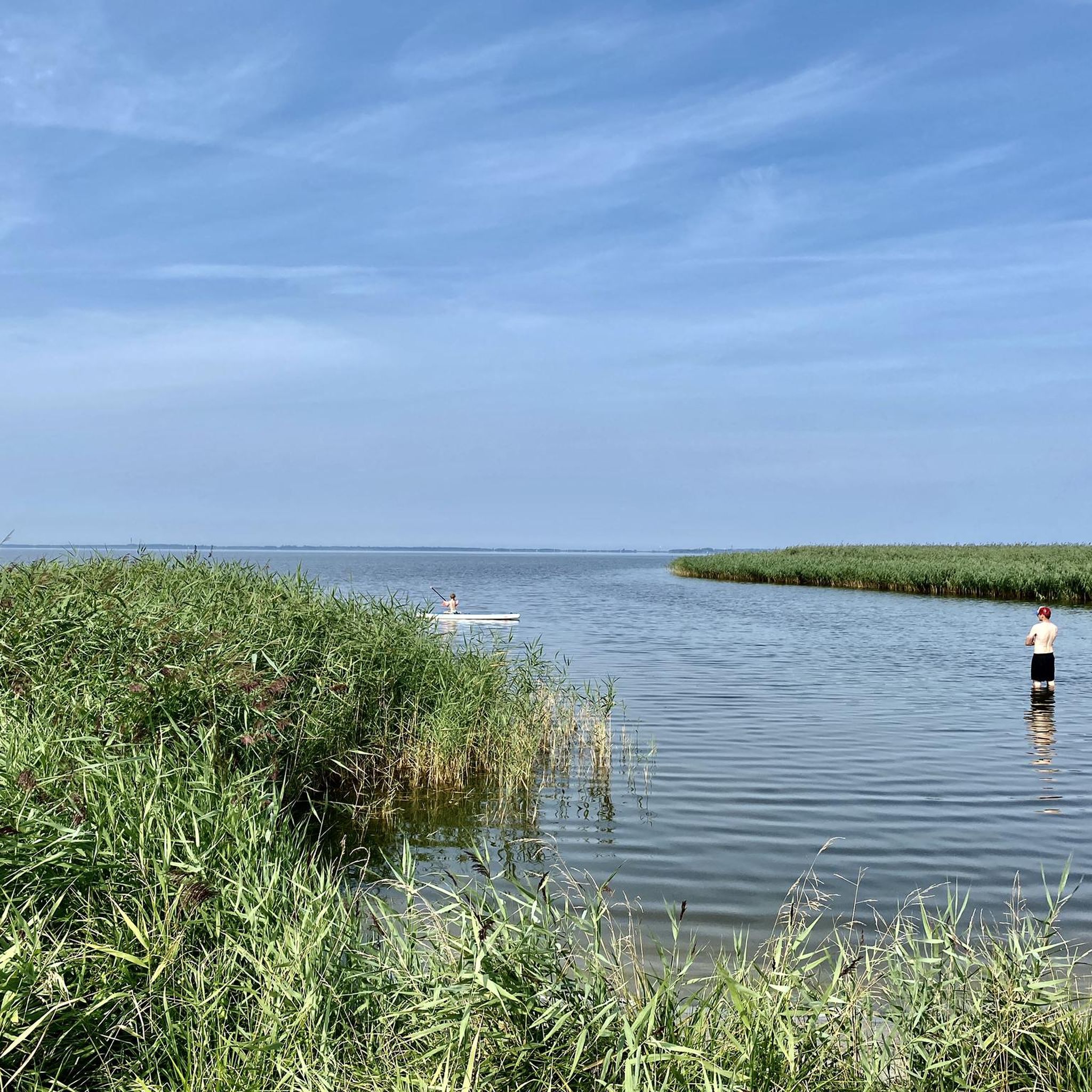
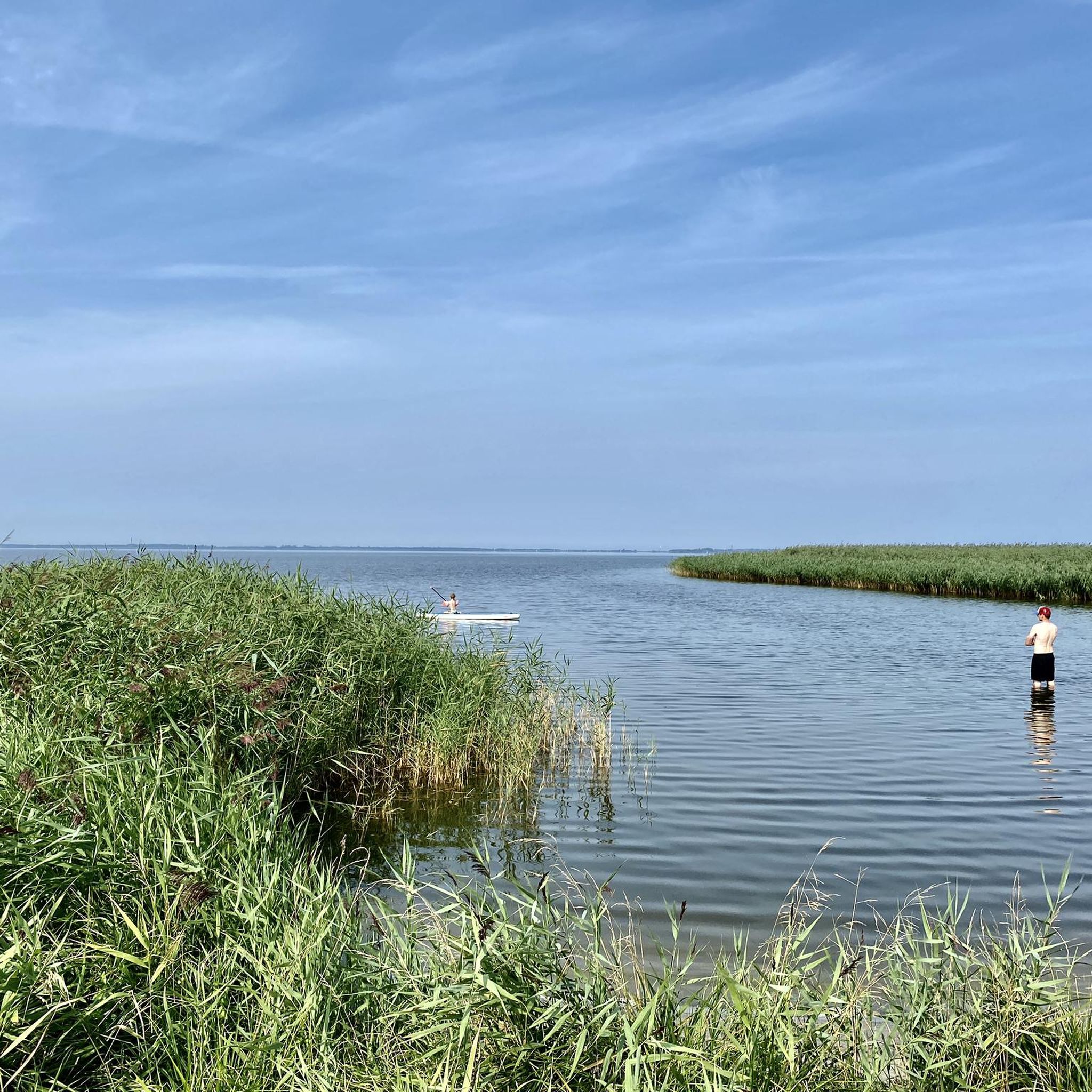
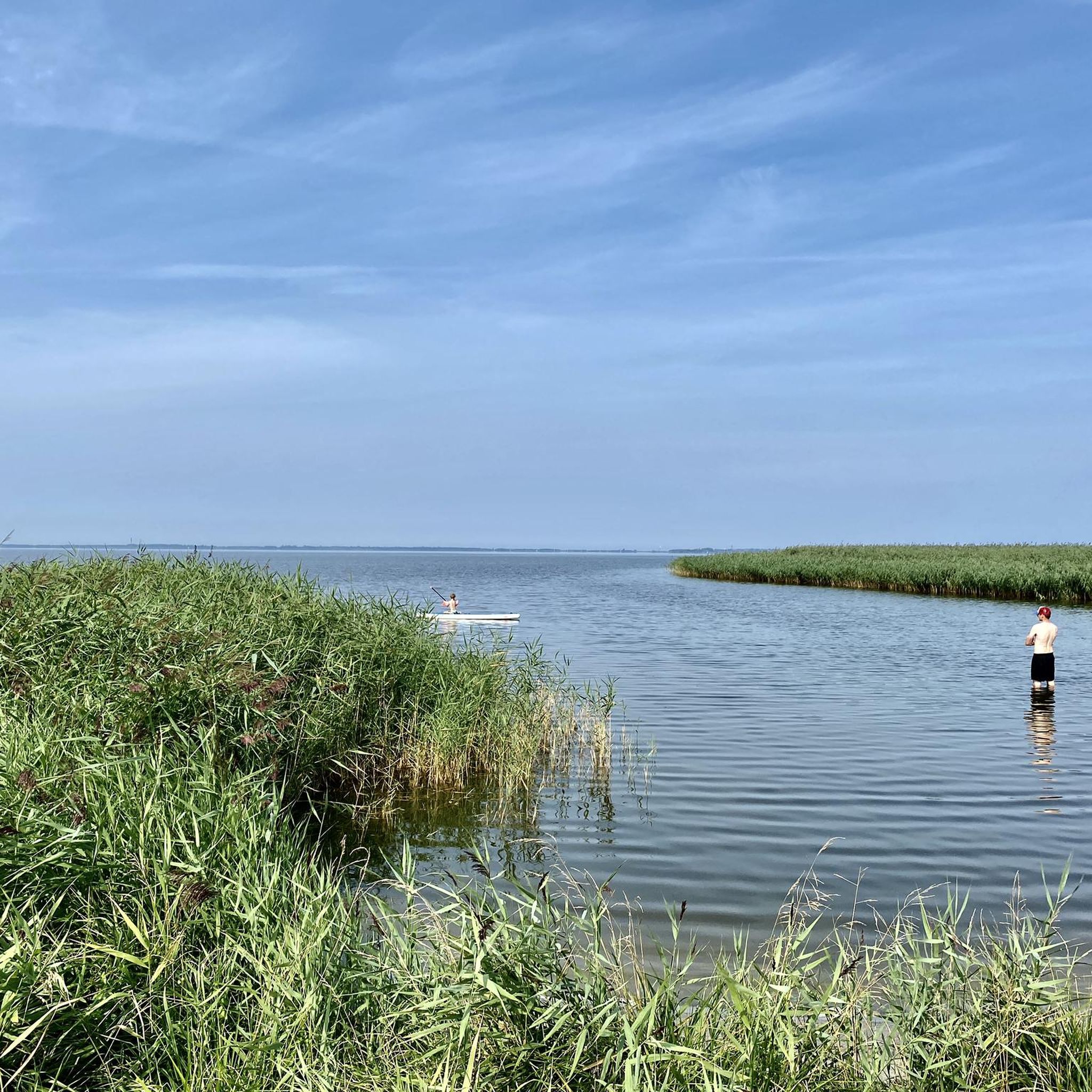
View of the Bodden in Nationalpark Vorpommersche Boddenlandschaft
Highlight • Viewpoint
Translated by Google •
Tip by

Cliffs near Ahrenshoop
Highlight • Natural Monument
Translated by Google •
Tip by

Sign up now to discover places like this
Get recommendations on the best single tracks, peaks, & plenty of other exciting outdoor places.
Wustrow Cliffs
Highlight • Natural Monument
Translated by Google •
Tip by

Ahrenshoop High Shore
Highlight • Viewpoint
Translated by Google •
Tip by

Natural beach 🐟🚴🌊☀️
Highlight • Beach
Translated by Google •
Tip by
Sign up for free to discover even more natural monuments around Saal.
Already have an account?
Start today with a free account
Your next adventure awaits.
Tips from the Community

The view is magnificent, and cycling is fantastic. And if you lie here and relax, you can enjoy the view and forget everything around you.
20
0
Due to its natural beauty and isolation, the Weststrand has been named one of the most beautiful beaches in Europe. According to arte, it's even one of the ten most beautiful beaches in the world. In clear weather, you can enjoy an endless horizon like nowhere else. Source: https://www.ostsee.de/fischland-darss-zingst/weststrand.php
25
0
Magnificent landscape, untouched and unbridled natural coastline.
22
0
The High Shore stretches over 3.2 km from the Wustrow pier to the Ahrenshoop border path on the Fischland-Darß-Zingst peninsula. The High Shore is a terminal moraine, formed by the Scandinavian ice sheet more than 10,000 years ago and shaped by the ocean surf. This continues to cause constant change in what is known as the active cliff. The annual coastal erosion can reach up to five meters. Nesting sand martins can be observed below the cliff in the high, steep escarpment. The High Shore is ideal for hiking on foot or by bike, and on a clear day, you can even see the Danish mainland from here. The narrow footpath directly along the cliff offers a wide variety of scenery. It leads through small wooded areas, past sea buckthorn bushes and dog roses, the typical vegetation of the area. Source: https://www.fischland-darss-zingst.de/service/provider/details/stamm/show/hohes-ufer-zwischen-wustrow-und-ahrenshoop/
21
0
A "Dune Information Board" is an information board that provides visitors with information about the structure, formation, significance, and conservation measures for dunes, such as the importance of staying away from them and using the paths. It also explains the fragile nature of young dunes and the role of plants in protecting and stabilizing the sand.
23
0
The High Bank stretches over 3.2 km from the Wustrow pier to the Ahrenshoop border path on the Fischland-Darß-Zingst peninsula. The High Bank is a terminal moraine, formed by the Scandinavian ice sheet more than 10,000 years ago and shaped by the ocean surf. This continues to cause constant change in what is known as the active cliff. The annual coastal erosion can reach up to five meters. Nesting sand martins can be observed below the cliff in the high, steep escarpment. The high bank is ideal for hiking on foot or by bike, and on a clear day, you can even see the Danish mainland from here. The narrow footpath directly along the cliff offers a wide variety of scenery. It leads through small wooded areas, past sea buckthorn bushes and dog roses, the typical vegetation of the area. Source: https://www.auf-nach-mv.de/reiseziel/a-hohes-ufer-zwischen-wustrow-und-ahrenshoop
25
0

From here you have a beautiful view of the Baltic Sea.
16
0
The quaint west beach is a lovely destination.
20
0
Frequently Asked Questions
What kind of natural monuments can I expect to see around Saal?
The natural monuments around Saal are primarily characterized by the unique coastal landscapes of the Baltic Sea. You'll find active cliffs, sandy beaches, and the distinctive Bodden lagoons within the Nationalpark Vorpommersche Boddenlandschaft and on the Fischland-Darß-Zingst peninsula. These features are shaped by glacial activity and ongoing coastal processes, offering diverse geological formations and coastal ecosystems.
Are there family-friendly natural monuments to visit near Saal?
Yes, several natural monuments around Saal are family-friendly. For instance, the View of the Bodden in Nationalpark Vorpommersche Boddenlandschaft is great for experiencing protected nature. The Cliffs near Ahrenshoop also offer facilities and are suitable for families, providing breathtaking views and opportunities to observe sand martins.
What outdoor activities can I do near the natural monuments around Saal?
The region around Saal offers a variety of outdoor activities. You can enjoy running on trails like the "Nature Trail Along the Bodden" or explore the area by road cycling or touring bicycle. There are numerous routes available, such as the "Baltic Sea Cycle Path" or tours around the Bodden. For more details on routes, you can check the Running Trails around Saal, Road Cycling Routes around Saal, and Cycling around Saal guides.
What makes the Cliffs near Ahrenshoop a popular natural monument?
The Cliffs near Ahrenshoop are highly popular due to their magnificent views of the Baltic Sea. Formed during the Ice Age and continuously shaped by wind and waves, they are also known for large colonies of sand martins nesting on the sandy slopes. Visitors particularly enjoy cycling and relaxing on benches along the cliff edge, taking in the vastness of the sea.
Can I observe wildlife at the natural monuments in Saal?
Yes, the natural monuments around Saal offer opportunities for wildlife observation. At the Cliffs near Ahrenshoop and Wustrow Cliffs, you can observe sand martins nesting in the high, steep escarpments. The Nationalpark Vorpommersche Boddenlandschaft, where the View of the Bodden is located, is a protected nature area, providing a habitat for diverse species.
What is the 'Hohes Ufer' and where can I experience it?
The 'Hohes Ufer' (High Shore) refers to the impressive active cliff section that stretches over 3.2 km from the Wustrow pier to the Ahrenshoop border path on the Fischland-Darß-Zingst peninsula. You can experience this natural monument at locations like the Cliffs near Ahrenshoop and the Wustrow Cliffs. It's a terminal moraine shaped by the ocean surf, offering varied scenery and coastal vegetation.
What do visitors enjoy most about the natural monuments around Saal?
Visitors frequently praise the beautiful scenery, magnificent views over the Baltic Sea, and the peaceful atmosphere. Many enjoy cycling along the coast, taking breaks at scenic viewpoints, and observing the unique geological formations and wildlife, such as the sand martins. The opportunity to connect with nature and forget everyday worries is a common highlight.
Are there any viewpoints offering panoramic vistas of the Bodden?
Yes, the View of the Bodden in Nationalpark Vorpommersche Boddenlandschaft is a prime location for scenic vistas of the Bodden. It's a protected nature area where you can experience the diverse landscape and enjoy the tranquil waters.
What is the geological significance of the Wustrow Cliffs?
The Wustrow Cliffs are geologically significant as they are part of a terminal moraine, formed by the Scandinavian ice sheet over 10,000 years ago. The cliffs are an active geological formation, continuously shaped by the ocean surf, with annual coastal erosion reaching up to five meters. This dynamic process creates a constantly changing and varied landscape.
Can I hike or bike along the natural monuments in Saal?
Absolutely. The natural monuments around Saal, particularly the 'Hohes Ufer' stretch including the Cliffs near Ahrenshoop and Wustrow Cliffs, are ideal for hiking and biking. There are narrow footpaths directly along the cliff offering diverse scenery, leading through small wooded areas and past typical coastal vegetation. The region also features numerous dedicated cycling routes.
What is the best time to visit the natural monuments around Saal?
While the guide does not specify a single 'best' time, the coastal natural monuments are generally enjoyable during warmer months for activities like cycling and hiking. The dynamic nature of the cliffs means they are constantly changing, offering unique views year-round. However, coastal erosion is more pronounced during stormy weather, which can also offer dramatic scenery.
Most popular routes around Saal
Most popular attractions around Saal

Get inspired with the komoot mobile app


Explore more
Extend your search for the best caves by checking out these guides of the top ones around Saal:
