Top 20 Natural Monuments around Eußenheim
Natural monuments around Eußenheim are characterized by rolling hills, dense forests, and significant geological formations within the Franconian landscape. The region, nestled at the foot of the Spessart Mountains, features diverse natural sites and reserves. These areas are notable for their unique biodiversity, including rare plant species and critical habitats for insects. Visitors can explore a variety of landscapes, from river courses to elevated viewpoints.
Best natural monuments around Eußenheim
- The most popular natural monuments is Homburg Castle Ruins,…
Last updated: June 24, 2026
Franconian Saale Riverside Cycle Path
Highlight (Segment) • Cycleway
One was not welcome in the Hurzfurt, the section across the street was very ugly and dangerous on top of that. …
Translated by Google •
Tip by

Homburg Castle Ruins
Highlight • Castle
Translated by Google •
Tip by

Sign up now to discover places like this
Get recommendations on the best single tracks, peaks, & plenty of other exciting outdoor places.
Sign up for free
Sodenberg Basalt Crater
Highlight • Natural Monument
Translated by Google •
Tip by

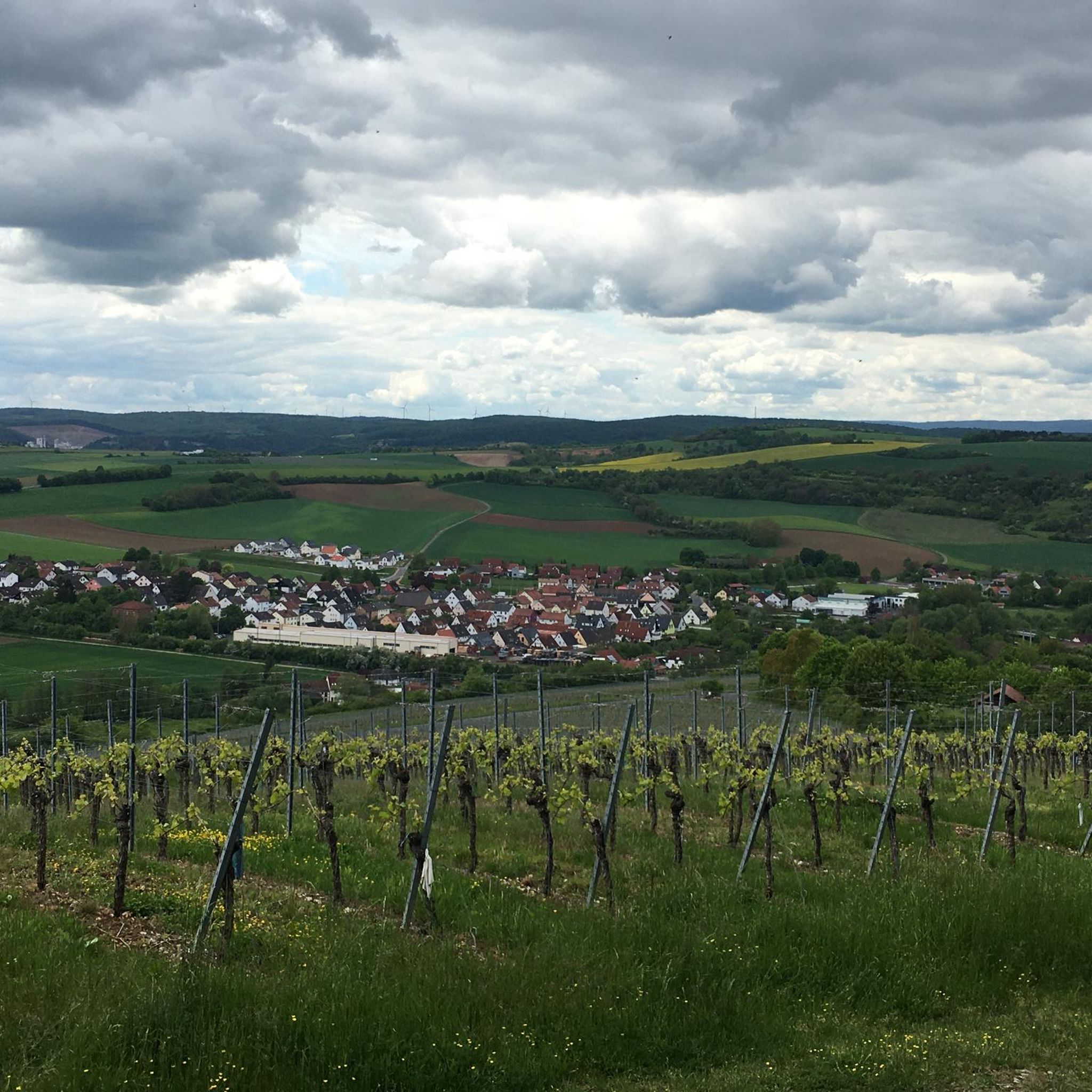
View of the Retzbach Vineyards from Zellingen
Highlight • Viewpoint
Translated by Google •
Tip by

Confluence of the Wern and Main Rivers
Highlight • River
Translated by Google •
Tip by

Sign up for free to discover even more natural monuments around Eußenheim.
Sign up for free
Already have an account?
Start today with a free account
Your next adventure awaits.
Login or Signup
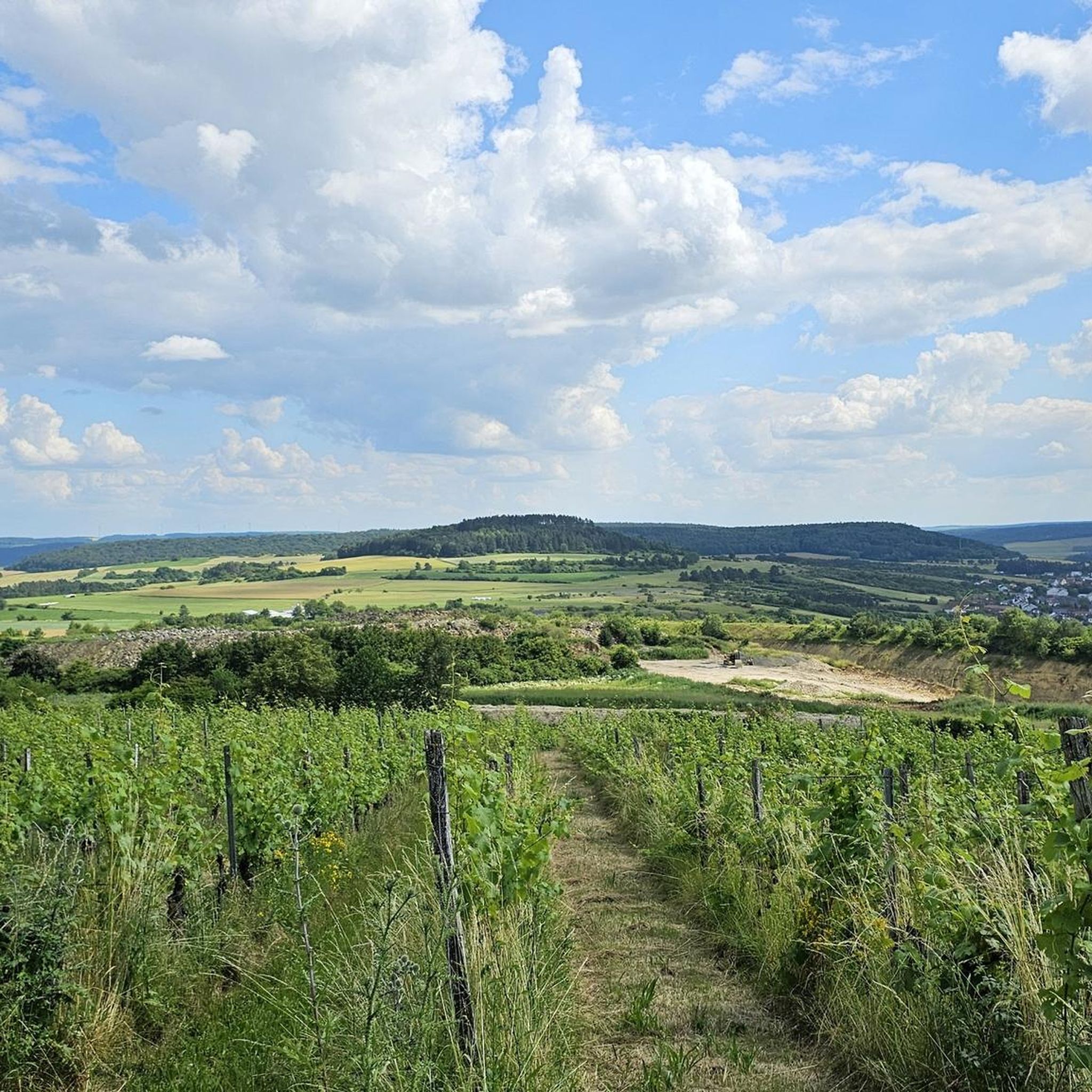
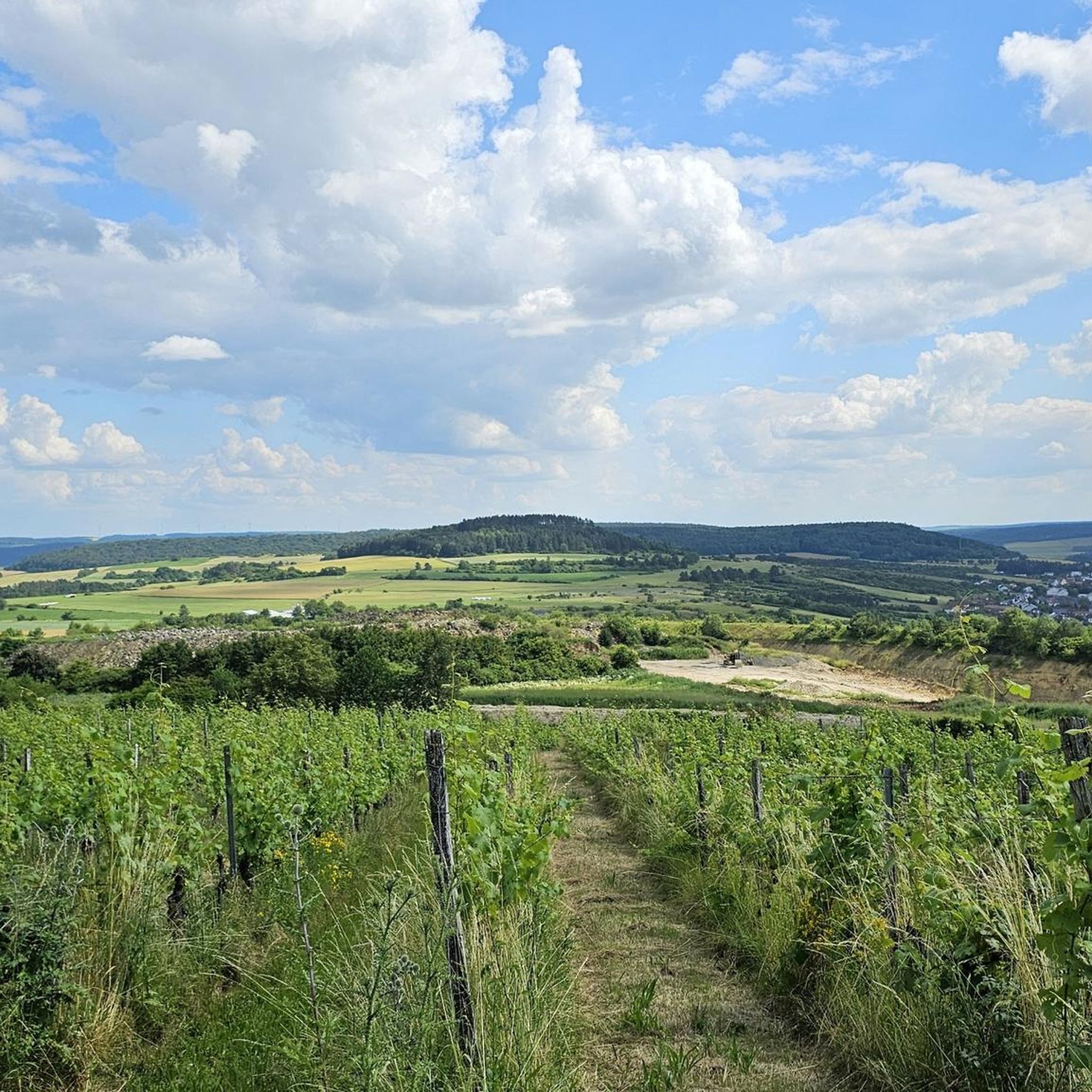
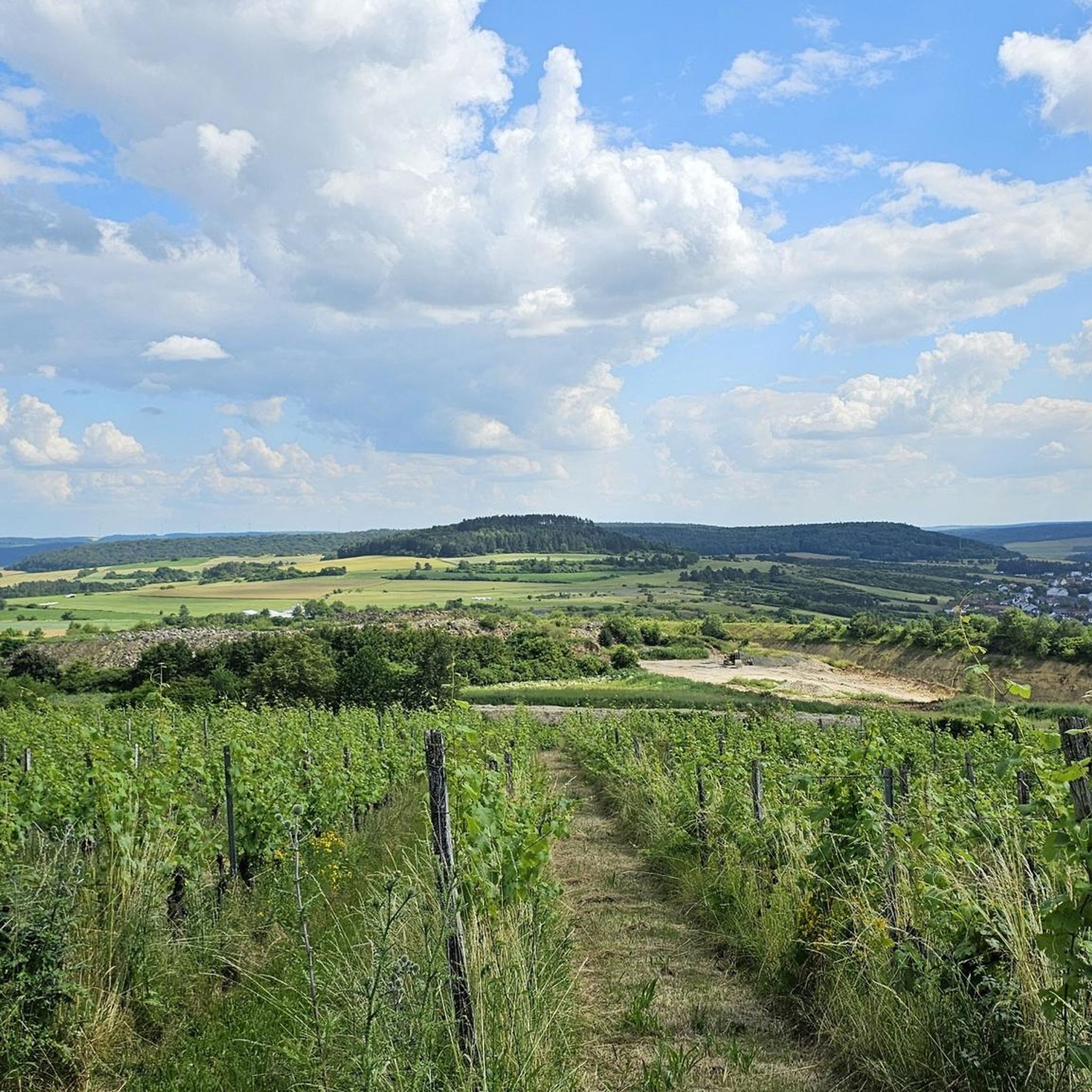
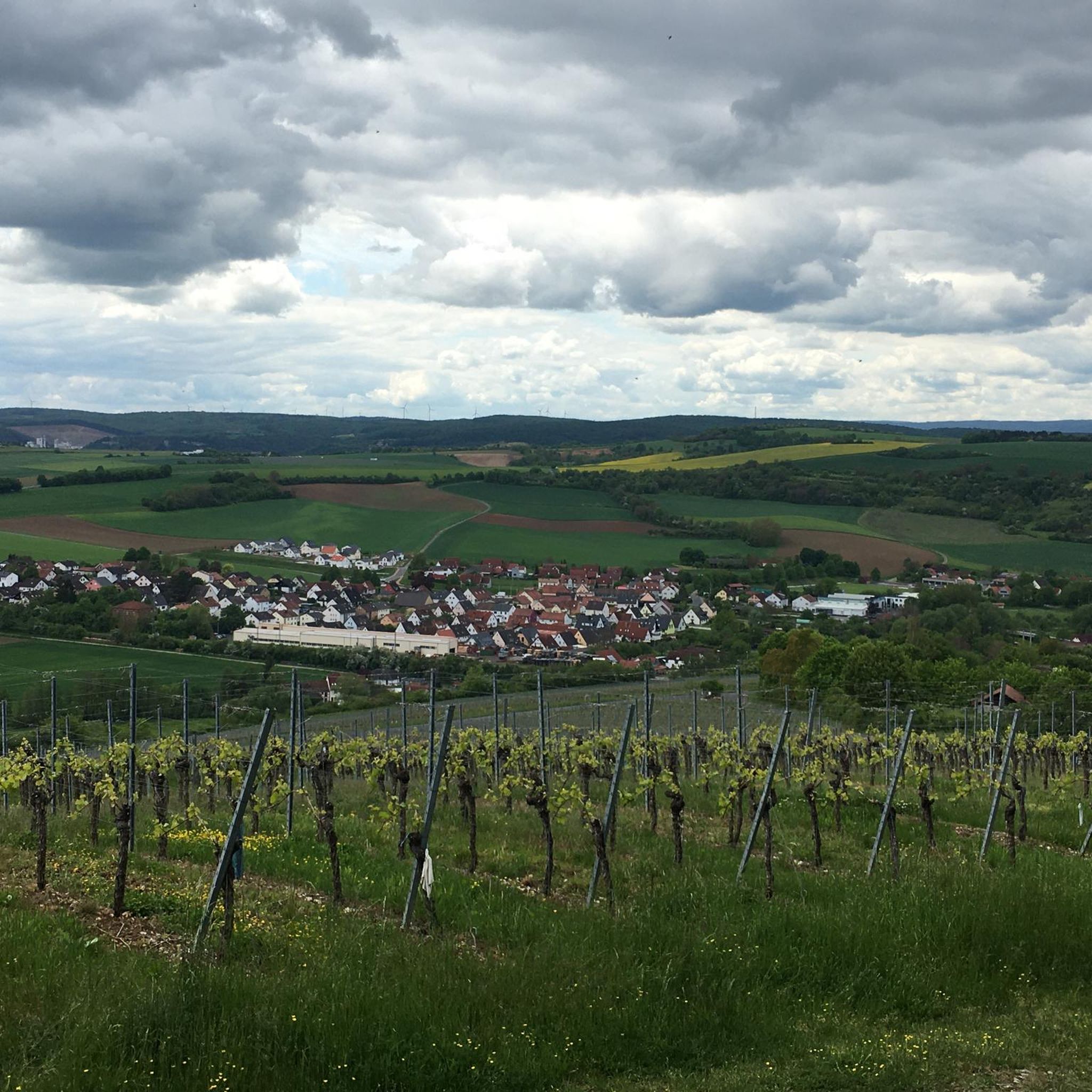
Tips from the Community

Also ideal for gravel bikers! More tips for gravel bike adventures in the area at https://graveldeluxe.com or in my Komoot profile https://www.komoot.de/user/graveldeluxe
0
0

Around the corner is a nice rest area
3
0
There is also a rest area here
4
0
Beautiful view of the vineyards
2
1
A very nice bike path
4
0
The castle ruins are always worth a visit, there is also a Homburg Festival.
4
0

The original estuary of the Wern was relocated in the 19th century due to the construction of the new railway line.
3
0
Nice opportunity to rest. We recommend the Bock bakery about 500m away in the city center!
4
0
Frequently Asked Questions
What unique natural features can I discover in the natural monuments around Eußenheim?
The region offers diverse natural features, including steppe heath forests and nutrient-poor grasslands at the Ammerfeld Nature Reserve, geological layers of new red sandstone and shell-limestone at the Grainberg-Kalbenstein Nature Reserve, and dry grasslands and steppe heather forests around the Homburg Castle Ruins. You can also find ancient trees like the 300-year-old "Thick Oak".
Are there any historical natural monuments worth visiting near Eußenheim?
Yes, the Homburg Castle Ruins are not only Germany's second-largest castle ruin but also surrounded by an important nature reserve. Another site with historical significance is the Sodenberg Basalt Crater, a former basalt quarry where you can observe geological features of a volcanic landscape.
What are some family-friendly natural monuments in the Eußenheim area?
The Franconian Saale Riverside Cycle Path is a family-friendly option, offering a leisurely path along the river with benches and tables for breaks. Many of the nature reserves, like Ammerfeld, also offer easy trails suitable for families to explore the unique flora and fauna.
Where can I find impressive views of the landscape around Eußenheim?
For panoramic views, visit the "Edelweiss" Lookout, which offers stunning vistas high above the Main River. The Grainberg-Kalbenstein Nature Reserve also provides wonderful views over Karlstadt and the Main valley. Additionally, the View of the Retzbach Vineyards from Zellingen offers picturesque scenery with rugged cliffs and vineyards.
Are there opportunities for hiking near these natural monuments?
Absolutely. The region is excellent for hiking. You can find various trails, including moderate routes like the "Nature reserve loop from Eußenheim" or the "Maria im Weinberg Chapel – Homburg Castle Ruins loop from Eußenheim." For more options, explore the Hiking around Eußenheim guide.
Can I go cycling near the natural monuments in Eußenheim?
Yes, the Franconian Saale Riverside Cycle Path is a popular choice, following the calm Saale river. Many of the natural monuments are accessible via well-developed hiking and biking trails. For more cycling routes, check out the MTB Trails around Eußenheim guide.
What is the best time of year to visit the natural monuments around Eußenheim?
Spring is particularly beautiful. In early spring, you can witness thousands of Adonis roses in bloom at the Ammerfeld Nature Reserve, and the adjacent "Ölgrund" features vast carpets of narcissus. The Homburg Castle Ruins area is adorned with countless pasque flowers in spring. From May to mid-July, wild orchids can be admired at the Grainberg-Kalbenstein Nature Reserve.
Are there any specific plant species I should look out for?
Yes, the region is known for its unique flora. Keep an eye out for Adonis roses and narcissus in spring at Ammerfeld, pasque flowers near the Homburg Castle Ruins, and wild orchids, including the only Franconian "edelweiss" flower, at the Grainberg-Kalbenstein Nature Reserve.
What do visitors particularly enjoy about the natural monuments in Eußenheim?
Visitors appreciate the diverse landscapes, from rolling hills and dense forests to idyllic river courses. The historical significance of sites like the Homburg Castle Ruins combined with the surrounding protected nature is a highlight. Many also enjoy the panoramic views, such as those from the View of the Main Valley from the Edelweiß, and the tranquility of the Saale river along the cycle path.
Are there any natural monuments that are also significant for their geological features?
The Sodenberg Basalt Crater is a prime example, showcasing the geological features of a volcanic landscape from its past as a basalt quarry. The Grainberg-Kalbenstein Nature Reserve is also characterized by its distinct geological layers of new red sandstone and shell-limestone.
Are dogs allowed on trails around the natural monuments?
While specific rules vary by reserve, many hiking trails in the Eußenheim region are dog-friendly. It's generally recommended to keep dogs on a leash, especially in nature reserves, to protect wildlife and sensitive plant areas. Always check local signage for specific regulations.
What kind of wildlife can be observed in the natural monuments?
The diverse habitats, particularly the nutrient-poor grasslands and steppe heather forests, provide critical environments for a variety of insects, including extremely rare species. Birdwatchers may also spot various bird species attracted to the varied landscapes and river areas.
Are there any natural monuments that offer a combination of nature and cultural experiences, like vineyards?
Yes, the Stettener Stein Vineyards, while not a nature reserve, are a significant natural and cultural landscape. They feature steep limestone slopes typical of the Lower Franconian Main Triangle, offering magnificent views and special nature experiences, especially when hiking along the Main river. You can also experience the Franconian wine region here.
Most popular routes around Eußenheim
Most popular attractions around Eußenheim

Get inspired with the komoot mobile app


Explore more
Extend your search for the best caves by checking out these guides of the top ones around Eußenheim:
