Top 20 Natural Monuments around Haunetal
Best natural monuments around Haunetal are found in a municipality in the Hersfeld-Rotenburg district of eastern Hesse, Germany. The region is situated in the Vorderrhön, between the foothills of the Knüllgebirge, Rhön, and Vogelsberg mountains. Haunetal features diverse landscapes, including the prominent Stoppelsberg mountain and its unique geological formations. The area is recognized for its natural attractions and offers opportunities for exploring varied terrain.
Best natural monuments around Haunetal
- The most popular natural monuments is Heussner Tower on the Mengshäuser…
Last updated: October 11, 2026
Bad Hersfeld Spa House
Highlight • Monument
Translated by Google •
Tip by

Schenklengsfeld Lime Tree
Highlight • Natural Monument
Translated by Google •
Tip by

Sign up now to discover places like this
Get recommendations on the best single tracks, peaks, & plenty of other exciting outdoor places.
Confluence of the Schlitz and Fulda Rivers
Highlight • River
Translated by Google •
Tip by

Lange Steine (Stoppelsberg)
Highlight • Natural Monument
Translated by Google •
Tip by
Heussner Tower on the Mengshäuser Kuppe
Highlight • Viewpoint
Translated by Google •
Tip by
Sign up for free to discover even more natural monuments around Haunetal.
Already have an account?
Start today with a free account
Your next adventure awaits.
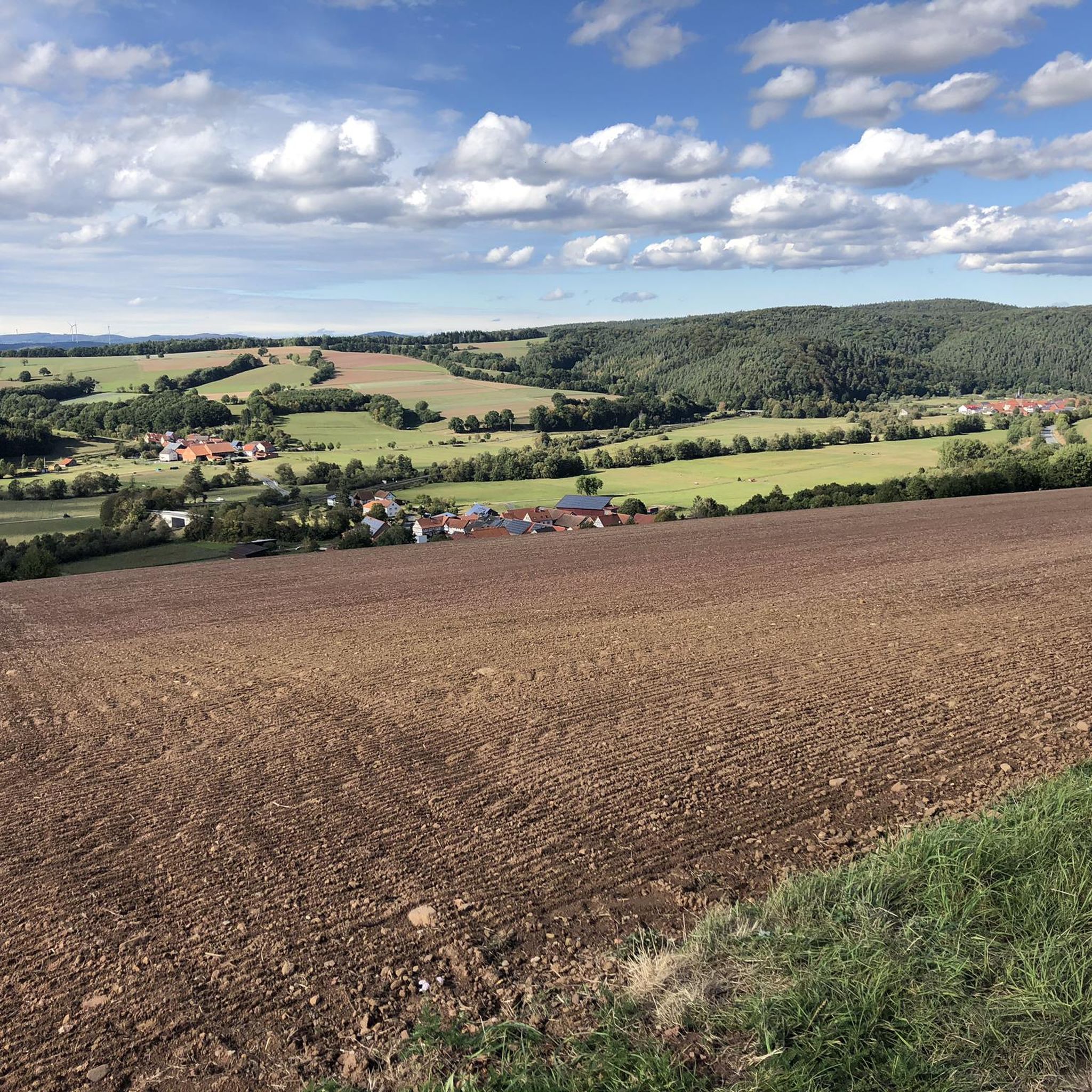
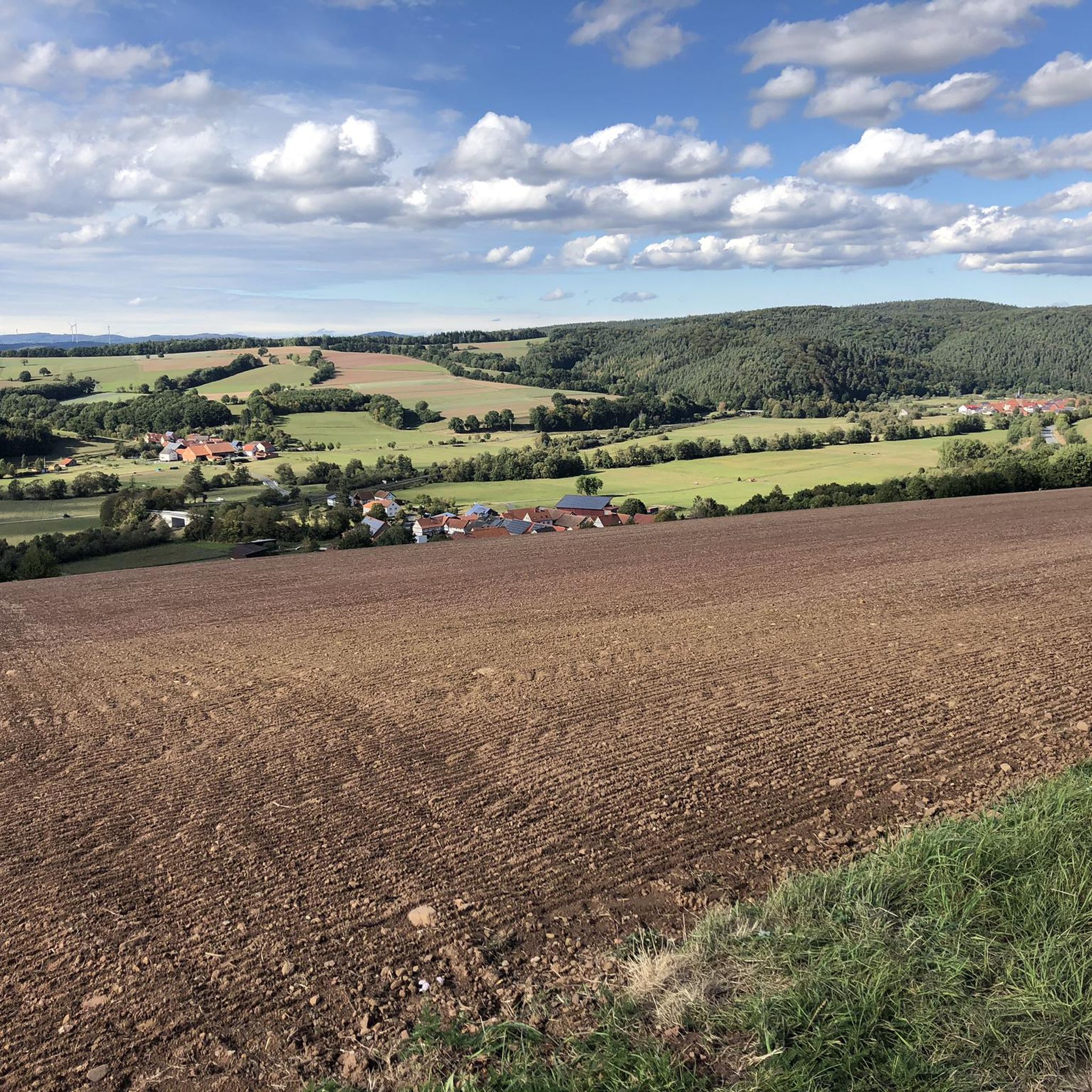
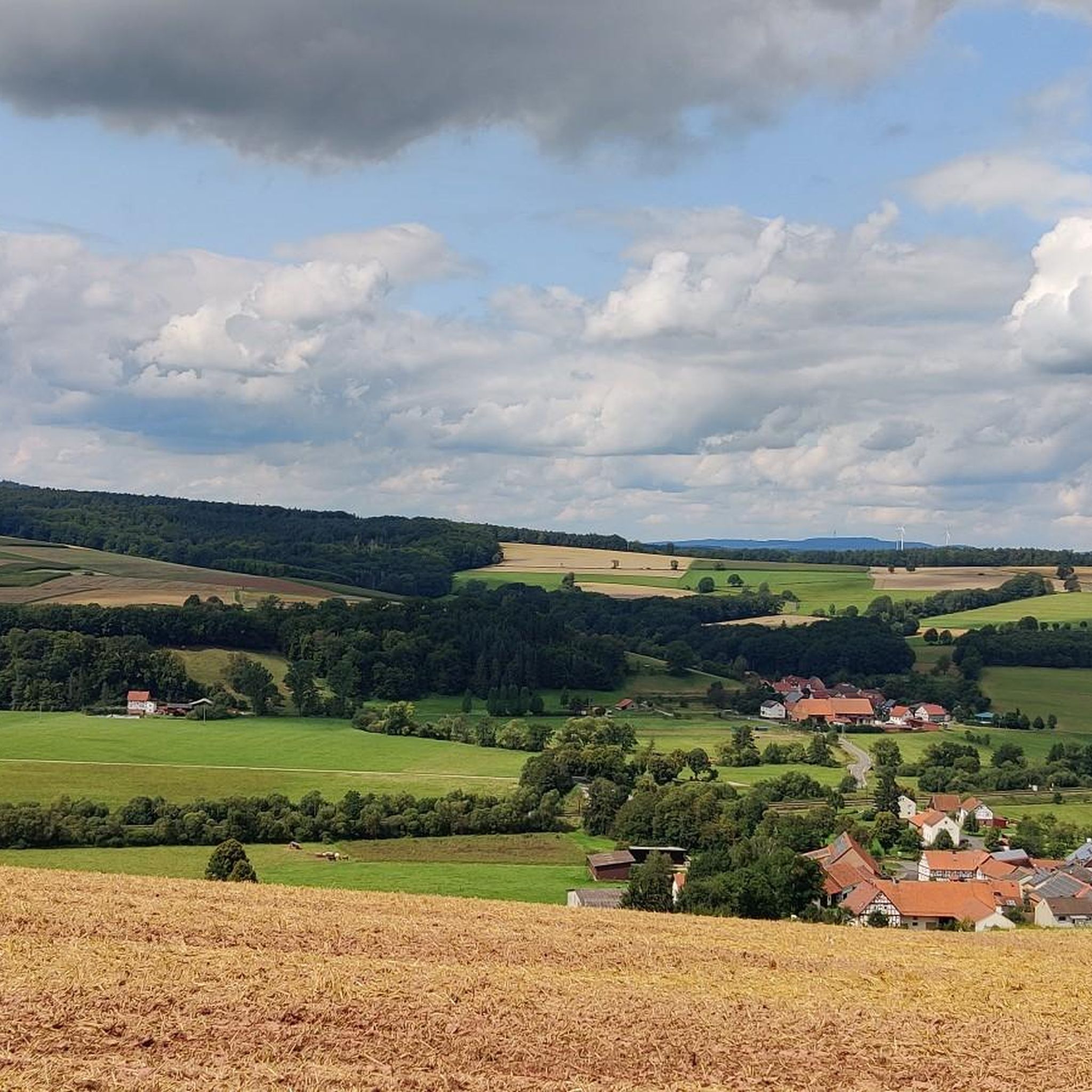
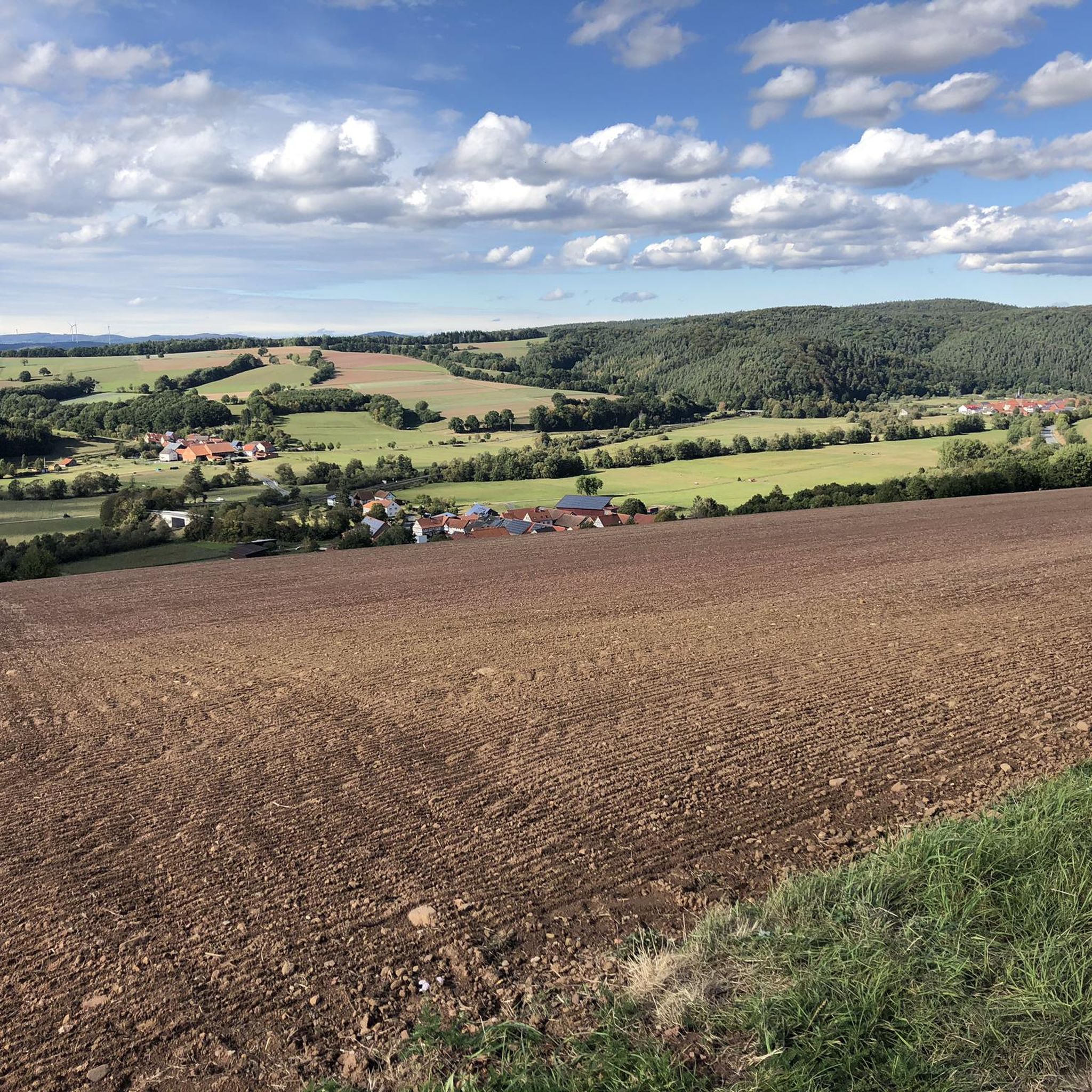
Tips from the Community

Interesting
3
0

The Schlitz flows into the Fulda here in the Hutzdorf district at 218 m above sea level. The Schlitz is formed in Bad Salzschlirf by the confluence of the Lauter and the Altefeld at 238.7 m above sea level. At around 12 km long, the Schlitz is one of the shortest rivers in Germany.
3
0
Very close to the mouth there is a bench directly on the Fulda cycle path, from which you unfortunately cannot see the mouth because the grass is tall.
3
0

Very well-maintained and varied with rest areas
4
0

The spa park, which was laid out in 1906, was completely renovated in 2006/2007 and completed in May 2008.
4
0

This old linden tree is always worth a visit.
5
0
Glad you got the gem
6
0

The Schenklengsfelder Linde is said to be the oldest tree in Germany with its estimated 1,200 years. With its mighty crown and supported branches, the linden tree is an impressive sight. For many centuries it served as a court lime tree. Today you will find a shady place to linger under their foliage.
5
0
Frequently Asked Questions
What unique geological features can I explore around Haunetal?
Haunetal is rich in geological wonders. A prime example is the Lange Steine (Stoppelsberg), massive sandstone blocks approximately 245 million years old, shaped by ancient river deposits and later by volcanic activity. The nearby Stoppelsberg mountain itself is an eroded remnant of an ancient basalt volcano, featuring impressive columnar jointing.
Are there any natural monuments with historical significance in the region?
Absolutely. The Schenklengsfeld Lime Tree is a remarkable natural monument, estimated to be over 1,000 years old and considered one of Germany's oldest trees. It historically served as a court lime tree and a meeting place. The Lange Steine (Stoppelsberg) also bear historical carvings, including a royal coat of arms from 1738 and older drawings potentially from the Neolithic period.
What are some family-friendly natural monuments to visit in Haunetal?
For families, the Confluence of the Schlitz and Fulda Rivers offers a beautiful landscape and an easy-to-access spot to enjoy nature. The Lange Steine (Stoppelsberg) are also considered family-friendly, providing an engaging geological and historical experience. Many easy hiking routes, like those found in the Easy hikes around Haunetal guide, lead to these natural sites.
Where can I find the best panoramic views of the Haunetal landscape?
For breathtaking panoramic views, head to the Heussner Tower on the Mengshäuser Kuppe. From its top, you can see far into the Haunetal and Fuldatal. The Stoppelsberg mountain, particularly from the ruins of Hauneck Castle, also offers extensive views of the surrounding Hessian low mountain ranges, including the Vogelsberg, Knüll, Rhön, and even the Thuringian Forest on clear days.
What outdoor activities can I do near Haunetal's natural monuments?
Haunetal offers diverse outdoor activities. You can explore numerous hiking trails, with options ranging from easy to moderate, many of which lead to natural monuments like the Lange Steine (Stoppelsberg). Check out the Hiking around Haunetal guide for detailed routes. Mountain biking is also popular, with various trails available as detailed in the MTB Trails around Haunetal guide.
Are there specific hiking trails that lead to the natural monuments?
Yes, several hiking trails are designed to showcase the region's natural monuments. For instance, the 'Shelter at the village pond – Lange Steine (Stoppelsberg) loop from Oberstoppel' is an easy 5.9 km hike that takes you directly to the Lange Steine. You can find more such routes in the Hiking around Haunetal guide.
What is the best time of year to visit the natural monuments in Haunetal?
The natural monuments around Haunetal are beautiful year-round, but spring and autumn are particularly recommended. During these seasons, temperatures are mild, and nature displays vibrant colors, making it ideal for hiking and exploration. The fertile basalt soil of the Stoppelsberg supports a rich flora that is especially lovely in spring.
What kind of flora and fauna can I expect to see around the natural monuments?
The diverse landscapes of Haunetal, especially around the Stoppelsberg mountain, support a rich variety of flora. You might encounter hazelwort, lily of the valley, Solomon's seal, woodruff, and bulbous coralroot. The area's forests and river valleys also provide habitats for various wildlife, making it a great spot for nature observation.
What do visitors enjoy most about the natural monuments in Haunetal?
Visitors frequently appreciate the unique geological formations, such as the ancient Lange Steine, and the historical significance of sites like the Schenklengsfeld Lime Tree. The panoramic views from elevated points like the Heussner Tower are also highly praised. The overall natural beauty and the opportunity for peaceful exploration are key attractions.
Are there any natural monuments related to rivers or water features?
Yes, the Confluence of the Schlitz and Fulda Rivers is a notable natural monument. Here, the Schlitz river flows into the Fulda, offering a picturesque spot with a bank to stay and enjoy the tranquil waters. This area is also part of the diverse natural region that includes gentle hills and babbling brooks.
Is there parking available near the natural monuments?
While specific parking details for every natural monument are not provided, many hiking trails that lead to these sites, such as those around Oberstoppel for the Lange Steine (Stoppelsberg), typically have designated parking areas at trailheads or nearby villages. It's advisable to check local signage upon arrival.
Most popular routes around Haunetal
Most popular attractions around Haunetal

Get inspired with the komoot mobile app


Explore more
Extend your search for the best caves by checking out these guides of the top ones around Haunetal:
