Top 20 Natural Monuments around Geisenhausen
Best natural monuments around Geisenhausen are found within a landscape characterized by forests and lakes, offering diverse outdoor activities. This market town in the Landshut district of Bavaria provides a setting for experiencing nature, with opportunities for hiking and cycling. While specific individual natural monuments within the municipality are not widely documented, the broader region features various natural attractions. The environment supports exploration of its natural beauty, particularly in spring and summer.
Best natural monuments around Geisenhausen
- The most popular…
Last updated: July 8, 2026
Former Landshut Military Training Area with Isarleite
Highlight • Natural
Translated by Google •
Tip by

Rákóczy Spring
Highlight • Natural Monument
Translated by Google •
Tip by

Sign up now to discover places like this
Get recommendations on the best single tracks, peaks, & plenty of other exciting outdoor places.
Sign up for free
Salzdorfer Valley
Highlight (Segment) • Gorge
landshut.bund-naturschutz.de/natur-vor-der-haustuer/lsg-geplant-maria-bruendl-salzdorfer-tal-1
Translated by Google •
Tip by

Highest Point in the Landshut District
Highlight • Summit
Translated by Google •
Tip by

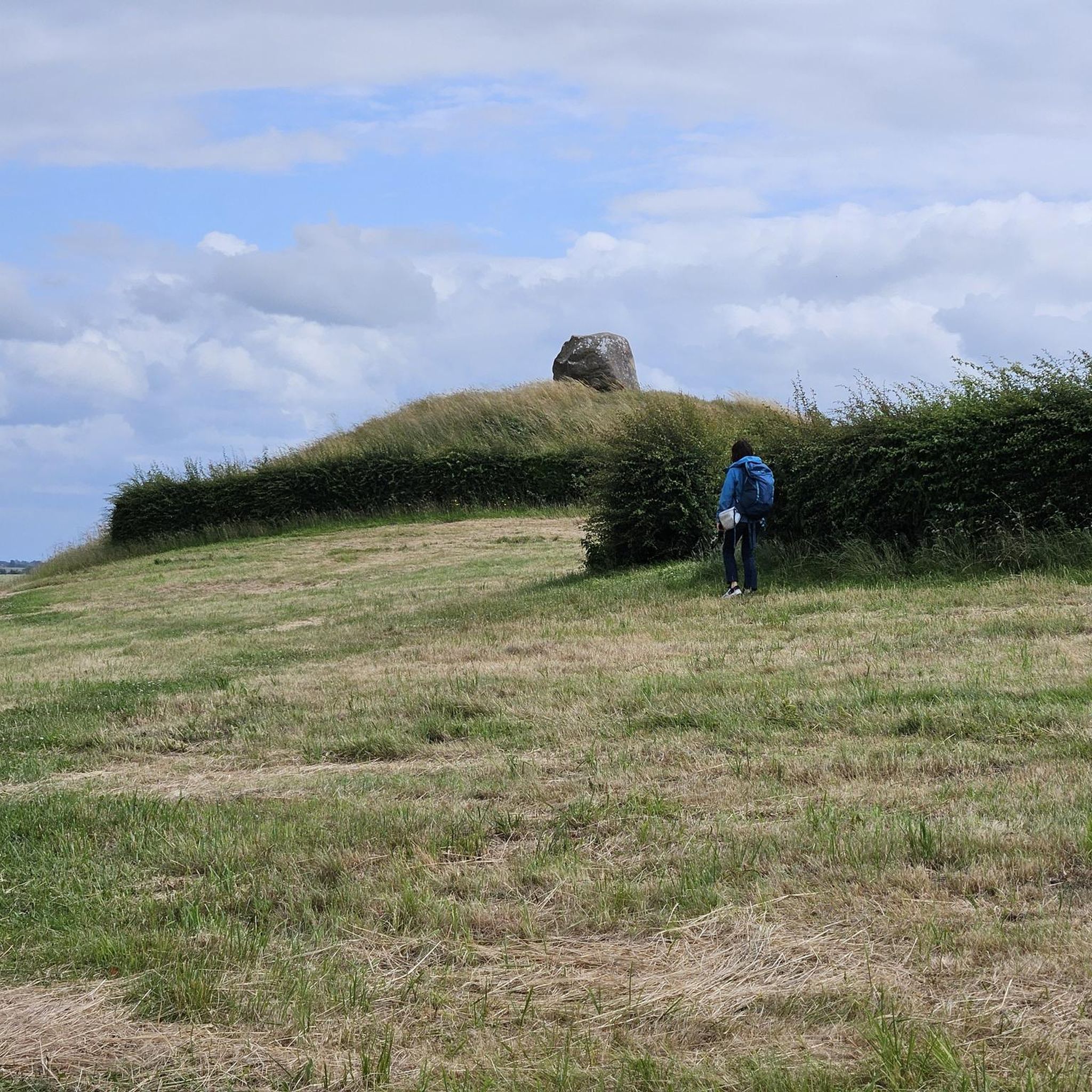
Turmhügel Diemannskirchen
Highlight • Historical Site
Translated by Google •
Tip by

Sign up for free to discover even more natural monuments around Geisenhausen.
Sign up for free
Already have an account?
Start today with a free account
Your next adventure awaits.
Login or Signup
Tips from the Community

Col de Landshut!
0
0

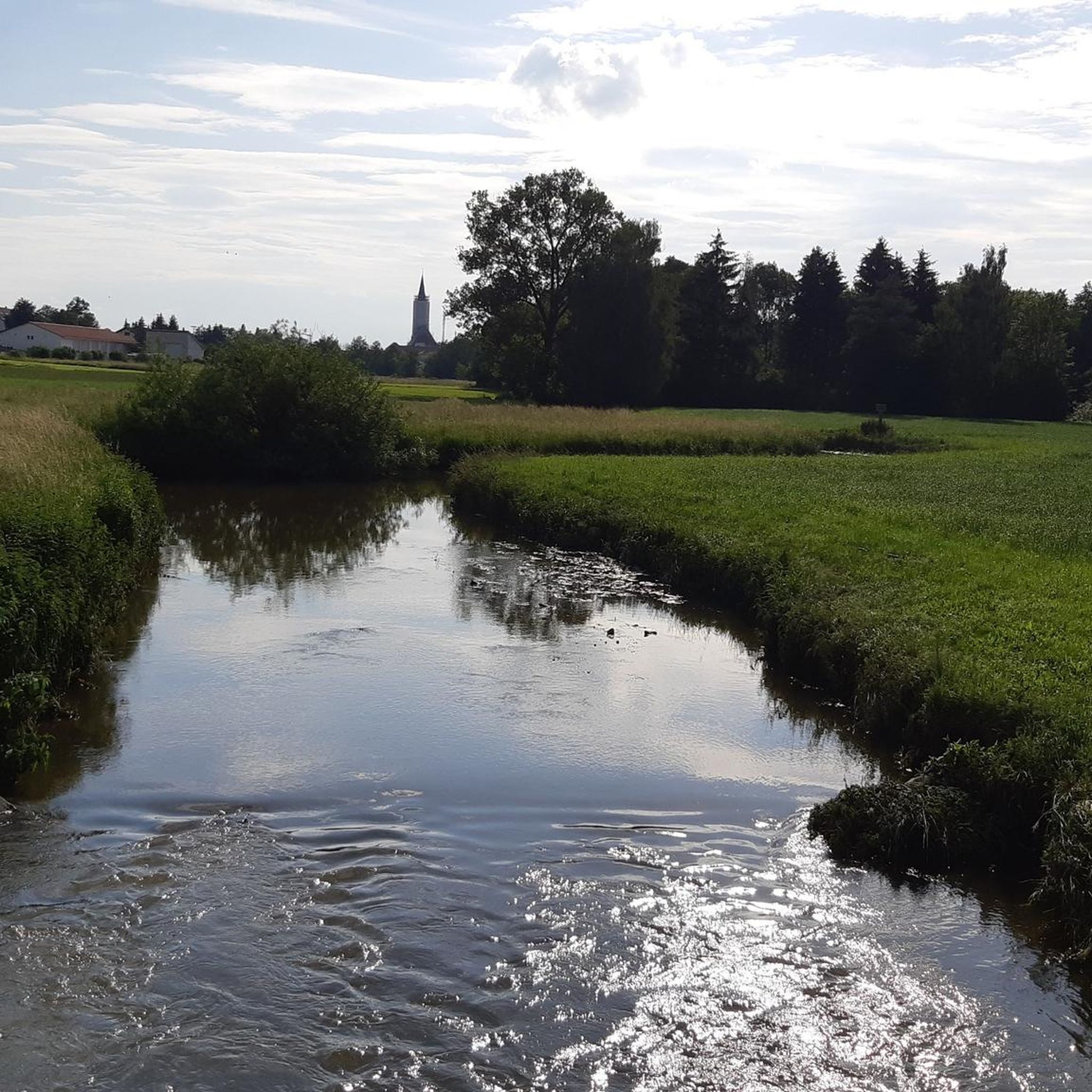
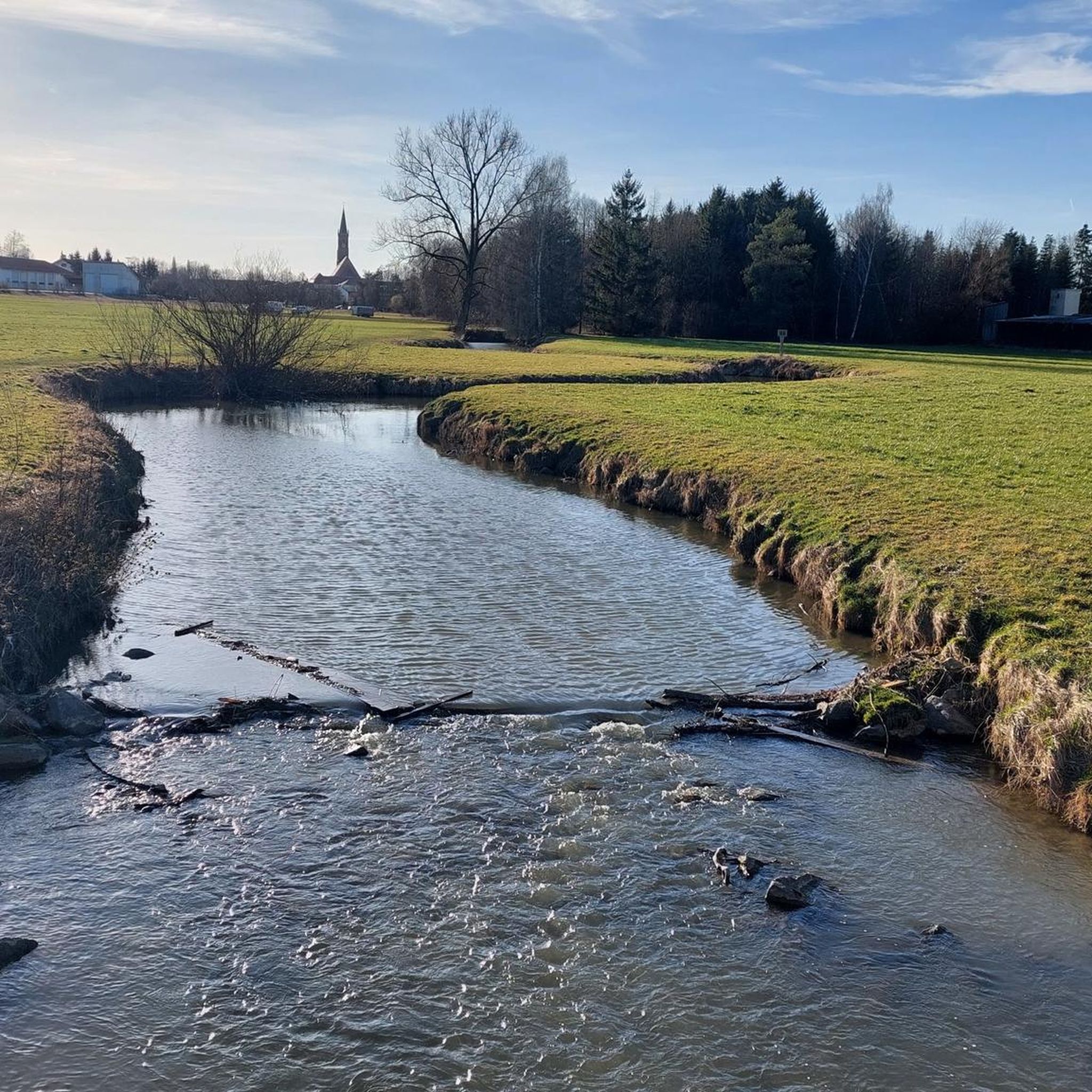
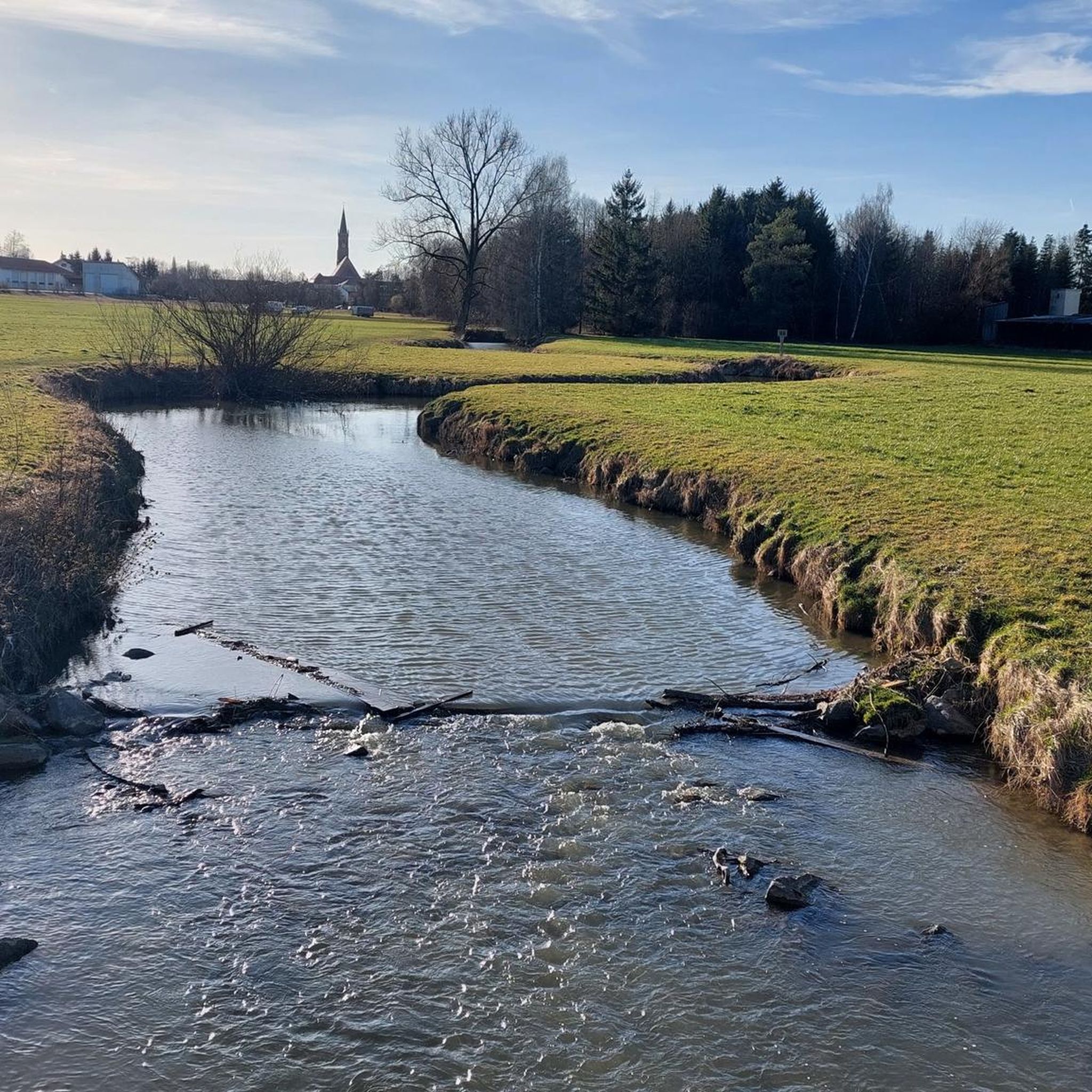
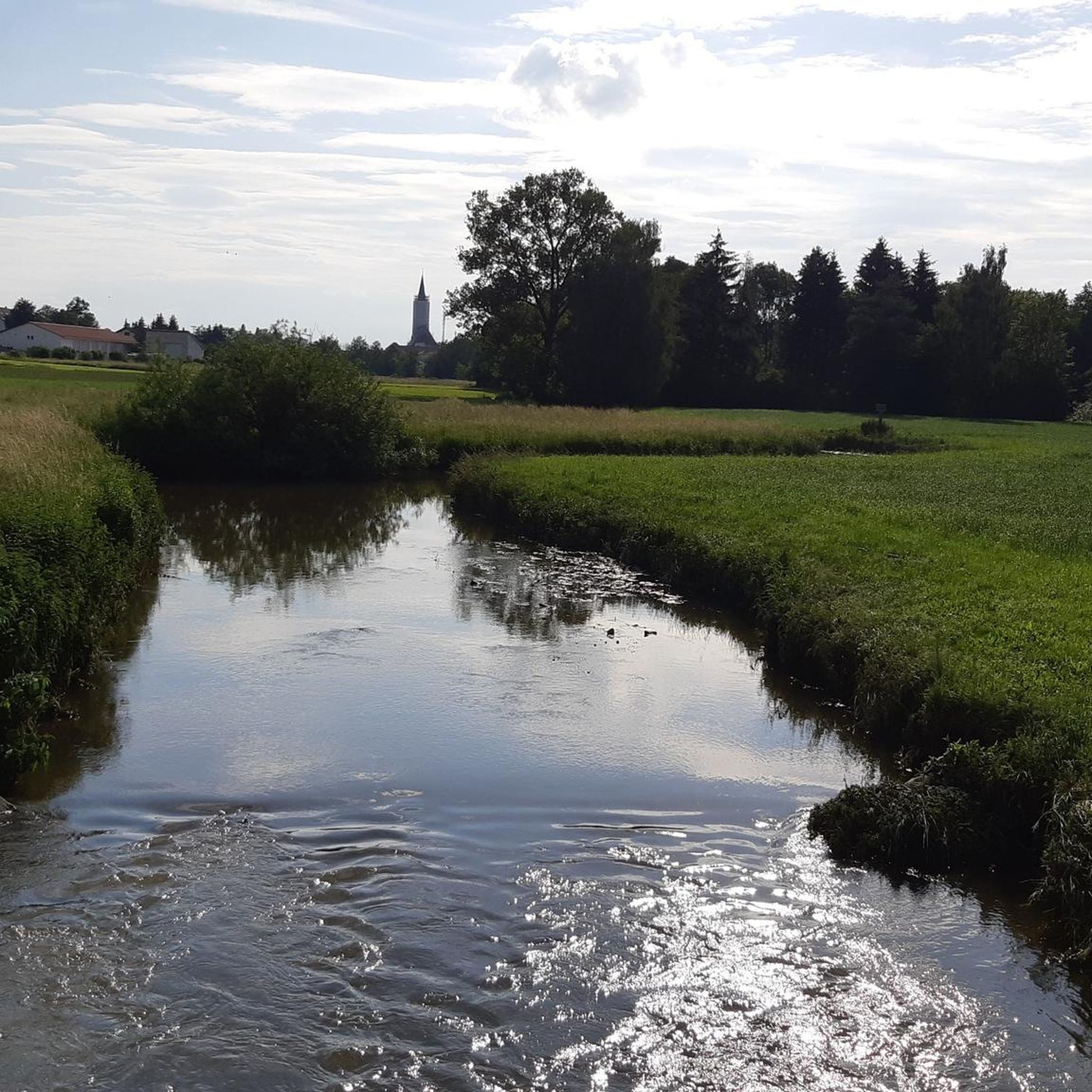
Salzdorfer Tal near Kumhausen > a geotope (extract from the Bavarian Environmental Atlas Asymmetrical valley with layered springs along the bentonite horizon at 470 m above sea level. The relocation of the stream in the 19th century brought about a significant change in the shape of the valley in a short space of time. https://www.umweltatlas.bayern.de/standortauskunft/rest/reporting/sb_geotope/generate?additionallayerfieldvalue=261R004
2
0

There are numerous springs on the Isarhangleite, which are fed from the slope water. In the area of the city of Landshut, such were used for a long time to supply water to the population. In the course of the city's beautification in the course of the 19th century, this spring was set in stone by committed citizens in 1867, as it was on the path to the tavern in Schönbrunn, which was popular with the people of Landshut. It is no longer possible to determine when the spring got its name, but there is a legend about Ferenc Rákóczy II (1676-1735). Today he is a Hungarian national hero and was the richest nobleman in the Kingdom of Hungary at the time, leading the last major Hungarian uprisings against the Habsburgs between 1703 and 1711. After a defeat in 1704, he is said to have refreshed himself with his companions at this spring on his flight to France and spent the night here. On November 21, 1948, Hungarians living in Landshut erected a memorial stone next to the spring for their compatriots who died in World War II and fought on the German side. *From the existing sign from the city of Landshut.
1
0
This nature reserve is a gem. Magnificent views of the landscape and the Isar valley can be enjoyed.
2
0
A beautiful hiking section in the valley and meadow at the end of which is the small hamlet of Salzdorf with its milk filling station.
2
0

the Salzdorf Valley is waiting for status as a landscape conservation area https://landshut.bund-naturschutz.de/natur-vor-der-haustuer/lsg-geplant-maria-bruendl-salzdorfer-tal-1
2
0

A varied hike in hilly terrain. (Isarleite)
3
0

Highlights are always beautiful - the view extends as far as the Alps
0
0
Frequently Asked Questions
What natural features can I explore around Geisenhausen?
The region around Geisenhausen offers a diverse landscape of forests, valleys, and elevated points. You can explore areas like the Former Landshut Military Training Area with Isarleite, which features varied terrain and views, or the unique geological formations in the Salzdorfer Valley, an asymmetrical valley with layered springs.
Where can I find the best viewpoints among the natural monuments?
For panoramic views, consider visiting the Highest Point in the Landshut District, located near Wurmsham at 520 meters above sea level. Another excellent spot is Herzogsgarten Landshut, a landscape garden above Landshut Castle that offers beautiful city vistas.
Are there family-friendly natural monuments or trails suitable for children?
Yes, several natural monuments are suitable for families. The Highest Point in the Landshut District and the Salzdorfer Valley are both marked as family-friendly. Additionally, the Rákóczy Spring, with its historical significance, can be an interesting stop for families.
What is the best time of year to visit the natural monuments around Geisenhausen?
The natural monuments around Geisenhausen are particularly appealing in spring and summer. During these seasons, the flora is in full bloom, and the weather is ideal for outdoor activities like hiking and cycling, allowing you to fully appreciate the region's natural beauty.
Are there hiking trails near the natural monuments around Geisenhausen?
Yes, the area offers numerous hiking opportunities. You can find various trails, including moderate loops like 'Hiking loop from Geisenhausen' or 'Hiking loop from Kiemannstetten', and easier options such as 'Bench Under the Cross – Sunset Over Plowed Field loop from Seyboldsdorf'. For more details, explore the Hiking around Geisenhausen guide.
What other outdoor activities can I do near these natural monuments?
Beyond hiking, the region is excellent for running and gravel biking. You can find running trails like the 'Old Götzdorf Train Station loop from Geisenhausen' or explore gravel biking routes such as 'View of the Isar Reservoir – Isarspitz loop from Adlkofen'. Check out the Running Trails around Geisenhausen and Gravel biking around Geisenhausen guides for more options.
Are dogs allowed on trails around the natural monuments?
Generally, dogs are welcome on trails in the natural areas around Geisenhausen, especially in forests and open landscapes. However, it's always advisable to keep them on a leash, especially in designated nature protection areas or near wildlife, and to respect local regulations.
Are there parking options available at these natural monuments?
While specific parking details for every natural monument are not always listed, many natural areas and trailheads around Geisenhausen typically offer parking facilities. For instance, the Herzogsgarten Landshut has parking available nearby. It's recommended to check local signage upon arrival.
How can I reach the natural monuments around Geisenhausen by public transport?
Geisenhausen itself has a train station, providing connections within the region. From there, local bus services might connect to some surrounding villages or areas closer to the natural monuments. However, direct public transport access to all remote natural sites may be limited, and a combination of public transport and walking or cycling might be necessary.
Do I need permits to visit natural monuments around Geisenhausen?
No, generally you do not need special permits to visit the natural monuments and explore the trails around Geisenhausen. These areas are freely accessible to the public for recreational purposes. However, always respect local regulations regarding nature conservation and private property.
Are there places to eat or drink near the natural monuments?
While specific cafes or pubs directly adjacent to every natural monument are not guaranteed, the town of Geisenhausen and surrounding villages offer various dining options. For example, the Rákóczy Spring is historically linked to a popular tavern, suggesting that refreshment stops can often be found in the vicinity of popular natural spots.
What historical sites are integrated with the natural monuments?
The Rákóczy Spring is a notable example, recognized as both a natural monument and a historical site. It holds a legend about Ferenc Rákóczy II and features a memorial stone for Hungarian compatriots from WWII, blending natural beauty with significant historical context.
Most popular routes around Geisenhausen
Most popular attractions around Geisenhausen

Get inspired with the komoot mobile app


Explore more
Extend your search for the best caves by checking out these guides of the top ones around Geisenhausen:
