Top 20 Natural Monuments around Greußenheim
Natural monuments around Greußenheim, a municipality in the Würzburg district of Bavaria, Germany, offer diverse natural features. The region is characterized by geological formations and varied ecosystems, providing opportunities for outdoor exploration. Visitors can discover significant natural heritage sites that showcase the area's unique landscape. These locations are ideal for appreciating nature and understanding local geology.
Best natural monuments around Greußenheim
- The most popular natural monuments is Anna Gorge, a gorge that is well secured. It offers a chance…
Last updated: August 17, 2026
Veitshöchheim Palace and Rococo Garden
Highlight • Castle
Translated by Google •
Tip by

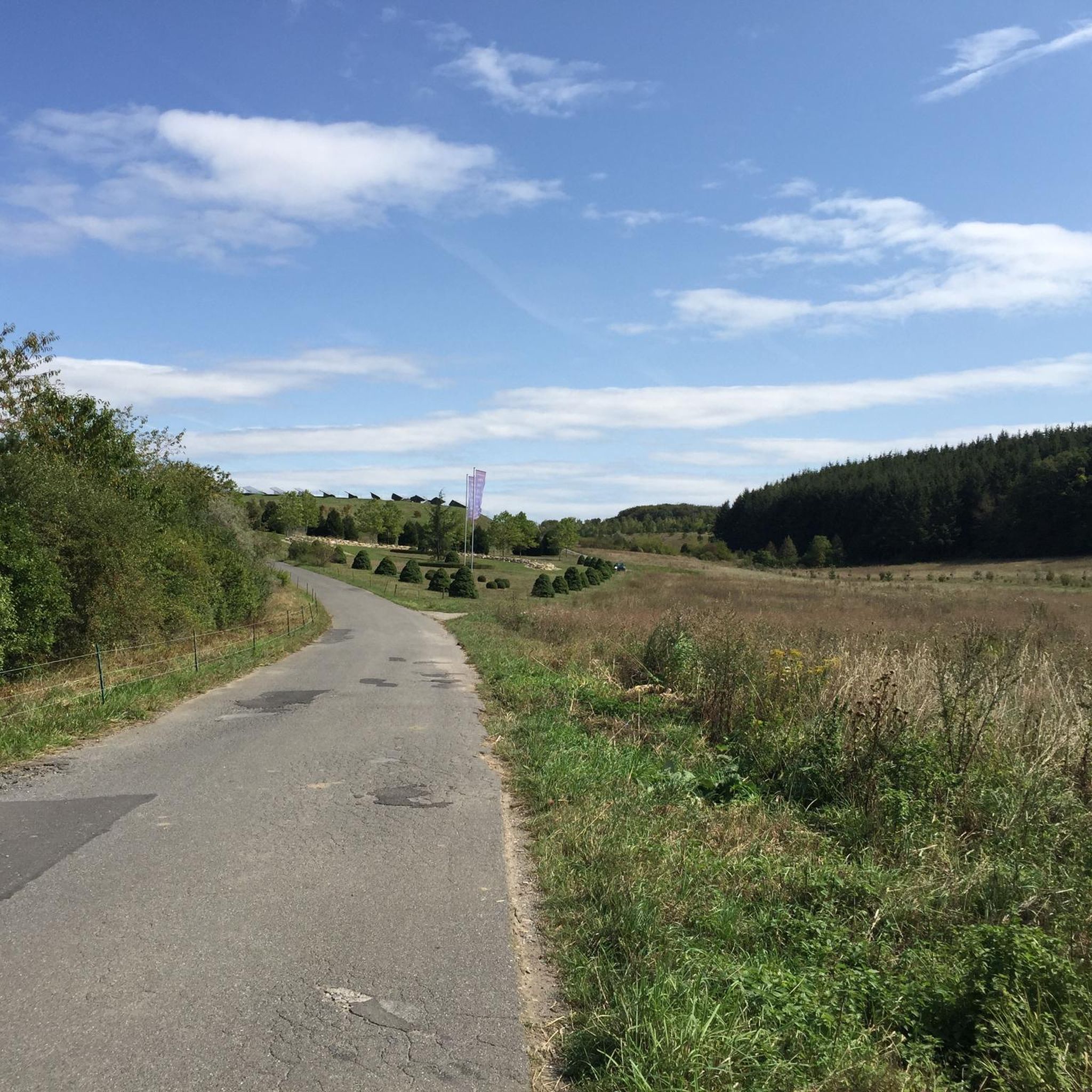
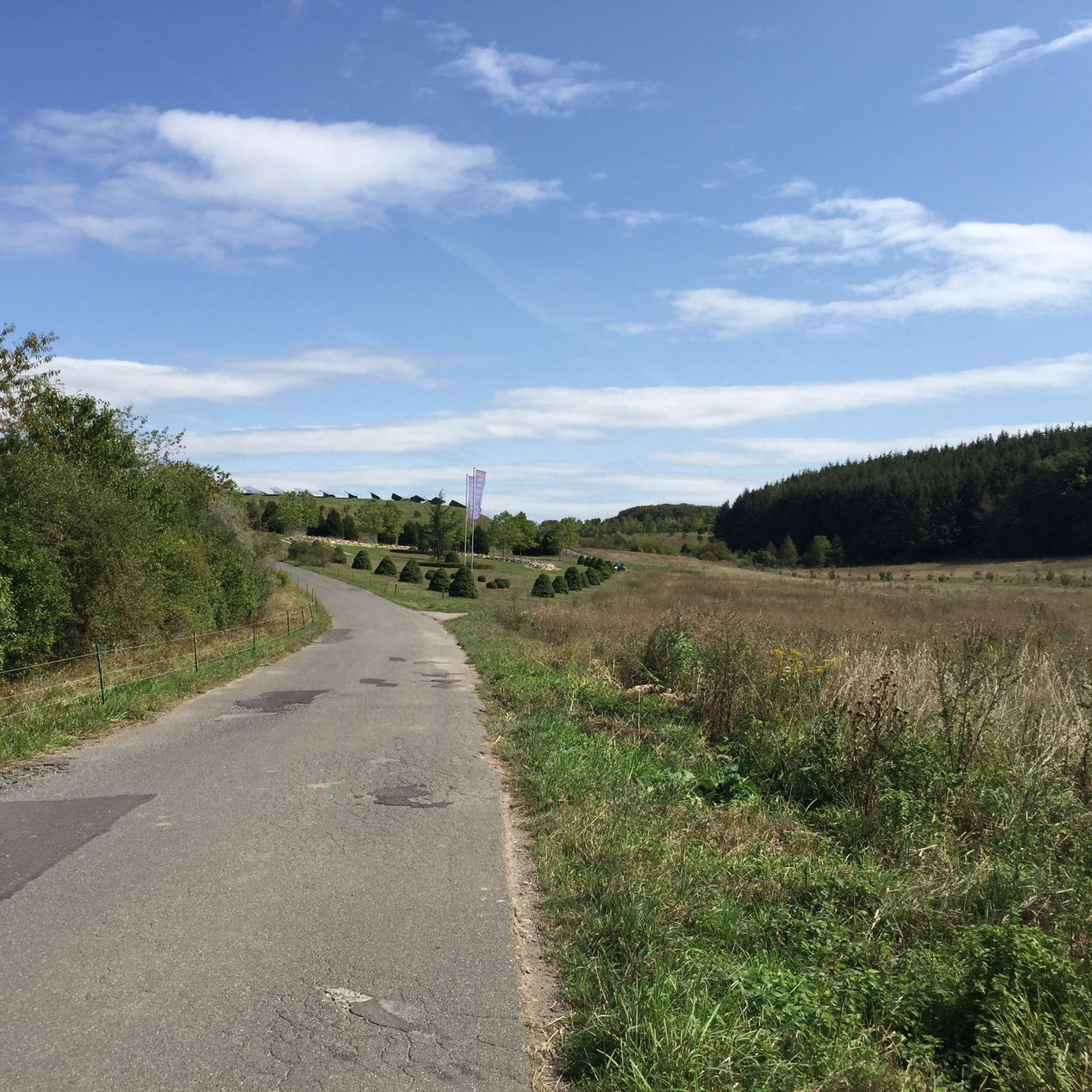
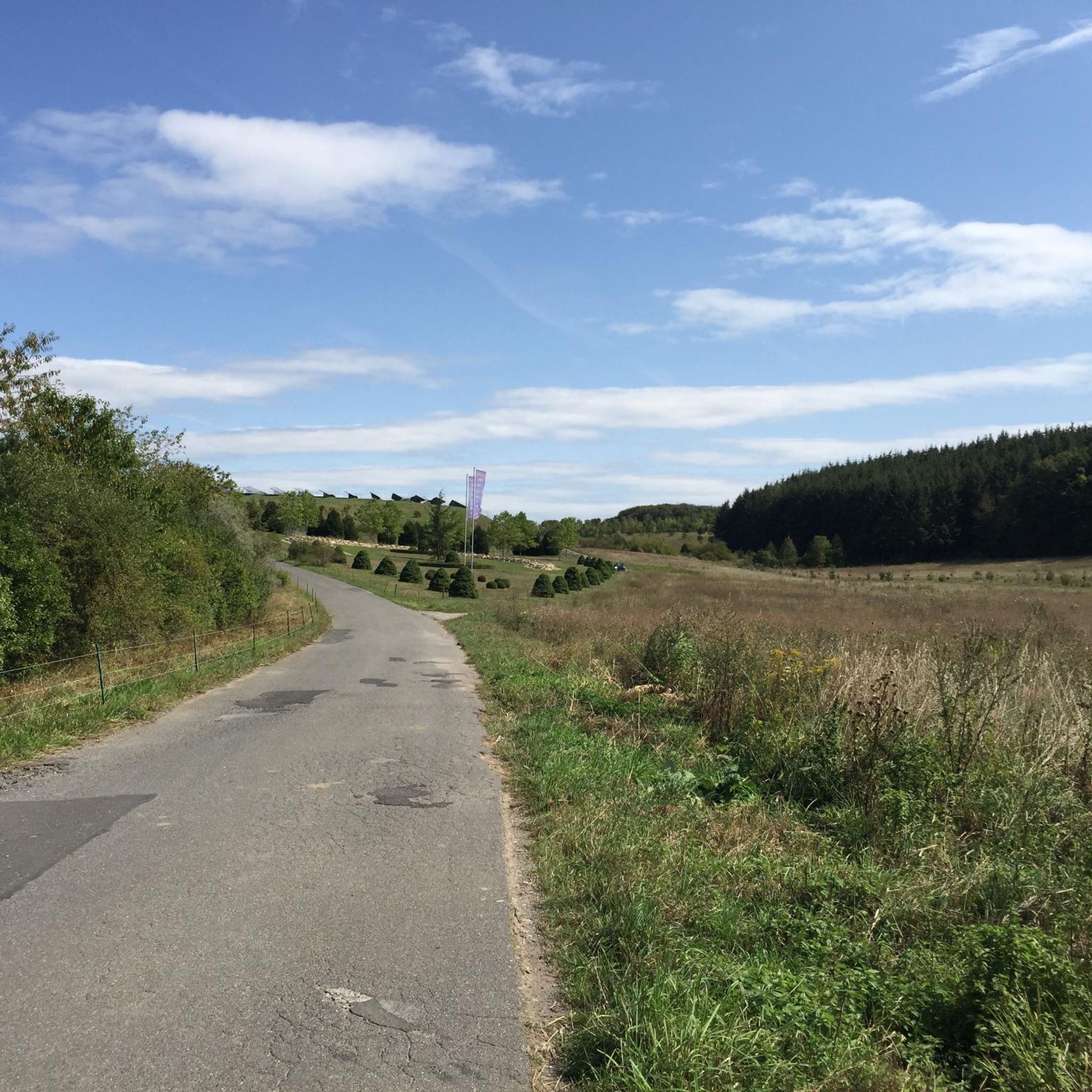
Anna Gorge
Highlight (Segment) • Gorge
Translated by Google •
Tip by

Sign up now to discover places like this
Get recommendations on the best single tracks, peaks, & plenty of other exciting outdoor places.
Sign up for free
View of the Retzbach Vineyards from Zellingen
Highlight • Viewpoint
Translated by Google •
Tip by

Laichsee in the Steinbach Valley
Highlight • Lake
Translated by Google •
Tip by

The Dripping Rock
Highlight • Natural Monument
Translated by Google •
Tip by

Sign up for free to discover even more natural monuments around Greußenheim.
Sign up for free
Already have an account?
Start today with a free account
Your next adventure awaits.
Login or Signup
Tips from the Community


Definitely worth it, especially if it's been really cold for more than 3-4 days!
0
0

Also ideal for gravel bikers! More tips for gravel bike adventures in the area at https://graveldeluxe.com or in my Komoot profile https://www.komoot.de/user/graveldeluxe
0
0

Fine gorge, well secured… However, it would be nicer left natural and without an asphalt road
12
2

Veitshöchheim is very beautiful, you have to visit it
2
0
Beautiful view of the vineyards
2
1

Veitshöchheim is a municipality in the Lower Franconian district of Würzburg and is located on the Main. The town is a former summer residence of the Prince-Bishops of Würzburg, later of the Kings of Bavaria. The palace complex with its Rococo garden is well-known. Veitshöchheim was first mentioned in 779. The parish of Veitshöchheim was donated to the monastery of St. Stephan in 1097 by the Würzburg bishop Emehard. Veitshöchheim Palace was built between 1680 and 1682 under Prince-Bishop Peter Philipp von Dernbach and expanded between 1749 and 1753 by Balthasar Neumann. The construction of the court garden, which belongs to the palace, began in 1702. The parish church of St. Vitus, which still exists today, was consecrated in 1691, and the Veitshöchheim synagogue was built between 1727 and 1730. In 1814, the town finally fell to the state of Bavaria, after only nine years earlier it had become part of the Grand Duchy of Würzburg. The municipality was formed in its current form in the course of the Bavarian administrative reforms in 1818. Veitshöchheim train station with the royal pavilion was built in 1853 and 1854 under Maximilian II of Bavaria. Source: Wikipedia
4
0

Frequently Asked Questions
What unique geological features can I explore near Greußenheim?
The region around Greußenheim offers several interesting geological sites. You can visit the View of the Retzbach Vineyards from Zellingen, which features rugged cliffs with distinct rock layers and vineyards. Another notable site is the Former Muschelkalk Quarry "Höchheimer Höhe" ENE of Greußenheim, a significant geotope exposing detailed geological sequences and evidence of ancient landslides and faults. Additionally, The Dripping Rock is a natural monument where water continuously drips from a rock, a feature that also gave its name to the nearby Triefenstein Monastery.
Are there natural monuments suitable for families around Greußenheim?
Yes, several natural monuments are family-friendly. The Anna Gorge is a well-secured gorge offering a pleasant hike for families. The Laichsee in the Steinbach Valley is an artificial lake that serves as a spawning ground for toads, teeming with tadpoles in late May, making it an interesting spot for children to observe nature. While the water is drained in winter, it refills by mid-March.
What kind of wildlife or flora can I expect to see at the natural monuments?
The Area Natural Monument at Vogelsberg, near Roßbrunn, is a nature reserve known for its diverse flora and fauna, characteristic of a lime-turf ecosystem. Here, you can find various rare plant species, including pasque flowers, military orchids, and mulleins. This area provides a rich natural environment to appreciate unique biodiversity.
Are there hiking opportunities near the natural monuments in Greußenheim?
Absolutely. The Anna Gorge is a popular spot for hiking. For more extensive hiking, you can explore the trails around the natural monuments. For example, there are running trails available, such as the "Kalter Rain loop from Hettstadt" or a "Running loop from Greußenheim." You can find more details on these and other routes in the Running Trails around Greußenheim guide.
What are the best times of year to visit the natural monuments around Greußenheim?
Spring and autumn are generally excellent times to visit. In spring, you can witness the rich biodiversity of areas like the Vogelsberg with its blooming rare plants, and observe tadpoles at the Laichsee. Autumn offers beautiful scenery for walks, especially with changing foliage. The Former Muschelkalk Quarry is accessible year-round, though partially overgrown. Always check local conditions before your visit.
Can I find historical sites alongside natural monuments in the area?
Yes, some natural monuments in the region have historical connections. For instance, The Dripping Rock is directly associated with the historical Triefenstein Monastery. Additionally, the Area Natural Monument at Vogelsberg has historical significance, with evidence of its cultivation dating back to 1783 and its past use as sheep pasture and agricultural land. While not a natural monument itself, the Veitshöchheim Palace and Rococo Garden is a significant historical site nearby that can be combined with a visit to natural attractions.
Are there any viewpoints among the natural monuments?
Yes, the View of the Retzbach Vineyards from Zellingen is a prominent viewpoint offering scenic vistas of vineyards and interesting rock formations. It's a great spot to appreciate the landscape.
What are the parking options for visiting natural monuments near Greußenheim?
While specific parking details for every natural monument are not always listed, many natural attractions in the region, including the Former Muschelkalk Quarry, are generally accessible. For larger attractions or starting points for trails, you can often find designated parking areas. For example, Veitshöchheim Palace, which is near some natural monuments, has parking facilities.
Are the natural monuments around Greußenheim dog-friendly?
Many natural areas and trails around Greußenheim are generally dog-friendly, especially for hiking. However, specific rules can vary for nature reserves like the Area Natural Monument at Vogelsberg. It's always recommended to keep dogs on a leash to protect local wildlife and flora, and to check for any specific signage at the entrance of protected areas.
What kind of cycling routes are available near Greußenheim's natural monuments?
The area around Greußenheim offers various cycling opportunities. You can find routes like the "Old Main Bridge Würzburg – View of Marienberg Fortress loop from Hettstadt" for gravel biking, or the "Karlstadt’s historic Old Town – Main Bridge, Marktheidenfeld loop from Greußenheim" for touring bicycles. For more options, explore the Gravel biking around Greußenheim guide and the Cycling around Greußenheim guide.
What do visitors particularly enjoy about the natural monuments here?
Visitors appreciate the diverse natural features, from the well-secured Anna Gorge for a pleasant hike to the unique geological formations like the View of the Retzbach Vineyards from Zellingen. The opportunity to experience nature, observe wildlife, and explore historical connections, such as those at The Dripping Rock, are frequently highlighted by the komoot community.
Most popular routes around Greußenheim
Most popular attractions around Greußenheim

Get inspired with the komoot mobile app


Explore more
Extend your search for the best caves by checking out these guides of the top ones around Greußenheim:
