Top 20 Natural Monuments around Niederzier
Natural monuments around Niederzier, located in the district of Düren, Germany, feature a landscape significantly shaped by post-mining reclamation efforts. The Sophienhöhe, a prominent reclaimed spoil heap from the Hambach opencast mine, hosts notable areas like the Goldene Aue and Mammutwald. This region offers diverse natural features, including lakes, forests, and unique re-cultivated environments. These areas provide opportunities to observe ecological transformation and varied outdoor experiences.
Best natural monuments around Niederzier
- The most popular natural monuments is Höller Horn Observation…
Last updated: October 11, 2026
Kasterer Lake
Highlight • Lake
Translated by Google •
Tip by

Hambach Open-pit Mine Viewpoint
Highlight • Viewpoint
Translated by Google •
Tip by

Sign up now to discover places like this
Get recommendations on the best single tracks, peaks, & plenty of other exciting outdoor places.
Höller Horn Observation Tower
Highlight • Viewpoint
Translated by Google •
Tip by

Celtic Tree Circle, Sophienhöhe
Highlight • Natural Monument
Translated by Google •
Tip by
Orchels Pond
Highlight • Lake
Translated by Google •
Tip by

Sign up for free to discover even more natural monuments around Niederzier.
Already have an account?
Start today with a free account
Your next adventure awaits.
Tips from the Community

The tower bears a weather vane inscribed with "Monte Sophia" and, together with the Roman Tower, is one of the prominent viewpoints on the reclaimed Sophienhöhe, which was once used as a spoil heap for the Hambach open-cast mine. The HöllerHorn reaches approximately 291.5 meters above sea level, making it one of the highest points on the Sophienhöhe, but it lies just below the summit level of the Roman Tower (301.8 meters above sea level).
31
0
A sign at the site explains that the Celts considered trees important living beings and attributed special properties to them. The Tree of Life Circle takes up this concept and presents different tree species, each symbolically assigned to a specific time of year, similar to a Celtic tree calendar.
35
0

... as if it didn't already exist, someone has created it again...
9
0
Unfortunately, this hiking highlight is repeated several times. For the original, click here =>> https://www.komoot.com/de-de/highlight/205072
12
0
This recently reclaimed section of the Sophienhöhe, an artificially created hill on the edge of the open-cast lignite mine, reaches far back into the history of the European continent and the formerly Celtic-influenced civilization. Those interested in the topic can learn a great deal here about the various tree symbols of Celtic culture.
9
1

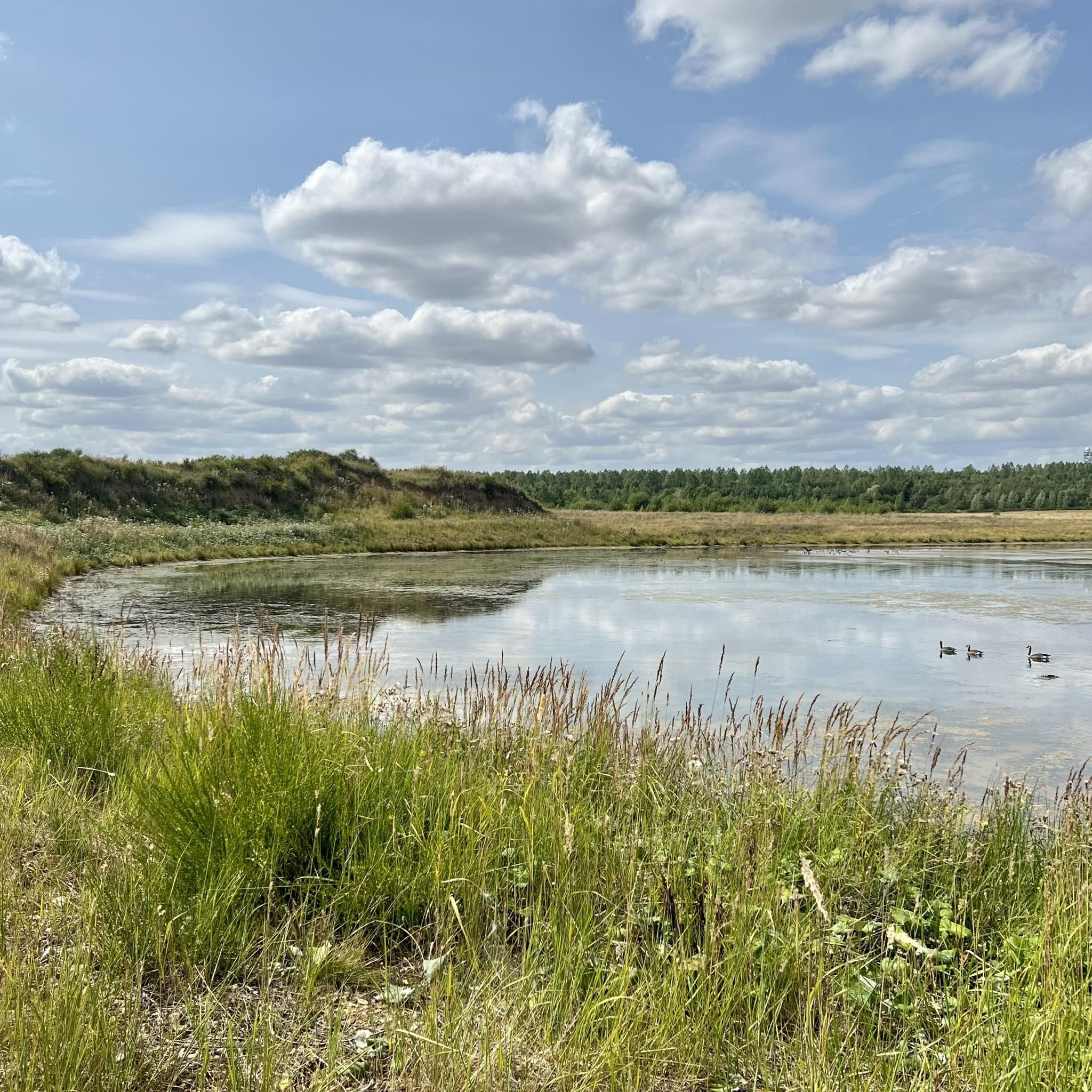
At least today the water didn't look particularly good. While other lakes, ponds and rivers are clear, the Orchelsweiher is filled with brown water.
12
0

The Hambach opencast mine is one of three remaining active opencast mines in the Rhenish lignite mining area. It is the largest lignite mine in Europe and is located in the middle of the lignite mining area between the municipality of Niederzier and the town of Elsdorf. The Hambach opencast mine was started in 1978 near the Niederzier district of Hambach and is over 350 meters deep. 1.35 billion tons of brown coal are stored beneath its 85 square kilometer mining field. Around 40 million tons of coal are mined every year.
7
0

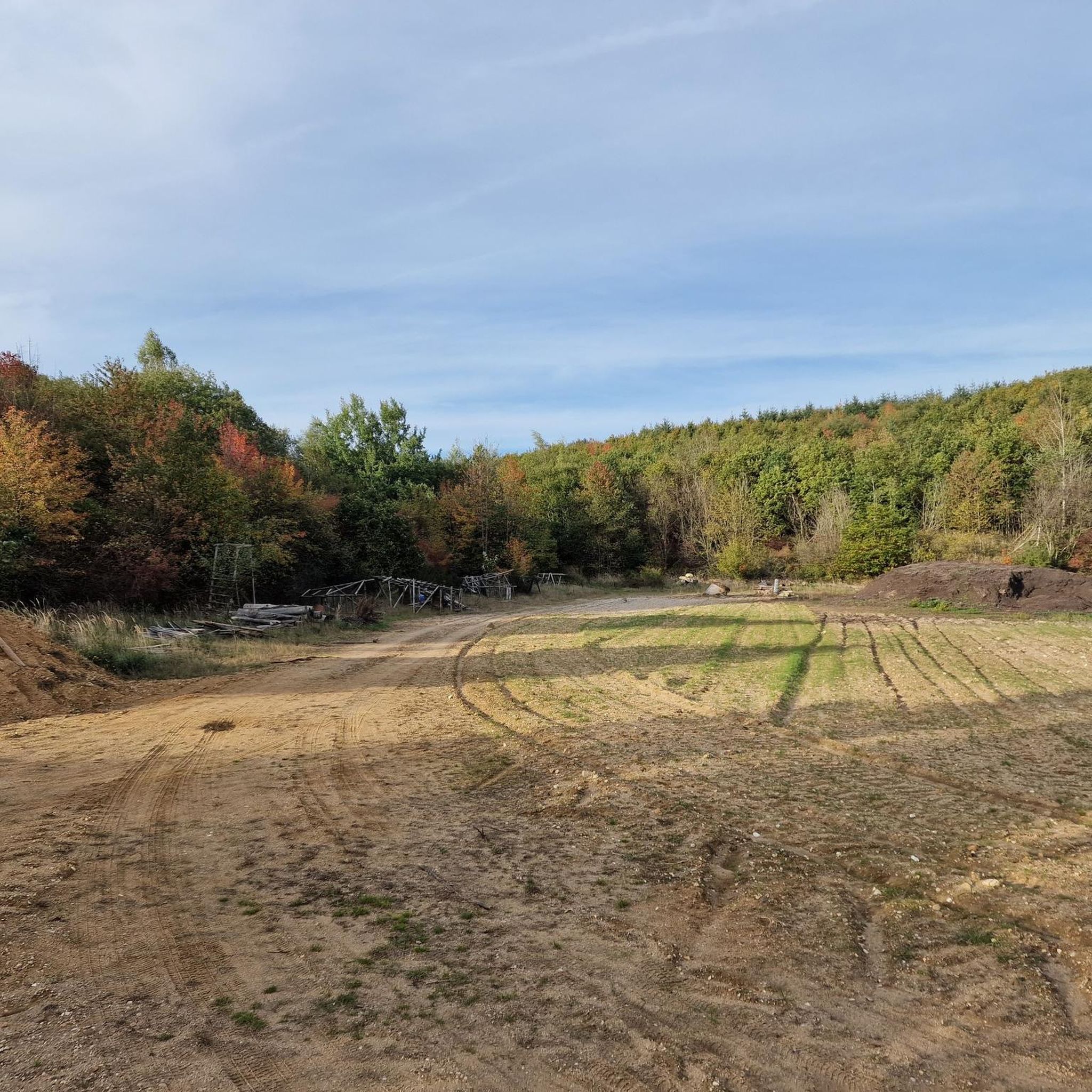
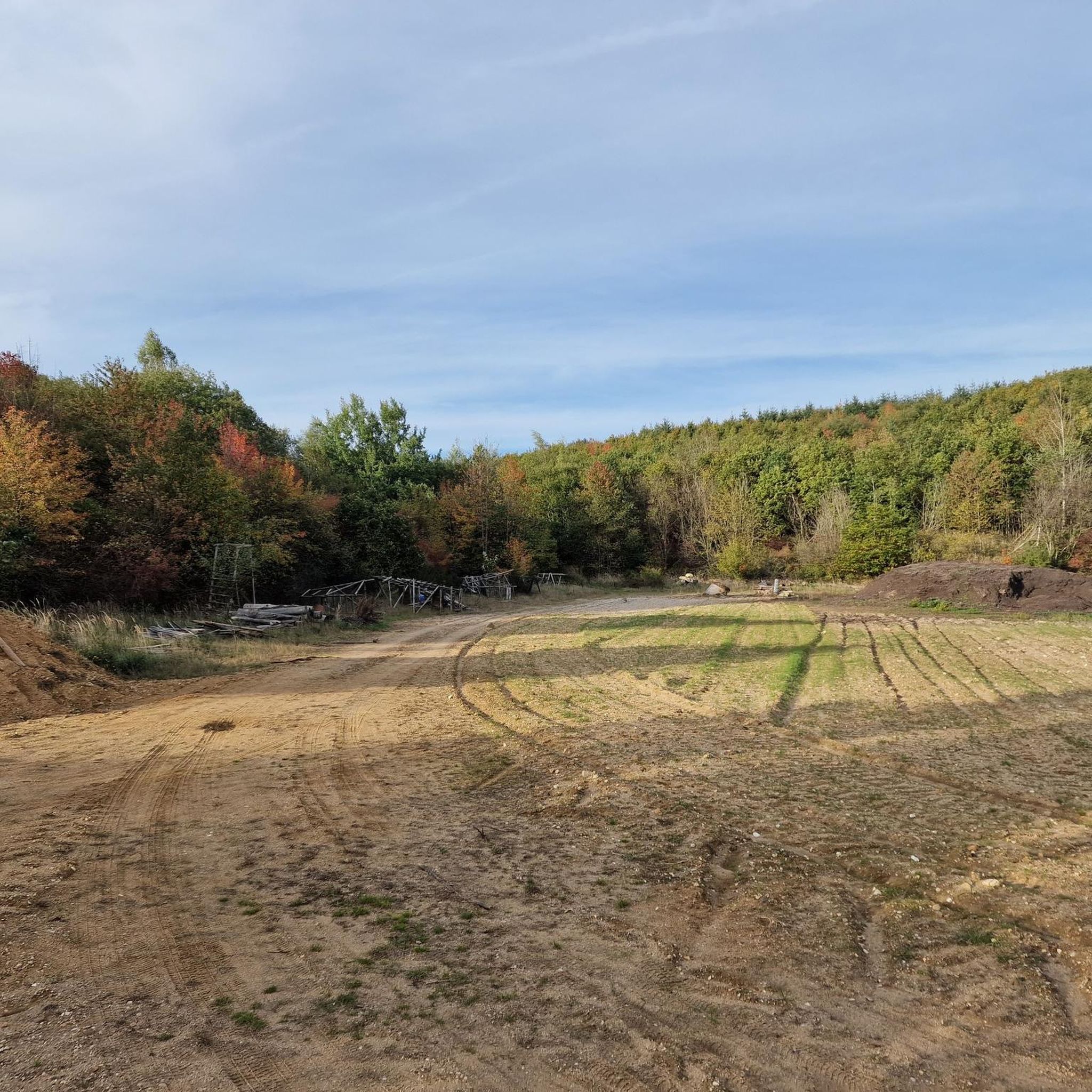
Large parts of this sandy area still lie fallow today. A wooden tower with a weather vane is set up here, which is modeled on a late medieval winding tower of an ore mine.
12
0
Frequently Asked Questions
What unique natural features can I explore around Niederzier?
The region around Niederzier, particularly the Sophienhöhe, offers unique re-cultivated landscapes. You can discover the Goldene Aue, a picturesque pond landscape known for its yellow gorse and a wild Konik horse project. Another notable area is the Mammutwald, where you can find impressive Giant Sequoias planted as part of an ecological research program.
Are there good viewpoints to appreciate the landscape?
Yes, the Höller Horn Observation Tower is a prominent viewpoint on the Sophienhöhe. It reaches approximately 291.5 meters above sea level and offers expansive views over the former Hambach open-cast mine area and the surrounding Rhineland.
Where can I find tranquil water bodies for relaxation or birdwatching?
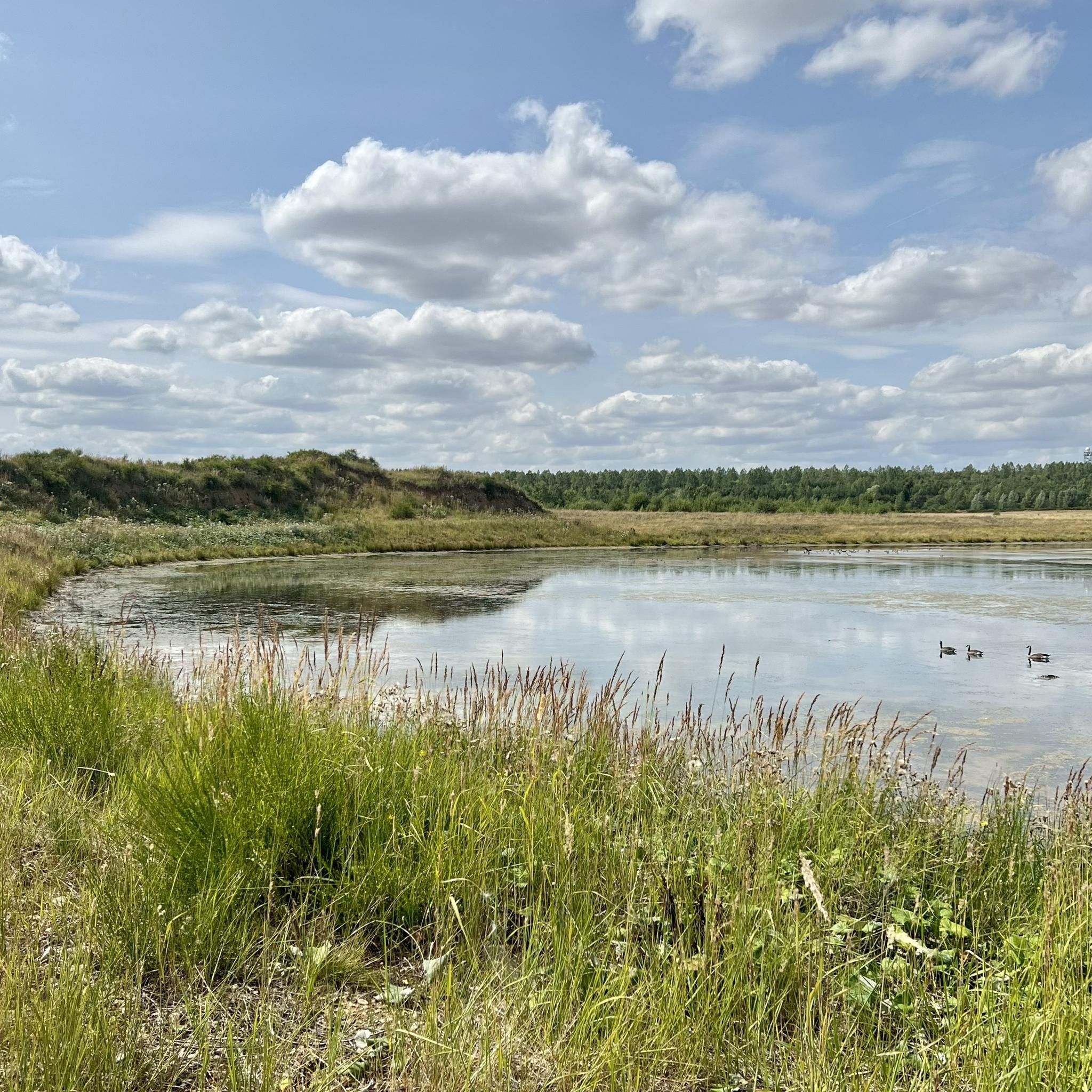
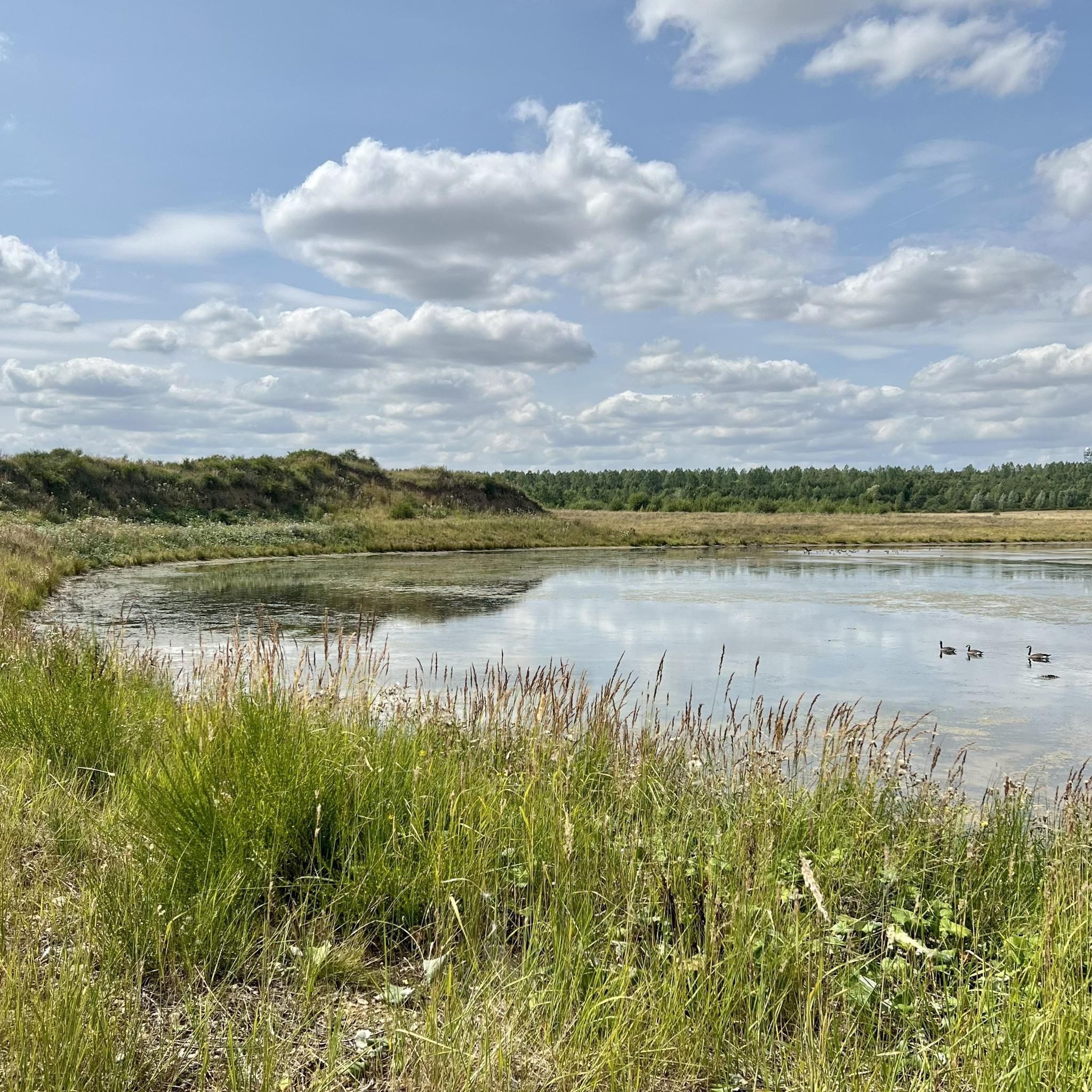
The Kasterer Lake is an important local recreation area, ideal for observing numerous water birds. Another peaceful spot is Orchels Pond, which offers a place of relaxation in every season with diverse flora and fauna.
Are there any natural monuments with historical or cultural significance?
The Celtic Tree Circle, Sophienhöhe is a natural monument featuring various tree species arranged in a circle. A sign at the site explains that it takes inspiration from the Celtic concept of trees as important living beings, symbolically assigned to different times of the year.
What kind of outdoor activities can I do near these natural monuments?
You can enjoy a variety of outdoor activities. For cycling, explore routes like 'Wild horses at Sophienhöhe' or 'RWE Coal Railway Tracks' which offer different difficulty levels. Find more options in the Cycling around Niederzier guide. For hiking, consider trails such as 'Kreuzweg Eifel' or 'Wild horses at Sophienhöhe'. More details are available in the Hiking around Niederzier guide. Mountain biking enthusiasts can check out routes like 'Stone Compass Rest Area' or 'MTB Sinkhole Trail' in the MTB Trails around Niederzier guide.
Are the natural monuments around Niederzier suitable for families?
Many natural monuments in the area are family-friendly. For instance, Kasterer Lake has a very nice children's playground nearby, making it ideal for families. The Celtic Tree Circle, Sophienhöhe and Orchels Pond are also suitable for family outings.
What is the best time of year to visit the natural monuments in Niederzier?
The Goldene Aue is particularly vibrant in May when the yellow gorse is in full bloom, giving the area its 'golden' name. Generally, spring and autumn offer pleasant temperatures for exploring the re-cultivated landscapes and trails. Winter walks can also be enjoyable, especially around the lakes and forests, though some areas might be less accessible.
Can I observe wildlife in the natural monument areas?
Yes, the Goldene Aue is home to a herd of wild Konik horses, introduced as part of a large-scale grazing project to maintain the landscape and foster biodiversity. Kasterer Lake also provides ideal conditions for observing numerous water birds that have settled there.
Are there any easy walking trails suitable for beginners or those seeking a leisurely stroll?
Yes, the area around Mühlenerft offers good, easy walks. The west side of Kasterer Lake also provides an easy, leisurely hiking trail with wonderful views. Many paths on the Sophienhöhe are accessible and suitable for relaxed exploration.
What is the significance of the re-cultivated landscapes in Niederzier?
The natural monuments around Niederzier, especially within the Sophienhöhe, are prime examples of successful land reclamation and ecological transformation following lignite mining. Areas like the Goldene Aue and Mammutwald showcase how new natural landscapes can emerge, fostering biodiversity and providing unique outdoor experiences.
Are there options for public transport to reach the natural monuments?
While specific public transport routes to every natural monument can vary, the broader Sophienhöhe area is generally accessible. It's advisable to check local bus schedules for connections from Niederzier to points near the major natural monuments like the Goldene Aue or the Sophienhöhe trailheads.
Are the trails around the natural monuments dog-friendly?
Many trails in the re-cultivated areas, including those around the Sophienhöhe, are generally dog-friendly. However, it's always recommended to keep dogs on a leash, especially in areas with wildlife or grazing animals like the Konik horses in the Goldene Aue, and to respect local regulations.
Most popular routes around Niederzier
Most popular attractions around Niederzier

Get inspired with the komoot mobile app


Explore more
Extend your search for the best caves by checking out these guides of the top ones around Niederzier:
