Top 20 Natural Monuments around Hohe Börde
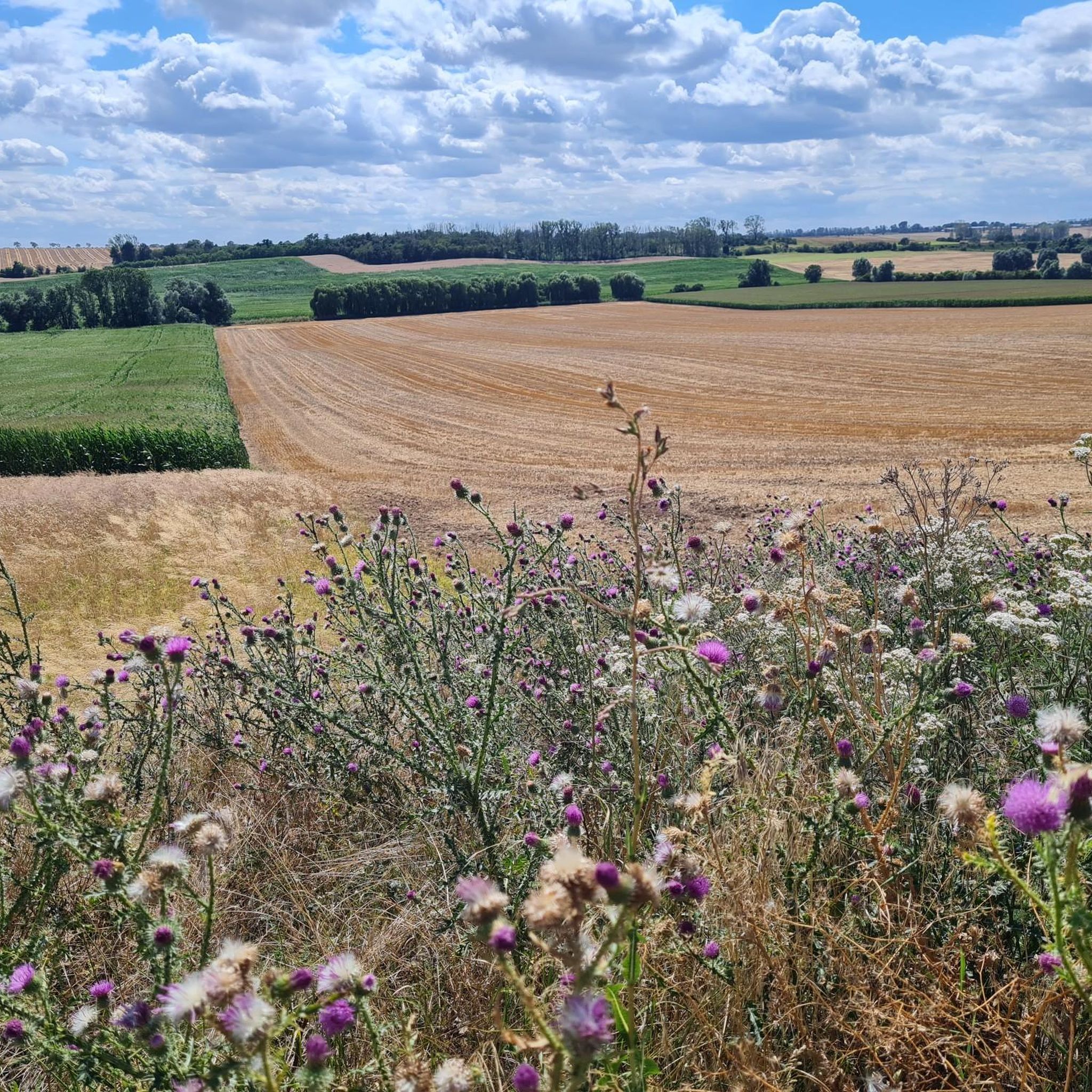
Best natural monuments around Hohe Börde include a diverse natural landscape with fertile fields and hilly areas. The region offers notable natural areas such as the Wellenberge-Rüsterberg Nature Reserve near Bebertal, which is accessible by foot or bike. The broader Hohes Holz, a significant landscape protection area, provides extensive forests and wildlife, contributing to the regional natural appeal. These areas offer opportunities for nature observation and outdoor activities.
Best natural monuments around Hohe Börde
- The most popular natural monuments is…
Last updated: June 24, 2026
Neustädter Lake
Highlight • Lake
Translated by Google •
Tip by

Domfelsen viewing platform with views over the Elbe and Magdeburg Cathedral
Highlight • Viewpoint
Translated by Google •
Tip by

Sign up now to discover places like this
Get recommendations on the best single tracks, peaks, & plenty of other exciting outdoor places.
Sign up for free
War memorial in Fürstenwall Park
Highlight • Monument
Translated by Google •
Tip by

Nonnenspring Spring and Templar Castle Ruins, Wichmannsdorf
Highlight • Historical Site
Translated by Google •
Tip by

Süplinger Canyon Lake
Highlight • Canyon
Translated by Google •
Tip by

Sign up for free to discover even more natural monuments around Hohe Börde.
Sign up for free
Already have an account?
Start today with a free account
Your next adventure awaits.
Login or Signup
Other adventures around Hohe Börde

Tips from the Community

If it weren't for the squeaky mill wheel, a quiet place
0
0

very beautiful winter landscape
0
0

War memorial to wars before the two world wars
2
0
impressive war memorial to wars before the two world wars
2
0

Immediately south of the cathedral you will find the small park at Fürstenwall. This park also dates back to part of the former fortifications of the old town of Magdeburg. The Cleve Bastion used to stand here, which has now been partially uncovered. In addition to the actual Fürstenwall, the park at Fürstenwall is also a result of Magdeburg's fortress history. After the Magdeburg fortress was abolished in the 19th century, the Cleve Bastion was leveled in 1872. The area thus freed up was to be used to commemorate those who died in the wars of 1866, 1870 and 1871 with the "war memorial" erected in 1877. In 1900, garden director Johann Gottlieb Schoch had the green area around the newly created memorial hill designed as a park. The area has remained almost unchanged since then. It has been extensively renovated in recent years, most recently in 2020, including replanting the valuable tree population with flowering shrubs and perennials and renewing paths. Source: https://www.magdeburg.de/B%C3%BCrger-Stadt/Verwaltung-Service/Eigenbetriebe-st%C3%A4dtische-Partner/Stadtgarten-Friedh%C3%B6fe/Park-am-F%C3%BCrstenwall.php?object=tx,557.3705.1&NavID=37.927&La=1
1
0
An imposing monument to Magdeburg's contemporary history stands in the well-kept grounds of the park on Fürstenwall not far from the cathedral. The war memorial, which stands on a hill, commemorates the fallen soldiers of the German War of 1866, the Franco-Prussian War of 1870/71 and the founding of the Empire in 1871. It was ceremoniously inaugurated on September 2, 1877, the seventh anniversary of the capitulation of the French troops and the capture of Napoleon. The monument was erected as part of the redevelopment of the Fürstenwallpark in 1872 by leveling the Cleve Bastion. Source: https://www.magdeburger-news.de/?c=20190118085926&tag=Annett%20Szameitat
1
0

The war memorial was unveiled on 2 September 1877
1
0

The water wheel has been clattering here since 1922.
2
0
Frequently Asked Questions
What are some unique natural monuments to visit in the Hohe Börde region?
The Hohe Börde region offers a variety of natural monuments. You can explore the Süplinger Canyon Lake, a former quarry transformed into a recreation area with a unique 'Wild West' atmosphere. Another interesting site is the Nonnenspring Spring and Templar Castle Ruins, Wichmannsdorf, which features an iron-rich spring and the remnants of a historical castle.
Are there any historical natural monuments around Hohe Börde?
Yes, several natural monuments in the region have historical significance. The Nonnenspring Spring and Templar Castle Ruins, Wichmannsdorf combines a natural spring with the ruins of an ancient castle. Additionally, the Möllenvogtei Garden, dating back to the 14th century, is considered one of Magdeburg's oldest outdoor complexes and is hidden behind the Fürstenwall.
Where can I find extensive natural areas for exploration near Hohe Börde?
For extensive natural exploration, the **Wellenberge-Rüsterberg Nature Reserve near Bebertal** is directly accessible within Hohe Börde, offering tranquil walks and nature observation. For a broader experience, the **Hohes Holz** landscape protection area, though slightly outside the immediate municipality, is easily accessible and features diverse forests, rich wildlife, and numerous hiking and cycling paths.
What kind of wildlife can I expect to see in the natural areas around Hohe Börde?
In natural areas like the **Hohes Holz** landscape protection area, you can observe a variety of wildlife. This includes birds of prey such as red kites, buzzards, goshawks, and sparrowhawks, as well as grey herons and tawny owls. Mammals like squirrels and various deer species are also common.
Are there family-friendly natural monuments suitable for children?
Absolutely. The Domfelsen viewing platform with views over the Elbe and Magdeburg Cathedral is a great family-friendly spot to watch ships and enjoy the river scenery. The War memorial in Fürstenwall Park and the Möllenvogtei Garden are also listed as family-friendly, offering historical context within pleasant outdoor settings.
Can I bring my dog to the natural monuments and trails in Hohe Börde?
Many natural areas and trails around Hohe Börde are dog-friendly, especially in places like the **Wellenberge-Rüsterberg Nature Reserve** and **Hohes Holz**. It's generally recommended to keep dogs on a leash, particularly in nature reserves, to protect wildlife and ensure a pleasant experience for all visitors.
What outdoor activities, like hiking or cycling, can I do near these natural monuments?
The region offers various outdoor activities. You can find numerous hiking trails, including easy options like the 'Bismarck Tower, Wartberg – The Elderberry Shop loop' near Niederndodeleben. For cycling, there are MTB trails and gravel biking routes available. You can explore more options for easy hikes, MTB trails, and gravel biking around Hohe Börde.
Are there any viewpoints offering scenic vistas of the region?
Yes, the Domfelsen viewing platform with views over the Elbe and Magdeburg Cathedral provides excellent views of the Elbe River and Magdeburg Cathedral. It's a popular spot to observe the river and passing ships.
What do visitors enjoy most about the natural monuments around Hohe Börde?
Visitors particularly appreciate the blend of natural beauty and historical significance. For instance, the Nonnenspring Spring and Templar Castle Ruins is noted for its historical depth and the unique sound of its water wheel. The Süplinger Canyon Lake is loved for its 'Wild West' charm and recreational opportunities.
Are there any hidden gems among the natural monuments in Hohe Börde?
While not widely publicized, the Möllenvogtei Garden is considered a hidden gem. It's tucked away behind the Fürstenwall and offers a tranquil, historical green space, sometimes hosting open-air events.
What is the best time of year to visit the natural monuments in Hohe Börde?
The natural monuments in Hohe Börde can be enjoyed throughout the year. Spring and summer are ideal for lush greenery and outdoor activities, while autumn offers beautiful foliage, especially in areas like **Hohes Holz**. Even winter can provide a unique, tranquil experience, though some paths might be less accessible.
Most popular routes around Hohe Börde
Most popular attractions around Hohe Börde

Get inspired with the komoot mobile app


Explore more
Extend your search for the best caves by checking out these guides of the top ones around Hohe Börde:
