Top 20 Natural Monuments around Hiddenhausen
Best natural monuments around Hiddenhausen offer diverse landscapes and natural heritage within the district of Herford, Germany. The region features significant natural reserves, including wet meadows and extensive forest areas. These areas provide opportunities to experience varied ecosystems and observe local flora and fauna. Visitors can explore a range of natural and man-made landmarks.
Best natural monuments around Hiddenhausen
- The most popular natural monuments is Obersee (Johannisbachtalsperre) in Bielefeld, a lake that is an artificial reservoir in the Schildesche…
Last updated: June 24, 2026
Graduation tower in Sielpark
Highlight • Monument
Not far from the location of this graduation tower, three graduation towers …
Translated by Google •
Tip by

Sielwehr bridge over the Werre
Highlight • Bridge
Translated by Google •
Tip by

Sign up now to discover places like this
Get recommendations on the best single tracks, peaks, & plenty of other exciting outdoor places.
Sign up for free
Obersee (Johannisbachtalsperre) in Bielefeld
Highlight • Lake
Translated by Google •
Tip by

Bad Oeynhausen Spa Park
Highlight • Natural Monument
Translated by Google •
Tip by

Spatzenberg Summit Cross
Highlight (Segment) • Summit
Translated by Google •
Tip by

Sign up for free to discover even more natural monuments around Hiddenhausen.
Sign up for free
Already have an account?
Start today with a free account
Your next adventure awaits.
Login or Signup
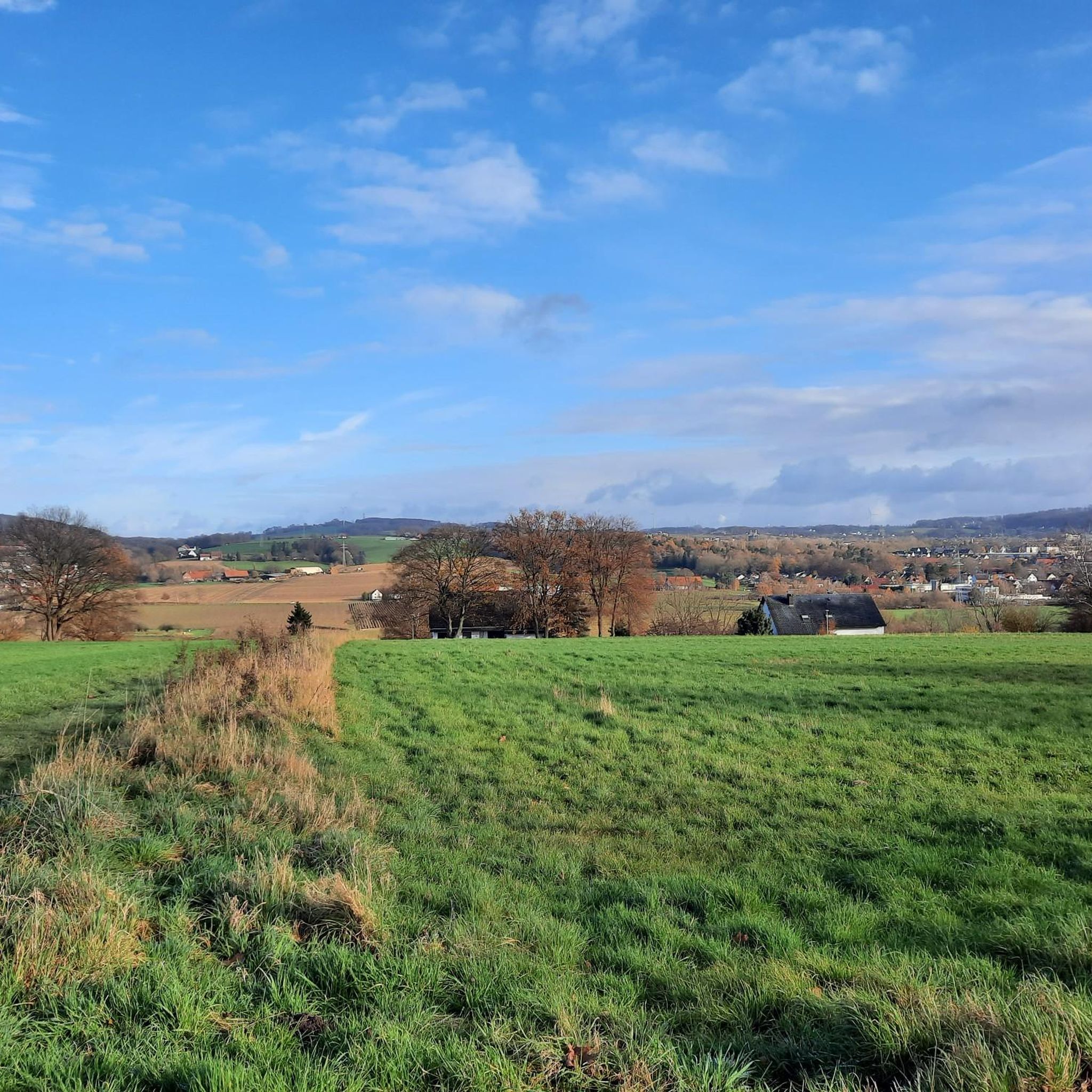
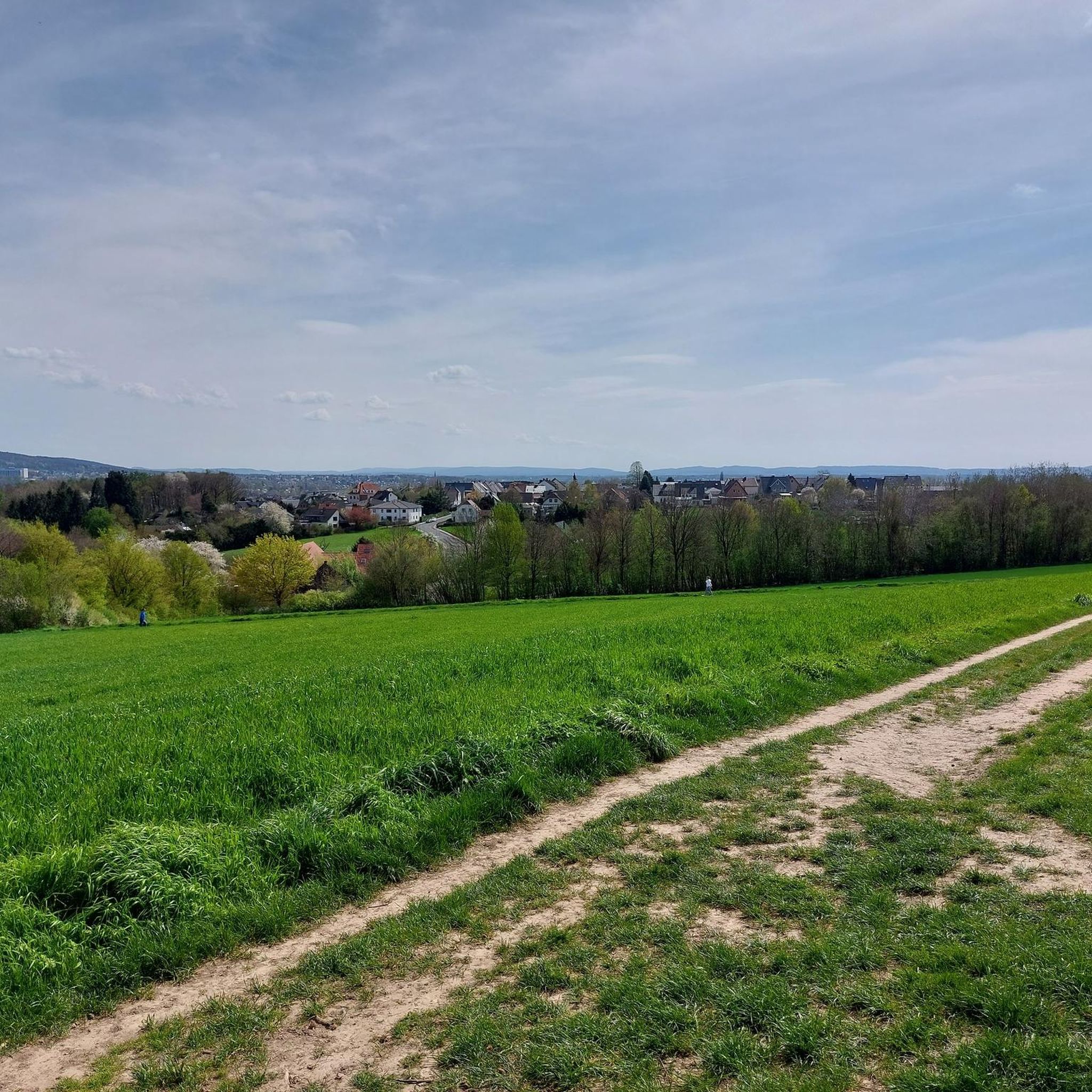
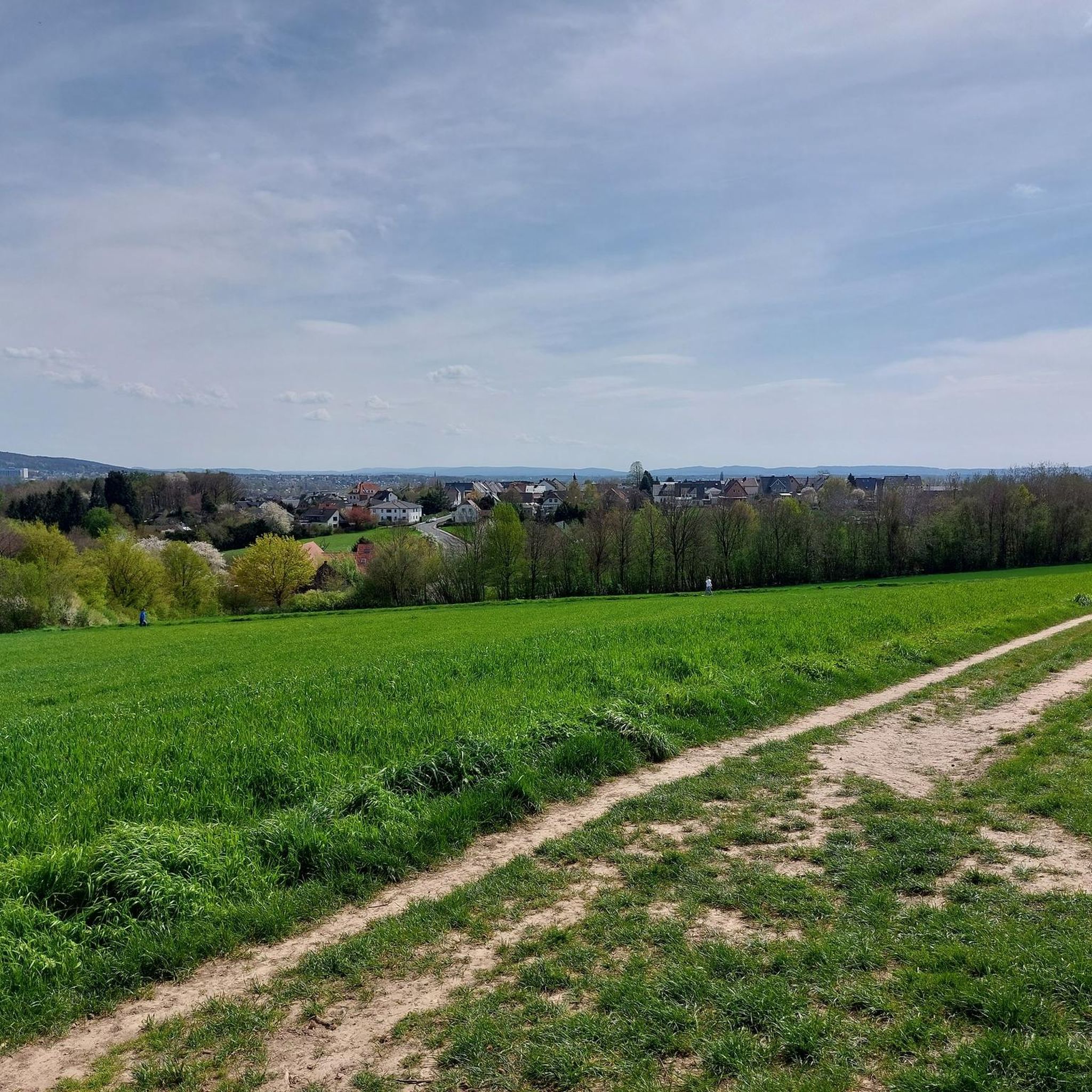
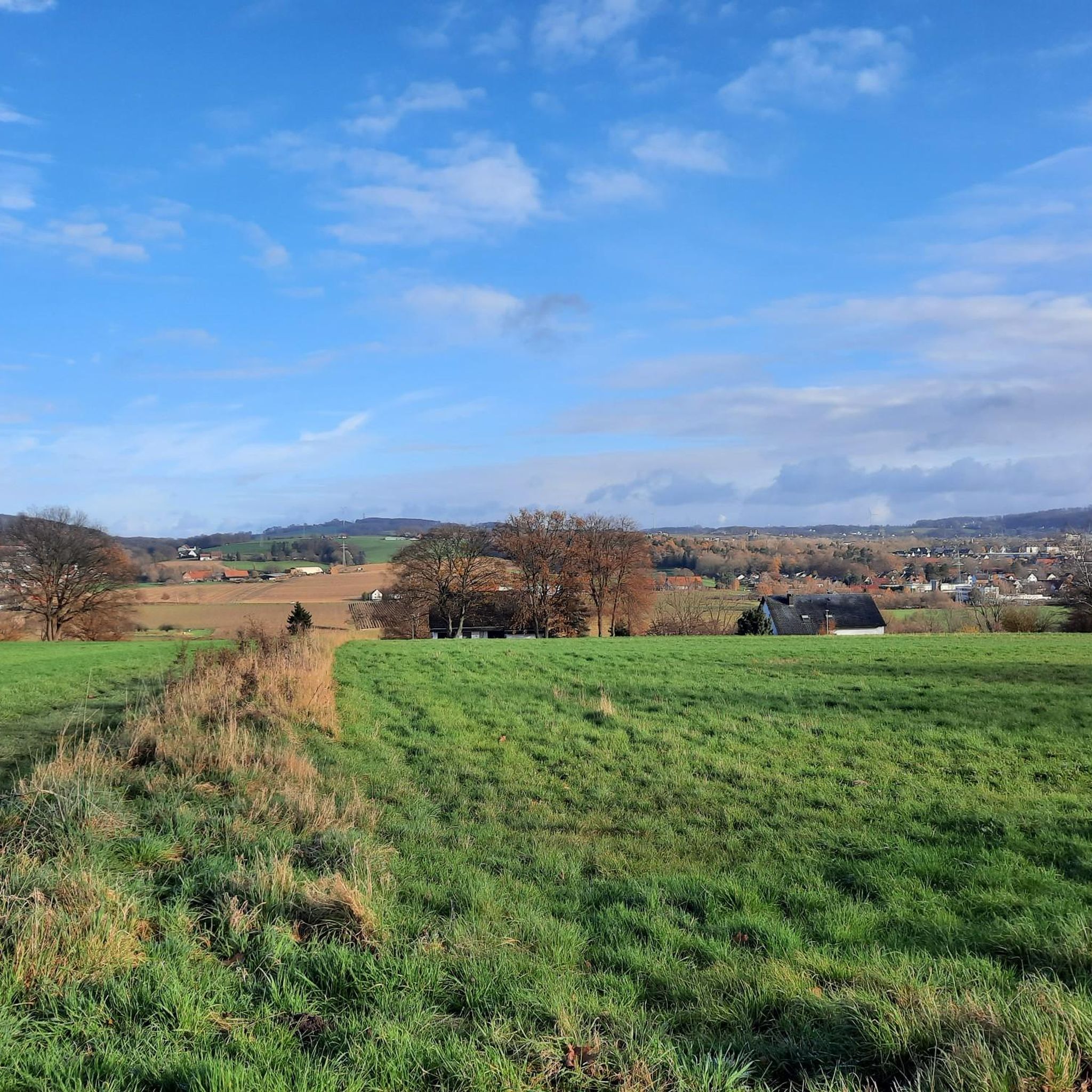
Tips from the Community

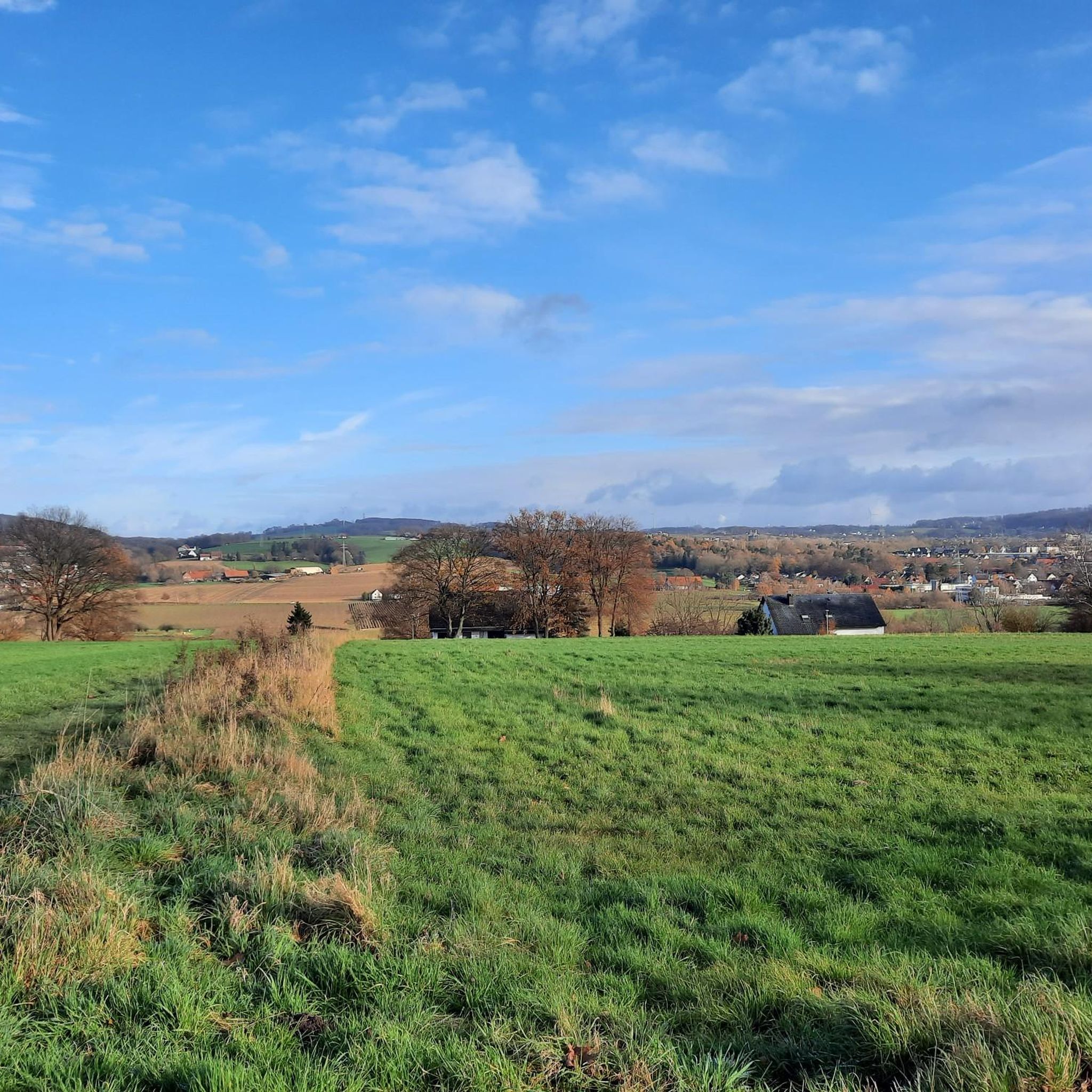
The supposed summit cross at the highest point of the Spatzenberg, also called Löhner Berg (96 m, according to Komoot/Open Street Map 101 m above sea level) is actually a memorial. At the foot of the cross, the short inscription reads: "Remembrance Cross. We warn." It was erected in 1954 by the "Association of Returnees" and commemorates the fate of the prisoners of war of World War II. Some historical background: In 1954/55, the last surviving German prisoners of war returned from the former Soviet Union. In 2006, the memorial cross was completely replaced. Those who venture up the steep and somewhat adventurous trail (preferably on foot) will find a wonderful place of silence and contemplation up there.
1
0

Spas like God in France During the Empire, two neo-Gothic churches (1874), the Bathhouse II (1885) in Renaissance style, the neo-Baroque spa house (1908), the spa theater (1913) in the neo-Rococo style and the spa administration (1903) were completed. All buildings of this period were modeled on French castles and palaces. To underline the castle-like character of the spa house, a baroque garden parterre was created in the middle of the spa park in 1908. A picturesque rose garden with a Swiss dairy was also created in the west of the park. A temple as the finishing touch The first democracy in Germany gave the park a marble-white promenade (1926) with a drinking fountain, which presents itself as a Greek temple building with Doric colonnades. A simple spa building was added to the rear facade of Bathhouse II in 1929. From a historical perspective, this marks the end of construction work in the park. The unique ensemble, which gave Bad Oeynhausen the reputation of being the "architecture museum of the 19th century", represents all the major architectural styles of European history and is a picturesque expression of European identity in Westphalia. Insensitive changes to the park landscape and the buildings in the post-war period have been carefully reversed and restored in recent years. With its dense tree population of native and exotic species, the planting of the flowerbeds that changes four times a year and the unique flair of the spa architecture, the spa park in Bad Oeynhausen is now one of the most beautiful spa facilities in Germany. (Source: https://www.staatsbad-oeynhausen.de/kultur-geschichte/kurpark)
3
0
The spa park – 19th century architecture museum If you’re looking for the centre, you’ll find the spa park. Where elsewhere the market square is the centre, Bad Oeynhausen is a green oasis. It is a testament to a sophisticated spa and bathing world and takes visitors on a journey through the history of architecture. King Friedrich Wilhelm IV took the plunge when he founded a spa in 1845 south of today’s Bathhouse II, where the first thermal brine spring had just been discovered. He played a key role in the development of the “Royal Spa Oeynhausen” – among other things by commissioning the design of a park in the vicinity of the spring. The town of Bad Oeynhausen was also to develop around this park. -Arcadia on the Werre – The spa park by Peter Joseph Lenné The 26 hectare spa park in Bad Oeynhausen is a total work of art with a history spanning over eighty years. In 1847, the royal... Garden director Peter Joseph Lenné drew up a first plan for the horseshoe-shaped complex, which was implemented in 1853. The park was designed as a romantic, English landscape garden and its architecture evoked ancient Arcadia. The Prussian monarchy generously financed the first spa and bathing buildings. Bathhouse I was completed in 1857 in the classicist style and is still considered a masterpiece and prototype of German bathing architecture. (Source: https://www.staatsbad-oeynhausen.de/kultur-geschichte/kurpark)
3
0

... the Sielwehr on the Sielterrassen 💦💦💦 ... a great natural spectacle and an absolute highlight!!! 👍 ... the parking lot and the restaurant at the Sielterrassen offer a good starting and ending point for beautiful "Nordic walking tours"!!! 👍👟👍
5
0

From the meeting point we ride in the direction of Löhne through the Werretal, past the Spatzenberg, from Löhne through the Werreauen, on the Else-Werre cycle path to Kirchlengern and from there back to Herford. The tour leads through a charming meadow landscape worthy of protection with beautiful views across the country. With a bit of luck we can listen to the singing of the nightingale on the Spatzenberg. A stop in Kirchlengern is planned.
1
0

The summit cross on the small mountain 🏔️ is a great destination
1
0
There is even a summit cross on the Spatzenberg
1
0

Very beautiful and, above all, well-kept park not far from the center of Bad Oeynhausen. In addition to the beautiful green area with its numerous fountains, there are also some historic spa buildings to see.
6
0
Frequently Asked Questions
What kind of natural landscapes can I explore around Hiddenhausen?
Hiddenhausen offers a diverse range of natural landscapes, from significant wet meadows and extensive forest areas to artificial reservoirs. You can experience unique ecosystems like the Bustedter Wiesen and Füllenbruch, which are rich in biodiversity, or explore near-natural beech forests such as Bustedter Holz.
Are there any specific natural reserves worth visiting in Hiddenhausen?
Yes, the region boasts several important nature reserves. The Bustedter Wiesen are known for their wet meadows and diverse flora and fauna, including nightingales. The Füllenbruch is a historically significant cultural landscape with wet meadows, small woods, and reed beds, vital for rare plant and animal species like white storks and lapwings. You can learn more about the Füllenbruch's unique ecosystem, which transforms into a 'pink sea' of Ragged-Robin in May and June.
What outdoor activities can I do near Hiddenhausen's natural monuments?
The area around Hiddenhausen is excellent for various outdoor activities. You can enjoy gravel biking on routes like the Werre River Path or Brandbach Restored Stream. For running, explore trails around the Bustedter Pond or the Spatzenberg Summit Cross. Hiking enthusiasts can find easy routes such as the Bustedter Lake loop or the Brandbach Stream loop. For more details on these activities, check out the Gravel biking around Hiddenhausen, Running Trails around Hiddenhausen, and Hiking around Hiddenhausen guides.
Are there family-friendly natural monuments or activities in the area?
Many natural monuments and areas around Hiddenhausen are suitable for families. For instance, the Obersee (Johannisbachtalsperre) in Bielefeld offers easy paths perfect for cycling with children. The Bad Oeynhausen Spa Park is also family-friendly, with green areas and fountains to explore. The natural reserves like Bustedter Wiesen and Füllenbruch provide opportunities for nature observation, which can be engaging for all ages.
What kind of wildlife can I observe in Hiddenhausen's natural areas?
Hiddenhausen's natural areas are rich in wildlife. In the Bustedter Wiesen, you might spot nightingales. The Füllenbruch is a vital habitat for many rare plant and animal species, including cuckoos, nightingales, white storks, lapwings, and even the rare Marsh Harrier. These wetlands provide excellent opportunities for birdwatching and observing diverse ecosystems.
Are there any historical or man-made monuments related to nature in the region?
Yes, alongside natural features, the region also has interesting man-made monuments. The Graduation tower in Sielpark is a replica used for outdoor inhalation, providing fresh, salt-filled air. The Sielwehr bridge over the Werre is another notable structure where you can observe the river's flow. Additionally, the Schweichelner Berg, while a natural elevation, has a history as an early settlement site over 6000 years ago.
What is the best time of year to visit the natural monuments in Hiddenhausen?
Spring and early summer are particularly rewarding. In May and June, the wet meadows of the Füllenbruch transform into a 'pink sea' of Ragged-Robin, complemented by Marsh Marigolds and Forget-me-nots, making it a vibrant time for nature observation. The presence of nightingales in areas like Bustedter Wiesen also adds to the appeal during these months. Autumn offers beautiful forest colors in places like Bustedter Holz and Schweichelner Berg.
Can I find good viewpoints or panoramic vistas in the Hiddenhausen area?
Yes, the Schweichelner Berg, though not a towering peak, offers panoramic views over the Ravensberg Hills, making it a popular spot for enjoying expansive vistas of the surrounding landscape. The Spatzenberg Summit Cross also provides a worthwhile detour with scenic views, especially after navigating through the traffic of Herford.
Are there any natural forests or woodlands to explore?
Absolutely. The Bustedter Holz nature reserve protects a near-natural beech forest, offering a valuable example of mature forest ecosystems. It's one of the few large forest stands in the densely populated district of Herford, providing a serene environment for walks. The Schweichelner Berg is also known for its diverse forest areas.
What do visitors enjoy most about the natural monuments around Hiddenhausen?
Visitors frequently appreciate the tranquility and natural beauty of the areas. Tips for the Graduation tower in Sielpark highlight the fresh, salt-filled air and well-developed bike paths. For the Obersee, the easy paths for cycling and relaxing at the nearby restaurant are popular. The Bad Oeynhausen Spa Park is praised for being beautiful, well-kept, and featuring historic spa buildings amidst green areas. The natural beech forest and romantic landscapes near the Spatzenberg Summit Cross are also highly valued.
Are there any lakes or water bodies to visit?
Yes, the Obersee (Johannisbachtalsperre) in Bielefeld is an artificial reservoir that dams the Johannisbach and Jölle streams. It's a popular spot for cycling around its easy paths and relaxing by the water. The Bustedter Wiesen and Füllenbruch also feature wet meadows and ponds, contributing to their rich wetland ecosystems.
Most popular routes around Hiddenhausen
Most popular attractions around Hiddenhausen

Get inspired with the komoot mobile app


Explore more
Extend your search for the best caves by checking out these guides of the top ones around Hiddenhausen:
