Top 20 Natural Monuments around Bernburg
Natural monuments around Bernburg offer access to the Lower Saale Valley Nature Park, a diverse landscape shaped by the Saale River. This region in Saxony-Anhalt, Germany, features varied terrain, including alluvial forests, oxbow lakes, and steep rocky slopes. Geological formations and rich biodiversity characterize the area, providing insights into Earth's history and diverse ecosystems. Bernburg serves as a gateway to exploring these natural treasures.
Best natural monuments around Bernburg
- The most popular natural monuments is Confluence of the Bode and…
Last updated: June 24, 2026
Confluence of the Bode and Saale Rivers
Highlight • River
Translated by Google •
Tip by

Latdorf Menhir on the Pfingstberg
Highlight • Monument
Translated by Google •
Tip by

Sign up now to discover places like this
Get recommendations on the best single tracks, peaks, & plenty of other exciting outdoor places.
Sign up for free
Seven Stones of Preußlitz
Highlight • Monument

Völkerschlachtdenkmal Pißdorf
Highlight • Monument
Translated by Google •
Tip by

Auwald near Plötzkau Nature Reserve
Highlight • Forest
Translated by Google •
Tip by

Sign up for free to discover even more natural monuments around Bernburg.
Sign up for free
Already have an account?
Start today with a free account
Your next adventure awaits.
Login or Signup
Popular around Bernburg
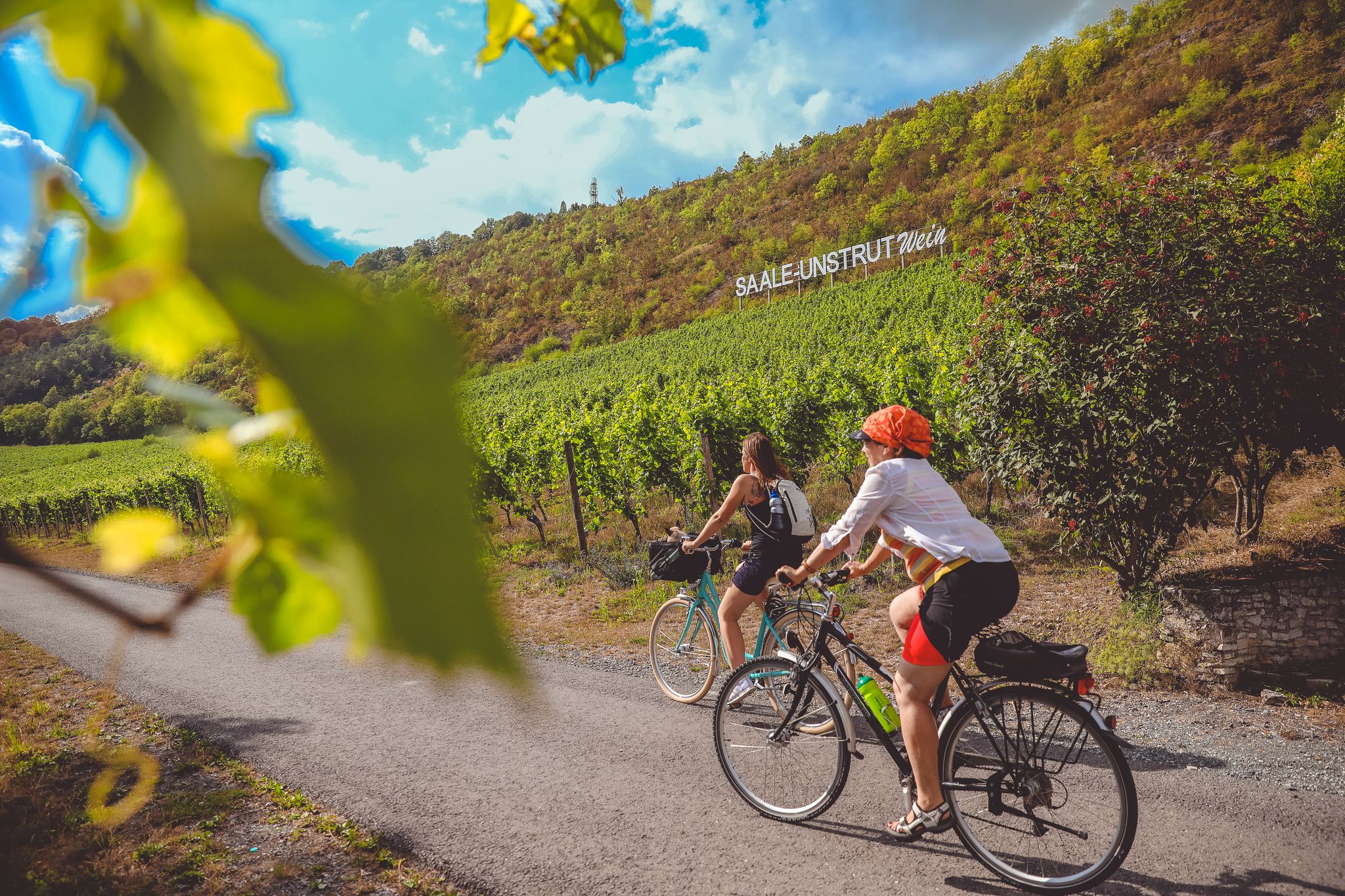
Saale Cycle Path part 2 – culture and nature along the river
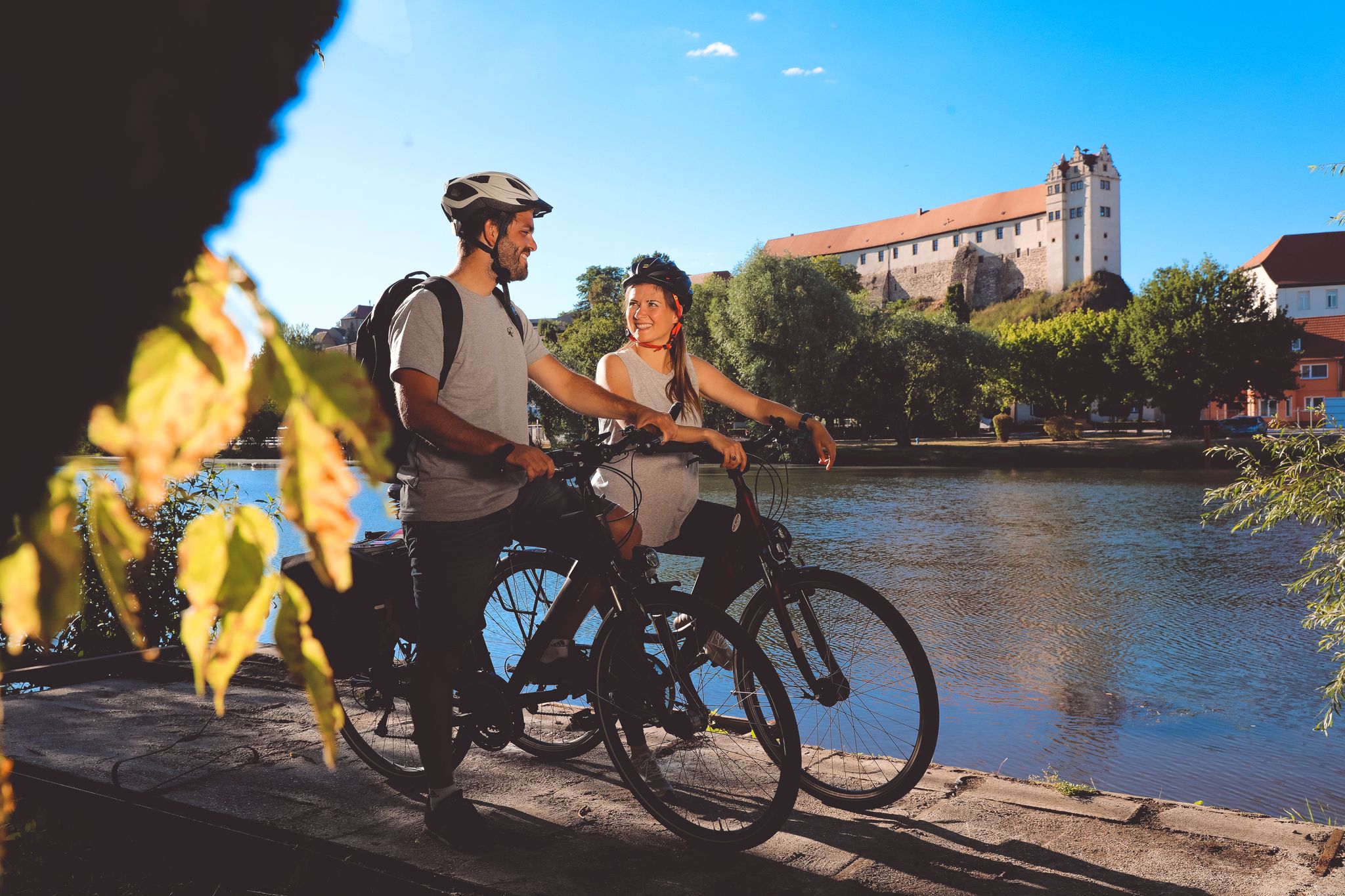
Saale Cycle Path — 9 stages from the source of the Saale to the Elbe
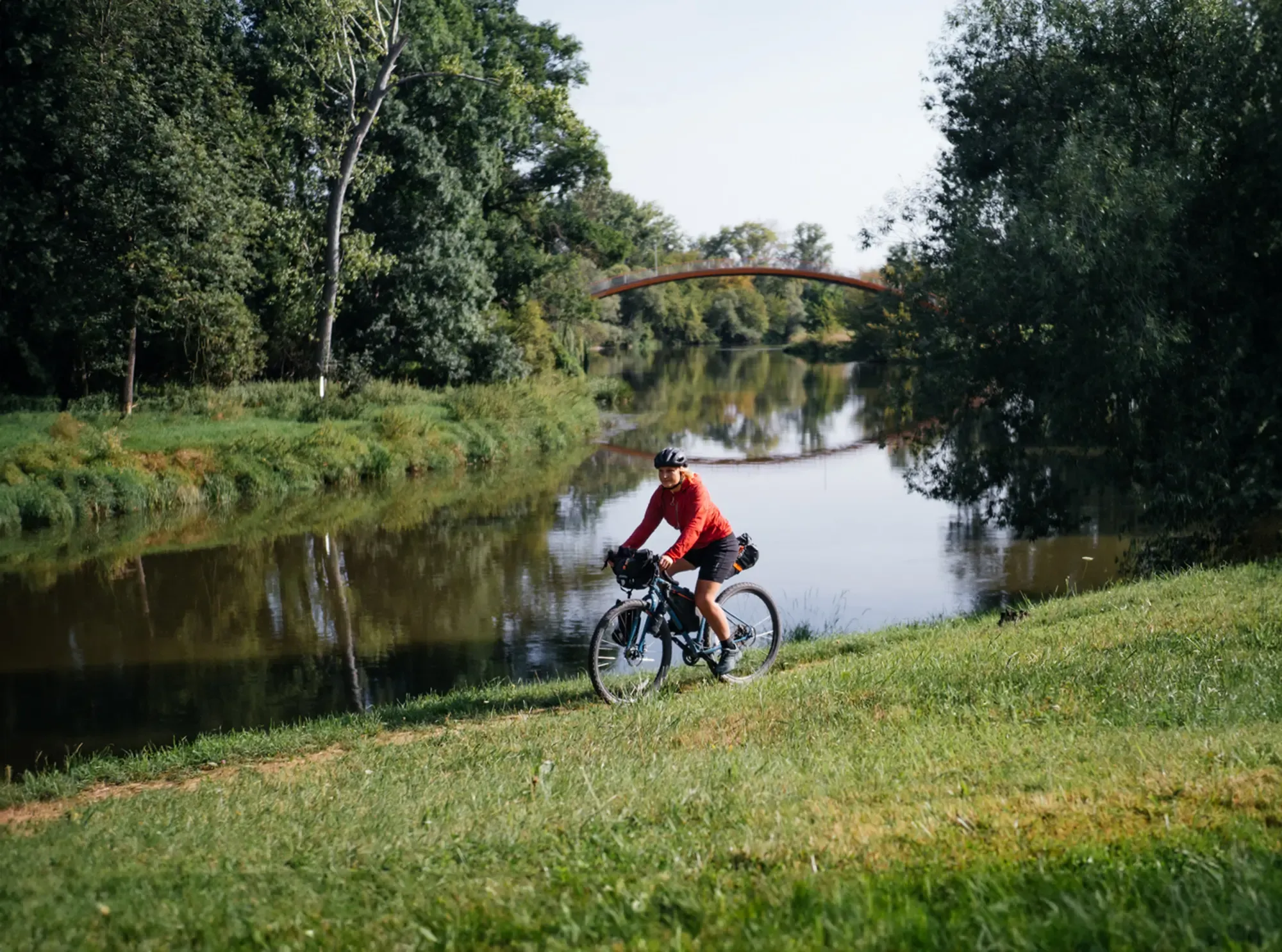
Out with Fräulein Draußen on the Saale Cycle Path
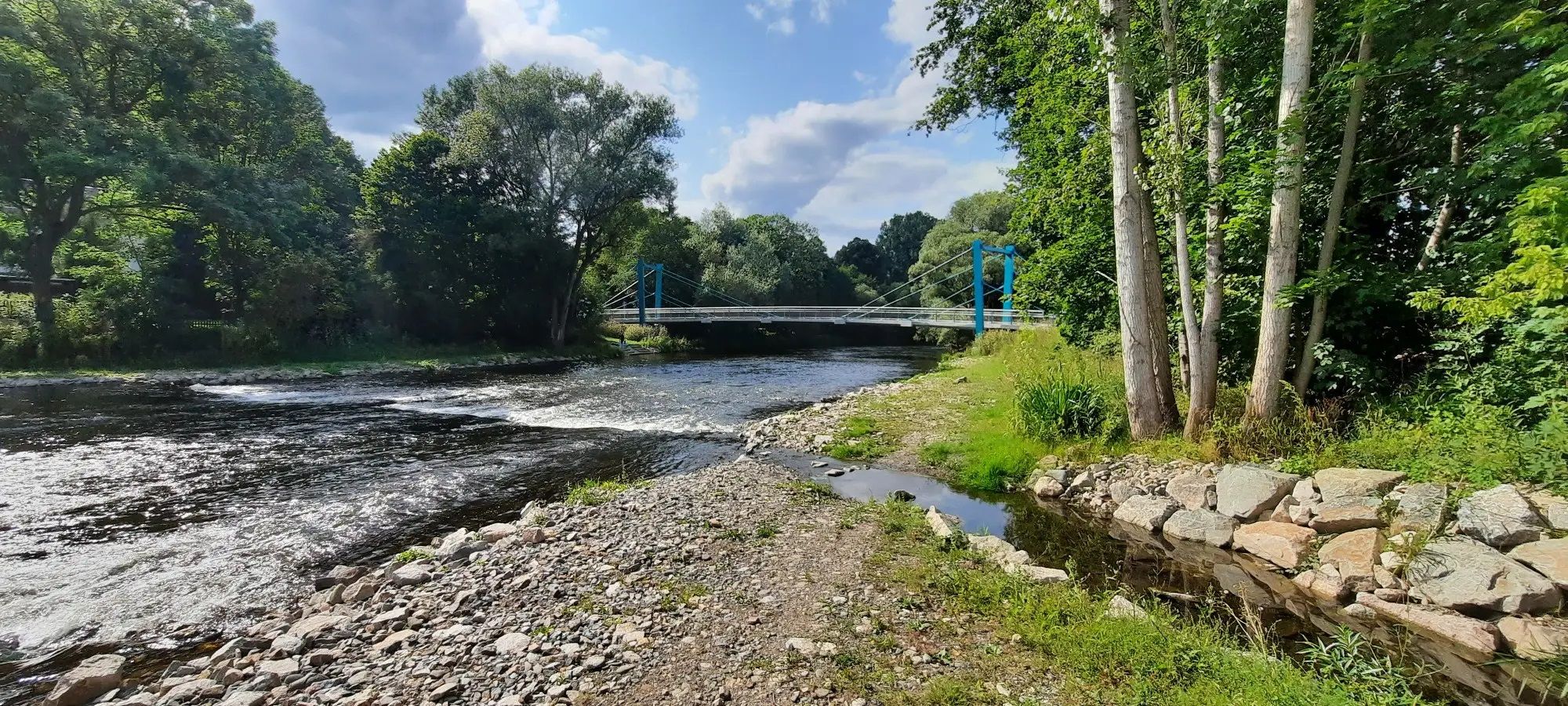
D-Route 11 – Baltic Sea - Upper Bavaria
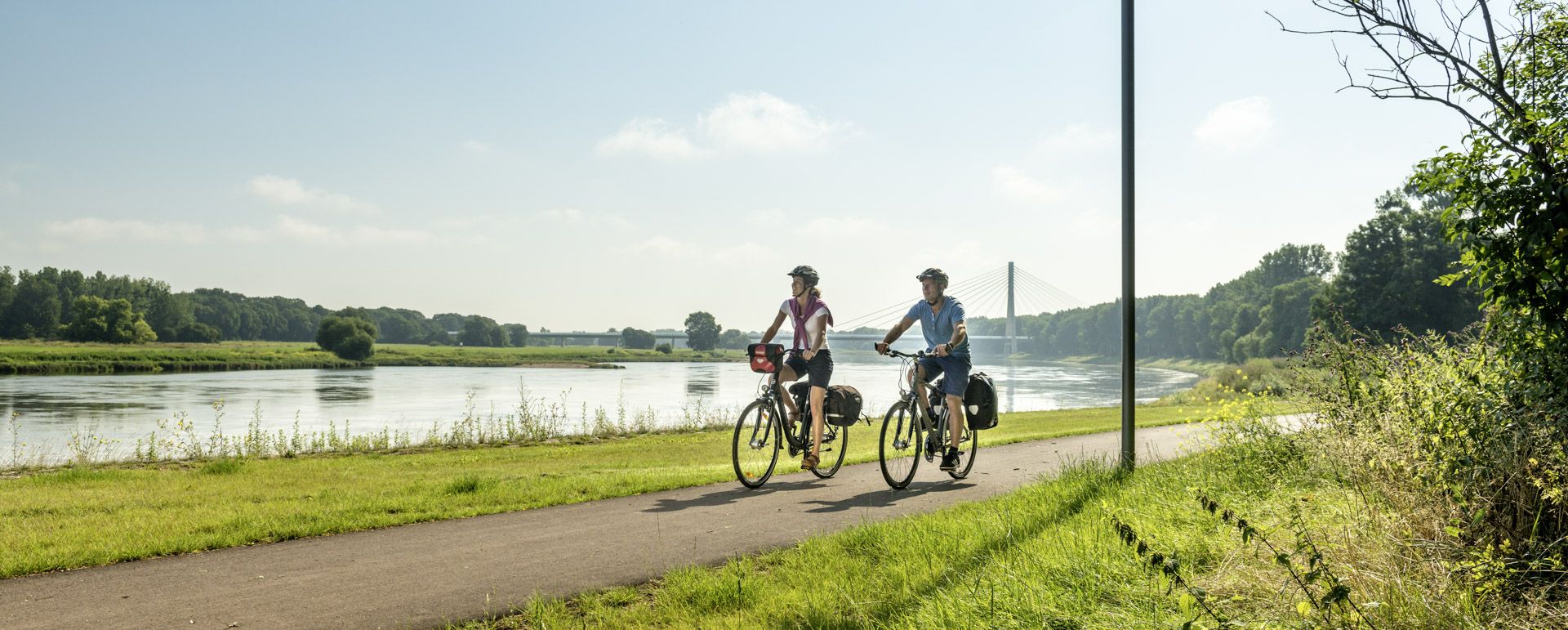
Cycling in Saxony-Anhalt – Where nature and culture combine
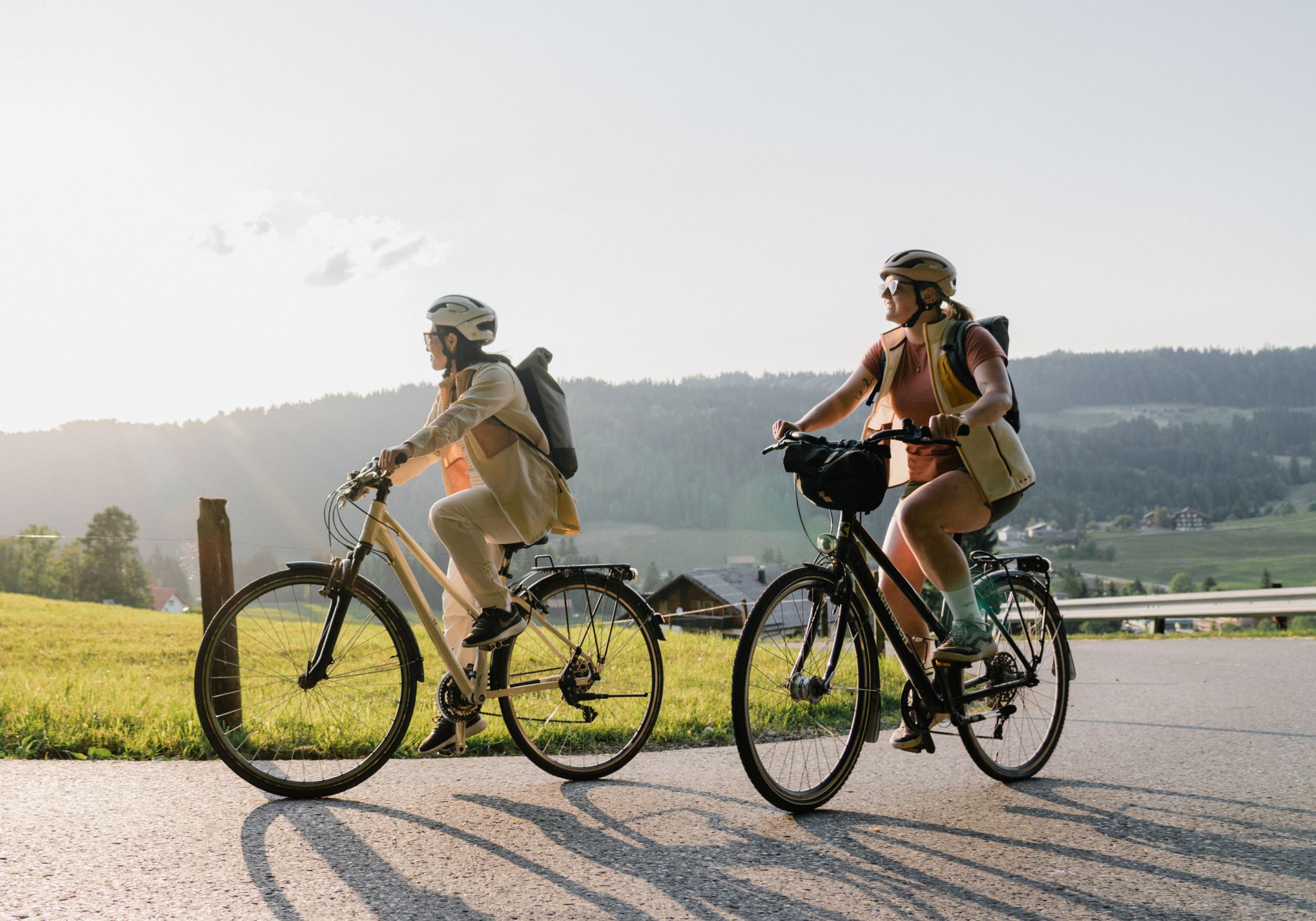
German Unity Cycle Route
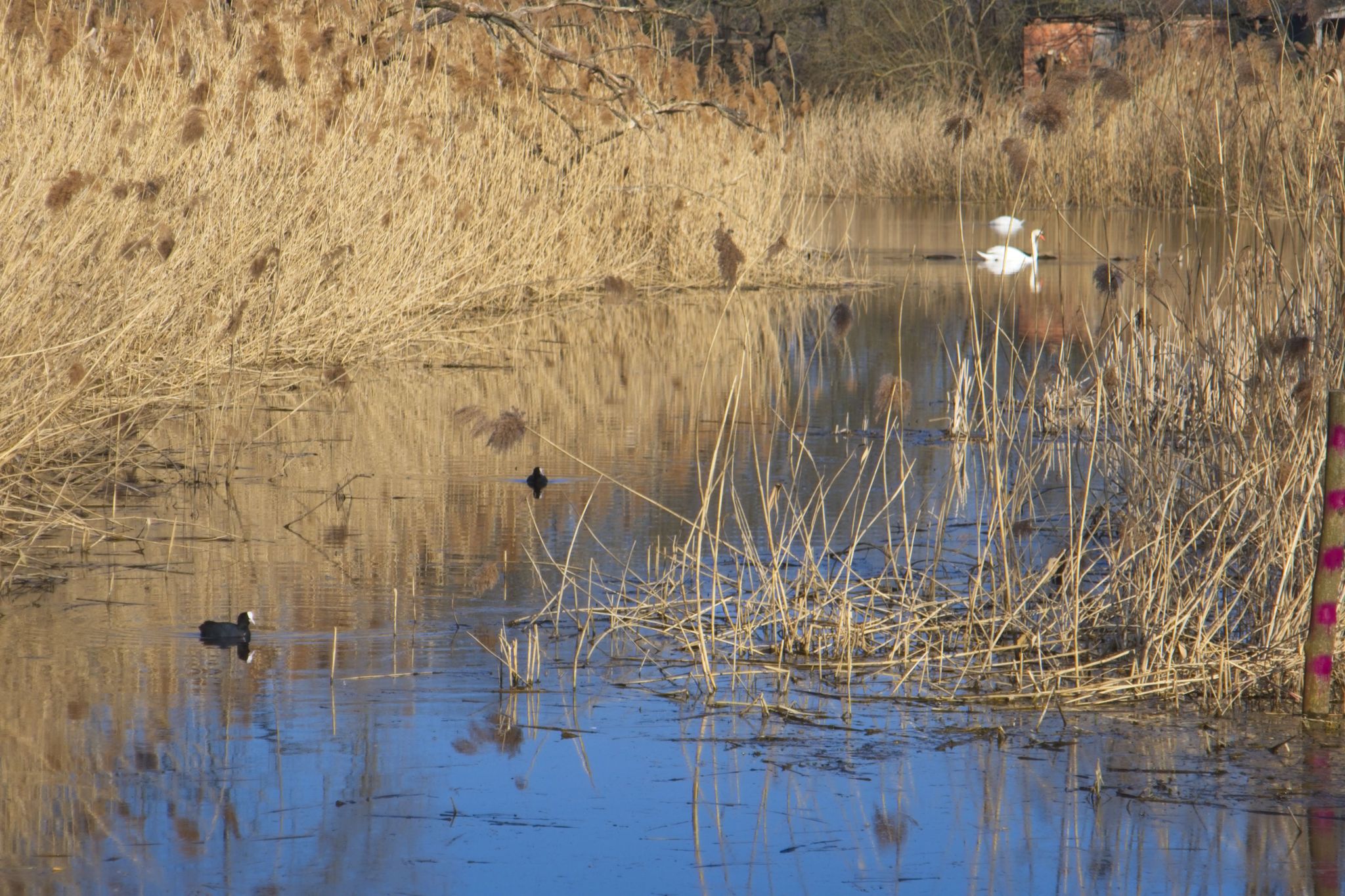
Wanderungen im Naturpark „Unteres Saaletal“ – Das Saaletal zwischen Plötzkau, Bernburg und Nienburg
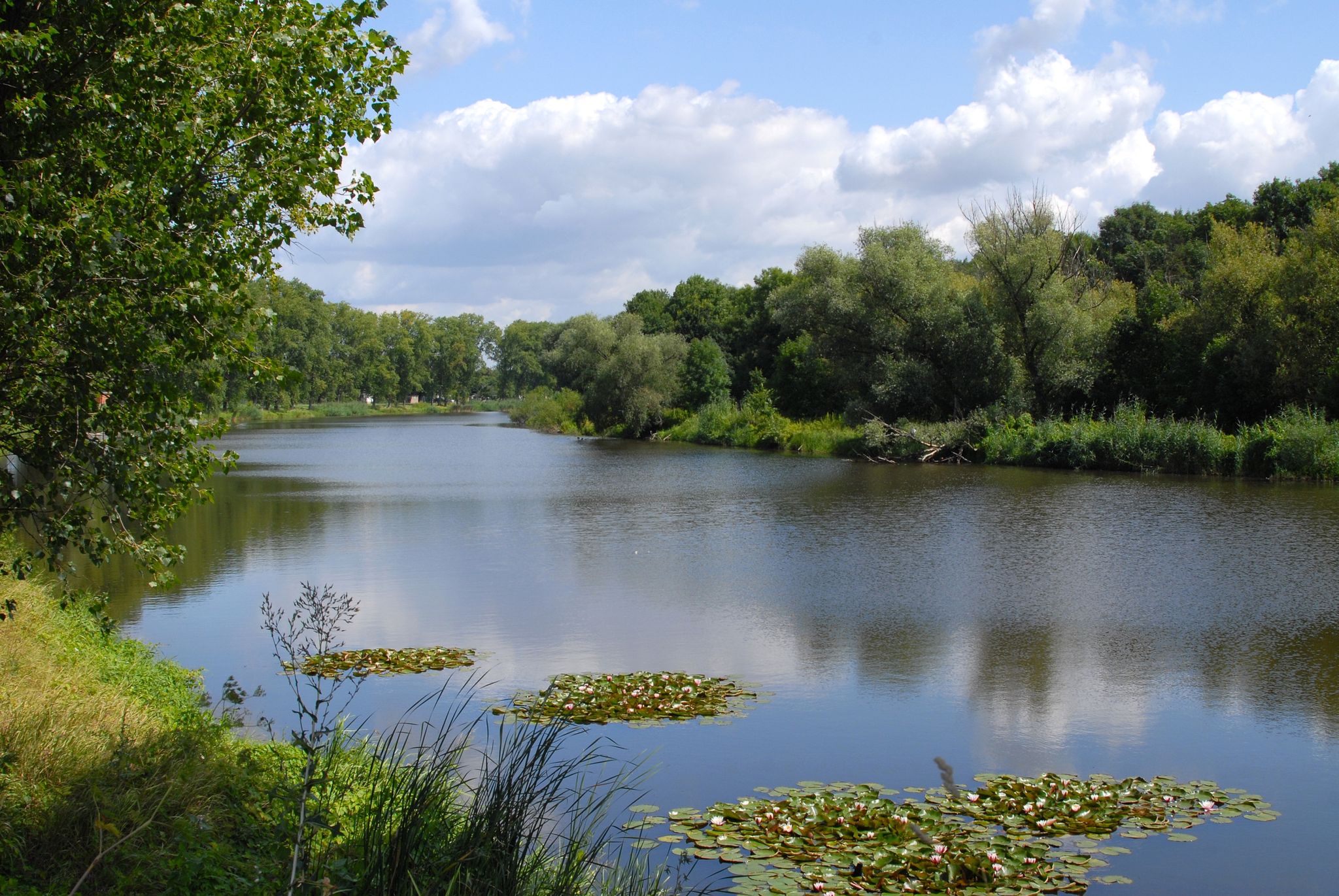
Radtouren zwischen Plötzkau, Bernburg und Nienburg im Naturpark Unteres Saaletal
Europaradweg R1 in Sachsen-Anhalt
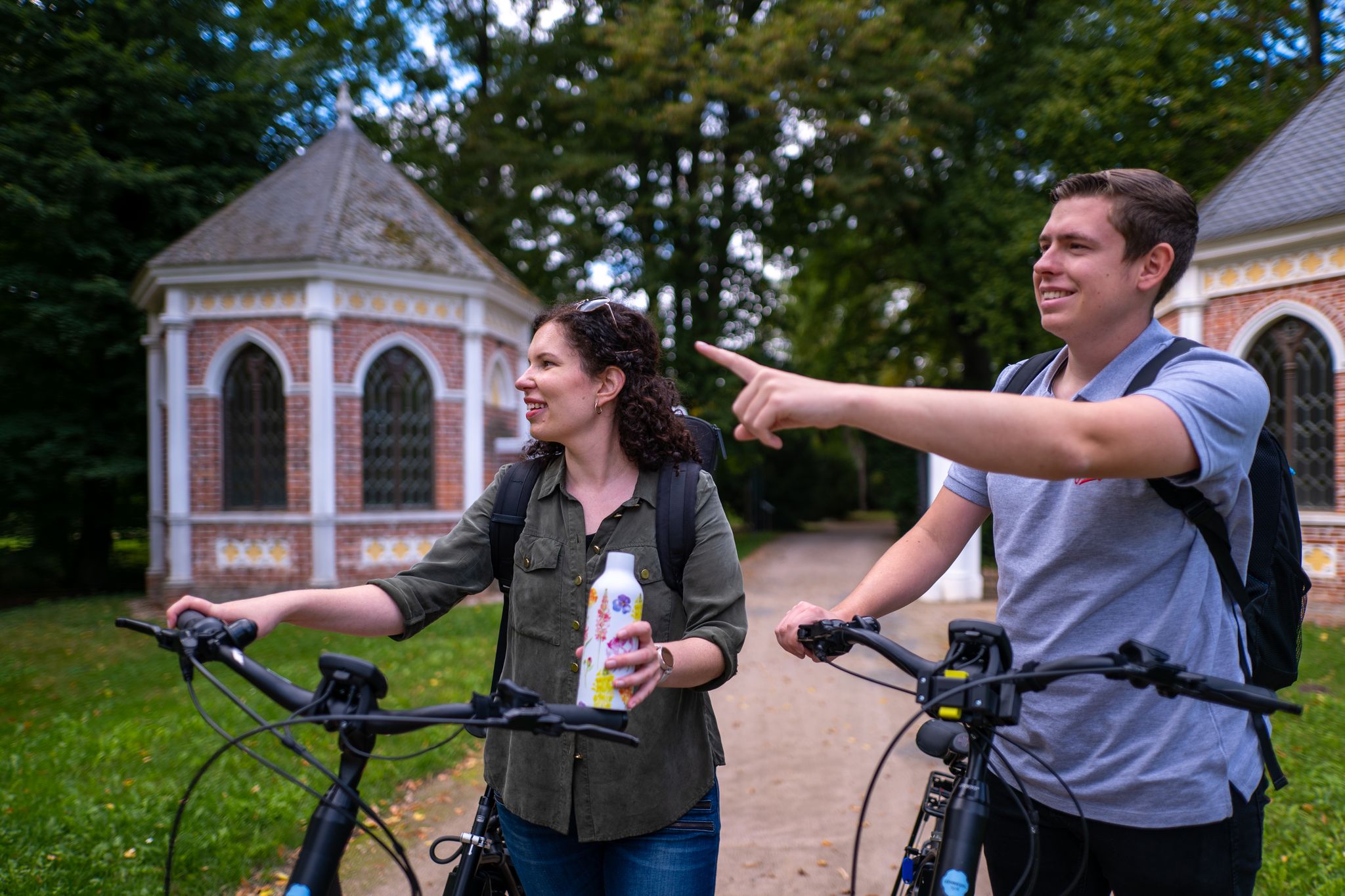
Cycling around Bernburg
Other adventures around Bernburg


Tips from the Community

The Seven Stones, also known as Rügesteine (Reprimand Stones), are a striking group of stones opposite the Preußlitz cemetery. (Dedicated on October 20, 2018) These standing stones were collected long before 1800 from the leveled hills and burial mounds of the Preußlitz countryside. A legend 🤩👌🏼 surrounds the stones, according to which an old renegade monk and his wife, Friedel, once entice three men and three women to dance, thus preventing them from attending church. As punishment, the monk and dancers were turned to stone...
0
0
Buried war dead: 3 In the Preußlitz cemetery, three German war dead known by name, with unknown dates of death, are buried to the right of the entrance. The white plaque in front of the graves reads: "3 Birch Crosses In good faith they set out for a bad cause the last to fall and challenge us: May this place be a reminder that we should give our lives contrary to these three for a good cause."
0
0


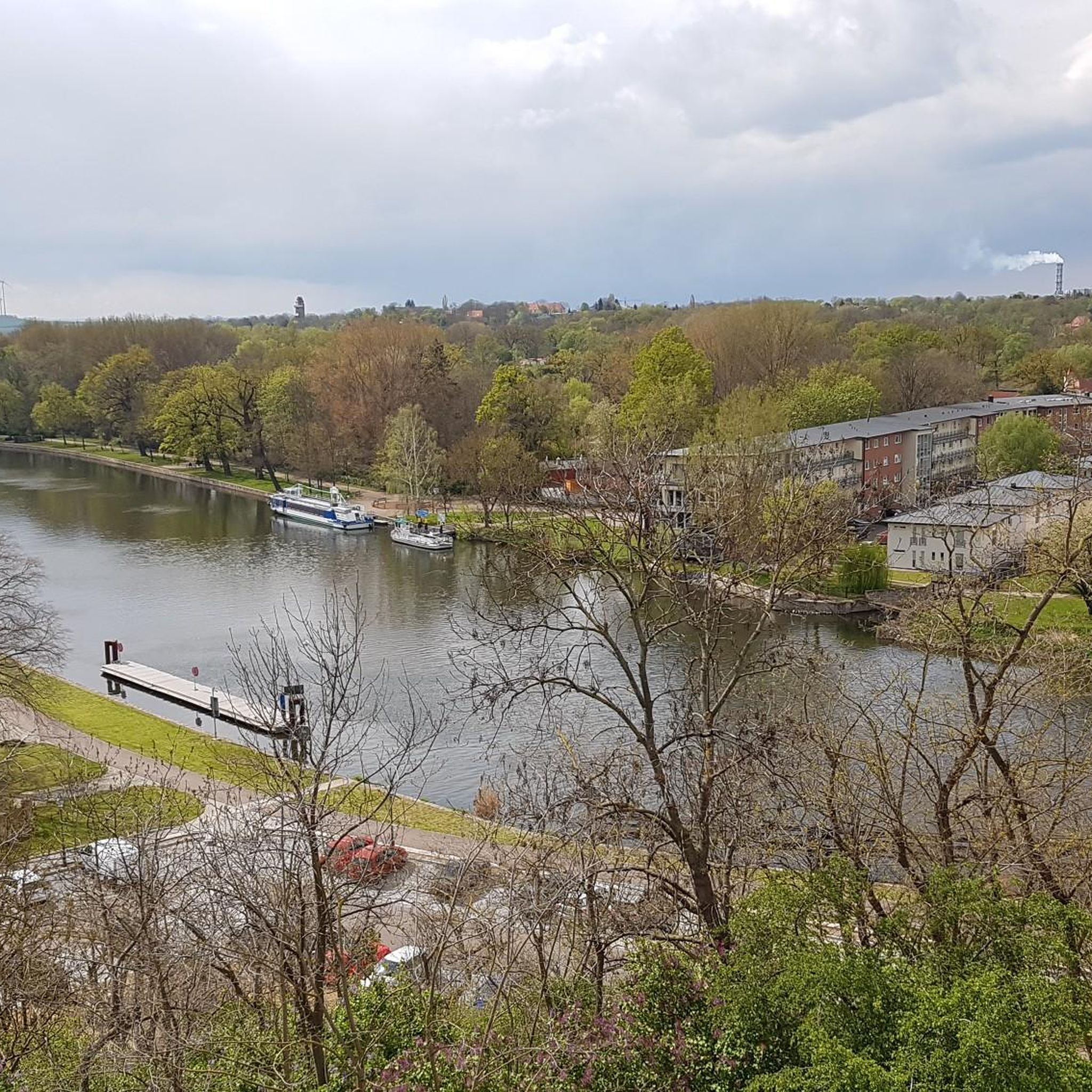
Beautiful nature at the mouth of the Bode into the Saale.
1
0


You tell yourself this legend.
0
0

The seven stones are also known as Rügen stones. The stones consist of gneiss, red granite, lignite quartzite and sandstone.
0
0

The place on the outskirts of Nienburg, idyllically situated between two bridges, is definitely worth a visit. The city has probably chosen the larger of the two rivers for its name extension, because the main part is actually on the Bode. From here, all cycle paths in all directions are well developed. In midsummer, the Bode cycle path is probably the shady one, but the one along the Saale is better for taking a bath ;-)
1
0
Frequently Asked Questions
What are the most popular natural monuments to visit around Bernburg?
Among the most appreciated natural monuments are the Confluence of the Bode and Saale Rivers, a significant natural landmark where two rivers meet. Visitors also enjoy Karlsplatz and Sundial, a park-like setting offering a place for rest and observation, and the mystical Latdorf Menhir on the Pfingstberg, a site with historical significance possibly dating back to the Neolithic Age.
Are there family-friendly natural monuments in the Bernburg area?
Yes, several natural monuments are suitable for families. The Confluence of the Bode and Saale Rivers is a great spot for a leisurely visit. Karlsplatz and Sundial offers a pleasant park environment with benches. Additionally, the Seven Stones of Preußlitz are also considered family-friendly, providing an interesting historical and geological site.
What kind of geological features can I explore in the natural monuments near Bernburg?
The region around Bernburg, particularly within the Lower Saale Valley Nature Park, is rich in geological diversity. You can observe varied landscapes shaped by the Saale River, including steep cliffs, narrow valleys, and imposing slopes. Specific sites like the 'Weiße Wand von Dobis' (White Wall of Dobis) near Rothenberg showcase significant sedimentation documenting geological history from Zechstein salt to porphyry conglomerate. The presence of ancient rocks like sandstone, conglomerate, porphyry, and limestone, alongside Ice Age deposits, offers insights into Earth's evolution.
What outdoor activities can I do near the natural monuments around Bernburg?
The area offers various outdoor activities. You can find numerous hiking opportunities, including easy trails like the 'Saale Oxbow Aderstedt – View of Bernburg Castle loop'. For cycling enthusiasts, there are MTB trails and gravel biking routes, such as the 'Gröna Saale Footbridge – avenue loop'. You can explore more options on the Easy hikes around Bernburg, MTB Trails around Bernburg, and Gravel biking around Bernburg guide pages.
Are there any historical or cultural sites that are also recognized as natural monuments?
Yes, the Bernburg region features several sites with both natural and historical significance. The Latdorf Menhir on the Pfingstberg is considered a mystical place, possibly a Neolithic burial mound. The Seven Stones of Preußlitz are ancient stones with local legends. Additionally, the Völkerschlachtdenkmal Pißdorf is a memorial stone commemorating the Battle of the Nations, also listed as a natural monument.
What do visitors enjoy most about the natural monuments around Bernburg?
Visitors frequently appreciate the blend of natural beauty and historical depth. The scenic views, especially from spots like the Latdorf Menhir on the Pfingstberg, are highly rated. The tranquility of places like Karlsplatz and Sundial, with its park-like setting, also receives positive feedback. The unique geological formations and the dynamic river landscapes, such as the Saale oxbows, are also highlights for many.
Are there any nature trails for environmental education in the Lower Saale Valley Nature Park?
Yes, the 'Naturlehrpfad Sprohne' (Sprohne Nature Trail) is an excellent option. Located in the northern part of the nature park near Nienburg and Grimschleben, this trail highlights characteristic floodplain forest vegetation. It combines nature, culture, and history, providing information on local flora and fauna through information boards and even an interactive cell phone rally.
Can I find viewpoints to observe the landscape around Bernburg's natural monuments?
Yes, several natural monuments offer good viewpoints. From the Latdorf Menhir on the Pfingstberg, you can enjoy great views of the surrounding area. The Karlsplatz and Sundial also provides a pleasant vantage point within its park setting. Additionally, the Saale oxbows, such as the one near Aderstedt, offer scenic views, including distant glimpses of Bernburg Castle.
What is the best time of year to visit the natural monuments in Bernburg?
The Lower Saale Valley Nature Park and its natural monuments offer beauty throughout the year. Spring and autumn are particularly pleasant for hiking and cycling, with mild temperatures and vibrant colors. Summer allows for longer days and river-based activities, while winter can offer a serene, snow-covered landscape, though some trails might be less accessible. The diverse ecosystems, from alluvial forests to rocky slopes, provide unique experiences in every season.
Are there any natural monuments that are wheelchair accessible?
Yes, the Seven Stones of Preußlitz are noted as wheelchair accessible. Additionally, Karlsplatz and Sundial, with its park-like setting and benches, is also considered wheelchair friendly, offering an accessible spot for relaxation and observation.
Where can I see the Saale River's distinctive oxbows?
The winding course of the Saale River has created distinctive oxbows throughout the Lower Saale Valley Nature Park. A notable example is the 'Saale Oxbow Aderstedt,' which can be explored via an easy hiking trail. These oxbows are dynamic river landscapes, often surrounded by floodplains, and are excellent for leisurely walks and observing water-related flora and fauna.
Most popular routes around Bernburg
Most popular attractions around Bernburg

Get inspired with the komoot mobile app


Explore more
Extend your search for the best caves by checking out these guides of the top ones around Bernburg:
