Top 20 Natural Monuments around Feucht
Natural monuments around Feucht are primarily concentrated within the Schwarzach Gorge, a significant natural area characterized by sandstone cliffs and unique cave-like washouts. This region, designated as a nature reserve since 1936, offers diverse landscapes for outdoor exploration. The area's geological formations and historical points of interest provide a rich tapestry of sights.
Best natural monuments around Feucht
- The most popular natural monument is Schwarzach Gorge (Schwarzachklamm), a gorge that is one of the 100 most beautiful geotopes in…
Last updated: June 24, 2026
Schwarzach Gorge (Schwarzachklamm)
Highlight (Segment) • Gorge
Translated by Google •
Tip by

Karl's Cave
Highlight • Cave
Translated by Google •
Tip by

Sign up now to discover places like this
Get recommendations on the best single tracks, peaks, & plenty of other exciting outdoor places.
Sign up for free
Gustav Adolf Cave
Highlight • Cave
Translated by Google •
Tip by

Schwarzach Gorge (Schwarzachklamm)
Highlight • Gorge
Translated by Google •
Tip by

Wöhrder Lake
Highlight • Lake
Translated by Google •
Tip by

Sign up for free to discover even more natural monuments around Feucht.
Sign up for free
Already have an account?
Start today with a free account
Your next adventure awaits.
Login or Signup
Popular around Feucht
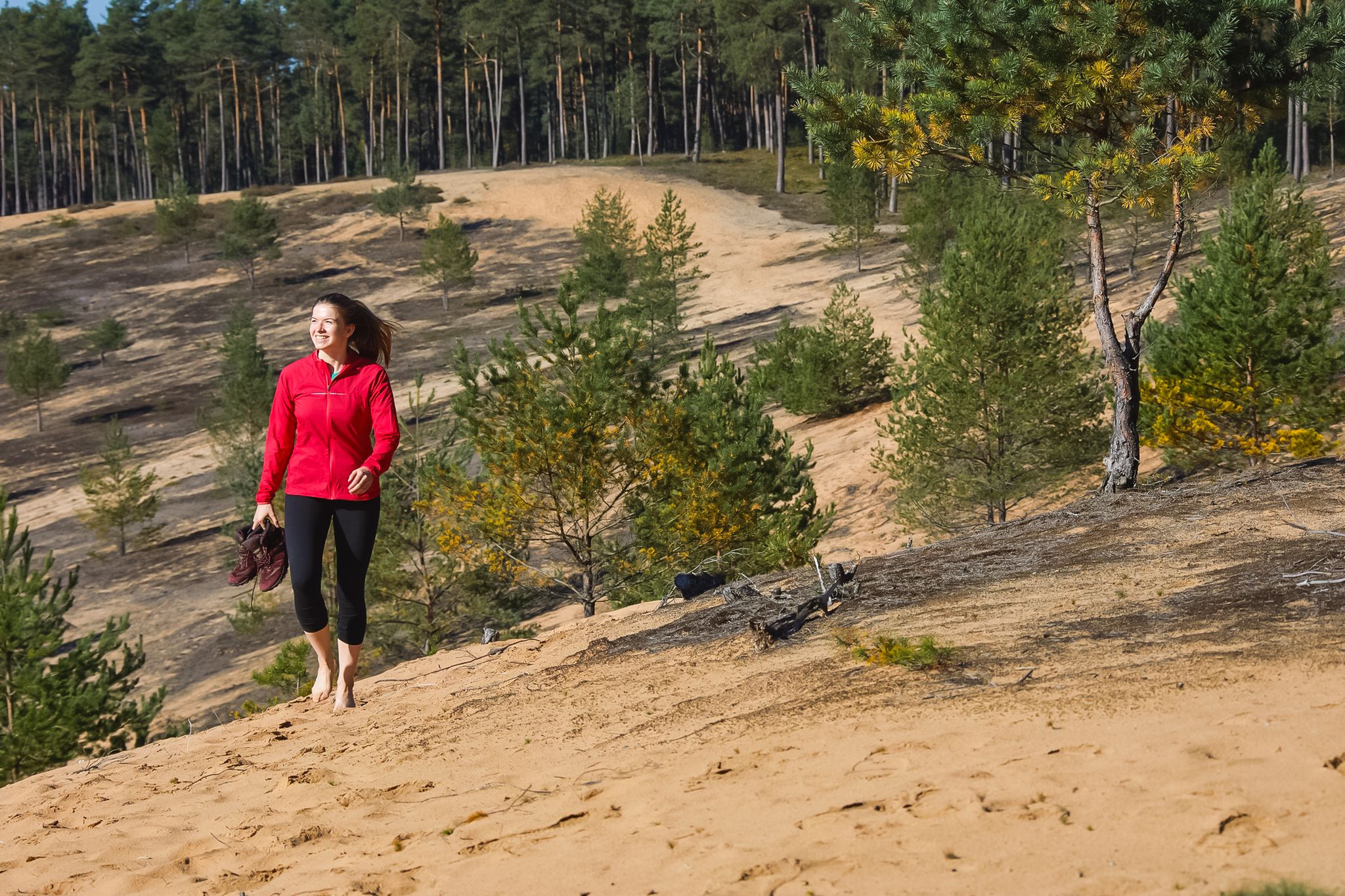
Hike the Dune Path in Central Germany – From sand dunes to forests
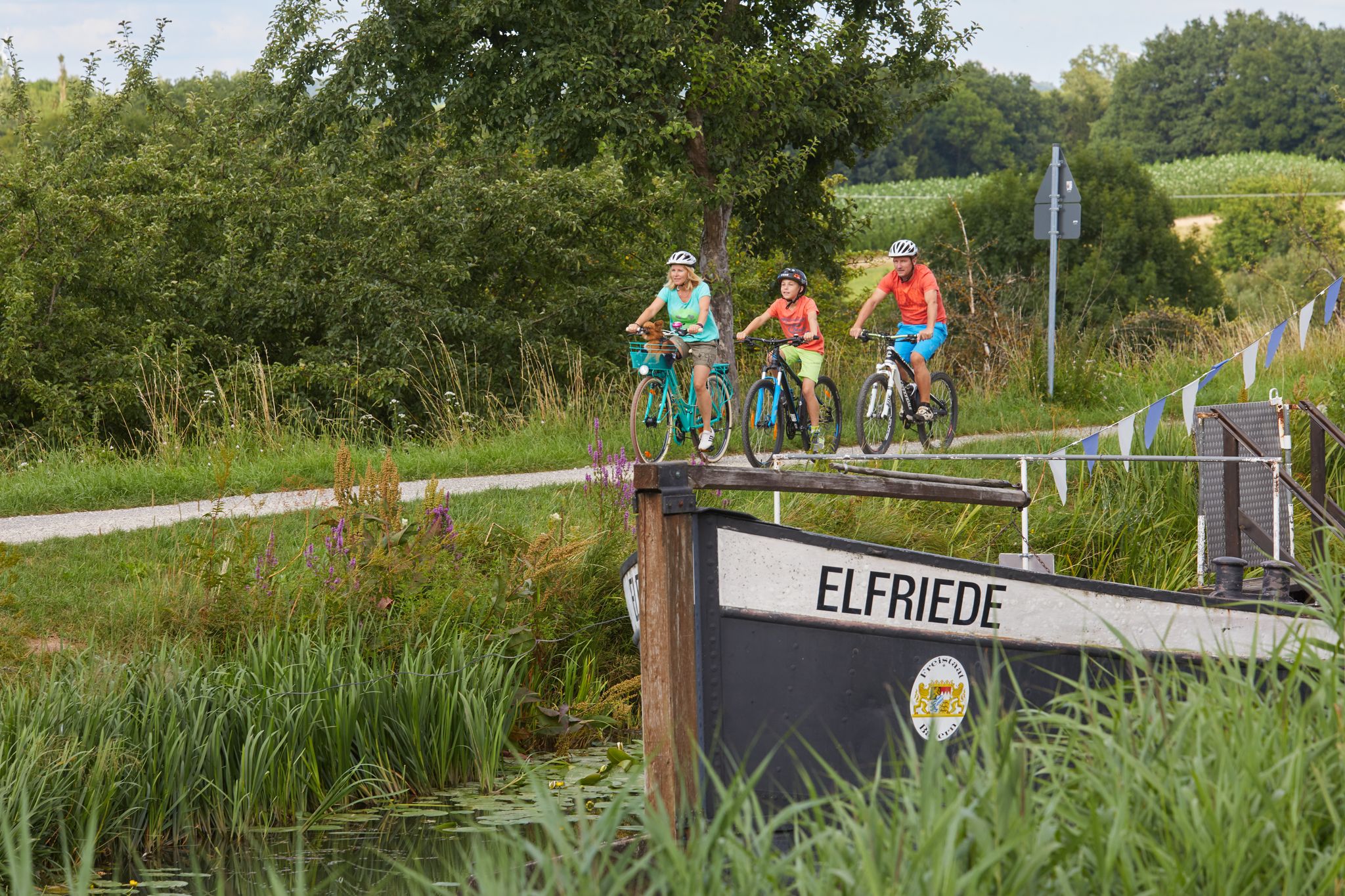
Varied family cycling routes in Nürnberger Land
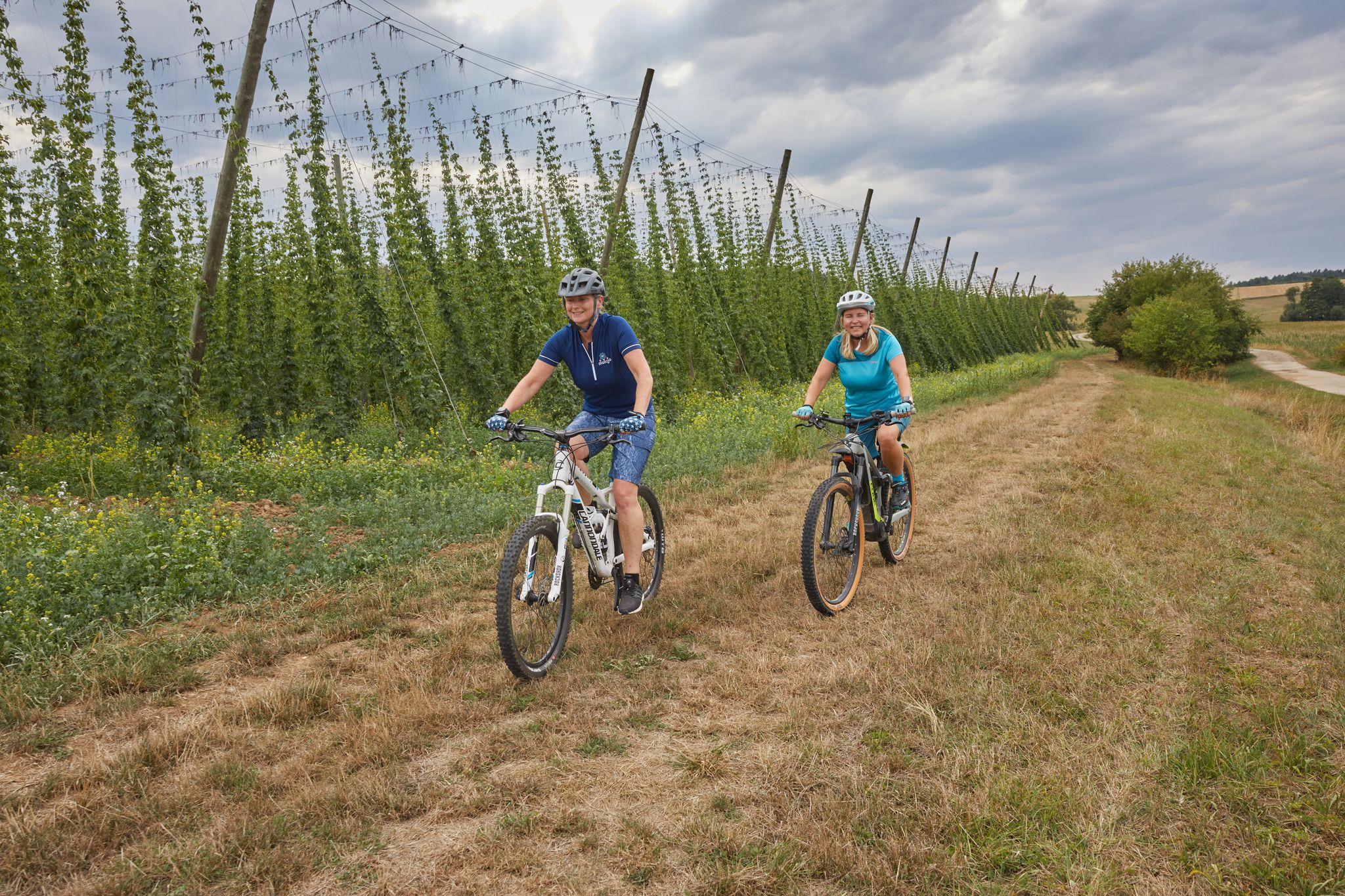
Explore the Nuremberg Land with all your senses – Sensory Cycle Path
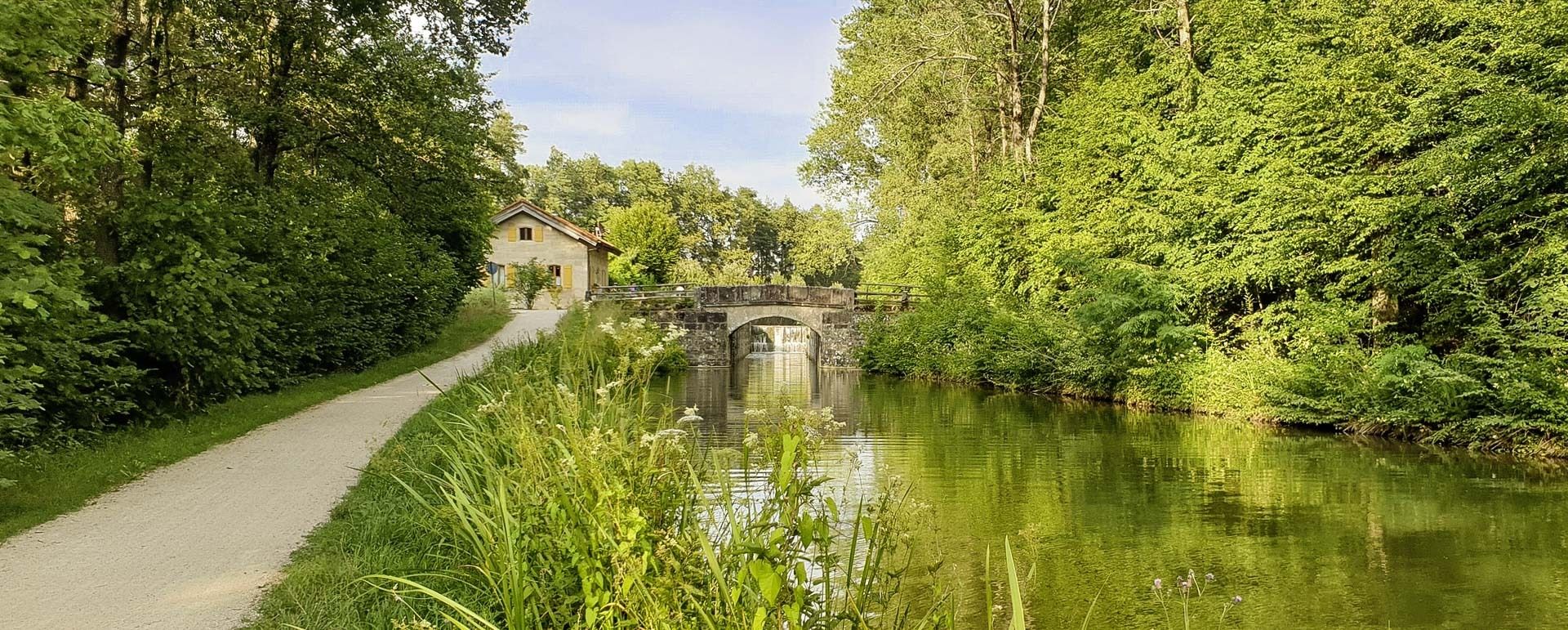
Gentle hills, rivers & forests – cycling in Germany’s Nuremberg Land
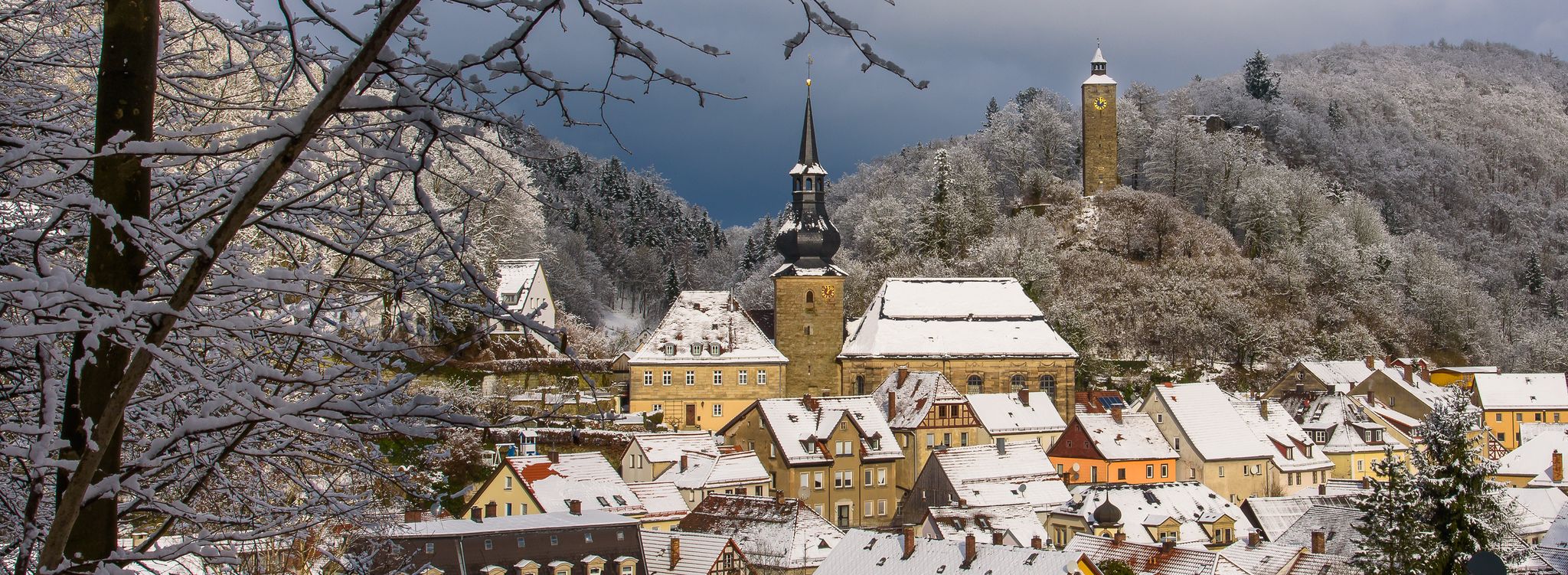
Get out into the fresh Nuremberg air – winter walks with VGN leisure tips
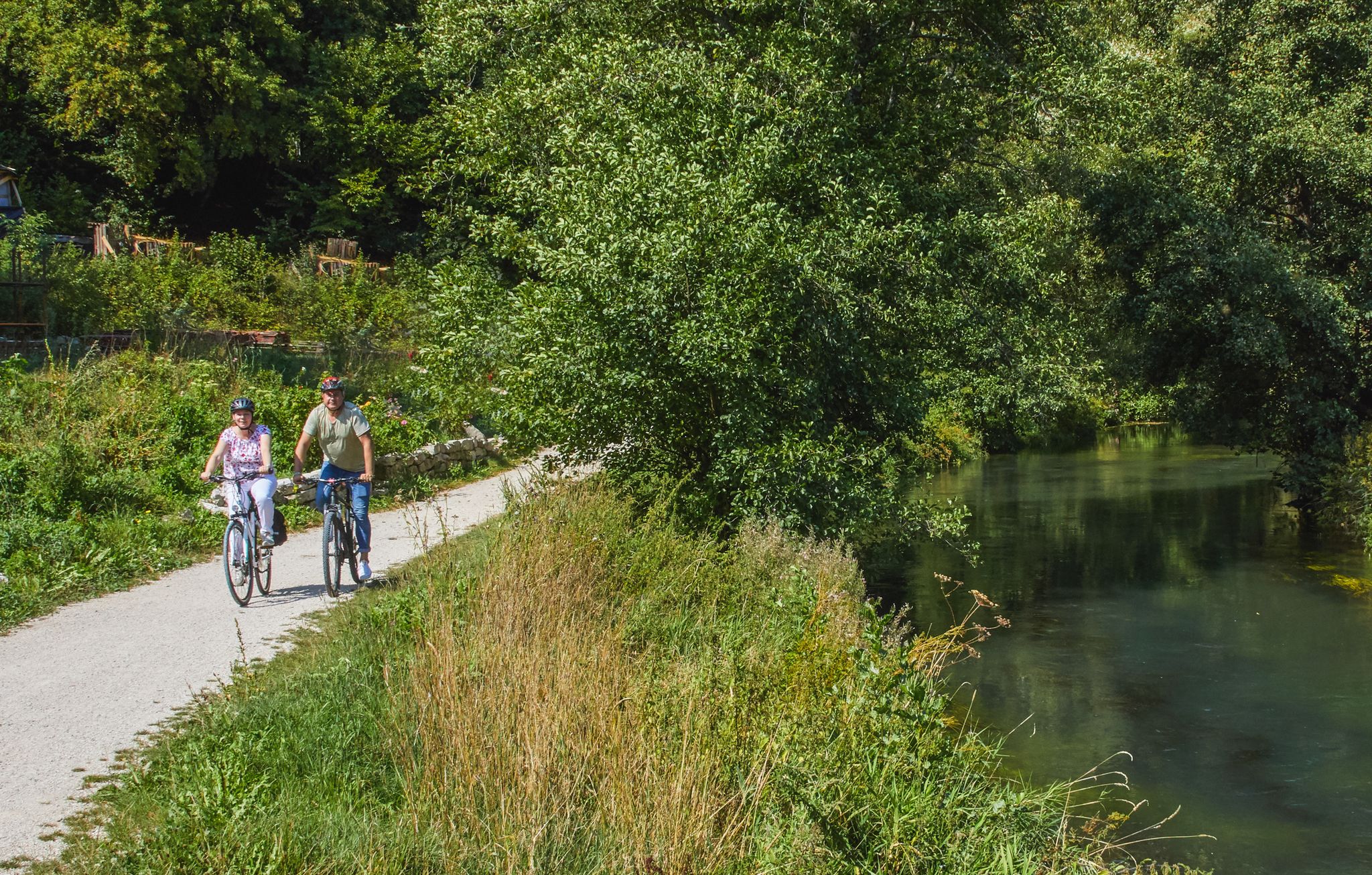
Rivers, forests, ancient castles - cycling in Nürnberger Land
Cycling around Feucht
Hiking around Feucht
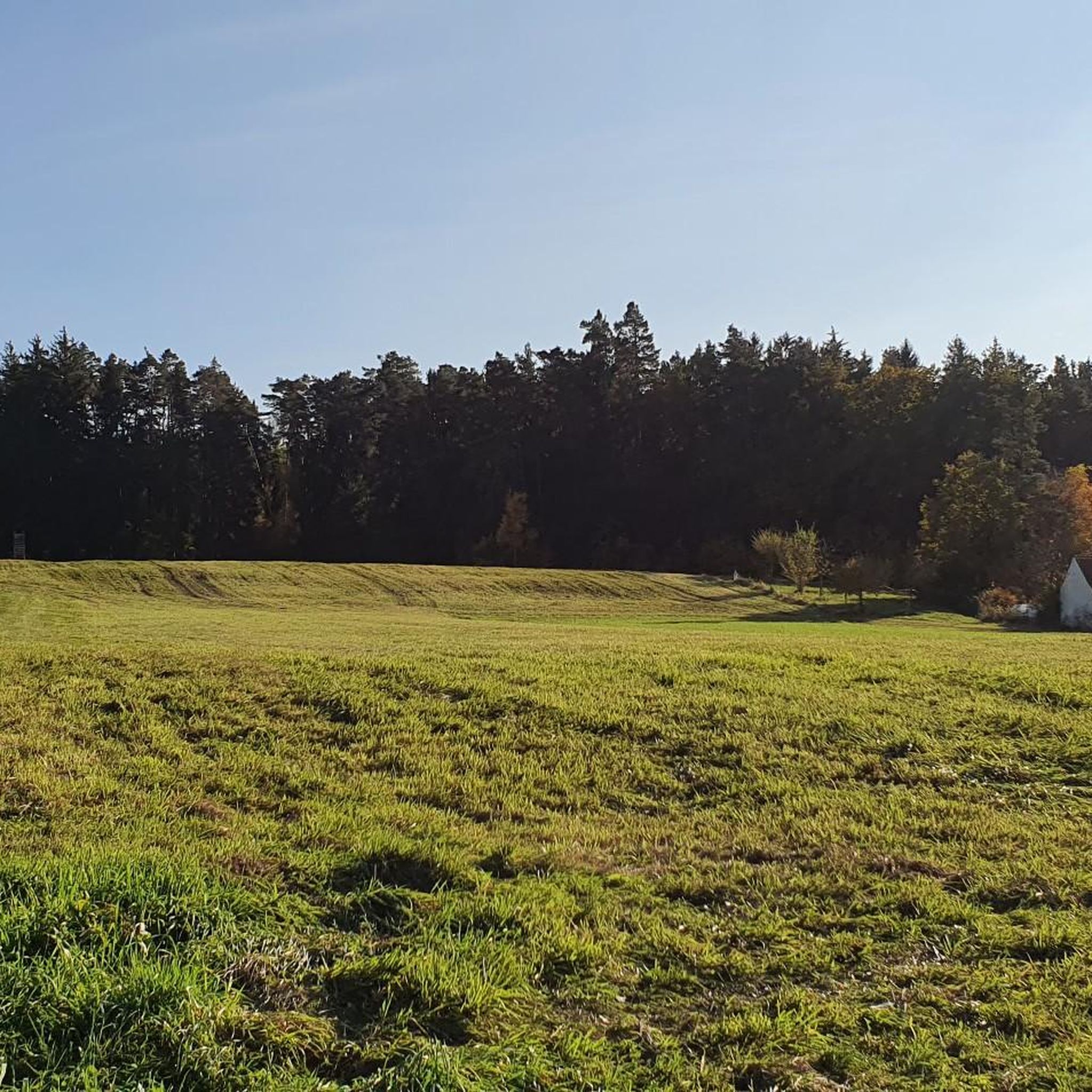
Road Cycling Routes around Feucht
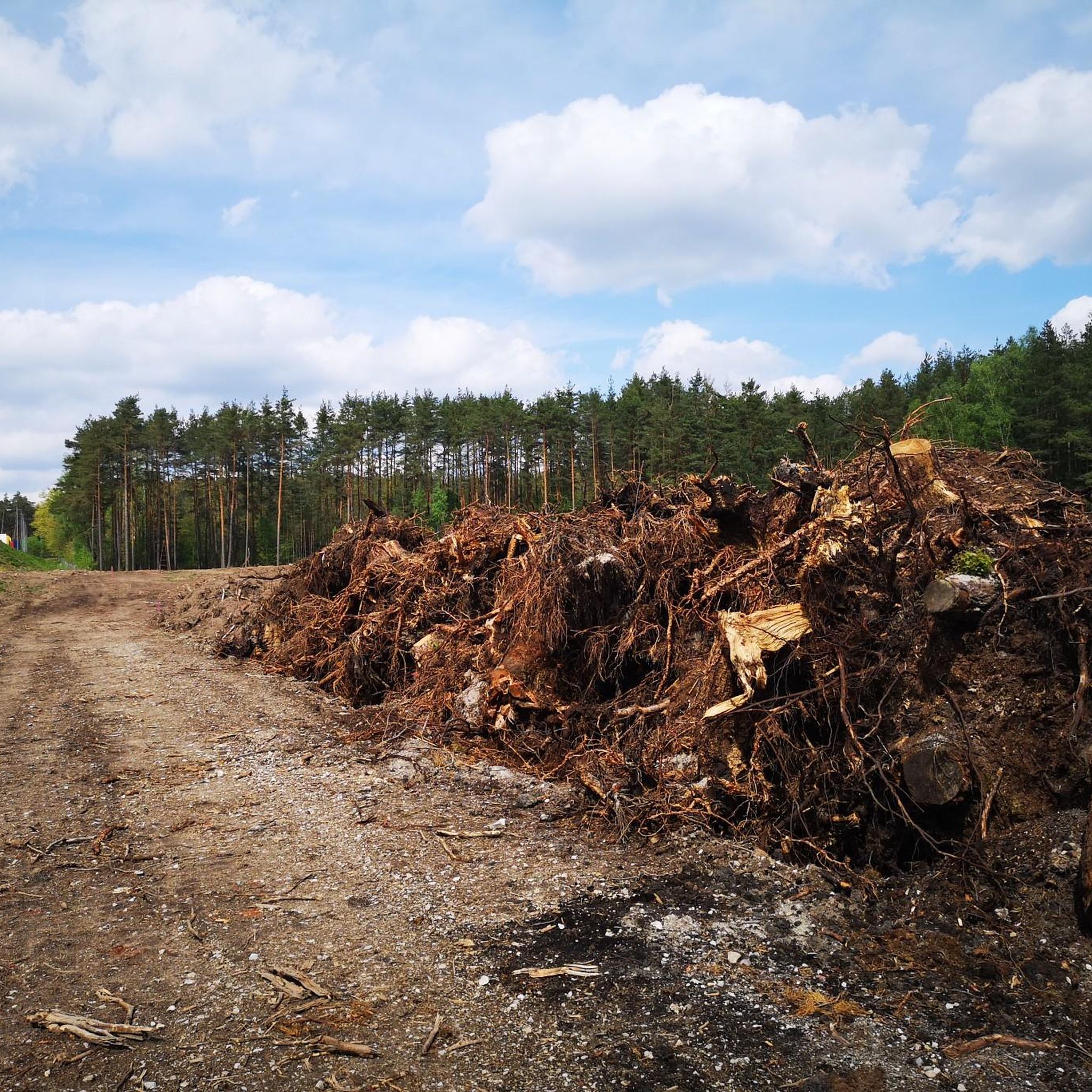
Running Trails around Feucht
Other adventures around Feucht


Tips from the Community

Wöhrder See, Nuremberg Wöhrder See, the youngest of Nuremberg's waterways, is a popular local recreation area in the heart of the city, providing a natural habitat for endangered species. It is not a natural lake, but was created by damming the Pegnitz River, which flows through it. The idea for an inner-city lake existed as early as the 1930s. The project was approved for implementation in October 1959. In addition to the City of Nuremberg, the State Water Management Authority and the Middle Franconia District were involved in the planning and construction. Recreational concerns were not the only priority in the design. The lake is also part of the extensive flood protection measures after the Second World War. Construction work began in 1968 with the Lower Wöhrder See and continued until 1972. The sand trap above the waterway was built between 1972 and 1975. The final construction phase of the Upper Wöhrder Lake was completed in 1981. Text / Source: Nürnberg Infos.de / Nürnberger Nachrichten https://nuernberginfos.de/gewaesser-nuernberg/woehrder-see.php
15
0

A walk around the lake can be a lovely family walk. A total of 6.5 km with no elevation gain and a lovely, varied route.
18
0

The sandstone cave in the Schwarzachklamm got its name from the Swedish king Gustav Adolf, who is said to have attended a sermon given by the Nuremberg pastor Cornelius Mareius there in 1632 after a battle victory in the Thirty Years' War. It is the largest of the erosive washes in the Schwarzach Gorge. https://urlaub.nuernberger-land.de/detail/id=6220ae58f24f424775ea02b6
13
0

In fact, everything has already been said here. The hiking trail between the Schwarzach and Karlshöhle is unparalleled. But not on the weekend.
16
2
The cave together with the Schwarzach is a highlight in the area. Avoid walking on Sundays and public holidays. It starts with the parking lot.
21
1

The Schwarzachschlucht is an approximately 2.2 kilometer long, gorge-like river valley south of Schwarzenbruck in the Central Franconian district of Nürnberger Land in Bavaria. It is named after the Schwarzach river. The gorge is a nature reserve and a popular local recreation area. On the north bank of the river, hiking trails and a geological nature trail with information boards lead through the gorge. There is a former rocky path on the south bank, but it is now closed due to the risk of falling. There are also some abandoned quarries there. Water sports are not possible on the river. Source: Wikipedia
14
0
The Karlshöhle with its small spring outlet is one of the two largest caves here in the Schwarzachklamm.
12
0
The small river Schwarzach has cut deep into the Burgsandstein between the Schwarzenbruck district of Gsteinach and the bridge canal of the Ludwig-Danube-Main Canal. The middle castle sandstone was formed about 215 million years ago during the Mesozoic (Triassic). This type of rock is widespread in western and southern Middle Franconia[6]. Hard and resistant rock like the Burgsandstein narrows a valley to a gorge. The erosive power of the river could only cut into the rock along fissures and faults. The hard sandstone types form the steep gorge walls. Less hard rock layers such as clay layers and weak zones led to the riparian areas being undermined, especially during high water. This resulted in scours, overhanging roofs and surf caves. The two largest caves of this type are the Karl's Cave and the Gustav Adolf Cave. Source: Wikipedia
13
0
Frequently Asked Questions
What geological features can I explore in the natural monuments around Feucht?
The natural monuments around Feucht are primarily concentrated within the Schwarzach Gorge, which is renowned for its striking sandstone cliffs, unique cave-like washouts, and impressive rock formations. You can explore significant sites like Karl's Cave, a half-cave formed by the erosive action of the Schwarzach River, and the broader Schwarzach Gorge itself, which is one of Bavaria's 100 most beautiful geotopes.
Are there any historical sites within the natural monuments near Feucht?
Yes, the Gustav Adolf Cave in the Schwarzach Gorge holds historical significance. A memorial plaque marks a visit by King Gustav II Adolf of Sweden in 1632 during the Thirty Years' War, blending natural wonder with a notable historical event.
Which natural monuments are suitable for families with children?
Several natural monuments around Feucht are family-friendly. The Schwarzach Gorge offers an easy hike for the whole family. Both Gustav Adolf Cave and Karl's Cave are considered family-friendly highlights, providing engaging outdoor experiences. Additionally, Wöhrder Lake is a popular local recreation area perfect for a family walk, offering a 6.5 km route with no elevation gain.
What kind of outdoor activities can I do near the natural monuments in Feucht?
The area around Feucht offers diverse outdoor activities. You can find numerous options for running, road cycling, and general cycling. For detailed routes and guides, explore the Running Trails around Feucht, Road Cycling Routes around Feucht, and Cycling around Feucht guides.
Are there specific hiking trails recommended in the Schwarzach Gorge?
Yes, the Schwarzach Gorge itself features beautiful paths that lead along the Schwarzach River, past impressive rock formations, and to the caves. The 'Schwarzach Gorge Trail' is a popular moderate running route that covers a significant part of the gorge. You can find more hiking and running options in the Running Trails around Feucht guide.
What makes the Schwarzach Gorge a significant natural area?
The Schwarzach Gorge is a significant natural area because it has been designated as a nature reserve since 1936 and is recognized as one of the 100 most beautiful geotopes in Bavaria. It features a diverse landscape with striking sandstone cliffs, unique cave-like washouts, and varied flora and fauna, making it a rich environment for geological and ecological exploration.
Is it possible to visit the natural monuments around Feucht with a dog?
While the natural monuments are generally welcoming, it's important to note that the Schwarzachklamm nature reserve has specific rules. Cycling and mountain biking are prohibited, and visitors are encouraged to explore on foot. For dog-specific rules, it's always best to check local signage or official park websites, as regulations can vary within nature reserves to protect wildlife.
What is the best time to visit the natural monuments in Feucht?
The Schwarzach Gorge is worth a visit in every season, offering unique beauty throughout the year. Spring and autumn provide pleasant temperatures for hiking and vibrant natural scenery. Summer is ideal for enjoying the cooler gorge environment, while winter can offer a mystical landscape, especially around the Teufelskirche with its small waterfall.
What should I wear when visiting the natural monuments, especially the caves and gorges?
For exploring the gorges and caves, sturdy shoes are highly recommended. The terrain can be uneven, and areas like the Teufelskirche may be muddy. Layered clothing is advisable to adapt to changing temperatures, especially when entering caves or shaded gorge sections.
Are there any other notable natural monuments besides the Schwarzach Gorge and its caves?
Beyond the Schwarzach Gorge and its famous caves, the region also features the Teufelskirche (Devil's Church), a challenging natural monument with a small waterfall and tunnels in the Rhät Sandstone, offering a more adventurous experience. Additionally, Wöhrder Lake provides a different natural experience as a local recreation area with a pleasant walking route.
What do visitors enjoy most about the natural monuments around Feucht?
Visitors particularly appreciate the impressive geological formations and the serene natural beauty. The Schwarzach Gorge is praised for its easy, family-friendly hikes and its status as one of Bavaria's most beautiful geotopes. The unique experience of exploring the cave-like washouts like Karl's Cave and the historical significance of Gustav Adolf Cave are also highly valued by the komoot community.
Most popular routes around Feucht
Most popular attractions around Feucht

Get inspired with the komoot mobile app


Explore more
Extend your search for the best caves by checking out these guides of the top ones around Feucht:
