Top 20 Natural Monuments around Castrop-Rauxel
Best natural monuments around Castrop-Rauxel offer diverse natural areas and parks within the Ruhr area. The region features significant ecological sites, including mixed deciduous forests, stream valleys, and unique landscapes formed by mining subsidence. These areas provide recreational opportunities and showcase varied ecosystems, contributing to the city's natural appeal. Castrop-Rauxel's landscape combines natural beauty with elements of industrial heritage, making it a distinctive area for outdoor exploration.
Best natural monuments around Castrop-Rauxel
- The most popular natural monuments is Hoheward Spoil…
Last updated: October 11, 2026
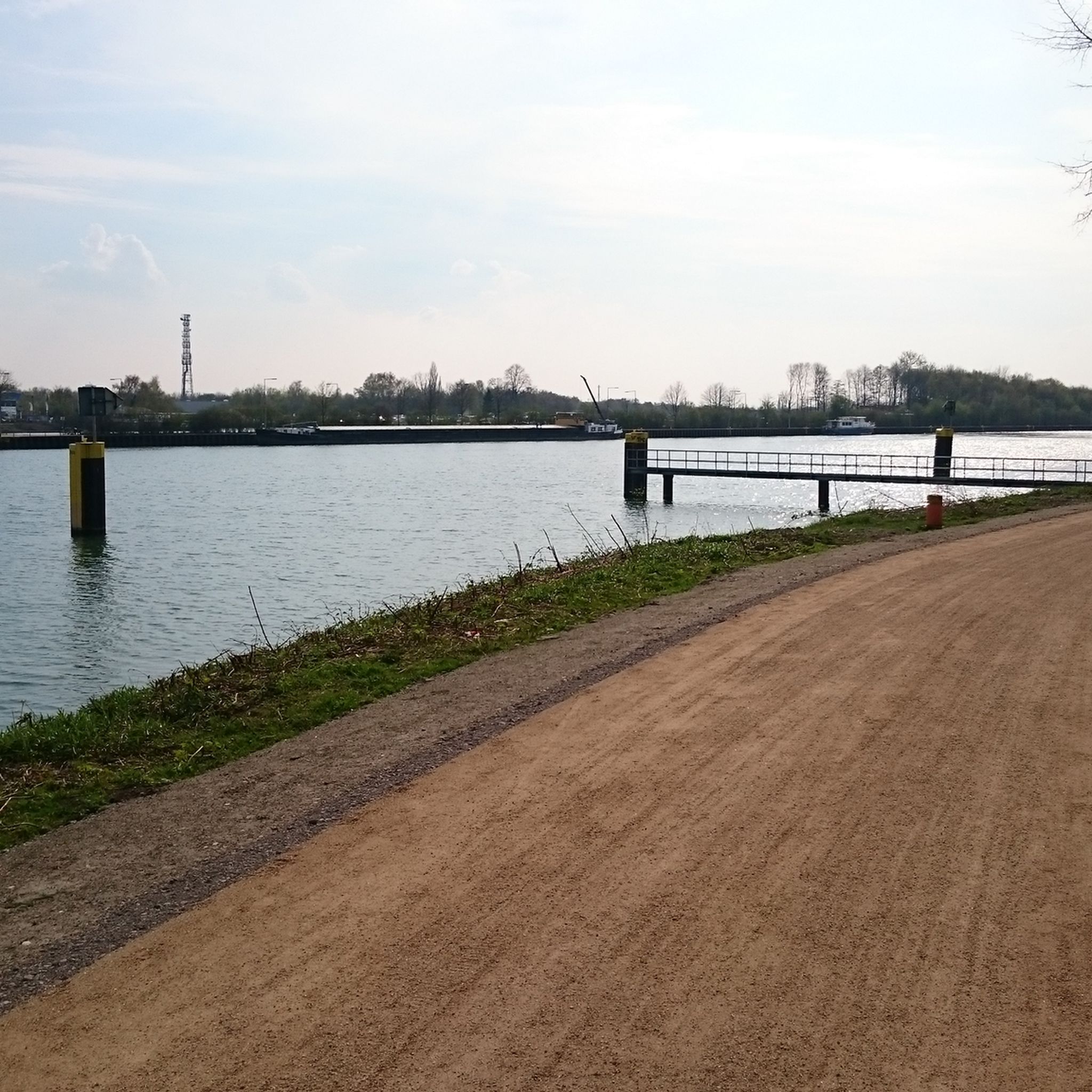
Alte Fahrt between Datteln and Olfen
Highlight • River
Translated by Google •
Tip by

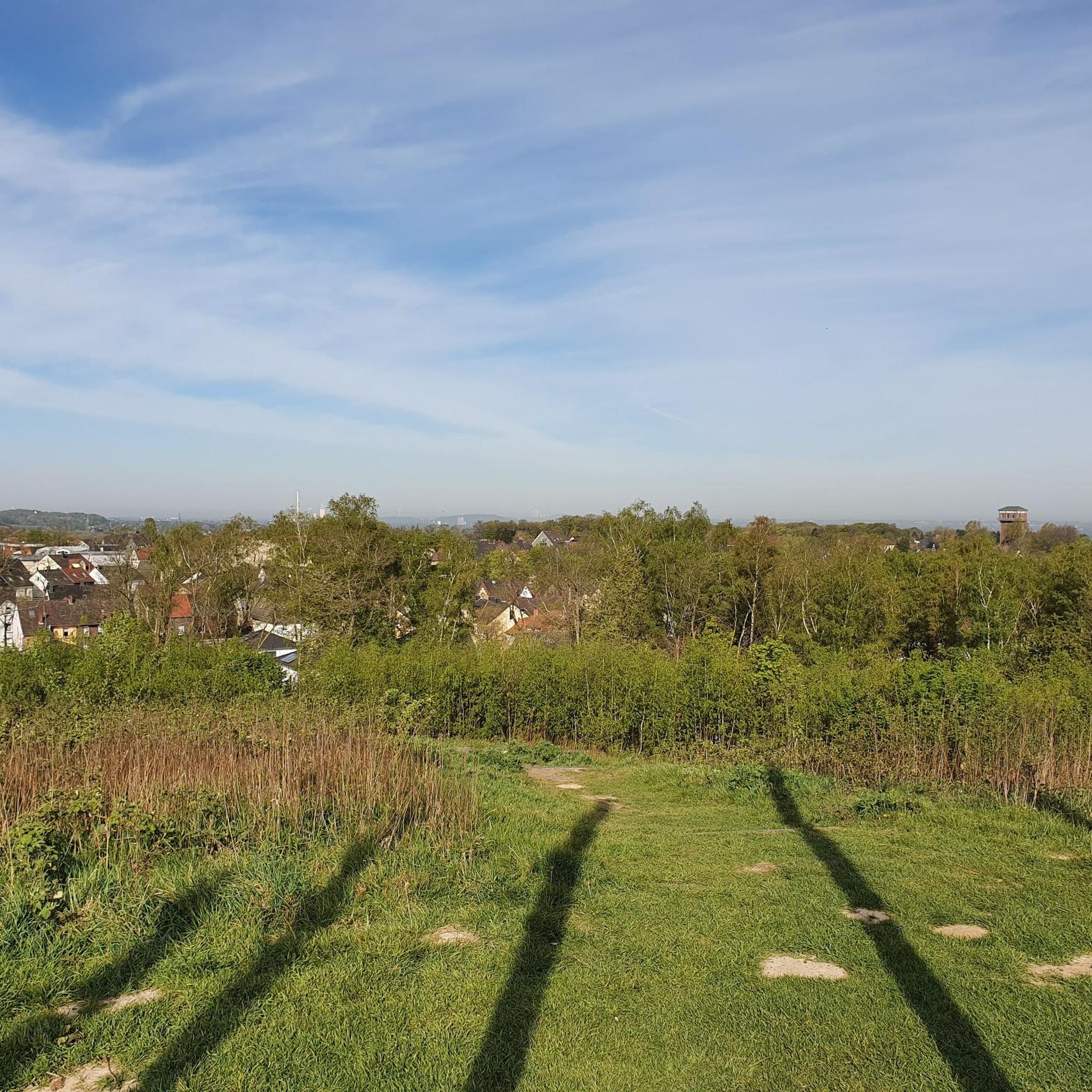
View of Halde Hoheward
Highlight • Viewpoint
Translated by Google •
Tip by

Sign up now to discover places like this
Get recommendations on the best single tracks, peaks, & plenty of other exciting outdoor places.
Restored Emscher
Highlight (Segment) • River
Showing Translation
Tip by

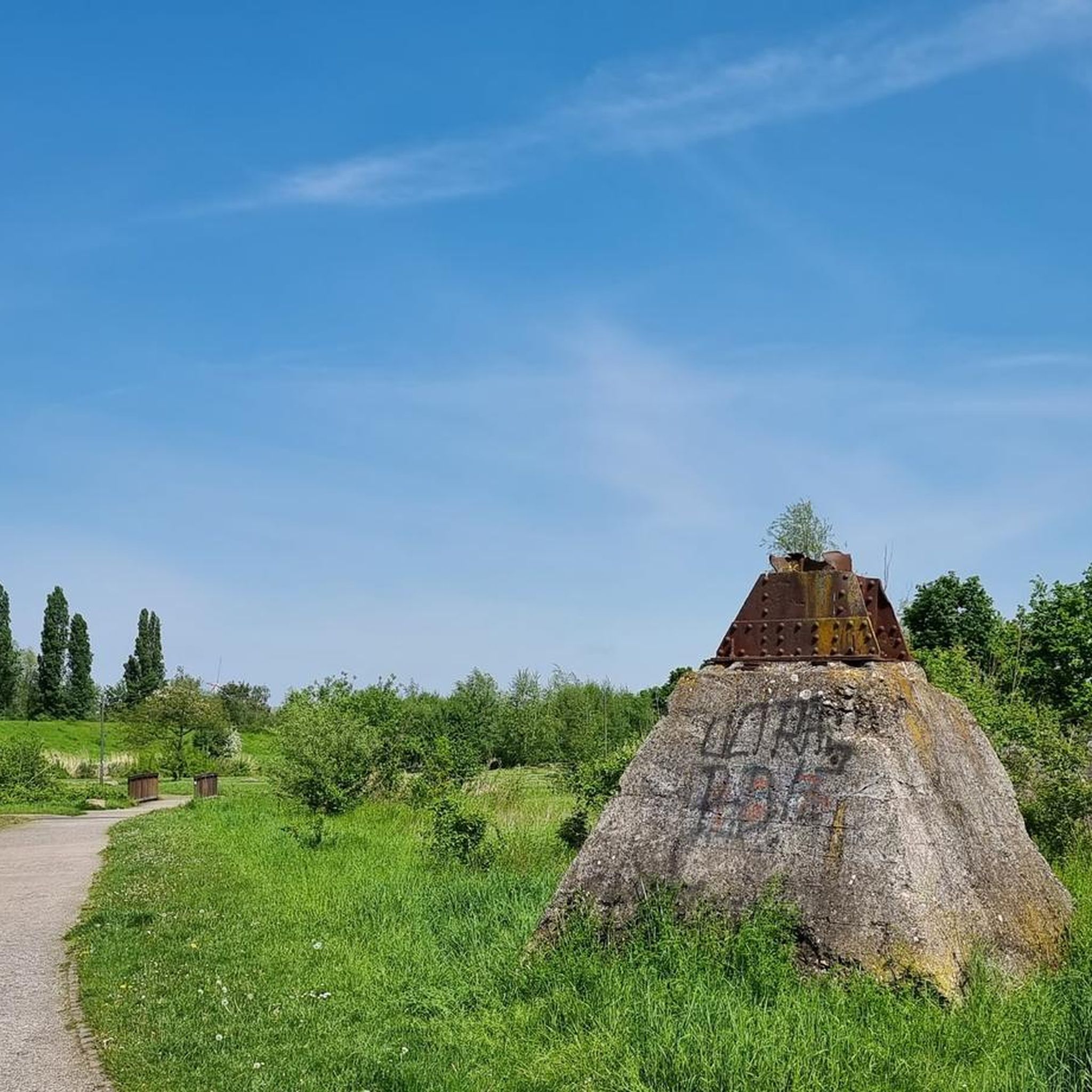
Horizon Observatory on the Hoheward spoil tip
Highlight • Monument
Translated by Google •
Tip by

Horizon Observatory on Hoheward
Highlight • Monument
Showing Translation
Tip by

Sign up for free to discover even more natural monuments around Castrop-Rauxel.
Already have an account?
Start today with a free account
Your next adventure awaits.
Popular around Castrop-Rauxel
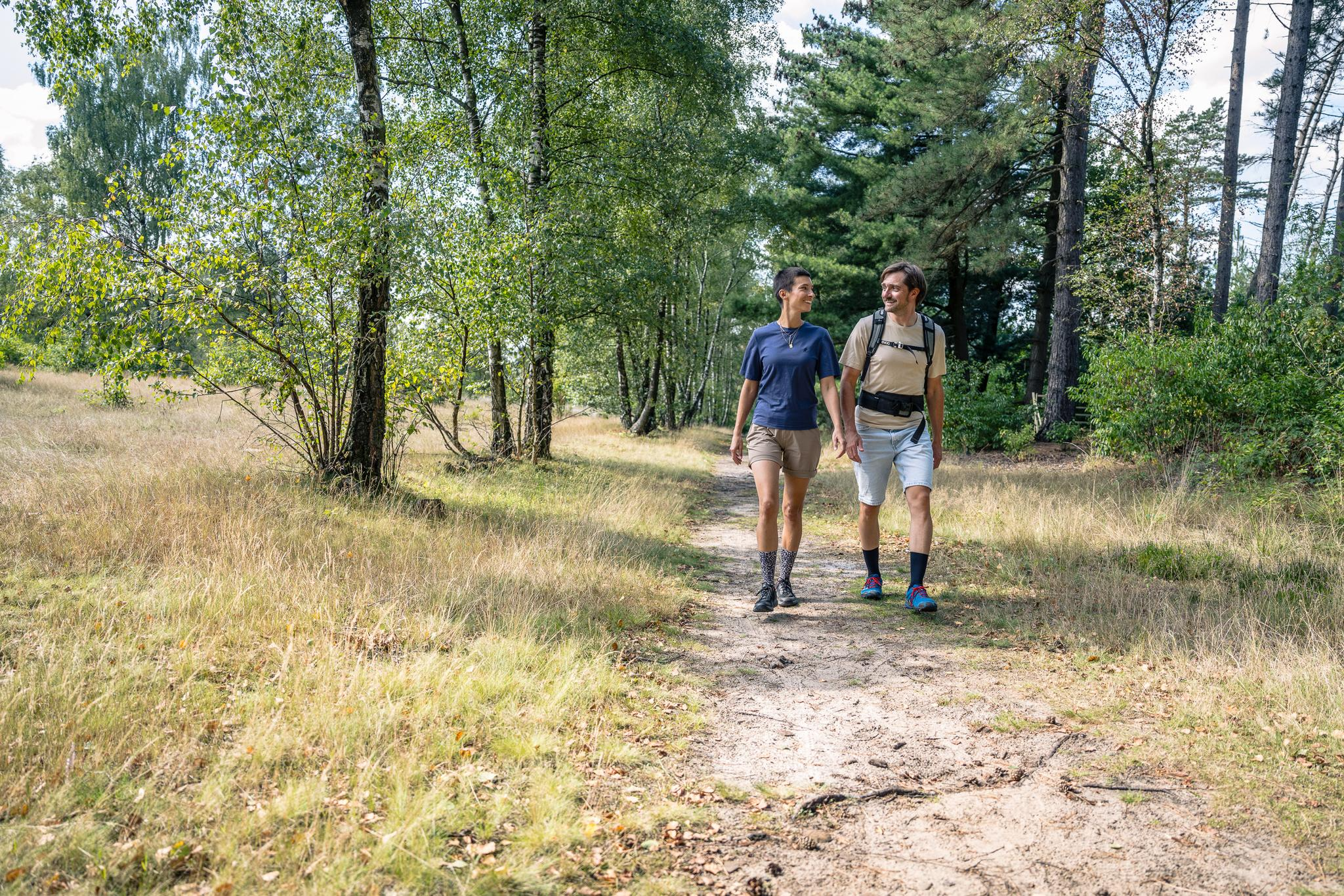
Spoil heaps, heathland, autumn trails – hiking in Recklinghausen
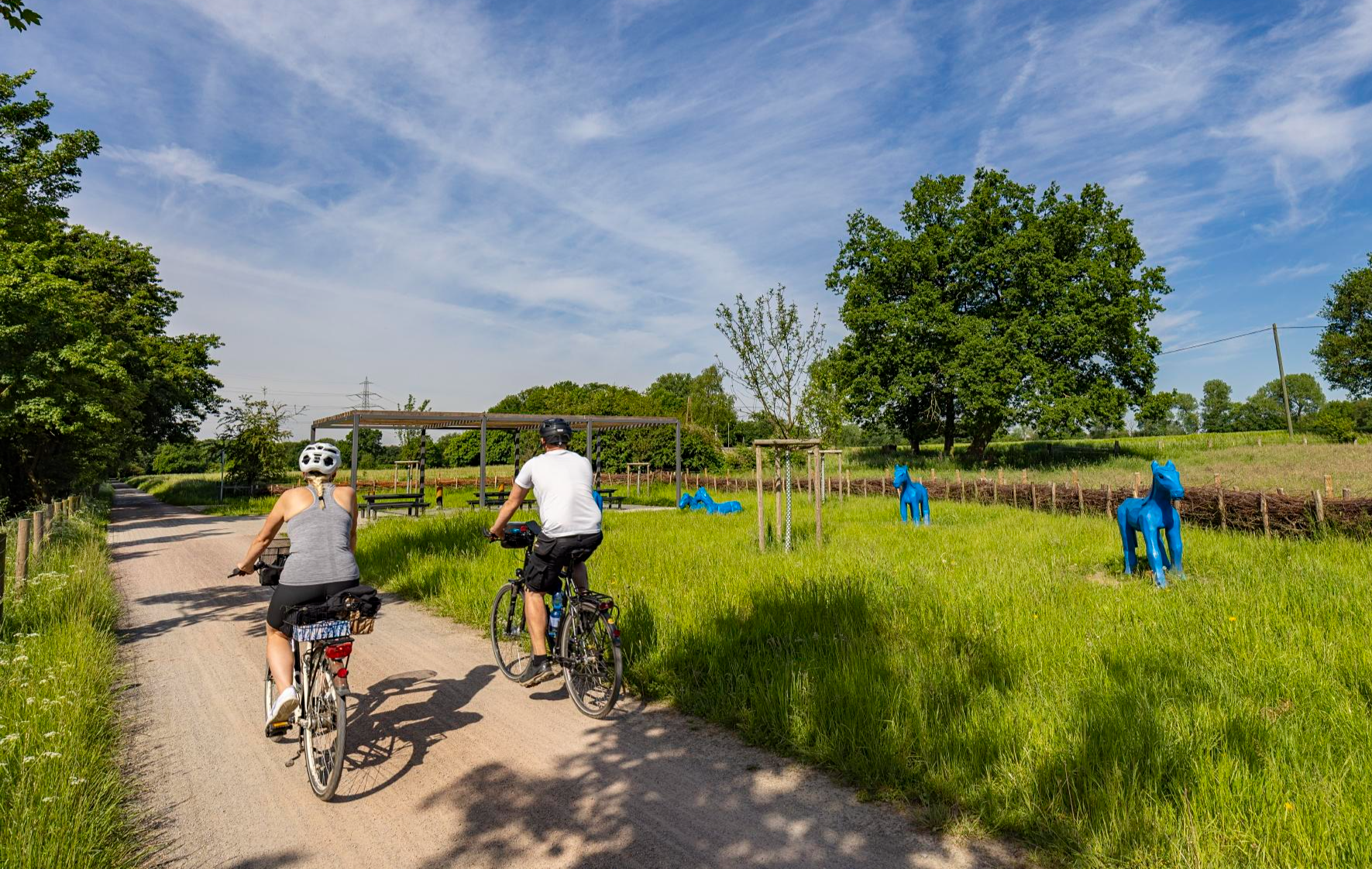
Healthy cycling on Germany’s Emscher River
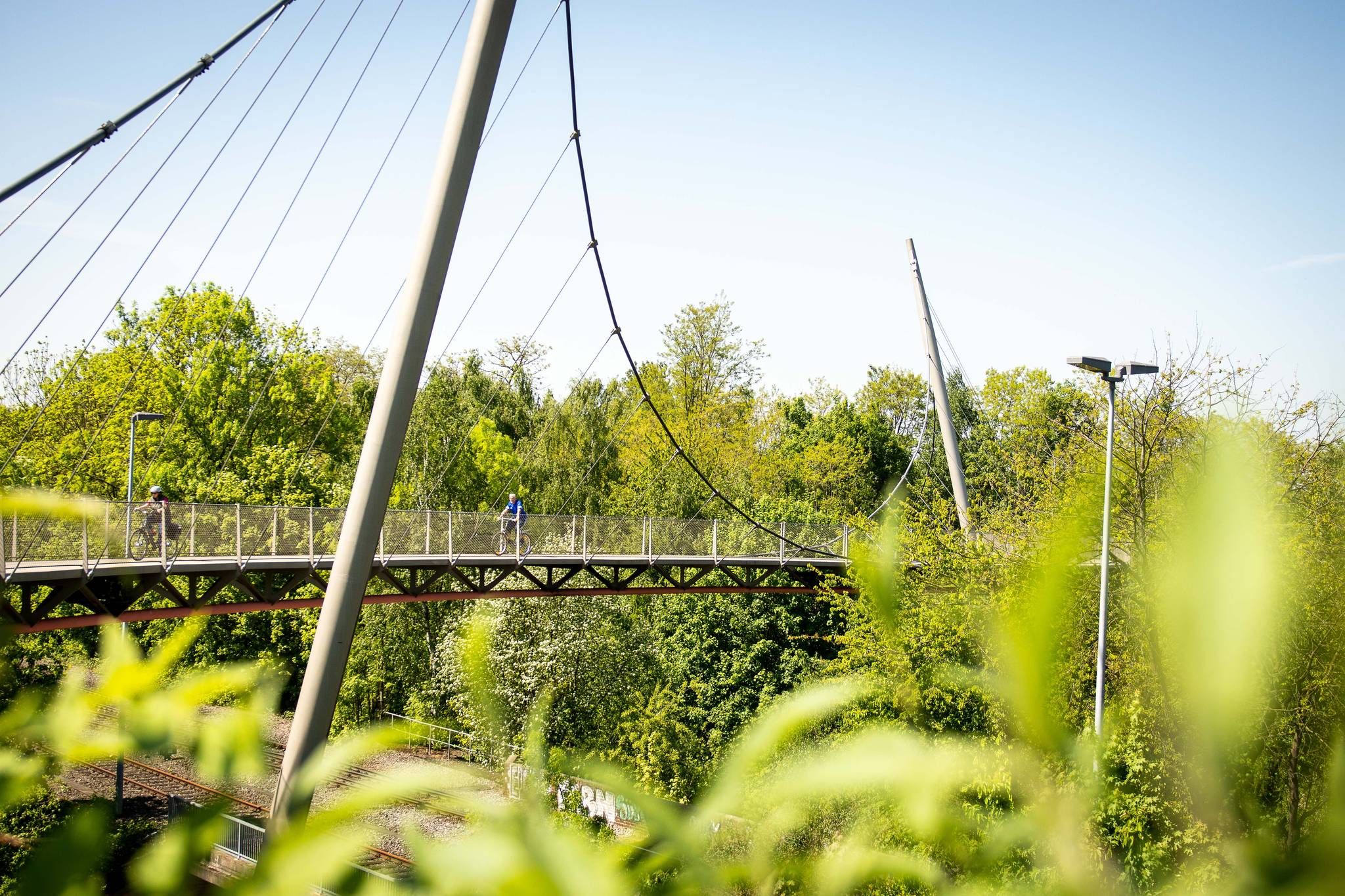
The most beautiful railway cycle paths in the Ruhr area (north/northeast)
Hiking around Castrop-Rauxel
Cycling around Castrop-Rauxel
Road Cycling Routes around Castrop-Rauxel
Running Trails around Castrop-Rauxel
MTB Trails around Castrop-Rauxel
Gravel biking around Castrop-Rauxel
Mountain Hikes around Castrop-Rauxel
Other adventures around Castrop-Rauxel


Tips from the Community

The Horizon Observatory is a cool thing. There is a slanted equator arc that divides the Earth into Northern and Southern Hemispheres and a meridian arc that divides the sky into morning and afternoon. With the help of sighting marks, you can observe solstices, day and year seasons. Unfortunately, the interior surface is not accessible due to repair work until 2027, so you can only view and photograph the massive arcs.
0
0

The Emscher Cooperative speaks cautiously about "nature-friendly conversion" so as not to support the illusion that nature can be restored.
3
0

The renaturation of the Emscher, previously known as the dirtiest river in Germany, is an outstanding example of environmental restoration work. Through this initiative, the river has transformed from a former industrial wastewater pipeline to a natural body of water. This change underlines the success of sustainable environmental projects and their positive impact on local flora and fauna. It impressively demonstrates how previously polluted areas can be revitalized through targeted measures.
10
2

The horizon observatory was set up on the northern summit plateau in 2008. The modern building consists of a circular, flat area with a diameter of 88 m, a forum lowered by 1.50 m with a diameter of 35 m in the middle and two arches with a radius of approx. 45 m, which are like the great circles meridian and celestial equator stretch across the square.
16
1
The Hoheward Landscape Park, formerly known as the Emscherbruch Landscape Park, is located in the northern Ruhr area. It covers an area of around 220 hectares between the Emscher River and the A2 motorway in Herten and Recklinghausen.
12
0
The Schalke Arena is easy to see in the background. 🏟
13
1

In the middle of the industrial landscape, the last attempt to regain some nature, wedged between streets, bridges, tunnels and weathered goods stations along the fences....
3
0

An experience to stand there on New Year's Eve👍 or at sunrise or sunset
6
0
Frequently Asked Questions
What are some popular natural monuments and areas to explore in Castrop-Rauxel?
Visitors frequently enjoy the unique landscape of the Hoheward Spoil Heap & Horizon Observatory, which offers expansive views over the Ruhr area. Another popular spot is the Alte Fahrt between Datteln and Olfen, a disused canal section now a biotope with historic bridges. The Restored Emscher also draws interest for its ecological transformation.
Are there family-friendly natural monuments in Castrop-Rauxel?
Yes, several natural areas are suitable for families. The Alte Fahrt between Datteln and Olfen is great for walks and bike rides. The Wildgehege Grutholz within the Grutholz forest offers the chance to observe fallow deer, sika deer, and peacocks, which is a hit with children. Erin Park and the Natur- und Wasser-Erlebnis-Park / Emscherland also provide diverse landscapes, playgrounds, and educational elements for all ages.
Where can I find peaceful forest walks in Castrop-Rauxel?
For peaceful forest walks, consider Castroper Holz, a mixed deciduous forest with old beech and oak trees and a five-kilometer network of hiking trails. The Grutholz and Nierholz area also offers extensive deciduous forests managed for local recreation. Pöppinghauser Wald, situated along the Rhein-Herne Canal, provides tranquil walking paths through a spacious biotope.
What kind of wildlife can I observe in Castrop-Rauxel's natural areas?
The Naturschutzgebiet Langeloh, an idyllic stream valley, is home to a variety of animals and plants. The Naturschutzgebiet Beerenbruch, with its Brunosee, is excellent for birdwatching, where you might spot northern shovelers, little grebes, and Eurasian reed warblers. The Wildgehege Grutholz allows visitors to see fallow deer, sika deer, and peacocks in a semi-natural setting.
Are there hiking trails near the natural monuments in Castrop-Rauxel?
Absolutely. Castrop-Rauxel offers numerous hiking opportunities. For example, you can explore the Langeloh Nature Reserve on a moderate 14 km loop, or enjoy an easy 7 km walk through the Grutholz Wildlife Park. Many other trails are available, ranging from easy to moderate, connecting various natural spots.
Can I go cycling or mountain biking near these natural monuments?
Yes, the region is well-suited for cycling and mountain biking. The Hoheward Spoil Heap features an official network of mountain bike trails. You can also find moderate MTB routes like the 'Emscher Floodplains' loop or the 'König-Ludwig Route' which passes through the Pöppinghauser Wald Nature Reserve.
What unique geological or landscape features can I find?
The Hoheward Spoil Heap is a prominent man-made monument, a unique landscape formed from mining waste, featuring a horizon observatory. The Naturschutzgebiet Beerenbruch is a fascinating landscape created by mining subsidence in the 1950s, resulting in the Brunosee and diverse flora. Erin Park also showcases a successful transformation from an industrial site into a modern landscape park with green spaces and hilly terrain.
What is the best time of year to visit the natural monuments in Castrop-Rauxel?
The natural monuments in Castrop-Rauxel can be enjoyed year-round. Spring and autumn offer pleasant temperatures and beautiful foliage, ideal for hiking and cycling. Summer is great for longer days and outdoor activities, while winter can provide a serene, quiet experience, especially in the forests like Castroper Holz or Grutholz.
Are there any natural areas that highlight water features or river landscapes?
The Restored Emscher is a prime example, showcasing a significant ecological conversion from an industrial waterway to a more natural river landscape. The Naturschutzgebiet Langeloh features an idyllic stream valley, and the Pöppinghauser Wald is situated directly on the banks of the Rhein-Herne Canal. The Natur- und Wasser-Erlebnis-Park / Emscherland also focuses on water management and ecological processes where the Emscher, Suderwicher Bach, and Rhein-Herne-Kanal converge.
What do visitors enjoy most about the natural monuments in Castrop-Rauxel?
Visitors particularly appreciate the diverse natural areas that offer a peaceful escape within the urban Ruhr area. The expansive views from the Hoheward Spoil Heap are frequently praised. The transformation of industrial sites into vibrant green spaces, such as Erin Park and the Restored Emscher, also garners positive feedback for combining natural beauty with regional history.
Are dogs allowed on trails and in natural monuments around Castrop-Rauxel?
Generally, dogs are welcome on many trails in the natural areas around Castrop-Rauxel, but it's important to keep them on a leash, especially in nature reserves like Langeloh and Beerenbruch, to protect wildlife. In areas like the Wildgehege Grutholz, specific rules may apply due to the presence of enclosed animals. Always check local signage for specific regulations.
Are there accessible natural monuments for visitors with limited mobility?
While specific accessibility information for all natural monuments is not detailed, many parks and larger natural areas like Erin Park and parts of the Natur- und Wasser-Erlebnis-Park / Emscherland are designed with paved paths that may be suitable for visitors with limited mobility. The main paths along the Rhein-Herne Canal, near Pöppinghauser Wald, are also generally flat and well-maintained.
Most popular routes around Castrop-Rauxel
Most popular attractions around Castrop-Rauxel

Get inspired with the komoot mobile app


Explore more
Extend your search for the best caves by checking out these guides of the top ones around Castrop-Rauxel:
