Top 5 Natural Monuments around Gleinstätten
Best natural monuments around Gleinstätten are found within the scenic Sulm Valley in Southern Styria, Austria. This region is characterized by its river landscapes, rolling hills, and cultivated natural areas. The area offers opportunities for outdoor activities and relaxation amidst diverse natural settings. Visitors can explore a variety of natural features, from river confluences to scenic viewpoints.
Best natural monuments around Gleinstätten
- The most popular natural monuments is Steinerne Wehr Sulm River Bath, a river that is the oldest…
Last updated: August 17, 2026
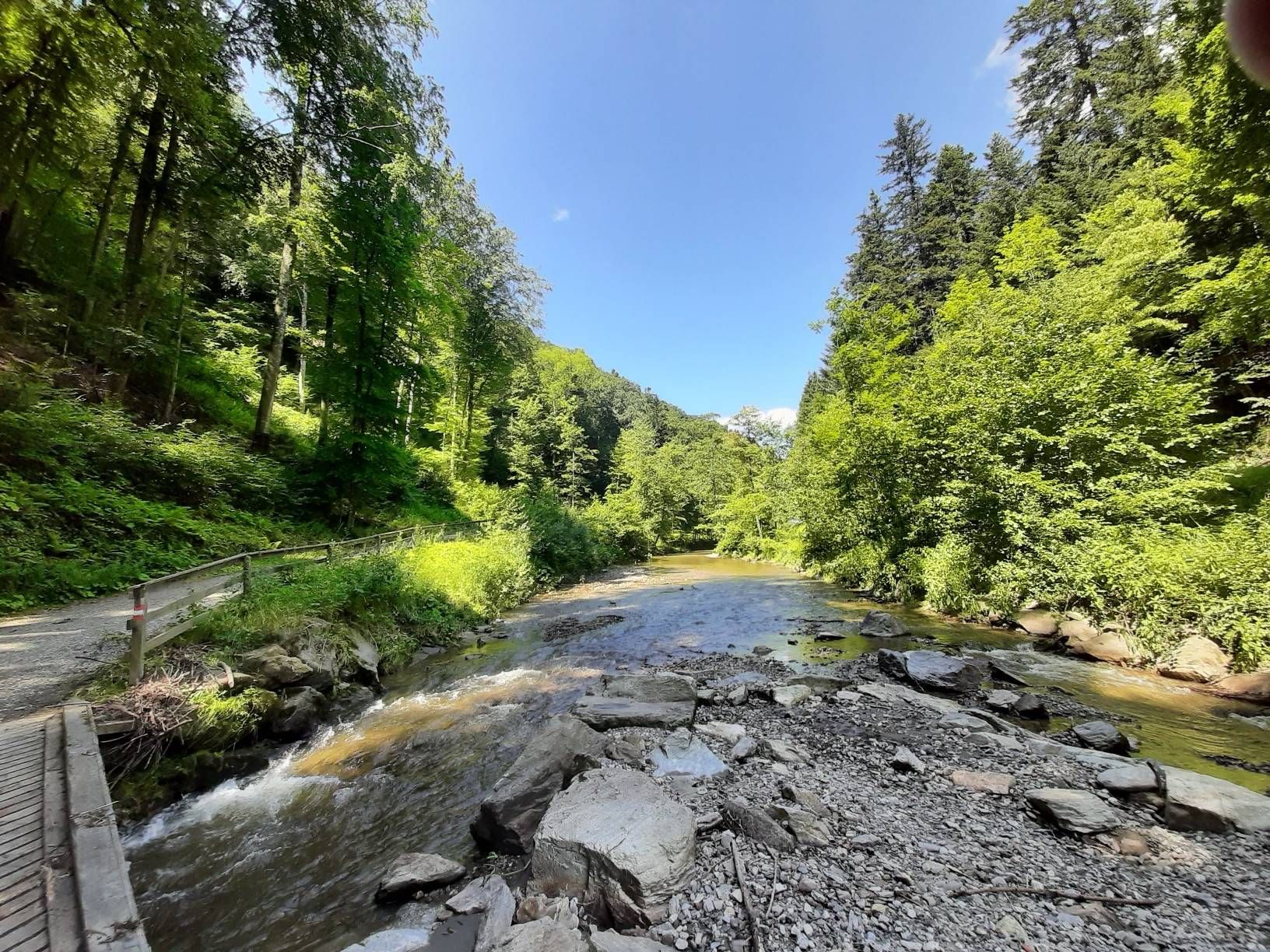
Steinerne Wehr Sulm River Bath
Highlight • River
Translated by Google •
Tip by

Kipferlbad Natural Swimming Pond
Highlight • Lake
Further information and opening hours can be found here: poelfing-brunn.at/tourismus-freizeit/kipferlbad.
Showing Translation
Tip by

Sign up now to discover places like this
Get recommendations on the best single tracks, peaks, & plenty of other exciting outdoor places.
Sign up for free
Confluence of the Lassnitz and the Sulm
Highlight • River
Showing Translation
Tip by

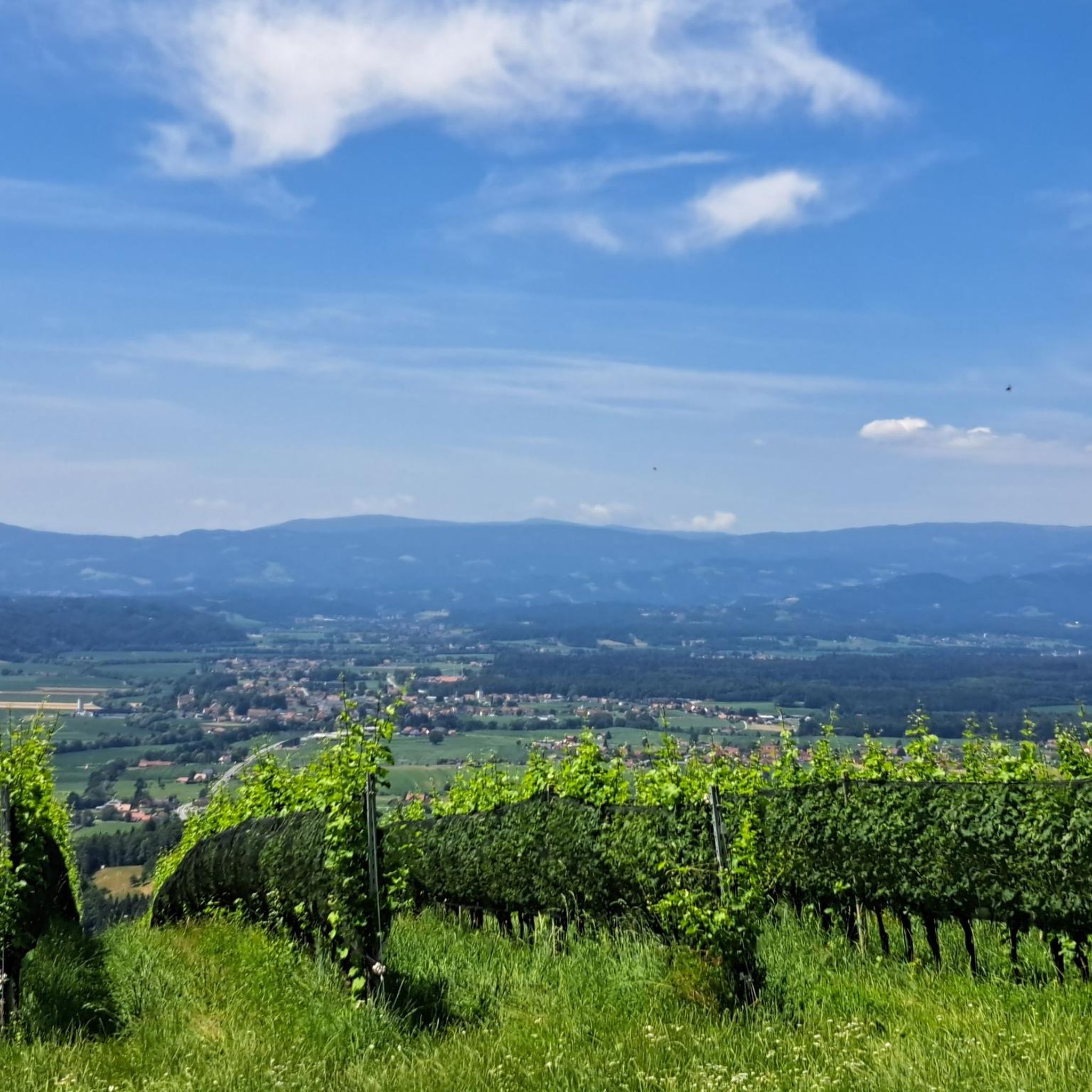
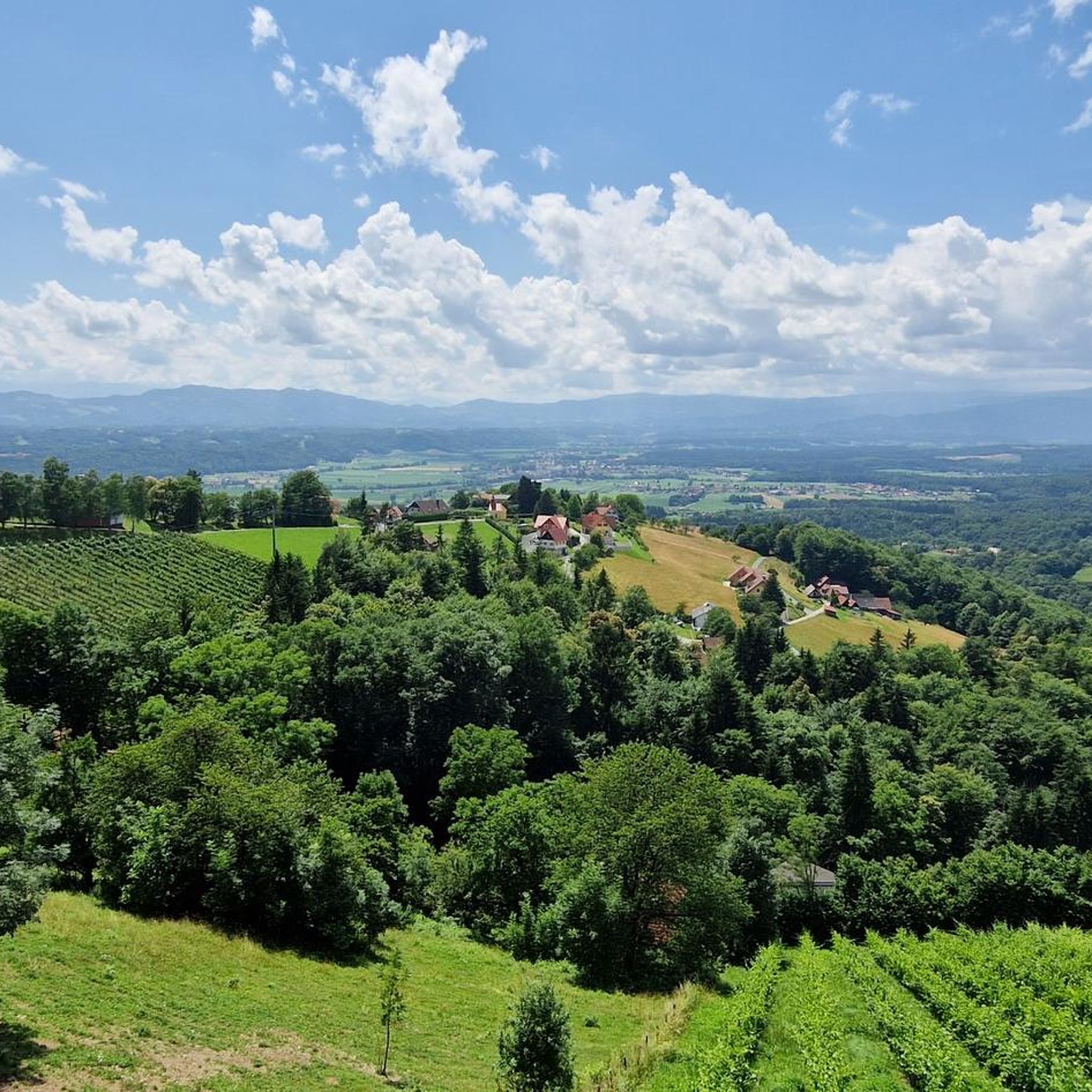
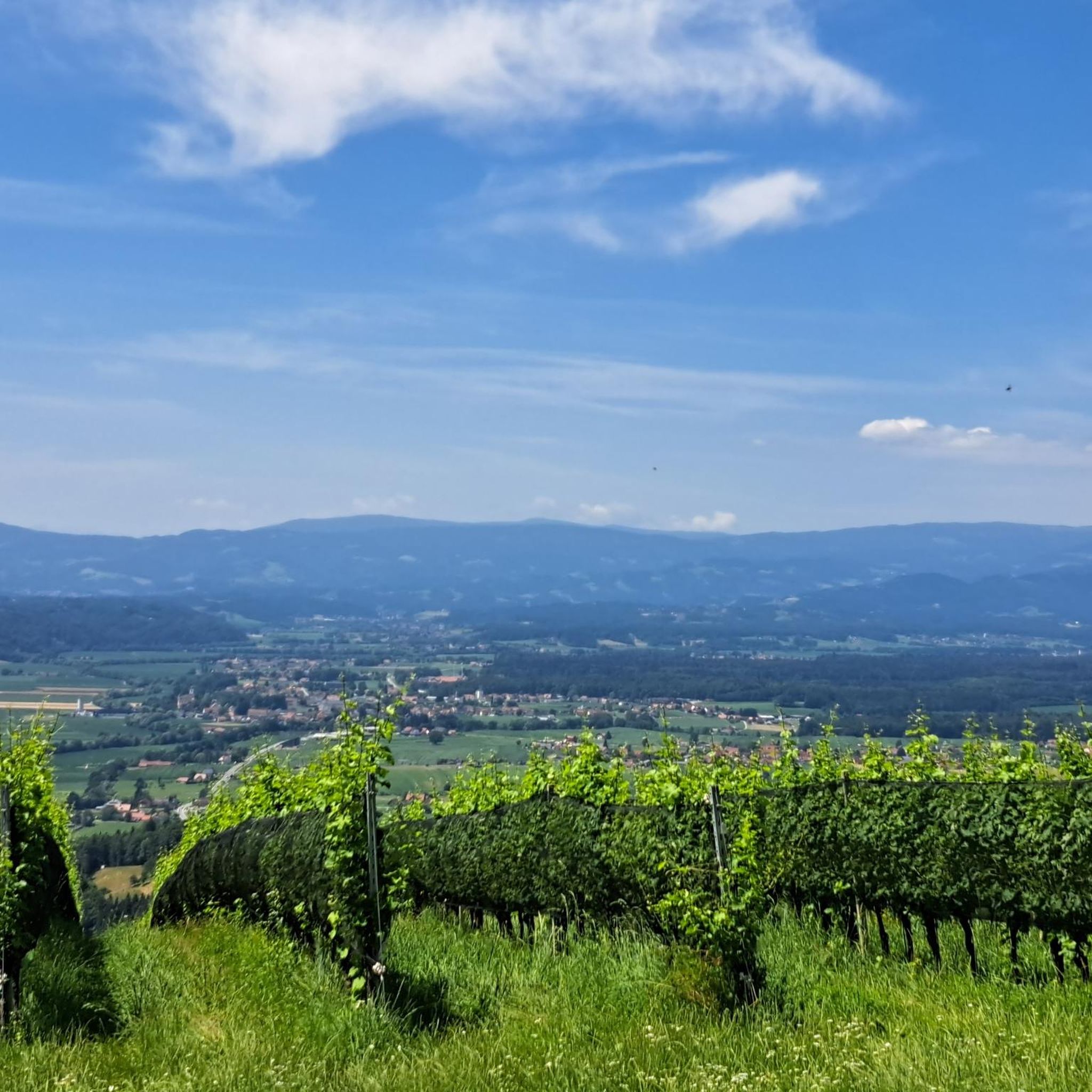
View of the Sulm Valley from Römerstraße, Einöd
Highlight • Viewpoint
Translated by Google •
Tip by

Annabründl Spring and Chapel
Highlight • Religious Site
Translated by Google •
Tip by

Sign up for free to discover even more natural monuments around Gleinstätten.
Sign up for free
Already have an account?
Start today with a free account
Your next adventure awaits.
Login or Signup

Other adventures around Gleinstätten

Tips from the Community

Perfect for cooling off in the summer heat.
0
0

The natural swimming pond is not that small at all and, in addition to the swimming area, also has a wonderful children's bathing area. Further information and opening hours can be found here: https://www.poelfing-brunn.at/tourismus-freizeit/kipferlbad/.
1
0

Weir at the confluence of Laßnitz and Sulm
0
0


Perfect Buschenschank perfect view
0
1

A path with fantastic views
0
0

a beautiful place at the confluence
0
0

Nice place to clear your feet in the Lassnitz in summer.
0
0
Frequently Asked Questions
What natural features can I explore around Gleinstätten?
The region offers diverse natural features, including river landscapes, scenic viewpoints, and historical natural sites. You can visit the Steinerne Wehr Sulm River Bath, where the Sulm River provides a natural swimming experience, or witness the Confluence of the Lassnitz and the Sulm. For panoramic vistas, the View of the Sulm Valley from Römerstraße, Einöd offers fantastic scenery.
Are there family-friendly natural monuments in the area?
Yes, several natural monuments are suitable for families. The Steinerne Wehr Sulm River Bath is ideal for all ages, offering natural swimming, beach volleyball, and other activities. The Confluence of the Lassnitz and the Sulm is also a pleasant spot for a family break by the water. Additionally, the Annabründl Spring and Chapel is freely accessible and offers a peaceful, historical setting.
What outdoor activities can I do near these natural monuments?
The area around Gleinstätten is excellent for various outdoor activities. You can enjoy cycling, road cycling, and mountain biking on numerous routes. For detailed tours, explore guides like Cycling around Gleinstätten, Road Cycling Routes around Gleinstätten, and MTB Trails around Gleinstätten. The Steinerne Wehr Sulm River Bath also offers canoeing, beach volleyball, and slacklining.
Are there any historical natural sites or geological features to visit?
Yes, the region features unique historical and geological sites. The Teufelsgraben at Kleinjöß is a striking ground monument, a wall-ditch system dating back to late antiquity (380-450 AD). The Annabründl Spring and Chapel, with its traditional healing spring and 17th-century origins, also offers a blend of natural and historical significance.
What is the best time of year to visit the natural monuments around Gleinstätten?
The natural monuments are enjoyable throughout the warmer months, generally from spring to autumn. Summer is ideal for activities like swimming at the Steinerne Wehr Sulm River Bath and enjoying the recreational lake. Spring and autumn offer pleasant temperatures for hiking and cycling through the vineyards and along the rivers, with autumn providing beautiful foliage and wine harvest experiences.
Can I find hiking trails near the natural monuments?
Absolutely. The region is well-suited for hiking, especially around the Southern Styrian Wine Road vineyards, which offer breathtaking views. While specific hiking trails for each natural monument are not detailed here, the general area provides numerous paths for walks and longer hikes. You can find inspiration for routes in the cycling and MTB guides, which often share similar scenic paths.
What do visitors enjoy most about the natural monuments around Gleinstätten?
Visitors particularly appreciate the natural swimming experience at the Steinerne Wehr Sulm River Bath, noting its historical significance as Styria's oldest river bath and the variety of activities available. The panoramic views from spots like the View of the Sulm Valley from Römerstraße, Einöd are also highly praised. Many enjoy the peaceful atmosphere at the Confluence of the Lassnitz and the Sulm for refreshing breaks.
Are there any natural swimming opportunities besides the Sulm River Bath?
In addition to the Steinerne Wehr Sulm River Bath, Gleinstätten also features a natural swimming lake and campsite. This recreational lake offers a natural setting for swimming, along with amenities like beach volleyball, table tennis, and a children's playground, making it another popular spot for cooling off and recreation.
What is the Southern Styrian Wine Road and how does it relate to natural monuments?
The Southern Styrian Wine Road, often called 'the Tuscany of Austria,' is a picturesque region characterized by idyllic rolling vineyards. While not a single natural monument, it represents a significant cultivated natural landscape. It offers breathtaking views for hiking and cycling, allowing visitors to immerse themselves in the region's culinary culture and enjoy local wines amidst stunning scenery.
Are there places to eat or get refreshments near the natural monuments?
Yes, you'll find options for refreshments. The Steinerne Wehr Sulm River Bath has a buffet. Along the Southern Styrian Wine Road, you'll encounter numerous 'Buschenschanken' (traditional wine taverns) offering local wines and Styrian delicacies. The Gleinstätten Natural Swimming Lake also has a lake pavilion with culinary options.
Is it possible to camp near any of the natural monuments?
Yes, camping is an option. The Steinerne Wehr Sulm River Bath offers camping facilities, allowing visitors to stay close to the natural river environment. The Gleinstätten Natural Swimming Lake also has an adjacent campsite.
What makes the Annabründl Spring special?
The Annabründl Spring and Chapel is known for its spring water, which, according to tradition, is believed to have healing effects, particularly for eye diseases. This historical site, with a chapel dating back to the 17th century, is freely accessible year-round and offers a peaceful, spiritual natural experience.
Most popular routes around Gleinstätten
Most popular attractions around Gleinstätten

Get inspired with the komoot mobile app


Explore more
Extend your search for the best caves by checking out these guides of the top ones around Gleinstätten:
