Top 20 Natural Monuments around Eisgarn
Best natural monuments around Eisgarn include a variety of geological formations and unique natural areas within the Waldviertel region of Austria. These sites often feature impressive granite rock formations and distinctive moorland landscapes. Many natural monuments are integrated into local hiking trails, offering opportunities to explore both nature and regional folklore. The area provides a blend of geological interest and cultural narratives.
Best natural monuments around Eisgarn
- The most popular natural monuments is Gemeindeau Moor Boardwalk, a natural monument that features a footbridge allowing visitors to explore a raised moor. This trail provides extensive information on moorland and its 10,000-year vegetation history.
- Another must-see spot is Wackelstein, a natural monument and summit. Visitors can find a 105-ton granite boulder that can be set in motion, located in a sparse coniferous forest.
- Visitors also love Cheese in the Loaf, a natural monument with a unique granite formation. This multi-layered giant rock is named for its resemblance to a thick slice of cheese in a loaf of bread.
- Eisgarn is known for its granite rock formations and moorland areas. The region offers a variety of natural monuments to see and explore, each with distinct geological features and local stories.
- The natural monuments around Eisgarn are appreciated by the komoot community. These sites have received 91 upvotes and feature 76 photos from visitors.
Last updated: June 24, 2026
Gemeindeau Moor Boardwalk
Highlight • Natural Monument
Translated by Google •
Tip by

Wackelstein
Highlight • Natural Monument
Translated by Google •
Tip by

Sign up now to discover places like this
Get recommendations on the best single tracks, peaks, & plenty of other exciting outdoor places.
Sign up for free
Heidenreichstein Moor Shelter
Highlight • Mountain Hut
Translated by Google •
Tip by

Höllstein
Highlight • Natural Monument
Translated by Google •
Tip by

Cheese in the Loaf
Highlight • Natural Monument
You should have seen it!
You can find the exact story on an information board in front of the stone and in the photos here!
Translated by Google •
Tip by
Sign up for free to discover even more natural monuments around Eisgarn.
Sign up for free
Already have an account?
Start today with a free account
Your next adventure awaits.
Login or Signup
Tips from the Community

Impressive rock formations in the forest
0
0

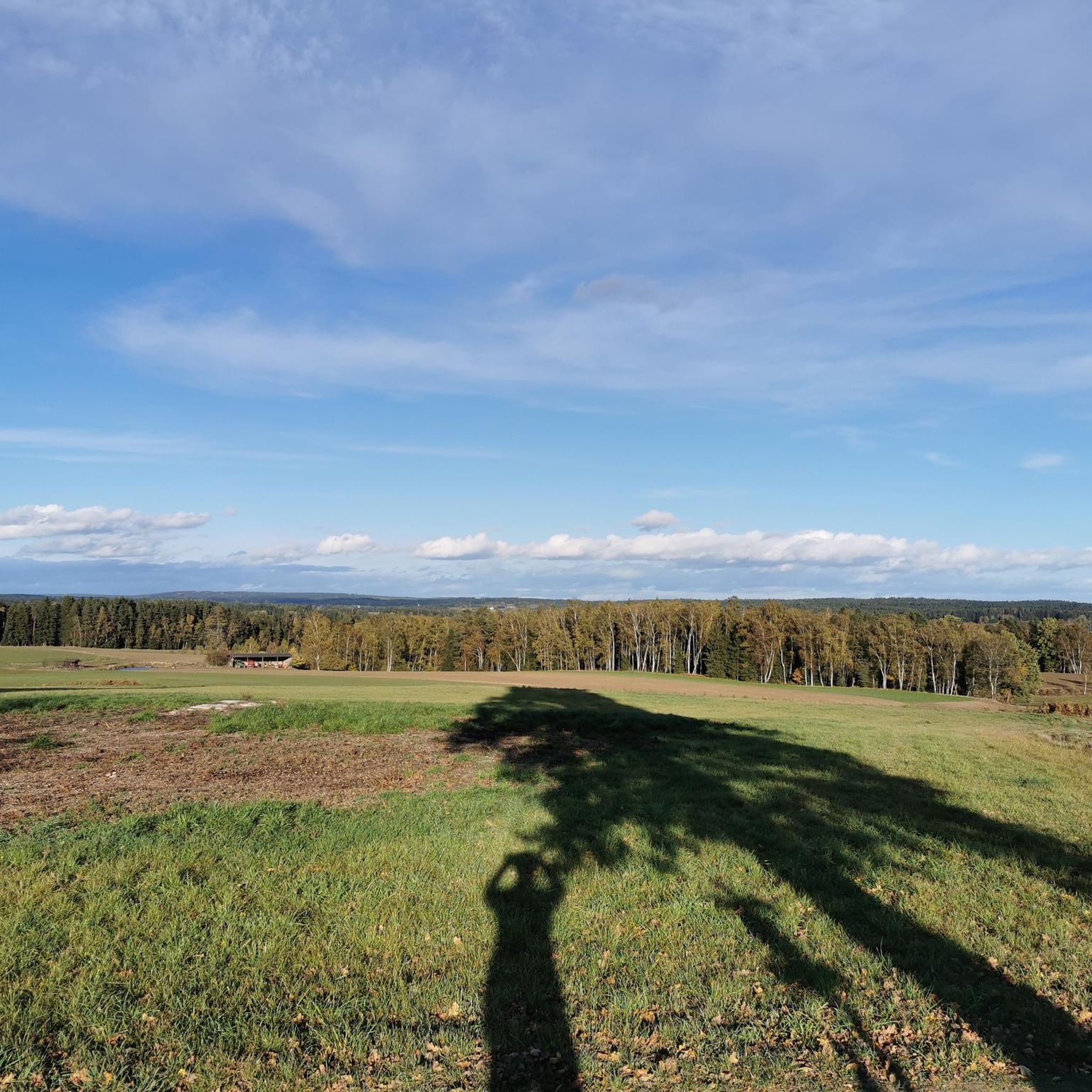
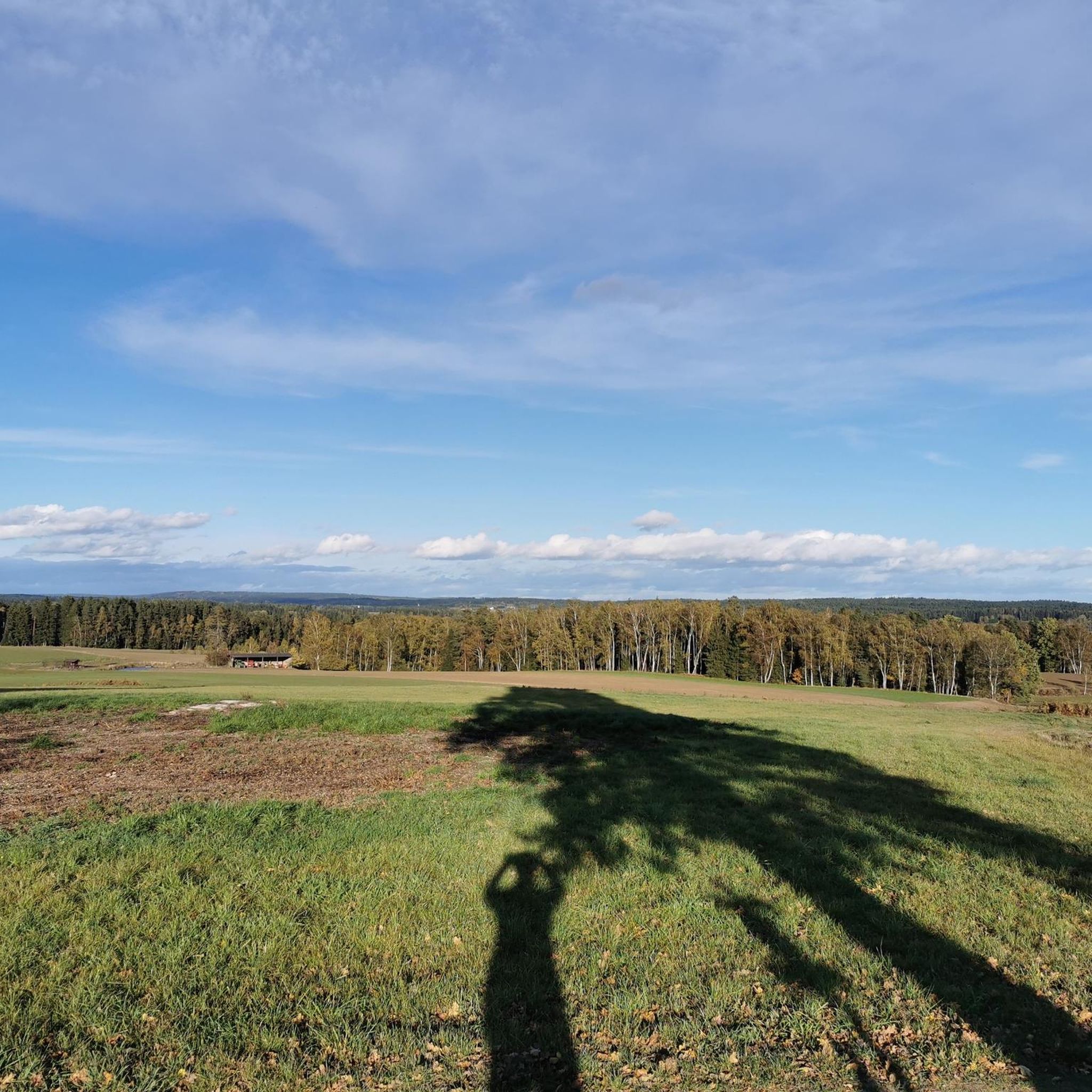
Physical forces are truly something amazing... The wobbly stone in a sparse coniferous forest near Amaliendorf weighs 105 tons - and can still be set in motion! That's why the granite giant is a minor celebrity in the Waldviertel. [waldviertel.at]
2
0


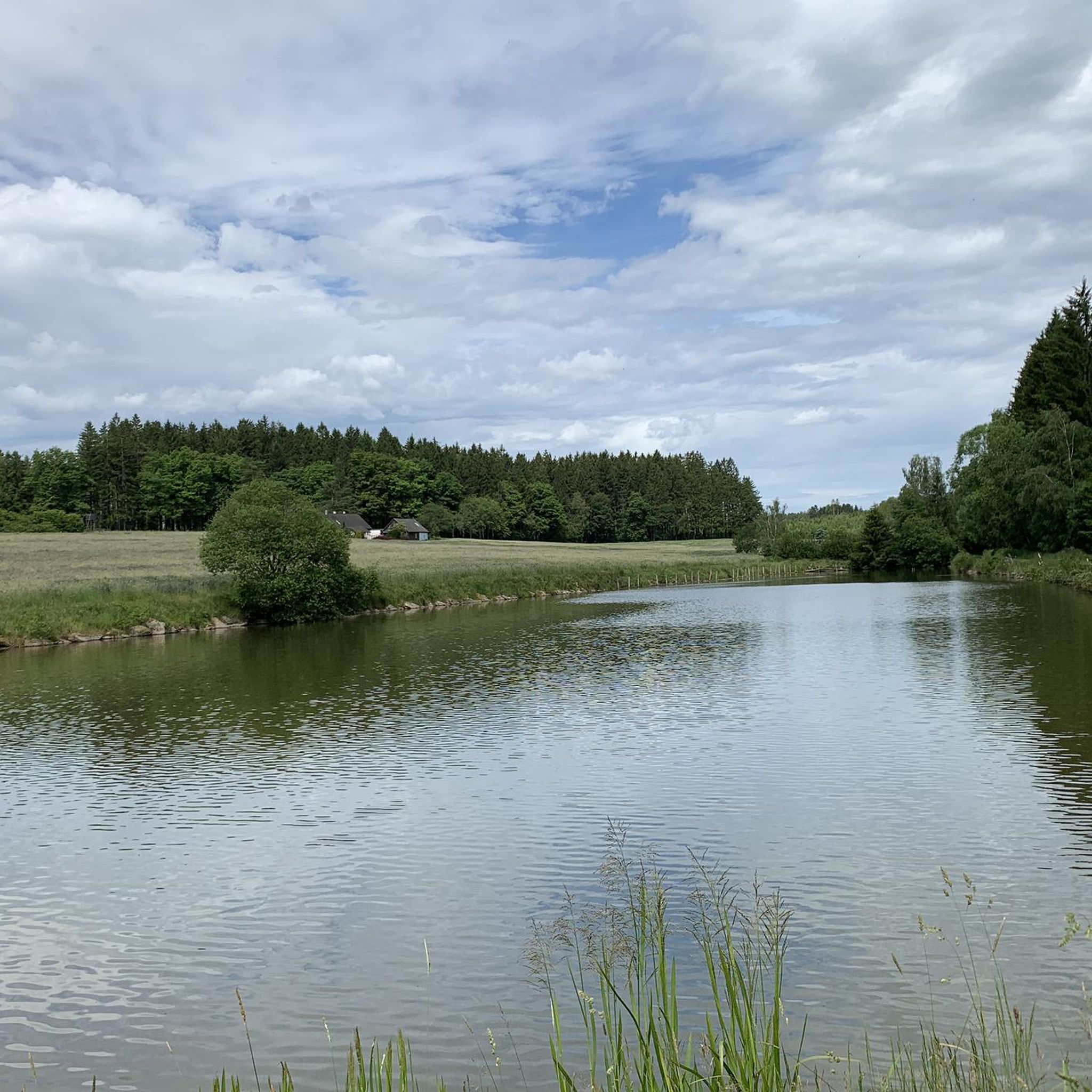
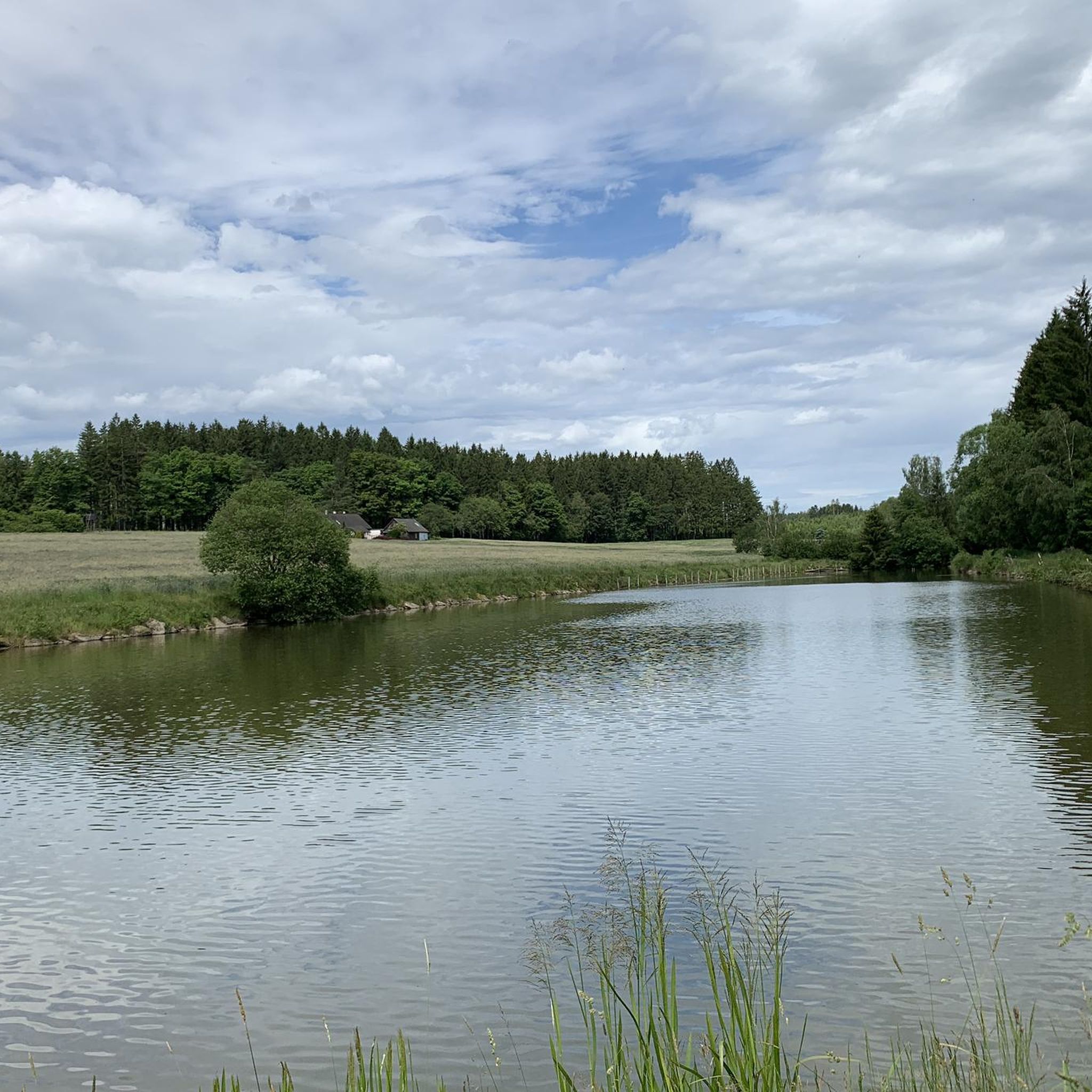
The heart of the nature park is the raised moor near the town of Heidenreichstein in the northwestern Waldviertel. The open moor areas and the forest on the edge of the Winkelauer Pond bear witness to a vegetation history that goes back more than 10,000 years. Areas of peat moss, sundew and cotton grass give an idea of the original moorland landscape.
2
0
In the nature park, the preservation of the “moor” habitat has the highest priority alongside climate protection. Moors are not characterized by a very large variety of plants and animals, but by relatively few but extremely specialists, such as the northern moss damsel (a type of dragonfly) and the moor frog.
2
0
The footbridge allows visitors to immerse themselves deeply in the vegetation of the raised moor. Hikers in Heidenreichstein have more than 10,000 years of vegetation history stored in the peat at their feet. Peatlands formed in wet hollows and depressions after the last ice age more than 10,000 years ago. They consist of plant residues that accumulate in the wet body of the moor in the absence of air. Therefore, bogs are, in a sense, nature's long-term memory.
4
0
This hiking trail impresses with its beauty and the extensive information on moorland. You should take your time here and enjoy the exciting tour through this impressive landscape.
7
0
Frequently Asked Questions
What are some unique natural monuments to visit around Eisgarn?
Eisgarn and its surroundings offer several distinctive natural monuments. You can explore the Gemeindeau Moor Boardwalk, which allows you to walk through a raised moor and learn about its 10,000-year vegetation history. Another fascinating site is Wackelstein, a 105-ton granite boulder that can actually be set in motion. Don't miss Cheese in the Loaf, a multi-layered granite formation named for its resemblance to a thick slice of cheese in bread.
Are there any natural monuments around Eisgarn with interesting legends or historical significance?
Yes, several natural monuments in the region are steeped in local folklore and history. The Kolomanistein, for instance, is a granite formation where Saint Koloman is said to have rested, and its basin is believed to have healing properties. The Katzenstein, an impressive stack of granite blocks, has legends of wildcats or human disputes. Another intriguing site is Die Fünf Brüder, five granite blocks with various tales of petrified noble rulers or tragic love. The Höllstein is also associated with the robber captain Grasel.
What kind of natural features can I expect to see among Eisgarn's natural monuments?
The natural monuments around Eisgarn primarily showcase impressive granite rock formations, which are characteristic of the Waldviertel region. You'll encounter massive boulders, unique geological structures, and sometimes even 'wobbling' stones. Additionally, the region features distinctive moorland landscapes, such as those found at the Gemeindeau Moor Boardwalk, offering insights into ancient vegetation history.
Are the natural monuments around Eisgarn suitable for families with children?
Many of the natural monuments in the Eisgarn area are family-friendly. Sites like the Gemeindeau Moor Boardwalk and Wackelstein are great for children, offering engaging experiences and opportunities for exploration. The Heidenreichstein Moor Shelter area also provides educational and interactive experiences for families.
Are there easy hiking trails to access the natural monuments in Eisgarn?
Yes, there are several easy hiking trails that lead to or incorporate the natural monuments. The Katzenstein Trail is a popular circular route that includes the Katzenstein and Die Fünf Brüder. You can also find easy routes like the Höllstein loop from Katastralgemeinde Loimanns, which passes by the Höllstein. For more options, explore the Easy hikes around Eisgarn guide.
What outdoor activities can I combine with a visit to Eisgarn's natural monuments?
Beyond exploring the natural monuments themselves, the Eisgarn region is excellent for various outdoor activities. You can enjoy hiking on numerous trails, including those that pass by the monuments. The area also offers opportunities for running, with several routes detailed in the Running Trails around Eisgarn guide, and road cycling, with routes available in the Road Cycling Routes around Eisgarn guide.
What is the best time of year to visit the natural monuments around Eisgarn?
The natural monuments around Eisgarn can be visited year-round, but the best time for hiking and outdoor exploration is typically from spring to autumn. During these seasons, the weather is generally milder, and the trails are more accessible. Spring brings lush greenery, while autumn offers beautiful fall foliage. Some areas, like the moorlands, are particularly enchanting in their seasonal transitions.
Can I bring my dog to the natural monuments around Eisgarn?
Generally, dogs are welcome on trails and in natural areas around Eisgarn. However, it's always advisable to keep them on a leash, especially in nature reserves or areas with wildlife, and to clean up after them. Specific rules might apply to certain protected areas, so look for local signage.
Is there parking available near the natural monuments in Eisgarn?
Yes, parking is typically available near the more popular natural monuments and trailheads. For instance, there are designated parking areas for accessing the Katzenstein Trail and other key sites. It's recommended to check local information or trail maps for specific parking locations before your visit.
What do visitors enjoy most about the natural monuments around Eisgarn?
Visitors particularly enjoy the unique blend of geological wonders and rich local folklore. The opportunity to interact with nature, such as setting the Wackelstein in motion or exploring the Gemeindeau Moor Boardwalk, is highly appreciated. The extensive information provided on moorland history and the intriguing legends associated with formations like the Kolomanistein and Katzenstein also add a captivating cultural dimension to the natural beauty.
Are there any hidden gems among Eisgarn's natural monuments that are less known?
While many natural monuments are well-known, the region has many smaller, equally fascinating granite formations and unique spots integrated into local hiking paths. Exploring the various trails, such as those in the Blockheide-Gmünd-Eibenstein Nature Park, can lead you to less-frequented but equally impressive geological features and serene natural settings that offer a quieter experience.
Most popular attractions around Eisgarn

Get inspired with the komoot mobile app


Explore more
Extend your search for the best caves by checking out these guides of the top ones around Eisgarn:
