Top 16 Natural Monuments around Kautzen
Natural monuments around Kautzen showcase the unspoiled beauty of the northern Waldviertel region. This area features diverse natural landscapes, including high moor ecosystems and distinctive granite rock formations. Visitors can explore protected environments, such as nature reserves and Natura 2000 habitats, offering opportunities for nature observation. The region provides a blend of natural features and local geological significance.
Best natural monuments around Kautzen
- The most popular natural monuments is Gemeindeau Moor Boardwalk, a natural monument and trail that allows…
Last updated: June 24, 2026
Gemeindeau Moor Boardwalk
Highlight • Natural Monument
Translated by Google •
Tip by

Heidenreichstein Moor Shelter
Highlight • Mountain Hut
Translated by Google •
Tip by

Sign up now to discover places like this
Get recommendations on the best single tracks, peaks, & plenty of other exciting outdoor places.
Sign up for free
Höllstein
Highlight • Natural Monument
Translated by Google •
Tip by

Thayatal Nature Park Dobersberg
Highlight • Natural Monument
Translated by Google •
Tip by

Hanging Stone
Highlight • Natural Monument
Translated by Google •
Tip by

Sign up for free to discover even more natural monuments around Kautzen.
Sign up for free
Already have an account?
Start today with a free account
Your next adventure awaits.
Login or Signup
Tips from the Community


A huge granite remnant, impressive what shapes nature creates
1
0

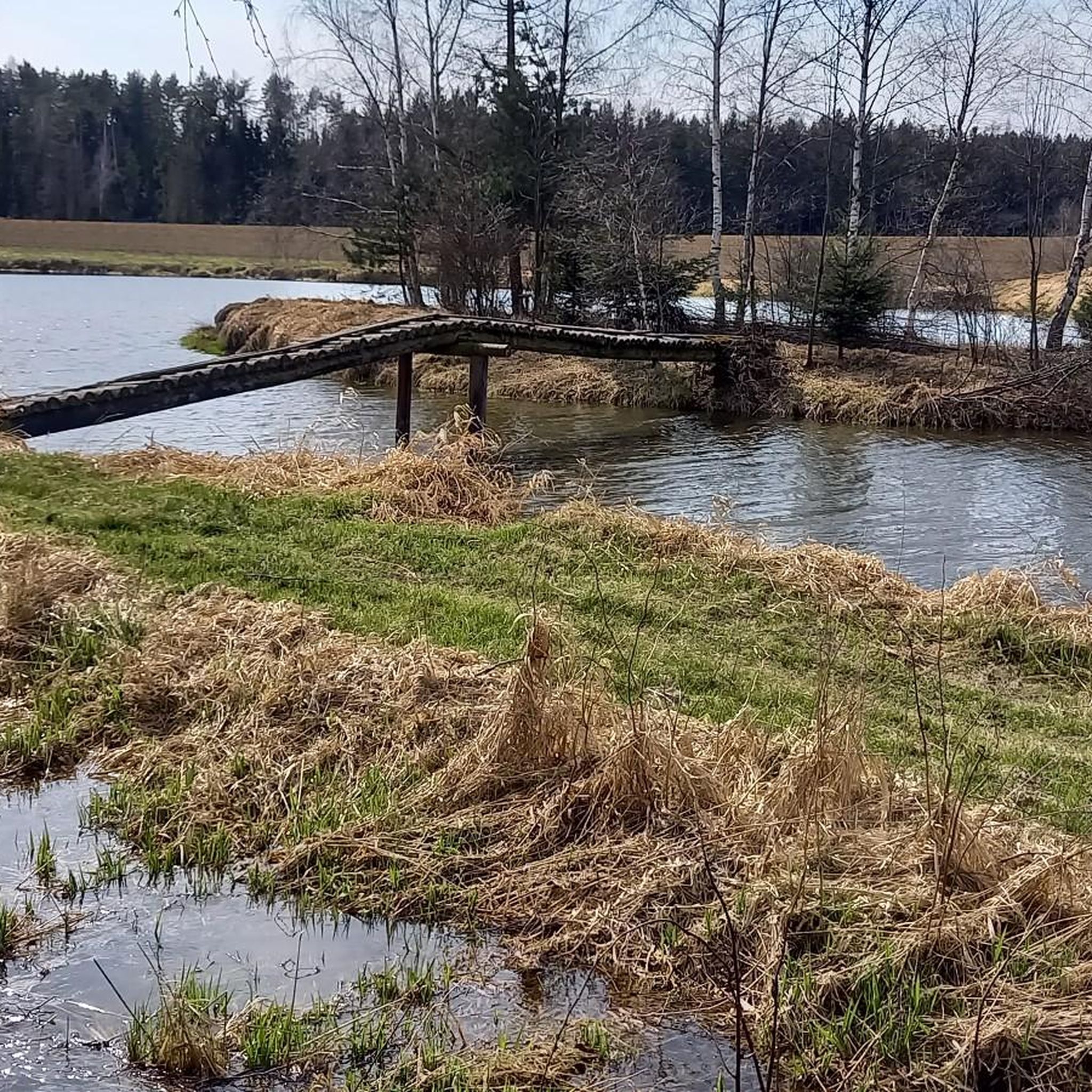
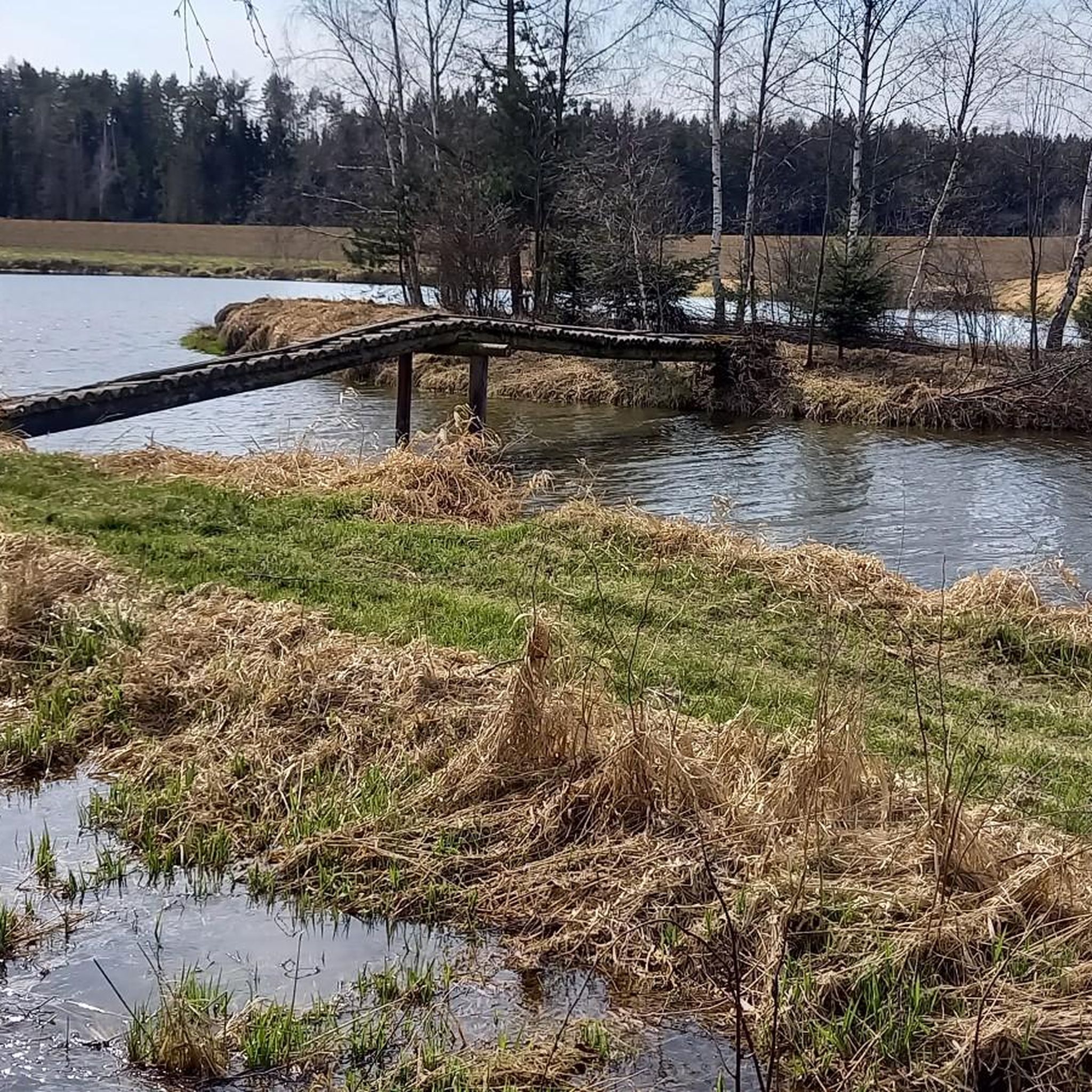
The heart of the nature park is the raised moor near the town of Heidenreichstein in the northwestern Waldviertel. The open moor areas and the forest on the edge of the Winkelauer Pond bear witness to a vegetation history that goes back more than 10,000 years. Areas of peat moss, sundew and cotton grass give an idea of the original moorland landscape.
2
0
In the nature park, the preservation of the “moor” habitat has the highest priority alongside climate protection. Moors are not characterized by a very large variety of plants and animals, but by relatively few but extremely specialists, such as the northern moss damsel (a type of dragonfly) and the moor frog.
2
0
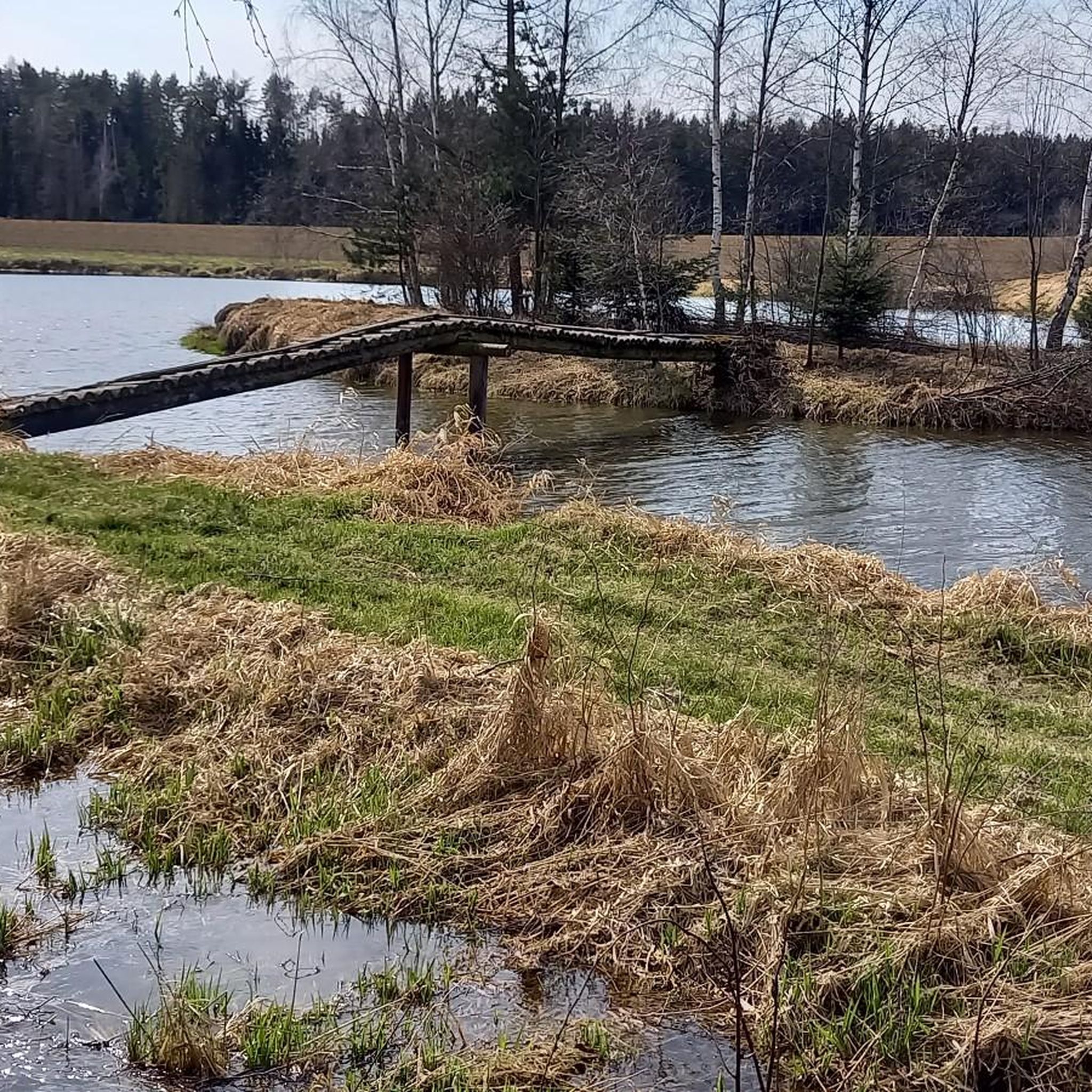
The footbridge allows visitors to immerse themselves deeply in the vegetation of the raised moor. Hikers in Heidenreichstein have more than 10,000 years of vegetation history stored in the peat at their feet. Peatlands formed in wet hollows and depressions after the last ice age more than 10,000 years ago. They consist of plant residues that accumulate in the wet body of the moor in the absence of air. Therefore, bogs are, in a sense, nature's long-term memory.
4
0
This hiking trail impresses with its beauty and the extensive information on moorland. You should take your time here and enjoy the exciting tour through this impressive landscape.
7
0
The natural monument is a mystical place. Here you can relax.
4
0

A mighty rock and a beautiful photo motif
2
0
Frequently Asked Questions
What unique natural features can I explore around Kautzen?
The Kautzen region offers a diverse range of natural spectacles. You can explore unique high moor landscapes, such as the Gemeindeau Moor Boardwalk and the Heidenreichstein Moor Shelter within the Heidenreichsteiner Moor Nature Park. The area is also known for its distinctive granite rock formations, including the Paulstein Natural Monument along the Thaya River, the mystical Scorpion Stone, and the impressive Höllstein.
Are there family-friendly natural monuments in the Kautzen area?
Yes, several natural monuments around Kautzen are suitable for families. The Gemeindeau Moor Boardwalk offers an easy and informative trail through the moorland. The Heidenreichstein Moor Shelter area is also family-friendly, and guided hikes can be booked. Additionally, the Thayatal Nature Park Dobersberg provides accessible paths through riparian forests and cultural landscapes, perfect for a family outing.
Where can I experience moorland landscapes near Kautzen?
The Heidenreichsteiner Moor Nature Park is the primary location to experience moorland landscapes near Kautzen. Here, you can walk along the Gemeindeau Moor Boardwalk, which allows you to immerse yourself in the vegetation of a raised moor and learn about its 10,000-year history. The Heidenreichstein Moor Shelter is also located within this 30-hectare high moor, which is a nature reserve, Natura 2000 habitat, and bird sanctuary.
Are there any natural monuments with historical or mystical significance?
Yes, the region has several sites with intriguing stories. The Scorpion Stone near Engelbrechts is a granite formation believed to correspond to the constellation of the Scorpion and is said to possess healing and energetic properties. The Höllstein, also known as 'Graselstein,' is associated with the legendary robber captain Grasel, who allegedly hid in a cave behind the massive granite boulder in the early 19th century. The area also features Celtic burial mounds dating back to 400 BC.
What kind of hiking trails are available near Kautzen's natural monuments?
The Kautzen area offers a variety of hiking trails that lead to and around its natural monuments. You can find easy hikes, such as the Hanging Stone – Gemeindeau Moor Boardwalk loop, which is about 3.8 km long. For those seeking more moderate options, the Arena Geomantica Stone Circle – Wild Boar Enclosure loop is a good choice. Many trails allow you to explore the unspoiled nature of the northern Waldviertel.
Can I bring my dog to the natural monuments around Kautzen?
While specific regulations for each natural monument may vary, generally, many outdoor areas in the Waldviertel are dog-friendly, especially on marked trails. It's always recommended to keep dogs on a leash to protect local wildlife and ensure a pleasant experience for all visitors. The Thayatal Nature Park Dobersberg, for example, is a great place for walks with your dog.
What is the best time of year to visit the natural monuments in Kautzen?
The natural monuments around Kautzen can be enjoyed throughout the year, each season offering a different charm. Spring and autumn provide pleasant temperatures for hiking and vibrant natural colors. Summer is ideal for exploring the shady forests and moorlands. Even in winter, the landscapes can be beautiful, though some trails might be less accessible depending on snow conditions. The Gemeindeau Moor Boardwalk is particularly impressive in all seasons.
Are there any natural monuments that offer impressive views?
Yes, the region provides several spots with scenic vistas. The Paulstein Natural Monument, situated directly on the Thaya River, offers picturesque views of the river and its surroundings. The 'Hoher Stein' is recognized as the highest elevation within the Kautzen municipality, providing hikers with expansive views. Additionally, the Hanging Stone is noted for its impressive appearance in the forest.
How accessible are the natural monuments around Kautzen?
Accessibility varies by monument. The Gemeindeau Moor Boardwalk is designed for easy exploration, making the unique moorland ecosystem accessible. While many natural monuments are in forested areas and may involve uneven terrain, some paths are well-maintained. For specific accessibility needs, it's advisable to check details for individual sites. The Thayatal Nature Park Dobersberg also features accessible areas.
Are there options for cycling near the natural monuments?
Yes, the region is suitable for cycling. The Thayatal-Radweg (Thaya Valley Cycle Path) passes directly by the Paulstein Natural Monument, offering a great way to combine cycling with nature observation. For mountain biking enthusiasts, there are several MTB trails around Kautzen, including routes that take you past various natural highlights and through the scenic Waldviertel landscape.
What do visitors particularly enjoy about the natural monuments in Kautzen?
Visitors frequently praise the unspoiled beauty and tranquility of the natural monuments. The Gemeindeau Moor Boardwalk is loved for its beauty and informative displays about moorland. The Hanging Stone is considered a mystical place for relaxation, and the Höllstein offers a refreshing walk through shady forests. The ecological significance of sites like the Heidenreichsteiner Moor Nature Park is also highly valued.
Where can I find granite rock formations near Kautzen?
The Kautzen region is rich in granite rock formations. Notable examples include the Paulstein Natural Monument on the Thaya River, an impressive 35-meter-long and 8-10-meter-high rock structure. The Scorpion Stone near Engelbrechts is another distinctive granite formation. You can also find the massive granite block of Höllstein along the Föhrenbach south of Litschau, and the Hanging Stone deep within the forest.
Most popular attractions around Kautzen

Get inspired with the komoot mobile app


Explore more
Extend your search for the best caves by checking out these guides of the top ones around Kautzen:
