Top 20 Natural Monuments around Langschlag
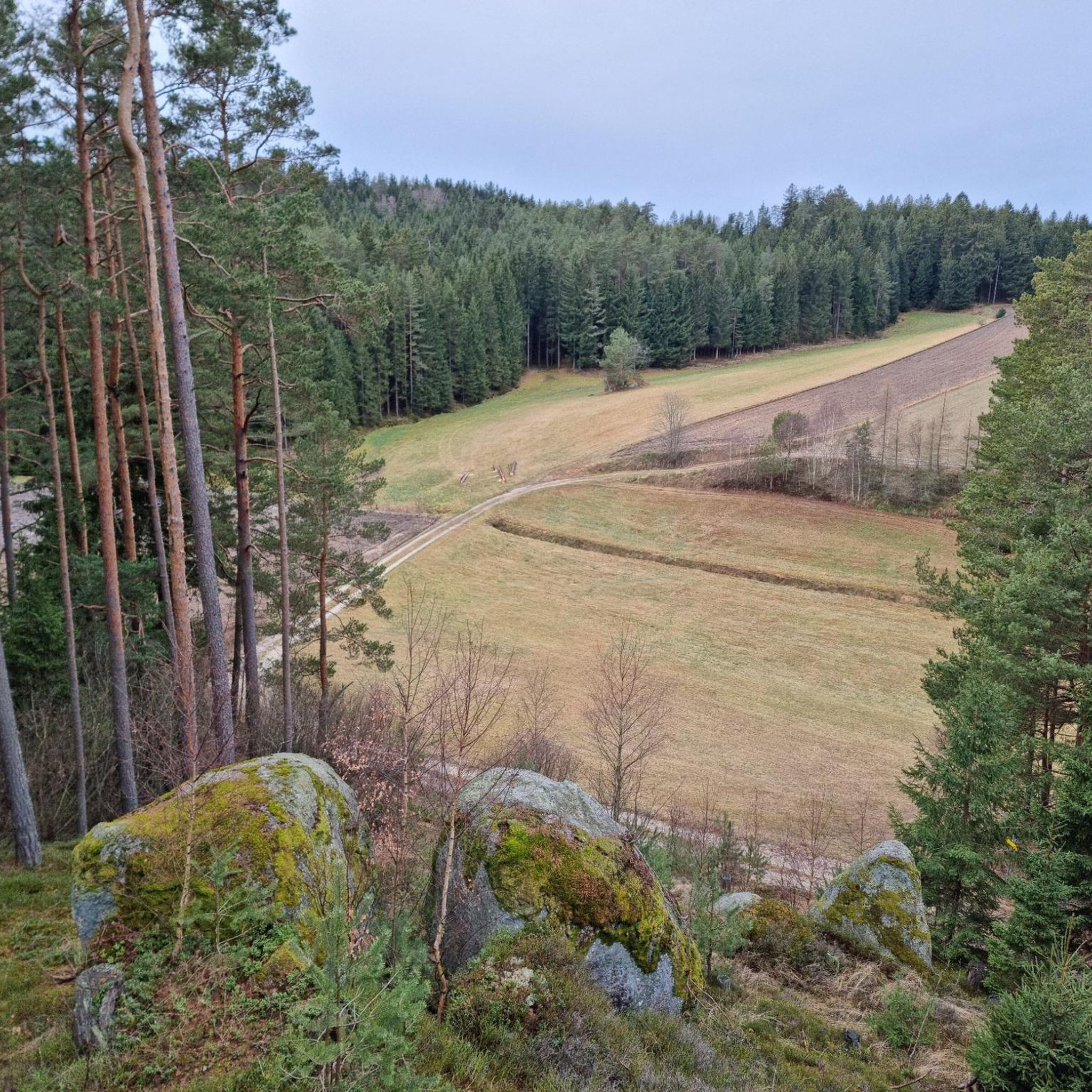
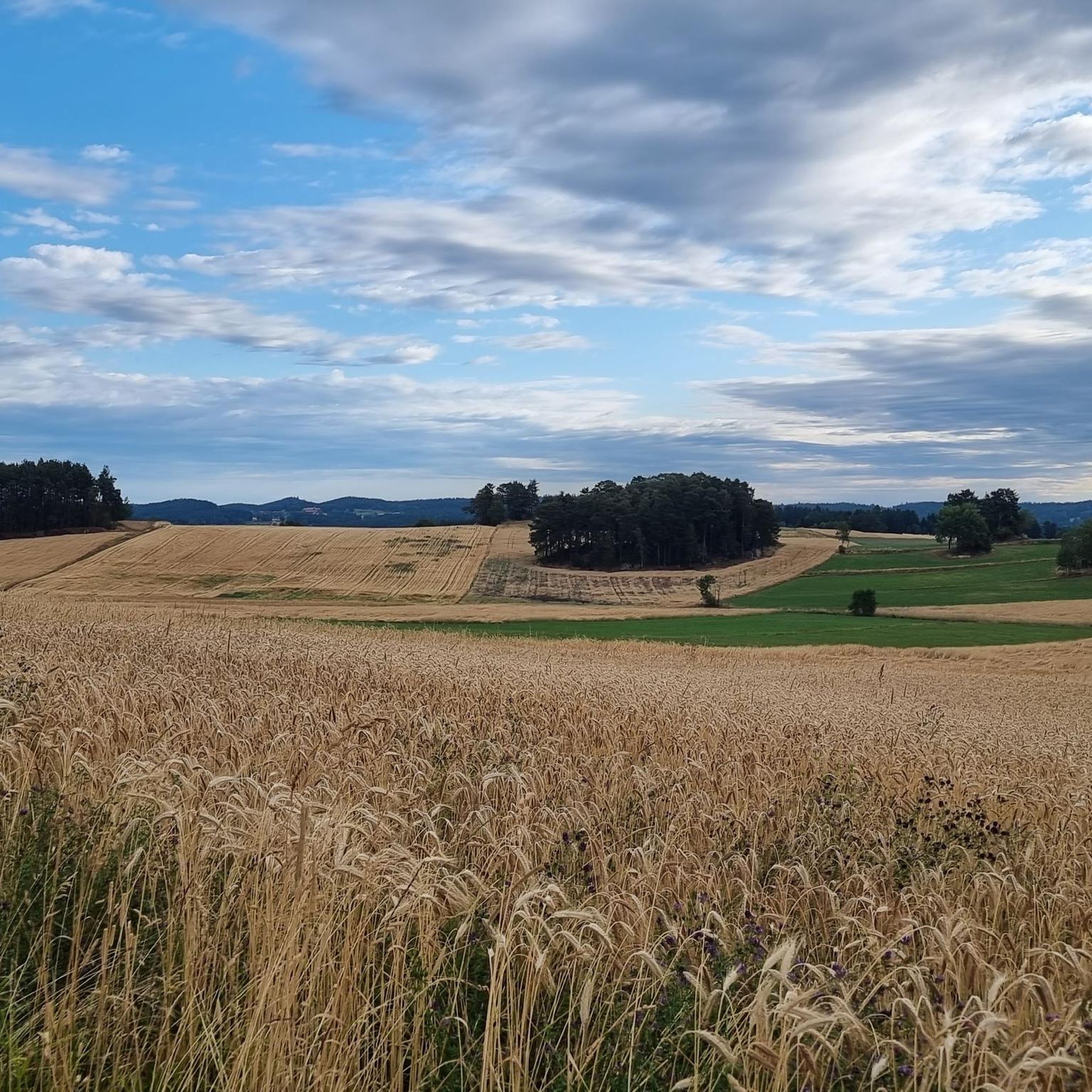
Best natural monuments around Langschlag are found in the scenic Waldviertel region of Austria. This area is characterized by granite formations, rolling hills, and moorlands. The landscape offers unique geological features and diverse natural experiences. Langschlag provides access to a variety of natural attractions, from ancient moors to distinctive rock formations.
Best natural monuments around Langschlag
- The most popular natural monuments is Nebelstein Hut, a hut that serves as a popular destination for hikers and offers overnight stays. It…
Last updated: October 11, 2026
Nebelstein Hut
Highlight • Mountain Hut
Translated by Google •
Tip by

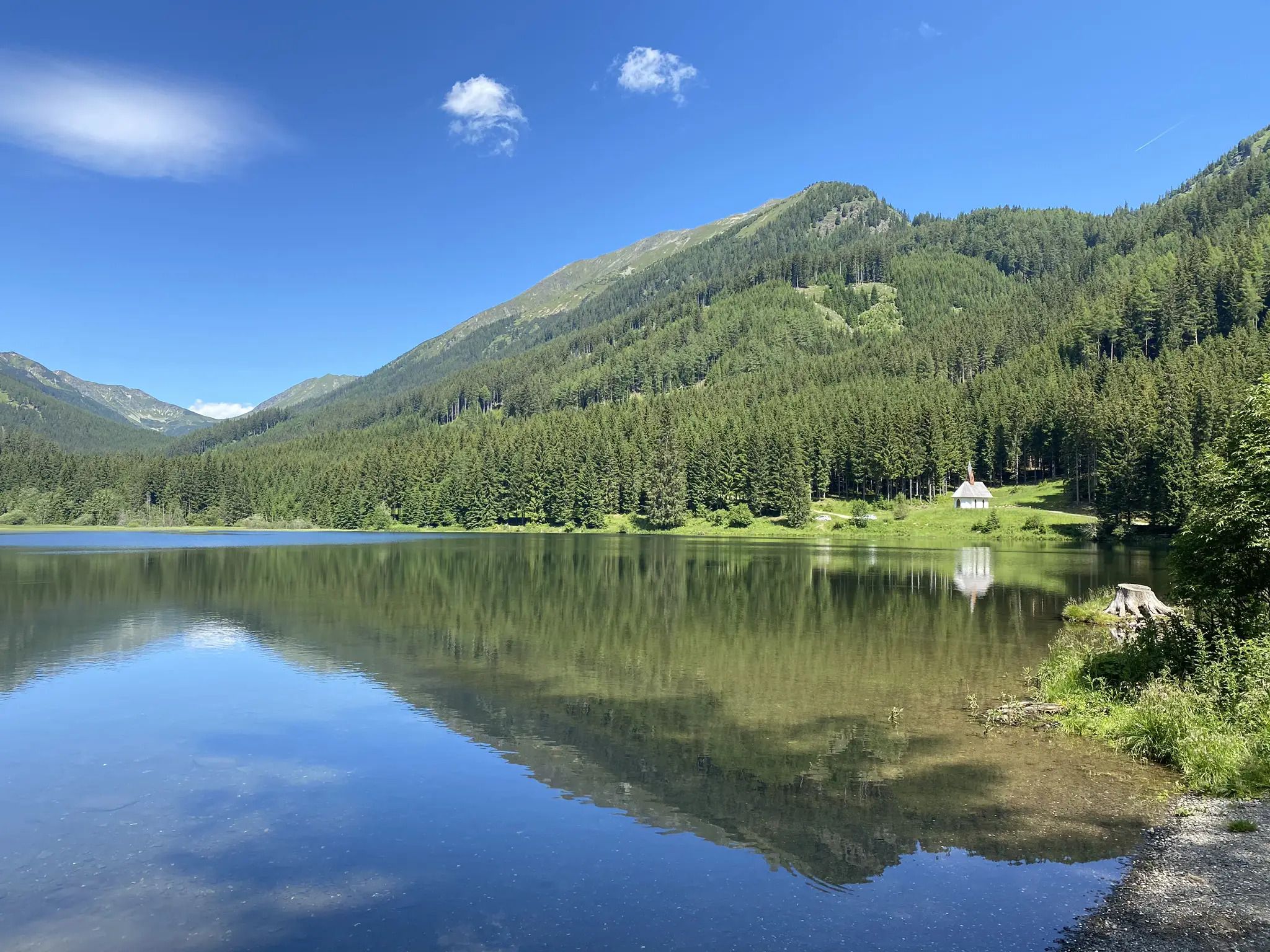
Rubner Pond in the Tannermoor
Highlight • Lake
Translated by Google •
Tip by

Sign up now to discover places like this
Get recommendations on the best single tracks, peaks, & plenty of other exciting outdoor places.
Arbesbach Castle Ruins
Highlight • Castle
Translated by Google •
Tip by

Lainsitz Spring
Highlight • River
de.wikipedia.org/wiki/Lainsitz
Translated by Google •
Tip by

Brockenberg Summit and Observation Tower
Highlight • Summit
Translated by Google •
Tip by

Sign up for free to discover even more natural monuments around Langschlag.
Already have an account?
Start today with a free account
Your next adventure awaits.
Other adventures around Langschlag

Tips from the Community

The marked narrow MTB trail from Stadlberg upwards starts quite harmlessly, but then increases in gradient and also contains tricky narrow sections with larger stones; for the "cautious" alternatives via wider paths to the left/right would be recommended.
0
0

Arbesbach Castle is a top highlight that you should definitely plan a visit to. Even from a distance, you can recognize the so-called "Waldviertel's fang" (Stockzahn des Waldviertels). Once you arrive at the site, 126 steps lead up to the entrance where admission (currently €2.50) is payable in coins or by card. Then it continues inside upwards to the platform, which offers a fantastic view. There is also a circular path around the tower, which however requires some surefootedness and suitable shoes.
0
0

The village was first mentioned in 1246 and was originally owned by the Kuenring line of Weitra-Rappottenstein. In 1282, the estate passed to the Lords of Falkenberg, and in 1291 to Ulrich von Kapelln. In the 14th century, Arbesbach is mentioned as a freehold property. From 1326 to 1348, it was owned by the Lords of Klingenberg, who in 1347 mortgaged "the castle and the house at Arbesbach" to Weikart and Katharina von Winkl. From 1348, Arbesbach was owned by the Lords of Dachsberg, and from 1423 by the Lords of Starhemberg. In 1480, the castle was destroyed by a Bohemian raiding party and was not rebuilt. In 1600, the estate passed to the Lords of Tschernembl, and in 1604 to Georg Fenzl von... Grueb and as early as 1605 to Georg Kaspar von Neuhaus. From 1614 owned by the Lords von Hackelberg, from 1675 to 1862 by the Countess Dietrichstein. Afterwards, it passed to the Herberstein, Geusau, and Baron Holtz families, and from 1877 onwards to the Altzinger family, who still own the estate today and reside in part of the castle complex. Text by G.R., K.Ki.
3
0


The Arbesbach Castle ruins, also known as the "Molar Tooth of the Waldviertel," are located in the market town of Arbesbach. It was built at the end of the 12th century, presumably around 1180, by Hadmar II von Kuenring and served as a border fortress to secure the Kuenring family's holdings in the Waldviertel region. The most striking remaining structure is the pentagonal keep, which sits atop a granite rock and was originally about 25 meters high. In 1480, the castle was destroyed by Bohemian troops and was not rebuilt. Instead, the Arbesbach Manor House was later built in 1593 as the new administrative center. On the ruins of the keep, the so-called Alexanderwarte, an 18-meter-high observation tower offering panoramic views across the Waldviertel, was built in 1884.
1
0

Particularly beautiful to look at, in September it wasn't too crowded here.
1
0

Unfortunately the observation tower was not accessible
0
0

Nice hut at the summit of Nebelstein, also recommended for overnight stays.
5
1
Frequently Asked Questions
What unique natural features can I expect to see around Langschlag?
The Langschlag area, part of the scenic Waldviertel region, is characterized by its rugged landscape of granite formations, rolling hills, and mystical moorlands. You'll encounter distinctive rock formations, ancient moors, and the sources of rivers.
Are there any significant geological formations to explore?
Yes, the region is rich in geological highlights. Along the Stone Hiking Trail, you can find formations like the Kamelstein (Camel Stone), Opferstein (Sacrifice Stone), Wobble Stone, and Mother-and-Child Stone. The Teufelsmühle (Devil's Mill) area also features dramatic moss-covered rock formations. Further afield, in the Heidenreichsteiner Moor Nature Park, you can discover the mystical Hängender Stein (Hanging Stone).
Where can I find impressive viewpoints of the Langschlag region?
For panoramic views, consider visiting the Nebelstein Hut, which offers views from its summit area and is a popular destination for hikers. Another excellent spot is the Brockenberg Summit and Observation Tower, providing a rest area with a summit cross and an observation tower overlooking the surrounding landscape.
Are there specific hiking trails that lead to natural monuments?
Absolutely. The **Stone Hiking Trail (Stainwanderweg)** guides you through a landscape dotted with geological highlights and 'power spots.' Additionally, the **Waldviertler Moor Nature Trail** offers a circular route through the region's unique moorlands. For more detailed hiking options, you can explore routes like the 'Augenbründl Spring – Teufelsmühle Rock Formation loop' or the 'Teufelsmühle Rock Formation – Mother-Child Rock loop' on the Hiking around Langschlag guide.
What outdoor activities are available near the natural monuments?
Beyond exploring the natural monuments themselves, the area offers various outdoor activities. You can find numerous hiking trails, as detailed in the Hiking around Langschlag guide. For those interested in cycling, there are gravel biking routes, such as those found in the Gravel biking around Langschlag guide. Running enthusiasts can also discover suitable paths in the Running Trails around Langschlag guide.
Are there family-friendly natural monuments or trails suitable for children?
Yes, several natural attractions are suitable for families. The **Waldviertler Moor Nature Trail** in Langschlag is particularly recommended, offering a playful way to learn about the moor's unique flora and fauna. The Rubner Pond in the Tannermoor and the Lainsitz Spring are also noted as family-friendly spots. The Nebelstein Hut is also a popular family destination.
Can I bring my dog to the natural monuments and trails?
Many natural areas and trails around Langschlag are dog-friendly. For example, the Nebelstein Hut welcomes dogs. It's always advisable to keep dogs on a leash, especially in nature reserves or near wildlife, and to check local regulations for specific areas.
What is the significance of the moorlands in the Langschlag area?
The moorlands, such as the 12,000-year-old Tannermoor and the Heidenreichsteiner Moor Nature Park, are ecologically significant. They host unique ecosystems with rare plant species like the carnivorous sundew. These areas offer a glimpse into untouched nature and are crucial for biodiversity.
Are there any historical sites built on natural features in the area?
Yes, the region combines natural beauty with historical elements. The Arbesbach Castle Ruins, for instance, are dramatically situated on a huge granite rock, reflecting the historical use of the area's natural geology for defensive structures. The Opferstein also suggests historical or ritualistic importance tied to the natural landscape.
What do visitors enjoy most about the natural monuments around Langschlag?
Visitors frequently appreciate the pristine nature and the unique geological formations. The rustic and cozy atmosphere of places like the Nebelstein Hut, the untouched beauty of the Tannermoor, and the expansive views from summits like Brockenberg are often highlighted. The opportunity to 'feel the forces of nature' and explore the 'mysterious Waldviertel' is a common draw.
What is the Lainsitz Spring and why is it a natural monument?
The Lainsitz Spring is the origin of the Lainsitz River, a significant tributary of the Moldau. Located at 972 meters above sea level, it's considered a natural monument due to its ecological importance as a river source and the beautiful surrounding nature. It also marks the beginning of the 'Weg an der Lainsitz' long-distance hike.
Most popular routes around Langschlag
Most popular attractions around Langschlag

Get inspired with the komoot mobile app


Explore more
Extend your search for the best caves by checking out these guides of the top ones around Langschlag:
