Top 20 Natural Monuments around Gedersdorf
Natural monuments around Gedersdorf are characterized by the region's unique loess landscape and terraced vineyards. This environment provides fertile soil for viticulture and offers picturesque scenery. The area's natural features contribute to the broader allure of the nearby Wachau Cultural Landscape. Visitors can explore a variety of natural attractions, from geological formations to unique botanical collections.
Best natural monuments around Gedersdorf
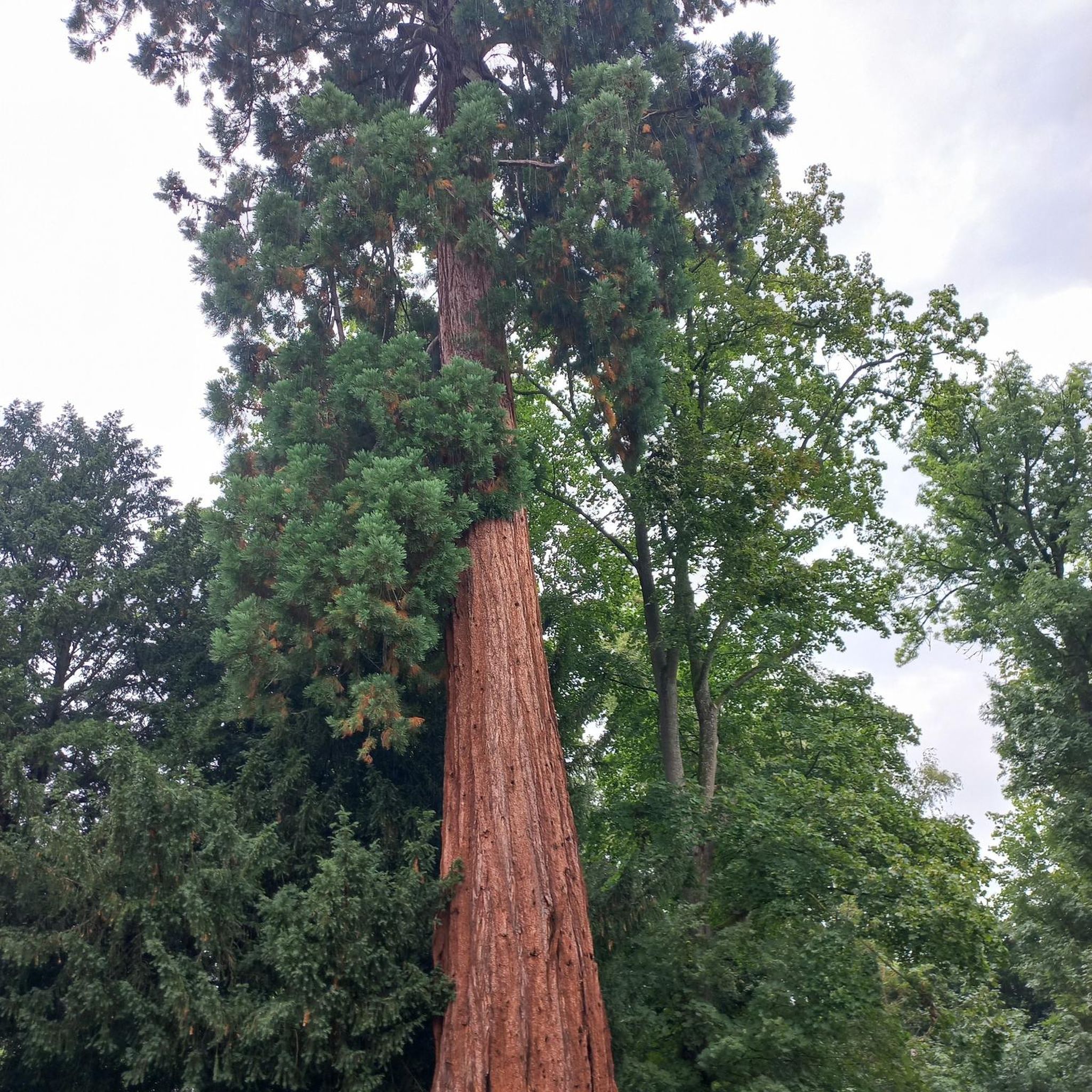
- The most popular natural monuments is Giant Sequoias of Paudorf, a forest that features conifers planted around 140…
Last updated: October 11, 2026
Giant Sequoias of Paudorf
Highlight • Forest
Translated by Google •
Tip by

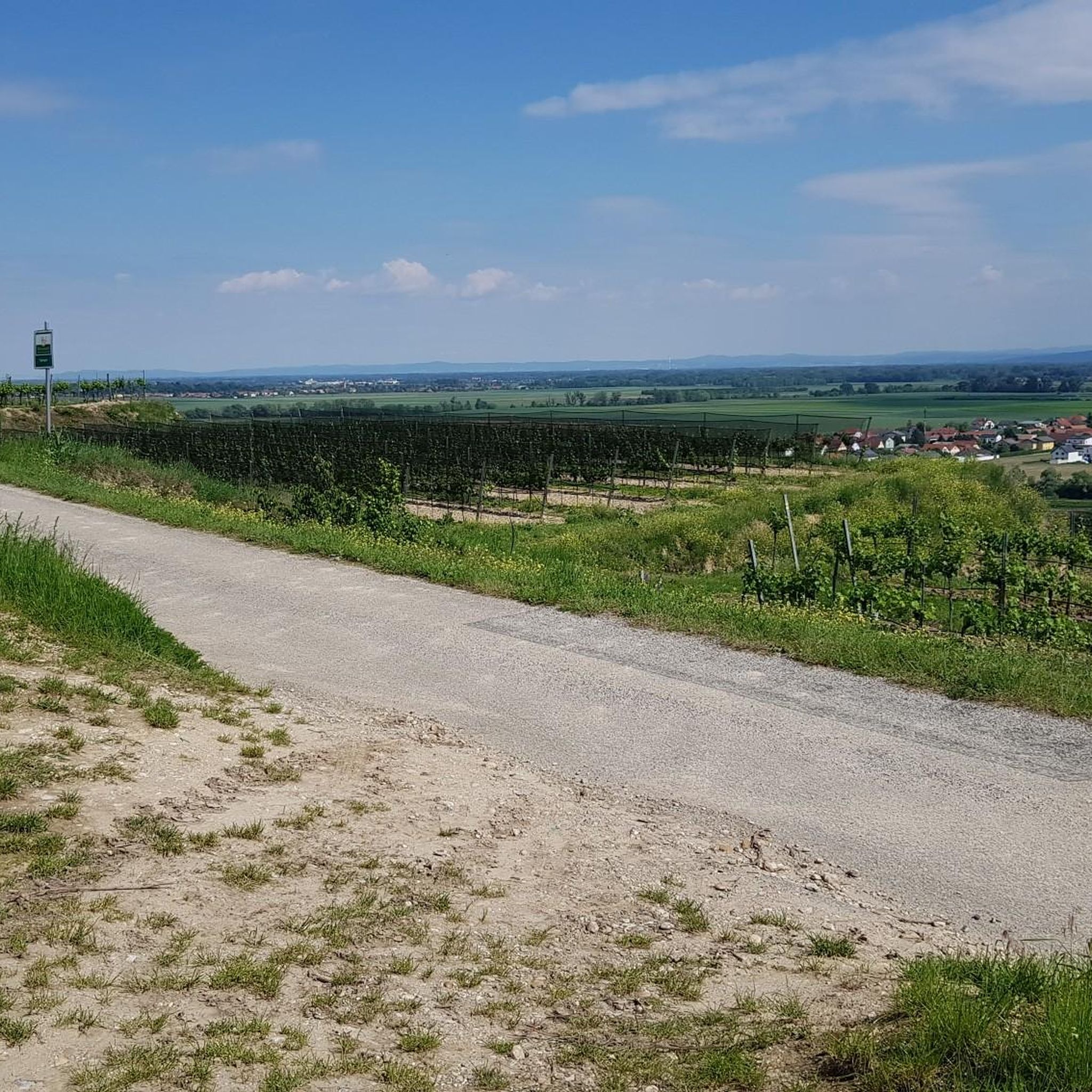
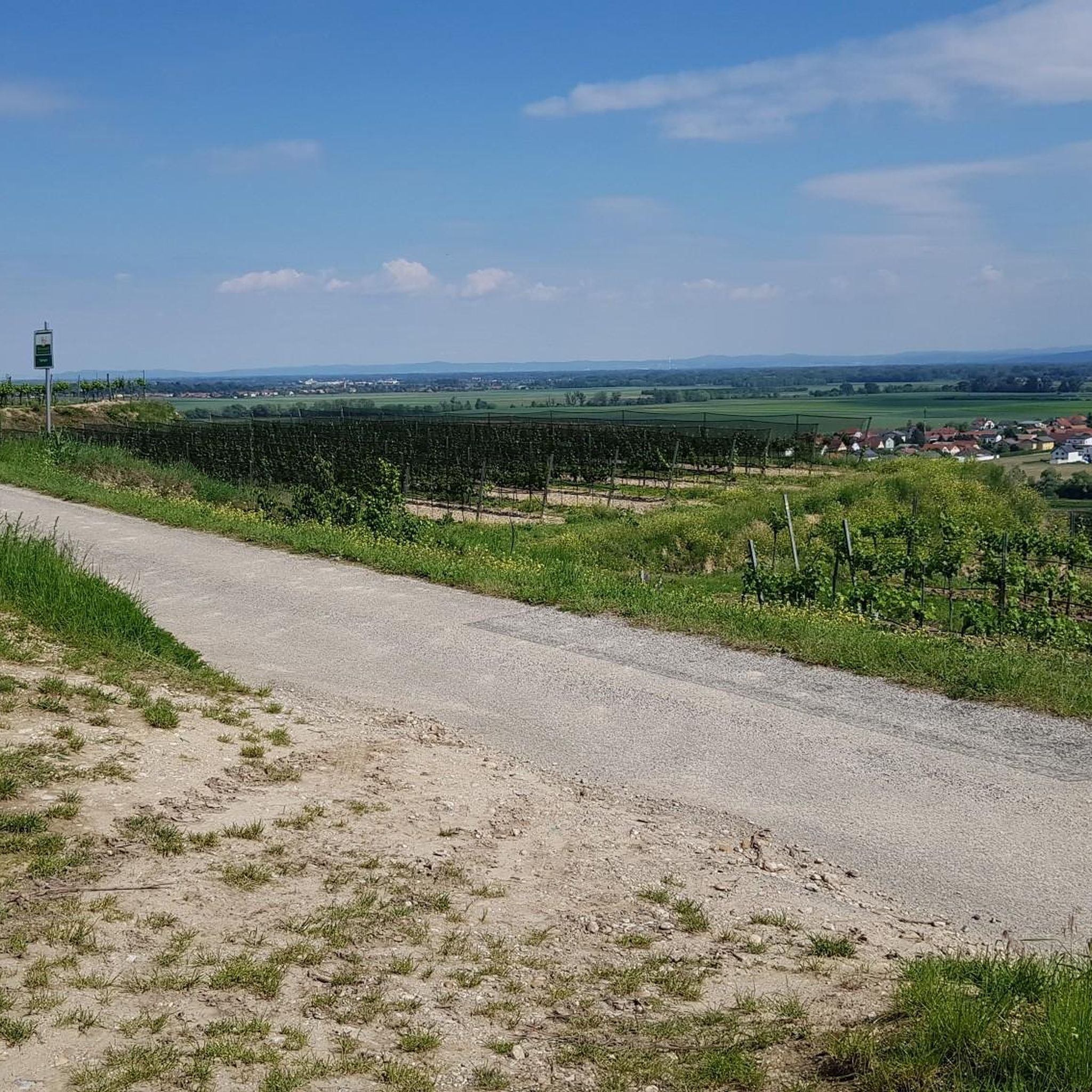
Danube Lookout on Braunsdorfer Hill
Highlight • Viewpoint
Translated by Google •
Tip by

Sign up now to discover places like this
Get recommendations on the best single tracks, peaks, & plenty of other exciting outdoor places.
Altenwörth fish pass
Highlight • Structure
Translated by Google •
Tip by

Fountain in Krems City Park
Highlight • Monument
In the park you …
Translated by Google •
Tip by
Arche Noah Botanical Garden
Highlight • Natural Monument
Tasks of the association are the preservation of …
Translated by Google •
Tip by

Sign up for free to discover even more natural monuments around Gedersdorf.
Already have an account?
Start today with a free account
Your next adventure awaits.
Popular around Gedersdorf
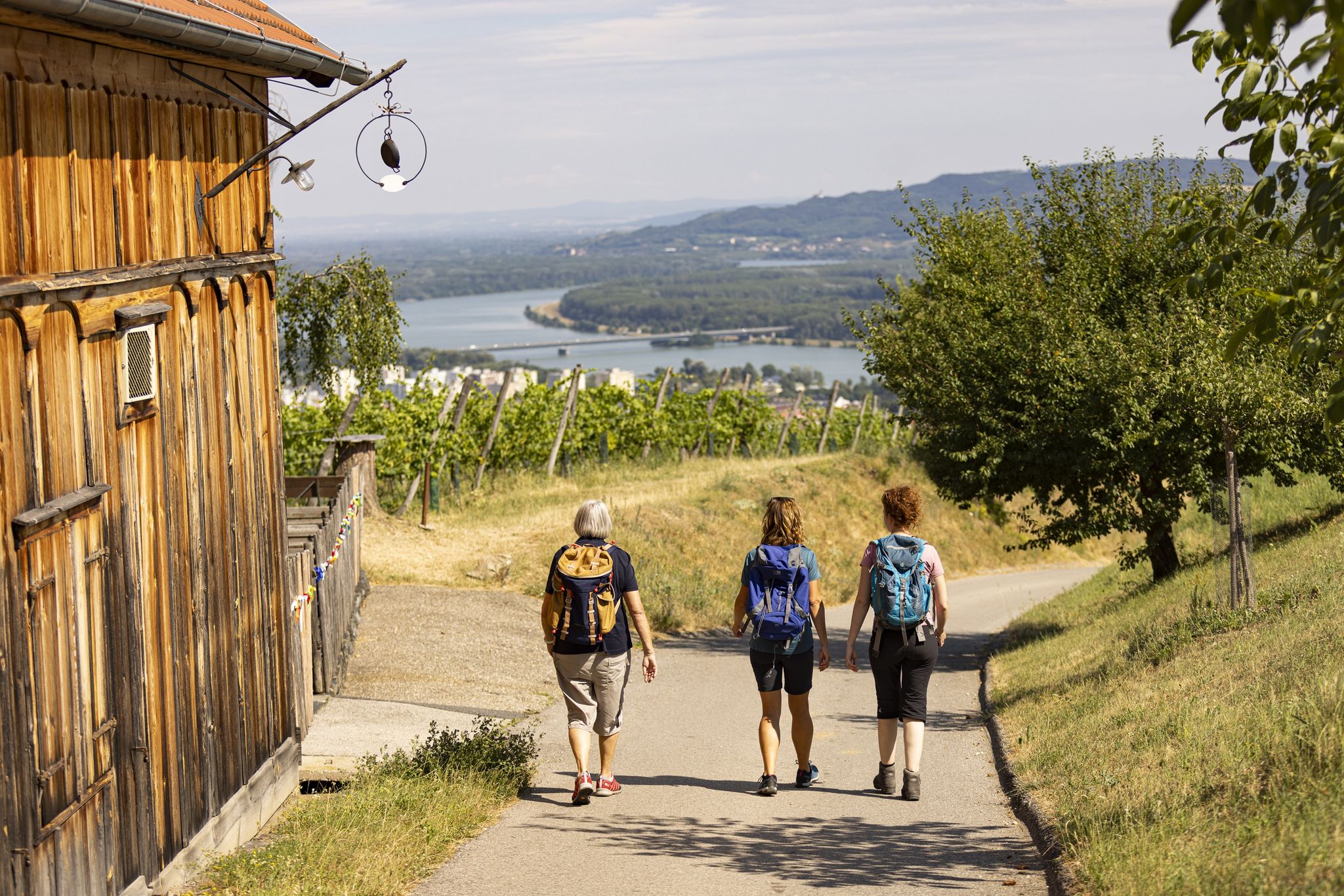
Into the valley of wine - Kremstal-Danube Long Distance Trail
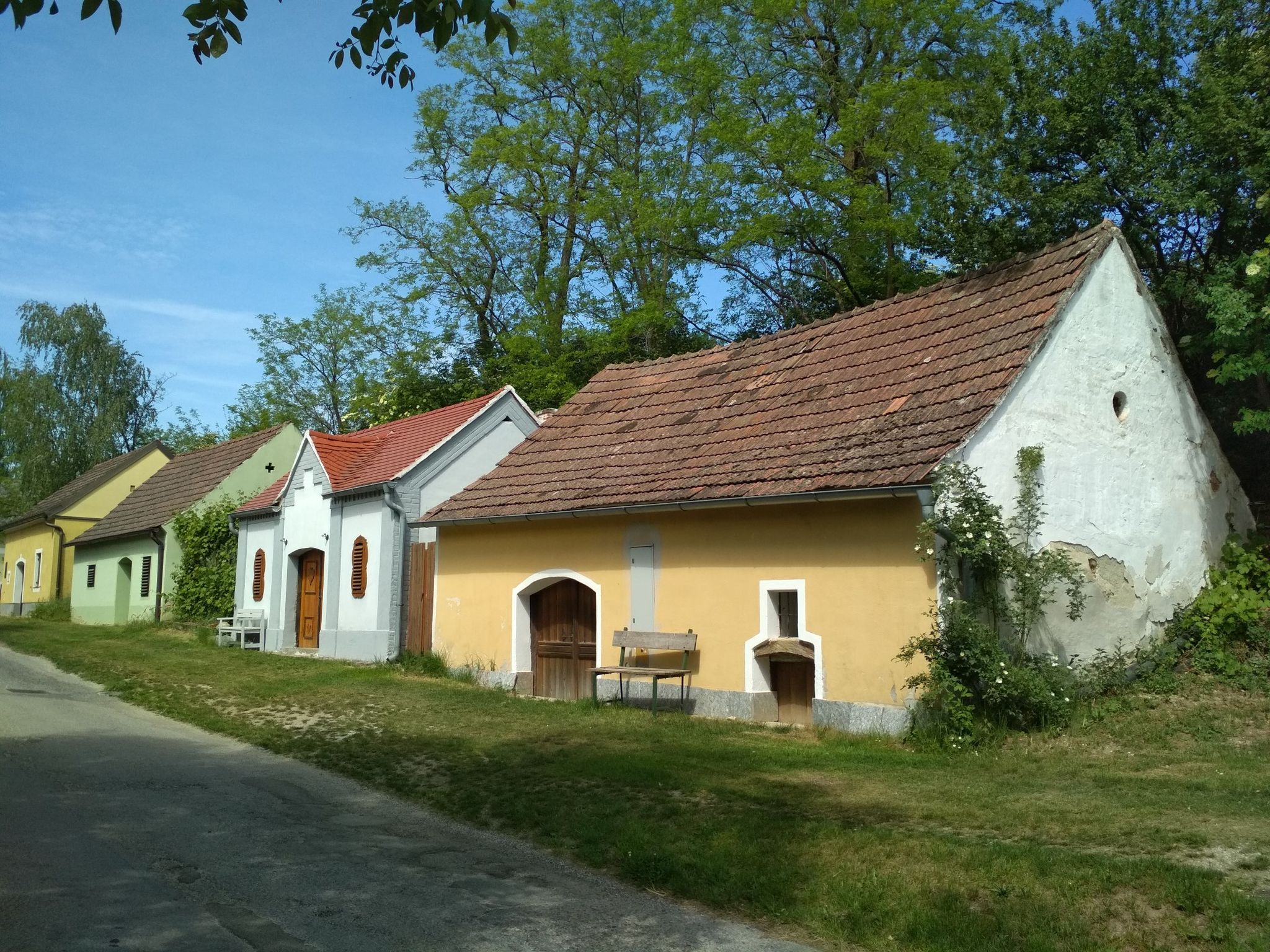
The most beautiful wine cellar lanes along the Jakobsweg Weinviertel
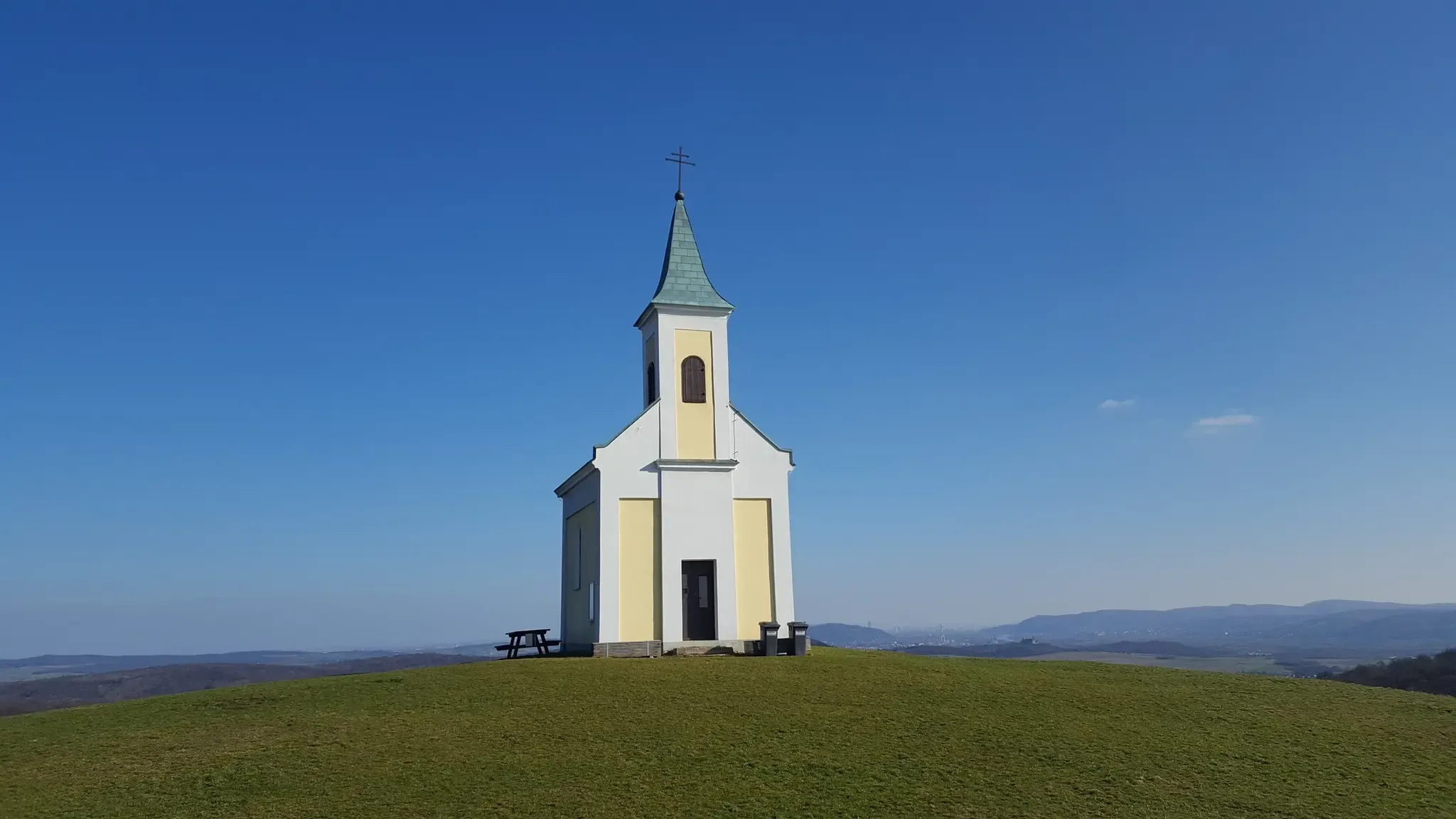
Die besten Orte der Stille
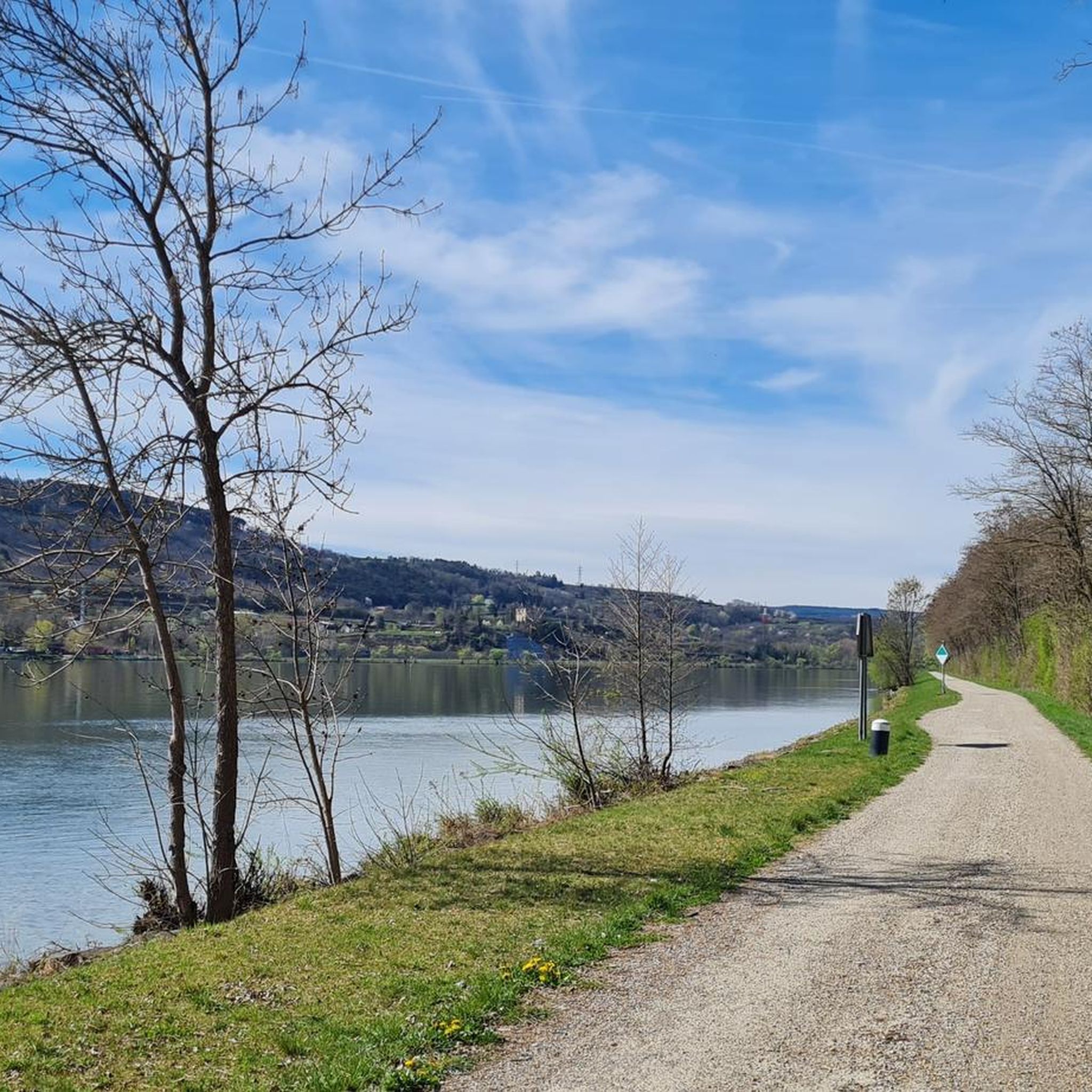
Cycling around Gedersdorf
Gravel biking around Gedersdorf
Road Cycling Routes around Gedersdorf
Running Trails around Gedersdorf
MTB Trails around Gedersdorf
Hiking around Gedersdorf


Tips from the Community

Cool loop of water, fun to watch!
2
0

Answers to garden questions For those who want to know more, a garden tour is highly recommended. During the tour, you wander through the garden's extensive variety of species, listen to stories about almost forgotten cultivated plants, and learn valuable information about their cultivation and use. You will receive answers to personal gardening questions and learn the latest about ARCHE NOAH's seed policy. And because ARCHE NOAH is dedicated to preserving endangered vegetable, fruit, and grain varieties, seed propagation is also a topic: How to obtain seeds for propagation and what treasure the 5,500 cultivated plant varieties resting in the ARCHE NOAH seed archive represent – you will find out on the garden tour!
0
0
NOAH'S ARK Show Garden A walk through paradise for valuable cultivated plants. Old, valuable, and almost extinct cultivated plants are combined in the ARCHE NOAH Show Garden in Schiltern to create a unique garden experience. Delicious, robust, and endangered vegetable and fruit varieties remain alive this way. The baroque pavilion as a focal point in the Schlosspark of Schiltern Castle provides the dignified setting. In this historic ambience, the ARCHE NOAH Show Garden offers a colourful treasure trove of rare vegetables, herbs, cereals, fruits, and berries. Visitors stroll past colourful theme beds with changing cultivated plants, see carrots in all colours and shapes, and delight in aromatic cocktail tomatoes, Krachsalat, and mustard greens. In the ARCHE NOAH Show Garden's scattered fruit tree meadow, you can discover tasty fruit varieties with unusual names such as 'Himbeerapfel von Holovous' or 'Ananasmarille'.
0
0

very well done and nice to look at
2
0

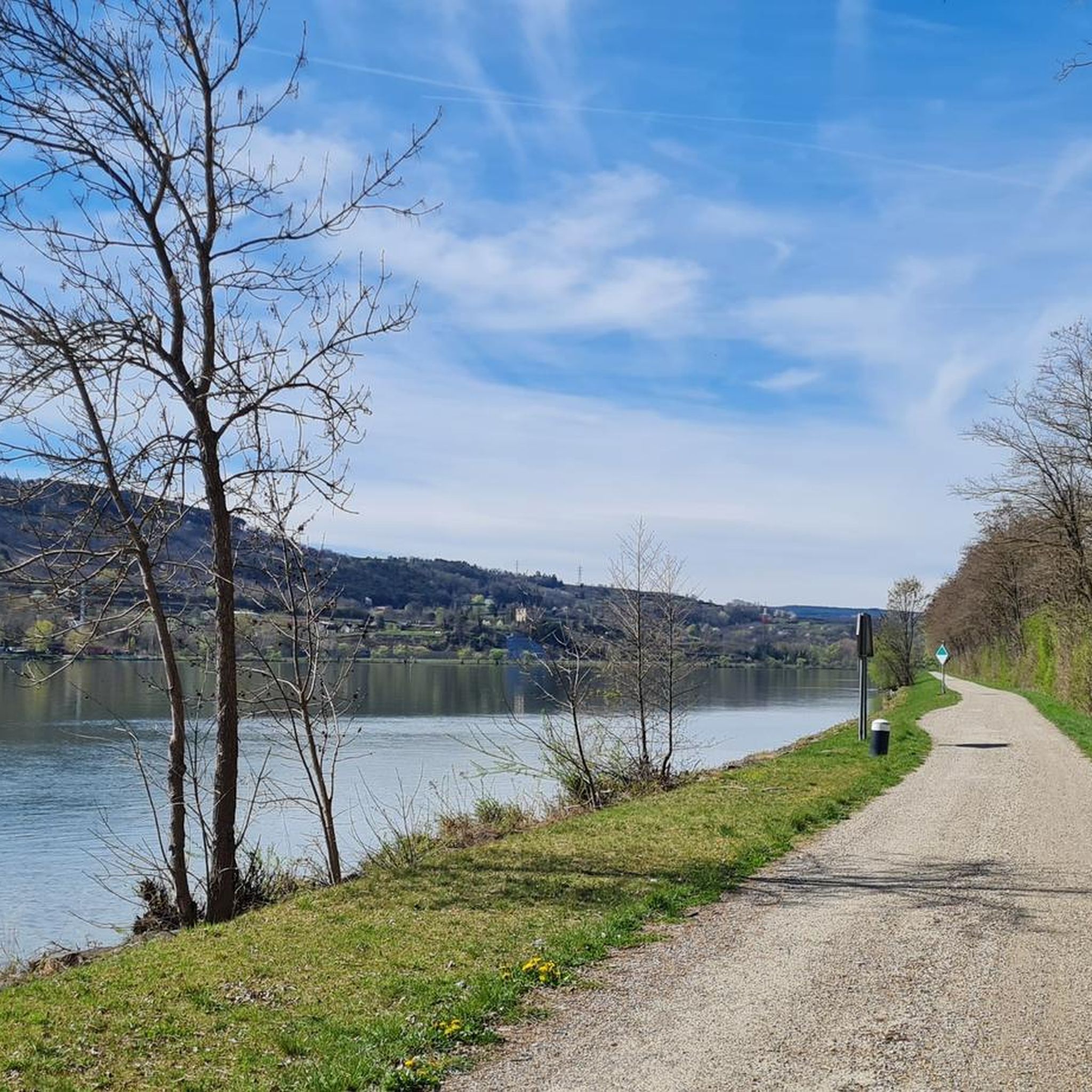
At approximately 12.5 kilometers, the Altenwörth Fish Bypass is the longest of its kind in Austria and was built between 2019 and 2022 as part of the LIFE Network Danube Plus project. It allows fish such as huchen, schied, and zingel to bypass the Altenwörth Danube power plant and provides a continuous connection to the tributaries, the Kamp and Krems. The near-naturally designed bypass stream, with shallow water zones, gravel banks, and deadwood, also creates new habitats for numerous animal and plant species. The facility is also of interest to cyclists: Along the Danube and its adjacent waterways, natural paths offer views of renaturalized landscapes, small bays, and ecologically valuable rest areas. It is a successful example of how flood protection, energy use, and biodiversity can be reconciled.
3
0
One of Austria's longest fish bypasses was created between Altenwörth and Greifenstein as part of the "LIFE Network Danube Plus" project. The approximately 12.5-kilometer-long, near-naturally designed bypass stream allows fish such as huchen, zebrafish, and schied to migrate freely along the Danube and connects important habitats in the tributaries of the Kamp and Krems. Between 2019 and 2022, approximately 34 hectares of new aquatic areas were created, featuring shallow water zones, gravel banks, and deadwood areas – also for kingfishers, otters, and other protected species. In addition to its ecological benefits, the area is now also attractive to recreational travelers: Along the waterway corridor, natural banks, small bays, and viewpoints invite visitors to linger – a successful example of the combination of nature conservation, water development, and sustainable tourism.
2
0


The Altenwörth fish bypass is an important ecological measure at the Altenwörth Danube power plant in Lower Austria. It was implemented as part of the LIFE Network Danube Plus project and, with a length of 12.5 kilometers, is recognized as the longest of its kind in Lower Austria.
3
0
Frequently Asked Questions
What are the most prominent natural features around Gedersdorf?
The Gedersdorf region is primarily defined by its unique loess landscape and extensive terraced vineyards. This fine, wind-blown sediment creates rolling hills and provides exceptionally fertile soil, crucial for viticulture. You can experience these formations firsthand at places like Loess terraces – Stein an der Donau, where the stability of the loess allows for deep cellars and high cliffs.
Are there any unique botanical attractions in the area?
Yes, the Arche Noah Botanical Garden is a significant botanical collection near Gedersdorf. It functions as a show garden and a variety archive, dedicated to preserving thousands of endangered types of vegetables, fruits, and grains.
Where can I find impressive trees or forests around Gedersdorf?
You can visit the Giant Sequoias of Paudorf. This forest features gigantic conifers planted around 140 years ago, which are now larger than their European counterparts and continue to grow impressively.
Are there good viewpoints to enjoy the landscape near Gedersdorf?
Absolutely. The Danube Lookout on Braunsdorfer Hill offers expansive views over Krems, the Tullnerfeld, the Danube, and Göttweig Abbey. It's a beautiful spot that invites you to linger and is situated along several regional hiking trails.
What kind of outdoor activities can I do near these natural monuments?
The region around Gedersdorf offers diverse outdoor activities. You can explore numerous road cycling routes, such as the 'Gobelsburg Castle – Rosenburg Castle loop', or enjoy running trails like the 'Loess wall near Gedersdorf – Rohrendorf Cellar Lane loop'. For those who prefer off-road adventures, there are also challenging gravel biking routes like the 'Langenlois and Gföhl Gravel Tour'. Find more details on these activities in our guides for Road Cycling, Running, and Gravel Biking.
Are there family-friendly natural monuments to visit?
Yes, several natural monuments are suitable for families. The Giant Sequoias of Paudorf offer an impressive natural experience for all ages. The Danube Lookout on Braunsdorfer Hill provides scenic views that families can enjoy together, and the Arche Noah Botanical Garden is an engaging and educational visit for children and adults alike.
What is the best time of year to visit the natural monuments around Gedersdorf?
The natural monuments around Gedersdorf are beautiful throughout the year. Spring and summer are ideal for experiencing the lush vineyards and botanical gardens in full bloom. Autumn offers stunning colors in the loess landscapes and vineyards, making it perfect for hiking and cycling. Even winter can be charming for walks, especially around the sequoias, though some facilities might have reduced hours.
Can I bring my dog to the natural monuments and trails?
Many outdoor areas and trails around Gedersdorf are dog-friendly. However, it's always recommended to keep your dog on a leash, especially in vineyard areas, nature reserves, and near other visitors. Specific rules may apply to indoor attractions like the Arche Noah Botanical Garden, so it's best to check their individual policies.
How accessible are the natural monuments by public transport?
While some natural monuments might require a short walk from the nearest bus or train stop, Gedersdorf and the surrounding towns are generally well-connected within Lower Austria's public transport network. For specific routes and schedules to individual sites, it's advisable to check local transport information.
What do visitors appreciate most about the natural monuments in Gedersdorf?
Visitors frequently highlight the picturesque scenery, especially the unique loess formations and terraced vineyards. The impressive size of the Giant Sequoias of Paudorf and the panoramic views from the Danube Lookout on Braunsdorfer Hill are often praised. The region's blend of natural beauty with its rich viticultural landscape creates a truly memorable experience.
Are there any natural monuments related to water or rivers?
While Gedersdorf itself is known for its loess and vineyards, the nearby Danube River is a significant natural feature. The Altenwörth fish pass, for example, is an exemplary project on the Danube that allows fish migration and is also part of popular cycling routes along the river.
Most popular routes around Gedersdorf
Most popular attractions around Gedersdorf

Get inspired with the komoot mobile app


Explore more
Extend your search for the best caves by checking out these guides of the top ones around Gedersdorf:
