Top 19 Mountain Passes around Mörtschach
Mountain passes around Mörtschach are located in the Austrian Alps, providing access to alpine routes within the Hohe Tauern National Park. This region serves as a base for exploring various passes that offer views of mountains and valleys. Mörtschach is recognized for its proximity to hiking trails and peaks, making it a starting point for outdoor activities. The area features diverse terrain suitable for scenic drives, cycling, and hiking.
Best mountain passes around Mörtschach
- The most popular mountain passes is…
Last updated: August 4, 2026
Iselsberg Pass
Highlight • Mountain Pass
Showing Translation
Tip by

Peischlachtörl
Highlight • Mountain Pass
Translated by Google •
Tip by

Sign up now to discover places like this
Get recommendations on the best single tracks, peaks, & plenty of other exciting outdoor places.
Sign up for free
Ascent to Franz-Josefs-Höhe via Großglockner High Alpine Road
Highlight (Segment) • Mountain Pass
Translated by Google •
Tip by

Fraganter Scharte
Highlight • Mountain Pass
Translated by Google •
Tip by

Gößnitzscharte
Highlight • Mountain Pass
Translated by Google •
Tip by

Sign up for free to discover even more mountain passes around Mörtschach.
Sign up for free
Already have an account?
Start today with a free account
Your next adventure awaits.
Login or Signup
Popular around Mörtschach
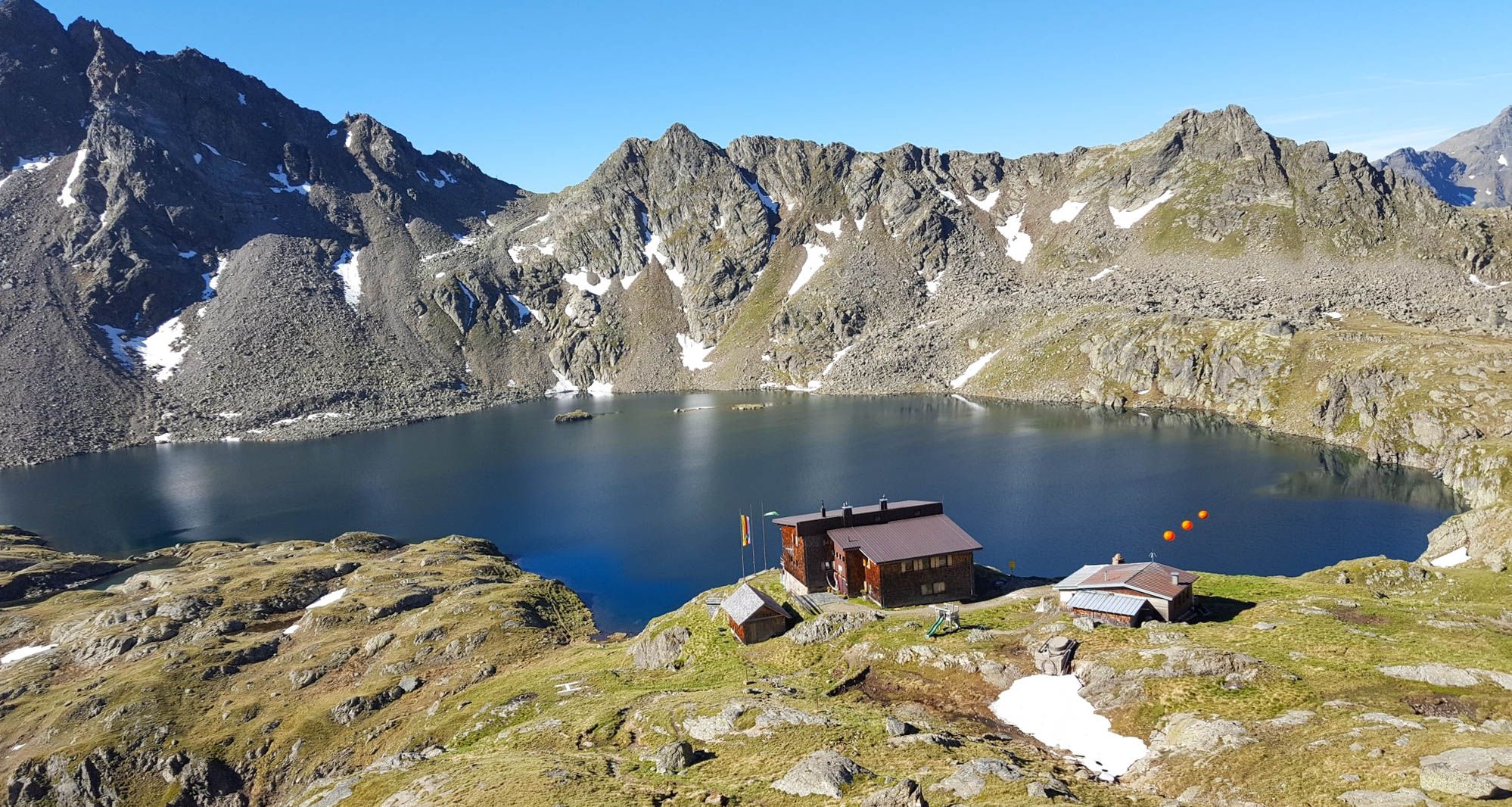
Wiener Höhenweg in Austria – 6 stages in the Schober Group
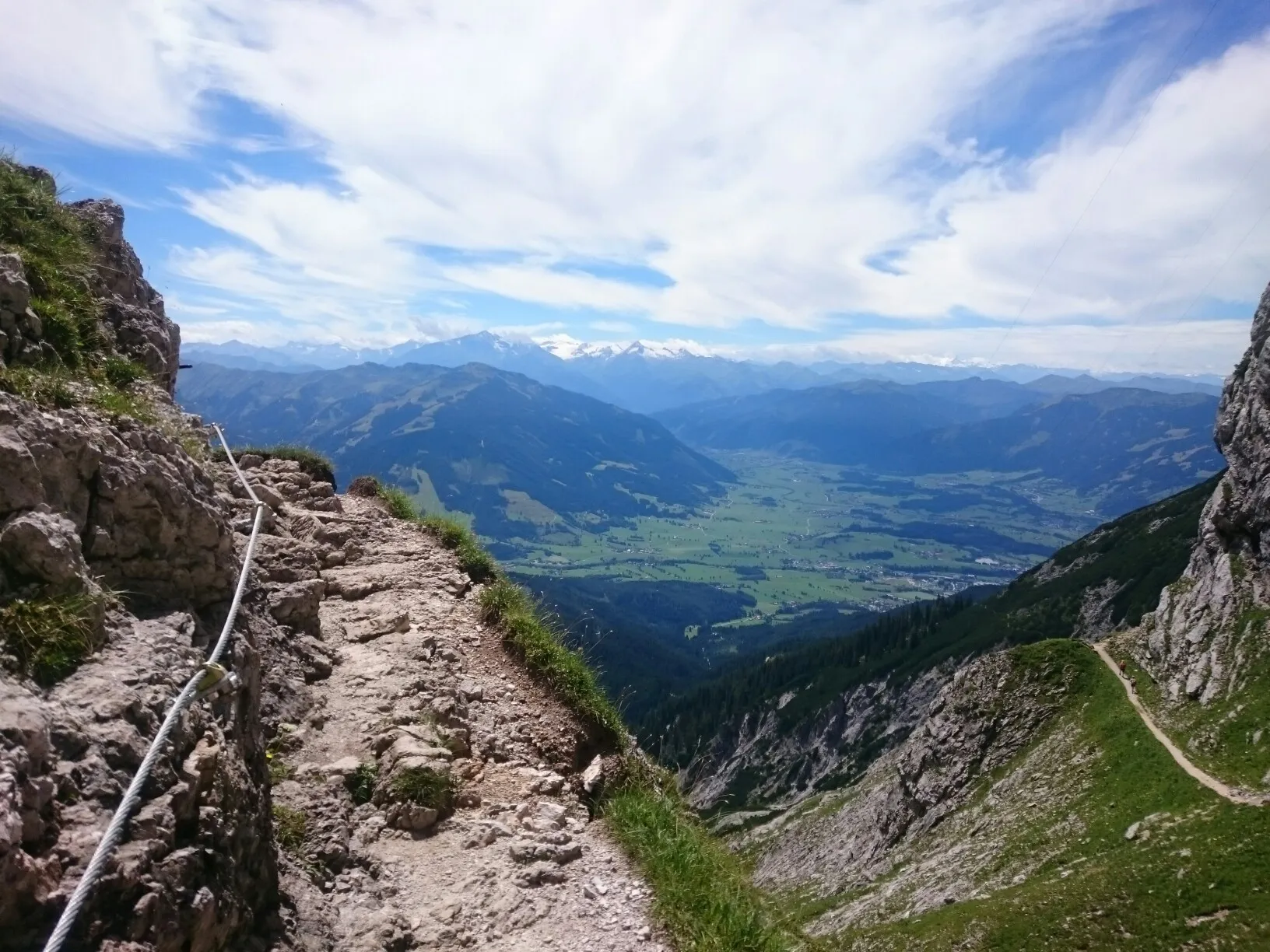
Alpine Crossing — 9 days across the Alps to Lienz
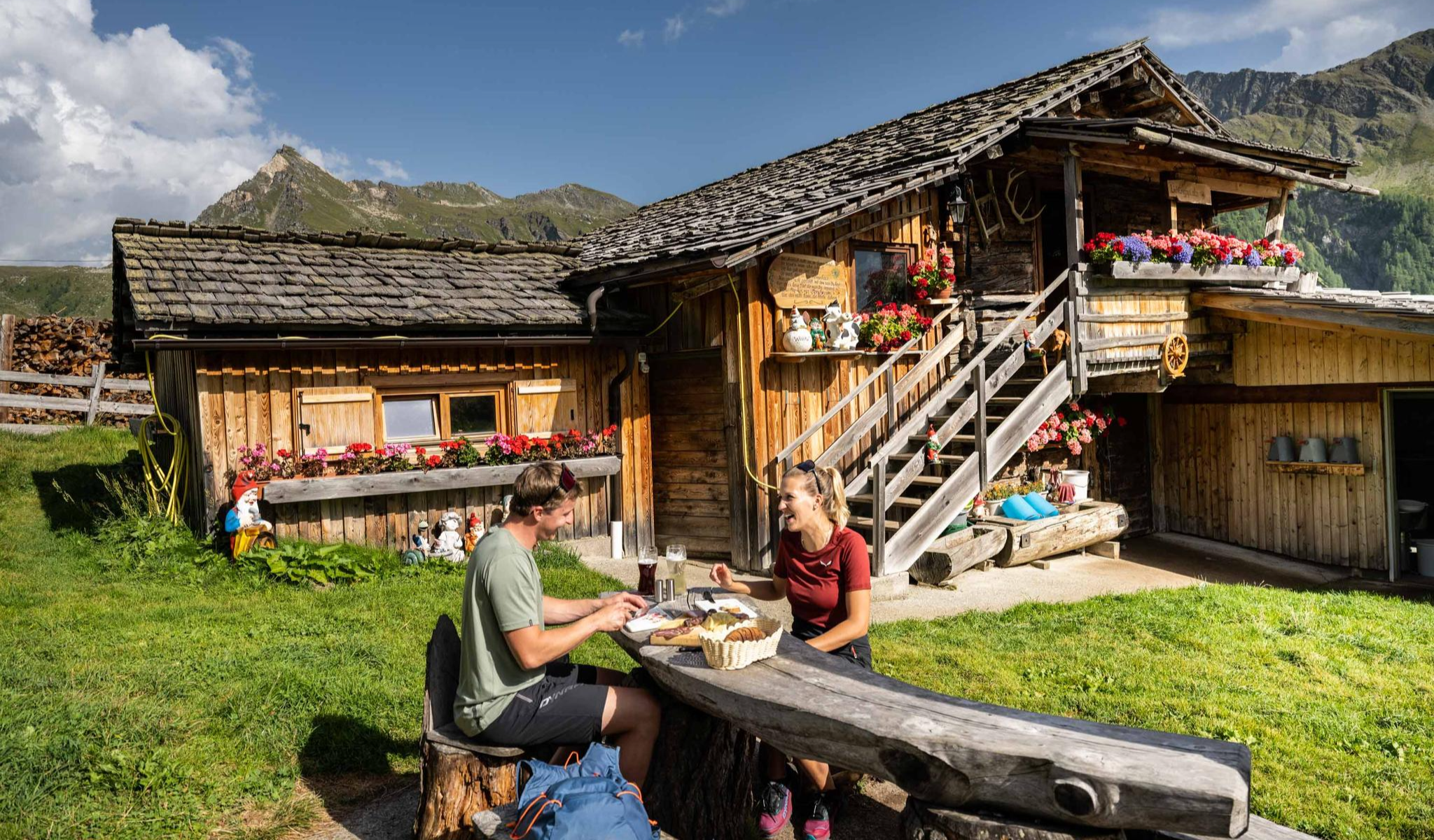
Peak happiness – hut hikes in the High Tauern
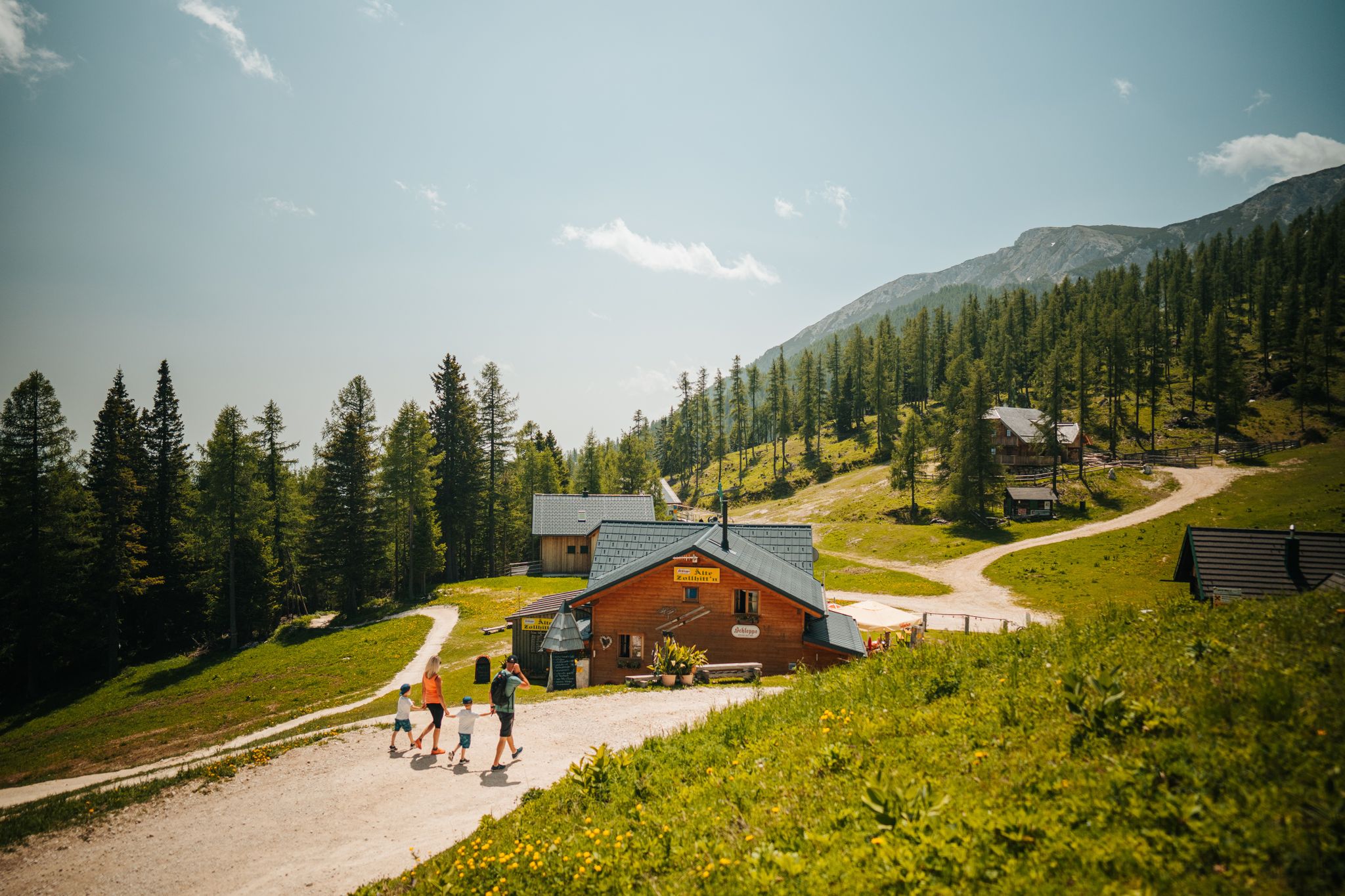
Auszeit auf der Alm – Wandern zu Kärntens schönsten Hütten
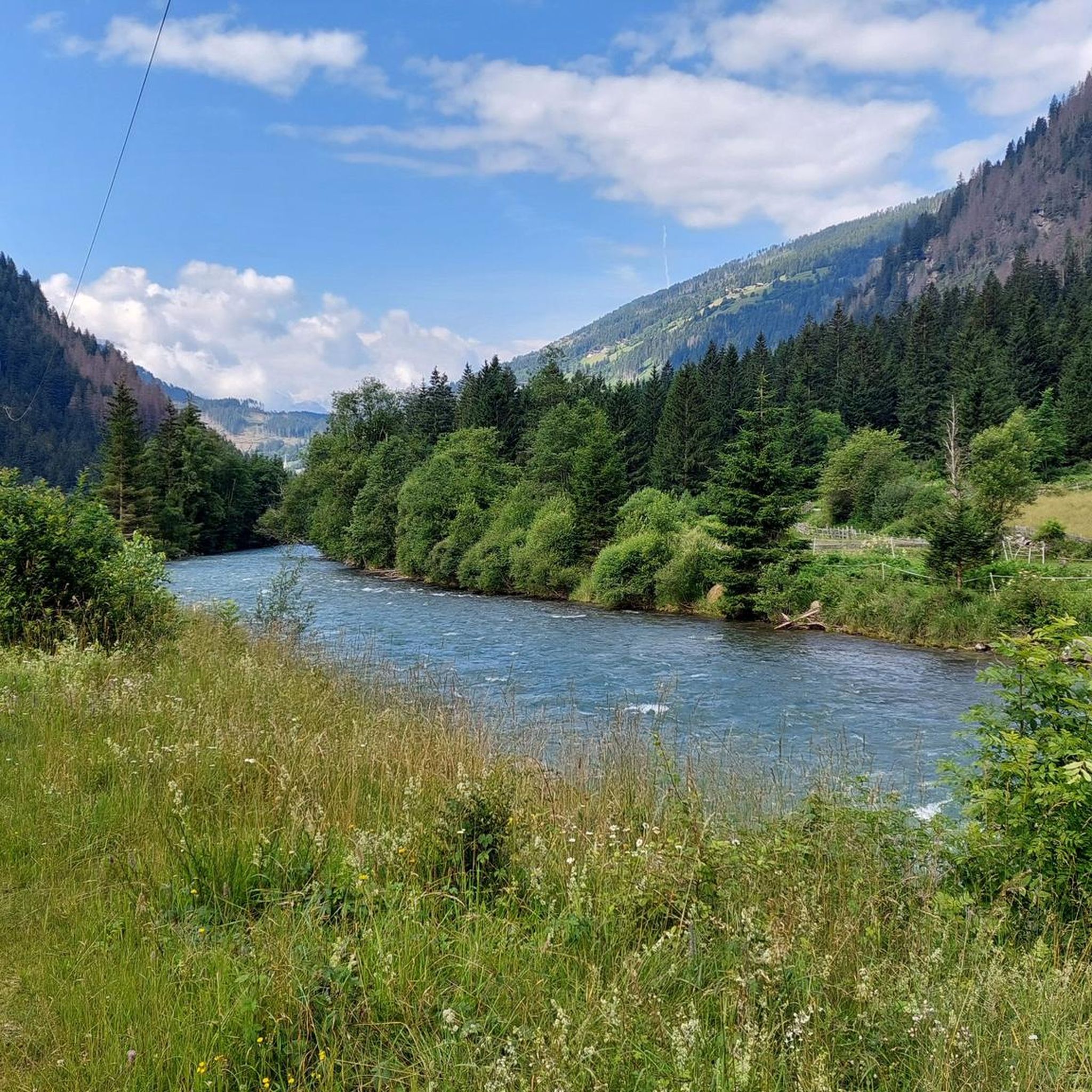
Hiking around Mörtschach
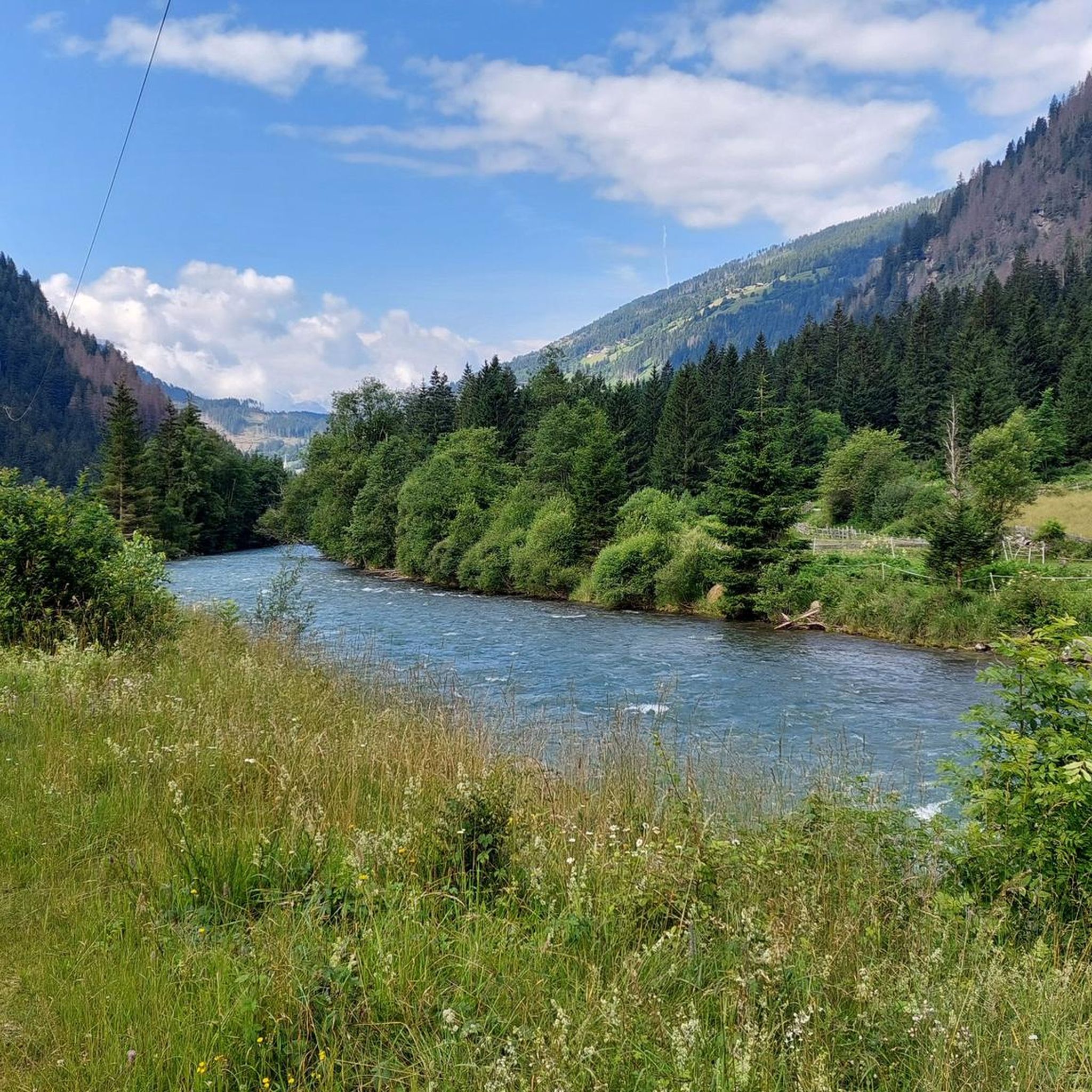
Road Cycling Routes around Mörtschach
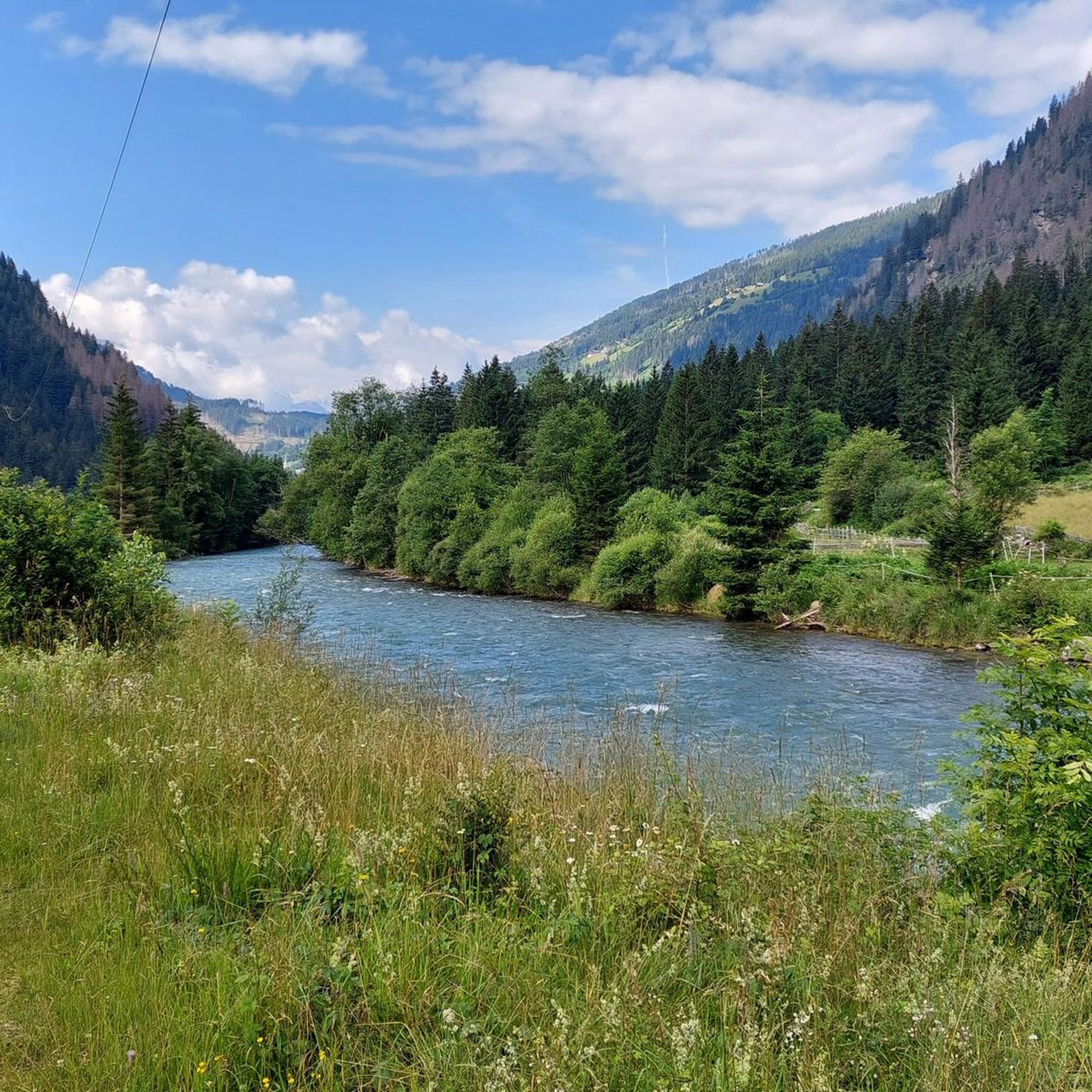
Cycling around Mörtschach
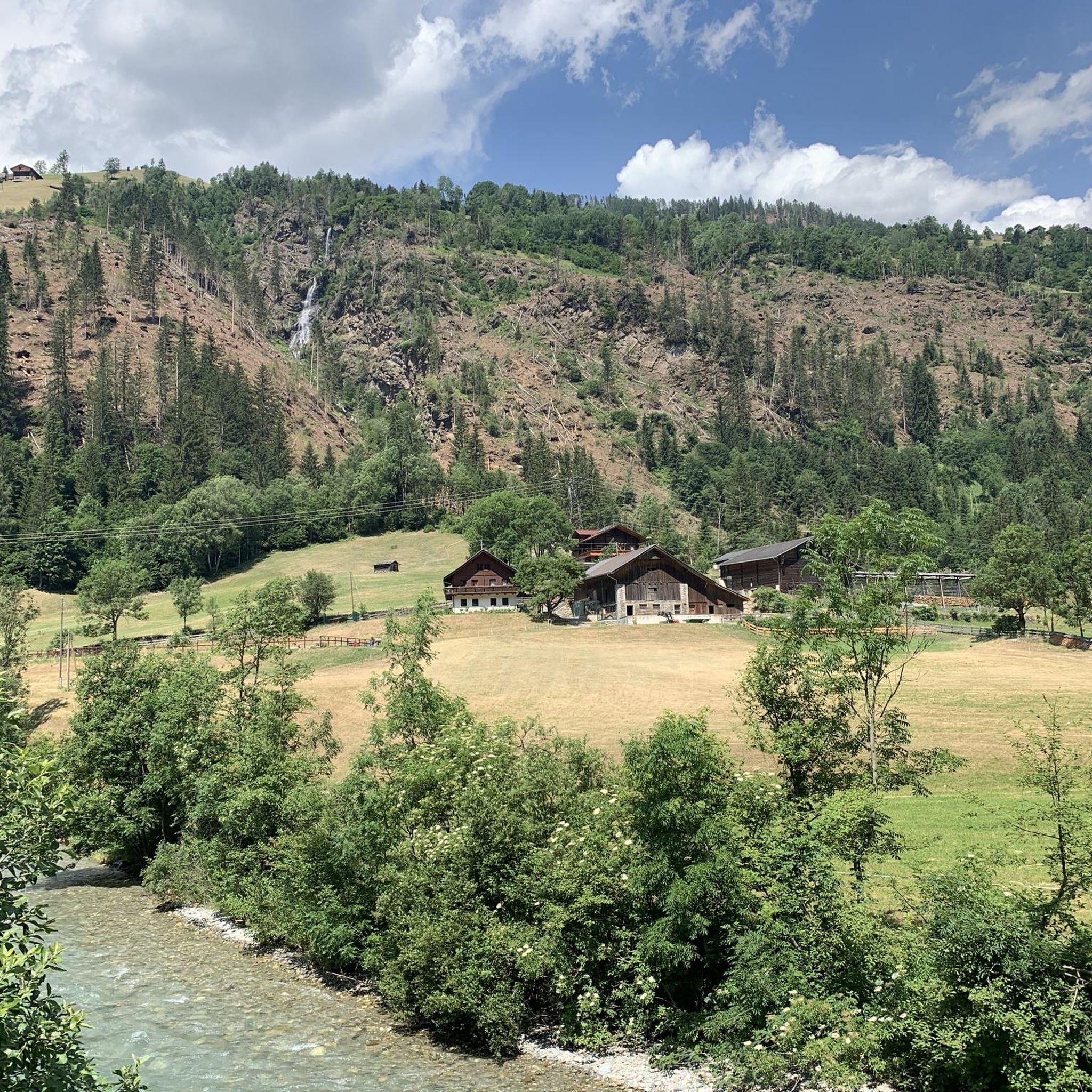
MTB Trails around Mörtschach
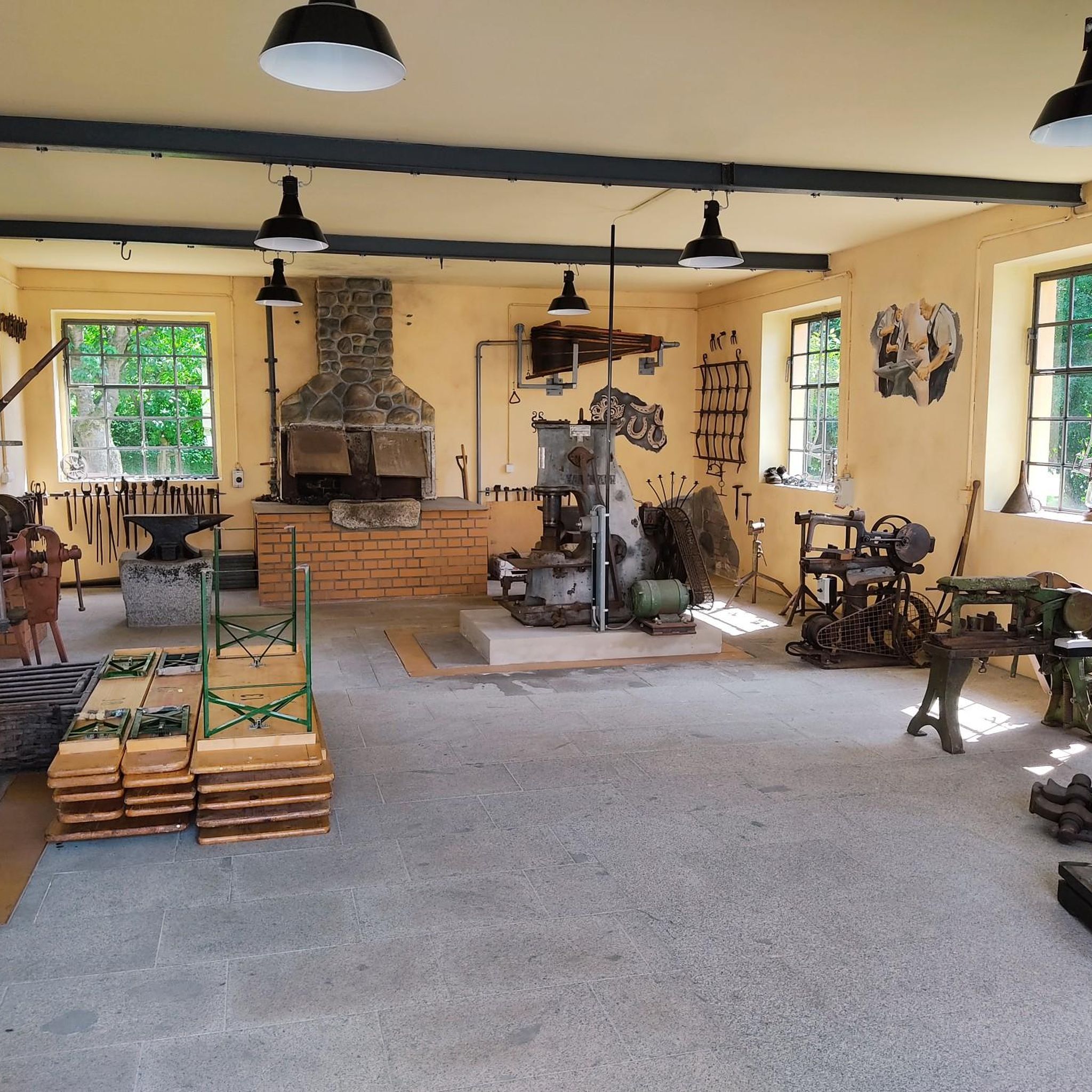
Mountain Hikes around Mörtschach
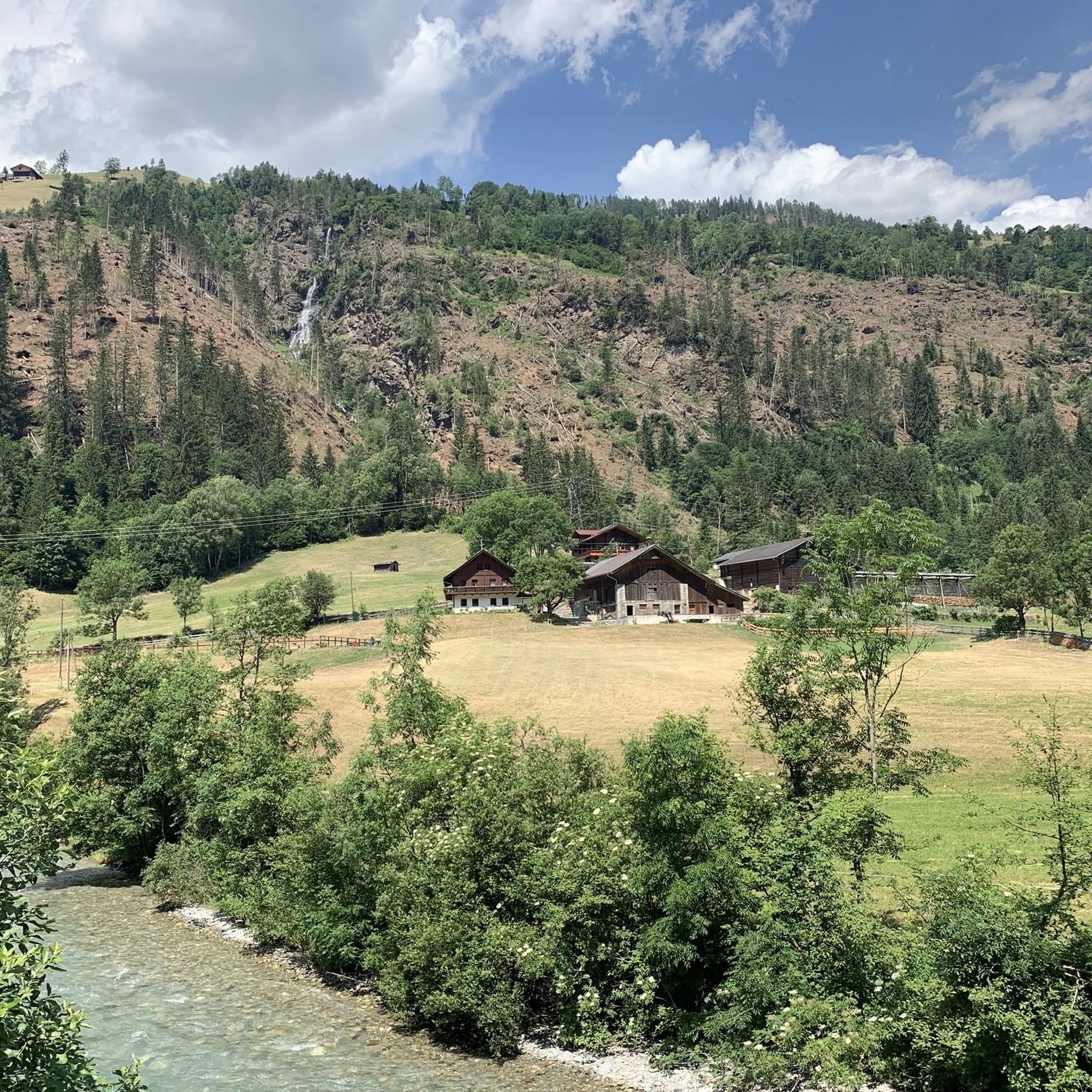
Running Trails around Mörtschach
Other adventures around Mörtschach


Tips from the Community

From the Elberfelder Hütte, it goes up over scree and boulders. Sure-footedness is required, but the crossing is feasible in good conditions.
0
0

It's a nice place to rest on the way to Böses Weibl. The flat plain also offers some panoramic views.
0
0

A beautiful plateau opens up, offering lovely views toward Böses Weibele or along the Eselsteig trail. A small hut awaits those who are caught off guard by the weather.
1
0

Transition from the Rauris Valley to the glacier ski area under the Schareck (Mölltal Glacier). Beautiful views of the Sonnblick and other peaks. Comfortable descent on the Rauris side through the historic mining area to the Naturfreundehaus Neubau.
0
0

Last part of the climb to the glacier, where the views finally become spectacular. highly recommended stretch
1
0

Very nice cycle path with good asphalt and a great panorama.
0
0

The landscape is beyond any doubt, but you shouldn't start in the morning like I did. The traffic was already disruptive.
1
0

After a drive on the Großglockner High Alpine Road, this pass was rather unspectacular. Relatively heavy traffic on the B107, so I would rather recommend the old Iselsbergstraße uphill.
7
1
Frequently Asked Questions
What are some notable mountain passes accessible from Mörtschach?
Mörtschach serves as an excellent base for exploring several captivating mountain passes. The iconic Grossglockner High Alpine Road, while not directly in Mörtschach, is easily accessible and offers breathtaking scenery. Other significant passes in the region include Iselsberg Pass, which connects the Drau Valley with the Möll Valley, and Fraganter Scharte, known for its impressive panorama and location on the main Alpine ridge.
What makes the Grossglockner High Alpine Road a special destination?
The Grossglockner High Alpine Road is an engineering marvel, winding through 36 hairpin bends to an altitude of 2,504 meters. It offers unparalleled views of Austria's highest peak, the Grossglockner (3,798m), and the Pasterze glacier. Visitors can experience the dramatic mountains of the Hohe Tauern National Park, access the Pasterze glacier from the Kaiser Franz-Josefs-Höhe visitor center, and enjoy scenic drives, cycling, and numerous hiking opportunities.
Are there less crowded alternatives to major passes like the Grossglockner High Alpine Road?
Yes, for those seeking a quieter experience, the Iselsberg Pass offers an alternative. While the main B107 section can have traffic, the old Inselsbergstraße is recommended for a more enjoyable and less crowded journey, providing a different perspective of the alpine landscape.
What kind of views can I expect from the mountain passes around Mörtschach?
The mountain passes around Mörtschach offer diverse and stunning views. From Fraganter Scharte, you can expect an impressive panorama in all directions, including views of the Sonnblick and other peaks. Iselsberg Pass provides beautiful views of Lienz and the surrounding mountains. Many passes, like Gößnitzscharte, offer magnificent views of the high mountain landscape.
Are there hiking opportunities near the mountain passes?
Absolutely. The region around Mörtschach is renowned for its hiking trails. Many mountain passes serve as starting points or waypoints for various hikes. For example, Gößnitzscharte is a key point on the trail between Elberfelder hut and Lienzer hut. You can find numerous easy hikes around Mörtschach, with detailed routes available in our guide: Easy hikes around Mörtschach.
What are some challenging mountain passes for experienced hikers?
For experienced hikers seeking a challenge, Fraganter Scharte and Gößnitzscharte are excellent choices, both categorized as challenging. Peischlachtörl, at almost 2500m, is another challenging mountain pass that serves as a stopover point for several demanding tours, including routes to Glorer Hütte and Böses Weebl.
What other outdoor activities can I do around Mörtschach besides visiting mountain passes?
Beyond exploring mountain passes, Mörtschach offers a wide range of outdoor activities. You can enjoy various cycling routes, including gravel biking and road cycling. Discover challenging gravel biking routes in our guide: Gravel biking around Mörtschach, or explore scenic road cycling routes here: Road Cycling Routes around Mörtschach.
What do visitors enjoy the most about the mountain passes in this region?
Visitors frequently praise the impressive panoramas and magnificent high mountain landscapes. Many appreciate the opportunity to take a break and enjoy the views, especially at points like Gößnitzscharte. The diverse scenery, even in cloudy weather, and the excellent road conditions for cycling on routes like the Ascent to Franz-Josefs-Höhe via Großglockner High Alpine Road are also highly valued.
Are there any natural monuments or unique geological features to see?
Yes, the region is rich in natural beauty. Peischlachtörl is not only a mountain pass but also a natural monument, featuring a high moor that surprises hikers with wonderful far-reaching views. The Grossglockner High Alpine Road itself traverses the Hohe Tauern National Park, offering access to the Pasterze glacier, Austria's largest glacier, and showcasing dramatic alpine geology.
What is the best time of year to visit the mountain passes around Mörtschach?
The best time to visit the mountain passes around Mörtschach is generally during the warmer months, from late spring to early autumn (May to October). During this period, the roads are typically clear of snow, and the weather is more favorable for hiking, cycling, and scenic drives. High alpine regions can experience significant temperature drops, so it's always advisable to be prepared for varying conditions, even in summer.
Can I bring my dog to the mountain passes or on nearby trails?
While specific regulations for each pass or trail may vary, the Hohe Tauern National Park generally welcomes dogs on leashes. It's always recommended to check local signage and guidelines for specific areas. Ensure your dog is well-behaved, on a leash, and that you carry waste bags to maintain the pristine environment.
Are there cafes or places to rest near the mountain passes?
Yes, along some of the more popular routes, you will find opportunities for rest and refreshments. For instance, the Grossglockner High Alpine Road has visitor centers and facilities. For other passes, like Peischlachtörl, there might be small emergency shelters or benches to rest and enjoy the view. It's always a good idea to pack some snacks and drinks, especially for longer hikes.
How can I reach the mountain passes using public transport?
While some main roads leading to mountain passes might be served by regional bus lines, direct public transport to all mountain passes can be limited, especially for higher, more remote ones. For detailed information on public transport options to specific starting points or passes, it's best to consult local tourist information or public transport schedules for the Hohe Tauern National Park region. Having a car often provides the most flexibility for exploring these areas.
Most popular routes around Mörtschach
Most popular attractions around Mörtschach

Get inspired with the komoot mobile app


Explore more
See even more epic mountain passes by checking out these guides around Mörtschach:
