Top 20 Natural Monuments around Eisenkappel-Vellach
Best natural monuments around Eisenkappel-Vellach are found in the Vellach Valley in Carinthia, Austria. This region is part of the Geopark Karawanken-Karavanke, a UNESCO Global Geopark. The area features diverse geological formations, including extensive cave systems and dramatic gorges. It offers a range of natural attractions for exploration.
Best natural monuments around Eisenkappel-Vellach
- The most popular natural monuments is Hochobir Summit Cross, a summit that offers extensive views, especially in clear weather. It is a popular destination for its…
Last updated: June 24, 2026
Hochobir Summit Cross
Highlight • Summit
Translated by Google •
Tip by

Gösselsdorfer See Natural Swimming Area
Highlight • Lake
Translated by Google •
Tip by

Sign up now to discover places like this
Get recommendations on the best single tracks, peaks, & plenty of other exciting outdoor places.
Sign up for free
Kärntner Storschitz Summit
Highlight • Summit
Translated by Google •
Tip by

Rinka Waterfall
Highlight • Waterfall
Translated by Google •
Tip by

Wildensteiner Waterfall
Highlight • Waterfall
Translated by Google •
Tip by
Sign up for free to discover even more natural monuments around Eisenkappel-Vellach.
Sign up for free
Already have an account?
Start today with a free account
Your next adventure awaits.
Login or Signup
Popular around Eisenkappel-Vellach
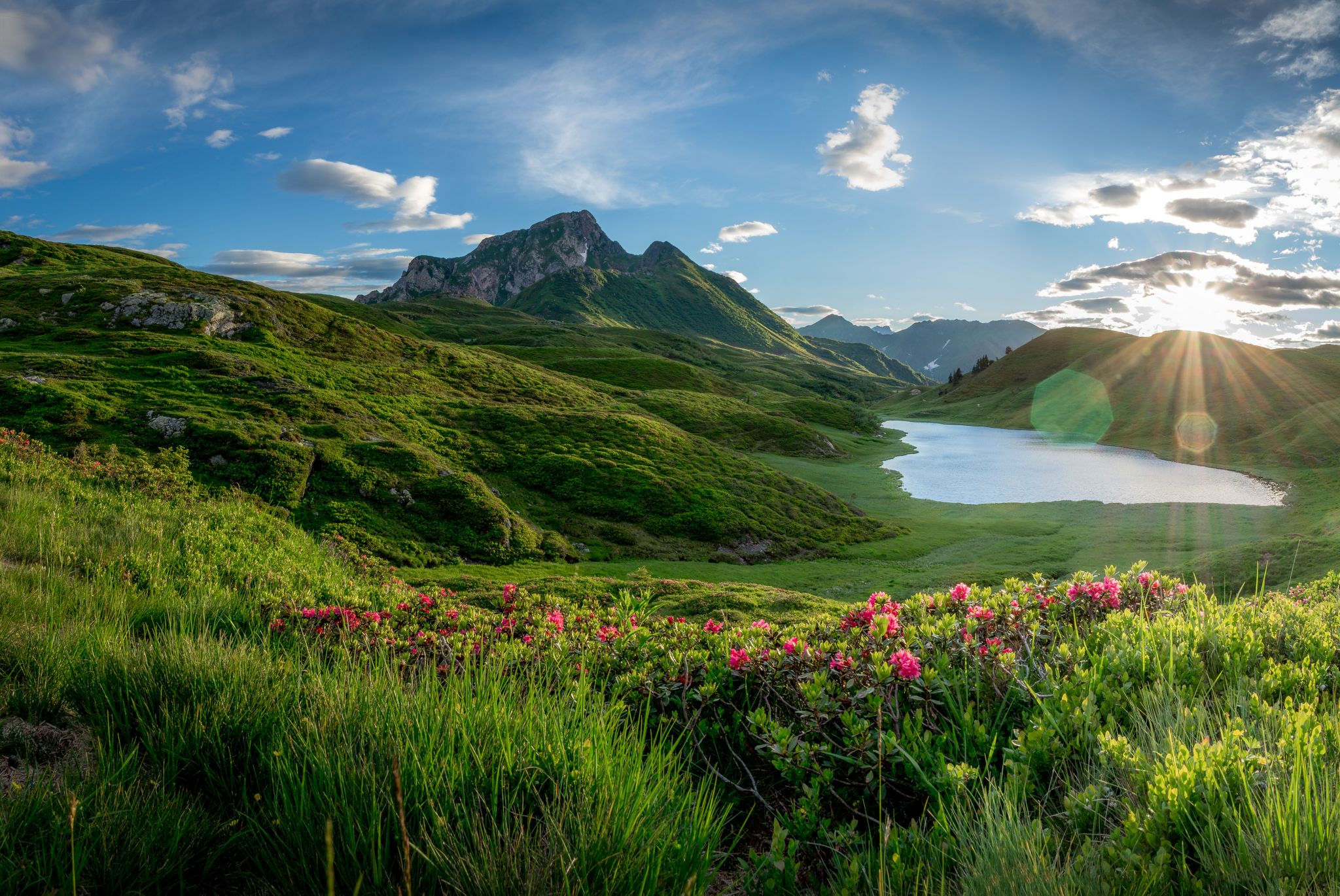
Southern Alpine Trail – Styrian vineyards and the Carnic Alps in Austria
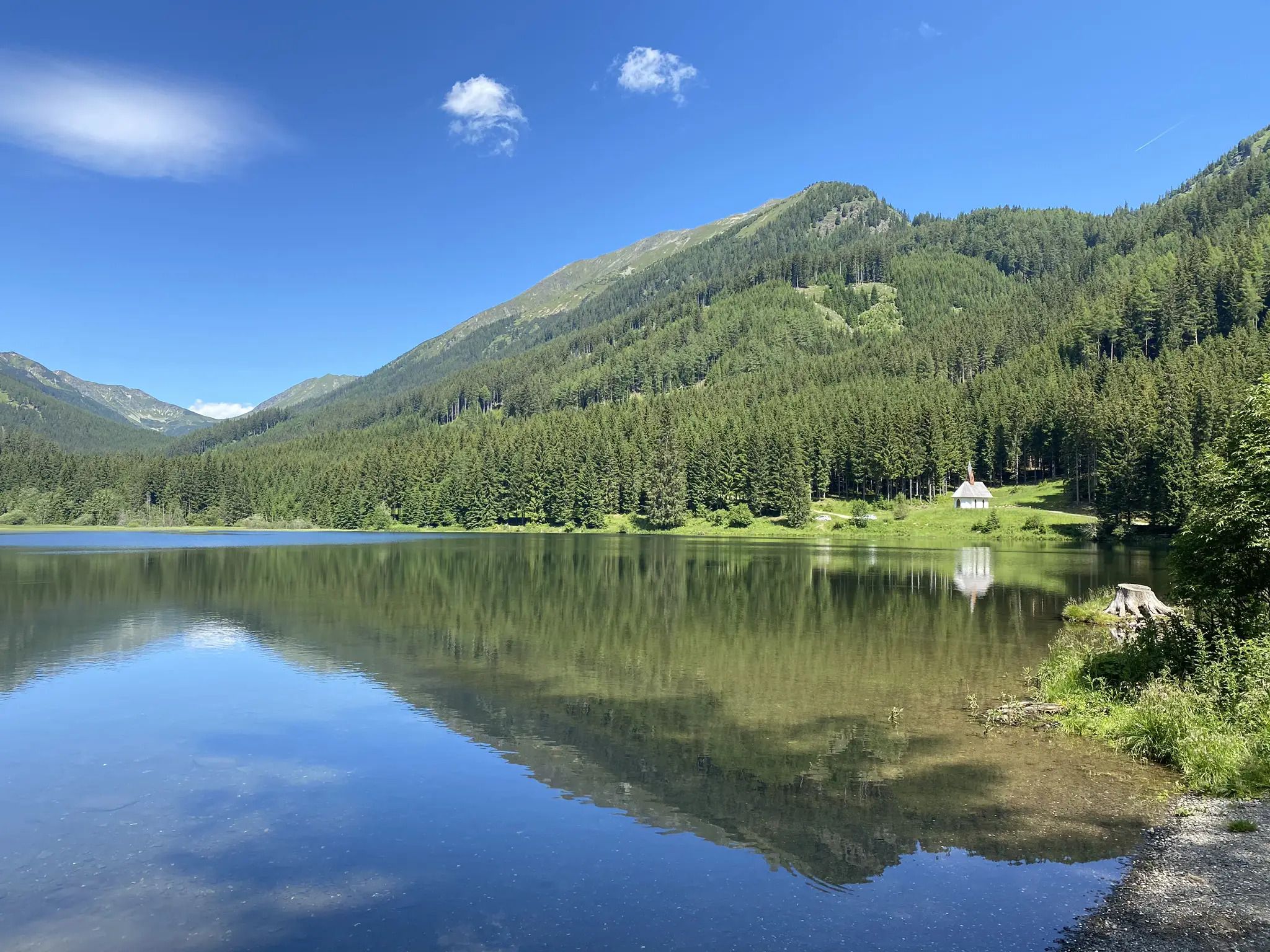
Eisenwurzen Trail – Hiking through Austria from north to south
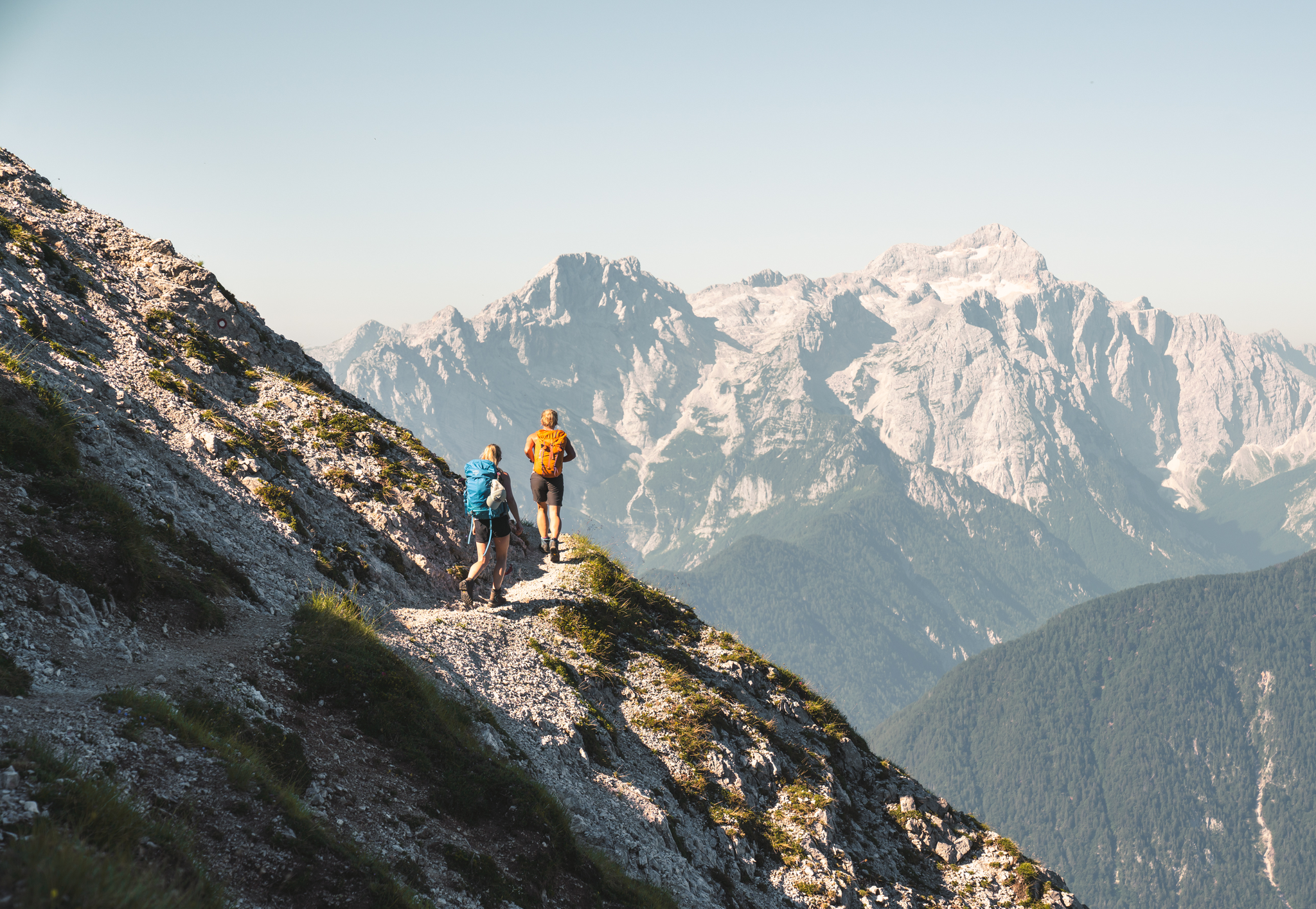
Sunny adventures on the Southern Alps Panorama Trail
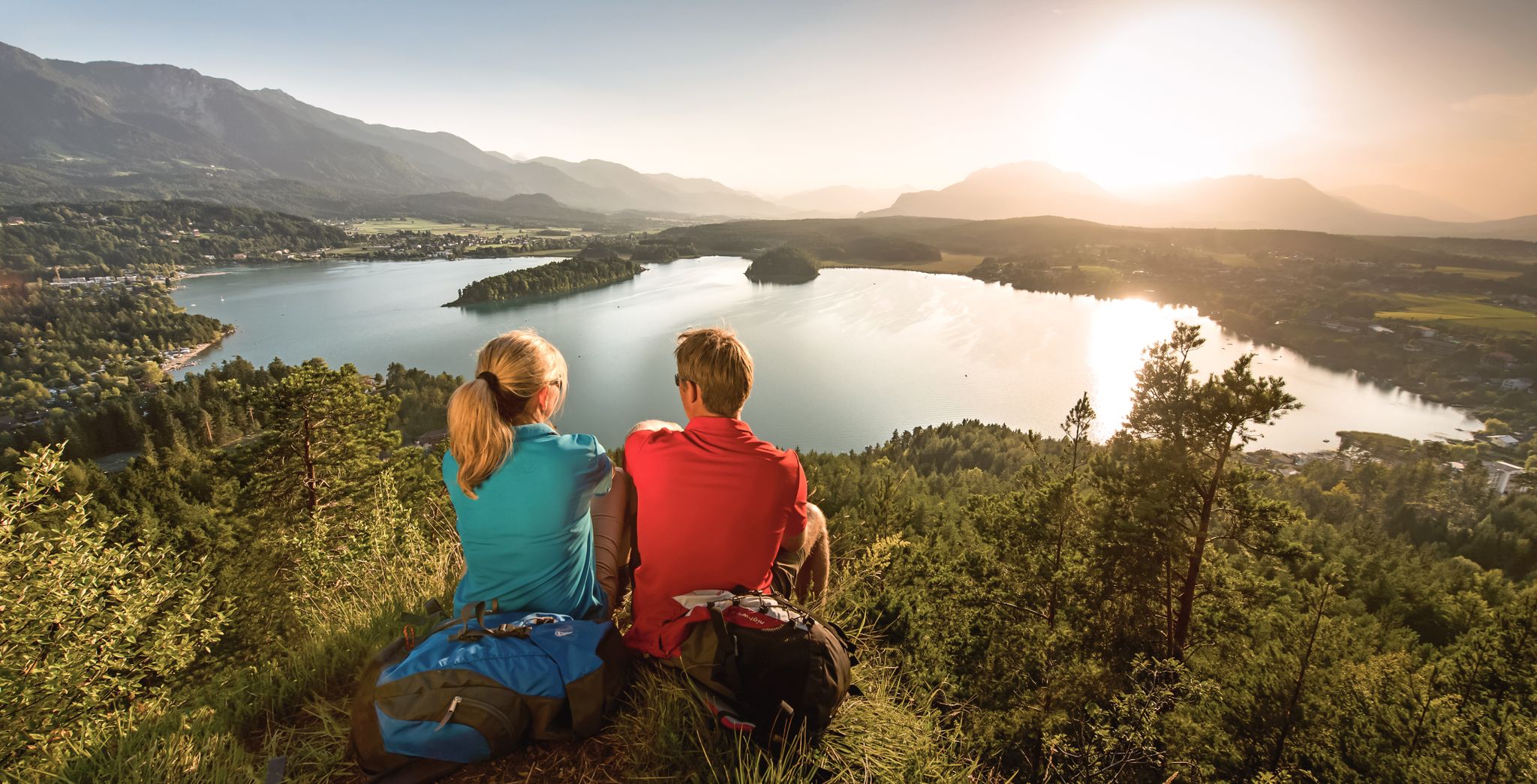
Panoramic hikes around the most beautiful lakes of Carinthia
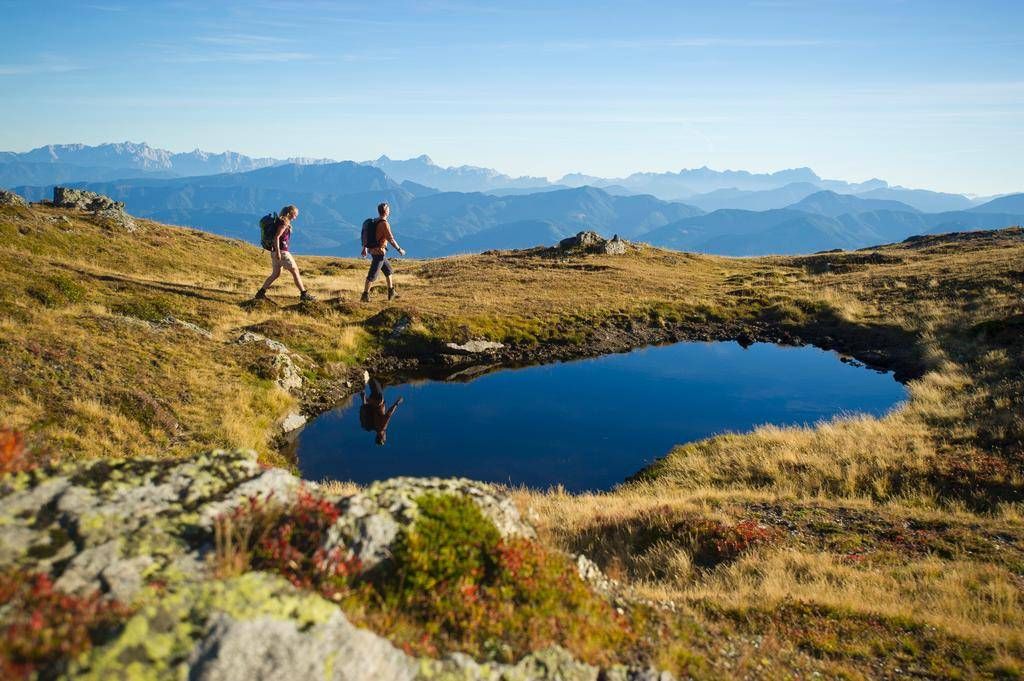
Delightful hiking along the Carinthian Lakes
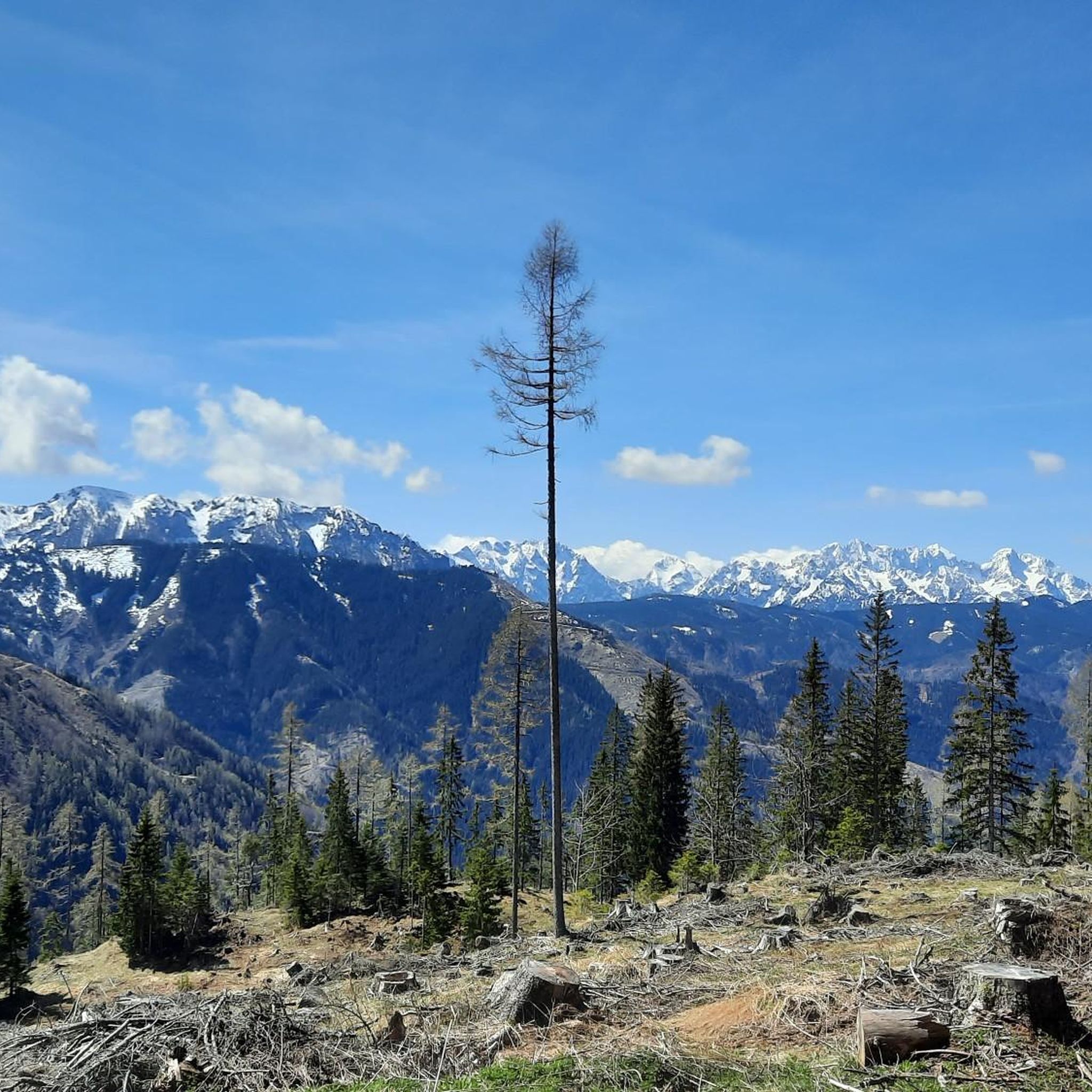
Hiking around Eisenkappel-Vellach
Cycling around Eisenkappel-Vellach
MTB Trails around Eisenkappel-Vellach
Road Cycling Routes around Eisenkappel-Vellach
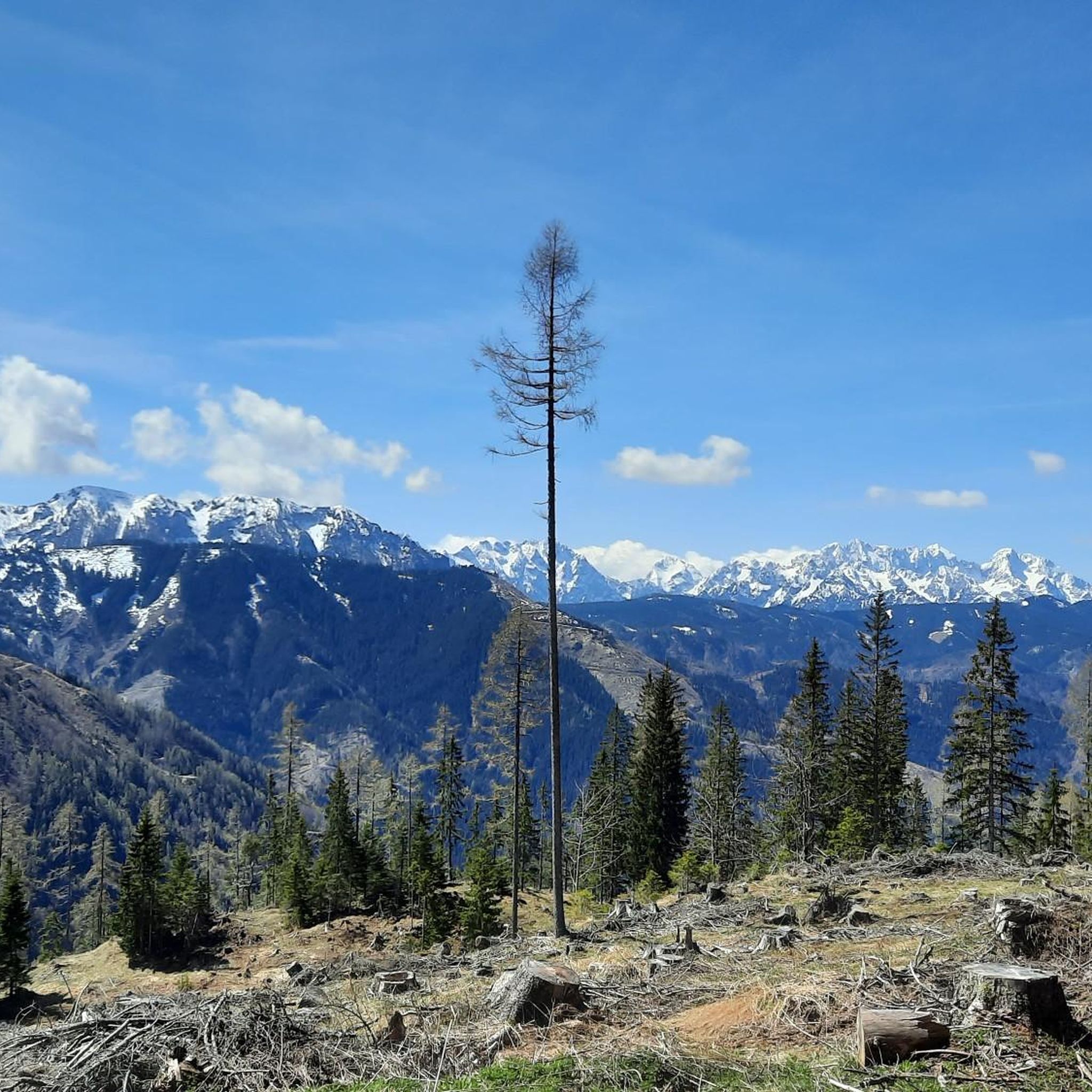
Mountain Hikes around Eisenkappel-Vellach
Other adventures around Eisenkappel-Vellach


Tips from the Community

Lake Gösselsdorf is located in the heart of a nature reserve. It invites you to stroll, linger, and dream all year round. In summer, the water temperature reaches up to 27 degrees Celsius, making it the perfect place to cool off on warm days. Its water is clear and of drinking quality. It is also known that calamus grows in the lake, which makes for particularly beautiful, supple skin.
1
0
I have to disagree with my predecessor. The lake is said to have very good, healing water, despite, or perhaps because of, the water lilies...
1
0

The Rinka Waterfall is one of Slovenia's most beautiful and most visited natural attractions and is considered the source of the Savinja River. It is particularly impressive in spring and autumn with its large volume of water, while you can enjoy the view with a drink in the nearby Orlovo gnezdo.
1
0

Approx. 15 min. climb to the Wildenstein Waterfall. The highest free-falling waterfall in Europe. It's definitely worth it.
2
0
The entire lake is 80% covered with water lilies.
1
0
Beautiful lake, but not really suitable for swimming as it is 80% covered with water lilies.
2
1
Impressive waterfall with a drop of 50 meters. The highest of its kind in Europe. From the car park, the path takes you up to the waterfall in serpentines and is sometimes quite steep, taking another 15 minutes. The path is closed to bicycles!
3
0

Po slovensko/In Slovene: Pristovški Storžič / Kärntner Storschitz (the name was taken from the Slovene naming). His big brother is called Storžič, 2,132m https://www.hribi.net/gora/storzic/3/85
0
0
Frequently Asked Questions
What are some of the most popular natural monuments to visit in Eisenkappel-Vellach?
The region offers several highly-rated natural monuments. Visitors particularly enjoy the panoramic views from the Hochobir Summit Cross and the artistic summit cross at Kärntner Storschitz Summit. Another impressive sight is the Wildensteiner Waterfall, which plunges 54 meters from a rock face.
Are there any family-friendly natural monuments in the Eisenkappel-Vellach area?
Yes, several natural monuments are suitable for families. The Trögerner Klamm (gorge) features easy paths, a water adventure world, and a playground. The Gösselsdorfer See Natural Swimming Area is a romantic nature reserve perfect for swimming, and the Wildensteiner Waterfall is also considered family-friendly, offering an impressive natural spectacle.
What kind of geological features can I explore in Eisenkappel-Vellach?
Eisenkappel-Vellach is part of the UNESCO Global Geopark Karawanken-Karavanke, offering diverse geological wonders. You can explore the extensive underground system of the Obir Dripstone Caves with their ancient stalactite and stalagmite formations. The Trögerner Klamm (gorge) showcases dramatic limestone cliffs, polished conglomerates, and deep formations carved by water erosion over millions of years. The region also features various summits and waterfalls.
What outdoor activities can I do near these natural monuments?
The area around Eisenkappel-Vellach is excellent for various outdoor activities. You can find numerous mountain hikes, including challenging routes to the Hochobir Summit. For cyclists, there are road cycling routes like the 'Bad Eisenkappel – Trögener Klamm Gorge loop' and gravel biking options such as the 'Vellach Riverside Cycle Path'. You can find more details on these activities in the Mountain Hikes, Road Cycling Routes, and Gravel Biking guides for the region.
Is the Trögerner Klamm (gorge) accessible for wheelchairs or strollers?
Yes, the Trögerner Klamm is known for its easily navigable paths, making it accessible for families with strollers and individuals using wheelchairs. Information boards along the route provide insights into the gorge's natural significance.
What is the Obir Dripstone Caves experience like?
The Obir Dripstone Caves offer a unique subterranean adventure. You'll see countless white stalactites, stalagmites, and other dripstone formations that have formed over approximately 200 million years. Guided tours include multimedia presentations explaining the geological processes. The caves maintain a constant temperature of about 8°C, so it's advisable to bring warm clothing.
Are there any historical or legendary sites among the natural monuments?
Yes, the Devil's Stone near Globasnitz is a natural monument with a rich legend. According to local folklore, the rock was thrown into the Jaun Valley by the devil in anger, and you can still see what is believed to be the devil's thumbprint on its front.
What should I wear when visiting the Obir Dripstone Caves?
Even on warm days, the Obir Dripstone Caves maintain a constant temperature of about 8°C (46°F). It is highly recommended to bring warm clothing, such as a jacket or sweater, to ensure a comfortable visit.
Can I swim in any of the natural monuments around Eisenkappel-Vellach?
Yes, the Gösselsdorfer See Natural Swimming Area is a designated bathing lake. In summer, the water temperature can reach up to 28°C, making it a pleasant spot for swimming in a romantic nature reserve setting.
What makes the Trögerner Klamm a special place for nature lovers?
The Trögerner Klamm is a designated nature reserve known for its pristine and untouched beauty. It features rugged limestone cliffs, a crystal-clear stream with a green shimmer, and a rich biodiversity. It's a habitat for diverse vegetation, including alpine and sub-Mediterranean species, and provides crucial refuge for rare and endangered animals and plants. Fossils of mussels, snails, and bryozoan colonies have also been found here.
What do visitors enjoy most about the natural monuments in Eisenkappel-Vellach?
Visitors frequently highlight the stunning panoramic views from summits like Hochobir, especially on clear days. The impressive sight and sound of the Wildensteiner Waterfall are also very popular. Many appreciate the romantic and natural setting of places like the Gösselsdorfer See, where they can swim and relax.
Are there any specific tips for hiking to the Hochobir Summit Cross?
When hiking to the Hochobir Summit Cross, it's recommended to bring binoculars for the wonderful views on clear days. Be aware that there might be a toll of €6 in coins for the journey to Eisenkappler Hütte. Also, even in warm weather, an icy wind can blow at the summit, so pack warm clothes.
Most popular routes around Eisenkappel-Vellach
Most popular attractions around Eisenkappel-Vellach

Get inspired with the komoot mobile app


Explore more
Extend your search for the best caves by checking out these guides of the top ones around Eisenkappel-Vellach:
