Top 18 Natural Monuments around Kittsee
Best natural monuments around Kittsee include a diverse landscape featuring historical parks, extensive orchards, and varied trails. The region offers a blend of natural beauty and cultural heritage, with 18 natural monuments to explore. Its proximity to significant natural areas like the Neusiedler See-Seewinkel National Park further enhances its appeal for outdoor activities.
Best natural monuments around Kittsee
- The most popular natural monuments is Devín Castle, a castle that served as an important historical crossroads since the 2nd century.…
Last updated: August 17, 2026
Devín Castle
Highlight • Castle
Translated by Google •
Tip by

Slavín War Memorial and Military Cemetery
Highlight • Monument
Tip by

Sign up now to discover places like this
Get recommendations on the best single tracks, peaks, & plenty of other exciting outdoor places.
Sign up for free
Fountain of the Planet of Peace at the Presidential Palace
Highlight • Monument
Translated by Google •
Tip by

Družba Fountain (Linden Blossom) – Námestie Slobody
Highlight • Monument
Translated by Google •
Tip by

Danube River Restoration
Highlight • River
Translated by Google •
Tip by

Sign up for free to discover even more natural monuments around Kittsee.
Sign up for free
Already have an account?
Start today with a free account
Your next adventure awaits.
Login or Signup
Popular around Kittsee
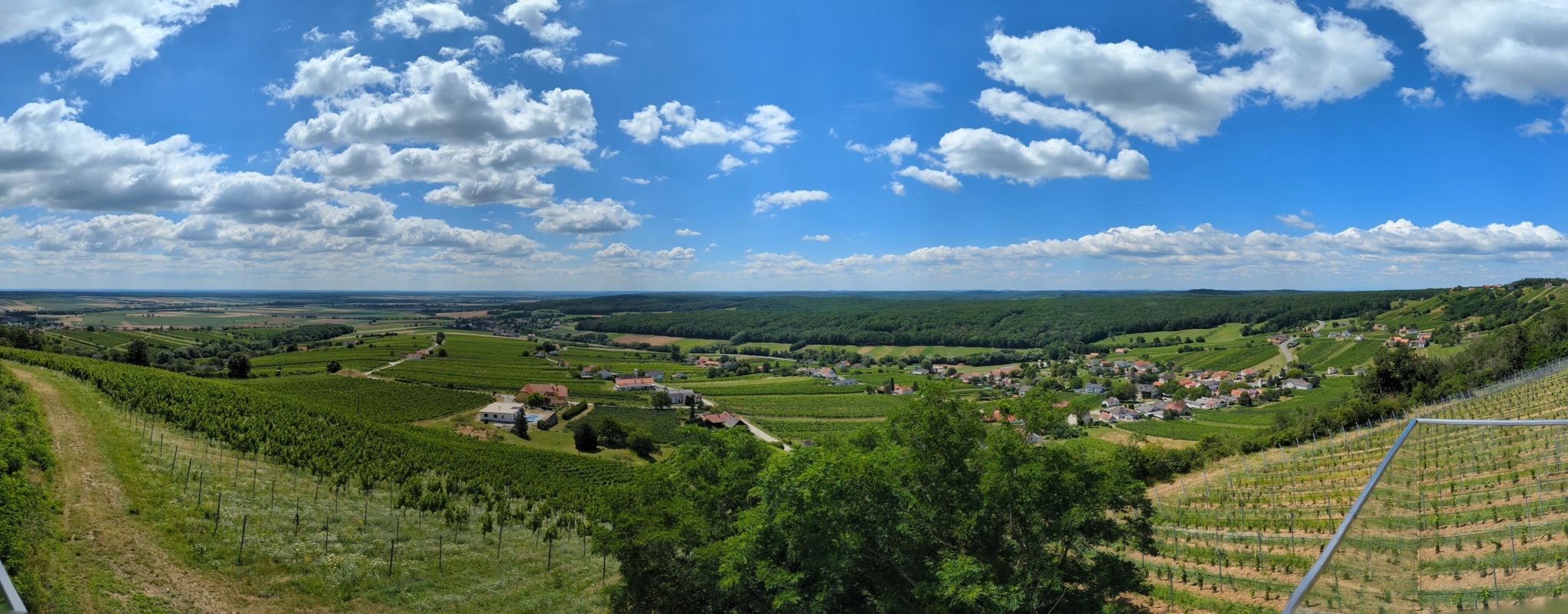
Jubiläumsradweg cycle path through Burgenland
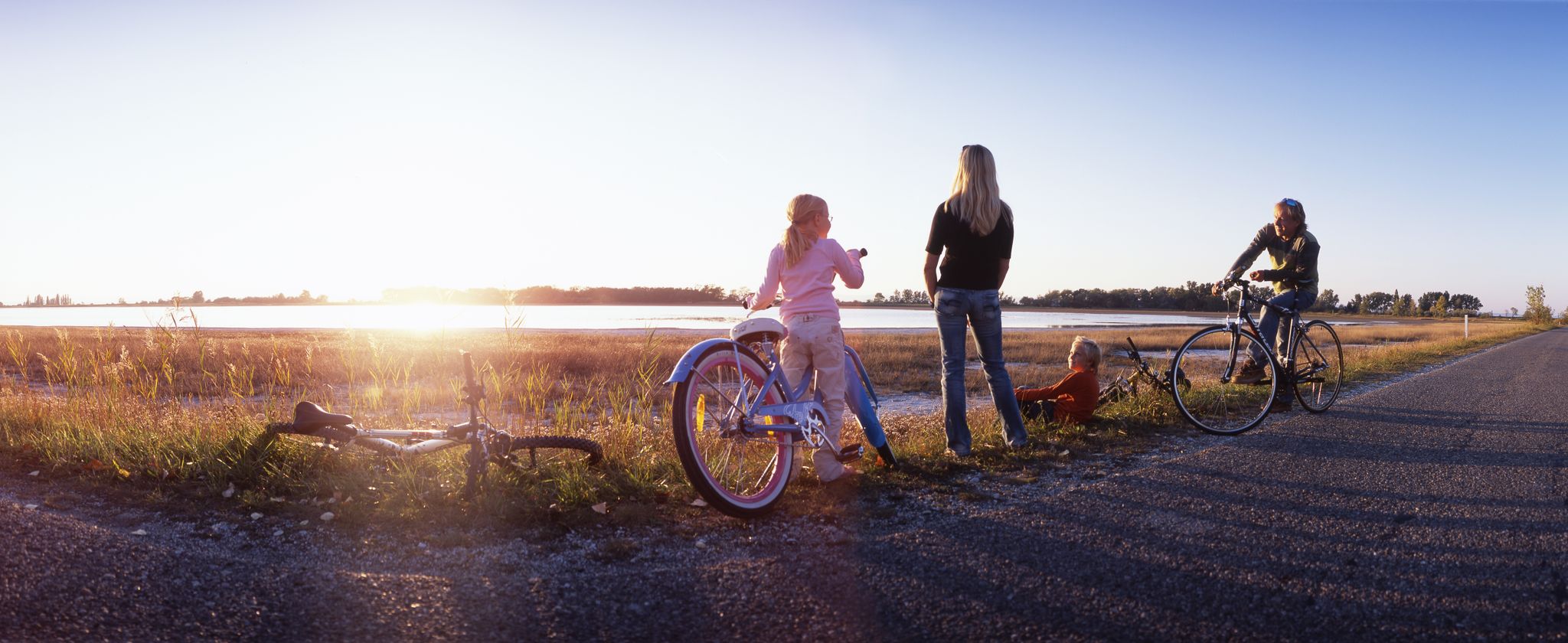
Borderless cycling at St. Andrä am Zicksee – history, wildlife & lakes
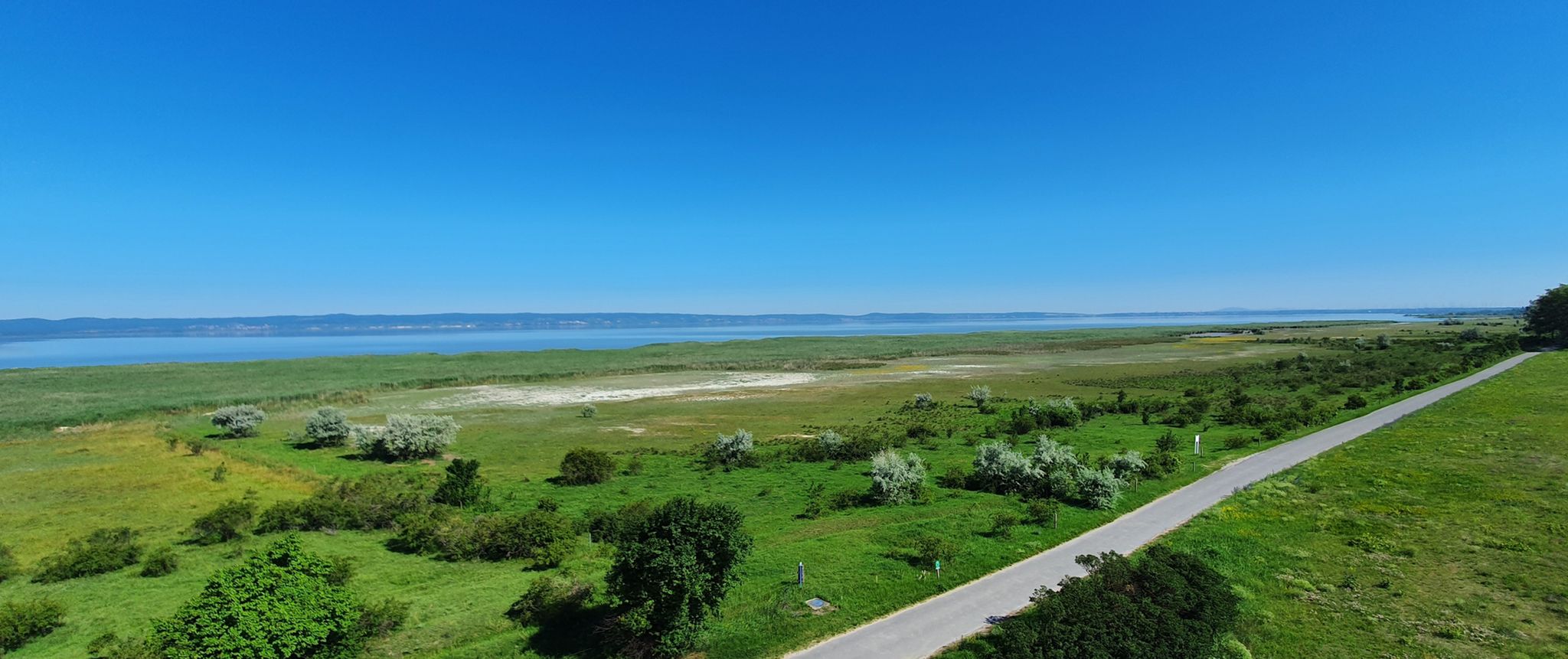
A cycling safari on Lake Neusiedl – UNESCO landscapes in Austria
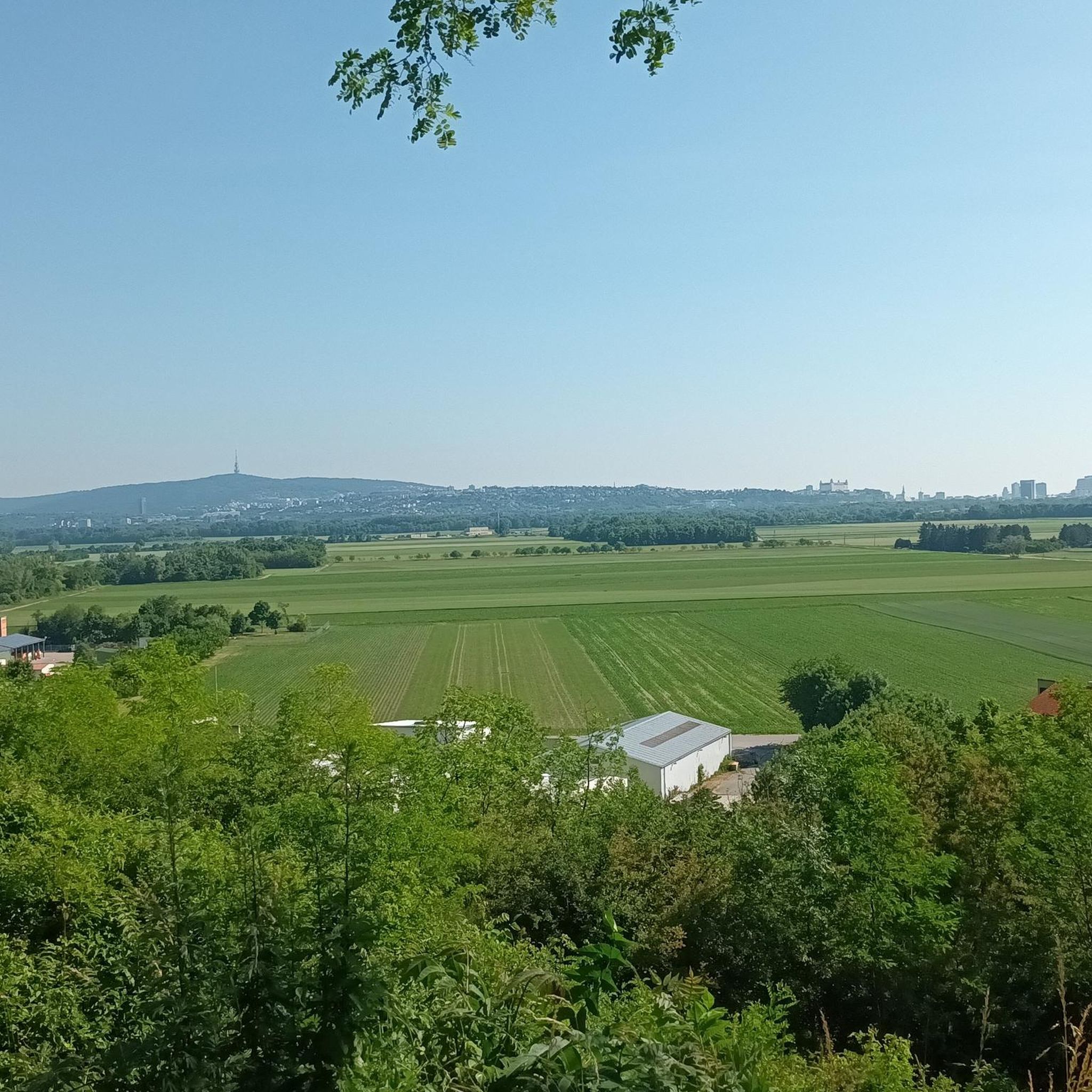
Cycling around Kittsee
Road Cycling Routes around Kittsee
Hiking around Kittsee
Running Trails around Kittsee
MTB Trails around Kittsee

Gravel biking around Kittsee
Other adventures around Kittsee


Tips from the Community

The renaturation of the Danube near Hainburg, particularly in the Johler Arm area, is one of the most important ecological projects in the Austrian Danube region. The goal was to return the heavily regulated Danube to its natural state and to restore valuable floodplain forest and river habitats. The Johler Arm, a former branch of the Danube near Hainburg, was reconnected to the main stream as part of the project. This reconnection ensures regular water flow through the branch, restoring dynamic river processes such as flooding, sediment relocation, and natural bank formation. As a result, many rare animal and plant species – including fish, amphibians, and waterfowl – benefit from new habitats. The project also improves ecological continuity for migratory aquatic organisms. A landscape-enhanced floodplain landscape was created along the Danube, where the natural diversity of the Danube can once again be seen and experienced – a successful example of near-natural watercourse development in the Danube Floodplains National Park.
0
0

The elegant fountain directly in front of the Presidential Palace draws all eyes with its clear water jets and ornate bronze sculptures. Surrounded by manicured green spaces and benches, it invites you to take a refreshing break while admiring the palace's magnificent façade. An ideal photo stop and place to take a breather on your tour of Bratislava.
6
0

Freedom Square is the largest square in Bratislava. In the Middle Ages, there were vineyards on the current square. The square probably came into being in the 17th century after the construction of the Archbishop's Summer Palace on the west side of the square, which now serves as a government building. In the period after World War II, the square and its surroundings were rebuilt. In 1946–1951, the Postal Palace was built on the north side, which now houses the Ministry of Transport of the Slovak Republic; on the south and east sides, buildings of the current Slovak Technical University were built. In 1980, the whole square was turned into a park; in the center there is a fountain called Družba (Friendship). In the middle of the fountain there is a stainless steel linden blossom with a diameter of 9 meters, a Slavic symbol. Excerpts from https://de.wikipedia.org/wiki/N%C3%A1mestie_slobody
2
0

The gigantic Slavín war memorial can be seen from many places in the city. Located on a hill above the castle, it commemorates the liberation of the city by the Red Army in April 1945. The largest war memorial in Central Europe, at 52 meters, towers over the city as an unmissable dominant feature. The gigantic Slavín memorial stands on a hill with a view of Bratislava Castle and most of the city. 6845 soldiers of the Soviet Army found their resting place in this military cemetery. All of them fought for the liberation of Bratislava during the last weeks of World War II. The city was finally liberated in April 1945. The 39.5 meter high pillar is dominated by the memorial, a statue of a victorious Soviet soldier with a flag. The central hall of honor with various statues is decorated with inscriptions of Slovak cities that the Soviet Army liberated in 1944-1945. Slavín was built between 1957 and 1960 on the site of a Soviet war cemetery and opened to the public on April 3, 1960, on the 15th anniversary of the liberation of the city. In 1961 it was declared a national cultural monument. It is an example of the monumental style of Soviet architecture. The monument was placed in the middle of a wealthy district with villas from the Austro-Hungarian Empire, the interwar period and modern architectural showpieces. Not far away is a beautiful mountain park - Horský park, which invites you to take a peaceful walk in the green.
2
0

The gigantic Slavín war memorial is visible from much of the city. On a hill overlooking the castle, it commemorates the city’s liberation by the Red Army in April 1945. It is also a cemetery for 6,845 Soviet soldiers who died during the battles for the city and the surrounding region that took place in the final weeks of World War II.The scale of the memorial is impressive: the central obelisk is more than 39 metres high, and is topped by an 11-metre tall statue (by Alexander Trizuljak) of a victorious Soviet soldier carrying a flag. Around the base are inscriptions recording the Slovak cities liberated by the Red Army during its westward advance in 1944 and 1945. https://www.visitbratislava.com/places/slavin/
5
0

It is located on a hill in the Bratislava-Patrónka district and offers impressive views over the city. The monument was built between 1957 and 1960 and is an architectural masterpiece by Slovak sculptor Ján Svetlík and architect Dušan Kuzma. The central statue depicts a Soviet soldier holding a flag, standing on a pedestal surrounded by a ring of 12 columns. It is a place that attracts visitors from all over the world to honor the history and victims of World War II.
2
0
Slavín is the name of a war memorial and cemetery in Bratislava in honor of the Soviet soldiers who lost their lives during the capture of the city of Bratislava in April 1945 during the Second World War. It is located on a mountain in the western part of Bratislava's Old Town. The memorial, designed by Ján Svetlík, was built between 1957 and 1960 on the site of a Soviet honorary cemetery and opened to the public on April 3, 1960 on the 15th anniversary of the city's liberation. In 1961 it was declared a national cultural monument. Wikipedia
3
0

A river and forest setting that pleases. In Italy similar settings are found only in high mountain landscapes. Handsome.
1
0
Frequently Asked Questions
What kind of natural features can I explore around Kittsee?
The Kittsee region offers a diverse landscape, including the serene Danube River Restoration area, extensive apricot orchards that bloom beautifully in spring, and the historic Schlosspark Kittsee. You'll also find various hiking and cycling trails winding through vineyards and natural areas, and the region serves as a gateway to the unique steppe landscape of Neusiedler See-Seewinkel National Park.
What is the best time of year to visit the natural attractions near Kittsee?
Spring, particularly late March to mid-April, is ideal for witnessing the breathtaking 'sea of flowers' in the apricot orchards. Summer, especially July, allows you to enjoy fresh Kittseer apricots. Spring and autumn offer mild weather, perfect for exploring the numerous hiking and cycling trails. The Neusiedler See-Seewinkel National Park is also excellent for birdwatching during migration seasons in spring and autumn.
Are there family-friendly natural monuments or activities in the Kittsee area?
Yes, the Schlosspark Kittsee is perfect for leisurely walks and features a playground for children. The 'Experience Nature' theme trail also provides interactive stations about local flora and fauna, along with playgrounds. Additionally, the Danube River Restoration area is family-friendly, offering opportunities to spot wildlife like kingfishers and beavers.
What historical sites are considered natural monuments in this guide?
While many natural monuments focus on landscapes, this guide also includes sites of historical significance. For example, Devín Castle, an ancient fortress, is listed due to its historical importance and scenic location at the confluence of the Morava and Danube rivers. The Slavín War Memorial and Military Cemetery, a significant historical monument, also offers expansive views over the city.
What outdoor activities can I do near the natural monuments around Kittsee?
The region is excellent for outdoor enthusiasts. You can enjoy various cycling routes, including easy to moderate road cycling trails like those found in the Road Cycling Routes around Kittsee guide, or more challenging gravel biking options from the Gravel biking around Kittsee guide. There are also many easy hiking trails, such as those detailed in the Easy hikes around Kittsee guide, which lead through orchards and natural areas.
Are there any unique natural landscapes or ecosystems to explore?
Absolutely. Kittsee is a gateway to the Neusiedler See-Seewinkel National Park, a UNESCO World Heritage site. This unique steppe landscape is often compared to the African savanna due to its wide grasslands and diverse ecosystems, including extensive wetlands, pastures, dry grasslands, and salt flats. It's renowned as one of Europe's richest bird paradises.
Can I see wildlife near Kittsee's natural monuments?
Yes, especially in the Danube River Restoration area, where you might spot kingfishers and beavers. The Neusiedler See-Seewinkel National Park is a major highlight for wildlife, particularly birdwatching, with up to 350 bird species inhabiting its diverse ecosystems. Guided excursions and Seewinkel safaris are available there for optimal viewing.
What are some notable viewpoints in the area?
The ruins of Devín Castle offer beautiful views of the confluence of the Morava and Danube rivers. The Slavín War Memorial and Military Cemetery, situated on a hill, provides expansive vistas over Bratislava. Additionally, trails along the Leitha Mountains offer broad scenic views of the surrounding landscape.
Are there any accessible natural sites around Kittsee?
While specific accessibility details for all natural sites vary, some urban monuments like the Fountain of the Planet of Peace at the Presidential Palace and Družba Fountain (Linden Blossom) – Námestie Slobody are noted as wheelchair accessible. For natural areas, it's best to check specific trail conditions, but many paths through the apricot orchards and Schlosspark Kittsee are generally flat and easy to navigate.
What do visitors appreciate most about the natural monuments around Kittsee?
Visitors frequently praise the blend of natural beauty and cultural heritage. The scenic trails through vineyards and apricot orchards are highly valued, as is the peaceful atmosphere of places like Schlosspark Kittsee. The historical significance of sites like Devín Castle and the unique ecosystem of the nearby Neusiedler See-Seewinkel National Park also receive high acclaim.
Where can I experience the famous apricot orchards of Kittsee?
Kittsee is renowned for its extensive apricot cultivation, with approximately 35,000 apricot trees spread over 100 hectares. You can explore these orchards via the numerous hiking and cycling trails that crisscross the region. During late March to mid-April, the orchards transform into a 'wonderful sea of flowers,' and in July, you can find fresh Kittseer apricots at local stands and farm stores.
Most popular routes around Kittsee
Most popular attractions around Kittsee

Get inspired with the komoot mobile app


Explore more
Extend your search for the best caves by checking out these guides of the top ones around Kittsee:
